Hiroshima’s Peace Park is more than a collection of monuments. It is a place to face what happened on 6 August 1945, and to see how a city has carried that memory into the present. This half-day walk connects the Peace Memorial Museum with the Atomic Bomb Dome, adding a local guide’s explanations to sites that can be hard to absorb on your own.
I like two things in particular: the guide helps put the museum and memorials in context, and the visit to Orizuru Tower brings a lighter, hands-on moment with origami and a view over the city. The trade-off is that the museum stop may feel short if you read every exhibit, and lunch comes near the end, so bring a small snack if you tend to get hungry.
- Key points to know before you book
- Why a guide changes the Peace Park visit
- At the Peace Memorial Museum, give yourself time
- Peace Park, the Children’s Peace Monument and the Dome
- Orizuru Tower: a view, a crane and a shift in mood
- Lunch is included, but bring a snack
- Is .79 good value?
- Practical details for a smooth half-day
- Who should book this Hiroshima walk?
- FAQ
- How long does the tour take?
- What sites are included?
- Is lunch included in the price?
- Is the tour available in English?
- Is the tour suitable for wheelchair users or strollers?
- What happens if I need to cancel?
- The Best Of Hiroshima!
- More Walking Tours in Hiroshima
- More Tours in Hiroshima
- More Tour Reviews in Hiroshima
Key points to know before you book
 1 / 9
 2 / 9
 3 / 9
 4 / 9
 5 / 9
 6 / 9
 7 / 9
 8 / 9
 9 / 9
- A local guide connects the memorial sites: Expect context on Hiroshima’s past and present, with guides including Yuji, Yuki, Mariko and Kaz.
- The museum is the emotional center: Some displays use graphic imagery, and the visit can be intense for adults as well as children.
- You’ll walk between several central sites: The route includes Peace Park, the Children’s Peace Monument and the Atomic Bomb Dome.
- Orizuru Tower adds a change of pace: Take in the city view and try folding an origami crane.
- Lunch and admissions are included: The price starts at $87.79, with the value depending on how much you want a guide’s perspective.
- Plan for a late meal and a lot of walking: The tour is about five hours, and the schedule can shift with weather or traffic.
👉 See our pick of the Hiroshima’s 13 Top Workshops & Classes (With Prices)
Why a guide changes the Peace Park visit
Hiroshima’s memorial area can be visited independently, and the museum itself provides extensive information. But walking the sites with someone who can explain their links gives the visit a clearer shape. You move from the museum’s evidence of the bombing to memorials in the surrounding park, then to the Dome, the most visible reminder of the blast.
The tour’s focus is not only on the destruction. Your guide is there to discuss how residents coped with the catastrophe and how the city developed afterward. That past-to-present view matters: otherwise, it is easy to leave with a powerful but incomplete picture of Hiroshima as only a place of tragedy.
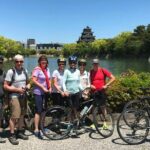
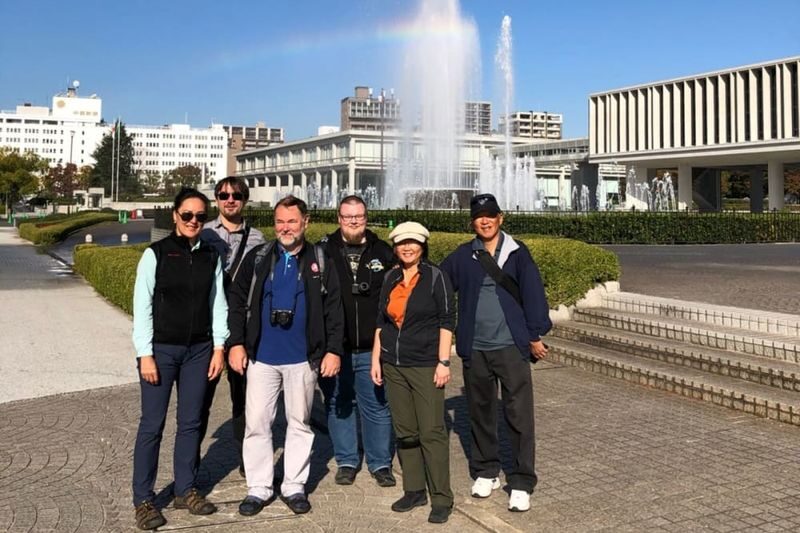
The guides are a major part of the experience. Names that have come up on this tour include Yuji, Yuki, Mariko, Kaz, Hiro and Kaori. The guide you meet will depend on the date, but the role is consistent: explain the sites, answer questions and offer local perspective in English or Japanese.
Some guides have shared personal or family connections to the bombing, which can make the subject feel immediate. That is not something you should expect from every guide, but the local perspective is central to the tour’s appeal. You are not simply following a route between monuments; you are hearing how Hiroshima’s history is remembered by people who live there.
You can also read our reviews of more walking tours in Hiroshima
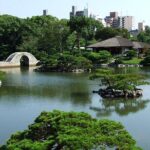
At the Peace Memorial Museum, give yourself time
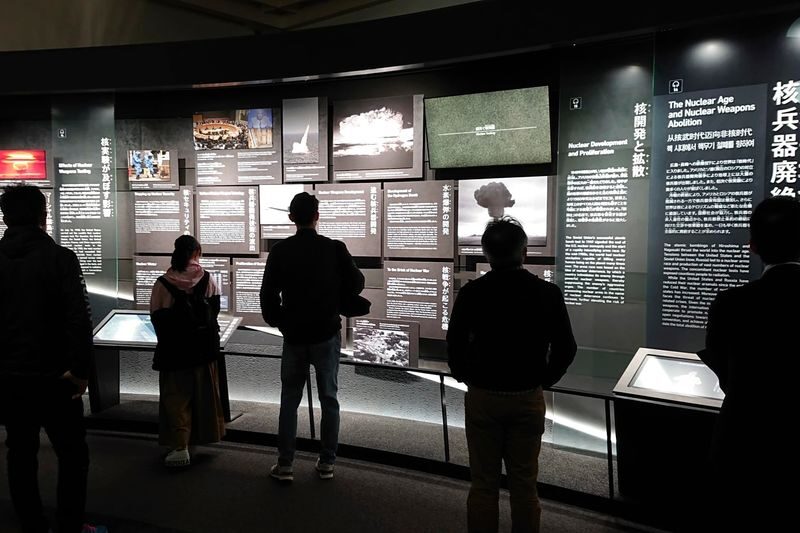
The Hiroshima Peace Memorial Museum, founded in 1955, is the main stop for understanding the human impact of the atomic bomb. Its purpose is to show what happened and support a future without nuclear weapons. The exhibits can be confronting, and some contain graphic images that may upset young children or anyone who is sensitive to such material.
A guide helps set the scene and answer questions, but you should not expect the museum visit to replace a full independent visit. The tour has several stops to cover, and some visitors have wished for more time to finish the exhibits. If you want to read every panel and examine each display at length, this half-day schedule may feel brisk.
I would treat the guided visit as an introduction, not a reason to rush through the museum. If time allows, ask your guide how the schedule works and whether you can return to the exhibits after the group portion. One participant noted that the museum ticket remained valid for the rest of the day, but confirm the current arrangement with the operator rather than counting on it.
The museum is emotionally demanding. Take it at your own pace, and let your guide know if you have concerns about the content. The tour is about learning and remembrance, not pushing through every display on a checklist.
Peace Park, the Children’s Peace Monument and the Dome
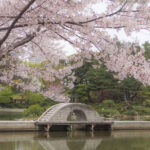
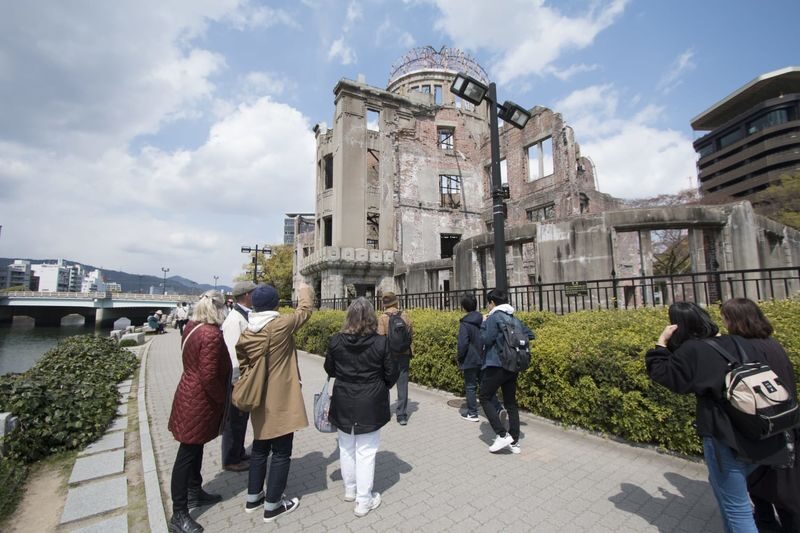
Outside the museum, the route takes in Peace Park and memorials such as the Children’s Peace Monument. Your guide can explain why these places matter and how they fit into the city’s continuing call for peace. This context helps you see the park as a place of remembrance and public purpose, rather than simply a green space around the museum.
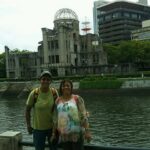
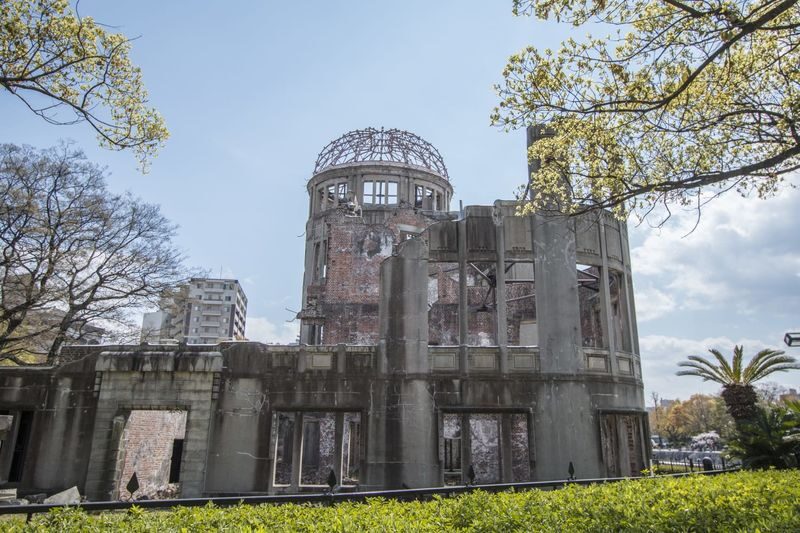
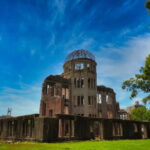
The Atomic Bomb Dome is a particularly stark stop. It was the only structure left standing in the area where the bomb exploded on 6 August 1945. Seeing it from the park brings the scale of the destruction into focus, while its preserved form gives the memorial a clear physical anchor.
This part of the tour is walking-based, so wear comfortable shoes and be ready to spend time outdoors. The route includes several points of interest, and the order or timing may change with weather and other conditions. The walk is a practical way to connect the sites, but it does mean this is not a sit-down history lesson.
A small group can make it easier to hear the guide and ask questions. Past groups have ranged from just a few people to around nine, though the size is not guaranteed. If your group is larger, you may need to stay close and save questions for pauses along the way.
Orizuru Tower: a view, a crane and a shift in mood
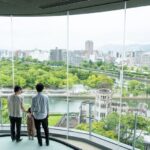
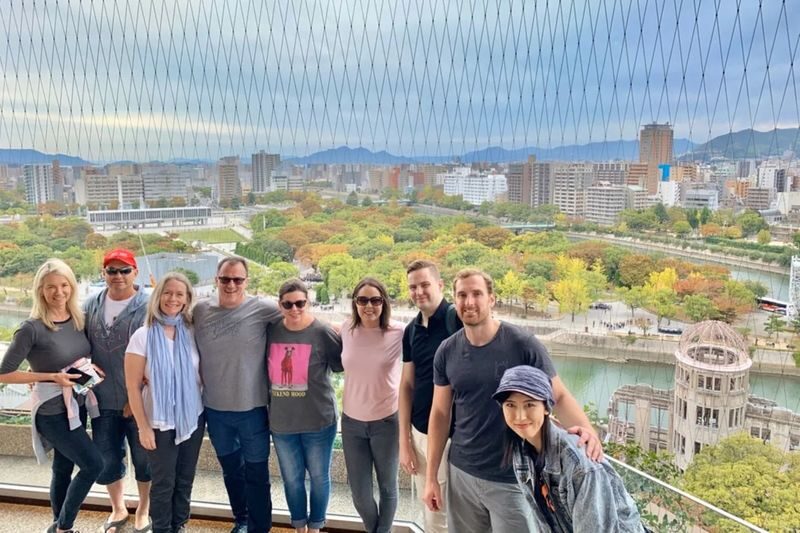
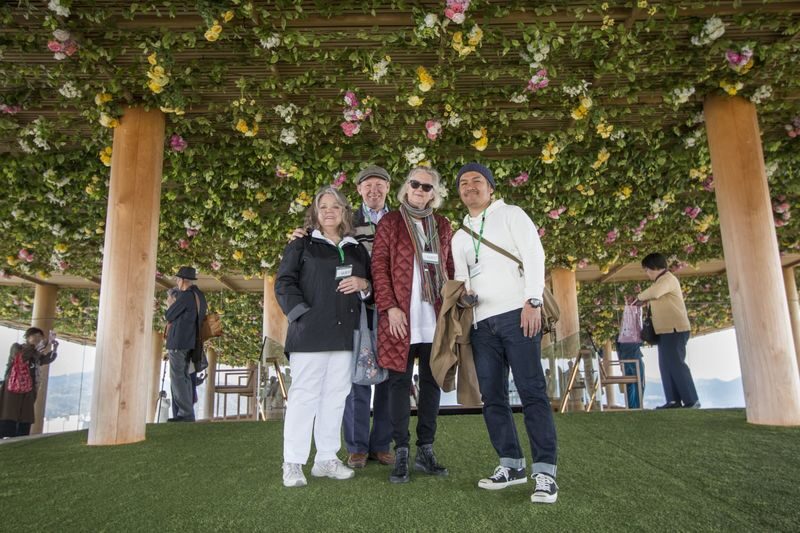
After the solemnity of the park and Dome, Orizuru Tower offers a different perspective. From the observation deck, you can look across Hiroshima and take in the modern city around the memorial area. The view gives the day a useful pause: it lets you consider the distance between the events of 1945 and the city you are standing in now.
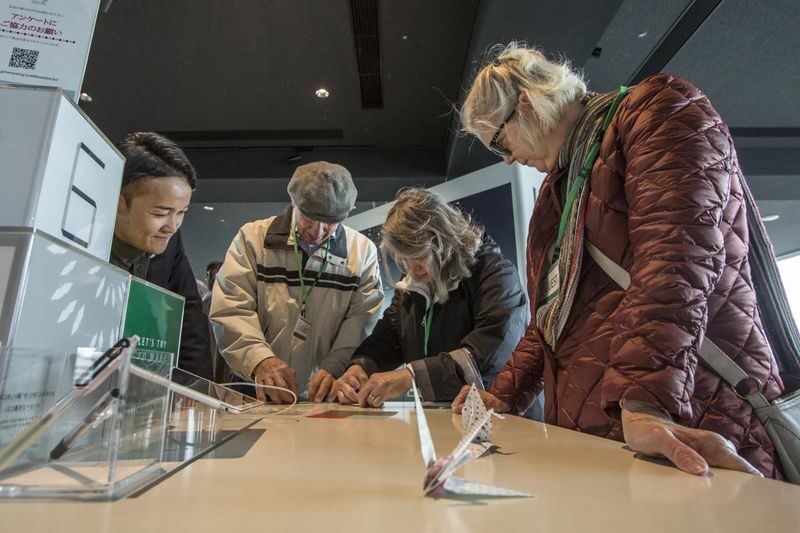
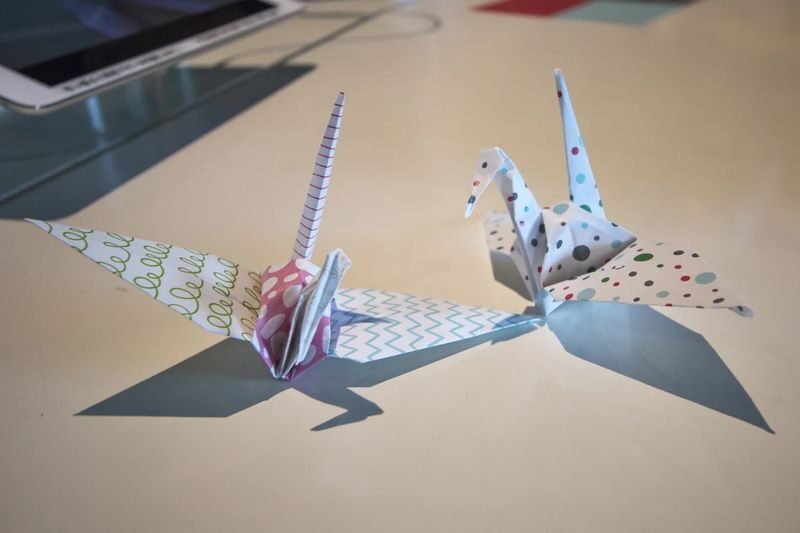
You can also try origami, the Japanese art of paper folding, and make a paper crane. The activity is simple, but fitting for a visit centered on remembrance and peace. It gives you something to do with your hands after several hours of listening and looking, and it often becomes one of the tour’s more personal moments.
The tower is not a substitute for the museum or the park. Its value is in the contrast: you leave the memorial sites, see Hiroshima from above and take part in a small cultural activity. If you are short on time in the city, that mix makes the half-day route feel more complete than a museum-only visit.
Lunch is included, but bring a snack
Lunch is part of the tour price, and the meal is usually served toward the end of the outing. The precise venue and meal can vary; the experience includes lunch, but additional food and drinks are not covered. Some groups have eaten at a local restaurant after the tower visit, and the meal has been described as a welcome finish.
The timing is worth planning around. With a 9:00 a.m. departure, lunch may not come until roughly 1:30 or 2:00 p.m., depending on the day’s pace. Have a proper breakfast and carry a small snack if that is a long stretch for you.
The food is prepared by restaurants outside the tour operator’s kitchens. Vegetarian choices are limited, and the operator cannot guarantee an allergy-free meal or accommodate every dietary restriction. Tell them about allergies or requests at least one day ahead; changes made on the day cannot be accommodated, and substitutions may not be possible at every stop.
You do not need to pay for your guide’s meal or drinks. That is a small practical point, but it makes the included-lunch arrangement easier to understand: your food is covered, while any extra drink or snack is yours to buy.
You can also read our reviews of more historical tours in Hiroshima
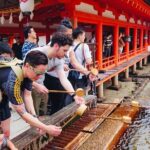


Is $87.79 good value?
The starting price is $87.79, and it includes admission to the Peace Memorial Museum and Orizuru Tower, an English- or Japanese-speaking guide, lunch and photos. The value is strongest if you want a local guide to interpret the sites and prefer having the route, admissions and meal arranged together.
You can visit the museum and Peace Park on your own, so the tour is not the cheapest way to see the area. Its extra value is the guide’s commentary, the linked walking route and the chance to ask questions as you go. Several people who joined with limited time found it a useful introduction to Hiroshima, while others felt they could learn enough by spending more time at the museum independently.
For me, the key question is how you like to visit a place with difficult history. If you want room to read at your own pace, a self-guided day may suit you better. If you want a human guide to connect the museum, park, Dome and city’s present, the added cost has a clear purpose.
The tour’s overall rating is 4.8 out of 5 from 46 ratings. That is a strong result, but it does not mean every detail will fit every visitor. The most consistent strengths are the guides’ explanations, friendly manner and ability to make the history understandable; the main reservations are the price, meal timing and limited time inside the museum.
Practical details for a smooth half-day
The tour meets at Montbell in Hiroshima Tranvêlle Building, at 1-2-22 Kamiyacho, Naka Ward. Departure choices are 9:00 or 10:00 a.m.; the return is listed as 2:00 or 3:00 p.m., depending on the departure and itinerary. Confirm the time selected when booking, and arrive promptly: late arrivals and no-shows are not refundable.
Look for a guide holding an orange sign marked Magical Trip Tour. Bring your mobile voucher, comfortable walking shoes, and water. Summer in Japan can be very hot and humid, so a hat and regular water breaks are sensible.
This activity is not wheelchair- or stroller-accessible, and child seats are not available. Pets are prohibited, and the tour is not recommended for pregnant participants. The route is not suitable if you need step-free access throughout.
Free cancellation is available with at least 24 hours’ notice. If extreme weather or another unforeseen event leads the operator to cancel, you can reschedule or request a full refund. Check the exact terms at booking, especially if your Hiroshima schedule is tight.
Who should book this Hiroshima walk?
I’d choose this tour if you have limited time in Hiroshima and want a well-shaped introduction to the Peace Park, museum and Dome. It is also a good fit if you value a guide’s local perspective, want lunch included and like the idea of ending with a city view and an origami activity.
Think twice if you want several unhurried hours in the museum, need accessible routes, or have strict dietary requirements. Families should consider whether the museum’s graphic displays are right for their children, and anyone who gets hungry early should bring a snack.
At its best, this is a thoughtful way to understand Hiroshima beyond the museum walls. Book it for the guide and the connections between the sites, not because you cannot visit them alone. If those connections matter to you, the half-day format earns its place in your schedule.
Hiroshima Peace (Heiwa) Walking Tour at World Heritage Sites
“Yuji was a fantastic tour guide, he gave us lots of information about Hiroshima and also general information about Japan. highly recommend. thanks…”
FAQ
How long does the tour take?
It is a half-day walking tour, with departure choices at 9:00 or 10:00 a.m. and return times listed as 2:00 or 3:00 p.m. The exact schedule depends on the departure selected and the itinerary.
What sites are included?
The tour includes the Hiroshima Peace Memorial Museum, Peace Park sites such as the Children’s Peace Monument, the Atomic Bomb Dome and Hiroshima Orizuru Tower. Shirakami-sha Shrine is also listed among the activity locations.
Is lunch included in the price?
Yes. Lunch is included, but extra food and drinks are not. Vegetarian options are limited, and allergy-free meals or all dietary requests cannot be guaranteed.
Is the tour available in English?
Yes. The tour includes an English- or Japanese-speaking guide.
Is the tour suitable for wheelchair users or strollers?
No. The itinerary includes locations that are not wheelchair- or stroller-accessible. Child seats are not available.
What happens if I need to cancel?
A full refund is available if you cancel at least 24 hours before the activity date, using destination local time. Late arrivals and no-shows are not refundable.