In a 150-year-old townhouse just off Kyoto’s Ninenzaka lane, this tea ceremony is more than a bowl of matcha and a photo stop. You’ll learn why the movements matter, watch a tea master prepare the drink, then make your own using traditional utensils. During cherry blossom season, Manabu Ito personally hosts the sessions.
I like two things in particular: the table-style setup makes the ceremony easier if sitting on the floor is uncomfortable, and the chance to ask questions gives the ritual context beyond a quick demonstration. You also taste Uji matcha and seasonal-style dry sweets, called higashi.
One consideration: the room is reached by a small path off a busy sightseeing street, and the entrance can be tricky to locate. Give yourself extra time, follow the directions from your host, and don’t expect a long, elaborate event. This is a compact introduction, not a full-day study of tea.
- What to Know Before You Book
- A Quiet Room Near Ninenzaka
- First, Learn What the Ritual Is Doing
- Watch the Tea Master’s Demonstration
- Whisk Your Own Uji Matcha
- What the Price Buys
- Dress and Room Etiquette
- Who Will Enjoy This Tea Ceremony
- Should You Book It?
- FAQ
- How long does the tea ceremony take?
- Where do I meet the host?
- Is the experience conducted in English?
- Do I have to sit on the floor?
- What does the booking include?
- What should I wear or bring?
- Can I cancel for a refund?
- The Best Of Kyoto!
- More Tours in Kyoto
- More Tour Reviews in Kyoto
What to Know Before You Book
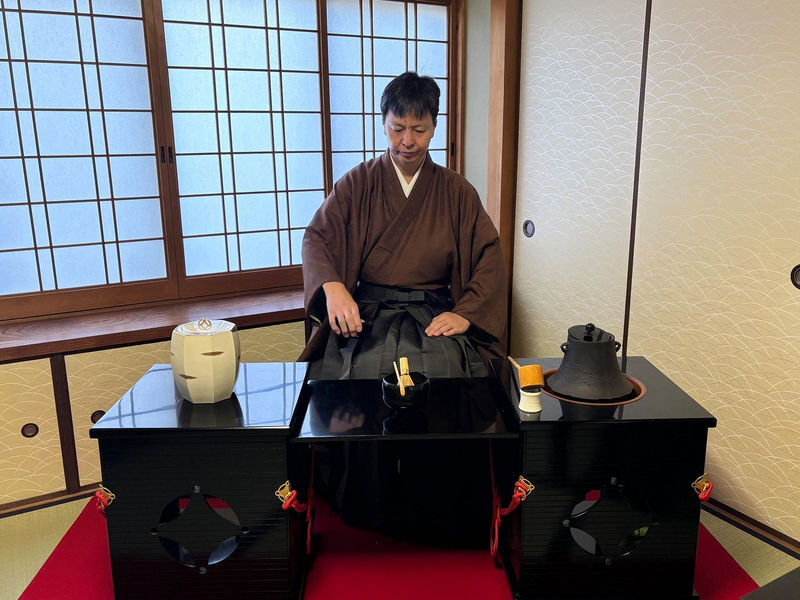
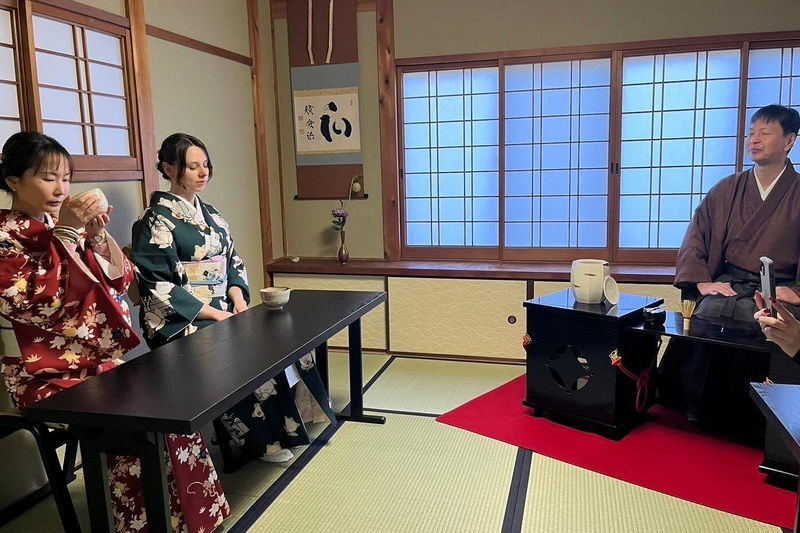
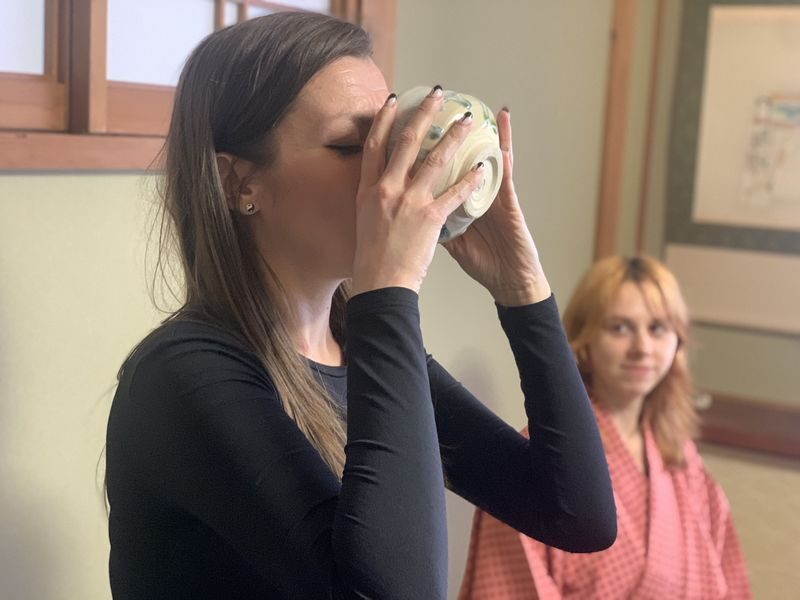
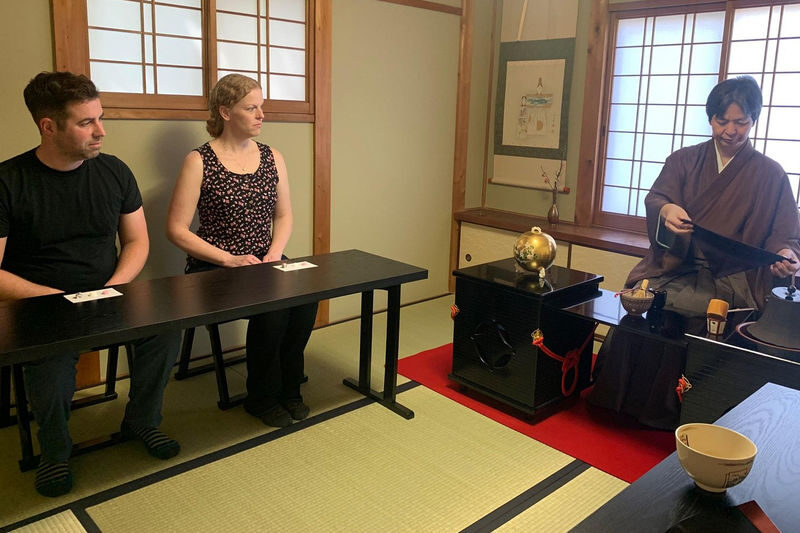
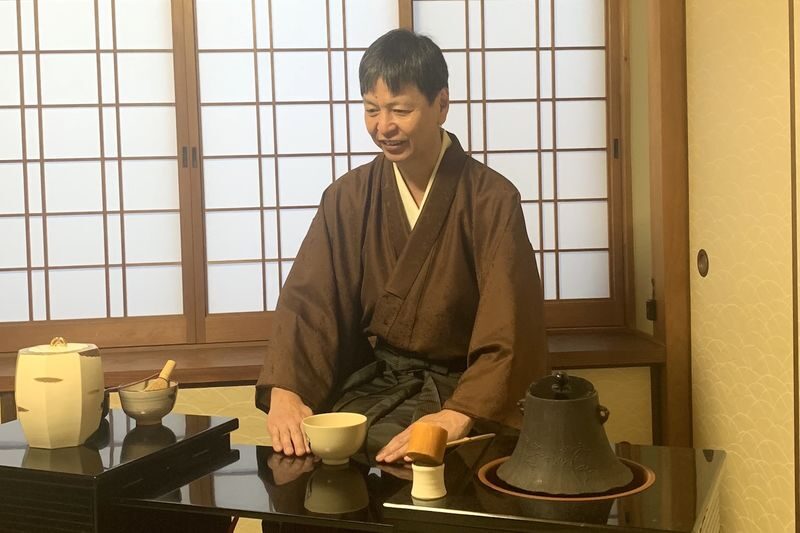
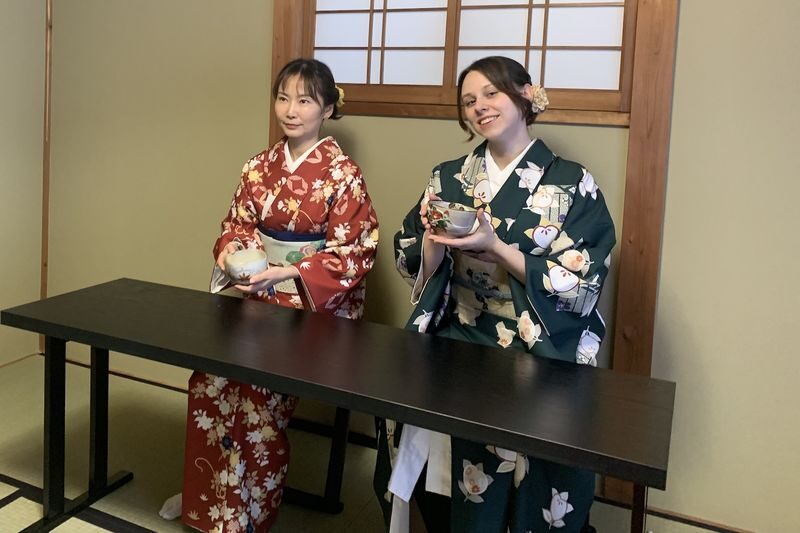
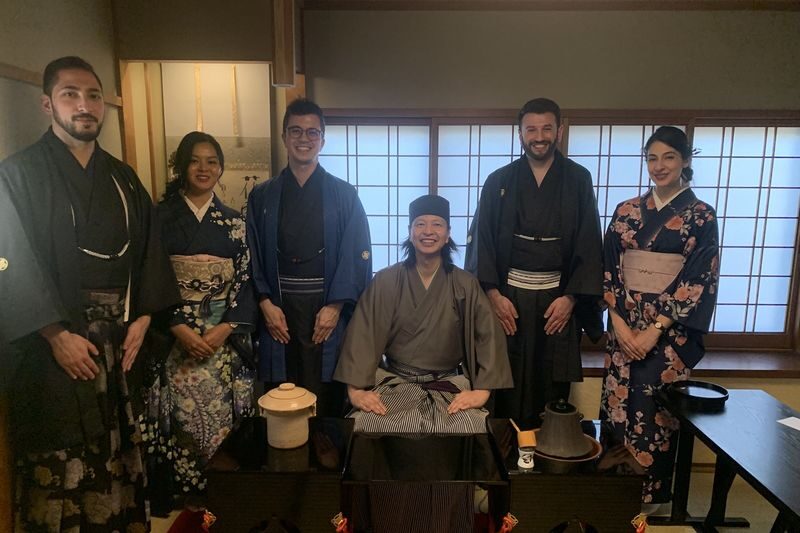
- A 150-year-old townhouse sets the scene: Kangetsu is in a traditional building in Higashiyama, close to Ninenzaka’s shops and lanes.
- You watch, then take part: A tea master demonstrates the ritual, then you whisk your own matcha with the supplied utensils.
- The seating is at tables: You don’t need to sit on the floor, a welcome detail if kneeling is uncomfortable.
- Uji matcha comes twice: The experience includes two cups of high-quality matcha from Uji, Kyoto, one prepared by the teacher and one made by you.
- The lesson includes etiquette and meaning: Expect an English-language introduction, a live demonstration, and time for questions.
- Come prepared for a quiet room: Wear socks, skip perfume and large jewelry, and leave cameras and video recording gear behind.
👉 See our pick of the We Rank Kyoto’s 15 Top Workshops & Classes
A Quiet Room Near Ninenzaka
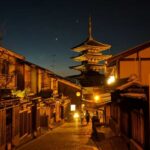
Ninenzaka is one of Kyoto’s best-known old-town streets, and it can be crowded, especially as people make their way toward nearby sights. Kangetsu sits down a private path to the left of Starbucks Coffee Kyoto Ninenzaka Yasaka. That tucked-away entrance offers a change of pace, but it can be easy to miss if you rely only on a map app.
The meeting address is 349-19 Masuyacho, Higashiyama Ward. The operator advises following its directions rather than relying on Google Maps, and that is sensible advice: one visitor specifically found the place hard to locate. Allow extra walking time, arrive promptly, and look for the path beside the Starbucks rather than expecting a prominent street-front doorway.
Inside, the ceremony takes place in a traditional townhouse. The setting matters because the tea ritual is about more than what is in the bowl. The room, utensils, sweets, flowers, and scrolls all contribute to the way the host welcomes you. Rare tea bowls and kettles, hanging scrolls, ikebana, and dry sweets may be part of the cultural context you see.
This is a meet-up activity, not a transport-inclusive tour. You make your own way there and return to the same address. Departure options are listed at 9:30, 10:45, 13:00, 14:15, 15:30, and 16:45, though available return times depend on the slot you choose. Check your confirmation for the precise time, and don’t build a tight connection into your plans.
You can also read our reviews of more tours and experiences in Kyoto.

First, Learn What the Ritual Is Doing
The session begins with an introduction to the history and meaning of Japanese tea ceremony. An English-speaking host explains the basic etiquette and what to notice, so you’re not left watching a string of unfamiliar gestures without knowing why they matter.
That explanation is one of the experience’s strongest features. The tea ceremony is a form of hospitality shaped by deliberate movement and attention to small details. Knowing when to receive the bowl, how the host handles the utensils, and why a sweet is served alongside the tea helps you read the ceremony as a whole, rather than treating it as a demonstration of whisking.
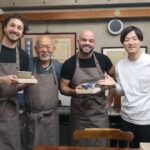
The hosts’ names and roles can vary. During cherry blossom season, Manabu Ito personally leads the sessions; other sessions have included tea master Mana and English-speaking hosts such as Nikko and Paul. The important practical point is that the activity is designed to be explained in English, though the person leading the demonstration and the person answering questions may not always be the same.
The family story adds a personal thread. Ito describes a family tradition connected to the Tokugawa Shogunate’s official gardeners and the cultivation of Somei Yoshino cherry blossoms, alongside generations of tea ceremony and calligraphy. The utensils include pieces passed down through the family. That heritage gives the talk a specific connection to Kyoto and the season, rather than making it only a general lesson in matcha.
Watch the Tea Master’s Demonstration
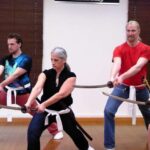
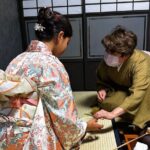
After the introduction, you move into the tea room for the formal demonstration. The teacher prepares matcha using traditional utensils, with the host explaining the steps and the etiquette around them. You are invited to notice the care given to the bowl and tools, not just the finished tea.
This is a small-scale experience, with a maximum group size of 15. Some sessions are much smaller, and a booking may end up feeling private if few people have reserved that time. You can’t count on having the room to yourself, but a small group gives you more room to ask questions and follow the sequence closely.
The demonstration is a good reason to set aside the camera. Only smartphones are allowed in the tea room, and video recording during the teacher’s demonstration is prohibited. Flash photography, professional cameras, and audio or video recording are not allowed. The restrictions help keep the room calm and protect valuable bowls and utensils. You can ask the hosts about photos, but don’t assume that every moment can be filmed.
The table setup is another practical plus. This ceremony is conducted in a standing style, with chairs and tables rather than floor seating. That makes it a more comfortable choice for people who find kneeling difficult, though the activity is not wheelchair-accessible, and the townhouse may present other mobility challenges.
Whisk Your Own Uji Matcha
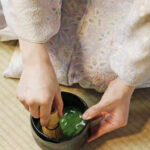
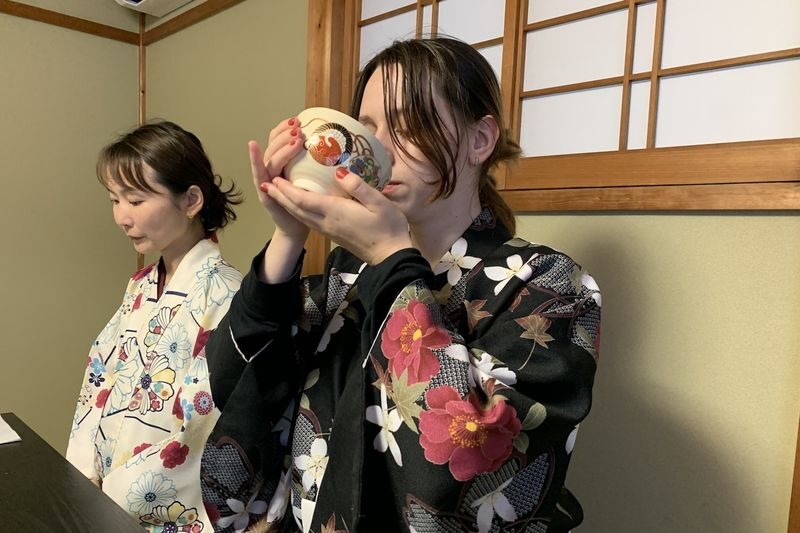
Once you’ve watched the teacher, you get the utensils and guidance to prepare matcha yourself. You’ll whisk the powder and water using a traditional bamboo whisk, then taste the result. It’s a simple hands-on step, but it changes the experience: you leave having done more than observe a ceremony.
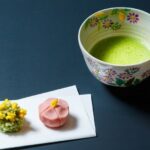
The experience includes two cups of high-quality matcha from Uji, one prepared by the teacher and one made by you. Uji, near Kyoto, is a historic matcha-producing area, and the tea is an important part of the activity’s value. You can compare the master’s careful preparation with your own first attempt. Don’t expect instant mastery; the point is to try the technique and understand the care behind it.
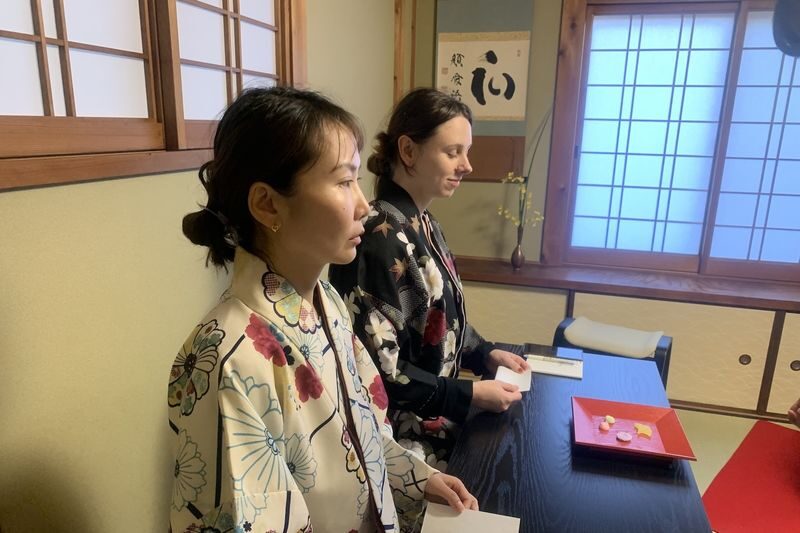
The sweet served alongside the tea is higashi, a dry Japanese confection associated with tea ceremony. These sweets are presented with attention to seasonal and cultural form, not simply as a snack. Their sweetness also balances the matcha’s more bitter, grassy flavor. If you enjoy food as a way into local customs, this small pairing helps make the ritual easier to understand.
There is time for questions, including questions about the ceremony, the tea, or the utensils. Some people have also bought matcha or tea bowls after the session, but purchases are not included in the ticket price and are entirely optional. If you are curious about buying anything, ask about it after the ceremony rather than letting shopping distract from the lesson.
What the Price Buys
At a starting price of $41.69, this is not the cheapest way to drink matcha in Kyoto. You are paying for a guided cultural session in a historic townhouse, a live demonstration, hands-on preparation, two cups of Uji matcha, and traditional sweets. The English-language explanation and access to questions are part of the value, especially if this is your first tea ceremony.
The experience is brief and focused, so its value depends on what you want. If you want a deep course in tea practice, extended time with the teacher, or a highly formal ceremony, this may feel too compact for the cost. A small number of past participants also felt the price was high for what they received, and one person expected to prepare the first cup rather than have it served by the master. The format does include a demonstration followed by your own preparation, so keep that sequence in mind when booking.
For a first introduction, I think the balance is appealing: you see an expert at work, learn the basic etiquette, taste the tea, and try the whisking yourself. You are not only buying a drink or a chance to pose in a kimono. You are paying for the explanations that make the ritual legible.
The activity has free cancellation with at least 24 hours’ notice, and same-day booking is available. The voucher is valid only for the date and time selected. If the operator cancels because of severe weather or another unforeseen event, you can reschedule.
Dress and Room Etiquette
Wear socks. They are required, and you can buy a pair onsite if you forget. Choose modest clothing that does not expose too much skin, and avoid perfume, which can interfere with the scent of tea and incense. Remove large necklaces, rings, and bracelets so they do not damage the bowls.
Leave oversized luggage, large bags, drinks, and food outside. Hats, shoes indoors, bare feet, smoking, vaping, alcohol, and chewing gum are not allowed. Keep your voice low, and avoid using electronic devices in the room. These rules can seem strict if you are used to casual tastings, but they fit an experience built around careful attention and fragile objects.
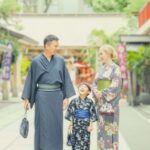
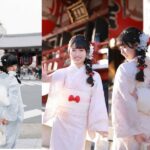
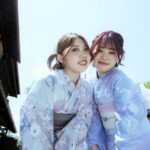
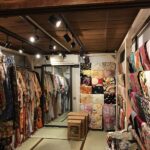
Kimono is not included. A two-piece kimono may be available for an additional charge, but you do not need one to take part. Socks are the only personal item specifically required. The activity is for people aged 13 and older, and it is not suitable for wheelchair users, people who are sick, or those bringing strollers.
Who Will Enjoy This Tea Ceremony
I’d choose this experience if you want a clear, practical introduction to Japanese tea culture without needing to sit on the floor. It suits curious couples, solo visitors, and small groups who enjoy asking questions and learning the reasons behind a ritual. It can also be a welcome pause between sightseeing stops in Higashiyama.
It is less suited to someone looking mainly for costume photos or a quick social-media backdrop. The ceremony asks you to listen, observe, and follow room etiquette. The setting is photogenic, but cameras are restricted, and the hosts present the activity as cultural practice rather than a photo session.
The location works well if you are already exploring Ninenzaka, but the surrounding lanes can slow your walk. If you are visiting during a busy period, leave a cushion of time to reach the private path. The session is also a good fit if you want an activity that balances explanation with participation: neither a lecture alone nor a demonstration you simply watch from the sidelines.
Should You Book It?
Book this tea ceremony if you want to understand what is happening in the tea room, taste Uji matcha, and make a cup yourself. The table seating, English explanation, and historic townhouse make it a thoughtful option for a first visit to a Japanese tea ceremony.
Skip it if you expect a long, highly formal study, unrestricted photography, or a bargain cup of tea. At about $42, the value lies in the cultural guidance and the chance to participate. Arrive early, wear socks, and follow the host’s directions to the entrance. If that sounds like your kind of Kyoto pause, it is a worthwhile way to spend a short stretch of your day.
Table-Style Tea Ceremony Experience in Ninenzaka Kyoto
“We had the most wonderful experience doing the Tea Ceremony here. It was authentic, traditional, educational and not a 'tourist gimmick'. We genuin…”
FAQ
How long does the tea ceremony take?
The available departure and return slots suggest a short session, but the exact duration can vary with the selected departure time and itinerary. Check the times shown for your booking.
Where do I meet the host?
Meet at Tea Ceremony & Cultural Experience Kangetsu Kyoto, 349-19 Masuyacho, Higashiyama Ward, Kyoto. The entrance is down the private path to the left of Starbucks Coffee Kyoto Ninenzaka Yasaka.
Is the experience conducted in English?
An English-speaking guide is included, and the session covers the ceremony’s history and etiquette in English. The tea master and the person explaining the steps may be different people.
Do I have to sit on the floor?
No. The ceremony uses a standing style with tables and chairs, so you do not need to sit on the floor.
What does the booking include?
It includes the tea ceremony course in a 150-year-old townhouse, an English-speaking guide, utensils for preparing your own tea, authentic higashi sweets, and two cups of Uji matcha.
What should I wear or bring?
Wear socks and modest clothing. Avoid perfume and large jewelry. Kimono is not included, and socks are available to buy onsite if you forget them.
Can I cancel for a refund?
You can receive a full refund if you cancel at least 24 hours before the activity date, using the destination’s local time. If the operator cancels because of extreme weather or another unforeseen event, you can reschedule.