
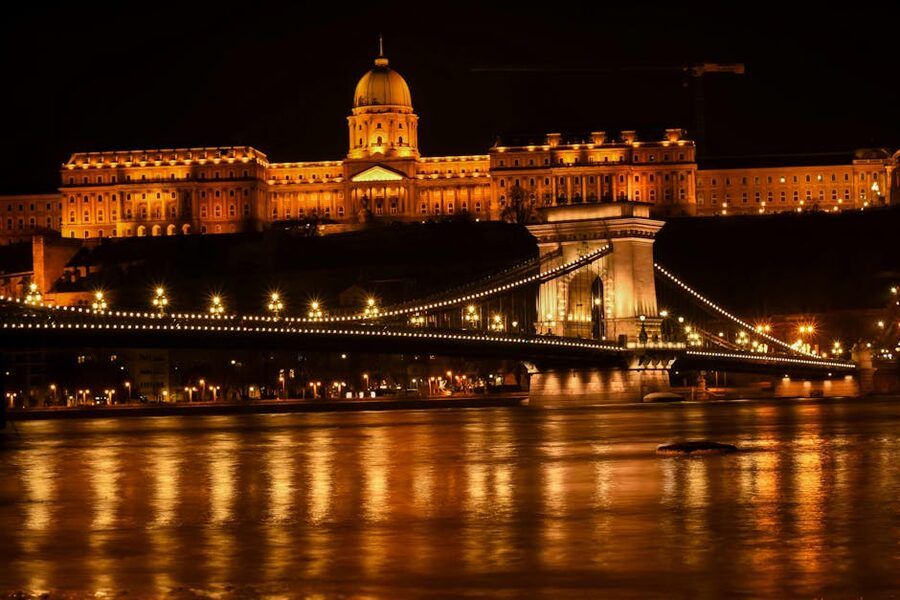
Our guide didn’t introduce himself when we met at the Zero Kilometre Stone. He was already in character — long black coat, lantern in one hand, and a slow, measured stare that made the whole group go quiet a beat earlier than usual. “I tell stories that the daytime guides won’t,” he said. Then he turned and started walking up the hill.
That’s the tone of the Buda Castle District Vampires and Myths Night Tour. Two hours of legends, blood-soaked Hungarian history, and a slow loop through the Castle District after the day-trippers have gone home. It’s not a ghost-jump-scare tour. It’s storytelling with the city as a backdrop.

- Top pick: Buda Castle District Vampires and Myths Night Tour on GetYourGuide — around $23, 2 hours, costumed guide, the most-booked version of this experience.
- Smaller groups: BloodThirsty Hungary: Walking Tour and Dark Historical Stories — around $21, professional actor as guide, leaner crowd.
- Viator alternative: Buda Castle District Dark History, Legends and Vampire Night Tour — same operator, different platform, around $22 if you collect Viator credit.
- What you actually do on the tour
- The three best tours to book
- 1. Buda Castle District Vampires and Myths Night Tour — around
- 2. BloodThirsty Hungary: Walking Tour and Dark Historical Stories — around
- 3. Buda Castle District Dark History, Legends and Vampire Night Tour — around
- The legends you’ll actually hear
- Vlad III the Impaler — and why he’s relevant to Budapest
- Elizabeth Báthory — the actual Hungarian one
- The Turul, the headless horseman, and the rest
- How to book — practical bits
- Where to book
- When to book
- What to wear
- How much it costs
- The meeting point and what happens at the end
- Combining it with the rest of your night
- Should you book this tour at all?
- Other Budapest guides to read next
What you actually do on the tour
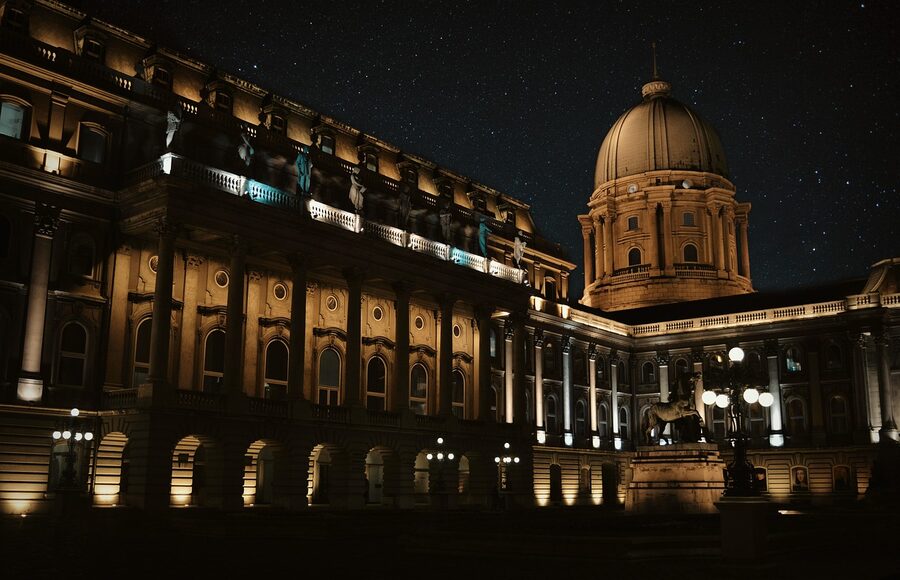
The route doesn’t go inside any buildings. That’s the first thing to know. This is an outdoor walking tour through the streets and viewpoints of the Castle District — about 1.5 kilometres of slow walking, plus stops, plus a fair number of stairs. Anyone expecting to enter Matthias Church or Buda Castle on this experience is going to be disappointed; for that you need a separate Buda Castle ticket or a daytime walking tour.
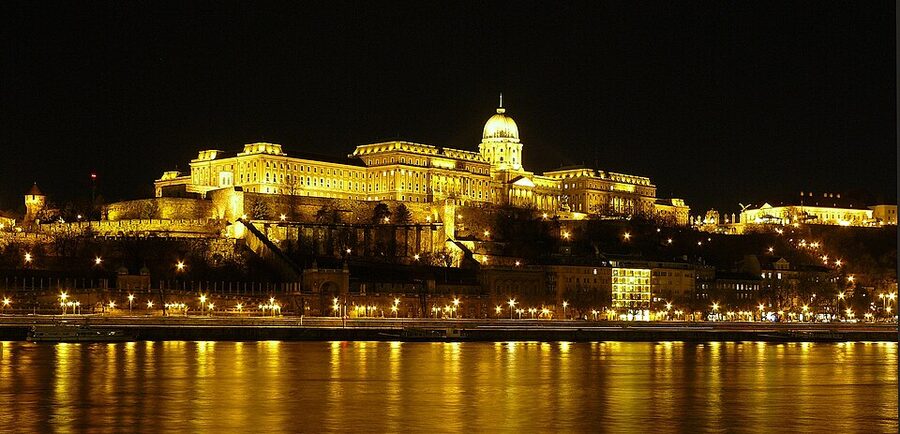
What you do get is the streets, the viewpoints, the silhouette of the buildings against the floodlights, and a guide who’s there to tell stories rather than narrate facts. The two hours move fast.
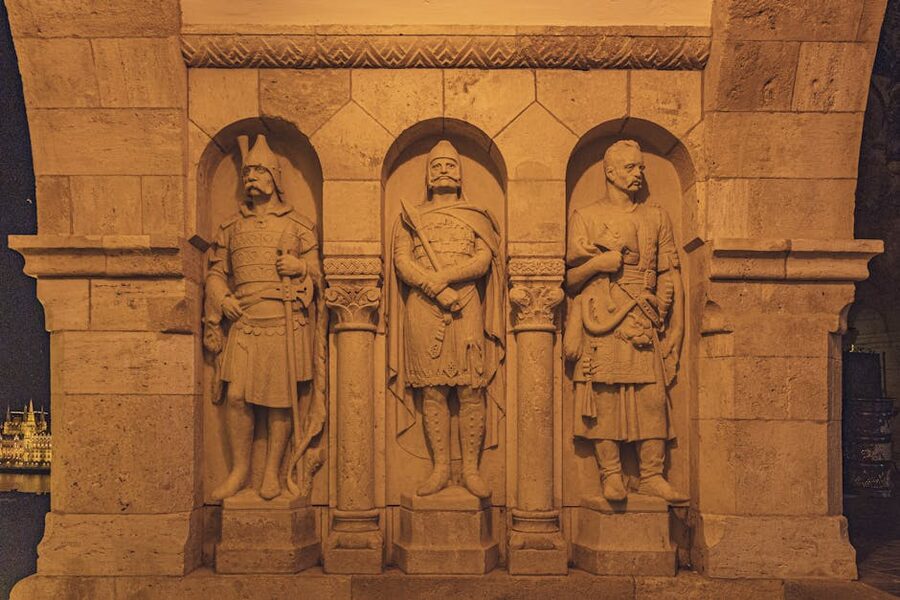
Most operators run the same general loop:
- Meet at the Zero Kilometre Stone at the foot of the Castle Hill (Clark Ádám tér, on the Buda side of the Chain Bridge)
- Climb the Király lépcső stairway up to the castle terraces — this is the steepest bit of the whole tour
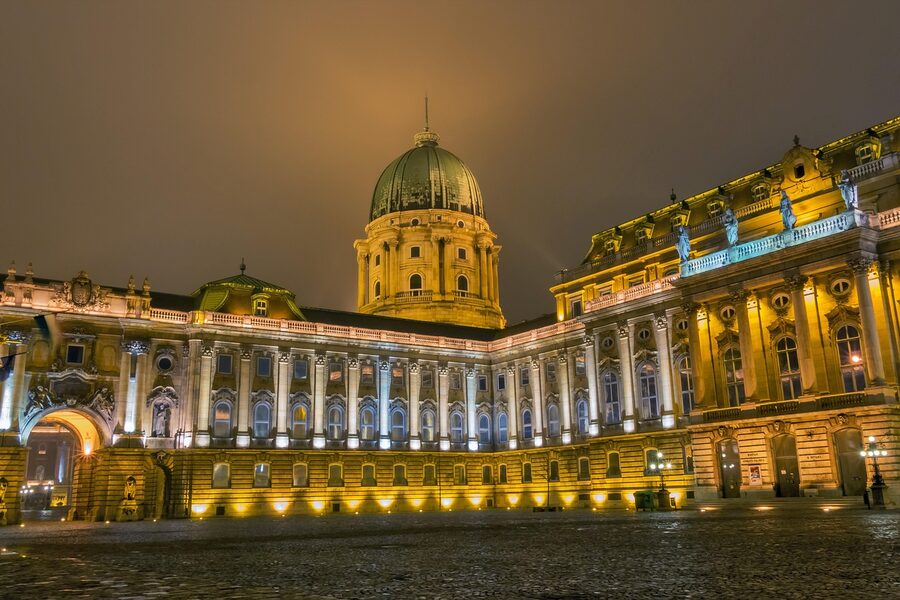
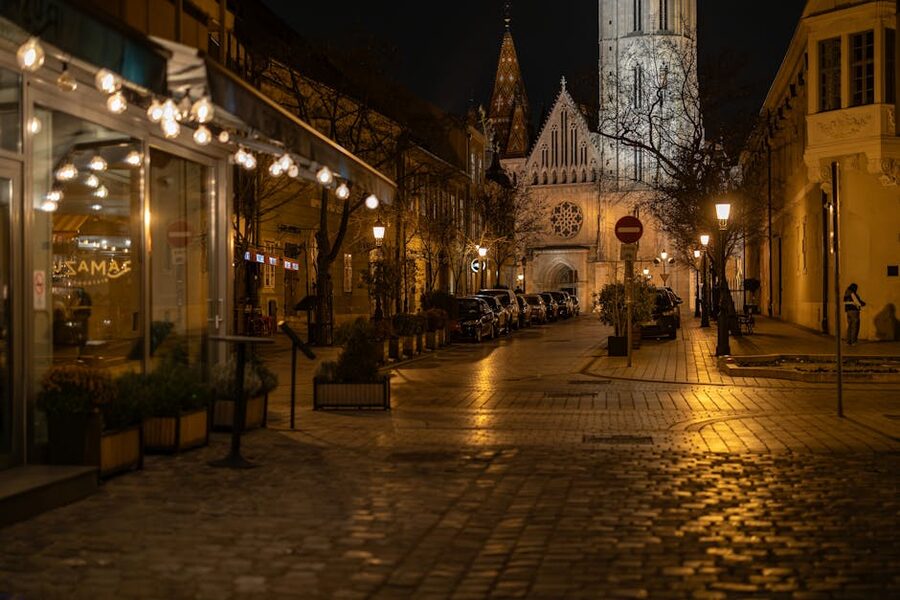
- Slow loop through the upper castle gardens and courtyards, then over to the cobbled streets of the Castle District proper
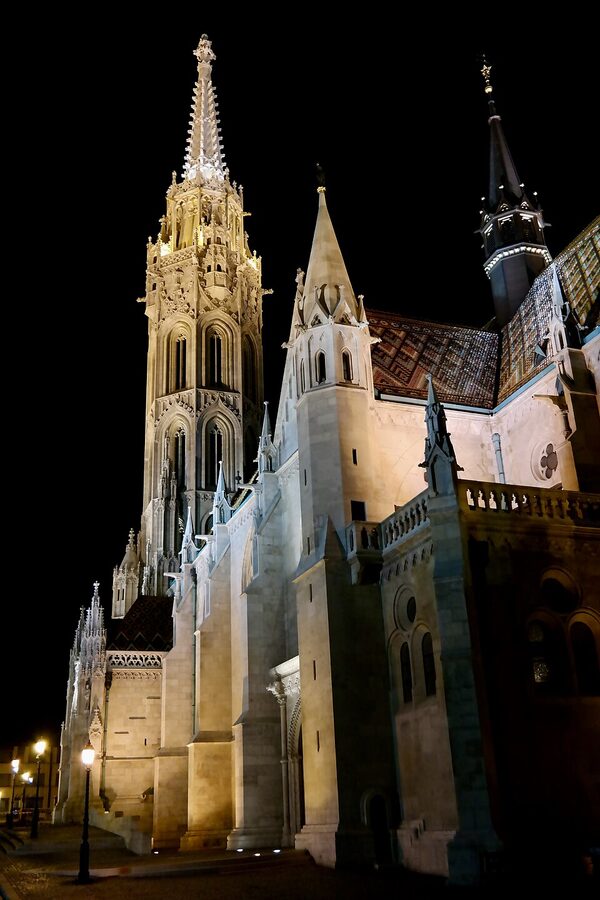
- Stop at Holy Trinity Square outside Matthias Church for the longest set of stories
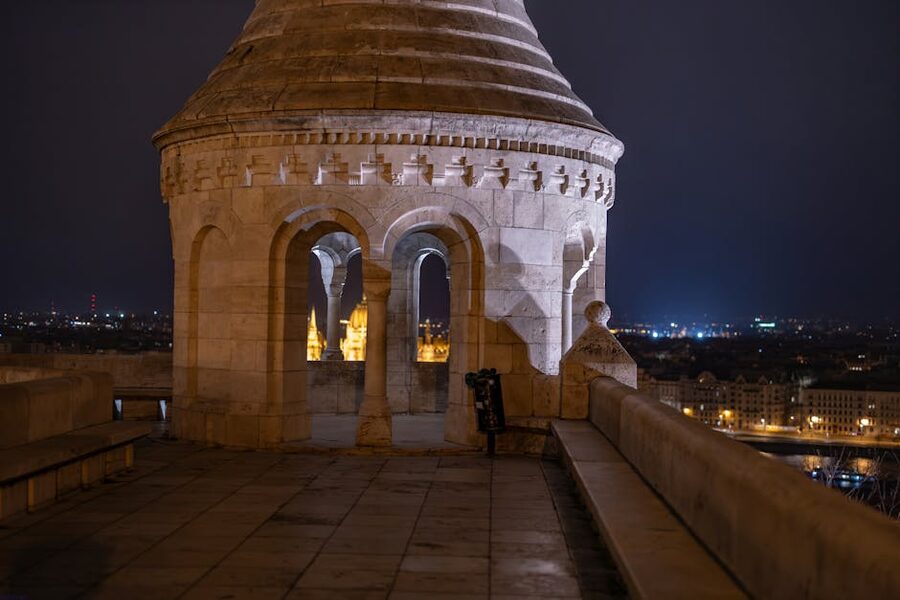
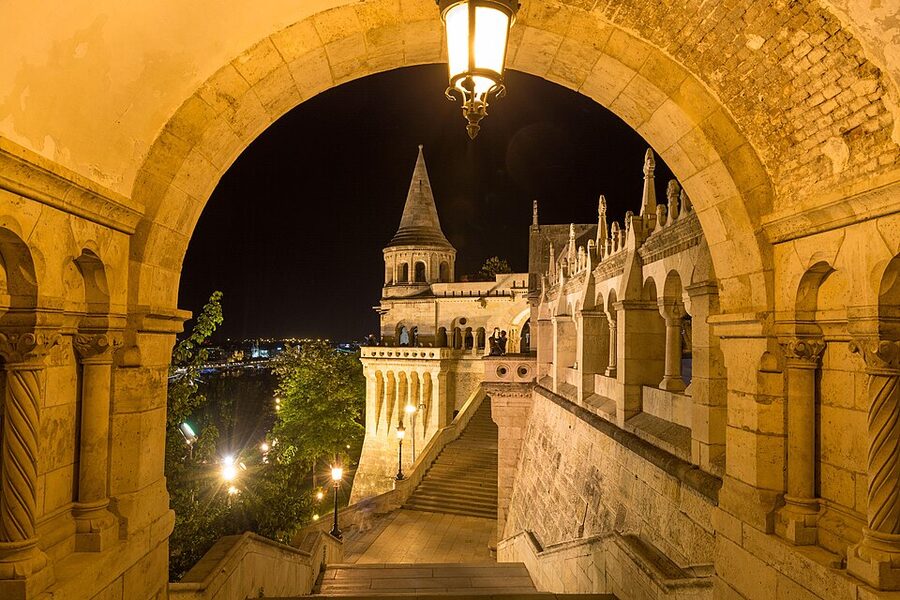
- End at Fisherman’s Bastion for the 360° city view, then disperse

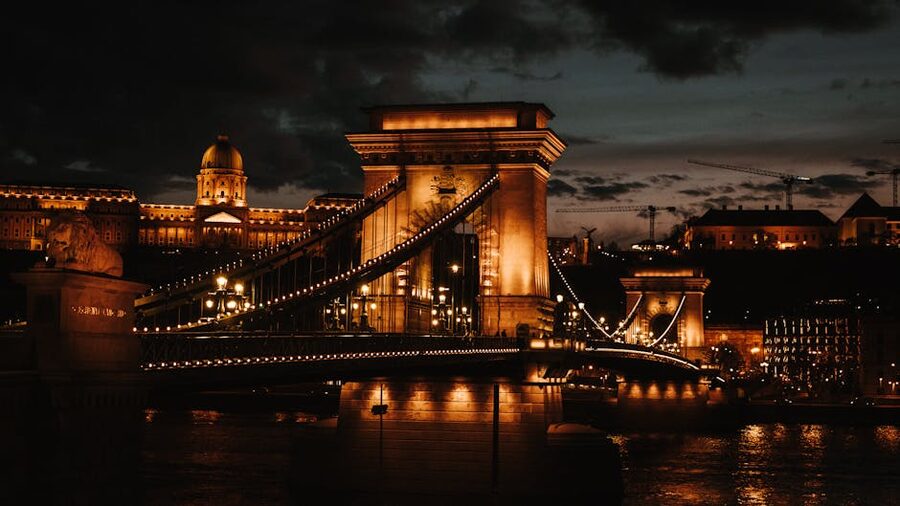
The guide stays in costume the whole time. On the GetYourGuide version of the tour, that’s typically a long black gothic coat, lantern, and period-correct hat. On the BloodThirsty Hungary version, the guide is a professional actor and the storytelling leans more theatrical — closer to a one-person play than a tour.
The three best tours to book
There aren’t dozens of options for this — it’s a niche experience, and most of the bookings funnel through one of three tour pages. I’ve ranked these by which one I’d send my own friend on, then by how easy each is to book.
1. Buda Castle District Vampires and Myths Night Tour — around $23
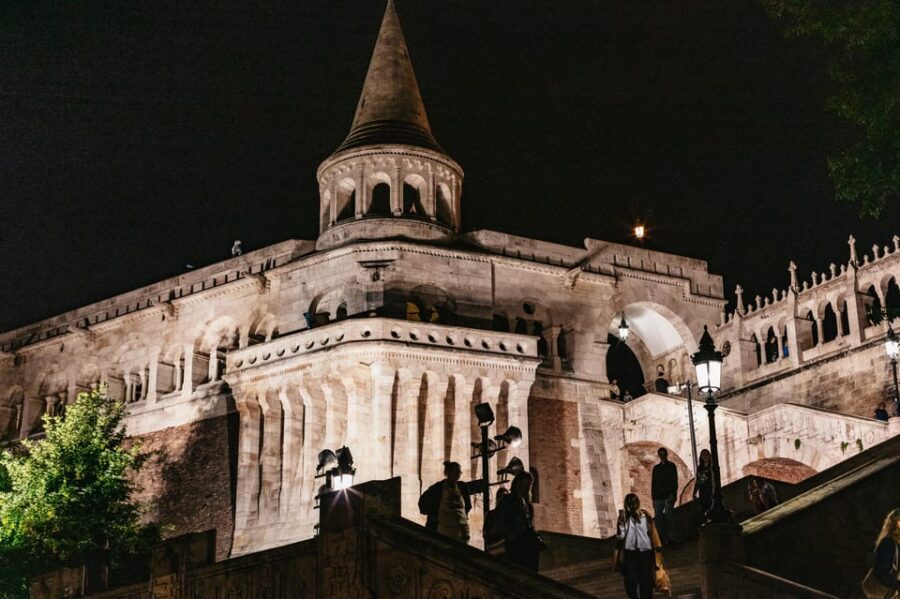
This is the default. It’s the version that shows up first when you search for a vampire tour in Budapest, and there’s a reason it sits at the top — the storytelling is dramatic without tipping into cheesy, the pace is slow enough that older guests can keep up, and the guide actually stays in character for the full two hours. Our full review covers what to expect from the costumed guide and the route in more detail.
2. BloodThirsty Hungary: Walking Tour and Dark Historical Stories — around $21
If you’ve done a vampire tour before and you want the version that leans harder into the performance, this is the one. Smaller groups, a professional actor doing the storytelling, and a route that includes a longer stop near St. Stephen’s statue and the Holy Trinity column. Our review goes into how the actor-led format compares to the standard costumed-guide tour. Worth the slightly lower price tag if you can match the start time to your dinner reservation.
3. Buda Castle District Dark History, Legends and Vampire Night Tour — around $22
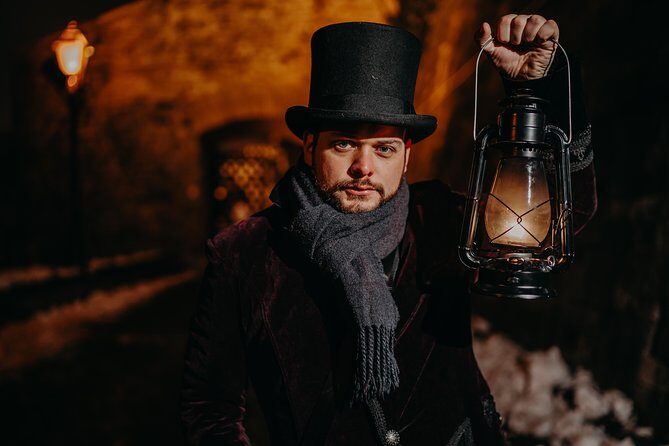
This is the Viator listing of essentially the same costumed-guide tour as pick #1. Same operator, same route, same two hours — the difference is just the booking platform and the occasional price flex. Our review explains why we usually default to the GetYourGuide version unless this one has a slot the others don’t. Pick this if you have Viator credit to burn or if it’s the only one showing availability for your travel dates.
The legends you’ll actually hear
The tour is built around two figures: Vlad III the Impaler and Countess Elizabeth Báthory. Both real, both Hungarian-adjacent, both with biographies grim enough that no embellishment is needed. Knowing the rough outline before you go means the storytelling lands harder.
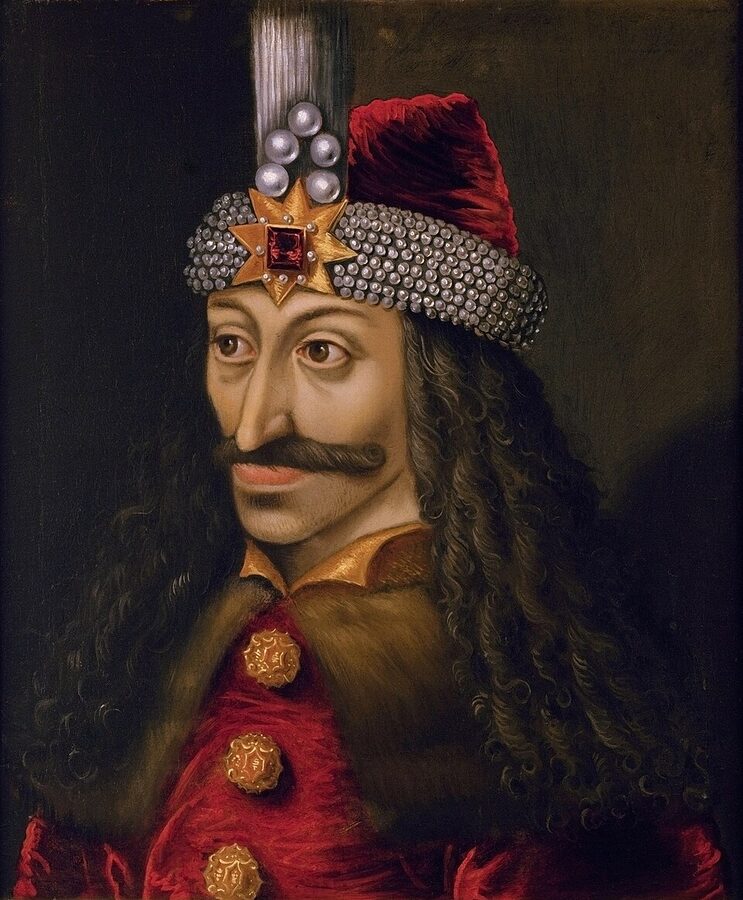
Vlad III the Impaler — and why he’s relevant to Budapest
Vlad III ruled Wallachia (most of modern southern Romania) on and off between 1448 and 1476. His method of executing enemies — impalement on long wooden stakes — is what gave him both his Romanian nickname Țepeș and the reputation that Bram Stoker would later borrow for Dracula. The “Dracula” name itself comes from his father’s membership in the Order of the Dragon (Dracul), a chivalric order founded in 1408 by Sigismund of Hungary.
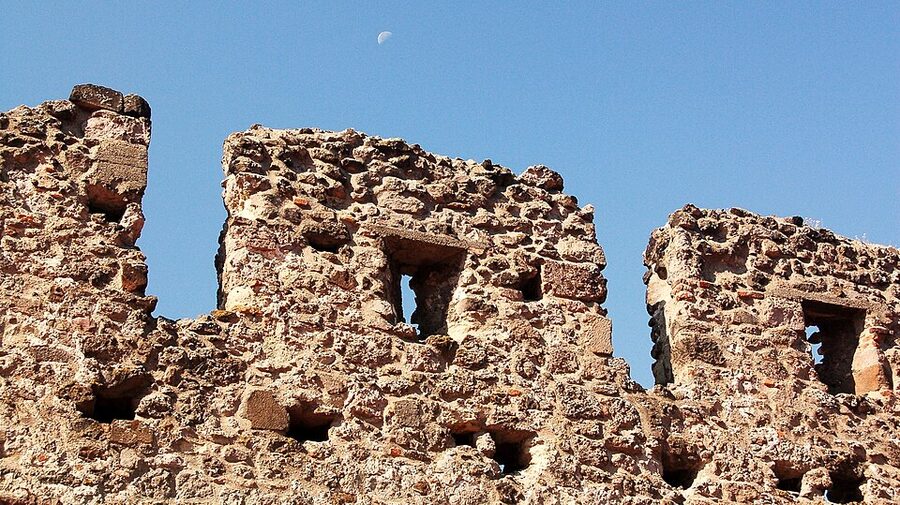
And here’s why he matters in Budapest: from roughly 1462 to 1474, Vlad was held prisoner by King Matthias Corvinus of Hungary, mostly at Visegrád Castle just up the Danube and with periods spent in Buda itself. So when your guide is standing in front of the old royal palace and saying “Vlad walked these streets” — that part is actually true. He wasn’t passing through. He lived under house arrest in the Hungarian court for over a decade.
.jpg)
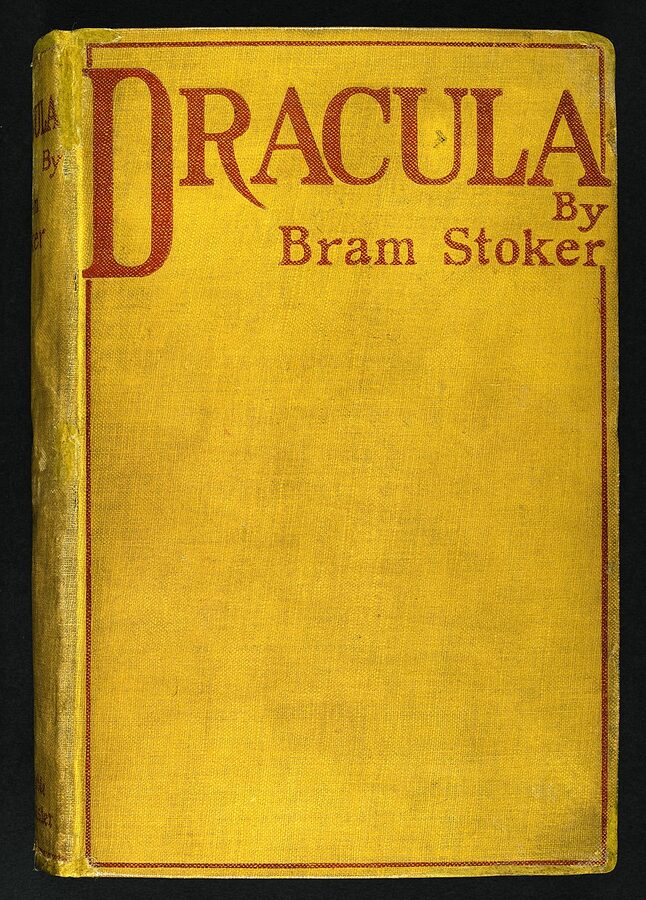
Bram Stoker never visited Romania or Hungary. He wrote Dracula from a desk in London using travel books and a chance encounter with the name “Dracula” in a library in Whitby. The vampire myth was bolted onto Vlad’s biography after the fact, but the cruelty wasn’t invented.
Elizabeth Báthory — the actual Hungarian one
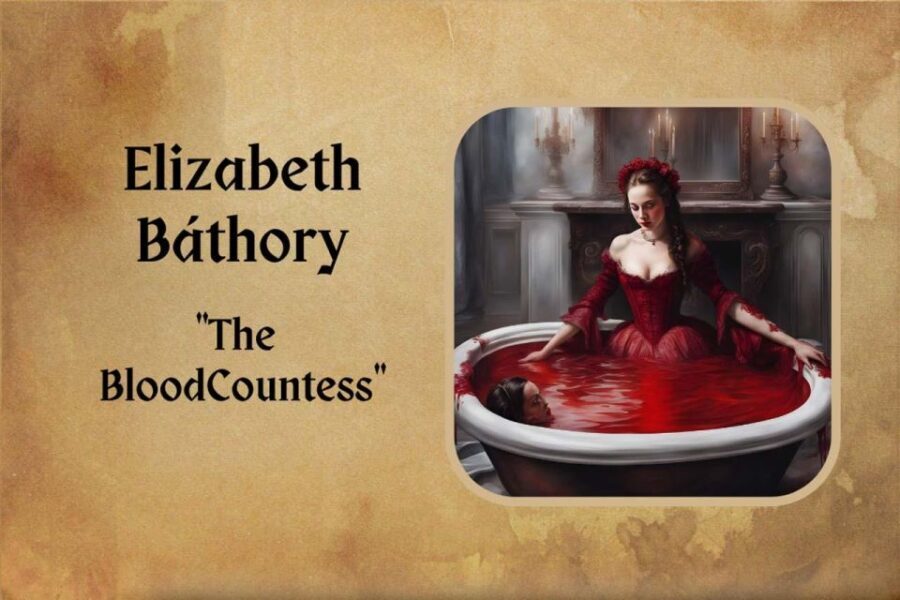
Báthory is the figure with the strongest local connection. She was a Hungarian noblewoman, born 1560, who lived most of her life in what’s now Slovakia (then Upper Hungary). The legend: she tortured and murdered hundreds of young women, and was rumoured to bathe in their blood to preserve her youth. The exact victim count is impossible to pin down — contemporary trial documents put it at around 80, while popular versions push it past 600.
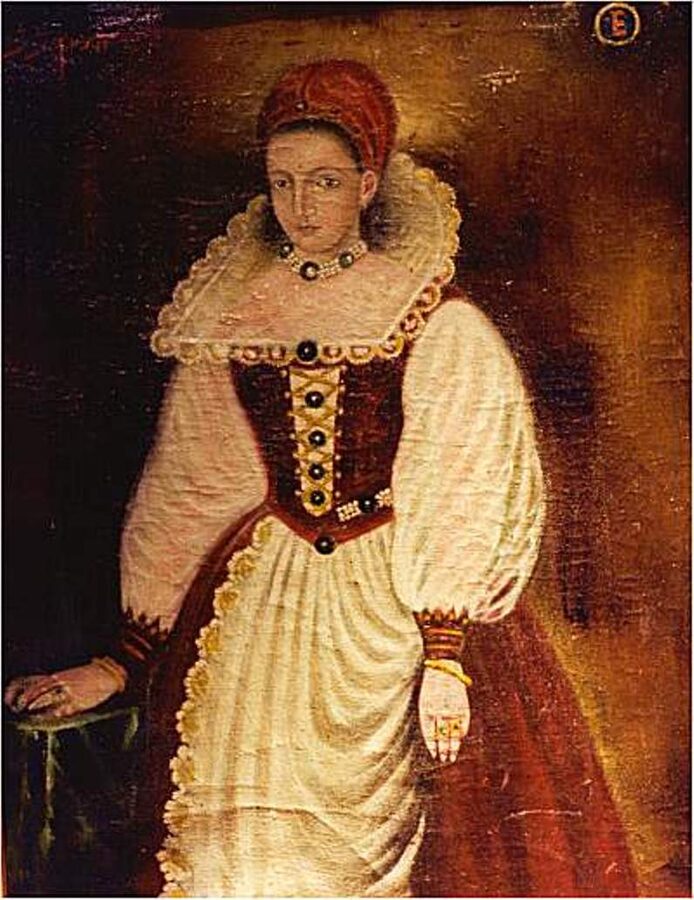
What you don’t always hear in the popular version: there’s serious historical debate about how much of the Báthory case was a political setup. She was an enormously wealthy widow, the Hungarian crown owed her late husband’s estate a fortune, and the man who prosecuted her — Palatine György Thurzó — was a political rival who had clear motive to ruin her. The blood-bathing story didn’t appear in any contemporary source. It surfaced more than a century later, in 1729.
The good guides will mention this. The lesser ones won’t — they’ll lean on the bloody-bath imagery for the whole stop. If you want the version with the historical caveats, the BloodThirsty Hungary tour tends to be more careful.
The Turul, the headless horseman, and the rest
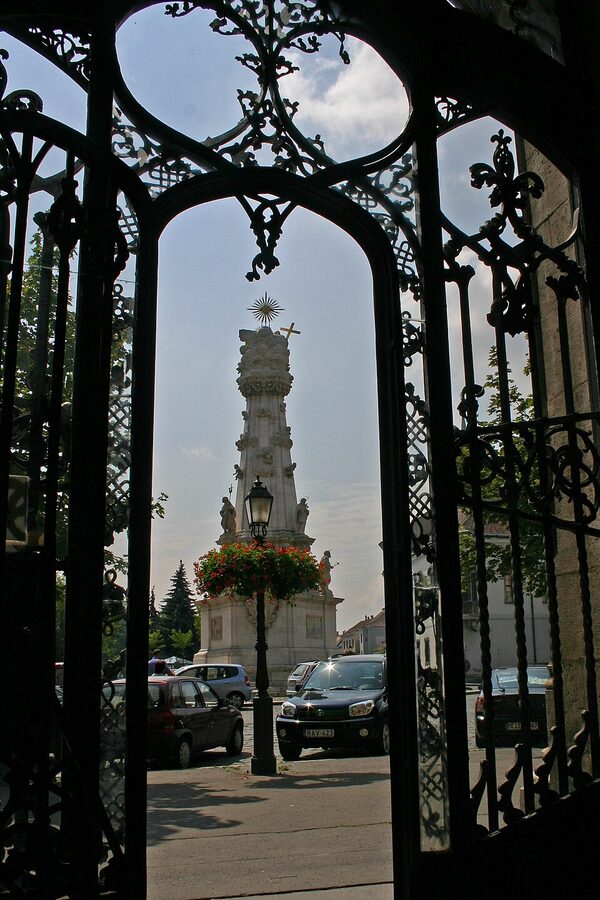
Once you’re past Vlad and Báthory, the story rotation gets more local — and more interesting, in my opinion. You’ll hear about the Turul bird (the mythological falcon that supposedly led the Magyar tribes to settle in the Carpathian Basin), the Holy Trinity Column (built after the 1709 plague), the headless horseman of Buda Castle, and the local stories about the WWII siege when the castle district was reduced to rubble.
.jpg)
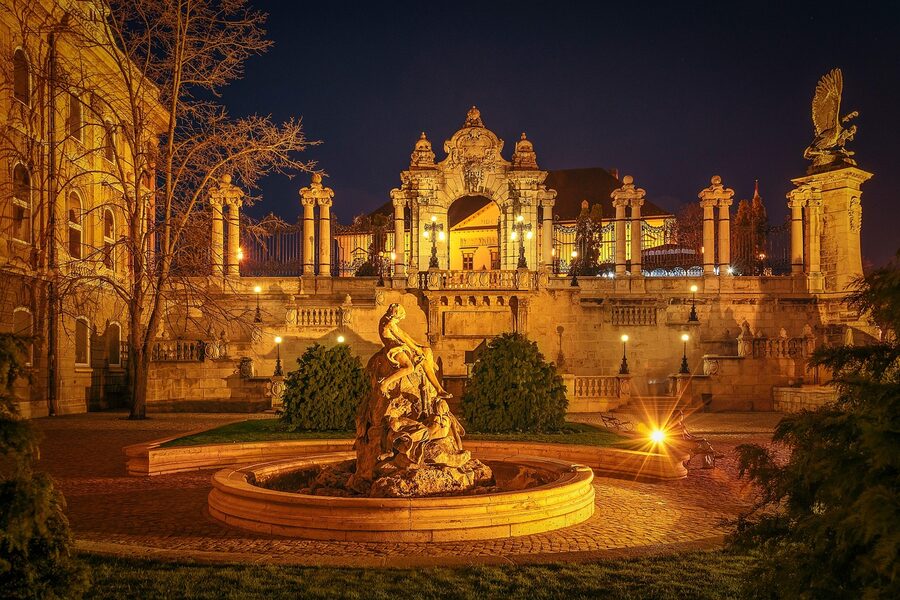
The siege material is genuinely heavy. Between Christmas 1944 and February 1945, the Castle District was where the Nazi and pro-Nazi Hungarian forces made their last stand against the Red Army. Buildings you’ll walk past were rebuilt in the 1950s and 60s — a lot of what feels “medieval” is post-war reconstruction. The contrast between centuries-old legends and a war that ended within living memory is what gives the second half of the tour its weight.
How to book — practical bits
Where to book
GetYourGuide and Viator both stock the main tour. Direct booking through the operator’s website (mysteriumtours.com or budacastlebudapest.com) sometimes shaves a euro or two off the platform price, but you lose the easy refund process and the cross-platform reviews. For a single-night, two-hour experience, I default to GetYourGuide for the cancellation flexibility and the better mobile ticket flow.

When to book
Off-season (November through February, excluding the December markets weeks), you can usually walk up the morning of and get a slot. April through October is busier — book at least 48 hours ahead in summer, more if you want a Saturday slot. The tour runs in all weather, but rain genuinely thins out the booking volume, so a wet forecast can free up last-minute spots.
What to wear
Comfortable shoes that grip on cobblestones. The Király lépcső staircase is uneven, and the streets in the Castle District itself are old basalt setts that get slick after rain. Layers — Budapest evenings drop fast even in summer, and you’re spending two hours stationary at viewpoints. In winter, full coat, gloves, hat. The tour doesn’t pause for weather.
How much it costs
The GetYourGuide listing sits around $23 per adult at standard pricing. BloodThirsty Hungary undercuts at around $21. Viator’s listing of the same costumed-guide tour is around $22 with the same operator. Children under 11 aren’t permitted on the standard vampire tour (it gets graphic in places). For a family with younger kids, the Buda Castle cave tour is a better fit — same district, same late-evening slot, but no Báthory storyline.
The meeting point and what happens at the end
All three tours meet at the Zero Kilometre Stone at Clark Ádám tér, the small square at the Buda end of the Chain Bridge. You’ll see a stone column with “0 km” carved into it — that’s the spot. Arrive 15 minutes early. Late arrivals don’t get a refund.
.jpg)
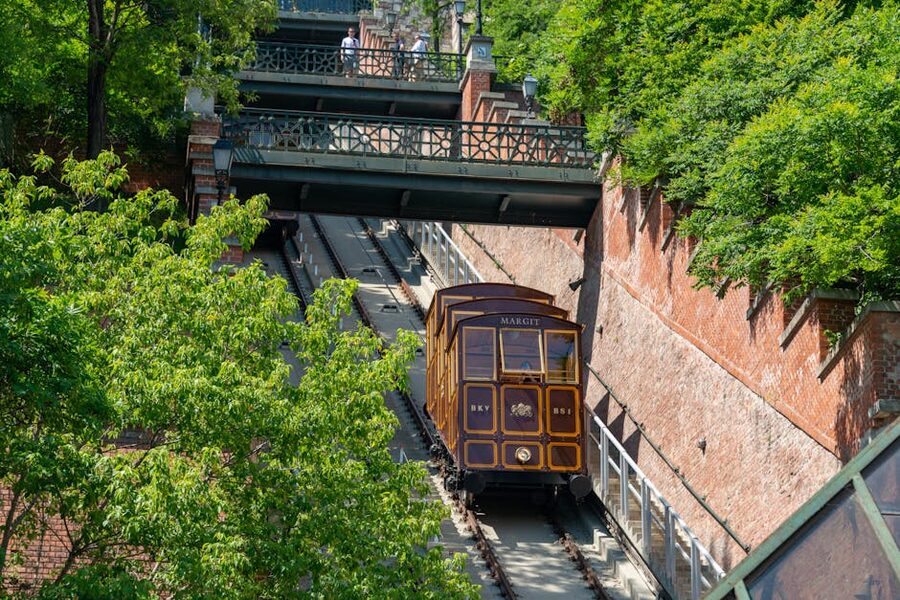
The tour ends at Fisherman’s Bastion, which is on the upper plateau of Castle Hill. To get back to Pest you have a few options: walk down the same way you came up (15 minutes, downhill, free), grab the Castle Hill Funicular if it’s still running (it shuts at 10pm most days), or take Bus 16 from Dísz tér back across the Chain Bridge. Most groups walk — it’s downhill, the views are still lit up, and you’ve already paid for the legs.
Combining it with the rest of your night
Two hours is the right length for a single evening’s centrepiece, but it leaves you with time on either side. Most groups start the tour at 8pm in summer, 7pm in winter. So either you eat dinner before (in which case go for something light — you’ll be walking uphill), or you eat after (in which case the better restaurants on the Buda side will have stopped seating by 10:30pm).
Pre-tour dinner: anywhere on the Pest side near Vörösmarty tér or Deák tér works fine — you can walk to the Chain Bridge in 10-15 minutes from there. Post-tour: come back across the river and head for the Jewish Quarter, where the ruin pubs run until 2am or later. That combination — vampire stories, then Szimpla — is one of the better Budapest evenings going.

If you’ve got two evenings to play with in Budapest, this tour pairs well with a Danube night cruise on the second night. You’ll see the same castle illuminated from the river instead of standing on it. Different perspective, similar price band, both work after dark.
Should you book this tour at all?
It’s a yes if you like history, you don’t mind walking uphill in the dark, and you’re not expecting jump scares. It’s a no if you’ve got mobility issues (the staircase is unavoidable), if you’re travelling with kids under 11 (the operator won’t let them join), or if you’re hoping to actually go inside any of the buildings — this is purely external.
The thing the tour does well — and most reviews back this up once you read past the obvious “great guide” comments — is making the dark history feel grounded rather than gimmicky. Báthory was a real person. Vlad was a real person. The siege of Buda actually happened. A good guide weaves all of that with the legends and lets you decide which parts to take seriously. The bad version is just goth costume and jump-scares; the good version is closer to a moving lecture.
If you went with the wrong guide and it felt cheap, you’d be annoyed. If you went with one of the actor-led versions and the storytelling caught you, you’d remember it years later. The price point makes it a low-stakes gamble either way — at $21-23, it’s about the cheapest two-hour cultural experience in central Budapest, full stop.
Other Budapest guides to read next
If you’re already booking a vampire tour, you’re probably building a Budapest itinerary that leans toward the historic and architectural side rather than the spa-and-shopping crowd. The two pairings I’d push hardest: the Buda Castle daytime tickets for actually getting inside the National Gallery and Budapest History Museum, and the Buda Castle cave tour for going underneath the same district you’ve just walked across. The cave tour and the vampire tour are spiritual siblings — both happen in the dark, both lean on the war stories, but one’s underground and one’s on the streets.
For something less on-theme, the Budapest bike tour covers the parts of the city you can’t reach on foot in a single morning, and the Parliament tour is the obligatory other-major-monument visit if you have a free morning. If you’re crossing back to Pest after the vampire tour and the night’s still young, the St. Stephen’s Basilica is open in the evenings and the panorama from the dome is a quieter version of the view you just saw from the Bastion. The Széchenyi thermal bath is what most people do the morning after a late tour — recovery from cobblestones and Hungarian wine.
Budapest also has a small ecosystem of similar historical-walking experiences across Europe. If you’ve already done the Castle District version and want to plan ahead, the Lisbon hop-on hop-off covers a different style of city overview, and Porto’s hop-on hop-off equivalent hits the city’s wine country. Different mood, same “first night in town” use case.
This article contains affiliate links. We earn a small commission at no cost to you when you book through our links — that’s what keeps the site running. Prices and availability checked April 2026; verify on the booking page before you commit.