
The first time I tried to walk Stockholm I lost the better part of an afternoon between the Vasa Museum and Fotografiska. On the map it looks like a fifteen minute stroll. In reality it’s a bridge, an island, another bridge, a steep climb, and a very confused conversation with a kiosk owner about which T-bana stop you actually want. I was footsore and sweating by the time I reached the photography museum, and I’d still missed half the things I’d planned for the morning.
The hop-on hop-off bus exists for exactly this reason. Stockholm spreads across fourteen islands stitched together by fifty-seven bridges, and unless you have local knowledge or a stack of T-bana tickets, the geography eats your day. A 24 or 48 hour pass on the red sightseeing bus, ideally with the boat add-on, drops you at the door of every major sight from Gamla Stan to Skansen with a recorded narration and zero navigation effort. Below is everything I’d want to know before booking, and the three tickets I’d actually pick.

- In a Hurry? My Three Picks
- What the Hop-On Hop-Off Actually Covers in Stockholm
- Bus stops you’ll actually use
- Boat stops add the angle the bus can’t
- Why the Map Lies About Walking Distances
- What about the T-bana?
- Three Tours I’d Actually Book
- 1. Stockholm: Hop-On Hop-Off Bus or Boat Option:
- 2. Stockholm: City Sightseeing Hop-On Hop-Off Bus Tour:
- 3. Stockholm Hop-On Hop-Off Bus & Boat:
- How to Plan Your 24 Hours: A Realistic Itinerary
- Cruise Passenger Logistics
- When to Visit (and When the Boat Doesn’t Run)
- The Things Nobody Mentions
- What I’d Pair With the Hop-On Hop-Off
- Hop-On Hop-Off in Other Cities (For Comparison)
- Practical Stuff: Tickets, Refunds, and Family Pricing
- If You Skip the Hop-On Hop-Off
- Building the Rest of Your Stockholm Trip
In a Hurry? My Three Picks
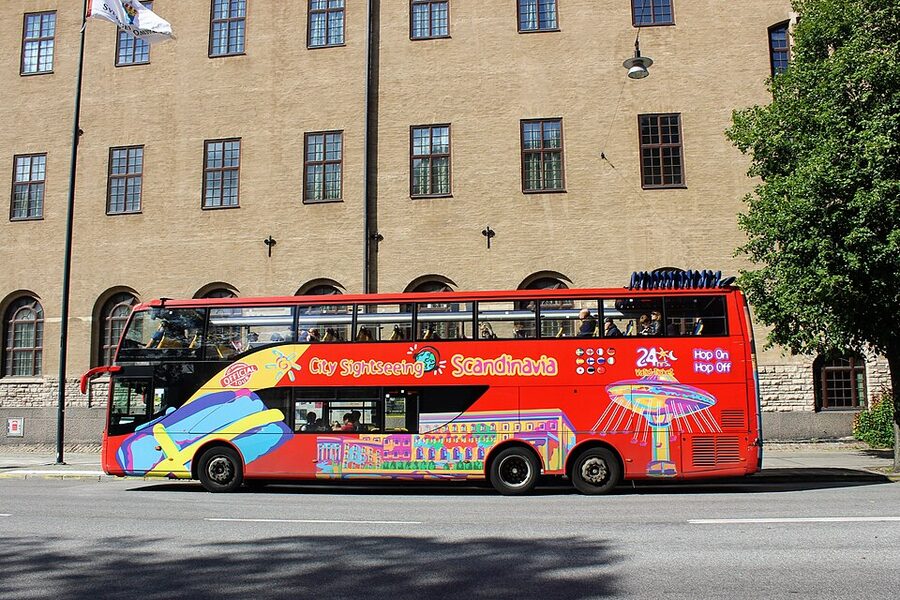
Best value: Stockholm: Hop-On Hop-Off Bus or Boat Option ($24). The most-used 24 hour ticket on the market. Pick the bus, the boat, or the combo at checkout.
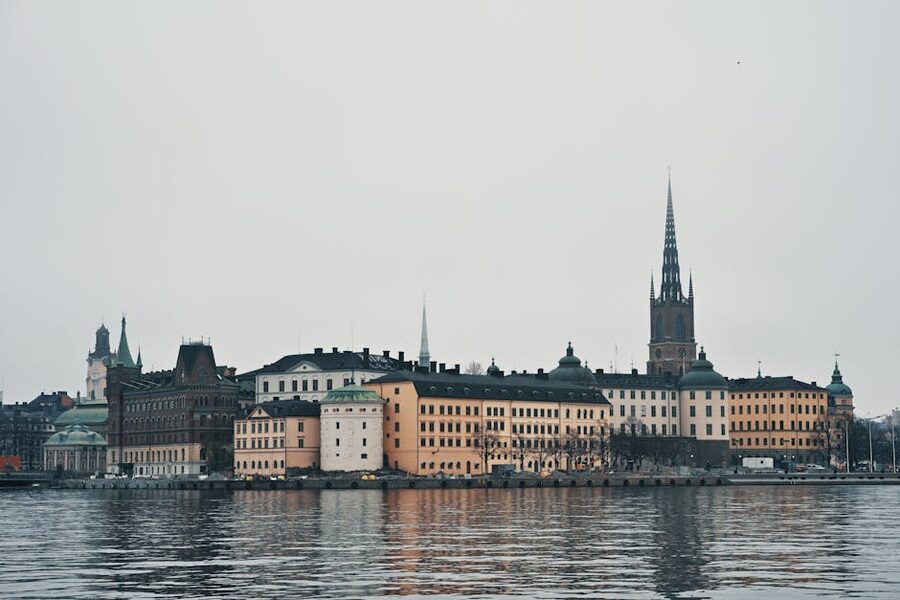
Bus + boat combo with longer durations: Stockholm: City Sightseeing Hop-On Hop-Off Bus Tour ($37). 24 or 72 hour passes, and the cruise port stop is the reason most cruise visitors pick this one.
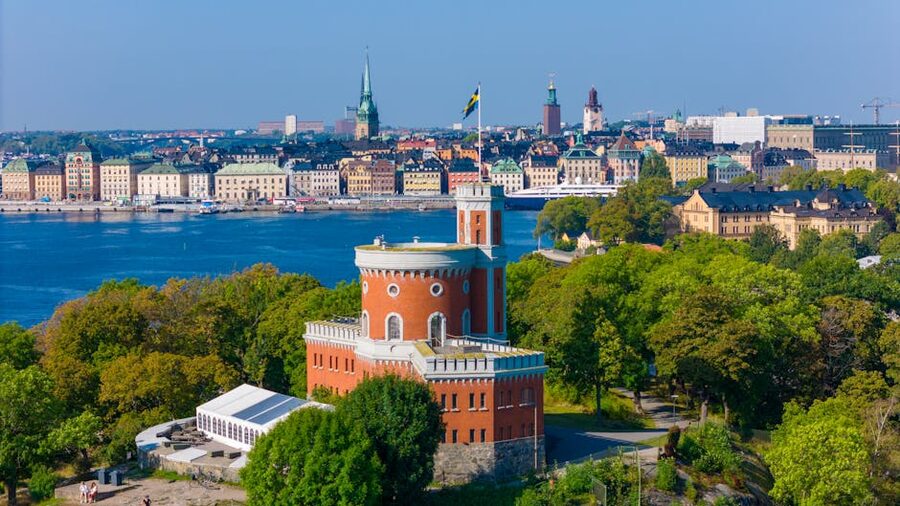
If you only have an afternoon: Stockholm Hop-On Hop-Off Bus & Boat ($24). The 1.5 hour loop combines bus and boat in one short orientation, useful if you’re just here for the day.
What the Hop-On Hop-Off Actually Covers in Stockholm
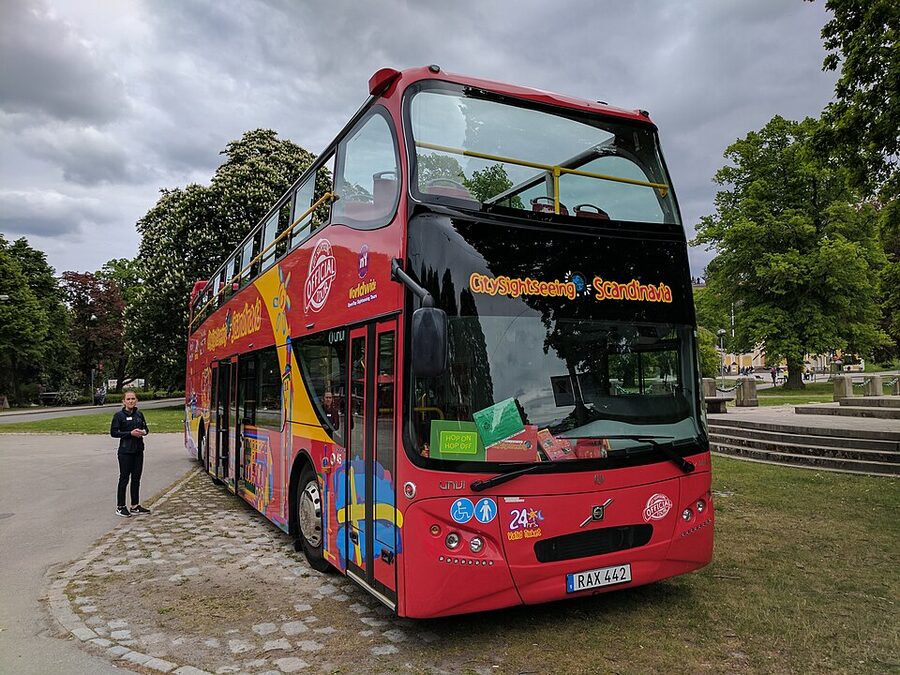
The bus loop and the boat loop are designed to overlap, which is the whole point. You can ride the bus out to Djurgården, walk between Vasa, Skansen and the ABBA Museum, then take the boat back to Gamla Stan instead of doubling back on the bus. Or vice versa. It’s the only way to make Stockholm’s island geography work in your favour rather than against it.

Bus stops you’ll actually use
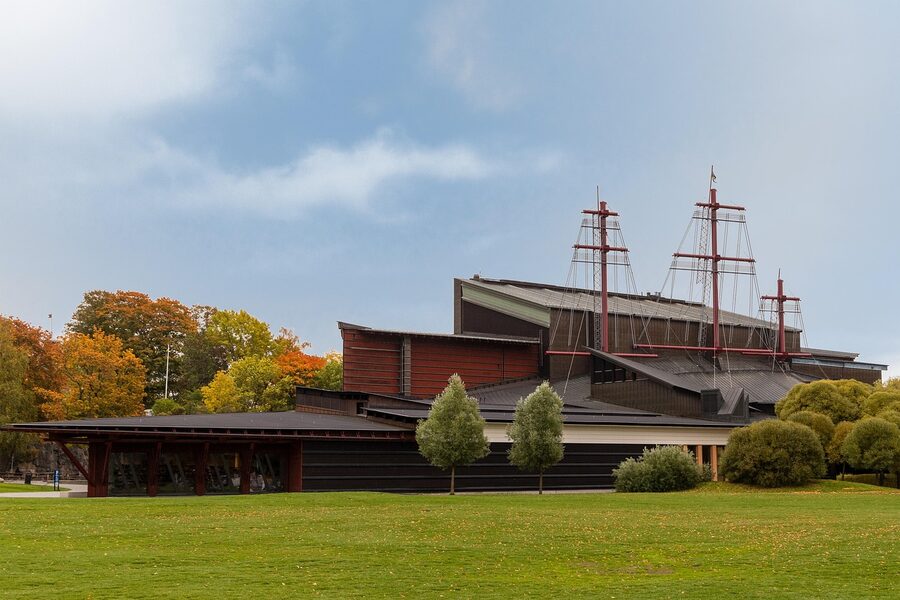
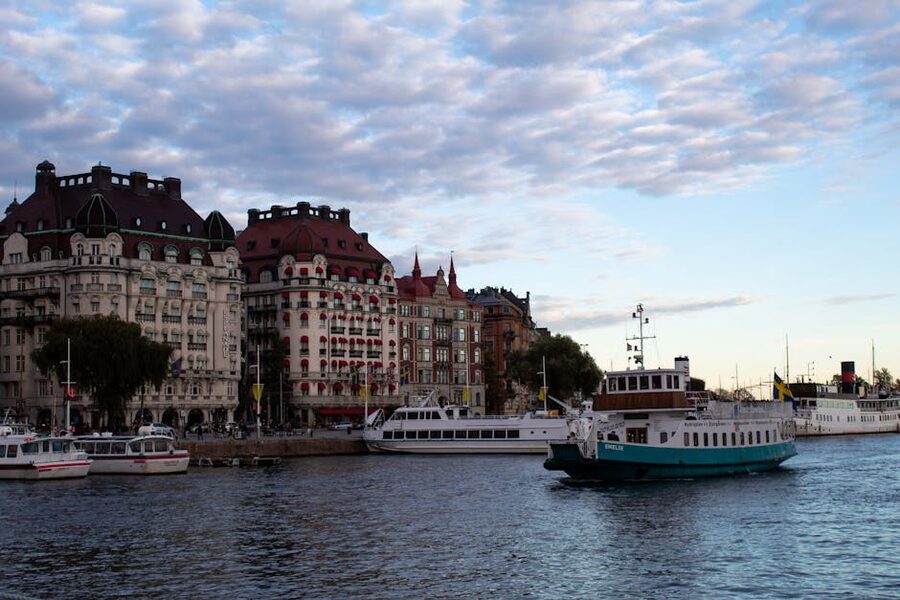
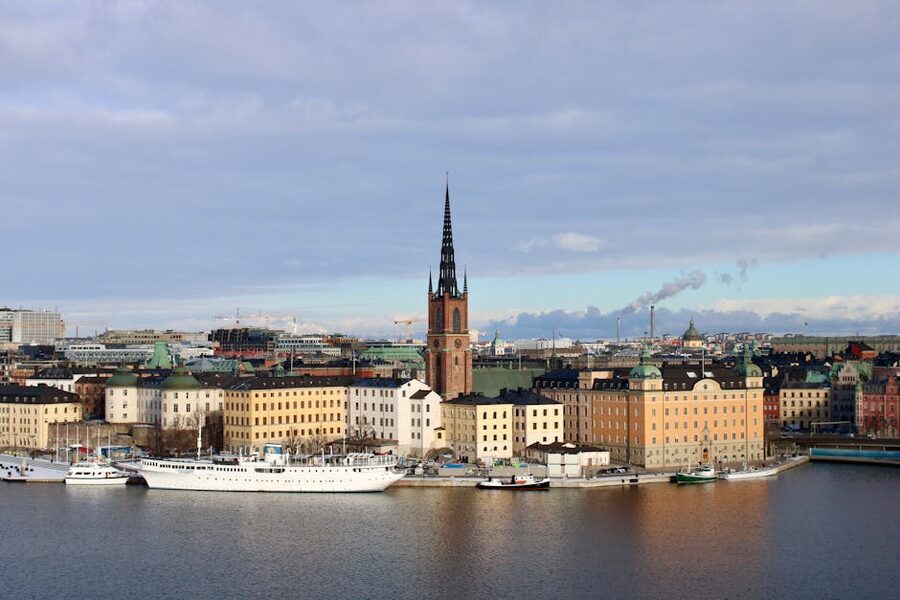
The full bus loop has around fifteen stops, but four or five of them are where you’ll spend most of your day. Central Station is the natural starting point if you’re arriving by train or staying near Norrmalm. Gamla Stan is the medieval old town and the stop you’ll keep coming back to. Djurgården is the museum island; the bus circles it with stops near Vasa, Skansen and the ABBA Museum. Södermalm covers Fotografiska and the cliff-top viewpoints around Monteliusvägen, and Östermalm gets you to the upmarket end of town with the Östermalmstorg market and Hedvig Eleonora church.
Two stops that tend to confuse first-timers: the Vasa stop is not the same as the Skansen stop, even though they’re on the same island. Walking between them takes about ten minutes if you cut through Djurgårdsbron, but the bus does the loop in roughly the same time. Decide based on which side of the island you’re starting from.


Boat stops add the angle the bus can’t
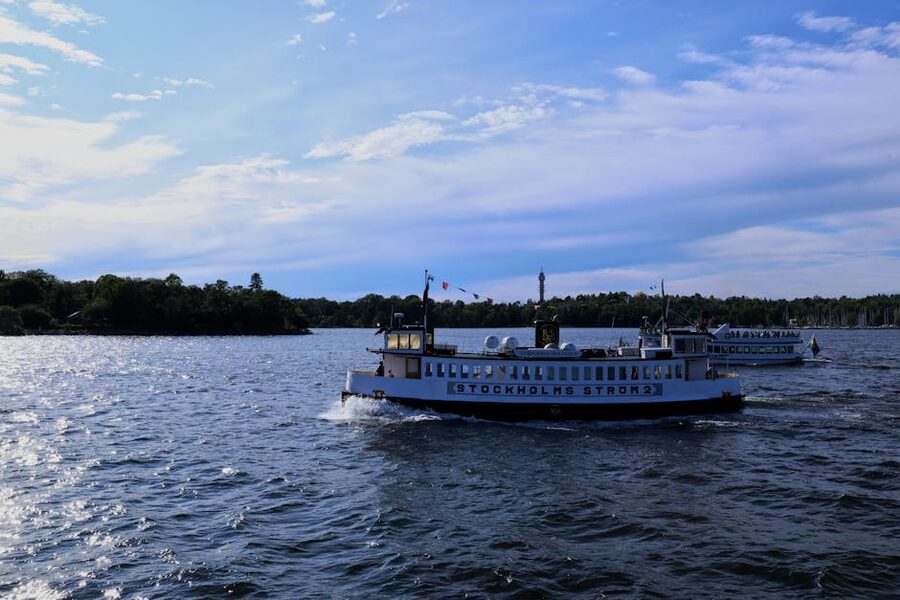
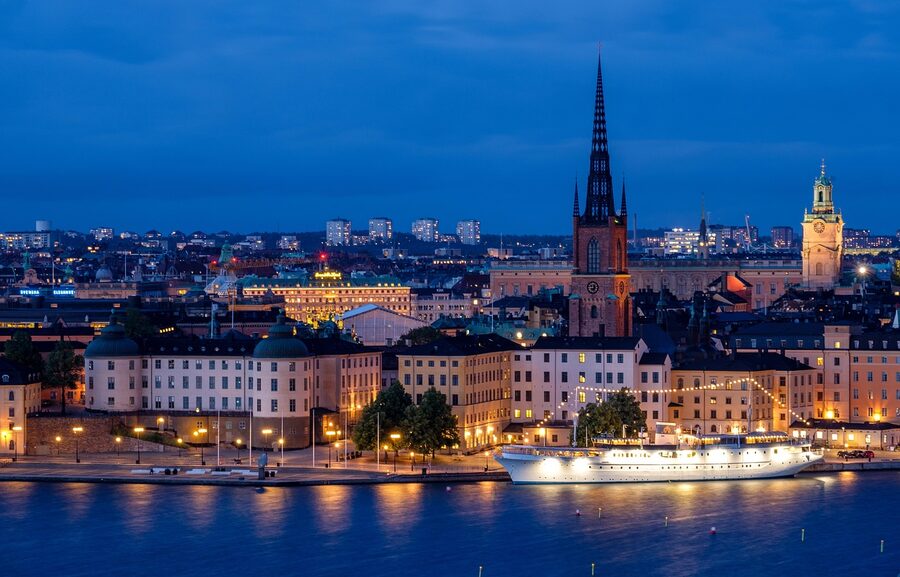
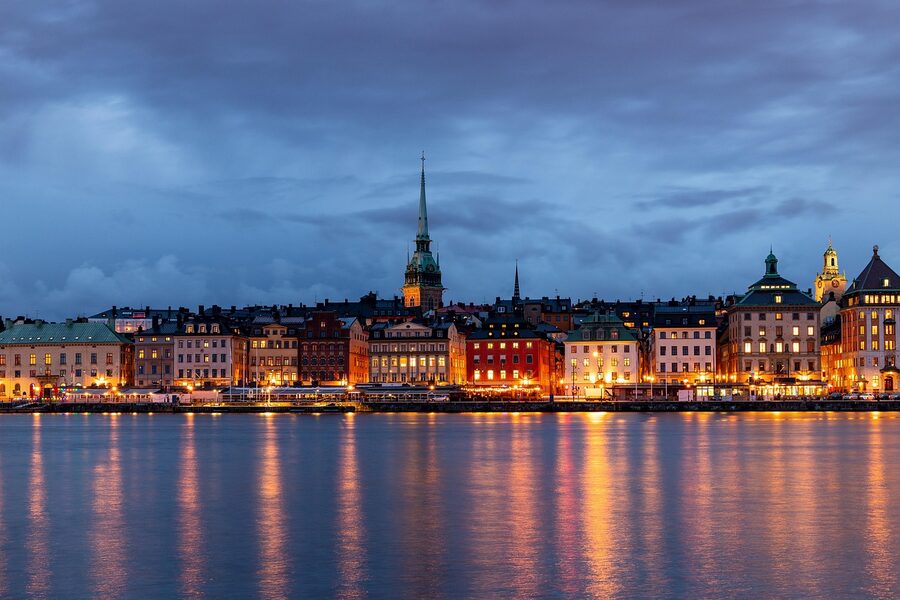
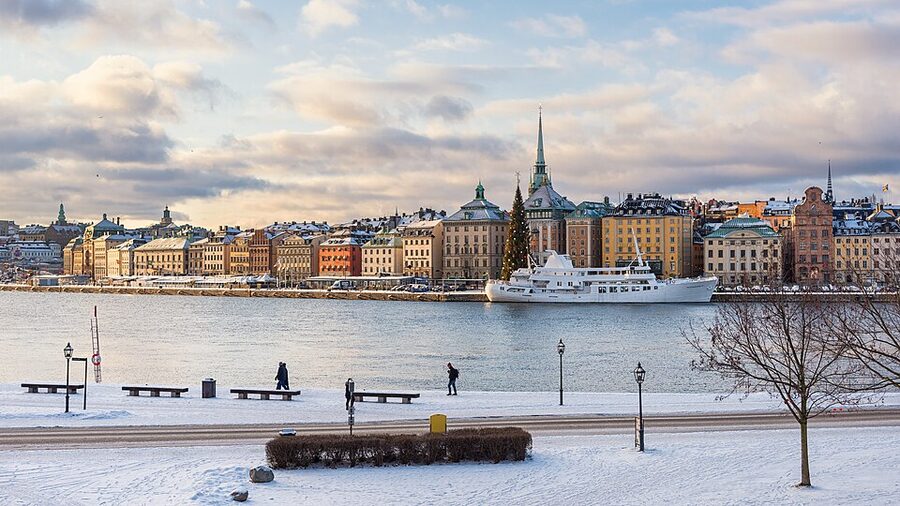
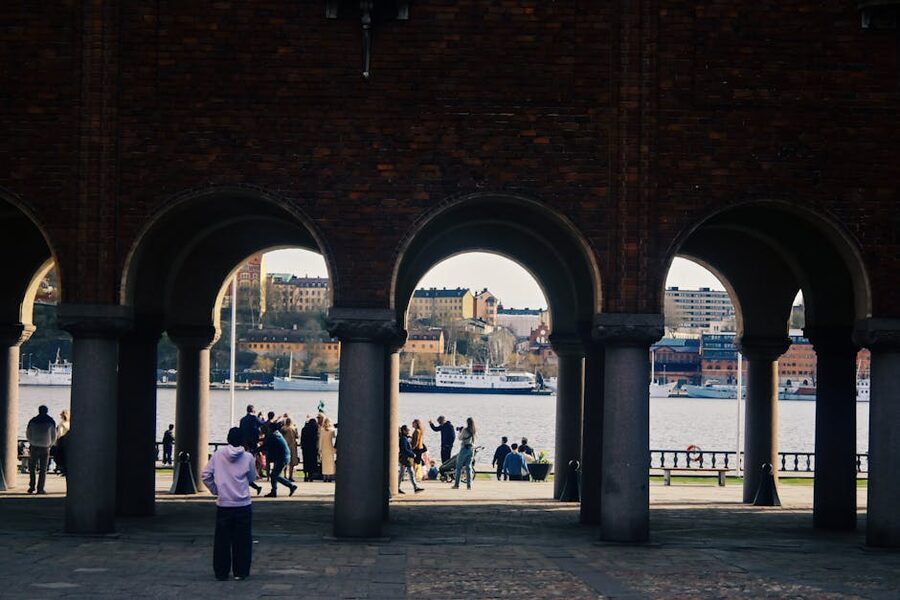
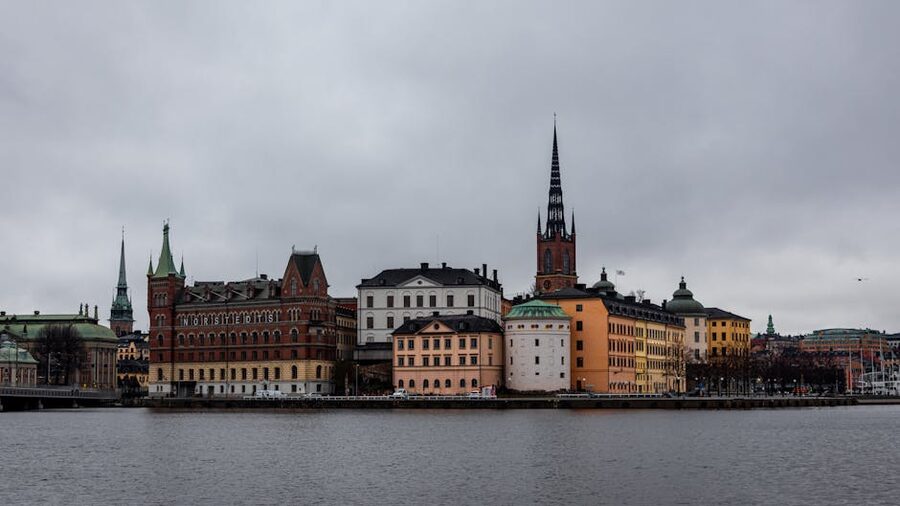
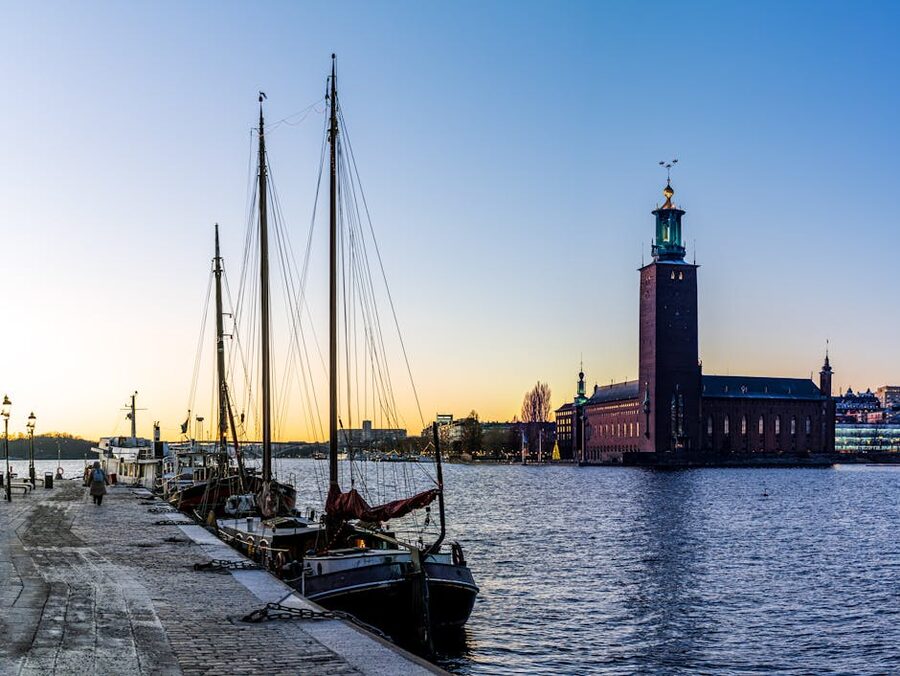
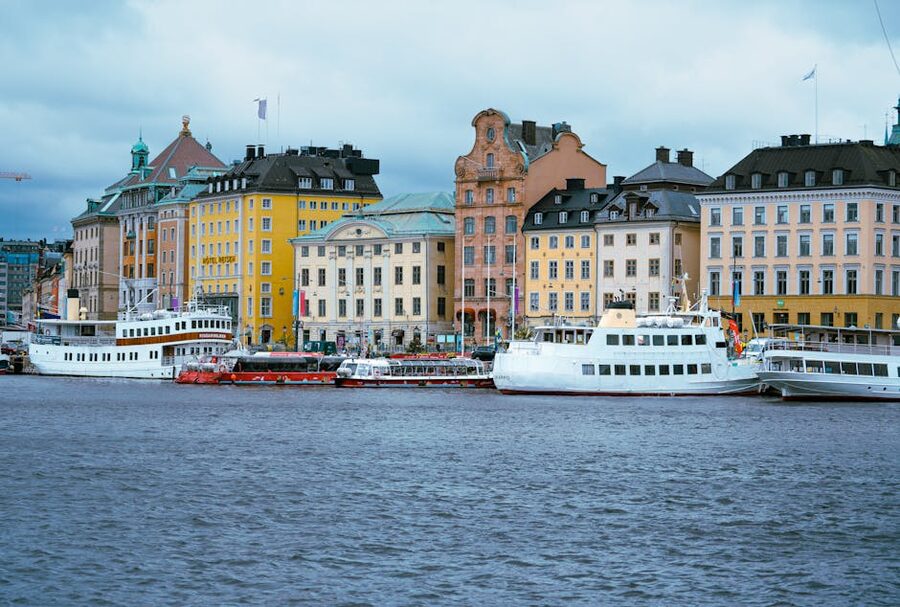
The boat loop is shorter and slower, with about six or seven stops depending on the operator. It runs roughly between Strömkajen (near the Royal Palace), Skeppsbron in Gamla Stan, the Vasa Museum jetty, and the City Hall waterfront. It’s the same geography as the bus, but from the water. The view of Gamla Stan from a boat is one of those photographs everyone takes from Stockholm; the same view from a bus window is fine but not memorable.
Why the Map Lies About Walking Distances
This is the bit nobody tells you. Look at central Stockholm on Google Maps and it appears to fit inside a small square. Vasa to Fotografiska shows as roughly 2 km in a straight line. The reality: you can’t walk that line. There are bridges in the way, water in the way, and a steep climb up Katarinavägen at the end. Allow 45 to 50 minutes on foot, with a stop for breath on the climb.
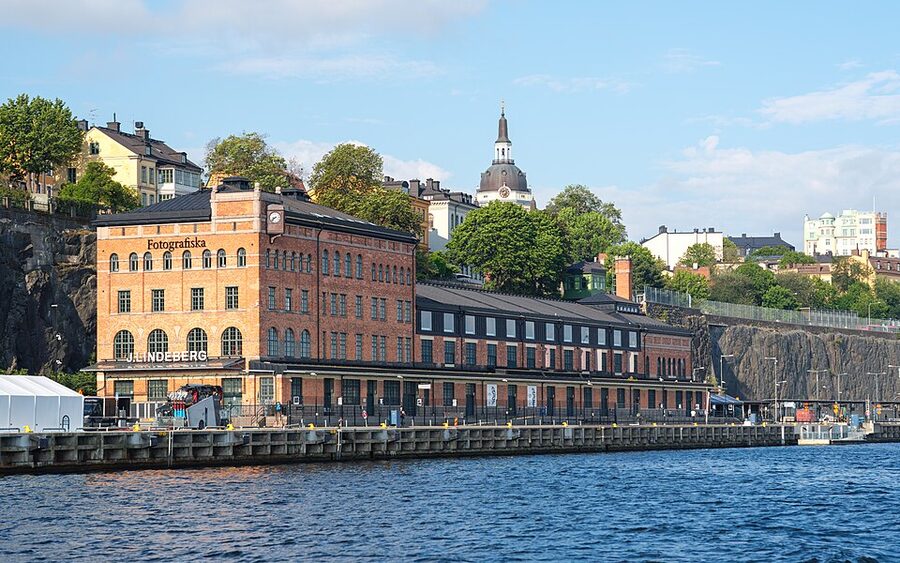

Stockholm punishes overconfident walkers in two specific ways. First, the bridges are longer than they look. Centralbron between Norrmalm and Gamla Stan is over 600 metres of pedestrian-unfriendly traffic noise. Second, Södermalm is up. Not a gentle slope, an actual cliff with a lift carved into it. Once you’ve made the climb you stay up there until you walk back down, which usually means you give up on the next planned stop and find a café instead.


What about the T-bana?
Stockholm’s metro is excellent and a single ticket costs about 42 SEK. So why not just buy a 24 hour T-bana pass for around 175 SEK and skip the bus? Three reasons. First, the metro doesn’t go to Djurgården at all; you still need a tram or a long walk from Slussen. Second, you don’t get the narration; the hop-on bus has a 10 to 15 language audio guide that turns the city into a moving lecture. Third, the boat. The metro can’t replicate the water leg, and the water leg is the better photograph every time.
If you’re staying for a week and want to live like a local, get the T-bana pass and walk. If you’ve got two or three days and want to see the headline sights, the hop-on bus pays for itself by lunchtime.
Three Tours I’d Actually Book
I’ve shortlisted these three after looking at every Stockholm hop-on hop-off product on the market. Each one suits a different kind of trip. Pick the one that matches your timetable, not the cheapest.
1. Stockholm: Hop-On Hop-Off Bus or Boat Option: $24
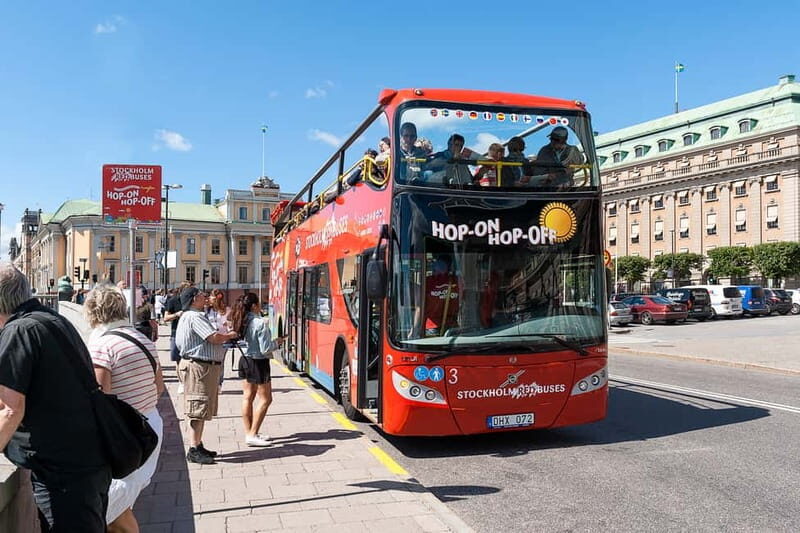
This is the most popular Stockholm hop-on ticket because of one feature: at checkout you can pick bus-only, boat-only, or both at the same per-day price. For most first-timers the combo wins, particularly if you’ve already pencilled in the walking tour or a separate boat tour and want orientation that fills the gaps. Free Wi-Fi on board and audio guide in ten languages are useful additions, though the audio quality varies depending on which vehicle you board.
2. Stockholm: City Sightseeing Hop-On Hop-Off Bus Tour: $37
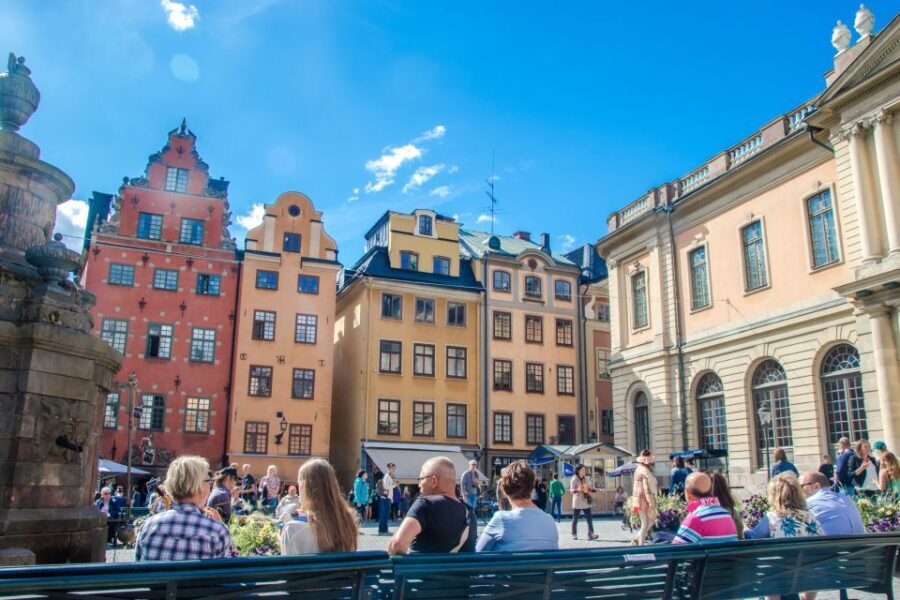
City Sightseeing is the operator most cruise passengers end up on because the loop swings out to the cruise terminal at Frihamnen. It’s also the one to pick if you want a 72 hour ticket rather than just 24, which makes the per-day cost competitive on a longer trip. One important caveat I’d flag: a few visitors have reported the last buses leaving the cruise terminal earlier than the schedule suggests, so don’t cut it fine getting back to the ship. The audio guide runs in eleven languages and the buses come every thirty minutes during the day.
3. Stockholm Hop-On Hop-Off Bus & Boat: $24
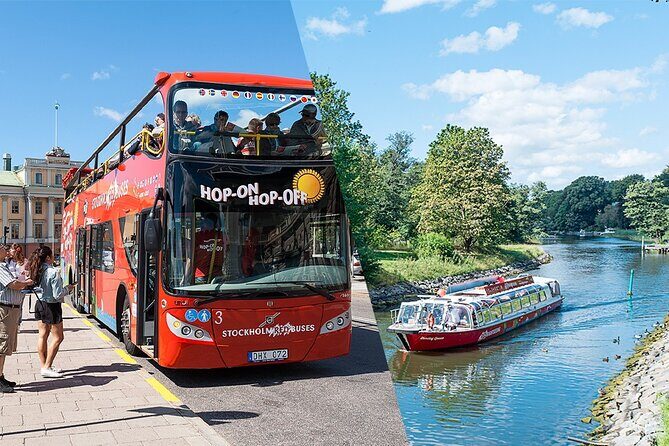
This Viator-listed combo runs a tighter 1.5 hour orientation that swings through the major sights and ferries you between the bus and boat legs without requiring a full day’s commitment. It’s the one I’d pick if you’ve come in on a morning train and only have the afternoon. The audio commentary lists fifteen languages, which is wider than the bigger operators. Couple of practical notes: there can be confusion between operators sharing similar stops, so look for the boarding pass colour, and the loop is a single direction with limited reboarding opportunities.
How to Plan Your 24 Hours: A Realistic Itinerary
The 24 hour pass is the sweet spot for most trips. You activate it on first boarding and it runs for a full calendar day from that moment. Here’s the loop I’d run if I were doing it again with a single day to play with.
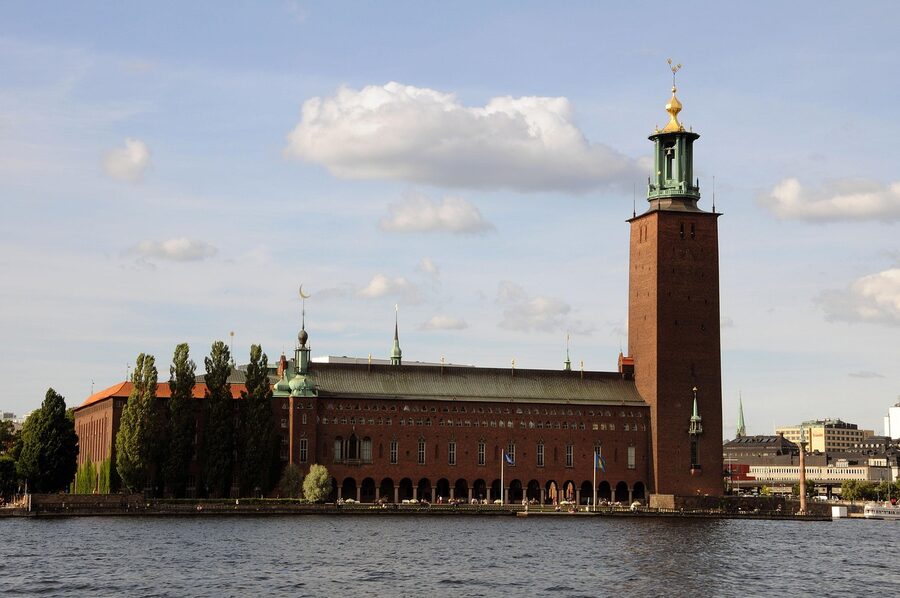
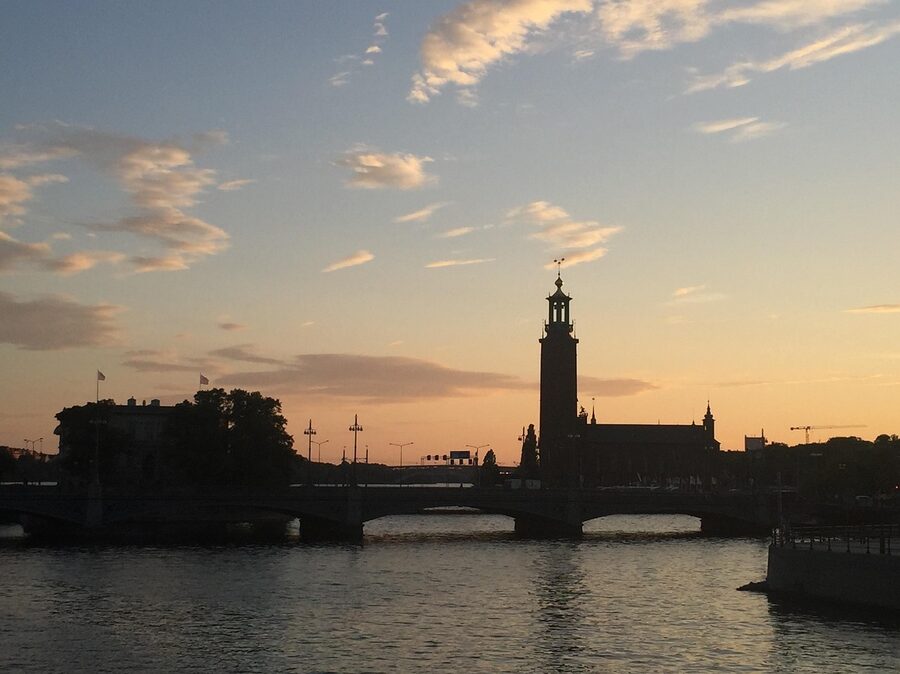
Morning, 9:00 to 11:30: Start at Central Station, ride the bus across to Stadshuset. The City Hall tower climb (separate ticket) is worth the detour for the view back over Gamla Stan. Then bus or boat to Gamla Stan and walk Stortorget, Storkyrkan and the Royal Palace courtyard before the changing of the guard at noon. Our walking tour guide covers the route if you want a guide for an hour rather than self-guiding.
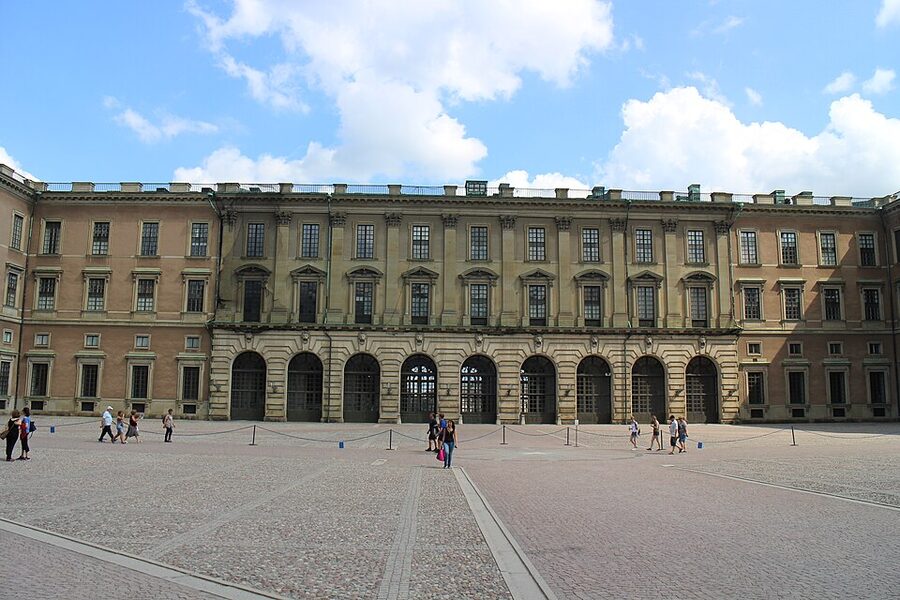

Lunch in Gamla Stan, 12:00 to 13:30: Pick a place on Stora Nygatan rather than Västerlånggatan; the latter is the tourist drag and prices reflect it. Then catch the boat (not the bus, save the bus seats for the afternoon) across to the Vasa Museum jetty.
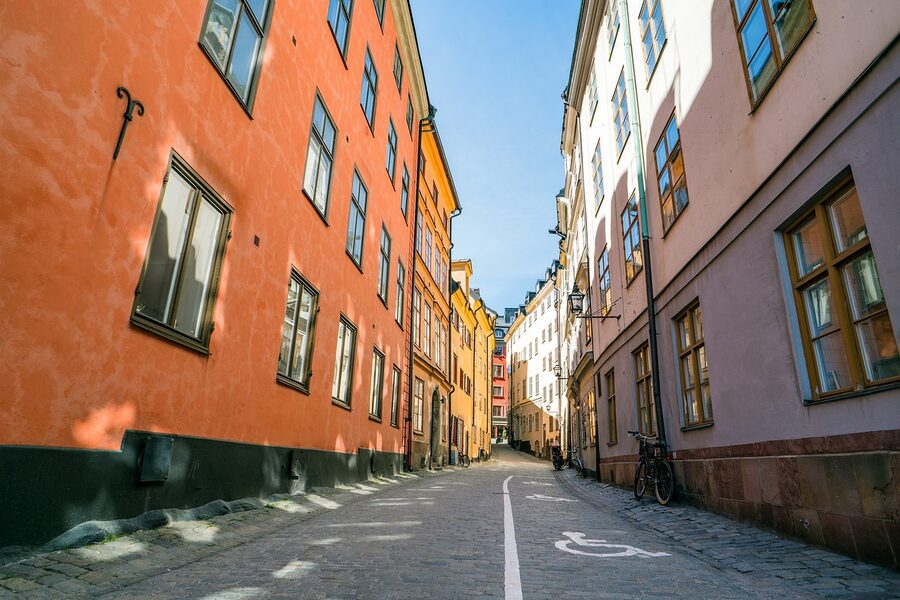
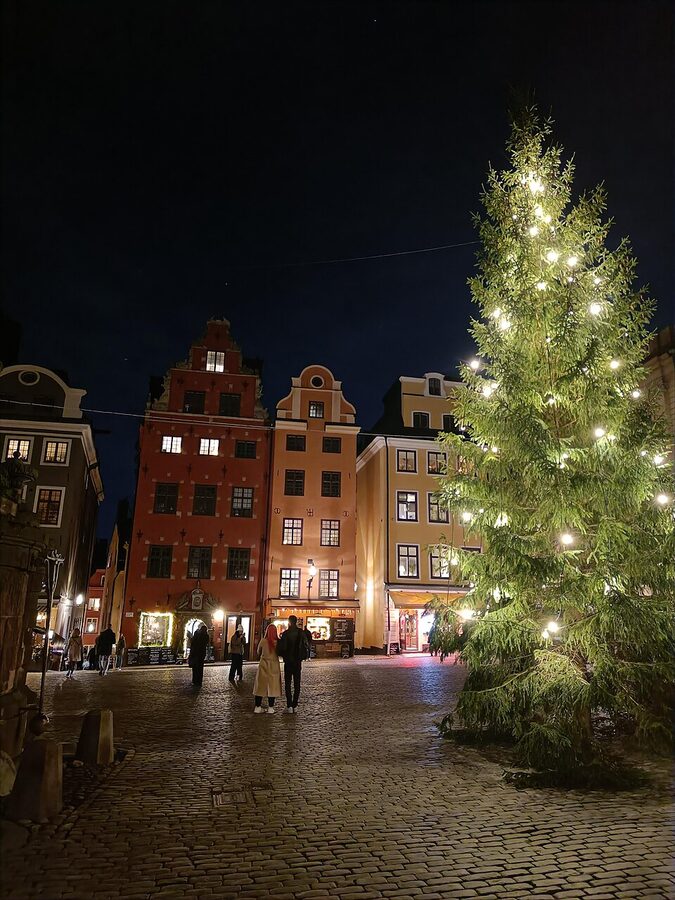
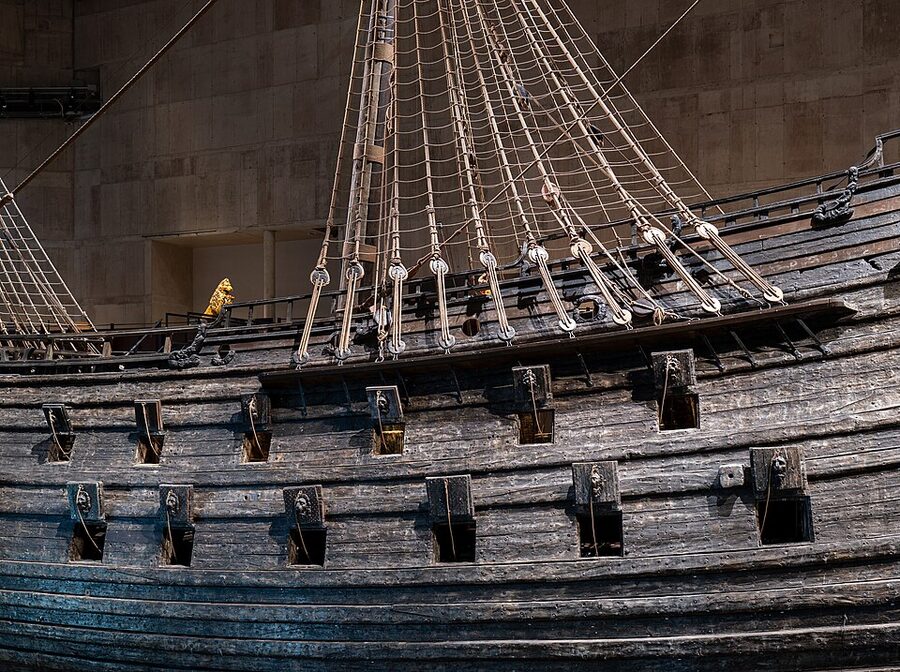
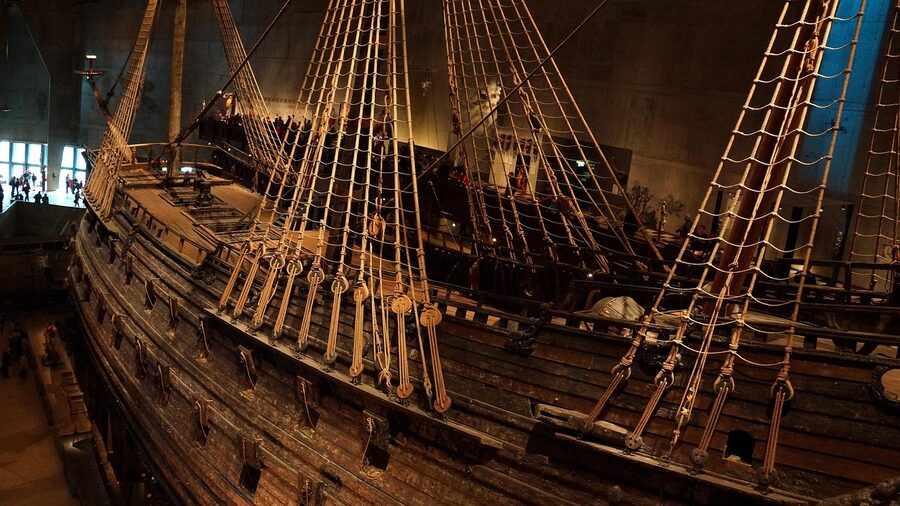
Afternoon, 13:30 to 17:00: Vasa Museum first (it’s smaller than Skansen and easier to do in 90 minutes), then either Skansen for the rest of the afternoon or the ABBA Museum if you’ve a music lover in the group. Our guides for Vasa, Skansen and ABBA cover ticket types and timing in detail; just be aware Skansen is large enough that 90 minutes is barely a taste.




Evening, 17:00 onwards: Bus over to Södermalm for sunset at Monteliusvägen, then dinner anywhere along Bondegatan or Skånegatan. The bus loop usually shuts down by around 18:00 in shoulder season and 20:00 in peak summer, so if you want to reach Fotografiska’s late opening, plan to walk down the Katarina lift afterwards. Don’t try to climb back up.
Cruise Passenger Logistics
If you’re arriving on a cruise, the City Sightseeing tour is built for you. Most other Stockholm sightseeing buses don’t go to Frihamnen; this one does. The catch is that the connection between the cruise terminal and the main loop runs less frequently than the central stops, often every 60 to 90 minutes rather than every 30. Check the timetable on the day, ask the driver to confirm the last return run, and budget at least an hour of buffer before your ship’s all-aboard time.

If you’ve only got six or seven hours ashore, drop the boat. It’s the prettier option but slower, and you can’t make it to Skansen and back on the boat alone. Instead, ride the bus to Vasa, walk the ten minutes to Skansen, and bus back to Gamla Stan for an hour before returning. That’s the maximum sensible loop in a half-day.
When to Visit (and When the Boat Doesn’t Run)
Peak season is mid-June to late August. The buses run every twenty to thirty minutes, the open top is usable, and the boat is at full schedule. The downside is queues at popular stops, especially Gamla Stan and Vasa. If you can stagger your day so you’re at Vasa before 11:00 or after 15:00, you’ll skip the worst of it.

Shoulder season runs late April to early June and September to mid-October. This is when I’d actually go. The bus is still running every 30 minutes most of the day, the boat may have a slightly reduced schedule, and the city is noticeably quieter. Pack a windbreaker for the upper deck.
Winter is the trickiest call. The bus runs all year but the boat usually stops between November and March because the channels freeze. Some operators sell a “winter pass” that’s bus-only at a discount. Don’t pay full price for a combo ticket and discover the boat isn’t sailing.
The Things Nobody Mentions

The audio guide quality is hit or miss. The recordings are often years old and you’ll occasionally pass a building that’s been replaced or renamed. Treat the narration as a starting point rather than a Wikipedia entry. If you want detail, our walking tour piece covers the alternatives, including small-group walks that go deeper.
The first bus of the day is rarely on time. If the official start is 9:30, the actual first bus you can catch at a less central stop is closer to 10:00. Plan accordingly if you’ve got a timed entry ticket somewhere.
The headphones are usually clean but bring your own. The disposable earbud sets work but the audio compression is awful. Wired in-ears with the standard 3.5mm jack plug into the bus seats and sound considerably better.
The boat seats fill up faster than the bus. Especially the upper deck. If you want a particular view, board ten minutes before departure rather than running for it on the half hour.
You can switch sides on the same ticket. Most operators let you ride the bus in one direction and the boat in the other on the same pass. If your ticket says “combo” this is implicit; double-check before you assume.
What I’d Pair With the Hop-On Hop-Off
The bus and boat are an orientation tool, not a substitute for going inside the sights. The pattern that works best is to ride the loop on day one, identify the three or four places you actually want to spend time in, then book proper tickets for those on day two. Vasa needs at least 90 minutes, Skansen needs three to four hours if you do it properly, and ABBA can be done in an hour but is more fun when you don’t rush it.
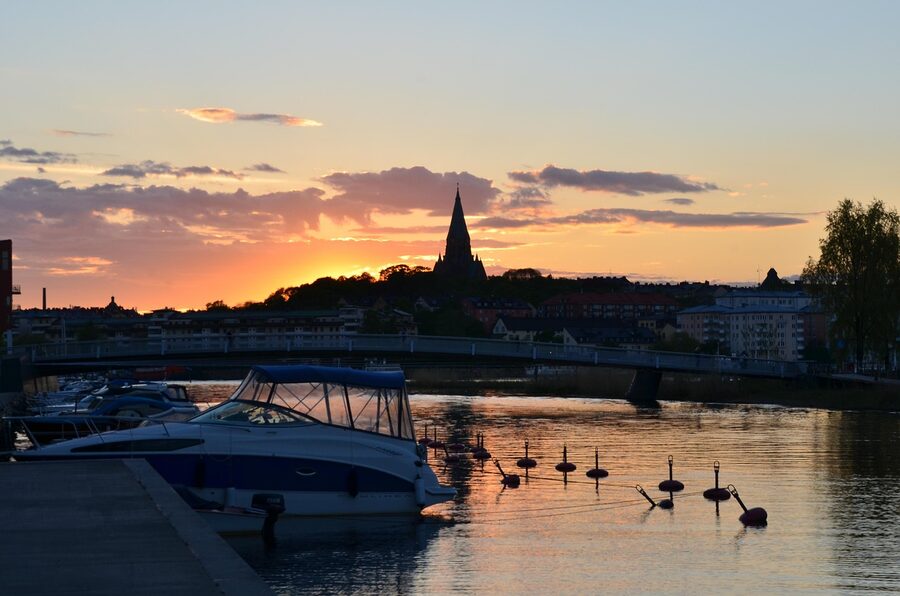
For the water specifically, a dedicated Stockholm boat tour with a longer narrative is a better second-day add than just doing more loops on the hop-on boat. The same applies to a deeper dive into the Stockholm archipelago; the hop-on boat doesn’t leave the central waters, and the archipelago is where Stockholm gets really beautiful.
Hop-On Hop-Off in Other Cities (For Comparison)
If you’ve used a hop-on bus elsewhere in Europe, Stockholm sits at the more useful end of the spectrum. The geography genuinely benefits from the bus-and-boat combo in a way that, say, Warsaw’s flat layout doesn’t. The closest comparison is Copenhagen, where a similar bus-and-boat product makes sense for the same reasons. Oslo’s loop is shorter but covers the same kind of fjord-and-island terrain. Brussels and Budapest are bus-only cities where the same product is more about ticking landmarks than solving geography. Stockholm is firmly in the first category.

Practical Stuff: Tickets, Refunds, and Family Pricing
Adult 24 hour passes start around $24 USD on the entry ticket and run up to about $50 for the longer combos. Kids under 5 are free; ages 6 to 15 are usually around half price. Family tickets exist but the maths only works out if you’ve got two adults and two or more kids. Check both options at checkout.
Tickets bought through GetYourGuide or Viator are mobile, no print needed, and most are free cancellation up to 24 hours before. That’s worth more than it sounds in shoulder season when the weather forecast can change overnight; if Tuesday’s looking like rain you can move to Wednesday at no cost. The local operators sell direct from kiosks at Central Station and Sergels Torg, but you generally pay the same rate for less flexibility.
Paper tickets are still issued at the boarding gate; mobile passes are scanned by the driver. Both work fine, but the printed pass tends to get rain-damaged after about six hours of use. Keep it in a bag, not your jacket pocket.
If You Skip the Hop-On Hop-Off
There are trips where the bus isn’t worth it. If you’ve got more than four full days, a Stockholm Pass or a T-bana 7 day card paired with selective ferry tickets gives you more flexibility for less money. If you’re a serious walker comfortable with hills and willing to plan your route around the bridges, you can absolutely do the city on foot. And if you’re here in deep winter when the boat is grounded, a 24 hour T-bana pass plus the occasional Bolt taxi is more practical than a bus-only sightseeing ticket.
But if you’ve got 24 to 48 hours, want to see the headline sights, and don’t fancy fighting the geography, the hop-on bus is the rational choice. The combo with the boat is the better version. And the City Sightseeing operator is the one to pick if you’re on a cruise.

Building the Rest of Your Stockholm Trip
The hop-on hop-off is your orientation; the rest of the trip is about depth. Pair it with a small-group walking tour for the layers of Gamla Stan history that no audio guide will give you, a proper boat tour for the inner archipelago, and a day trip out to the archipelago if you’ve got an extra morning. Add a Gamla Stan ghost walk after dark for the Stockholm Bloodbath story and the alleys you won’t see from a bus. Together that’s a full week of Stockholm without ever feeling repetitive.
Affiliate disclosure: We may earn a small commission from bookings made through links in this article, at no extra cost to you. The recommendations reflect our own ranked picks, not paid placements.