The appeal is simple: one bus day takes you to three famous sights that are awkward to fit together by public transport. You can feed Nara’s deer, walk beneath Arashiyama’s bamboo and pass through Fushimi Inari’s vermilion gates without working out the connections yourself.
I like the mix of places, from a lively park to a wooded shrine route, and the freedom to explore each stop at your own pace. The trade-off is time: this is a sampler, not a slow visit, and crowds or traffic can trim your time on site.
- The essentials at a glance
- Three famous stops, one long day
- Nara Park: deer, crackers and a short visit
- Arashiyama: bamboo, bridge and temple choices
- Fushimi Inari: a walk through the red gates
- What the guide and bus add
- Is .85 good value?
- Practical details before you book
- Who should book this day trip?
- FAQ
- How long is the tour?
- How much time is planned at each stop?
- What is included in the price?
- Can I choose to finish in Kyoto or Osaka?
- Is the tour suitable for young children?
- Can I bring luggage?
- The Best Of Kyoto!
- More Tours in Kyoto
- More Tour Reviews in Kyoto
The essentials at a glance
 1 / 9
 2 / 9
 3 / 9
 4 / 9
 5 / 9
 6 / 9
 7 / 9
 8 / 9
 9 / 9
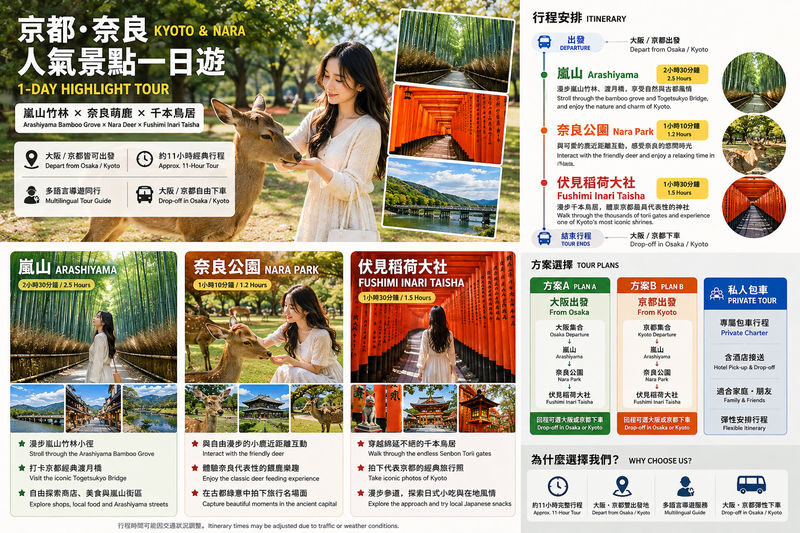
- Nara Park gives you a close look at its famous deer, with about 70 minutes planned for the stop.
- Arashiyama’s main visit runs about 150 minutes, enough to see the bamboo grove and nearby sights, though not every attraction on the list.
- Fushimi Inari Taisha gets about 90 minutes, a useful window for the lower torii paths and shrine approach.
- Guides help keep a packed day on track. Zoey, Nimo, Nathaniel and Yu Qihang are among the guides named in recent feedback, but staffing varies.
- Transport, tolls, parking and fuel are included in a starting price of $44.85; food, drinks and personal spending are extra.
- Expect a lot of walking and a firm timetable. Late arrivals cannot be accommodated, and traffic can affect the return time.

👉 See our pick of the We Rank Kyoto’s 15 Top Workshops & Classes
Three famous stops, one long day
This guided day tour links Nara Park, Arashiyama and Fushimi Inari Taisha from Osaka or Kyoto. You travel by shared vehicle, then explore each stop independently. The guide handles the route and timing, while you choose whether to spend your time taking photos, browsing shops, visiting a temple or simply walking.
The attraction is clear if you have limited days in Kansai: you can sample three well-known places without arranging separate train and bus connections. But you will not have time to see every nearby temple or walk all the way up Fushimi Inari’s mountain paths. Think of it as a practical introduction, not a thorough visit to each area.
The day starts at 08:40 and is scheduled to finish in the late afternoon or early evening, depending on your selected drop-off. The listed return estimates are 17:05 at Kyoto Station’s Hachijo Exit bus parking area and 18:20 near Kani Doraku Dotonbori East Store in Osaka. Those times are estimates, not promises. Traffic, weather and crowds can change the schedule.
You can also read our reviews of more tours and experiences in Kyoto.


Nara Park: deer, crackers and a short visit
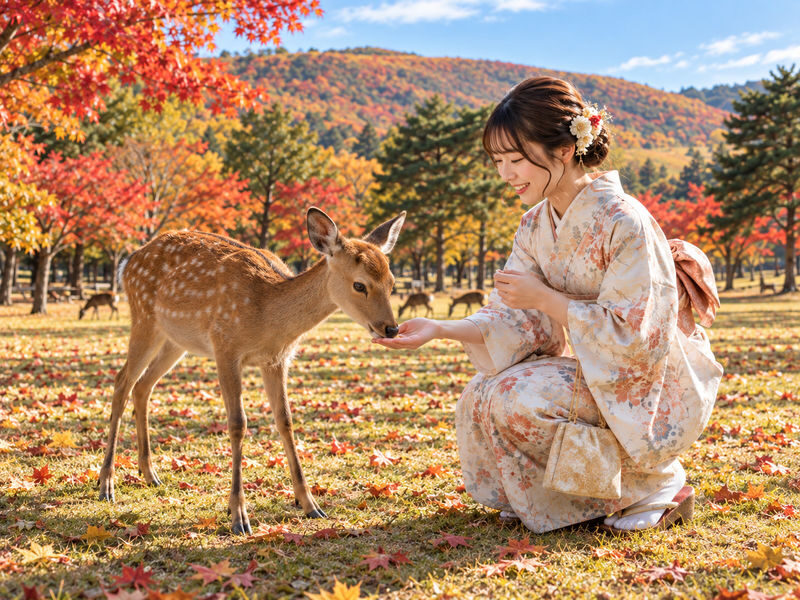
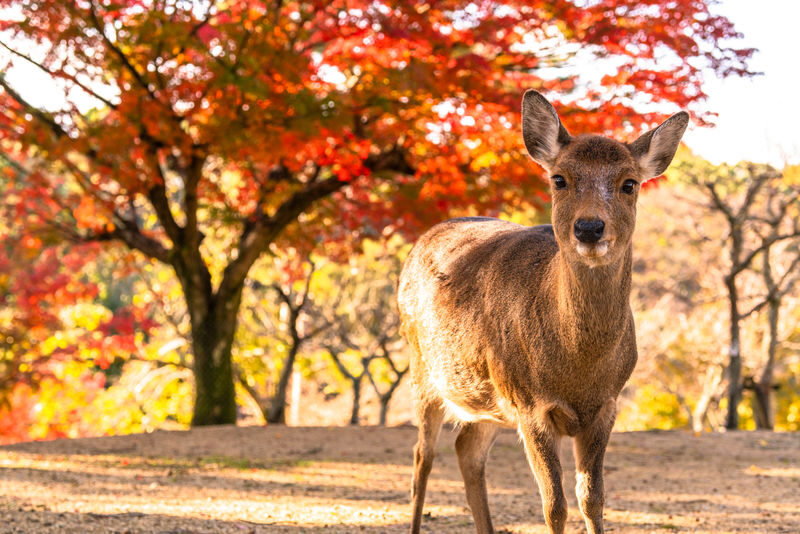
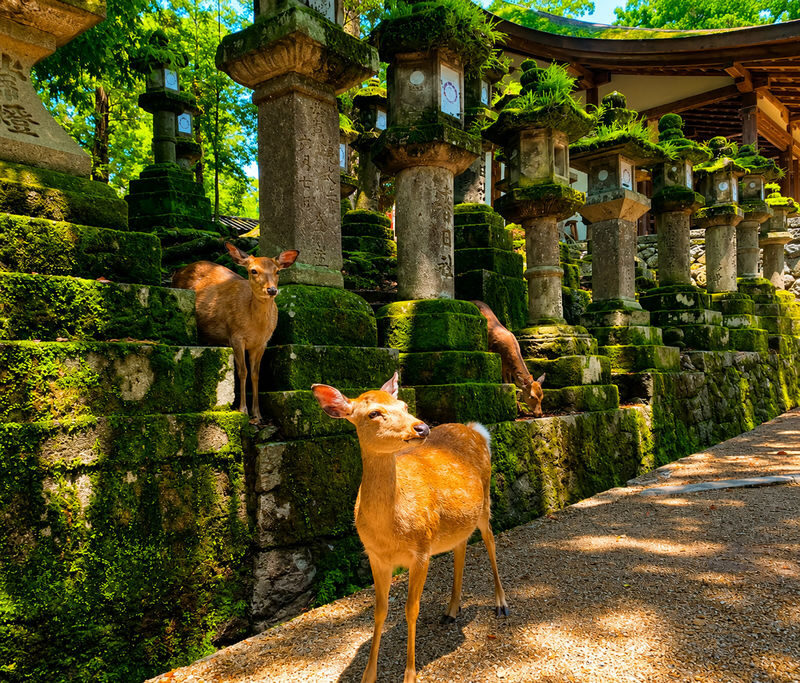
Nara’s deer are the star attraction for many people. The animals roam freely through the park, which lies beside Kasuga Taisha Shrine, and are considered sacred messengers in local tradition. They have been part of Nara’s cultural life for more than 1,300 years and are protected as a National Natural Monument.
You get around 70 minutes here. That is enough time for a walk through the park and, if you choose, to buy deer crackers and feed the animals. The deer are used to people and can be bold when they spot food. Keep crackers put away until you are ready to offer one, and don’t tease or crowd them. If a deer nudges or follows you, stay calm and move on rather than turning the encounter into a tug-of-war.
The short stop means choices matter. You might use the time for the deer alone, or make a quick visit toward Kasuga Taisha or Kofuku-ji Temple. Mount Wakakusa is another place of interest in the wider area, but do not assume you can visit every named site during this stop. The schedule is tight, and walking time between places counts.
For families, the deer are a memorable reason to come. They can also make the park noisy and unpredictable, especially when crackers appear. If you are uneasy around animals, enjoy them from a little distance and leave the feeding to someone else.
Arashiyama: bamboo, bridge and temple choices
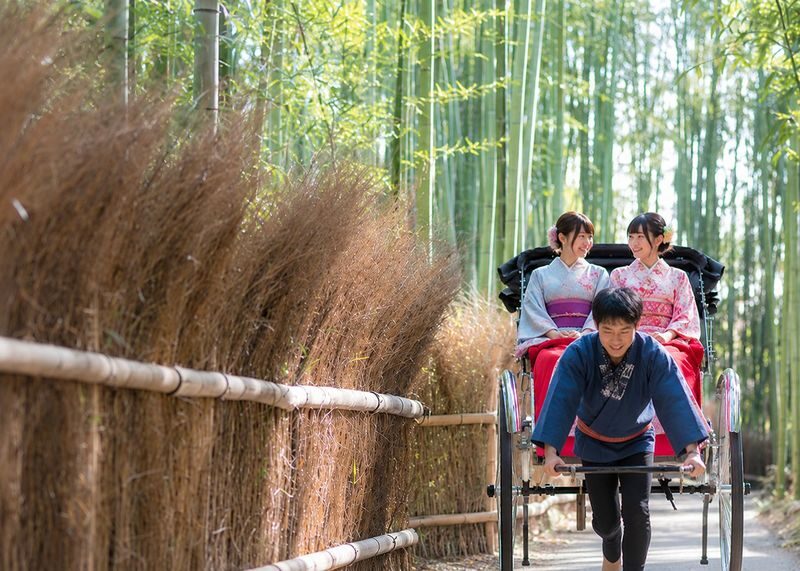
Arashiyama is the more open-ended stop, with about 150 minutes planned. The bamboo grove is the headline walk: tall stalks rise on either side of the path, making a distinctive corridor that is easy to recognise from photos. It can be crowded, so expect to share the path and take turns finding a clear angle for pictures.
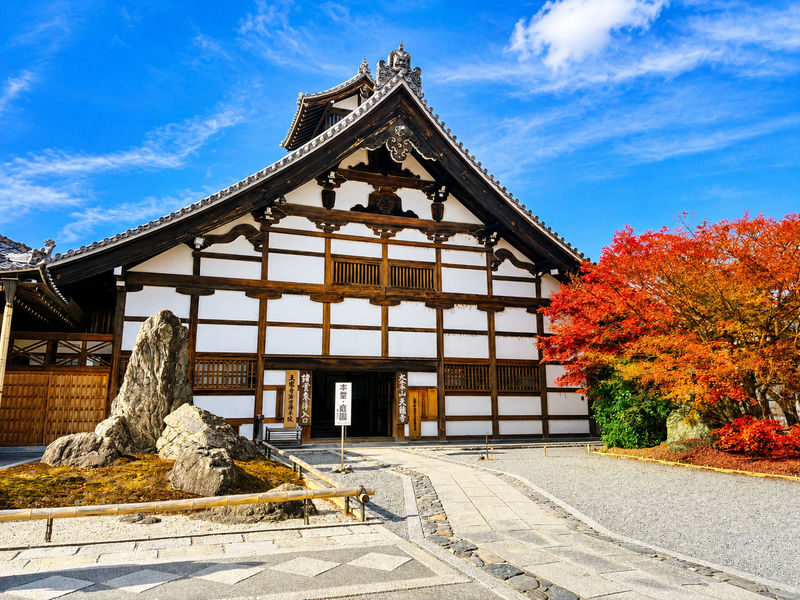
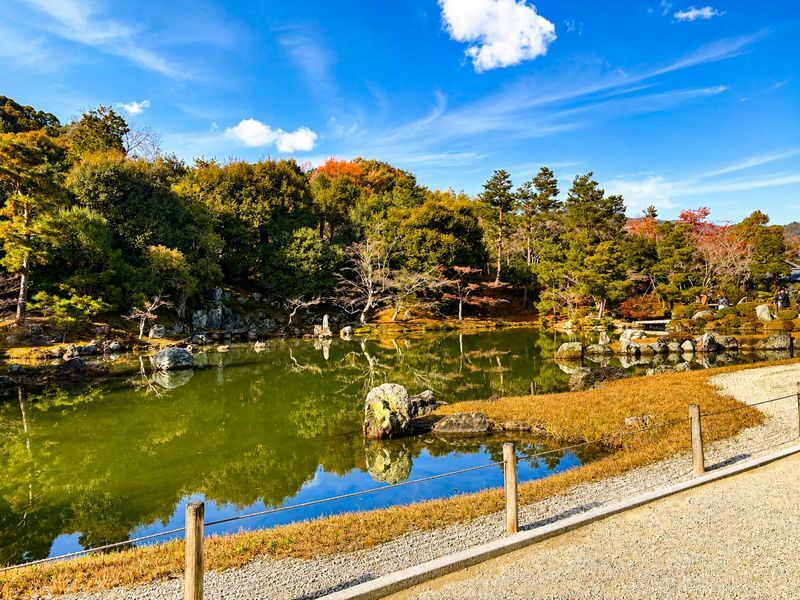
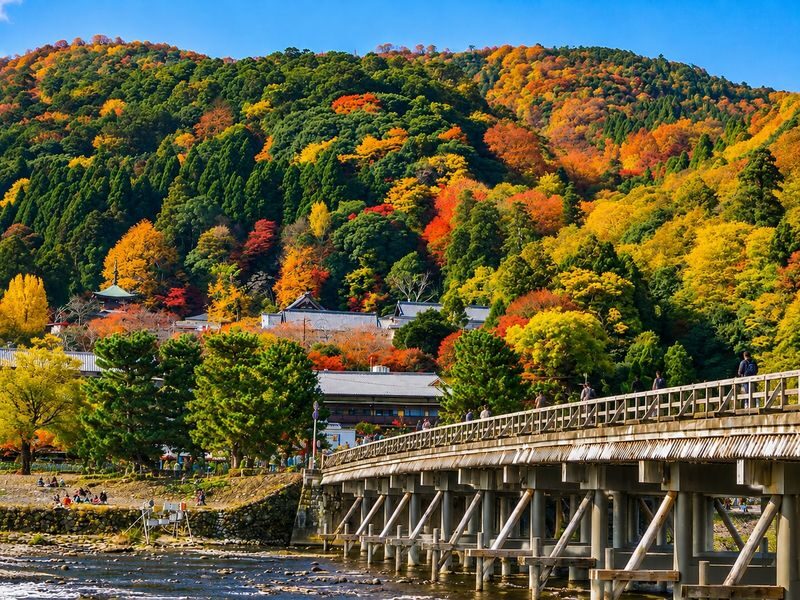
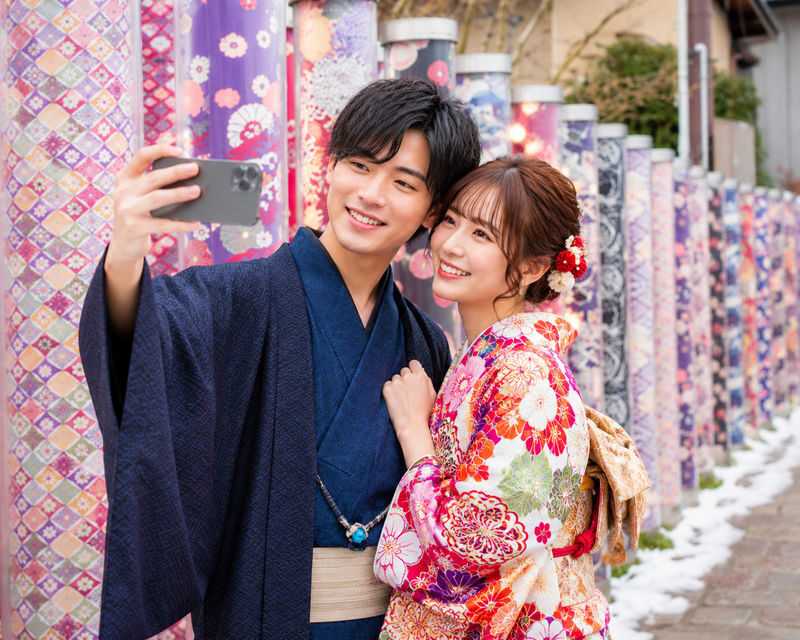
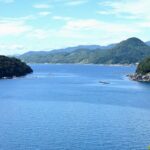
The area offers more than bamboo. Togetsukyo Bridge crosses the Katsura River, with mountain scenery beyond it that changes with the seasons. Tenryu-ji Temple, Nonomiya Shrine and the Kimono Forest are also among the local sights. You will need to pick what matters most. A relaxed loop through the bamboo and across the bridge can fill your time without a temple visit; adding Tenryu-ji means watching the clock.
This is the stop most likely to feel rushed if you want to see several places. One useful approach is to decide before you arrive: bamboo and bridge for a scenic walk, or a temple visit plus a shorter stroll. The tour does not include admission to attractions, so check the cost and time involved before committing to an extra stop.
The stop is self-guided, which is a plus if you like to set your own pace. It also means you should note the bus meeting point and return time before setting off. The guide may offer suggestions, but you are responsible for getting back on time.
Fushimi Inari: a walk through the red gates
Fushimi Inari Taisha, the head shrine of Japan’s Inari shrines, is known for its long rows of vermilion torii gates. The shrine was founded in 711, and its mountain paths form part of a sacred area. The gates create a striking sequence of doorways and shaded passages, but the route is not just a photo backdrop: it continues uphill, through a much larger shrine complex.
You have about 90 minutes here. That gives you time to walk the main approach, pass through a stretch of gates, stop at the shrine and browse some of the tea houses or souvenir shops along the way. It is not enough for a leisurely climb around the full mountain route. If you want to go farther, keep an eye on the time and turn back early enough to reach the bus.
The lower paths are popular and can be crowded. If a gate passage is busy, patience usually beats trying to force a photo. Step aside when you stop, and remember this is an active place of worship as well as a landmark.
What the guide and bus add
The central value is not only the bus ride. It is the amount of coordination it removes. Connecting Nara, Arashiyama and Fushimi Inari on your own means planning multiple legs and leaving room for missed connections. Here, transport, tolls, parking and fuel are covered, and the guide gives you timing instructions at each stop.
Guide quality is a recurring strength. Names mentioned by customers include Zoey, Nimo, Nathaniel, Yu Qihang and Hua Hua. They were praised for clear instructions, answering questions, sharing local stories and helping people make the most of their free time. These are examples, not a promise of who will lead your tour. The operator may assign a driver-guide for a small group of 4 to 13, or a separate driver and guide for a larger group of 14 to 45.
The tour is offered with Chinese, English and Japanese-speaking guide support, but the language used on a particular date is not guaranteed. If language is important to you, check with the operator before booking rather than assuming you will receive a specific-language guide.
The vehicle type depends on group size, from a small van to a large bus. The ride gives you a break between walks, but the bus is shared, so seat requests are not guaranteed. Some people find the day less tiring than expected; others feel the pace at each stop is brisk. Your own walking speed and sightseeing ambitions will make the difference.
Is $44.85 good value?
At a starting price of $44.85, the tour can be good value if you want all three places in one day and would otherwise need to organise the route yourself. Transport costs and the time spent navigating are included in the price, as are tolls, parking and fuel. You also get a guide to manage the day’s schedule.
The price does not include meals, drinks, admission fees where applicable, deer crackers or other personal purchases. Those costs can add up if you plan to eat at each stop or visit paid attractions. The day works best when you treat the included transport as the main value and keep your extra spending focused.
A private car charter is also offered as a package option. Check the details for your date and selected plan: the available departure and drop-off arrangements vary. Some options allow you to finish in Kyoto or Osaka, which can be handy if you are changing cities, but do not assume every package includes the same arrangement.
Practical details before you book
Arrive at the confirmed meeting point 15 minutes early. The scheduled departure is 08:40, and the vehicle will not wait for late arrivals. The exact meeting information and guide contact details are sent before departure, so check your email, including the spam folder. If several messages arrive, use the latest one.
The return time can shift. Avoid booking a tight dinner reservation, onward train or other timed activity for the evening. The operator says it cannot cover costs caused by a delay, so give yourself a generous buffer, especially during holidays, spring break and Lunar New Year.
You can bring one standard piece of luggage at no charge. An extra piece costs 2,000 yen and must be declared in advance; without notice, the driver may refuse it. Children aged 3 and older pay the adult rate. Children aged 0 to 2 can join free only if they do not take a seat, and the operator must be told in advance. No child seats are available.
This is not a good fit for a stroller or wheelchair. It involves substantial walking, and the tour is not wheelchair-accessible or stroller-friendly. Wear comfortable shoes and prepare for the day’s weather. If you have a health condition that could affect your participation, tell the operator before the tour.
Who should book this day trip?
Book it if you have one day to spare, want to see the signature sights, and value having the transport and route organised for you. It is especially useful if you are staying in Osaka or Kyoto and are comfortable with a busy schedule and self-guided stops.
Skip it if you want long visits at temples, a full hike at Fushimi Inari, or a leisurely day with time for every Arashiyama attraction. Those goals are better served by splitting the stops across separate days. For a first Kansai visit, though, this is a sensible way to see the deer, bamboo and torii gates without spending the day planning connections.
Arashiyama Bamboo Forest & Nara Park Deer & Fushimi Inari Shrine Torii Gate Day Tour (Departing from Osaka/Kyoto)
“Our guide Yu Qihang was pleasant and had unrivaled patience. He was available and attentive to our requests. We had a wonderful day.”
FAQ
How long is the tour?
The tour is listed as 8.5 hours, with an 08:40 departure. Return estimates are 17:05 at Kyoto Station’s Hachijo Exit bus parking area and 18:20 near Kani Doraku Dotonbori East Store in Osaka. Traffic and weather can change those times.
How much time is planned at each stop?
The plan allows about 70 minutes at Nara Park, 150 minutes at the main Arashiyama stop and 90 minutes at Fushimi Inari Taisha. The guide may adjust timing due to traffic, weather or other conditions.
What is included in the price?
Transport, tolls, parking fees, fuel and a Chinese, English or Japanese-speaking guide are included. Meals, drinks and personal expenses are not included.
Can I choose to finish in Kyoto or Osaka?
Some package options allow you to alight in either Kyoto or Osaka. The available departure and drop-off choices depend on the package you select, so confirm those details when booking.
Is the tour suitable for young children?
Children aged 3 and older pay the adult rate. Children aged 0 to 2 may join free if they do not occupy a seat, but the operator must be informed in advance. Child seats are not available.
Can I bring luggage?
Each person may bring one standard-sized piece of luggage at no charge. An additional piece costs 2,000 yen and must be declared in advance. The driver may refuse luggage that exceeds the vehicle’s capacity.