A few sheets of washi, artificial flowers and colorful mizuhiki cord can become a keepsake you’ll actually use. In this 90-minute Kyoto workshop, you make a two-way Japanese accessory, designed to work as a hair ornament or a brooch.
I like two things in particular: you get to choose your materials and make your own design, and the finished piece is compact enough to take home without giving your suitcase a new problem. Tea, a completion certificate and handmade souvenirs add a thoughtful finish.
One consideration: the workshop requires at least two participants, so it may not suit a solo visitor unless another person is booked for the same session. The price starts at $78.85, which is worth weighing against the value you place on a guided craft session and a personal, wearable souvenir.
- One accessory, two ways: Make a piece you can wear in your hair or attach as a brooch.
- Japanese craft materials: Choose from artificial flowers, washi paper, origami and mizuhiki cords.
- A 90-minute session: A focused workshop that can fit neatly into a Kyoto day.
- Help in English or Japanese: An instructor guides you as you put your design together.
- Tea and keepsakes included: Expect refreshments, a certificate of completion and handmade souvenirs.
- Bring a small bag: The artwork is made to travel, but you’re asked to bring your own bag to carry it.
- Make a Kanzashi That Can Also Be a Brooch
- Choose Materials, Then Build Your Design
- Tea, a Certificate and a Take-Home Keepsake
- What 90 Minutes and .85 Buy You
- A Friendly, Supported Session, Not a Solo Craft Test
- Getting to the Hotel and Planning Your Visit
- Should You Book This Kyoto Craft Workshop?
- FAQ
- How long is the workshop?
- Where does the experience take place?
- What will I make?
- What materials can I use?
- Is the workshop available in English?
- Is there a minimum number of participants?
- The Best Of Kyoto!
- More Tours in Kyoto
- More Tour Reviews in Kyoto
Make a Kanzashi That Can Also Be a Brooch
 1 / 7
 2 / 7
 3 / 7
 4 / 7
 5 / 7
 6 / 7
 7 / 7
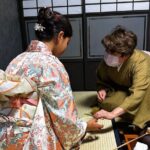
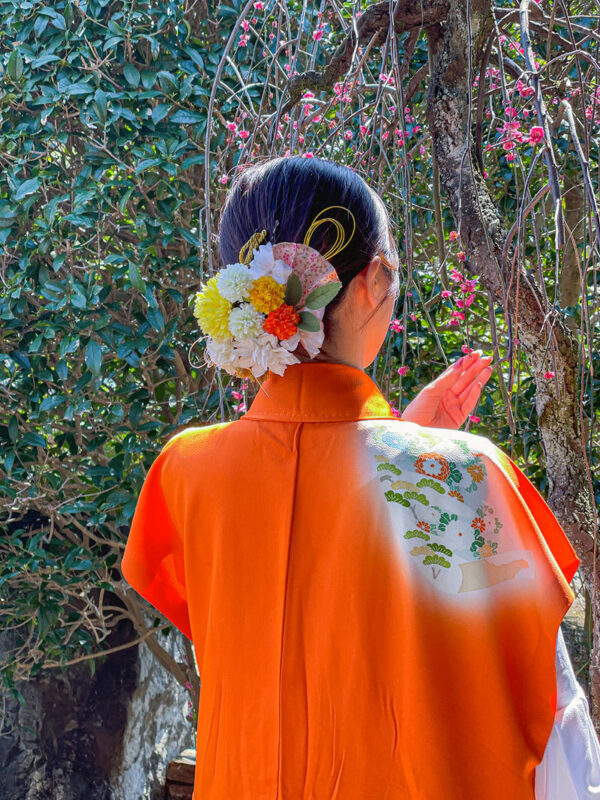
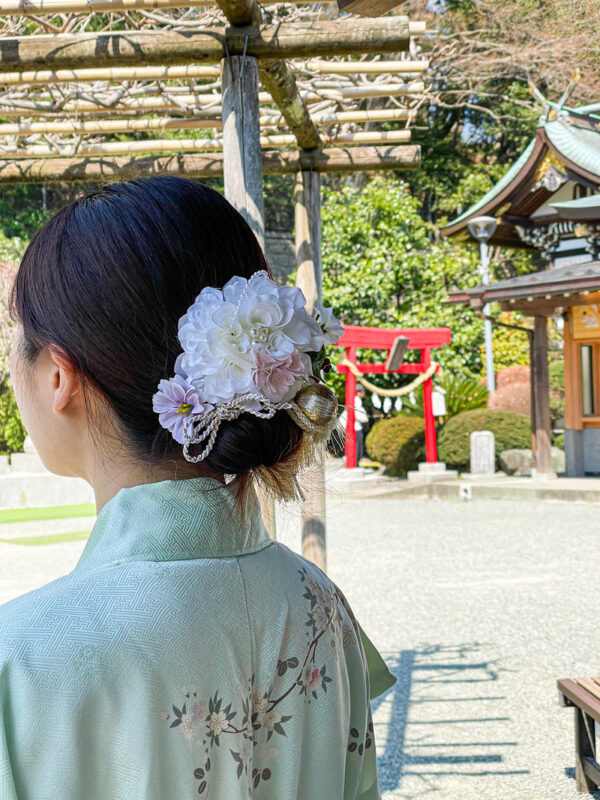
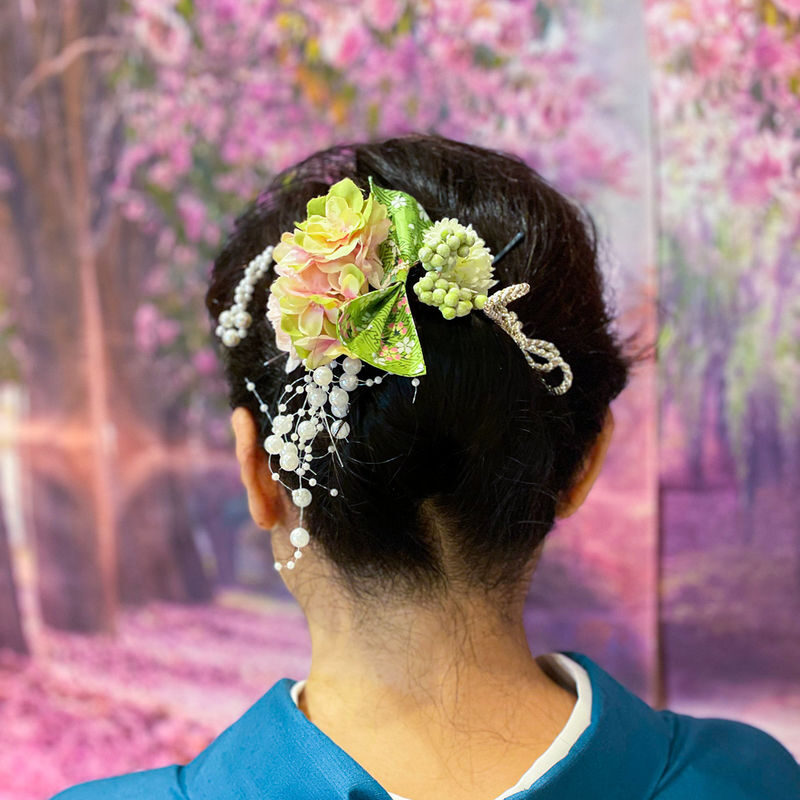
This is a hands-on craft session with a practical result. You create a Japanese-style hair ornament, often called a kanzashi, with a design that can also be worn as a brooch. That second use matters: the accessory is not limited to a kimono or a special occasion, and you can choose how to wear it with Japanese or Western clothing.
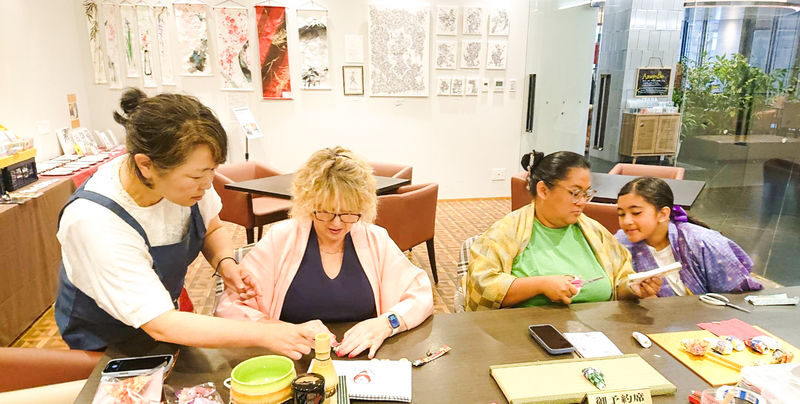
The workshop uses materials associated with Japanese decorative arts, including washi paper, origami, mizuhiki cords and artificial flowers. You choose the elements you like, then assemble them with help from the instructor. The exact finished design depends on your choices, so you leave with something personal rather than a standard souvenir picked from a shop shelf.
The listed package is a 90-minute lesson. That gives you enough time to focus on making one piece without having to set aside half a day. The activity is based at Urban Hotel Kyoto Nijo PREMIUM, at 25-5 Jurakumawiminamicho in Nakagyo Ward.
👉 See our pick of the We Rank Kyoto’s 15 Top Workshops & Classes
Choose Materials, Then Build Your Design
The workshop begins with a choice of materials. You can pick artificial flowers and washi paper, and use origami and mizuhiki cords as part of your design. Those choices set the look of the finished accessory, from its colors to its decorative details.
This is a good format if you enjoy making things but don’t want to arrive with a plan already worked out. You can explore the materials first and decide what suits your taste. The instructor is there to support you as you make your piece, so you don’t have to figure out every step alone.
The session is also described as suitable for children, with flexible arrangements available for families. That suggests you can ask about adapting the activity to your group’s needs. Still, the core appeal is the chance to make a small object by hand, not simply watch a demonstration.
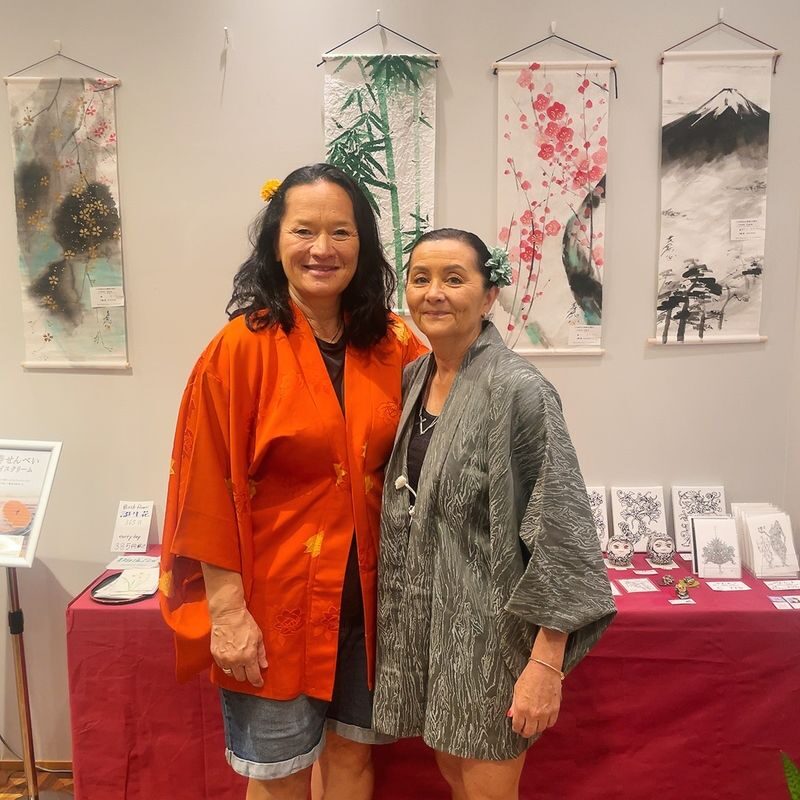
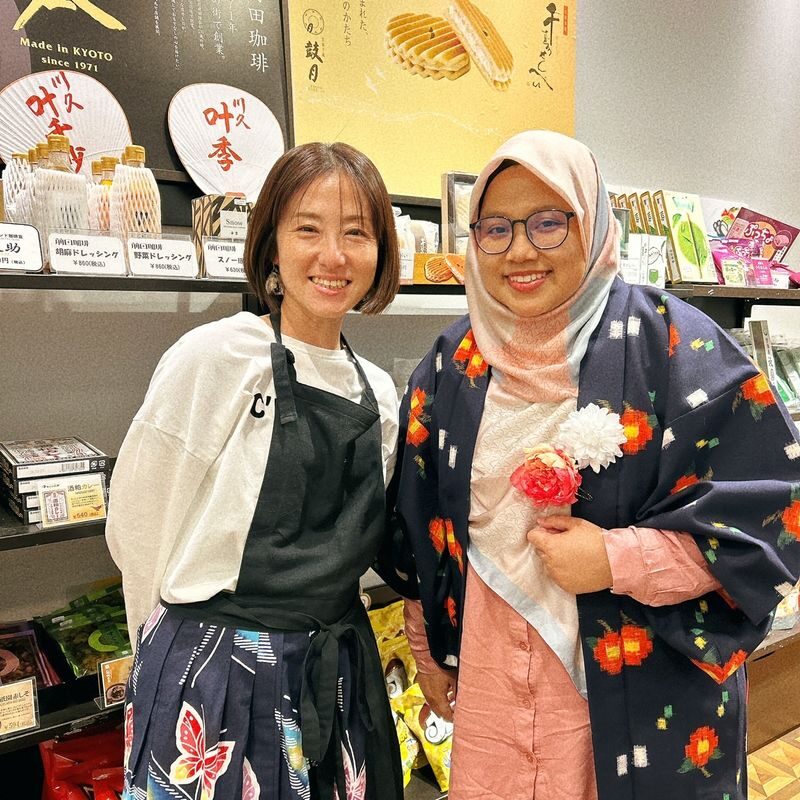
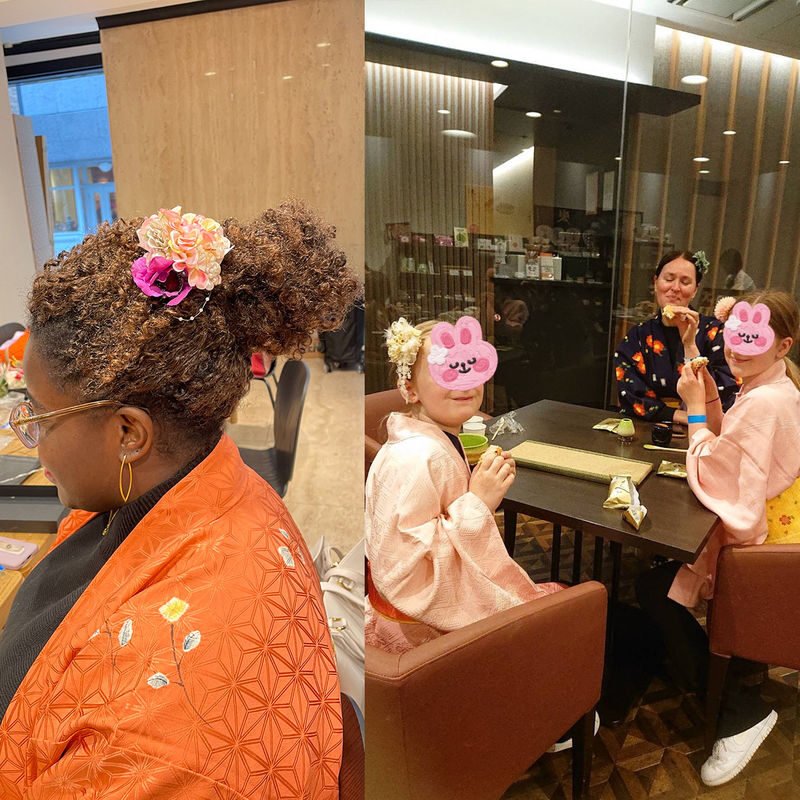
The experience can include wearing a favorite haori coat while you work. If you already have one with you, it can add a personal touch to the session and connect the craft to Japanese clothing. You don’t need a haori to take part, and no other clothing requirement is specified.
You can also read our reviews of more tours and experiences in Kyoto.


Tea, a Certificate and a Take-Home Keepsake
The workshop includes refreshments, so tea offers a pause during the making process. It’s a modest detail, but a welcome one in a seated craft session. The package also includes a welcome gift and handmade souvenirs, in addition to the accessory you create.
At the end, you receive a certificate of completion. It won’t replace the finished piece, but it gives the session a clear ending and serves as a small memento of the activity. Taken together, the accessory, certificate and souvenirs make this more than a materials-and-instruction fee.
The finished piece is designed to be durable and easy to transport. That’s useful if you’re travelling with limited luggage space, or if you’d rather not carry a fragile craft around Kyoto for the rest of the day. You should still bring your own bag for the artwork.
Because you can wear the result as a hair ornament or a brooch, it has more staying power than a keepsake that goes straight into a drawer. If you’re planning a kimono or other traditional-clothing photo session, making a hair pin here could also give you an accessory that feels tied to your time in Kyoto.
What 90 Minutes and $78.85 Buy You
At a starting price of $78.85, this is not a bargain-basement craft table. You’re paying for a guided session, selected materials, tea, a certificate, a welcome gift and handmade souvenirs, as well as the time to make a finished accessory. If you value hands-on activities and take-home objects with a personal connection, the package may feel worthwhile.
The value is less clear if you mainly want a cheap souvenir or are not interested in making things. You could spend less on a ready-made accessory, but it wouldn’t carry the same memory of choosing the materials and putting the piece together yourself. Think of the cost as an activity fee with a lasting result, rather than simply the price of a hairpin.
The 90-minute length makes the cost easier to judge. It is a substantial, planned activity, but it doesn’t consume most of your day. You can pair it with other Kyoto plans, though you’ll want to allow time to reach the hotel and arrive promptly.
The workshop has a minimum of two participants. If you’re travelling alone, check that the session can go ahead before building your day around it. The available information doesn’t promise a private lesson, even though one participant has had a one-on-one session with the teacher. That can happen, but you shouldn’t count on it.
A Friendly, Supported Session, Not a Solo Craft Test
The host is described as friendly, and English and Japanese guidance is provided. One participant found the materials and instruction available in English, which is reassuring if you don’t speak Japanese. Another had a particularly personal session with the teacher, but group size can vary, so treat that as a possibility rather than a guarantee.
The teaching support is a key part of the value. This is not simply a kit left on a table: you choose from the materials and receive careful help as you complete your design. If you are new to Japanese craft or are unsure how to combine the decorative elements, that guidance can make the process more enjoyable.
The experience is a natural fit for people who like art and craft, want a break from sightseeing, or enjoy bringing home objects they can use. It may also suit families, since children’s workshops are offered and needs can be accommodated flexibly. Children aged 0 to 6 must be accompanied by a paying adult, and participants aged 13 or older pay the adult rate.
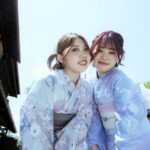
If you’re going to wear a kimono for photos, consider making the accessory before the photo session. You can use the finished hairpiece with your outfit, rather than looking for an accessory at the last minute. The piece also works with Western clothing, so its use needn’t end when you change out of a kimono.
Getting to the Hotel and Planning Your Visit
The meeting point is Urban Hotel Kyoto Nijo PREMIUM, at 25-5 Jurakumawiminamicho, Nakagyo Ward, Kyoto, postal code 604-8411. Check the map provided with your booking and arrive on time. The activity details do not specify a transport route, so plan your journey to the hotel using your preferred map or local transport information.
The voucher is mobile, and you present it at the meeting point. It is valid only for the date and time specified, so check those details before you set off. The booking requires at least two participants, and changes are generally allowed until 24 hours before the activity, subject to exclusions for certain passes, presale bookings, vouchers not yet issued and some culture-point payments.
Cancellation at least 24 hours before the activity date, using local destination time, qualifies for a full refund. If you have a special booking type or payment method, check its change rules carefully before relying on that standard window.

Should You Book This Kyoto Craft Workshop?
Book it if you want a personal, useful souvenir and enjoy spending time making something by hand. The two-way design, choice of Japanese materials, English-language support, tea and completion certificate make the session a well-rounded craft outing rather than a quick demonstration.
It is especially appealing if you plan to wear a kimono or haori, or simply want an accessory that can work with everyday clothes. Skip it if you’re looking for a low-cost ready-made item, have no interest in crafts, or can’t meet the two-person minimum. For the right person, this is a pleasant way to turn part of a Kyoto afternoon into something you can wear long after the trip.
Japanese Hair Ornament & Brooch Making Experience (Kyoto)
“This is the kind of experience where you never really expect it to be a one on one with the teacher, bur you're always the happiest when it turns o…”
FAQ
How long is the workshop?
The lesson lasts 90 minutes.
Where does the experience take place?
It meets at Urban Hotel Kyoto Nijo PREMIUM, 25-5 Jurakumawiminamicho, Nakagyo Ward, Kyoto.
What will I make?
You’ll make a Japanese-style accessory that can be used as a hair ornament or a brooch.
What materials can I use?
The workshop uses materials such as artificial flowers, washi paper, origami and mizuhiki cords.
Is the workshop available in English?
An English- and Japanese-speaking guide is included.
Is there a minimum number of participants?
Yes. The minimum number of participants is two.