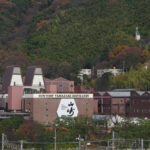
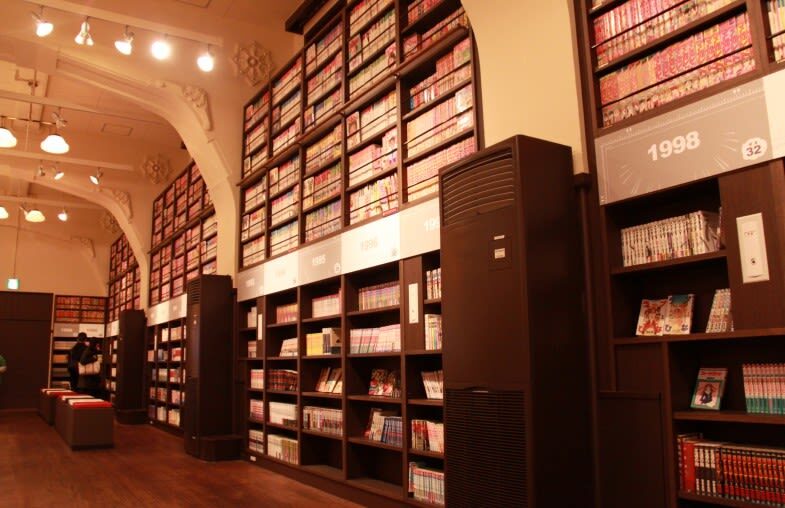
Kyoto International Manga Museum is part library, part exhibition space, and part former school building. Its most tempting feature is the Wall of Manga, where thousands of books are available to browse and read. You can spend an hour with a favorite series or simply take in the scale of a collection said to hold about 50,000 volumes.
I like two things especially: the chance to read manga rather than just look at it behind glass, and the second-floor exhibition that traces how the art form developed. The Manga Expo corner adds translated titles and comics from elsewhere, while the old school setting gives the visit a pleasantly unpolished feel.
The main consideration is language. Much of the collection is in Japanese, and visitors who cannot read it may find the browsing more rewarding than the reading. The museum is also modest in size, so it works best as a relaxed stop, not a full-day attraction.
- Read from the Wall of Manga: Browse a collection of roughly 50,000 books, with shelves organized across eras and genres.
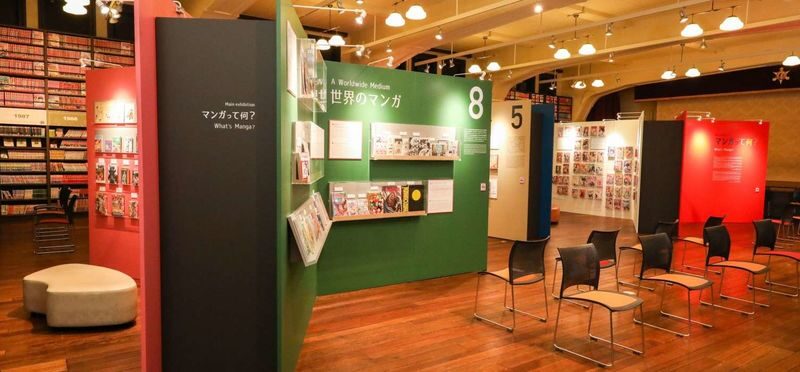
- See manga beyond Japan: The Manga Expo corner includes translated manga and comics from around the world.
- Follow the art form’s timeline: A permanent second-floor exhibition looks at manga’s history, including original artwork and related material.
- Make time for a portrait: Manga-style portraits may be available, but slots can fill early and are not part of the admission ticket details provided.
- Enjoy a former school: The museum occupies the old Tatsuike Primary School, with places to sit, read, and spend time in the grounds.
- Plan around the clock: It is open 10:00 to 17:00 Monday, Tuesday, and Thursday through Sunday, and closed Wednesday. Check current hours before setting out.
- A former school full of comics
- Finding a book on the Wall of Manga
- The second-floor exhibition and manga’s past
- Portraits, the shop, and time to linger
- What the ticket is worth
- Getting there and planning the day
- Who will enjoy this museum most?
- Should you book the Kyoto International Manga Museum?
- FAQ
- How long should I plan to spend at the museum?
- What are the opening hours?
- How do I get to the museum by train?
- Can I read the manga at the museum?
- Is there manga in languages other than Japanese?
- Can I take photos inside?
- The Best Of Kyoto!
- More Tickets in Kyoto
- More Tours in Kyoto
- More Tour Reviews in Kyoto
A former school full of comics
 1 / 3
 2 / 3
 3 / 3
The Kyoto International Manga Museum occupies the former Tatsuike Primary School in Nakagyo Ward. That setting helps explain the museum’s relaxed rhythm. Rather than moving through a sequence of sealed galleries, you can browse shelves, pick up a book, and settle into a reading spot.
The building is dedicated to manga, but the experience is not limited to looking at displays. The shelves are the main event: about 50,000 books, with titles from different periods and genres. It is a satisfying change of pace from a conventional museum, where every object sits behind glass and the visitor keeps moving.
The old school setting also makes this a good stop for families. There is a children’s library area where you can sit and read with a child, and the museum gives young visitors room to spend time with books rather than hurry through a set route. If your child likes comics, allow more time than you think you need.
The museum’s size is a point to keep in mind. Visitors describe it as compact, with the historical exhibition occupying a relatively small area. That is not a flaw if you come for the books, but it does mean you should not expect a large complex packed with separate galleries.

👉 See our pick of the We Rank Kyoto’s 15 Top Workshops & Classes
Finding a book on the Wall of Manga
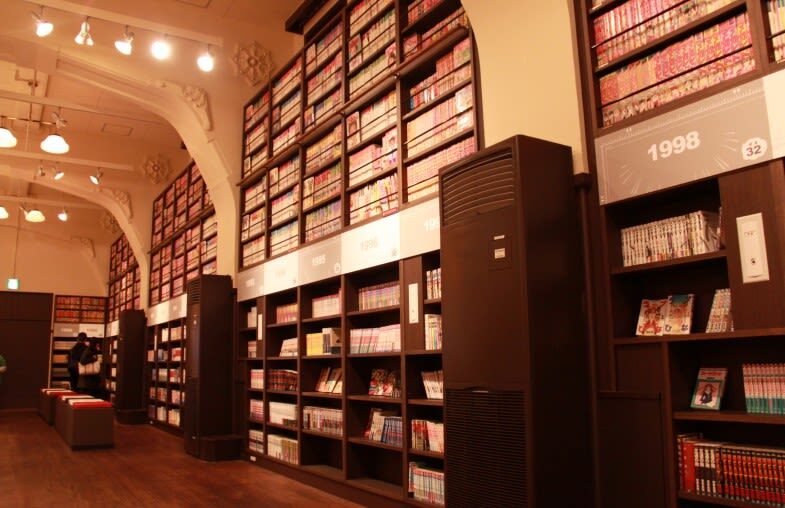
The Wall of Manga is the museum’s defining feature. Rows of manga invite you to browse and read on site, with books arranged by year and genre. You might spot a series you loved as a child, compare older and newer artwork, or choose a volume simply because its cover catches your eye.
That freedom is what makes the museum valuable. You are not just told that manga has a long life in Japan; you can see its changing styles and read examples at your own pace. If you know Japanese, the shelves can easily hold your attention for hours. If you do not, the visual range still rewards browsing, though the majority of the books are in Japanese.
There are manga in other languages, including a selection in English and Chinese, as well as titles from other countries. The Manga Expo corner is the place to look for translated works and international comics. Still, do not expect the full collection to be available in your language. The international material is a useful feature, but Japanese titles make up most of the shelves.
The museum is designed for lingering. You will see people reading in different spots, and re-entry is allowed on the same day. That makes it easier to take a break, visit the grounds, or grab something at the museum cafe before returning to the books. Eating and drinking are not permitted inside the building, though you can eat and drink on the grounds. Take your rubbish with you.
You can also read our reviews of more tours and experiences in Kyoto


The second-floor exhibition and manga’s past
The permanent exhibition in the main gallery on the second floor adds context to all that reading. It looks at manga’s history and development, with displays that may include original drawings, information about the manga-making process, and other material connected to artists and the medium.
This is the part of the visit that can make the museum worthwhile even if you do not plan to read a full volume. Instead of treating manga as a single genre, the exhibition gives you a chance to see how it has changed over time and how its visual language is made. The gallery is relatively small, so it is better to think of it as a focused introduction than an exhaustive account.
Some material is in English, but language coverage varies. If you want to understand every label, check what is available when you arrive rather than assuming the displays are fully translated. Even if you cannot read everything, the original art and page layouts offer plenty to look at.
The collection also includes international examples, but the museum remains chiefly about manga in Japan. If your main interest is comics from a particular country or language, this may be a narrower visit than the name suggests. Treat the international corner as a welcome extra, not the entire focus.
Portraits, the shop, and time to linger
A manga-style portrait can make a memorable souvenir, and the portrait area is a popular stop. However, artist availability is limited, and drawing spaces can fill early. If this is a priority, arrive near opening time and ask about the day’s arrangements as soon as you enter. Do not build your whole visit around getting a portrait, since availability is not guaranteed by the ticket information.
The museum shop offers about 3,000 manga- and anime-related goods. It is worth saving a little time for a browse if you want a book or small souvenir to take home. The shop can also give you something to look at if you have finished the galleries but are not ready to leave.
There is a cafe in the museum, and the grounds offer a place to pause. The cafe is useful if you want a break without leaving the site, while the grounds can be a pleasant spot to sit when the weather cooperates. The building’s former-school character is part of the appeal, especially if you enjoy places that feel like working spaces rather than purpose-built attractions.
For many people, two hours is a sensible visit. You can see the historical exhibition, browse the international section, and spend time among the shelves. Set aside closer to four hours if you read Japanese, are visiting with a keen young manga fan, or want to search for particular series. If you are mainly interested in the history display, an hour may be enough.
What the ticket is worth
Admission starts at $7.59, for entry to the museum. At that price, the visit offers good value if you plan to use the library shelves, not just walk through the exhibition. The ability to read from the collection changes the calculation: you are paying for time in a large manga library as much as for a short museum visit.
The value is less clear if you do not read Japanese and expect a large, highly translated exhibition. There are works in other languages and some English information, but most manga is Japanese. For a non-reader, the appeal will depend on how much you enjoy browsing artwork, seeing the collection’s scale, and learning through visual displays.
The ticket information describes admission only. Do not assume a portrait drawing, food, or merchandise is included. If the portrait matters to you, ask about availability and any separate cost on arrival.
There is also a free-admission day on November 25, Kansai Culture Day, when reservations are not required. If your dates are flexible, that can be a useful way to save, though a free day may not be the best choice if you value a quieter visit.
Getting there and planning the day
The museum is a short walk from Karasuma Oike Station on the Kyoto City Subway. From Exit 2, turn right, then turn left at the Karasuma Oike intersection and walk about two minutes. It is a practical stop to add to a day in central Kyoto, especially if you want an indoor activity that does not require a long excursion.
The address is given as Kanabuki-cho, Nakagyo-ku, Kyoto City, Kyoto Prefecture 604-0846. The detailed location information also gives 452 Kinbukicho, Nakagyo Ward, Kyoto, 604-0846. Use the museum’s map or current official directions if your navigation app shows a spelling or address variation.
The published hours are 10:00 to 17:00 on Monday, Tuesday, Thursday, Friday, Saturday, and Sunday. Wednesday is listed as closed. Unexpected closures can occur for maintenance, and the museum suspends operations during the year-end holiday, so check the official website before leaving. The supplied information does not give a reliable last-entry time, so do not plan to arrive just before closing.
There is no parking lot, so public transportation is the practical choice. Pets are not allowed inside, except service animals with valid identification. Photography and video recording are prohibited in the show areas described by the museum, and some exhibits may have their own restrictions. Follow the signs and staff instructions rather than assuming every room has the same rules.
A mobile voucher is used for entry. The ticket is valid only on the date selected, and the stated purchase terms do not allow cancellations or refunds. If your plans may change, check those terms before booking.
You can also read our reviews of more museum experiences in Kyoto



Who will enjoy this museum most?
Manga fans are the natural audience, especially readers who can enjoy Japanese titles or who want to search for series they already know. The sheer number of books gives you room to follow your curiosity, and the historical exhibition adds a useful frame around the shelves.
Families can make a good visit of it, too. The children’s reading area offers a place to sit together, and a young manga fan may happily spend much longer than an adult expects. If you are visiting with children, set aside time for reading rather than treating the museum as a quick stop.
If you do not read manga, the visit can still work as a short cultural outing. You can look at original artwork, see how manga has developed, and enjoy the school building. But be realistic: the experience is less compelling if you want a large exhibition with extensive English interpretation or activities that do not involve reading and browsing.
Should you book the Kyoto International Manga Museum?
Book it if manga is part of your life, if you enjoy browsing libraries, or if you want an easy indoor stop near a subway station. The combination of a huge read-in collection, a focused history exhibition, and a welcoming former-school setting makes the modest admission price worthwhile for the right visitor.
Skip it if you expect a large, fully translated museum or if you are not interested in reading comics. For the best visit, arrive early if you hope to get a portrait, give yourself at least two hours, and check current opening details before you go. If you can read Japanese, plan to stay longer.
Kyoto International Manga Museum Ticket
“so nice! I think is def a visit worth for every manga lovers”
FAQ
How long should I plan to spend at the museum?
The suggested visit duration is 2 to 4 hours. You may need less time for a quick look at the exhibition, or longer if you want to read and browse the shelves.
What are the opening hours?
The museum is listed as open from 10:00 to 17:00 on Monday, Tuesday, Thursday, Friday, Saturday, and Sunday. It is closed Wednesday. Check the official website for current hours and unexpected closures.
How do I get to the museum by train?
Take the Kyoto City Subway to Karasuma Oike Station. From Exit 2, turn right, then turn left at the Karasuma Oike intersection and walk about two minutes.
Can I read the manga at the museum?
Yes. The collection is available for visitors to browse and read in the museum. Re-entry is allowed on the same day.
Is there manga in languages other than Japanese?
Yes. The Manga Expo corner includes translated manga and comics from around the world, and there are titles in several languages. Most of the collection is in Japanese.
Can I take photos inside?
Video and photography are strictly prohibited in the show areas described in the museum information. Some exhibits may have specific restrictions, so follow the signs and staff instructions.