Kyoto’s great sights are spread across the city, and this morning tour links three of them before lunch: the shogun’s castle, a gold-covered pavilion and the former imperial residence. It is a brisk introduction to the old capital, with a guide to give each stop context and a coach to spare you several trips across town.
I like two things here: the efficient route makes a half-day sightseeing plan possible, and the licensed English-speaking guide can explain details that are easy to miss when you wander on your own. The coach is climate-controlled, and the group can include up to 40 people, so you get practical transport rather than a private outing.
The trade-off is time. Each stop lasts 40 to 50 minutes, and the route involves walking, so expect highlights rather than a slow visit. Also check closure dates before booking: the Imperial Palace and Nijo Castle each have days when the tour substitutes another site.
- Three headline sites before lunch: The standard route allows 50 minutes at Nijo Castle, 45 minutes at Kinkaku-ji and 40 minutes at the Imperial Palace.
- A licensed English-speaking guide: The guide provides background at each stop, with past guides such as KC, Miyuki and Yuki praised for clear explanations and an engaging manner.
- Two departure choices: The Kyoto option is round trip. The Osaka option starts there and ends in Kyoto, so plan your onward journey accordingly.
- Closures change the route: The Imperial Palace may be replaced by Kitano Tenmangu, or Nishi Hongan-ji on a particular closure date. Some seasonal Nijo Castle closures mean a visit to Ryoan-ji instead.
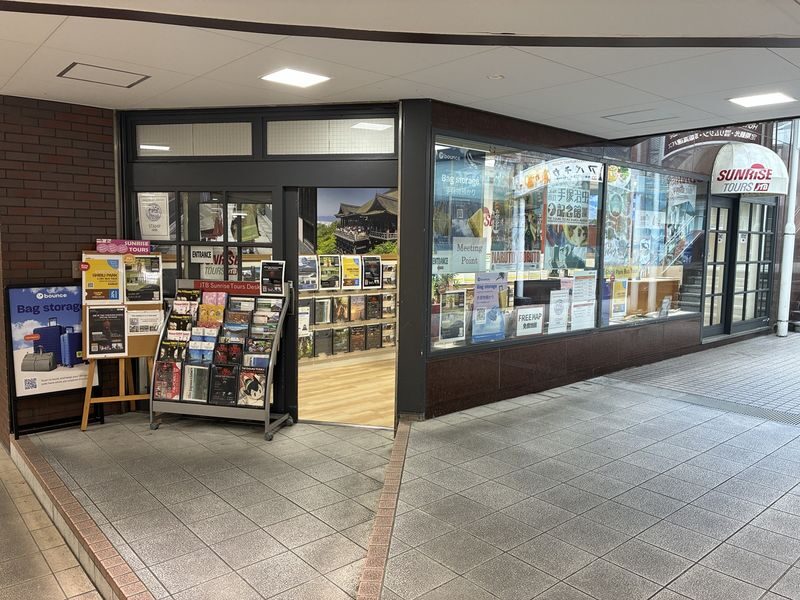
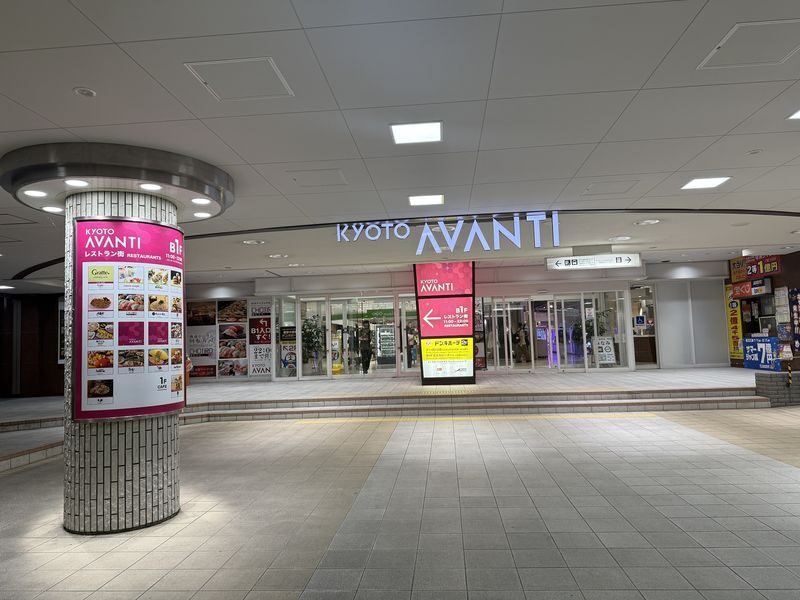
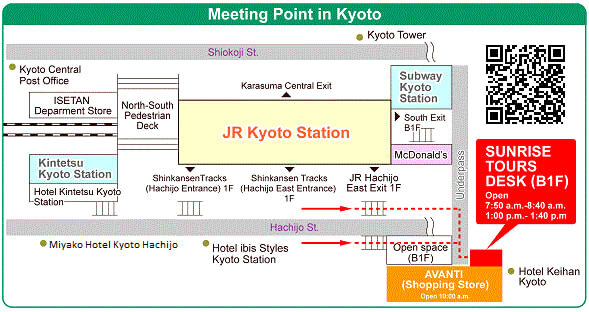
- A practical meeting-point detail: Check in at the Sunrise Tours Desk on B1 of Kyoto Avanti, across from Kyoto Station’s Hachijo Exit. It is downstairs, not at street level.
- A brisk, walk-heavy morning: You have time to see the main features, take photos and hear some history, but not to linger at every corner.
- A fast route through three sides of Kyoto
- Nijo Castle, where shoguns kept court
- Kinkaku-ji and its gold-leaf reflection
- The Imperial Palace, or a scheduled substitute
- What the guide adds, and how the pace feels
- Kyoto or Osaka departure: choose with care
- What the price buys
- Who should book this morning tour
- Should you book it?
- FAQ
- How long is the tour?
- Where do I meet the Kyoto departure?
- Does the Osaka option return to Osaka?
- Which places are included on the standard route?
- What happens if Kyoto Imperial Palace is closed?
- What happens if Nijo Castle is closed?
- Are admission and transport included?
- What is the cancellation policy?
- The Best Of Kyoto!
- More Morning in Kyoto
- More Tours in Kyoto
- More Tour Reviews in Kyoto
A fast route through three sides of Kyoto
 1 / 9
 2 / 9
 3 / 9
 4 / 9
 5 / 9
 6 / 9
 7 / 9
 8 / 9
 9 / 9
This tour fits a lot into a short morning. Nijo Castle brings you into the politics of the shogunate; Kinkaku-ji offers a striking temple setting; and the Imperial Palace connects the city to Japan’s imperial court. Seeing them together gives you a useful first map of Kyoto’s past, even if the schedule does not leave room for a leisurely visit.
The coach handles the transfers between sites, with listed rides of about 15 to 20 minutes. That is valuable in a city where a self-guided day can get eaten up by figuring out connections and crossing town. The air-conditioned and heated bus also makes the ride more comfortable in different seasons.
The tour departs at 8:20 and is scheduled to return at 13:00, for a total of about four and a half hours. That leaves the afternoon free for a meal, another sight or a slower walk through a neighborhood. Road conditions and congestion can alter arrival times and the order of stops, so avoid making a tight onward reservation.
👉 See our pick of the We Rank Kyoto’s 15 Top Workshops & Classes
Nijo Castle, where shoguns kept court
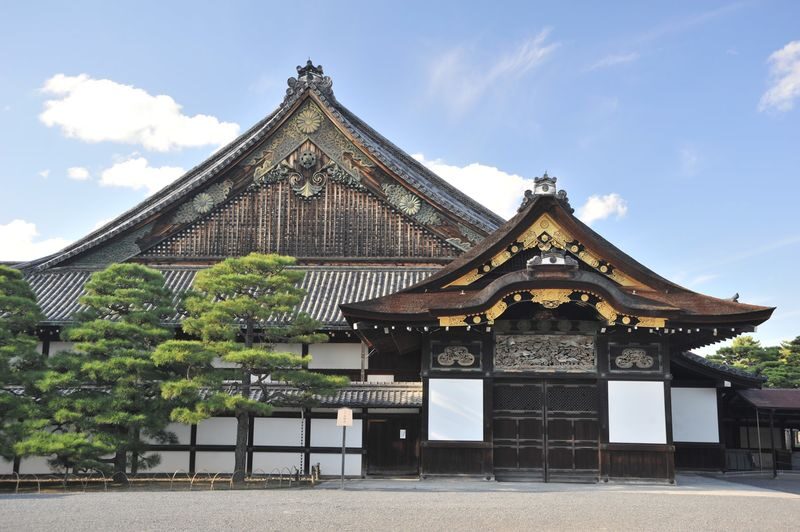
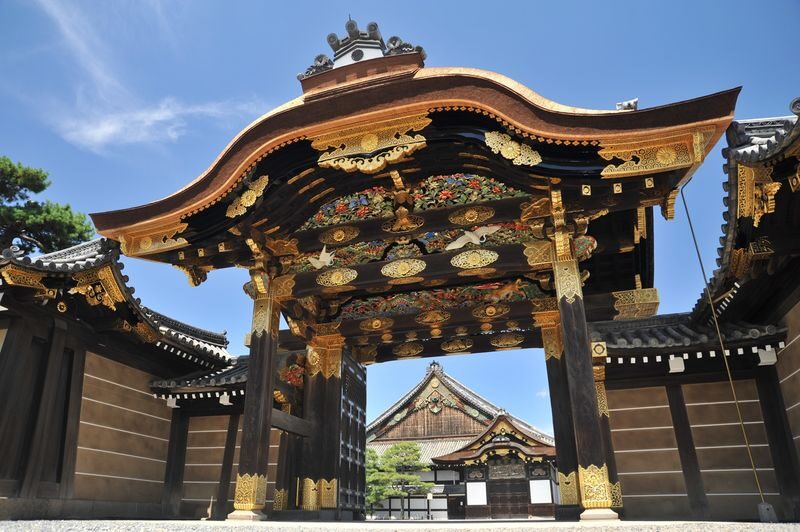
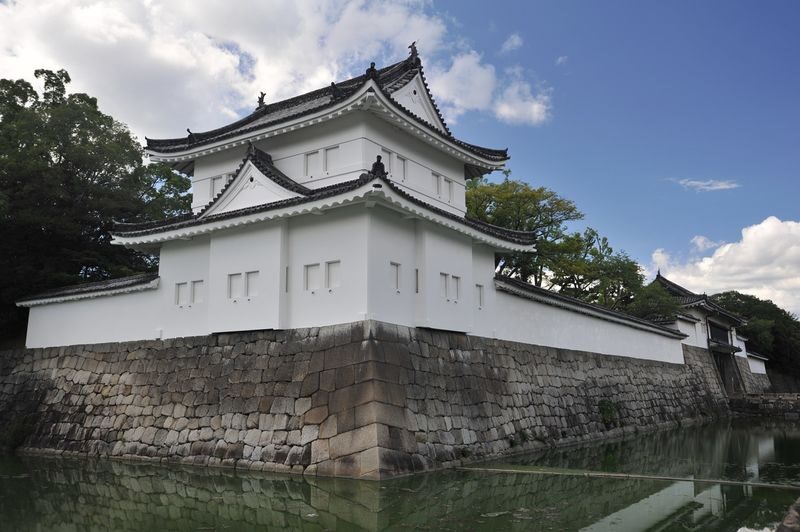
The first main stop is Nijo Castle, built as a residence for the Tokugawa shogun and completed in 1626. Its role was not simply domestic: the castle also served as a show of power in the imperial capital. The Ninomaru Palace is the main draw, with an interior and setting that help explain how authority was displayed and managed.
You get about 50 minutes here, including a guided visit. That is enough to take in the principal sights and hear why the castle mattered, but it is not a deep exploration of the grounds. If you enjoy reading every sign or moving at your own pace, the schedule may feel tight. Keep an eye on the guide and meeting time, especially when taking photos.
Nijo Castle has seasonal closures that are worth checking before you choose a date. It is closed on Tuesdays in January, July, August and December, and from December 26 through January 3. If a closure applies, the tour visits Ryoan-ji instead; no refund is offered for this substitution. Tuesday holiday rules can shift the closure to the following day.
One recent account described arriving to find the castle closed on a Tuesday, a detail that can catch you off guard if you book without checking the calendar. The alternative temple can still make for a worthwhile stop, but it is not the same experience. If Nijo Castle is your main reason for booking, confirm the date against the closure schedule first.
You can also read our reviews of more tours and experiences in Kyoto



Kinkaku-ji and its gold-leaf reflection
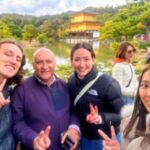
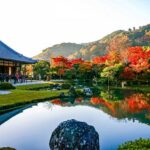
Next comes Kinkaku-ji, the Golden Pavilion. Its wooden exterior is covered in thin layers of pure gold, set beside a pond and within a garden. The scene is one of Kyoto’s most recognizable, and the contrast between the bright pavilion and its natural surroundings gives you a very different feel from the formal rooms and political story at Nijo Castle.
The stop is about 45 minutes. That gives you time to follow the visitor route, pause for photos and look around, but not to treat the grounds as an unhurried garden visit. This is a popular landmark, so the pace can be shaped by crowds and the need to keep the group together. Wear comfortable walking shoes: the route involves more walking than a quick hop off the bus might suggest.
A guide helps connect the architecture to the site’s purpose and history. You will also have some time to look around independently, though the tour is not designed to leave you at the temple for an extended stay. If you want to sit with the view or explore every path, consider returning on your own another day.
The Imperial Palace, or a scheduled substitute
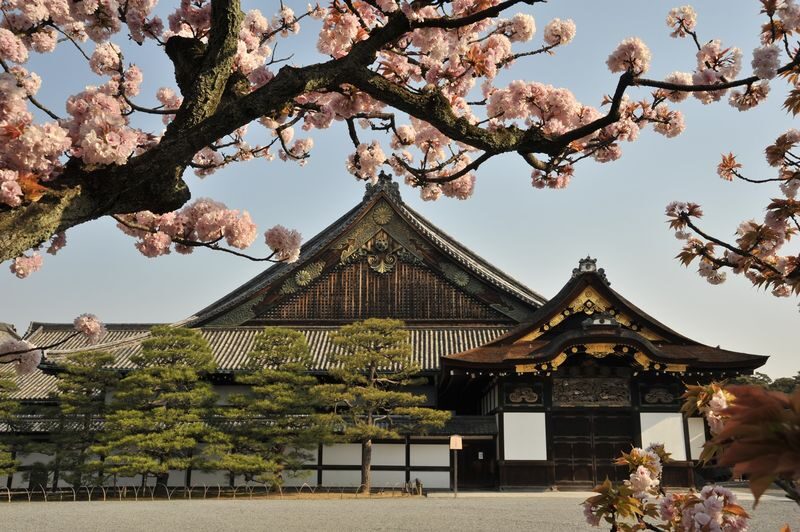
The Kyoto Imperial Palace was used as the Emperor’s residence until about 150 years ago. It offers a counterpoint to the shogun’s castle: instead of the military government’s seat, you see the former home of the imperial household. The tour allows about 40 minutes, including a guided visit. The palace gardens were a particular highlight for one family, and the open grounds provide a welcome change of pace after the previous stops.
Do not assume this stop is guaranteed on every date. The Imperial Palace is closed to visitors on Mondays, or the following day when Monday is a holiday, and on dates with Imperial Household Agency events. On many closure dates the tour goes to Kitano Tenmangu Shrine instead. If the closure falls on the 25th, the alternative is Nishi Hongan-ji Temple.
These substitutions are built into the route, and the tour does not refund the fare when an alternative site is visited. That policy makes it especially important to check the date if the palace itself is a priority. If you are happy to see a different historic or religious site, the change need not spoil the morning, but you should know what you are booking.
The tour description also names Kitano Tenmangu among Kyoto’s attractions, but it is not a guaranteed fourth stop on the standard route. In practice, the core itinerary is Nijo Castle, Kinkaku-ji and the Imperial Palace, with a substitute when a site is closed. Think of this as a three-stop tour, not a four-stop checklist.
What the guide adds, and how the pace feels
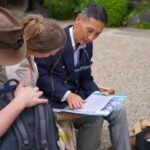
The guide is a central part of the experience. The tour uses a National Government Licensed English Guide Interpreter, who explains the sites as the group moves through them. Past participants have singled out guides including KC, Miyuki and Yuki for clear explanations, humor, warmth and good group management. Guides vary by date, so those names are examples, not a promise of who will lead your tour.
The best guides do more than recite dates. They give you a thread connecting a shogun’s residence, a celebrated temple and the imperial court, helping the sights feel like parts of Kyoto’s story rather than three disconnected photo stops. The format also leaves some free time at each location for individual photos and looking around.
There are limits. You may be part of a group as large as 40, and the guide’s explanations take place in public areas where it can be harder to hear. One person noted that outdoor commentary was difficult to catch, while another found a speaker made the guide easy to hear. Stay near the guide when explanations begin, and ask a question if you miss a point.
A few accounts describe the pace as rushed, while others found the schedule comfortable and well organized. Both reactions make sense: the tour gives you a useful amount of time at each stop, but it cannot offer the freedom of a full day on your own. It is a good choice if you want orientation and context, less so if you want to linger.
Kyoto or Osaka departure: choose with care
The Kyoto departure is the straightforward option if you are staying near Kyoto Station. You meet at the Sunrise Tours Desk on B1 of Kyoto Avanti, directly across from the station’s Hachijo Exit. The important detail is the basement level. Go downstairs to the desk rather than waiting at street level or looking for the bus first.
The meeting location has caused confusion for some visitors, so build in time to find it. Kyoto Avanti is across from the Hachijo side of the station, but the check-in desk is on B1. Late arrivals and no-shows are not refunded, so aim to be there early rather than relying on a last-minute dash through the station.
The Kyoto package returns to Kyoto Avanti at about 13:00, across from Kyoto Station’s Hachijo Exit. From there, you make your own way to your next destination. The Osaka package is different: it departs from Osaka and ends in Kyoto. Do not book it expecting a return to Osaka after the tour.
The coach has both air-conditioning and heating, and round-trip transport is included for the Kyoto option. That convenience is part of the value: you avoid organizing separate transport to each landmark, while still having the afternoon open. Meals, drinks and personal expenses are not included.
What the price buys
The price starts at $83.39, though the amount can change by date and package. In exchange, you get admission to the attractions, a guided bus tour, an English-speaking guide and transport between the stops. For a first visit, that is a useful bundle: the three main sights are spread around Kyoto, and arranging the route yourself takes time and planning.
The value depends on what you want from the day. If your priority is a quick, guided introduction with transport taken care of, the fare is easier to justify. If you prefer long visits, quiet time in gardens or the freedom to change plans, you may get more from choosing one or two sites and visiting independently.
The tour is also listed as a carbon-offset product, with part of the booking charge directed toward renewable energy. That is a small element of the overall decision, not a reason to overlook the practical details. Consider the fixed schedule, walking and closure substitutions along with the environmental initiative.
Who should book this morning tour
I would consider this tour for a first visit to Kyoto, especially if you have limited time and want a guide to give you historical bearings. It can also suit families looking for a structured morning with coach transfers. Children aged 0 to 5 can join free if they do not need a separate seat; children aged 12 and older pay the adult rate. Children aged 6 to 18 must be with a paying adult, and participants under 18 need written parental permission. Anyone under 15, or not yet in middle school, must be accompanied by a parent or guardian.
Plan for walking at the sites, even though the coach cuts down on travel between them. The group moves on a schedule, and seats may not be assigned. If you need a very flexible pace or want to spend a long time at one particular place, this format may not suit you.
You can cancel for a full refund up to 24 hours before the activity, using destination local time. After that, late arrivals and no-shows are not refunded. The voucher is valid only for the booked date and time, and changing booking details means cancelling and making a new booking.
Should you book it?
Book this tour if you want a convenient, guided introduction to three of Kyoto’s major sights and value getting back by early afternoon. The combination of castle, pavilion and former imperial residence gives you a broad sense of the city’s past in one morning, and the guide can make the short visits more meaningful.
Skip it if you want an unhurried visit, if one specific site is essential and may be closed on your date, or if you would rather set your own pace. Before paying, check the closure calendar, confirm which departure package fits your route, and make a note that the Kyoto check-in desk is on B1 of Kyoto Avanti.
Kyoto Morning Tour: Kinkaku-ji, Nijo Castle & Imperial Palace
“We didnt get to see the castle, due to me booking on a tuesday (perhaps worth mentioning on the booking), but visiting the two shrines and the Pala…”
FAQ
How long is the tour?
The tour runs for about 4.5 hours, from an 08:20 departure to a scheduled return at 13:00. Traffic, weather and congestion at the attractions can change the order and timing.
Where do I meet the Kyoto departure?
Meet at the Sunrise Tours Desk on B1 of Kyoto Avanti, directly across from Kyoto Station’s Hachijo Exit. The desk is downstairs, not on the ground floor.
Does the Osaka option return to Osaka?
No. The Osaka package departs from Osaka and ends in Kyoto. The Kyoto package is the round-trip option.
Which places are included on the standard route?
The standard route visits Nijo Castle, Kinkaku-ji Temple and Kyoto Imperial Palace. Closures can lead to a substitute temple or shrine.
What happens if Kyoto Imperial Palace is closed?
The tour usually visits Kitano Tenmangu Shrine instead. If the closure falls on the 25th, the alternative is Nishi Hongan-ji Temple. No refund is offered for these substitutions.
What happens if Nijo Castle is closed?
The tour visits Ryoan-ji Temple instead. Nijo Castle is closed on Tuesdays in January, July, August and December, from December 26 through January 3, and on the following day when a Tuesday closure date is a holiday.
Are admission and transport included?
Yes. Admission to the attractions, an air-conditioned and heated bus, an English-speaking guide, round-trip transfers and the sightseeing bus tour are included. Meals, beverages and personal expenses are not.
What is the cancellation policy?
A full refund is available if you cancel at least 24 hours before the activity date, using destination local time. Late arrivals and no-shows are not refunded.