Nijo Castle was built to project power, not to withstand a siege. That makes its palace and gardens a revealing place to follow the rivalry between the Tokugawa shoguns and the Emperor, right up to the 1867 handover that ended the shogunate. I like that the guide connects the rooms to the politics, rather than leaving you to admire painted screens without knowing what they meant.
Two details make this visit especially worthwhile: the nightingale floors, which chirp underfoot, and the small group of up to 10, which leaves room for questions. The gardens add a gentler counterpoint, with koi swimming through the castle’s moats. One consideration: you must remove your shoes to enter the palace, and the tour’s history may feel simplified if you want an academic-level discussion.
- Nijo Castle in a few useful details
- Why Nijo Castle is more than a pretty stop
- Meeting at Nijojo-mae Station
- Reading the palace, not just looking at it
- The room where the shogunate ended
- Gardens, moats, and a slower pace
- Is the price fair for a 90-minute tour?
- What to know before you book
- Should you book this Nijo Castle tour?
- FAQ
- What is included in the tour price?
- Where do I meet the guide?
- What departure times are available?
- How long does the tour take?
- Do I need to remove my shoes?
- Can I cancel for a refund?
- The Best Of Kyoto!
- More Guided Tours in Kyoto
- More Tours in Kyoto
- More Tour Reviews in Kyoto
Nijo Castle in a few useful details
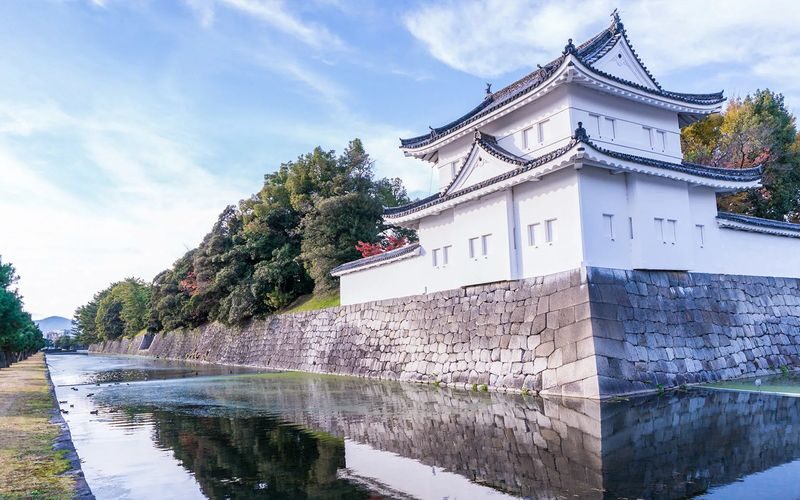
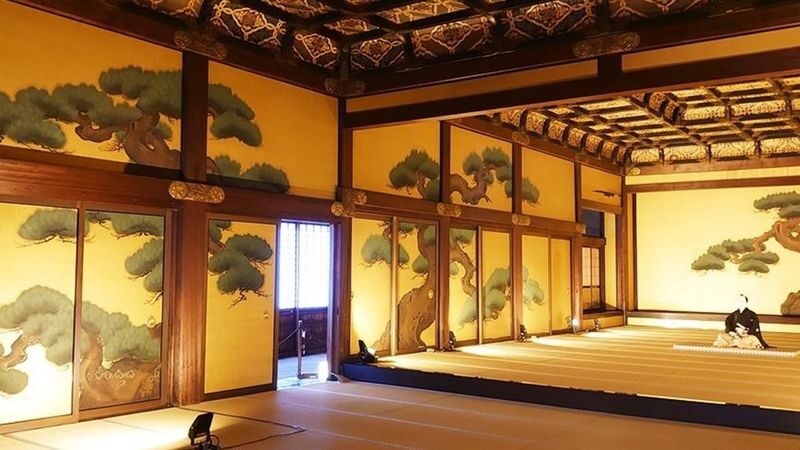
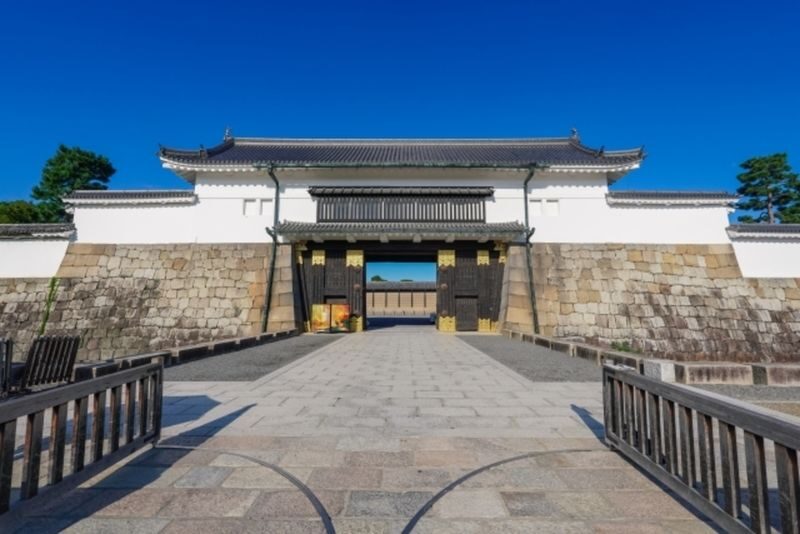
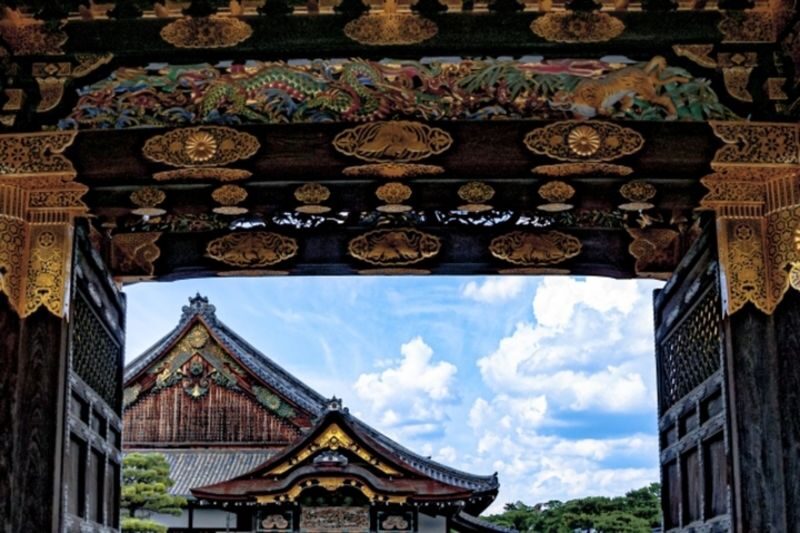
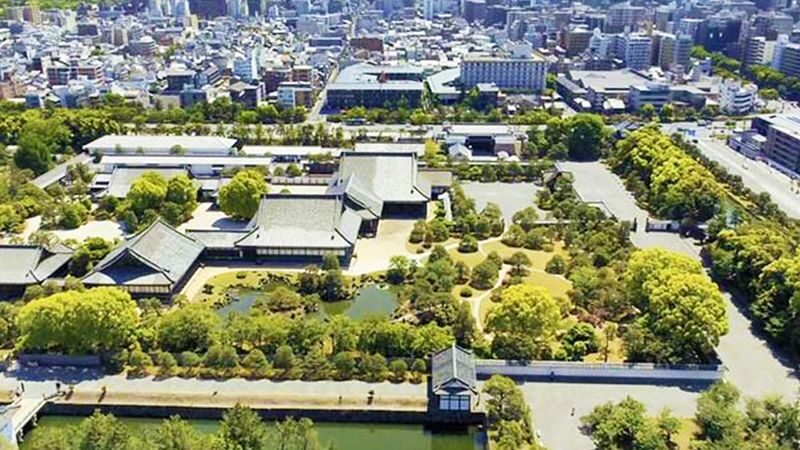
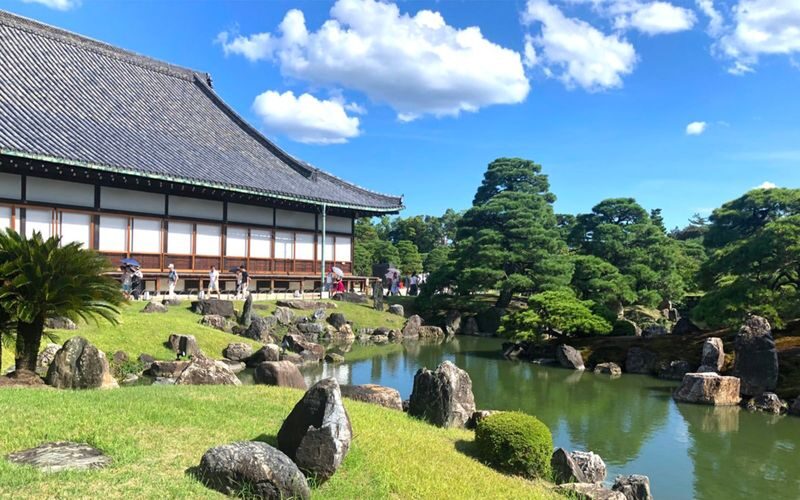
- A palace built to make a point: The castle’s design expressed the shogun’s authority beside the Emperor’s residence in Kyoto.
- Ninomaru Palace brings rank into view: Its layout and decoration reflect the strict social order of the shogunate.
- The nightingale floors make history audible: Their familiar chirp is one of the palace’s most distinctive details.
- The 1867 handover gives the visit a clear endpoint: You’ll stand in the room associated with Tokugawa Yoshinobu’s return of power to the Emperor.
- The garden offers a pause from palace interiors: Look for colorful koi in the moats as you walk the grounds.
- Plan for a short, focused visit: The listed departure and return times span about 90 minutes, with admission included.
👉 See our pick of the We Rank Kyoto’s 15 Top Workshops & Classes
Why Nijo Castle is more than a pretty stop
Nijo Castle is a useful Kyoto visit if you want to understand how power worked in Japan during the shogunate. The Tokugawa shoguns ruled from Edo, modern-day Tokyo, but Kyoto remained the seat of the Emperor. Their castle here made that political relationship visible: it was a residence designed for authority and prestige, not simply a military stronghold.
That distinction changes how you look at the site. Rather than searching for battle scars, you can pay attention to how space, decoration, and ceremony reinforced status. The guide helps connect those clues to the larger story, including the shogun’s position beside the Emperor and the eventual transfer of power in 1867.
I particularly like that the tour has a clear historical thread. The palace, its social hierarchy, the nightingale floors, and the end of the shogunate all fit into one story. You don’t need to arrive with a working knowledge of Japanese history, and you can ask questions as you go.
You can also read our reviews of more guided tours in Kyoto


Meeting at Nijojo-mae Station
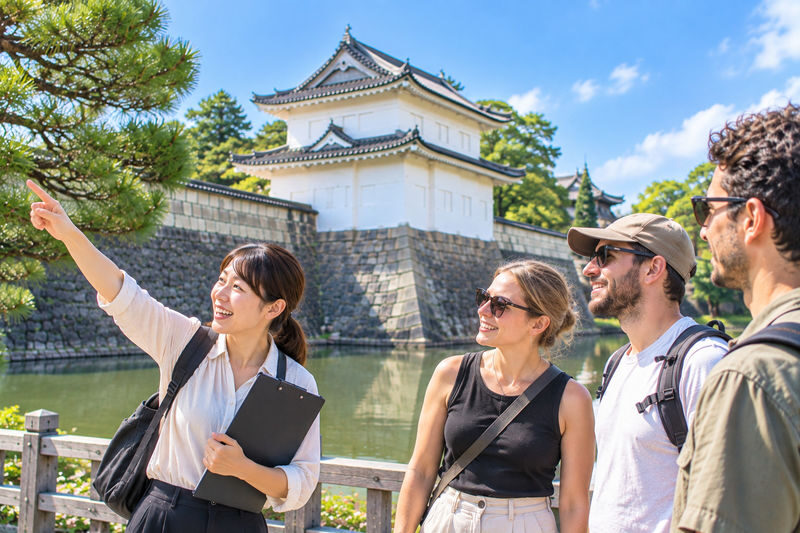
The tour starts outside Exit 1 of Nijojo-mae Station, where your guide holds a sign marked Japan Guide Star. Arrive 15 minutes before the departure time so you can find the group without hurrying. The available starts are 10:00, 12:30, and 15:00. Choose carefully when booking, since your voucher is valid only for the date and time selected.
This meet-up arrangement keeps things simple: you do not need to arrange transport to the castle as part of the tour. The return point is Nijojo-mae Station, beside Nijo Castle. The scheduled slots suggest a visit of about 90 minutes, though the exact return time depends on the start you choose.
The group is small, with a stated maximum of 10 people. That’s a practical size for a historic site where you’ll want to hear the guide and ask about details. It can also make the pace feel more personal than a large coach tour. Group size may vary, so don’t count on having a private guide.
Reading the palace, not just looking at it
The tour’s central stop is Ninomaru Palace, the shogun’s Kyoto residence. Here, architecture is part of the political story. The rooms and their decoration reflect a strict social hierarchy, so the building is not merely an elegant backdrop. Its arrangement helped communicate who held authority and where people belonged.
A guide can point out the meaning behind visual details that are easy to pass by when you’re exploring alone. Several guides named by visitors include Sarah, Tomoya, Kris, and Masa. Their approach is often described as lively and clear, with Sarah particularly noted for explaining symbolism in the wall paintings and carvings. Your guide is assigned for the tour, so you should not book expecting a specific person unless the operator confirms that in advance.
The palace’s famous nightingale floors are another highlight. Their chirping sound is designed into the floorboards, giving the building a memorable sensory detail as well as a practical story to tell. You’ll need to remove your shoes before entering the palace, so wear footwear that is easy to take off and put back on. Walking shoes are recommended for the grounds.
One honest caveat: Nijo Castle may not feel like an untouched medieval fortress. One visitor felt parts seemed reconstructed rather than fully authentic. If your main interest is original battle architecture, that may shape your reaction. If you’re drawn to political history, palace design, and how status was expressed through a building, the guided context helps make the visit worthwhile.
The room where the shogunate ended
The strongest moment in the tour’s historical arc comes in the room associated with Tokugawa Yoshinobu’s 1867 return of power to the Emperor. The event marked the end of the shogunate, and the location gives that transition a physical setting. Instead of treating the end of an era as a distant date, you can stand in the place connected to it.
That is why this stop matters even if you know little about the period. The guide can explain how the shoguns governed from Edo while maintaining authority in Kyoto, close to the Emperor’s residence. The story helps put the castle’s grandeur in context: the building was part of a political relationship, not just a lavish home.
The tour is a walk, not a lecture in a classroom. You’ll hear the history as you move through the rooms, with opportunities to ask questions along the way. Some guides are especially good at adding context beyond the basic story, while the overall presentation is intended to suit casual visitors. If you want a detailed scholarly debate, you may find the treatment broad rather than exhaustive.
Gardens, moats, and a slower pace
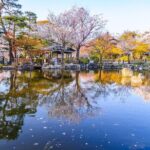
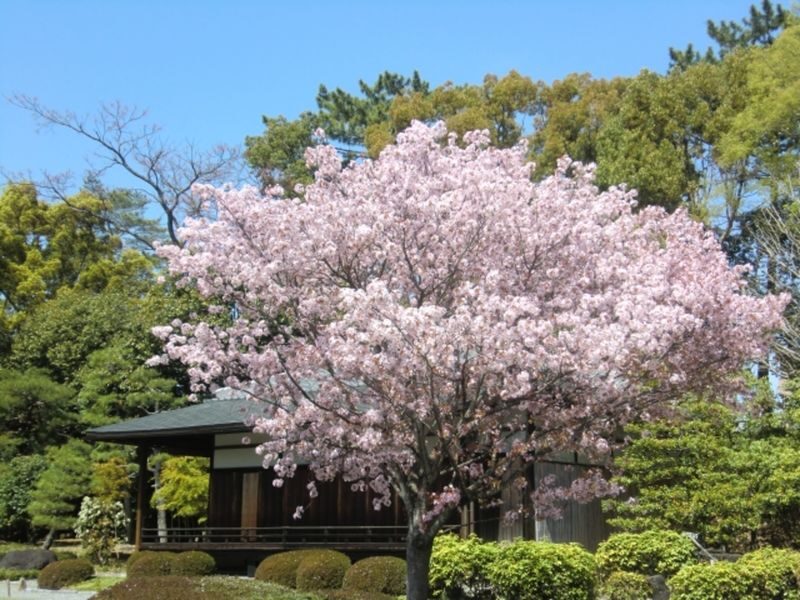
After the palace, the route takes you through Nijo Castle Garden. The garden once displayed the shogun’s wealth and taste, and today it offers a change of pace from the interiors. Look for colorful koi swimming in the moats. They add a lively detail to the setting and make the grounds especially photogenic.
The garden stop is not simply filler between palace rooms. It helps show another side of power: the ability to create and maintain a carefully designed place for display and leisure. Take time to look around rather than treating the garden as a quick walk to the exit. The balance between palace history and outdoor scenery is one reason this works well as a short Kyoto activity.
Most of the terrain is flat, which makes the walk manageable for many people. Still, it involves moving around the castle grounds, so comfortable shoes are sensible. The palace shoe-removal rule is the main practical detail to keep in mind. If mobility is a concern, note that the information describes the terrain as mostly flat but does not provide further accessibility details.
You can also read our reviews of more historical tours in Kyoto



Is the price fair for a 90-minute tour?
The price starts at $29.19 and includes admission to Nijo Castle plus an English-speaking guide. For a site where the architecture and history are closely tied together, the guide is the main value. Without context, you can still see the palace and garden, but it is easier to miss why the room layout, decorations, and floors matter.
The tour makes most sense if you want a focused introduction and have roughly an hour and a half to spare. The small group and chance to ask questions add value, especially if this is your first visit to the castle. If you already know the history or prefer to explore at your own pace, you may be happier with admission alone, if available to you.
The experience is also a practical fit for families with teenagers. Children aged 13 and older are charged the adult rate, and one family with two teenagers enjoyed the walk together. The subject is more engaging when you connect the rooms to a rivalry and a change in government, though younger children may find a history-focused tour less appealing.
What to know before you book
Wear comfortable walking shoes, and make sure they’re easy to remove before entering the palace. The tour is mostly flat, but you’ll be walking through the grounds and standing at stops. Bring a mobile voucher to present, and arrive 15 minutes early at Exit 1 of Nijojo-mae Station.
The stated cancellation terms allow a full refund if you cancel at least 24 hours before the activity date, based on local time. Booking is available as late as the day before, with instant confirmation. The tour is in English, and the voucher is valid only for the selected date and time.
Should you book this Nijo Castle tour?
Book it if you want the castle’s story explained as you walk, especially the shogun and Emperor rivalry, the hierarchy inside Ninomaru Palace, and the 1867 transfer of power. The included admission, compact group, garden visit, and roughly 90-minute schedule make it a convenient Kyoto history stop.
Skip the guided option if you prefer quiet, independent wandering or want a very detailed academic account. For most first-time visitors who want the rooms and grounds to make sense, the guide is the difference between seeing a handsome palace and understanding what it was built to say.
Kyoto: Nijo Castle Admission / World Heritage Guided Tour
“great and knowledgeable tpur guide. would definiterly hire Kris again.”
FAQ
What is included in the tour price?
Admission to Nijo Castle and an English-speaking guide are included. Tips and gratuities are not included.
Where do I meet the guide?
Meet outside Exit 1 of Nijojo-mae Station. The guide will have a Japan Guide Star sign. Arrive 15 minutes before your selected departure.
What departure times are available?
The listed departure times are 10:00, 12:30, and 15:00. Available return times depend on the departure time and itinerary duration.
How long does the tour take?
The listed departure and return slots span about 90 minutes. The exact schedule can vary with the selected time and itinerary.
Do I need to remove my shoes?
Yes. Visitors must remove their shoes when entering the palace. Walking shoes are recommended for the tour.
Can I cancel for a refund?
You can receive a full refund if you cancel at least 24 hours before the activity date, using destination local time.