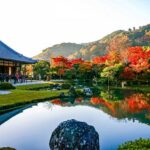
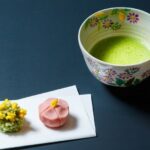
Tofuku-ji’s Zen gardens are a fine place to start asking what Zen means beyond the familiar image of someone sitting still. On this half-day walk, an English-speaking local guide introduces the gardens and temple grounds before you try zazen with a monk and share a traditional vegetarian meal.
I like that the tour pairs garden interpretation with meditation, so you have context before you sit down. I also like the chance to ask the monk questions afterward, an unusual way to make the practice feel less distant. One caution: the meditation takes place in a temple that may still have other visitors, so it can be serious and instructive without being perfectly quiet.
- What to know before you book
- A thoughtful route through Tofuku-ji’s temple quarter
- Start with a garden, not a lecture
- Tofuku-ji puts the practice in context
- Zazen with a monk is the heart of the visit
- Lunch adds a welcome pause
- What the price includes, and what needs checking
- Who will get the most from this Kyoto tour
- Should you book it?
- FAQ
- How long does the tour last?
- Where is the meeting point?
- What departure times can I choose?
- Which temples and sites are included?
- Is the meditation conducted in English?
- How long will I sit during zazen?
- What should I wear or bring?
- Can the tour accommodate food allergies or dietary requests?
- Is the tour suitable for children or wheelchair users?
- The Best Of Kyoto!
- More Tours in Kyoto
- More Tour Reviews in Kyoto
What to know before you book
 1 / 9
 2 / 9
 3 / 9
 4 / 9
 5 / 9
 6 / 9
 7 / 9
 8 / 9
 9 / 9
- You begin near Tofukuji Station: Meet your guide at FamilyMart Nakai Tofukuji, where they will hold a MagicalTrip sign.
- The route connects several temple stops: Komyo-in and Tofuku-ji are named among the places visited, with Shorin-ji also listed in the activity details.
- Zazen is a real seated practice: Plan to sit on tatami, either directly or on a chair without a backrest. You cannot lean against a wall or pillar.
- A monk leads the meditation: Your guide provides cultural context and, in at least one format, an English booklet to help you follow Japanese instruction.
- Lunch is part of the day: The meal is described as a traditional Buddhist meal and is often vegetarian or vegan.
- Check the inclusions carefully: The tour details conflict about whether the guide and zazen admission are included, so confirm these points before paying.

👉 See our pick of the We Rank Kyoto’s 15 Top Workshops & Classes
A thoughtful route through Tofuku-ji’s temple quarter
This is not simply a meditation class with a temple visit attached. The order matters: first you look at a garden and hear how Zen ideas inform its design, then you enter a temple setting where you can try the practice itself. That sequence gives you a useful frame of reference, especially if Zen is new to you.
The tour lasts about five hours, though the detailed schedule gives a duration of five hours and 15 minutes. The listed stops include Komyo-in Temple, Tofuku-ji Temple, Shorin-ji (Bishamon-do) Temple, and Kikyo, where lunch is served. The precise order and time at each place can change with weather and traffic.
You meet at FamilyMart Nakai Tofukuji, at 12 Chome-232 Honmachi in Higashiyama Ward. Choose a departure time of 9:30 or 10:30 when booking, and arrive ten minutes early. The tour ends near Shichijo Station, with listed return times of 14:00 or 15:00 depending on your departure and the day’s schedule.
The route is on foot between sites, so wear comfortable shoes and expect some uneven or non-accessible areas. The tour is not suitable for wheelchairs or strollers throughout. This is a practical detail to weigh carefully if anyone in your group has limited mobility.
You can also read our reviews of more tours and experiences in Kyoto.

Start with a garden, not a lecture
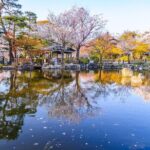
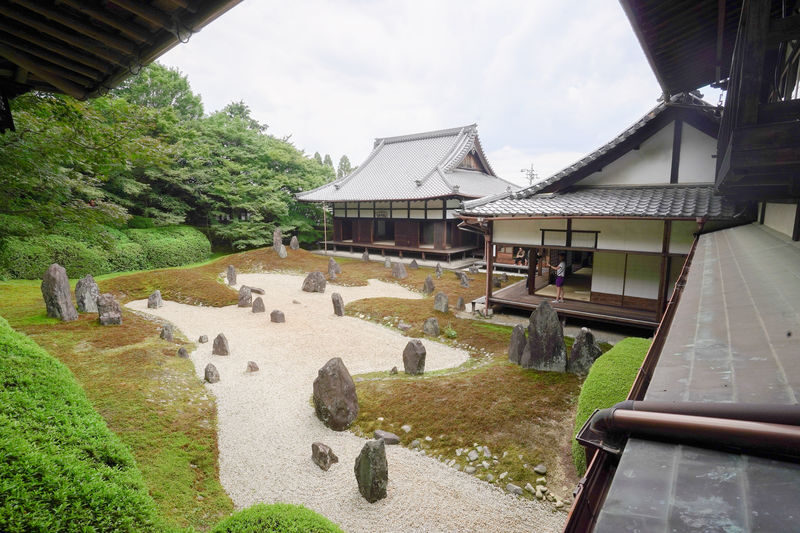
Before the meditation, your guide takes you to a garden and introduces some basic ways to look at it. That may sound like a small detail, but it changes how you experience the rest of the tour. Instead of treating a garden as a pretty backdrop, you have a few ideas to consider: how its arrangement shapes attention, and how quiet observation connects to Zen practice.
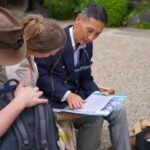
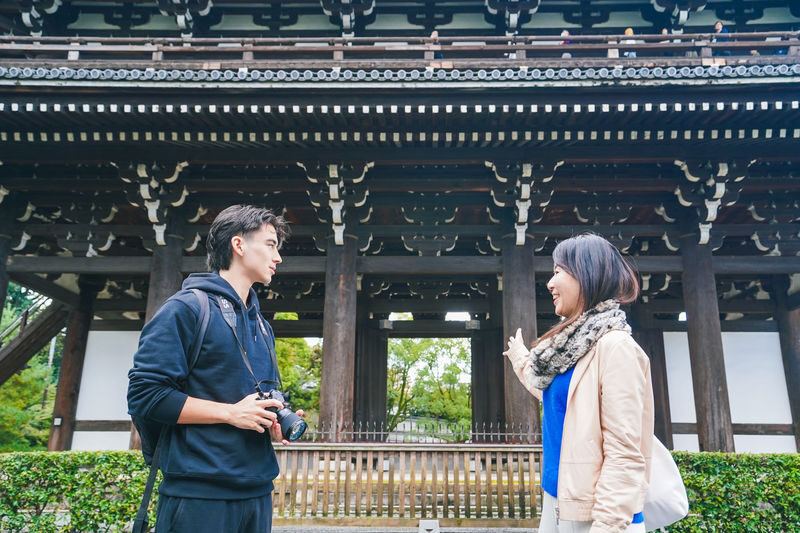
The guide is there to interpret, not just point out buildings. Past guides have included Yutaka, Yoshida, Yuka, Eri, and Fuji-san. Their reported strengths include explaining temple customs and Japanese culture in clear English, answering questions, and keeping the walk friendly without reducing it to a string of facts. You cannot choose a particular guide, but the local perspective is a central part of the experience.
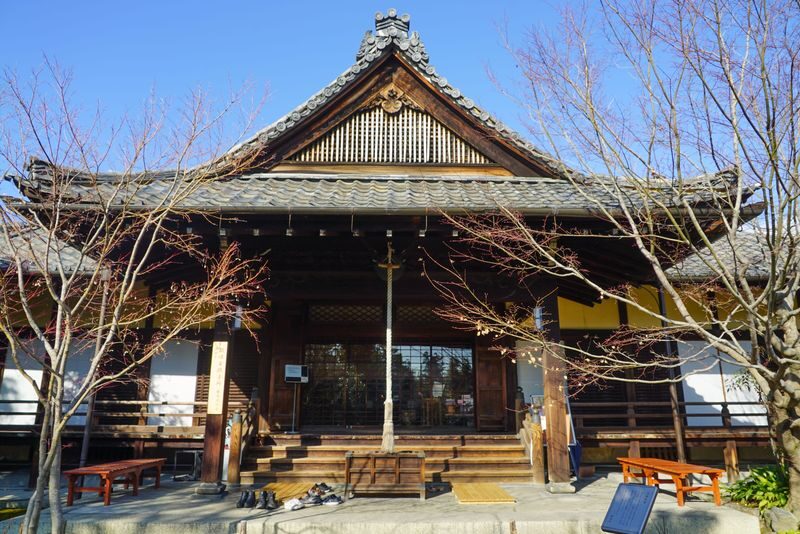
Komyo-in is one of the named temple stops, and the route gives you time to appreciate the grounds rather than rushing straight to meditation. Some groups have also been able to visit an additional sub-temple, but that should not be treated as guaranteed. The schedule can shift, and the walk’s pace depends on the day.
One small caveat: this tour is not a promise of empty temple grounds. A meditation session has been held in a public temple space where other visitors could be heard. If your ideal Zen experience means silence, privacy, and a secluded room, this may not match it. If you are curious about how practice happens in an active temple, the setting is part of the point.
Tofuku-ji puts the practice in context
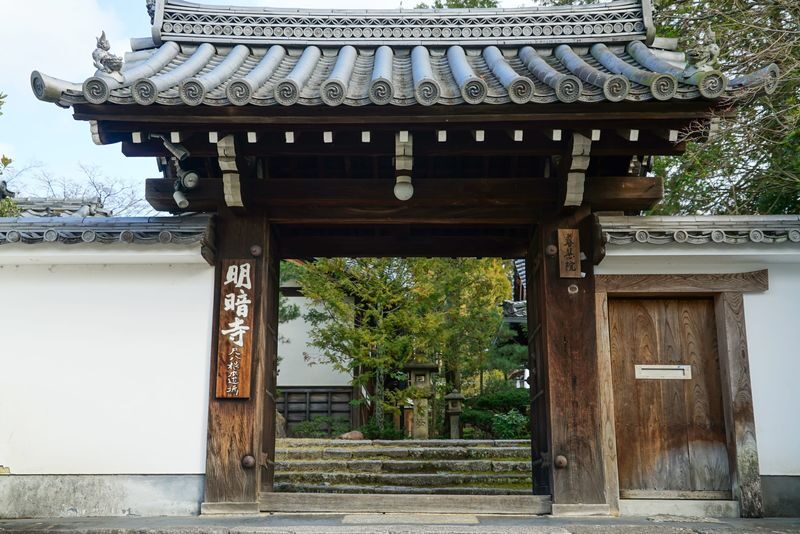
Tofuku-ji is presented as one of Kyoto’s five great Zen temples. Visiting its grounds after the garden introduction gives the morning a clear shape: you move from looking at Zen principles to learning how a Zen practice is approached.
Your guide helps connect the temples, gardens, and customs with Kyoto’s religious and cultural history. That background is valuable because temples can be hard to read if you do not know what you are looking at. A knowledgeable explanation can help you notice the thought behind a space, not just admire its appearance.
The route also includes Shorin-ji (Bishamon-do) in the activity details, though exact timing and the order of stops are not guaranteed. Treat the itinerary as a guided walk through the Tofuku-ji area rather than a checklist of fixed-length visits. The day’s rhythm appears to leave room for conversation and unhurried looking, but weather and traffic can affect the schedule.
If you collect goshuin, or temple stamps, you may want to ask your guide whether there is time at the temples on your chosen day. One group was shown an additional sub-temple to obtain one, but that was an extra opportunity, not a promised stop.
Zazen with a monk is the heart of the visit
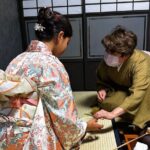
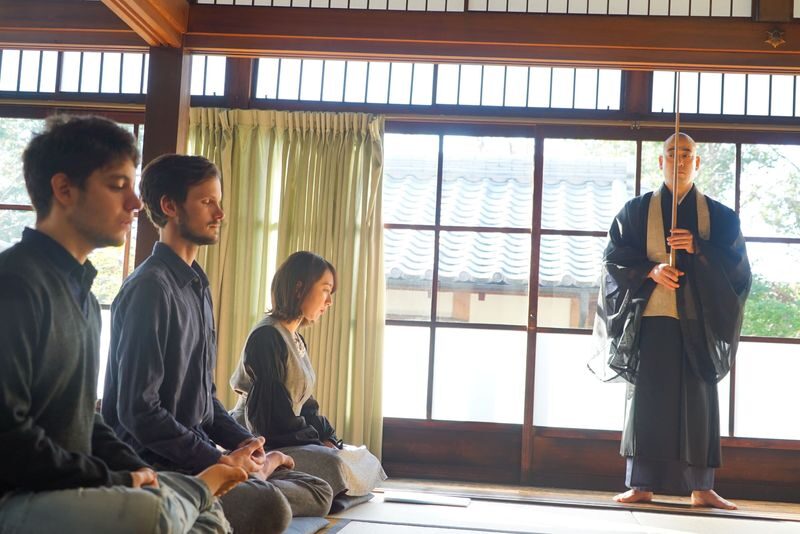
The meditation session is the most distinctive part of the tour. A monk leads the practice, and your guide helps explain what is happening. The session is conducted in Japanese; an English booklet has been used to help participants follow along, and the guide may assist with interpretation and questions.
Expect to sit for about an hour as part of the experience. The actual period of stillness may be shorter: one account describes a 30-minute meditation, while another describes an hour-long class. The format can vary, so think of this as a guided introduction rather than a fixed-length silent sit.
You sit on tatami, either directly on the mats or on a chair without a backrest. Leaning on walls or pillars is not allowed. If sitting on the floor is uncomfortable, the chair option may help, but it still has no backrest. Thick socks are a sensible choice in winter, when temple floors can be cold.
The monk may demonstrate the formal side of practice, including the option to receive a light strike on the shoulders with a stick. This is described as part of the experience, but it is not something you need to treat as a test of toughness. Ask your guide or the monk about the procedure if you are unsure.
Go in expecting instruction and concentration, not a wellness treatment. A public temple can bring some ambient noise, and the practice is serious rather than designed to create a soothing atmosphere. That distinction helps set expectations: you are there to learn what zazen feels like in a Zen setting, not to book a quiet hour at a spa.
One especially worthwhile part comes after the sitting. You may have a chance to ask the monk questions, with your guide helping translate. For many people, this conversation makes the session more personal and practical. You can ask about the method, the discipline, or how to carry the practice into ordinary life.
Lunch adds a welcome pause
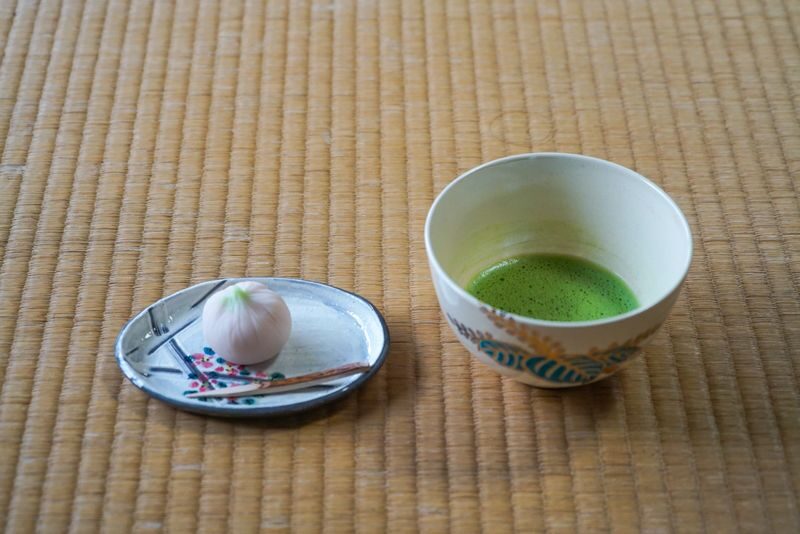
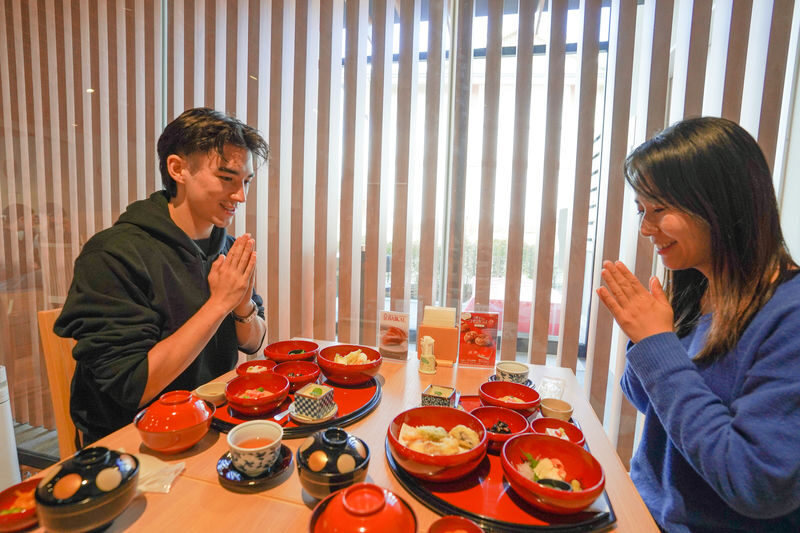
Lunch at Kikyo is included in the tour details and is described as a traditional Buddhist meal. The meal is commonly characterized as vegetarian or vegan, and it gives you a chance to sit down after the temple walk and meditation. It is not merely a quick snack between stops; it is part of the day’s cultural experience.
Food restrictions need attention before you book. The tour is not suitable for a gluten-free diet, and the kitchen is not run by the tour company. The provider cannot promise an allergy-free meal or accommodate every dietary request, and substitutions may not be possible. Send any dietary request by the day before the tour; same-day requests are not accepted.
The meal is a strong part of the value if you are happy with the stated menu and have no dietary concerns. If you have a serious allergy or a strict diet, do not assume the lunch can be adjusted. Contact the provider in advance, and be prepared to make your own plan if they cannot confirm a safe option.

What the price includes, and what needs checking
Prices start at $108.09 for the day tour. For a five-hour guided walk that combines temple visits, garden commentary, a monk-led meditation, and lunch, that can be a fair use of a Kyoto morning. The value is less about ticking off multiple famous sights and more about getting a guide’s explanation and access to a practice you might not arrange easily on your own.
There is, however, a confusing mismatch in the tour information. One section lists an English-speaking guide, lunch, and a zazen meditation experience as included. Another says the tour guide and zazen admission are not included. Because that affects the true cost and what you receive, confirm both the guide and any temple or meditation admission fees with the provider before booking. Do not assume the starting price settles the question.
The experience has a 4.8 out of 5 rating from 29 reviews, and the provider, MagicalTrip Inc., has 853 total reviews with a 92 percent good-review rate. The strong pattern is clear: guides are repeatedly praised for local knowledge, warmth, and clear explanations; the meditation and meal are also frequent highlights. There is one reported case of a missed tour due to confusion about the meeting point, so take the location details seriously and contact customer support if anything is unclear.
Who will get the most from this Kyoto tour
I would choose this tour if you want a cultural activity that is more participatory than a standard temple visit. It suits curious first-time meditators, people interested in Buddhist practice, and visitors who want a local guide to explain what they are seeing. It is also a good fit if you enjoy asking questions and do not mind a small-group walking tour.
It may be less suitable if you need silence, privacy, full wheelchair or stroller access, or a meal that can reliably meet strict dietary needs. Children must be at least 12 years old. Summer can be very hot and humid, so bring water and a hat; in winter, wear warm socks for the temple floors.
Should you book it?
Book if the appeal is the combination of temple gardens, cultural explanation, zazen with a monk, and a shared meal. The best reason to go is not that it promises perfect serenity, but that it gives you a guided, grounded introduction to a practice and place that can otherwise feel difficult to approach.
Before you pay, confirm the guide and zazen admission details, and disclose any food needs by the day before. If those points work for you, this is a thoughtful way to spend half a day in Kyoto, especially if you want to come away with more than photographs of temple grounds.
Kyoto Zen Meditation & Garden Tour at a Zen Temple
“I had my tour with Yutaka and he was amazing! very polite and he taught me so much! highly recommend him as a guide!”
FAQ
How long does the tour last?
The tour is described as about five hours. The detailed schedule gives a duration of five hours and 15 minutes, and the return time depends on your departure option and the day’s schedule.
Where is the meeting point?
Meet at FamilyMart Nakai Tofukuji, near Tofukuji Station, at 12 Chome-232 Honmachi, Higashiyama Ward, Kyoto. The guide holds a MagicalTrip sign.
What departure times can I choose?
The listed departure options are 9:30 and 10:30. Choose your time when booking and arrive ten minutes before departure.
Which temples and sites are included?
The named stops include Komyo-in Temple, Tofuku-ji Temple, Shorin-ji (Bishamon-do) Temple, and Kikyo for lunch. The schedule may change with traffic and weather.
Is the meditation conducted in English?
The monk’s meditation instruction is conducted in Japanese. An English booklet has been used to help participants follow the session, and the English-speaking guide can provide context and help with questions.
How long will I sit during zazen?
The tour information says you will sit for about an hour, while accounts of the session describe meditation periods of around 20 to 30 minutes. The exact format can vary.
What should I wear or bring?
In summer, bring water and wear a hat because it can be very hot and humid. In winter, thick socks are recommended because temple floors can be cold.
Can the tour accommodate food allergies or dietary requests?
The provider cannot guarantee an allergy-free meal or accommodate every dietary restriction, and gluten-free diets are not suitable for this tour. Submit dietary requests by the day before; requests on the day are not accepted.
Is the tour suitable for children or wheelchair users?
Participants must be at least 12 years old. Some locations are not accessible by wheelchair or stroller, so the tour cannot guarantee access throughout.