Kyoto’s seasonal sweets are small works of art, and this class lets you make two of your own. With a wagashi instructor guiding your hands, you’ll shape nerikiri from premium bean paste into designs inspired by seasonal flowers, then taste your work with sencha.
I like two things in particular: you get hands-on instruction with traditional tools, and the class pairs the craft with a little context about Japanese sweets. The main consideration is the price, from $89.89 per person, for a short activity with no transport included. It makes most sense if you value the instruction, ingredients, and cultural detail, not just the sweets.
- What to know before you book
- A hands-on introduction to Kyoto wagashi
- From bean paste to seasonal flower
- What the instructor adds
- Is .89 fair value?
- Finding the studio in Honeyacho
- Who will enjoy making nerikiri
- Should you book this Kyoto sweets class?
- FAQ
- How many sweets will I make?
- What ingredients are used?
- Is tea included?
- Where is the meeting point?
- Can children take part?
- Can the class accommodate dietary requirements?
- What is the cancellation policy?
- The Best Of Kyoto!
- More Dessert Tours in Kyoto
- More Tours in Kyoto
- More Tour Reviews in Kyoto
What to know before you book
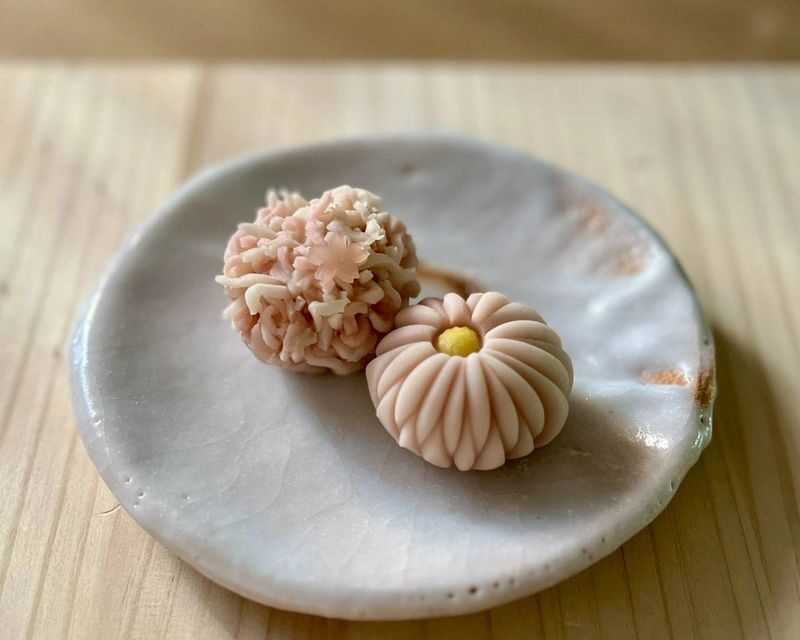
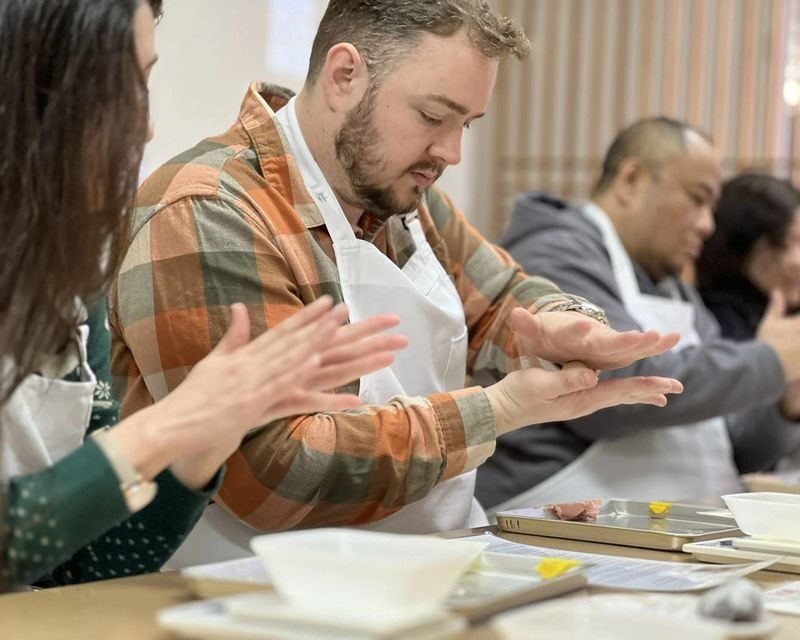
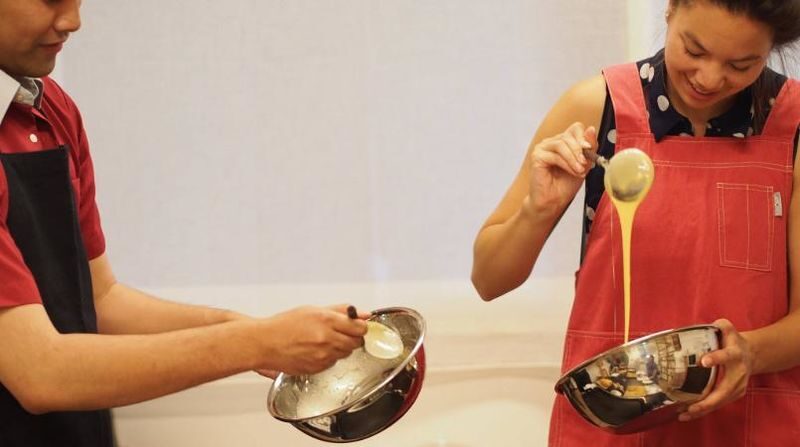
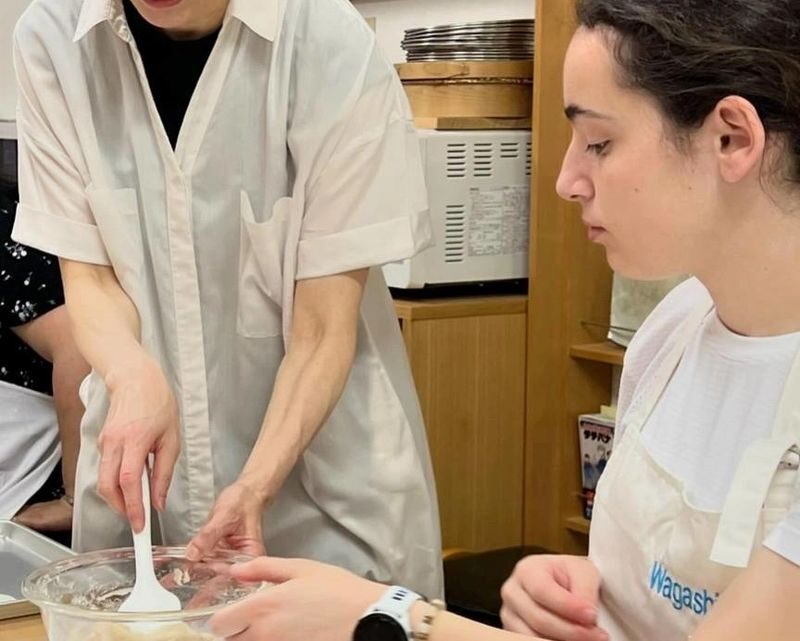
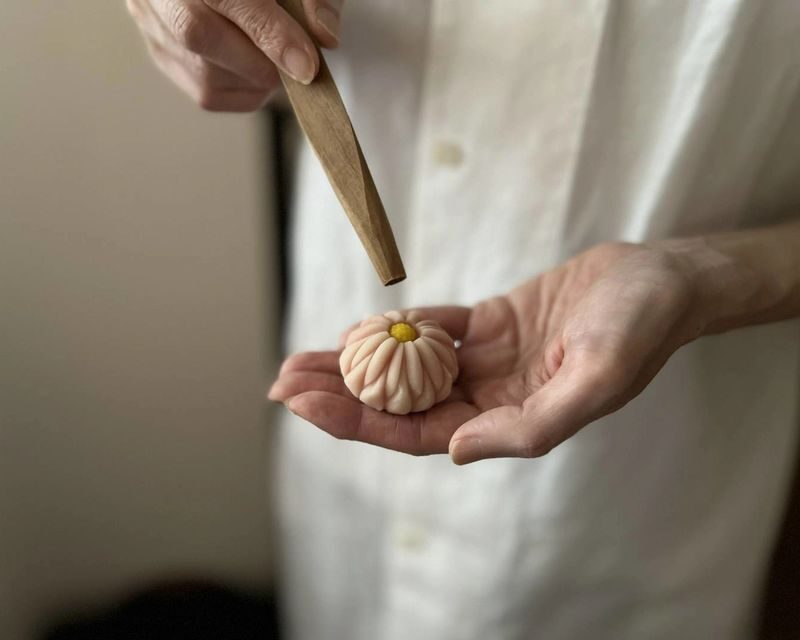
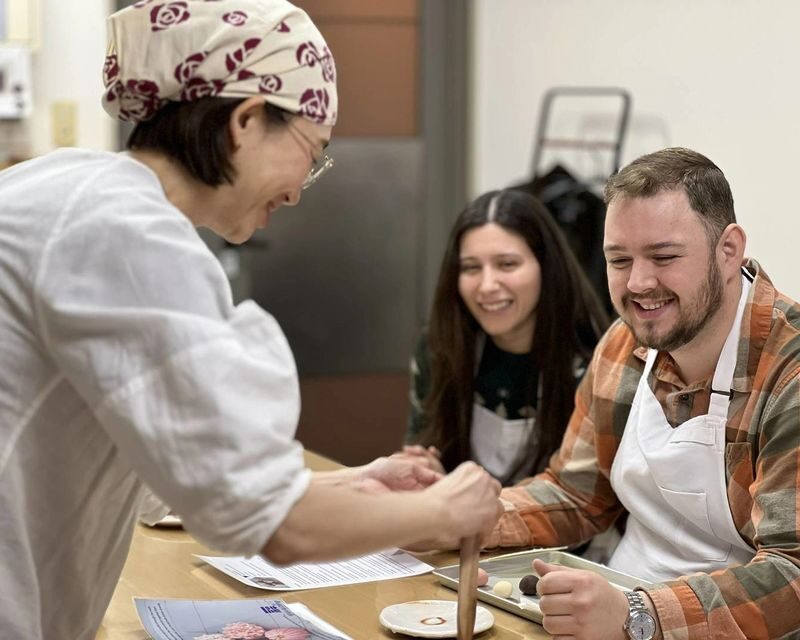
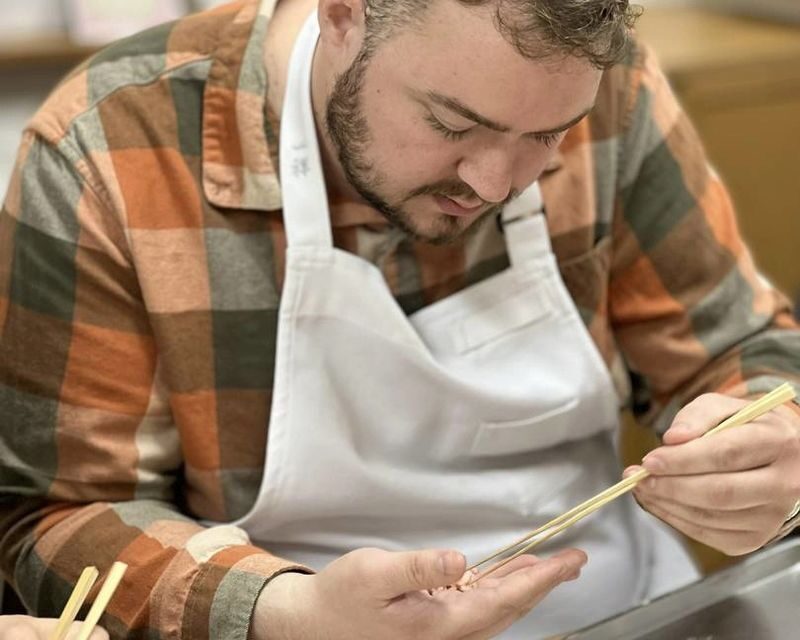
- You make two nerikiri designs: These seasonal sweets are shaped by hand, with an instructor demonstrating the techniques.
- The ingredients are a key part of the experience: The class uses premium Bitchu Azuki bean paste, specialty bean paste from Kyoto artisans, and plant-based ingredients.
- Tea is part of the tasting: After making the sweets, you sit down with premium sencha to enjoy them.
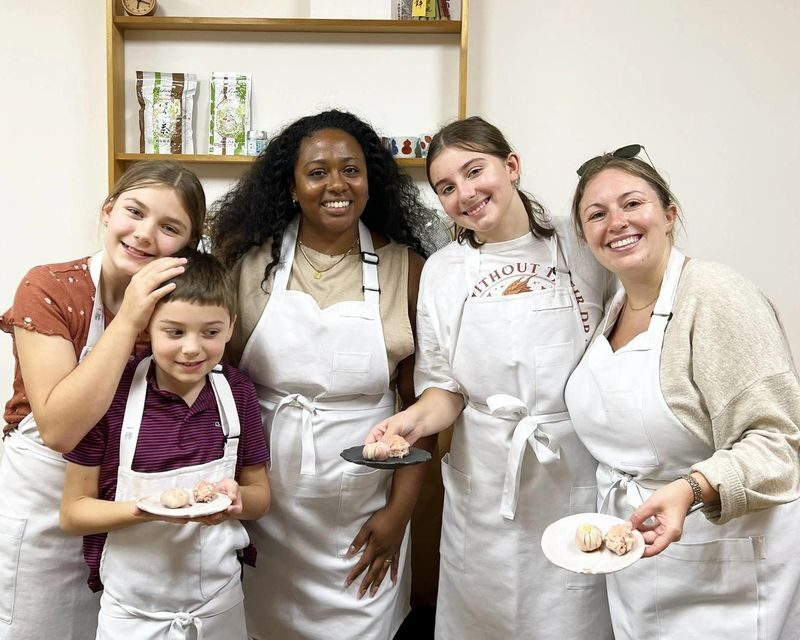
- It works for families: Children aged 4 and older can take part, and those aged 4 to 12 need a paying adult with them.
- The class is indoors and wheelchair-accessible: The meeting point is in Honeyacho, about a 10-minute walk from Shijo subway station.
- You leave with a recipe: Take-home instructions make it possible to try the sweets again after your Kyoto visit.
👉 See our pick of the We Rank Kyoto’s 15 Top Workshops & Classes
A hands-on introduction to Kyoto wagashi
Wagashi are traditional Japanese sweets, often shaped to reflect the season. Nerikiri is a type made from sweet bean paste, which is formed and decorated into floral and other seasonal motifs. Its appearance is part of the pleasure: you don’t just eat a sweet, you make a little design first.
This workshop focuses on two seasonal nerikiri styles. You’ll work with premium Bitchu Azuki and specialty bean paste from Kyoto artisans, using traditional tools and plant-based ingredients. An instructor with more than 20 years of wagashi experience guides the process, explaining how to form and shape the sweets.
That hands-on element is what makes the class more than a tasting. You get to try the techniques yourself, while the instructor can help you adjust the shape as you work. The finished sweets may not look exactly like the instructor’s, and that is part of the fun. The design is yours, and the taste should still be good.
You can also read our reviews of more tours and experiences in Kyoto

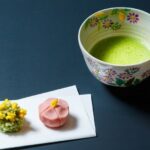
From bean paste to seasonal flower
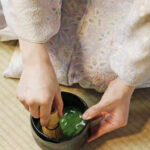
Expect the class to move from explanation to making. First, the instructor introduces wagashi and the ingredients, with some background on the tradition and the role of seasonal designs. Then you follow demonstrations to shape two nerikiri.
The seasonal flower motifs give the sweets a connection to Kyoto’s calendar and aesthetic. The specific designs may depend on the season, so you should not expect a fixed pair of flowers year-round. What remains consistent is the chance to practice working the paste by hand and see how a few careful shapes can turn it into an elegant confection.
The class is designed for beginners. You don’t need prior cooking or decorating skills, and the steps are explained one at a time. The instructor’s experience matters here: small adjustments can be tricky when you are handling a material that is soft and meant to hold a precise form. Patient guidance helps you get a pleasing result without turning the activity into a test of artistic talent.
After making the sweets, you sit down to taste them with premium sencha. That pause is a welcome part of the experience. You can appreciate the finished shapes, try the sweets fresh, and enjoy tea alongside them rather than rushing straight out the door. Any sweets you don’t finish may be taken away, though you should confirm this with your host on the day.
What the instructor adds
A good craft class depends on how well the teacher breaks down the work. Here, the instructor has more than 20 years of wagashi experience and leads you through each stage, from handling the paste to shaping the finished design. Several participants have also described the teaching as friendly, patient, and clear in English, a useful point if you want to follow the details rather than simply copy motions.
The teacher has been identified as Yasue-san, but the instructor may vary. If you are especially interested in learning more techniques or want closer instruction, ask about private lessons when planning another visit. Private tuition is not part of the standard package.
Group size is not fixed. Sessions have been as small as two participants, while another had five participants plus the teacher. A smaller class can mean more chances to ask for help, but don’t count on having a private lesson unless you have arranged one.
Is $89.89 fair value?
At a starting price of $89.89, this costs more than buying a few wagashi at a shop. The difference is that you are paying for an instructor-led activity, premium ingredients, traditional tools, two handmade sweets, sencha, and a recipe to take home. If you’re curious about Japanese food culture and want to understand how these sweets are formed, that combination can justify the cost.
The value is less clear if you only want a quick snack or a low-cost activity. You are not paying for transport, and personal expenses are also extra. The class is best treated as a focused cultural activity, not a meal or a broad cooking course. It centers on two designs, with the pleasure coming from the process and the tasting rather than a large amount of food.
For families, the price applies equally to children aged 4 and older. That makes the total cost worth checking before booking, especially if several family members plan to take part. Still, the activity has worked for families with school-age children, and the step-by-step format makes it accessible to different ages.
Finding the studio in Honeyacho
The meeting point is in Honeyacho, on the second floor of the G&G Building. It is about a 10-minute walk from Shijo Station on the Karasuma subway line. The full location and directions are provided after booking, so check your voucher rather than relying only on the postal code.
Arrive on time. This is a guided class, and arriving late can mean missing the introduction or the first demonstration. Transport is not included, so plan your route to Shijo and allow time to walk to the building.
The activity is wheelchair-accessible. If you have a dietary requirement, check the details when booking. The activity can accommodate kosher, pescetarian, halal-certified, gluten-intolerant, vegetarian, and vegan diets, but it is sensible to confirm the arrangements for your specific needs ahead of time.

Who will enjoy making nerikiri
This is a good fit if you like food experiences that involve doing something, not just watching or tasting. It also suits you if you’re curious about how Japanese sweets connect food, season, and presentation. You come away with a recipe and a better sense of how a refined sweet is made from simple-looking ingredients.
Families with children aged 4 and up can consider it, though younger children must be accompanied by a paying adult. The activity is also a welcome indoor option if you want a break from walking around Kyoto. It is focused and seated, with no transport between stops.
Skip it if you want a full cooking lesson, a large meal, or an activity that includes travel around the city. The workshop has a narrow focus by design: learn a few nerikiri techniques, make two sweets, and enjoy them with tea. That can be exactly right for an afternoon, provided you’re interested in the craft.
Should you book this Kyoto sweets class?
Book it if you want a small, practical introduction to wagashi and enjoy learning by making something yourself. The strongest reasons are the experienced instruction, premium ingredients, and the chance to taste your finished sweets with sencha. It is especially appealing for food-curious families and anyone who wants a calm indoor activity.
Think twice if your budget is tight or you are mainly looking for a dessert stop. At nearly $90 per person, the class is a considered purchase, not an inexpensive tasting. But if the process matters as much as the final sweets, it offers a memorable way to spend part of a Kyoto day.
Make Traditional Japanese Sweets in Kyoto
“Great experience! We learnt about the process and then made two different types (they turned out surprisingly well). The guide was very friendly an…”
FAQ
How many sweets will I make?
You will make two types of seasonal nerikiri, inspired by Kyoto’s seasonal flowers.
What ingredients are used?
The class uses premium Bitchu Azuki bean paste, specialty bean paste from Kyoto artisans, and plant-based ingredients.
Is tea included?
Yes. The package includes a tasting session with premium sencha.
Where is the meeting point?
The class meets in Honeyacho, on the second floor of the G&G Building. It is about a 10-minute walk from Shijo subway station on the Karasuma Line. Detailed directions are provided after booking.
Can children take part?
Participants must be at least 4 years old. Children aged 4 to 12 must be accompanied by a paying adult, and children aged 4 and older are charged the adult rate.
Can the class accommodate dietary requirements?
The activity can accommodate kosher, pescetarian, halal-certified, gluten-intolerant, vegetarian, and vegan diets. Confirm your needs when booking.
What is the cancellation policy?
You can receive a full refund if you cancel at least 72 hours before the activity date, based on local time.