Kyoto packs centuries of history into a tight city, and this tour tries to show you four very different sides of it in one day: a shogun’s palace, a gold-covered temple, a shrine lined with red gates, and Arashiyama’s bamboo path. I like the range, and I like that round-trip transport saves you from piecing together several cross-city journeys.
The trade-off is time. You get roughly an hour at Nijo Castle, just 40 minutes at Kinkaku-ji, and about two hours in Arashiyama, so this is a sampler, not a slow visit. The stops are self-guided, and entrance fees are extra.
- The day at a glance
- One day, four different Kyotos
- Nijo Castle: shogun-era rooms and singing floors
- Kinkaku-ji: a brief look at the Golden Pavilion
- Arashiyama: bamboo, temple grounds and a bridge
- Fushimi Inari: red gates and a hillside shrine
- What the transport and guide service actually provide
- Price, extra costs and overall value
- Who should book this route?
- Should you book it?
- FAQ
- Does the tour include admission to the attractions?
- How long is the visit at each stop?
- Is this a guided walking tour?
- Which languages are offered?
- Where does the tour return?
- How early should I arrive at the meeting point?
- Are children allowed on the tour?
- Can I cancel for a refund?
- The Best Of Kyoto!
- More 1-Day Tours in Kyoto
- More Tours in Kyoto
- More Tour Reviews in Kyoto
The day at a glance
 1 / 10
 2 / 10
 3 / 10
 4 / 10
 5 / 10
 6 / 10
 7 / 10
 8 / 10
 9 / 10
 10 / 10
- Four classic Kyoto stops: Nijo Castle, Kinkaku-ji, Arashiyama and Fushimi Inari-taisha fill one long day.
- Self-guided sightseeing: Your driver-guide takes care of the route, but you explore the sites on your own.
- A carpool tour: You share the vehicle with other passengers, and the vehicle size may vary with the group.
- Admission is not included: Budget ¥500 for Kinkaku-ji and from ¥1,000 for Nijo Castle. Other personal costs are extra.
- Useful for a first Kyoto visit: You can cover far-flung sights without arranging separate trains, buses and transfers.
- A firm timetable: Arrive 15 minutes early, check the final meeting details the day before, and do not plan a tight evening connection.
👉 See our pick of the We Rank Kyoto’s 15 Top Workshops & Classes
One day, four different Kyotos
The route pairs major cultural sights with one of Kyoto’s best-known natural settings. Nijo Castle speaks to political power and shogun-era design. Kinkaku-ji offers a brief, striking view of the Golden Pavilion. Fushimi Inari-taisha shifts the mood to a working place of worship, while Arashiyama offers a greener break and a chance to walk.
That variety is the tour’s main draw. If you have only one day for Kyoto, or are based in Osaka and want to avoid planning a string of transfers, the vehicle makes the itinerary practical. It also means you are not spending your best hours figuring out which bus or train comes next.
But “in-depth” needs a little qualification. You have limited time at each stop and no guide walking beside you through the sites. The driver-guide may offer explanations during the ride, but the format is not the same as a guided tour inside each temple or castle. Think of it as a convenient overview with independent visits.
You can also read our reviews of more tours and experiences in Kyoto

Nijo Castle: shogun-era rooms and singing floors
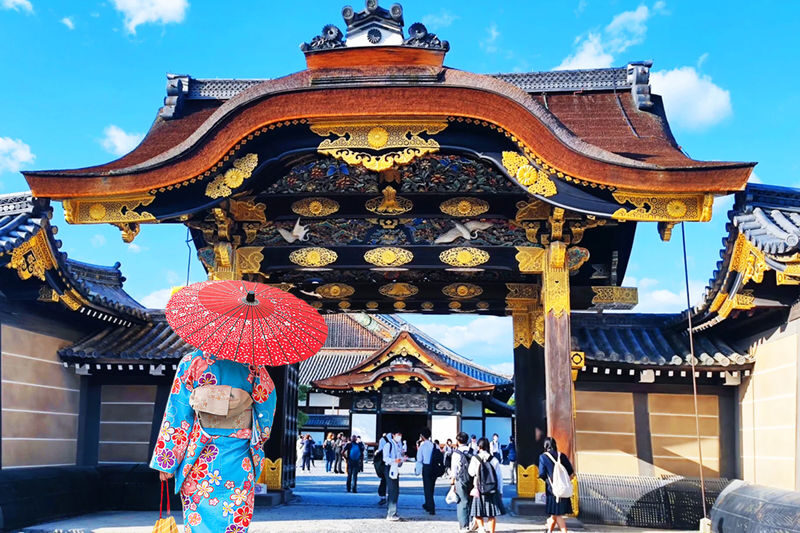
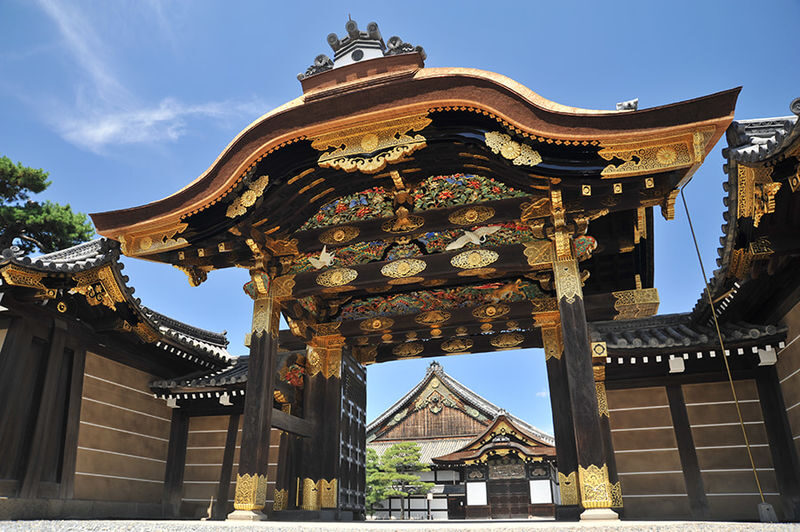
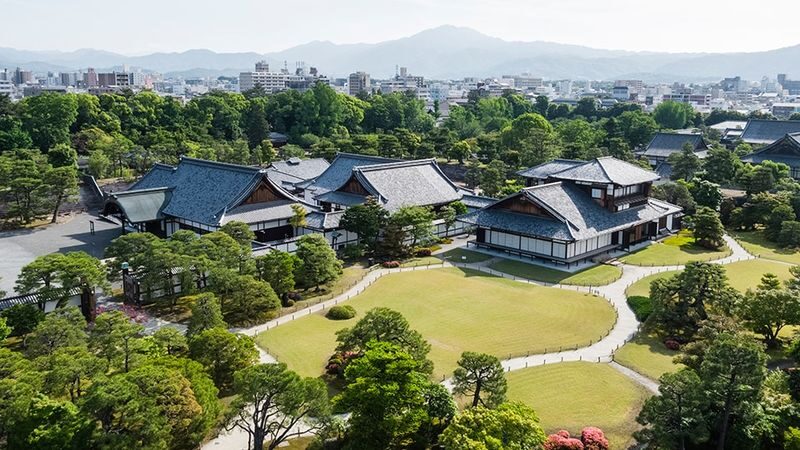
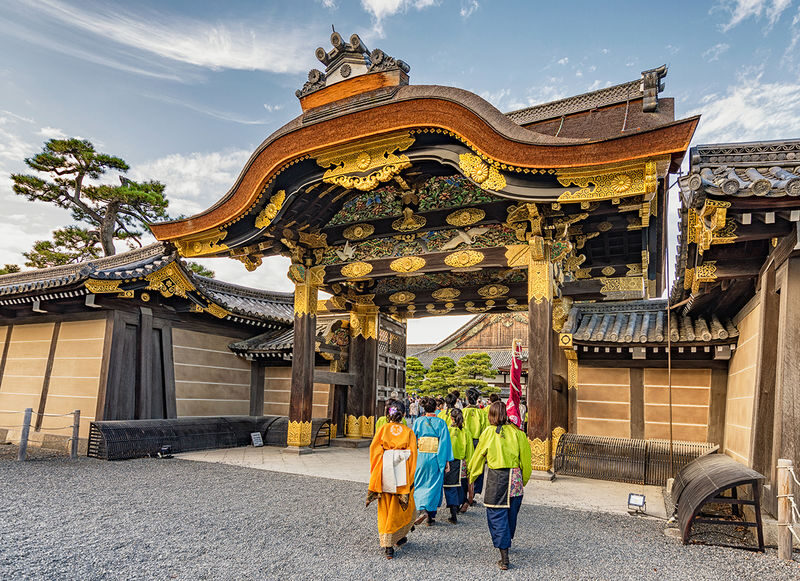
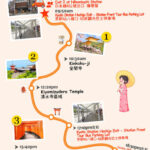
The day begins at Nijo Castle, with about an hour on site from roughly 9:30. Built by Tokugawa Ieyasu, the castle served as a residence and a symbol of shogun power. Its formal rooms, decorative screens, gardens and ornate Karamon Gate give you a feel for the authority and ceremony of the period.
The feature that often catches the imagination is the Ninomaru Palace’s so-called nightingale floor. Its boards make a chirping sound underfoot, a clever design linked to security. You can listen for it as you move through the palace, but the short visit means you will need to keep an eye on the clock.
Admission is not included, with the stated price starting at ¥1,000. Because this is a self-guided stop, take a moment to check the entry process and decide what matters most to you before heading inside. If you enjoy architecture and gardens, use your hour deliberately rather than trying to see every corner at once.
Kinkaku-ji: a brief look at the Golden Pavilion
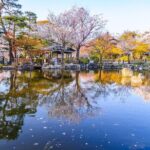
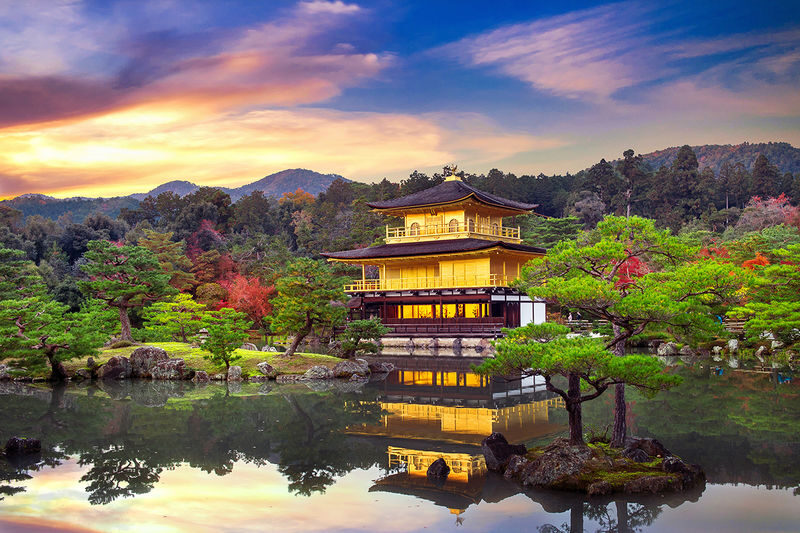
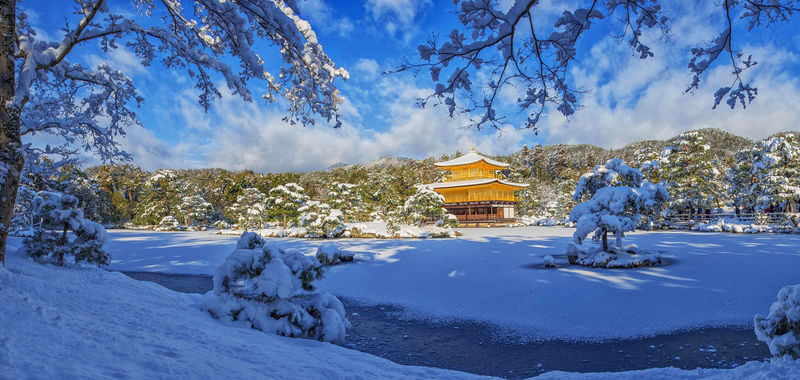
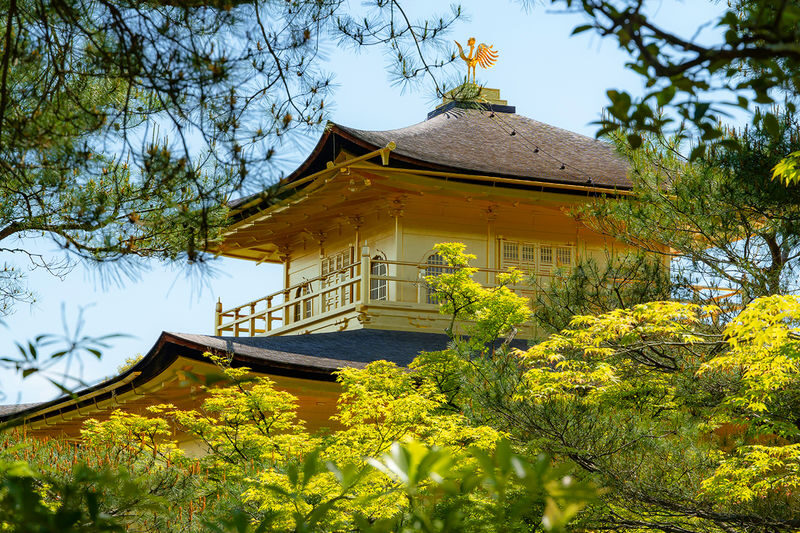
Around 11:00, the tour reaches Kinkaku-ji, also known as Rokuon-ji. The pavilion’s gold-leaf exterior reflects in Mirror Lake, making the view one of Kyoto’s most instantly recognizable. The setting changes with the seasons: spring blossoms, summer greenery, autumn color or winter snow can all alter the effect.
You have about 40 minutes here, and the visit is self-guided. That is enough for the main route and photographs, but not a leisurely wander. The path can feel busy, especially in peak periods, so expect to keep moving with the flow rather than linger at every viewpoint.
The admission fee is ¥500 and is not part of the tour price. This is a good example of the day’s bargain and its limitation: transport makes the stop easy to reach, but you pay the entrance fee separately and have little time to settle in. If a quiet, contemplative temple visit is your priority, you may prefer to come independently at a less crowded time.
Arashiyama: bamboo, temple grounds and a bridge
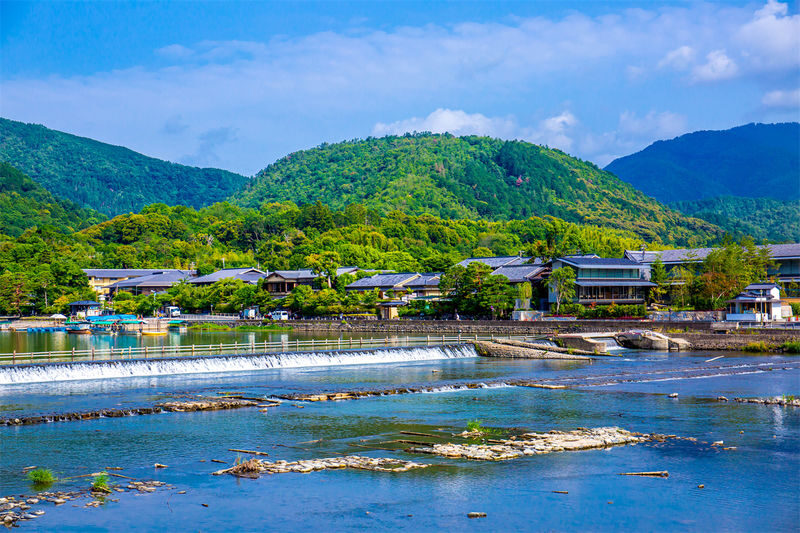
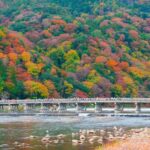
Arashiyama gets the longest stop, about two hours from 12:30. That gives you a more useful stretch of time to walk the Bamboo Grove Path and see some of the area’s other sights. Tenryu-ji Temple and Togetsukyo Bridge are highlighted as part of the area, but the schedule does not specify a separate visit duration for each, so you will need to choose how to spend your time.
The bamboo path is famous for its tall stalks and the sound they make when the wind moves through them. It can be a memorable change of pace after the castle and temple visits, though popularity means you may share the path with plenty of other people. Arashiyama is a place where the atmosphere matters as much as a checklist, so give yourself some unhurried walking time if you can.
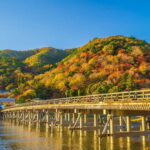
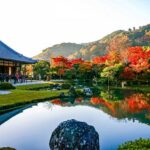
Tenryu-ji is a World Heritage Site, and Togetsukyo Bridge gives you views toward the surrounding hills and river. The area is especially known for seasonal scenery, including spring blossoms and autumn leaves. The two-hour window is a real advantage over the shorter stops, but it still calls for choices: add a temple visit and you may have less time for the bamboo path or bridge.
Meals are not included. The schedule places you in Arashiyama for two hours, but it does not promise a particular lunch arrangement, so plan to eat within that window or bring a suitable snack for before or after the tour. Food and drink are not allowed inside the vehicle.
Fushimi Inari: red gates and a hillside shrine
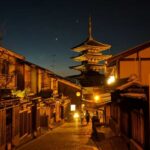
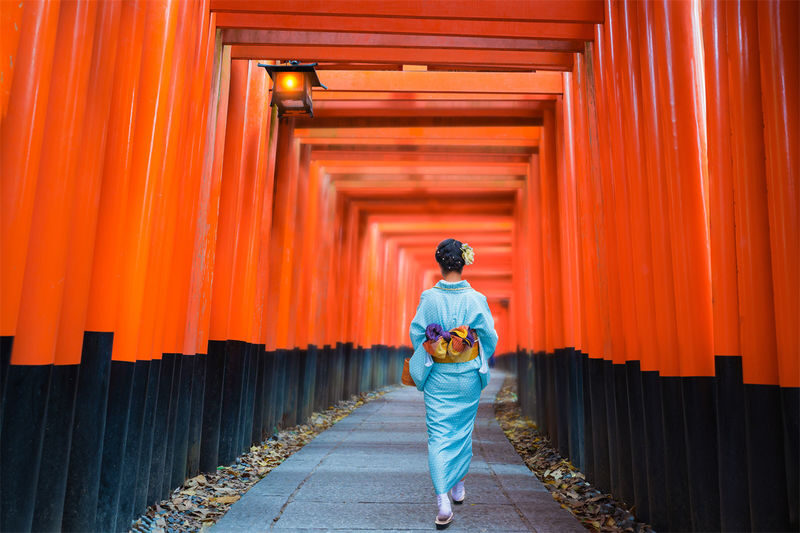
At about 15:20, the tour reaches Fushimi Inari-taisha for roughly 70 minutes. Its long rows of vermilion torii gates are the headline sight, creating a striking path up Mount Inari. The shrine is dedicated to Inari, a deity associated with rice and prosperity, and the gates are offerings made by individuals and businesses.
This stop is more than a photo opportunity. Fushimi Inari is an active shrine, so take a moment to notice the worshippers and the shrine buildings before heading into the gates. The path continues uphill, but with just over an hour you should not expect to walk the entire mountain route and return at a relaxed pace. Choose a comfortable turnaround point and keep the return time in mind.
The final stop can feel hurried after a full day, especially if traffic or crowds have affected the schedule. The operator may adjust timing, and the tour asks you to stick to the agreed schedule so the group can continue together. Comfortable shoes are a sensible choice for the day’s walking and steps.
What the transport and guide service actually provide
This is a fixed-route carpool service, not a private car by default. The group shares a vehicle, and the operator may use a smaller vehicle with the driver acting as guide, depending on the day’s bookings. In that case, expect brief commentary rather than a full running lesson in Kyoto history.
Guides on recent departures have included Wen, Zhao, Kangfu, Vivi and Amy. Reports of the service describe helpful communication, safe driving and considerate touches, including extra help for families and convenient drop-offs when a group had the vehicle to itself. Those personal details can make a long day feel easier, but the experience can vary by guide, group size and vehicle.
The tour offers English-, Chinese- and Japanese-speaking driver-guides. The exact language and vehicle details should be confirmed in the message sent the day before. That message is important: it includes the guide and vehicle information, and the meeting instructions can differ by departure point. Check the latest email if more than one arrives.
Price, extra costs and overall value
The headline price starts at $52.35, while the package options described for pickup or meetup start at $74.79. The amount you pay depends on the option you select, so check the final price for your date and departure choice before booking.
The ticket price covers transport, tolls, parking and fuel, but not entry to the sites, meals or personal expenses. At minimum, add ¥500 for Kinkaku-ji and from ¥1,000 for Nijo Castle. The information does not give a price for Tenryu-ji, so check locally if you plan to enter. These extras matter: a low advertised fare is not the full cost of the day.
For the right person, the value is in the transport and the number of places reached, not in guided access or included tickets. Getting between Nijo Castle, Kinkaku-ji, Arashiyama and Fushimi Inari by public transport takes planning and time. The vehicle handles that part, giving you a chance to see four major sights in one day. If you prefer to spend hours in a single temple or have a guide interpret every stop, the value is less convincing.
Who should book this route?
I would consider this tour if you are visiting Kyoto for the first time, have one day to spare, or are staying in Osaka and want a straightforward way to reach several distant sights. It can also suit families and people traveling with older relatives who would rather reduce transfers. Children must be included in the passenger count; children aged 3 and over pay the adult rate, while children aged 0 to 2 may join free if they do not need a separate seat.
This is less suited to anyone who dislikes fixed schedules, wants an in-depth guided visit, or hopes to explore each neighborhood at their own pace. The tour has no child seats, and seniors aged 70 or older must present a medical certificate. It is not recommended for people with epilepsy or heart disease; pets are not allowed.
Be ready for an early start and a full day. The meeting point requires you to arrive 15 minutes before departure, and late arrivals or no-shows are not refunded. Return times are estimates: Kyoto drop-off is listed for around 17:00 at the Kyoto Station Hachijo Exit sightseeing-bus parking area, while the Osaka return is listed for around 18:30 at Kintetsu Nipponbashi Station. Traffic can change the actual arrival time, so leave your evening open.
Should you book it?
Book this tour if your goal is to see Kyoto’s headline sights efficiently and you are comfortable exploring them on your own. The route is broad, the vehicle saves planning time, and a good driver-guide can add helpful context and make the day easier for a family.
Skip it if you want long visits, included admission, or a guide beside you at each site. The stops are short, the entrance fees add up, and the schedule has little room for dawdling. For a first look at Kyoto, though, it is a practical way to cover a lot of ground in one day.
Kyoto In-Depth Tour: Nijo Castle + Kinkaku-ji (Golden Pavilion) + Fushimi Inari-taisha Shrine + Arashiyama Tenryu-ji Temple & Bamboo Grove One Day Tour | Departure from Osaka/Kyoto Available
“Highly recommend! Our driver Wen was polite, courteous, punctual, and very knowledgeable of the sites visited. Definitely the highlight of our Kyot…”
FAQ
Does the tour include admission to the attractions?
No. Admission to Kinkaku-ji costs ¥500, and Nijo Castle admission starts at ¥1,000. Meals, drinks and other personal expenses are also excluded.
How long is the visit at each stop?
The schedule allows one hour at Nijo Castle, 40 minutes at Kinkaku-ji, two hours in Arashiyama and one hour 10 minutes at Fushimi Inari-taisha. Times may change because of traffic, weather or crowds.
Is this a guided walking tour?
No. The stops are self-guided. A driver-guide provides the transport and may give commentary during the journey, but the tour does not specify a guide accompanying you inside each site.
Which languages are offered?
English-, Chinese- and Japanese-speaking driver-guides are offered. Check the message sent the day before for the guide and vehicle details for your departure.
Where does the tour return?
The Kyoto return point is the Kyoto Station Hachijo Exit sightseeing-bus parking area, with a listed return time of around 17:00. The Osaka return point is Kintetsu Nipponbashi Station, with a listed time of around 18:30. Actual times depend on road conditions.
How early should I arrive at the meeting point?
Arrive 15 minutes before the departure time. The exact meeting details and vehicle information are sent by email the day before, so check the latest message carefully.
Are children allowed on the tour?
Yes. Children aged 3 and over are charged the adult rate. Children aged 0 to 2 may join free if they do not occupy a separate seat. Child seats are not available.
Can I cancel for a refund?
A full refund is available if you cancel at least 24 hours before the activity date, based on local time. No refund is issued if you have already taken part in an activity, visited an attraction or used a ticket.