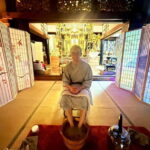
The unusual draw here is the setting: this is a temple visit built around rest, not a standard spa appointment with Japanese decor added on. You begin with a foot bath, then receive Reiki and a gentle full-body oil massage before sitting down for tea and wagashi, traditional Japanese sweets.
I like two things in particular: the treatment favors light, flowing touch rather than forceful pressure, and the tea ceremony gives the visit a quiet cultural finish. English-speaking staff can explain the temple and how to worship, which helps make the setting feel welcoming rather than mysterious. One consideration: at US$197.09 and about two hours, it is a deliberate splurge, and the gentle style may not suit you if you want a firm, deep-tissue massage.
- Key points before you book
- A temple visit with time to slow down
- Start with a foot bath and a gentle approach
- Reiki and massage, without the hard sell
- Finish with matcha, wagashi, and a little context
- What the price buys you
- Getting to the correct entrance
- Who will enjoy this, and who may not
- Should you book the temple Reiki experience?
- FAQ
- How long is the experience?
- What is included in the price?
- Where is the meeting point?
- Are English-speaking staff available?
- Can I wear a yukata?
- What should I do if I have a health condition?
- The Best Of Osaka!
- More Tours in Osaka
- More Tour Reviews in Osaka
Key points before you book
 1 / 9
 2 / 9
 3 / 9
 4 / 9
 5 / 9
 6 / 9
 7 / 9
 8 / 9
 9 / 9
- Temple setting: The meeting point is Saishoji Temple in Osaka’s Nishi-ku, a short walk from Yotsubashi Station.
- A three-part experience: The 120-minute course includes a foot bath, Reiki and massage, then a tea ceremony with wagashi.
- Gentle by design: The treatment emphasizes delicacy, harmony, and flow, rather than strong pressure.
- English-speaking staff: Staff can explain the temple’s history and worship customs, and help you understand the Reiki experience.
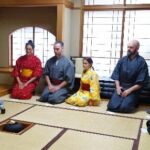
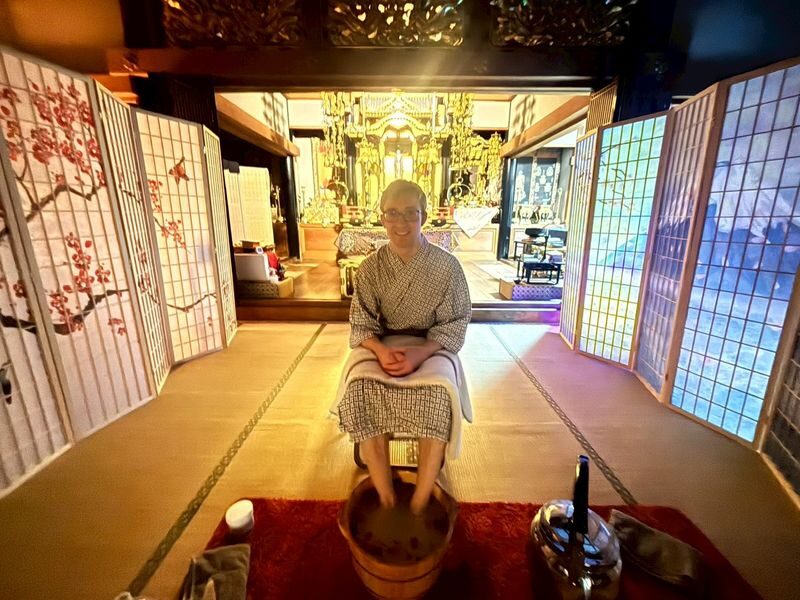
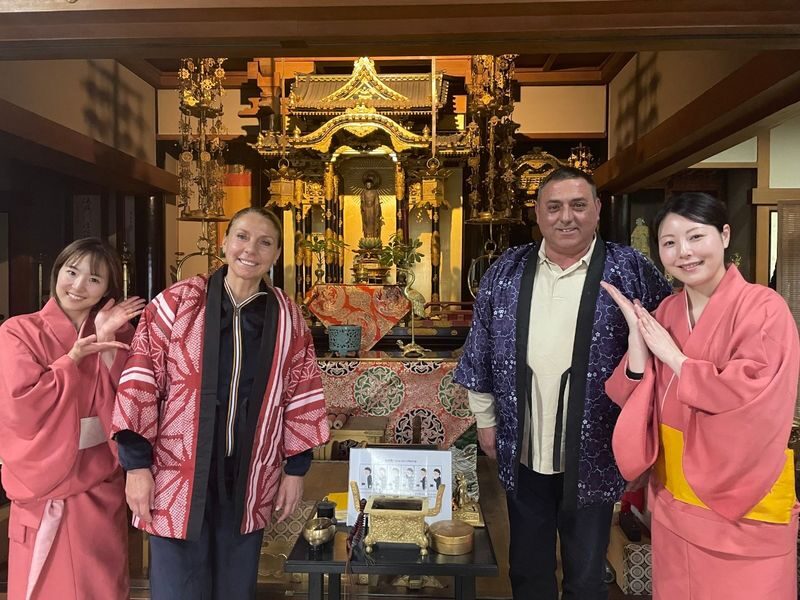
- Yukata option: You can wear a yukata and take a commemorative photo.
- Find the right entrance: Search for Japanese Massage -the one&only- on Google Maps, not the temple name, which may direct you to the back entrance.
👉 See our pick of the The Top 15 Workshops & Classes In Osaka
A temple visit with time to slow down
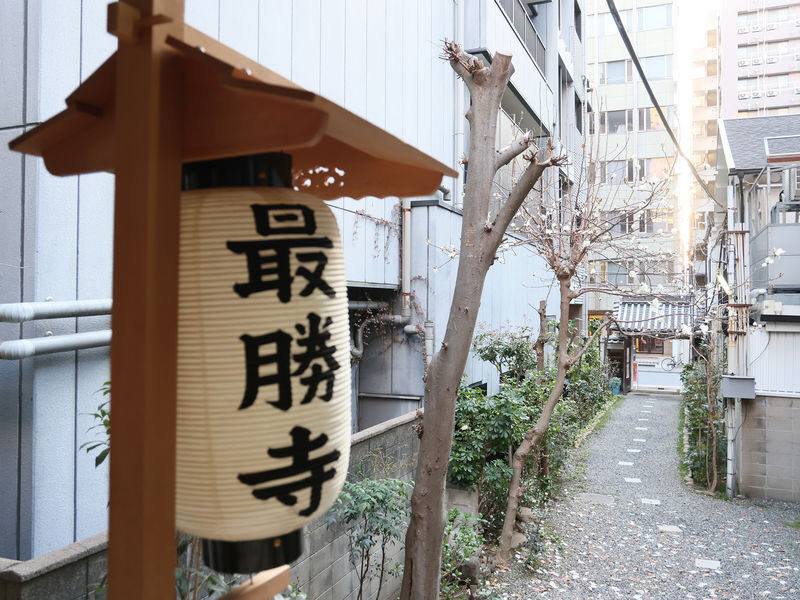
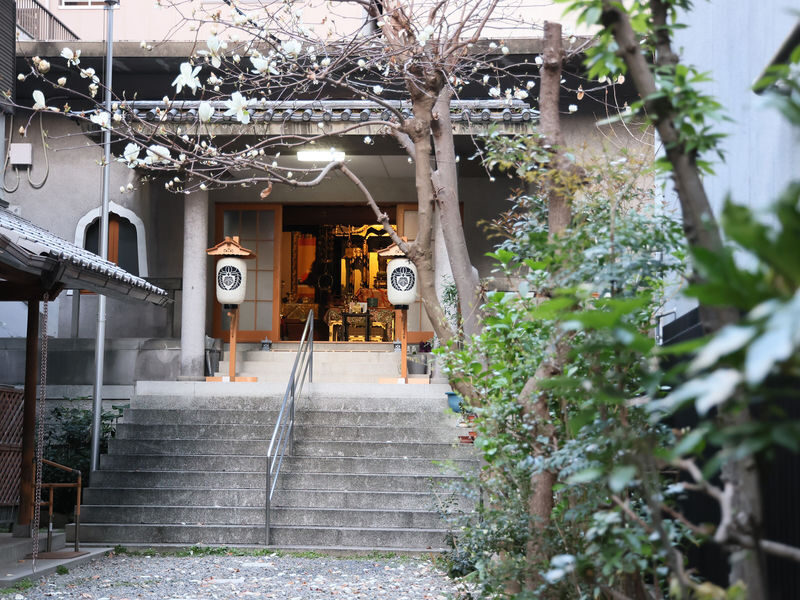
Osaka can fill a day with food, shopping, and busy streets. This experience offers a different pace: a treatment and tea ritual at Saishoji Temple, in the city’s Kitahorie area. The location is close to Yotsubashi Station, yet the temple gives the appointment a calmer frame than a typical massage room.
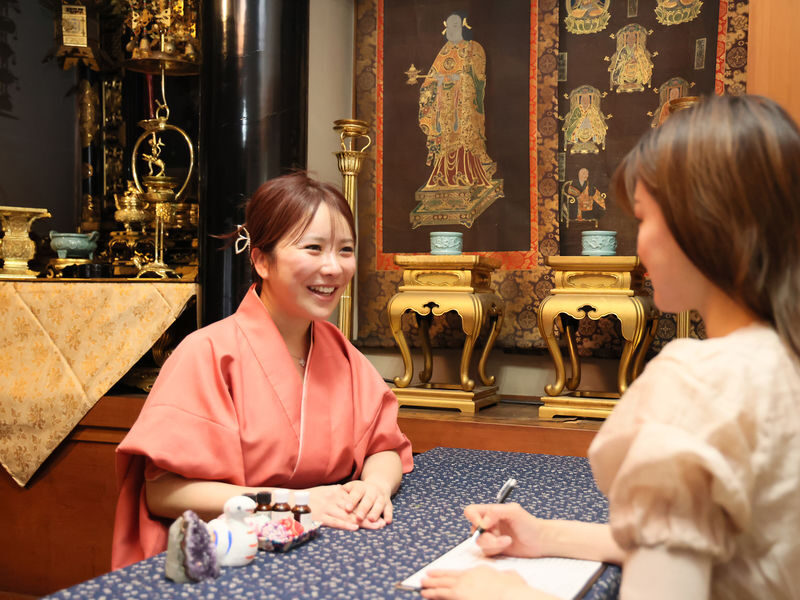
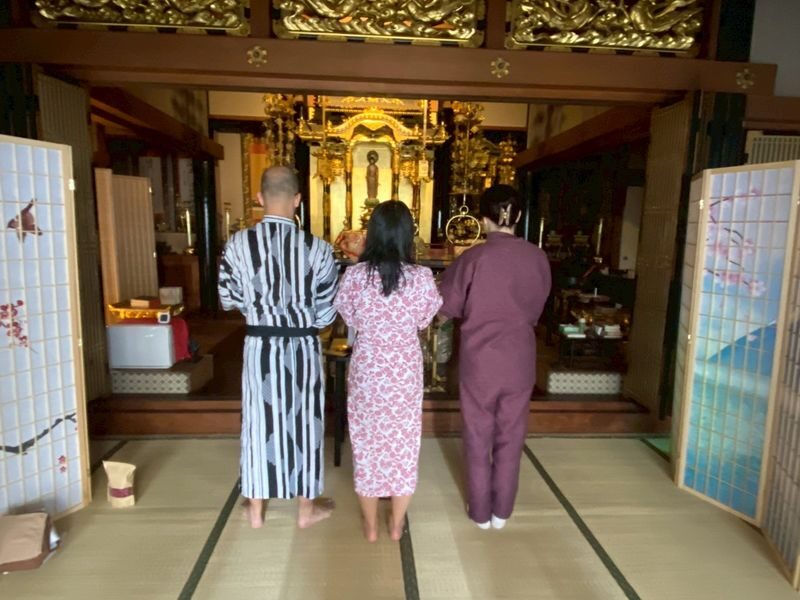
That contrast is part of the appeal. You are not signing up only to loosen tight shoulders; the visit also includes a little context about the place and its customs. Staff explain the temple’s history and how to worship, using guidebooks. If you have not visited a Japanese temple before, those practical pointers can help you feel at ease.
The course is listed as 120 minutes, with that duration covering the time from arrival to departure. Think of it as a set appointment with several stages, not 120 minutes of hands-on massage. The foot bath, Reiki, oil massage, and tea ceremony all fit into the visit, though exact timings for each part are not specified.
You can also read our reviews of more tours and experiences in Osaka.


Start with a foot bath and a gentle approach
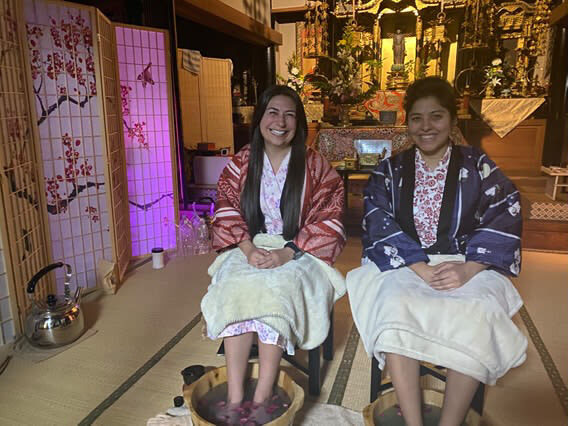
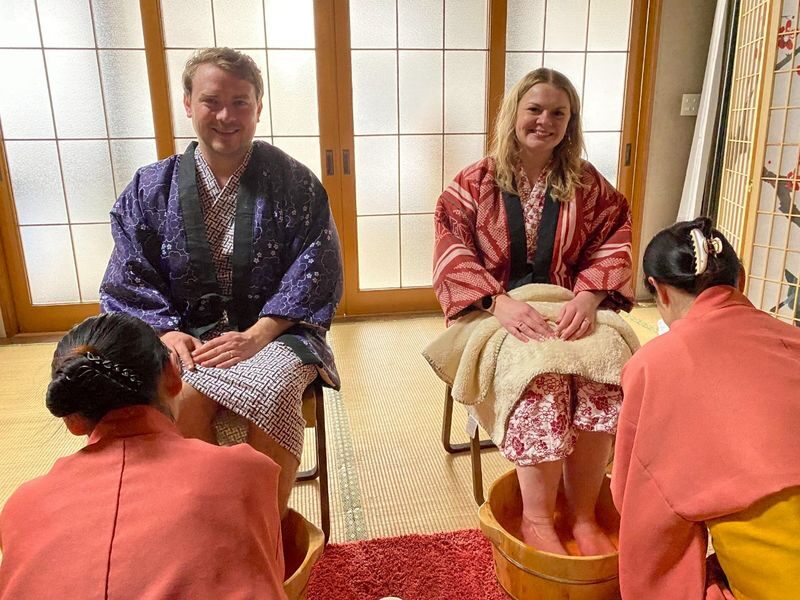
The first treatment step is a foot bath. It provides a gentle transition from the city outside to the quieter pace of the session. It is also a useful moment to settle in before the Reiki and massage begin.
The treatment is described as Japanese-style, with delicacy, harmony, and flow at its center. That matters if you are used to massage being measured by pressure. Here, the aim is not to press hard or work aggressively into every knot. The experience is intended to relax both body and mind through a softer touch.
The course combines Reiki, a Japanese energy-healing practice, with a full-body oil massage. It is best to approach Reiki as part of the experience’s traditional wellness framework, not as a substitute for medical care. If you have a health condition or concern, tell the operator in advance. The operator places responsibility for disclosing relevant conditions on you and does not accept responsibility for adverse effects from treatment.
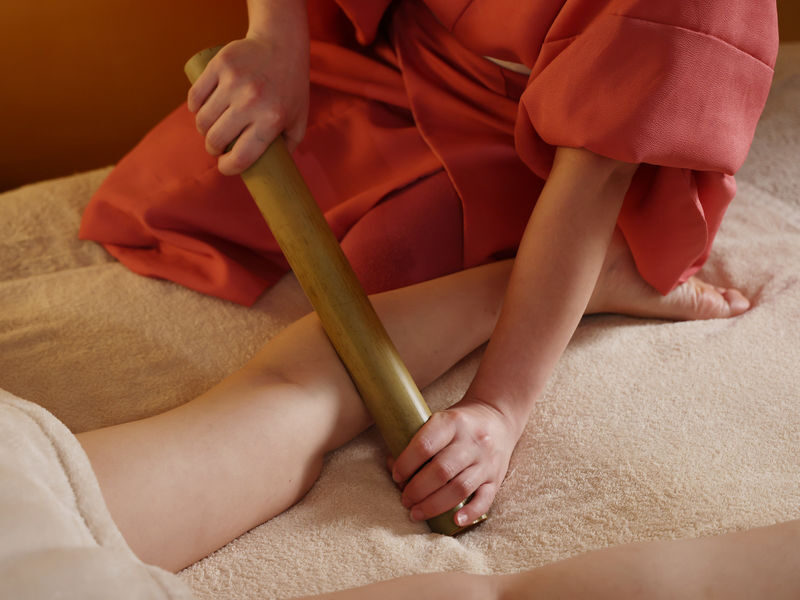
Bamboo massage has also featured in the treatment, though the exact technique may vary. If you are curious about this, ask the staff what your session will include before it begins. And if gentle pressure is not what you want, raise that point before the massage rather than expecting a firm sports-massage style.
Reiki and massage, without the hard sell
The Reiki session is paired with massage rather than presented as a stand-alone ritual. That blend may appeal if you are curious about Reiki but want a familiar physical treatment alongside it. The staff explain the experience, and English-speaking team members are available.
The practical value here is comfort and communication. You can ask questions, and staff can help make sure they understand you. Arisa has been praised for patient explanations, while Oka and Naomi have been noted for warm greetings and guidance. Names are useful to know, but staffing may vary on the day, so do not assume a particular person will lead your appointment.
The massage is meant to bring your attention away from the noise of the day and back to your body. Some people may find that soothing, especially after long hours on their feet. Others may prefer a more vigorous treatment. Neither style is inherently better; the important thing is matching the massage to what you actually want.
Finish with matcha, wagashi, and a little context
After the treatment, the course moves to a tea ceremony with traditional Japanese sweets. Matcha and wagashi make a fitting end to a session focused on slowing down. The tea is not just a drink handed over on the way out: staff share information about the ceremony and the history of matcha.
The ceremony is described as simple, so do not expect a long formal performance. Its value is in the pause and the explanation. You get a chance to sit, taste the tea and sweet, and take in a small part of Japanese hospitality without needing to book a separate cultural activity.
The tea and sweets are included, as is the Reiki and massage session and foot bath. Other personal expenses are not. If you enjoy learning small details about food and customs, the tea portion adds something beyond the treatment itself. If your only priority is massage time, it may feel like a smaller part of the visit than you would choose.
What the price buys you
The starting price is US$197.09 for the Reiki healing and massage package. That is a high price for a massage alone, so the value depends on whether you want the whole combination: temple setting, foot bath, Reiki, full-body oil massage, and tea ceremony with wagashi.
I would compare it with the cost of booking a quality massage plus a separate cultural activity, rather than with a basic spa treatment. The price is easier to justify if you are drawn to the setting and the ritual, or if you want a special occasion during your stay. It is harder to justify if you want a long, high-pressure massage and have little interest in Reiki or tea.
The experience may also work well for a solo visit or a small group. The setting has been described as suitable for groups of three or four, though the exact group arrangements are not specified. If you are booking with friends, confirm the available time and group setup before paying.
Getting to the correct entrance
The address is Saishoji Temple, 1-6-18 Kitahorie, Nishi-ku, Osaka 550-0014. Yotsubashi Station is about a two-minute walk away. For map directions, search for Japanese Massage -the one&only-. Searching by the temple name may send you to the back entrance, which can leave you hunting around the building.
If you still have trouble, the restaurant Tossa de coracao is a nearby reference point; the meeting place is right next to it. Arrive five minutes before your scheduled time and show your mobile voucher. The opening hours are listed as 10:30 to 21:00, and the voucher is valid only on the date and time you booked.
For reservations or questions, contact the operator by email rather than calling Saishoji Temple directly. Confirmation should arrive within minutes; if it does not, contact customer support. You can cancel for a full refund at least 24 hours before the activity date, using local time.
Who will enjoy this, and who may not
This is a good fit if you want a restorative break with some cultural context, not just an appointment on a massage table. It could suit a solo visitor looking for a calm interlude, a pair seeking a shared activity, or a small group interested in trying Reiki and a tea ceremony in one place.
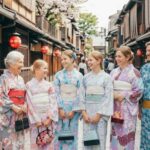
You may also appreciate the English-speaking staff if you want explanations rather than a silent treatment. The temple background, guidebooks, and matcha discussion give the visit a sense of place. The option to wear a yukata and take a commemorative photo adds a keepsake element, though it is not the main reason to book.
Think twice if you dislike oil massage, want firm pressure, or are uncomfortable with Reiki as a wellness practice. The operator asks you to disclose health conditions, so this is not a treatment to book without considering your own needs. And if the price is your main concern, a regular massage is likely the simpler choice.
Should you book the temple Reiki experience?
Book it if the combination is what appeals: a gentle massage, an introduction to Reiki, a temple setting, and matcha with wagashi in one visit. The strongest reason to go is the complete experience, especially the calm transition from foot bath to treatment to tea.
Skip it if you mainly want a hard, technical massage or want to spend less on a wellness appointment. At about two hours, it is a considered pause in your Osaka schedule, not a quick add-on. If that sounds like the kind of break you need, the temple setting and attentive explanations make this a distinctive way to spend an afternoon or evening.
Osaka: Japanese Reiki Healing & Aroma Massage at the Temple
“The bamboo massage was great, and you get tea and a snack at the end”
FAQ
How long is the experience?
The listed duration is 120 minutes from arrival to departure. It includes the foot bath, Reiki and massage, and tea ceremony.
What is included in the price?
The package includes Reiki healing and massage, a foot bath, tea, and a tea ceremony with traditional Japanese sweets. Other personal expenses are not included.
Where is the meeting point?
The meeting point is Japanese Massage -the one&only- at Saishoji Temple, 1-6-18 Kitahorie, Nishi-ku, Osaka. It is about a two-minute walk from Yotsubashi Station.
Are English-speaking staff available?
Yes. English-speaking staff are available and can explain the temple and the experience.
Can I wear a yukata?
Yes. You can wear a yukata and take a commemorative photo.
What should I do if I have a health condition?
Tell the operator about any special health conditions before the treatment. The operator says it is your responsibility to share this information and is not responsible for adverse effects from treatment.