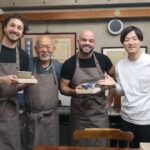
Kyoto’s sushi workshop gives you a place at the counter and a job to do: shape nigiri with your own hands. A host guides you through the basics, from preparing rice to forming sushi with popular fish such as tuna and salmon. You don’t need cooking experience, just a willingness to get your hands a little sticky.
I like two things in particular: the clear, beginner-friendly instruction and the chance to put on a Japanese happi coat while you work. One point to weigh: footbath seating costs extra and depends on availability, and the activity is not recommended for people with disabilities.
- At a glance
- Making sushi, one piece at a time
- Rice, fish, and the first attempt
- A happi coat and a relaxed mood
- Optional footbath seating
- What the price includes
- Getting the address right
- Who will enjoy this class
- Should you book it?
- FAQ
- What sushi will I learn to make?
- Is this class suitable for beginners?
- Where does the class meet?
- Is English instruction included?
- Can I wear a happi coat?
- Is footbath seating included in the price?
- Are refreshments included?
- How should I tell the provider about a food allergy?
- Are children aged 0 to 3 charged?
- Can I change or cancel my booking?
- The Best Of Kyoto!
- More Workshops & Classes in Kyoto
- More Tours in Kyoto
- More Tour Reviews in Kyoto
At a glance
 1 / 9
 2 / 9
 3 / 9
 4 / 9
 5 / 9
 6 / 9
 7 / 9
 8 / 9
 9 / 9
- Make nigiri yourself: Follow a host’s instructions and try shaping sushi from scratch.
- Try familiar fish: Tuna and salmon are among the ingredients used.
- Wear a happi coat: The traditional Japanese garment adds a playful touch to the lesson.
- Ask about the footbath: Seating with a footbath may be available for JPY 1,300 per person.
- Expect a relaxed class: Hosts Nanami and Niko have been praised for their warmth, though the teaching style may feel informal rather than highly structured.
👉 See our pick of the We Rank Kyoto’s 15 Top Workshops & Classes
Making sushi, one piece at a time
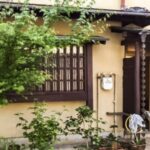
The class takes place at SUSHI & SAKE GARYU KYOTO, at 2F, 276-28 Kitakuramaya-cho in Kyoto’s Nakagyo Ward. The activity’s meeting address is also given as 276-28 Kitakurumayacho. Since the romanized spelling varies, check the address and map pin carefully before setting out.
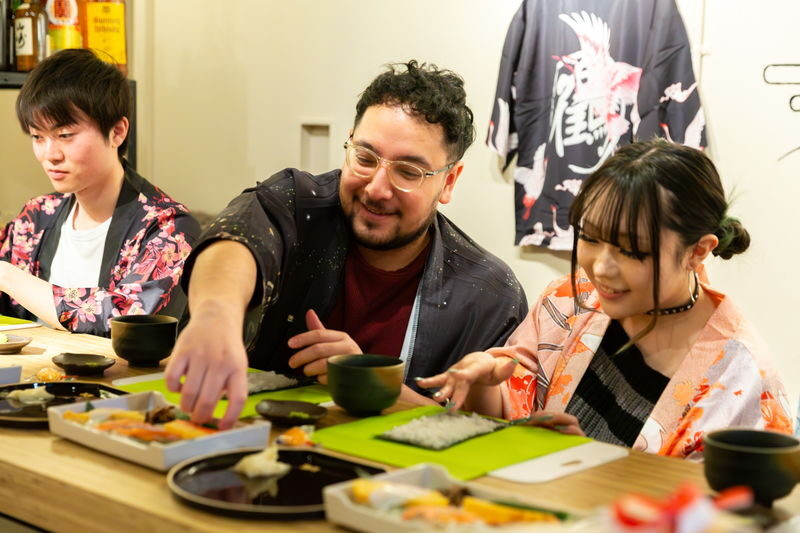
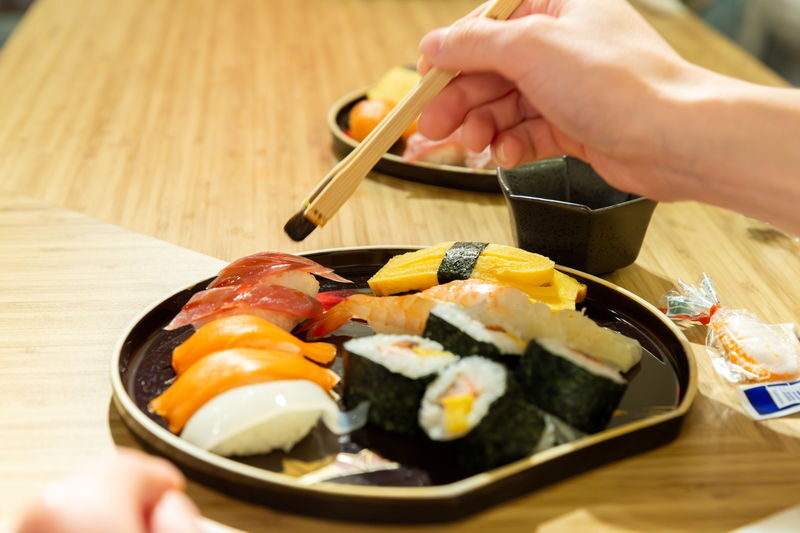
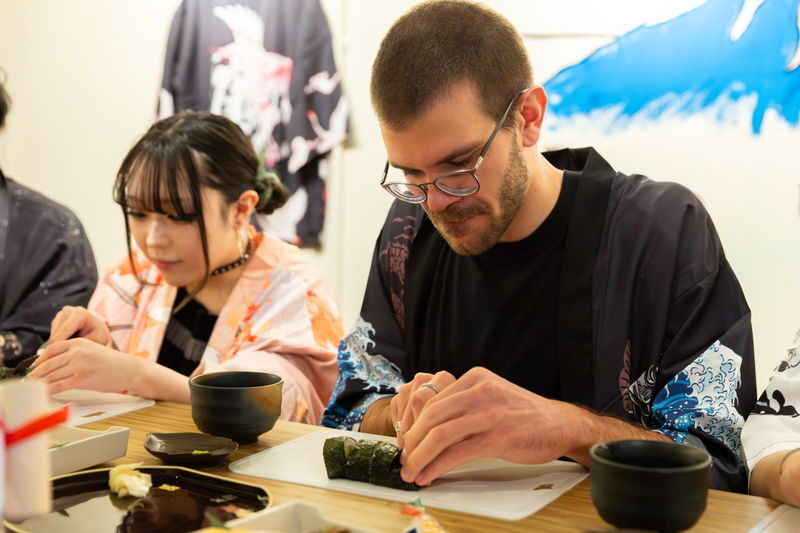
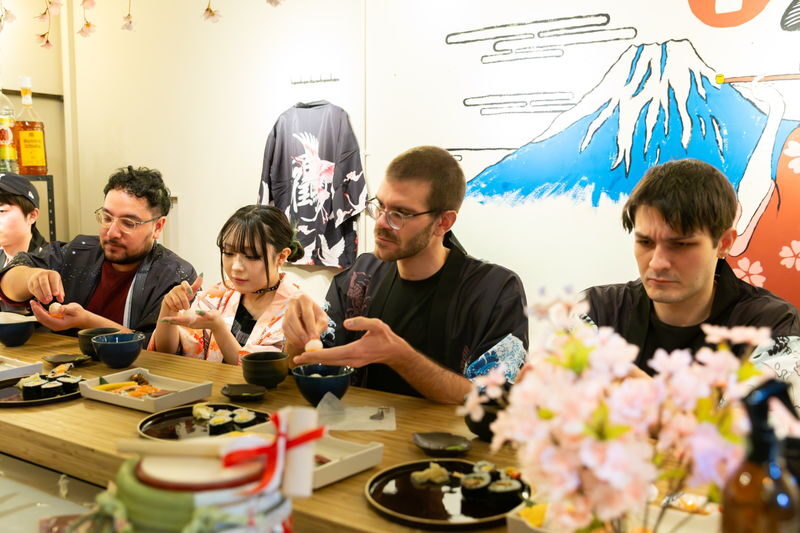
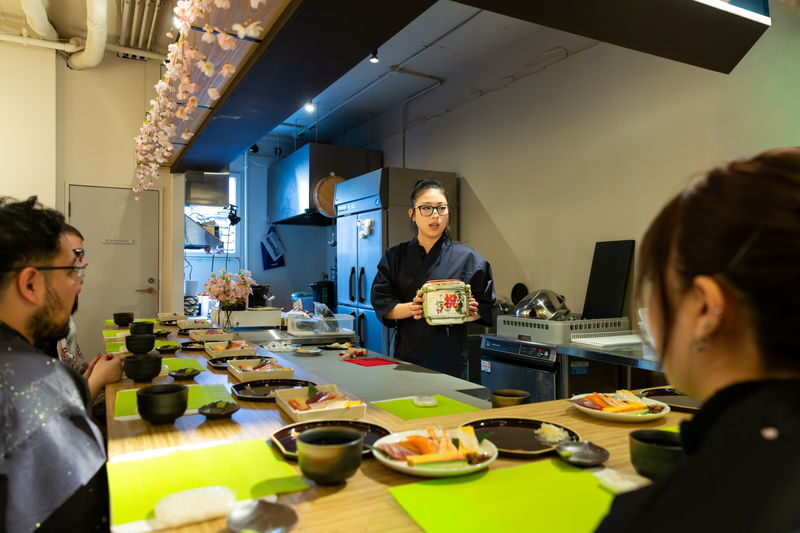
Once there, you can expect an introduction to making nigiri, the familiar form of sushi built around a small portion of rice topped with fish. The focus is practical: listen to the host, watch the steps, then try them yourself. You’re not simply watching a chef work. You get to handle the ingredients and make sushi from scratch.
That hands-on approach makes this a good fit if you’re curious about Japanese food but have never taken a cooking class. You don’t need to arrive with sushi-making skills. The activity is described as beginner-friendly, and the hosts guide participants through the process.
The supplied details do not set out a fixed lesson schedule or promise a particular class length. Some people have described spending around a couple of hours on the activity, so leave some breathing room rather than squeezing it between tightly timed plans.
You can also read our reviews of more tours and experiences in Kyoto
Rice, fish, and the first attempt
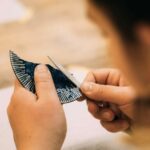
The class highlights tuna and salmon, two popular choices that are easy to recognize and enjoy. You’ll work on forming nigiri, where balance matters: enough rice to support the topping, but not so much that the fish disappears beneath it.
A few people have described learning how to prepare rice, slice fish, and shape sushi under close guidance. Those are useful skills to watch for in the demonstration, but don’t expect every session to follow an identical script. One participant also described making rolls, though nigiri is the main focus described for this experience.
The first piece may come out lopsided. That is part of the point. A teacher can show you how the rice should feel and how to shape it, but your hands still have to learn the motion. I’d treat the class as a friendly introduction, not a test of whether you can leave Kyoto ready to open a sushi shop.
A useful practical step: tell the provider about food allergies in advance by message. The ingredients specifically named include tuna and salmon, but the available details do not list every ingredient served or promise substitutions.
A happi coat and a relaxed mood
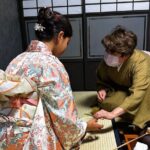
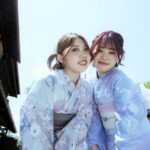
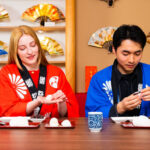
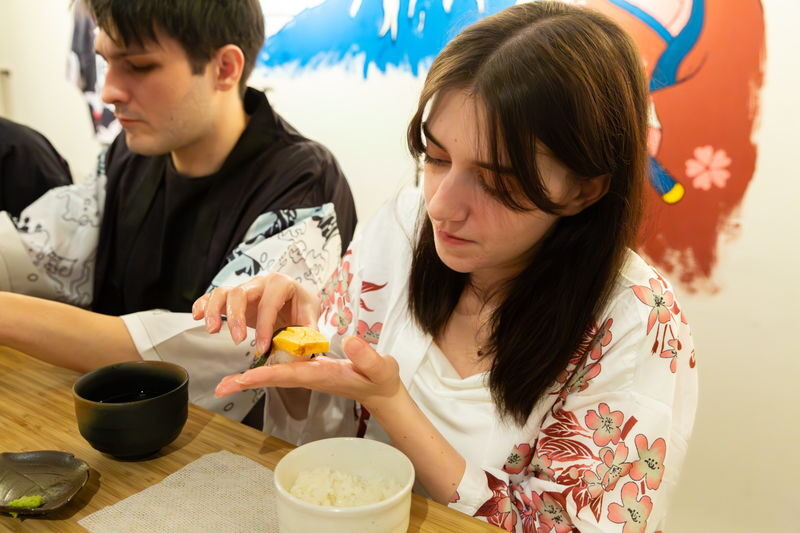
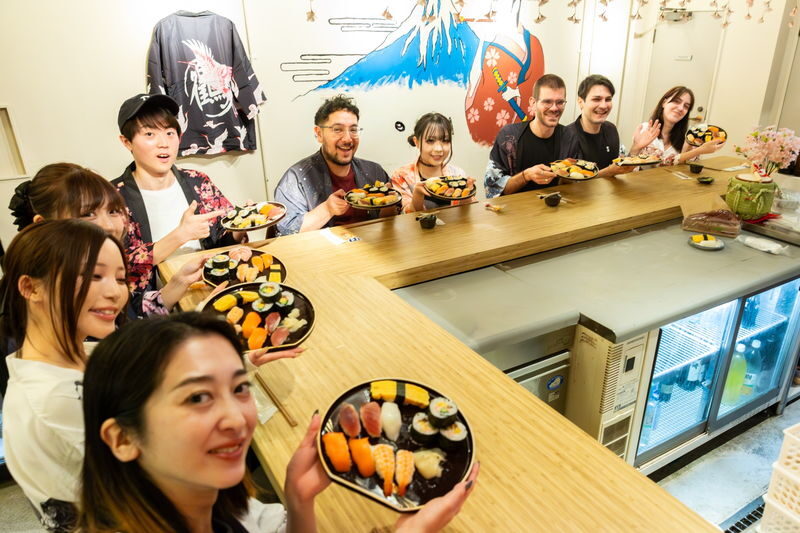
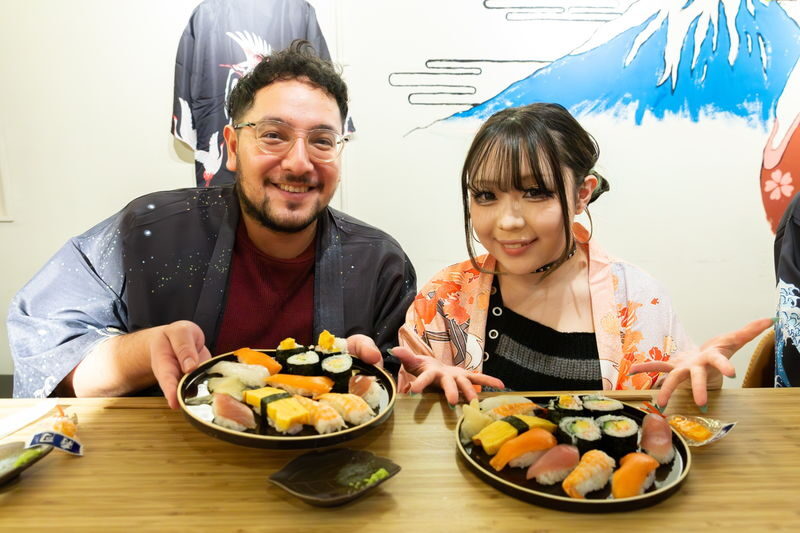
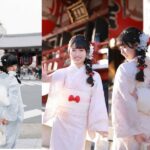
You can wear a Japanese happi coat during the workshop. It’s a simple touch, but it gives the class a sense of occasion and makes for a more memorable photo than another shot of a plate on a table.
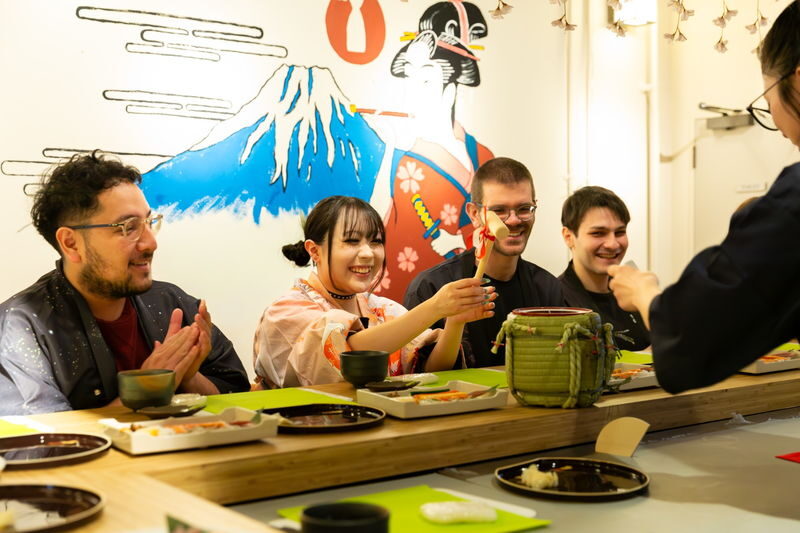
The mood appears to be informal rather than ceremonial. That will suit you if you want a friendly activity where you can ask questions, laugh at imperfect sushi, and enjoy what you make. If you’re hoping for a formal lesson with a detailed lecture on sushi history or a tightly choreographed sequence, this may feel more casual than expected.
Hosts named Nanami and Niko have been singled out for their kind, personable approach. One family described Nanami guiding a parent and a teenager through nigiri and rolls; another praised Niko as a warm teacher. The names are helpful context, but staff assignments can change, so don’t book expecting a particular host.
Some sessions may feel very small. One participant described having four chefs guide a nearly private lesson. That sounds like a lovely level of attention, but there is no guaranteed group size, so it’s best not to count on a private class.
Optional footbath seating
If you’d like to add a distinctly Japanese extra, ask whether footbath seating is available on the day. The charge is JPY 1,300 per person, and availability is not guaranteed.
Think of this as an optional comfort, not the main event. The class itself is about learning to make sushi, and the footbath does not replace or expand the lesson. If you’re interested, check on arrival rather than assuming the seating is included in the starting price.
What the price includes
The class starts at US$62.45. The price covers the sushi-making activity, English-speaking staff, and refreshments. Other personal expenses are not included, and the footbath option costs extra.
For the price, you’re paying for guided, hands-on time with ingredients and instruction, not just a meal. That can be good value if you enjoy cooking and want an activity that gives you something to do beyond sightseeing. The value depends less on how many pieces you make, which is not specified, and more on how much you enjoy learning by trying.
It may be less compelling if your main goal is simply to eat sushi. Kyoto offers plenty of ways to do that without taking a class. Here, the added value is the chance to learn a basic technique, ask questions in English, and eat the sushi you make.

Getting the address right
The meeting point is listed as 276-28 Kitakuramaya-cho, on the second floor, and the activity is associated with SUSHI & SAKE GARYU KYOTO. The address also appears in a slightly different romanized form as Kitakurumayacho. Use the full Japanese address if you’re checking directions: 〒604-8021 京都府京都市中京区北車屋町276-28 2F.
Pay attention to the building number and floor. One attendee reported being sent to a location some distance from the correct venue and having trouble reaching the provider for help. That does not establish that the directions are generally wrong, but it makes a quick address check sensible. Confirm the venue details before leaving, especially if you’re relying on a map app.
The voucher is valid only on the date and time specified. If you have a food allergy, message the provider ahead of time rather than waiting until you arrive.
Who will enjoy this class
I’d consider this class if you want a social, hands-on break from Kyoto’s temples and streets, or if you’re traveling with someone who likes Japanese food and would enjoy making it. It is beginner-friendly, and the English-speaking staff make it easier to follow the instructions.
It can also work well for a parent and older child. One family described doing the class with a 16-year-old, but there is no stated minimum age beyond the note that children aged 0 to 3 are free. If you’re planning to bring a younger child, confirm the arrangements directly.
You may want a different activity if you need a highly structured cooking course, have limited time, or are looking for a class specifically recommended for people with disabilities. The activity is not recommended for PWDs, so contact the provider before booking if you have access needs or questions about the setup.
The class also asks participants who appear intoxicated to leave or be refused service, with no refund in that situation. That’s a clear reason to schedule the workshop before drinks, not after.
Should you book it?
Book this if making sushi sounds more appealing than simply ordering it, and you’re happy with a relaxed, guided introduction rather than a formal culinary course. The strongest reasons to go are the chance to practice nigiri, the English-speaking instruction, and the friendly teaching style associated with hosts such as Nanami and Niko.
Before you commit, check the address carefully, send any allergy information in advance, and treat the footbath as an optional extra that may not be available. At a starting price of US$62.45, it offers good value if the hands-on lesson is what you want. If you only want a sushi meal, save the class fee for dinner.
Popular Sushi Making Class in Kyoto Grand Opening
“That was a great experience. Niko was a wonderful and very Kind host/teacher.”
FAQ
What sushi will I learn to make?
The class focuses on nigiri sushi, with ingredients such as tuna and salmon. You’ll be guided through making sushi from scratch.
Is this class suitable for beginners?
Yes. It is described as a beginner-friendly workshop, and an English-speaking staff member provides instruction.
Where does the class meet?
The meeting point is 276-28 Kitakuramaya-cho, 2F, Nakagyo Ward, Kyoto. The venue is SUSHI & SAKE GARYU KYOTO.
Is English instruction included?
Yes. English-speaking staff are included.
Can I wear a happi coat?
Yes. You can wear a Japanese happi coat during the activity.
Is footbath seating included in the price?
No. If available on the day, footbath seating can be added for JPY 1,300 per person.
Are refreshments included?
Yes. Refreshments are included.
How should I tell the provider about a food allergy?
Send the provider a message in advance if you have any food allergies.
Are children aged 0 to 3 charged?
No. Children aged 0 to 3 can take part for free.
Can I change or cancel my booking?
Changes are allowed until 24 hours before the activity starts, with some booking types excluded. A full refund is available if you cancel at least 24 hours before the activity date, in destination local time.