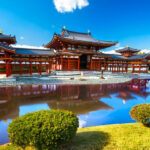
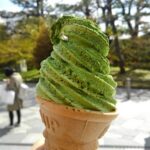
A matcha bowl is only the beginning here. In a one-hour class near Obaku, a working tea master explains the movements, manners, and ideas behind the Japanese tea ceremony, then shows you how to prepare and drink the tea. It is a lesson in doing things with care, not a quick photo stop.
I like two things in particular: the chance to ask questions as the ceremony unfolds, and the setting in Uji, a town closely associated with matcha. The instructor also explains how to enjoy the sweets and tea, so you learn how to take part rather than simply watch.
The main caveat is practical: the class is not held inside a temple, and its room or schedule may change. The advertised price starts at $22.75, but a separate cash facility fee of at least ¥1,000 per person is required. Add the journey to Obaku and this is best for visitors who want a focused cultural lesson, not a temple visit or a polished sightseeing circuit.
- What to know before you book
- A tea lesson in Uji, not a temple ceremony
- What happens during the one-hour class
- The instructor and the value of explanation
- Uji’s tea connection, and what you will not see
- Price, required fees, and the kimono option
- Timing, directions, and small practical details
- Who will appreciate this experience most?
- Should you book the Uji tea ceremony?
- FAQ
- Where does the tea ceremony take place?
- How long does the experience last?
- How much does the experience cost?
- Is the facility fee included in the booking price?
- Is kimono rental available?
- What should I bring?
- How early should I arrive?
- How do I get to the classroom?
- Can children join?
- Can I take photos during the ceremony?
- The Best Of Uji!
- More Tours in Uji
- More Tour Reviews in Uji
What to know before you book
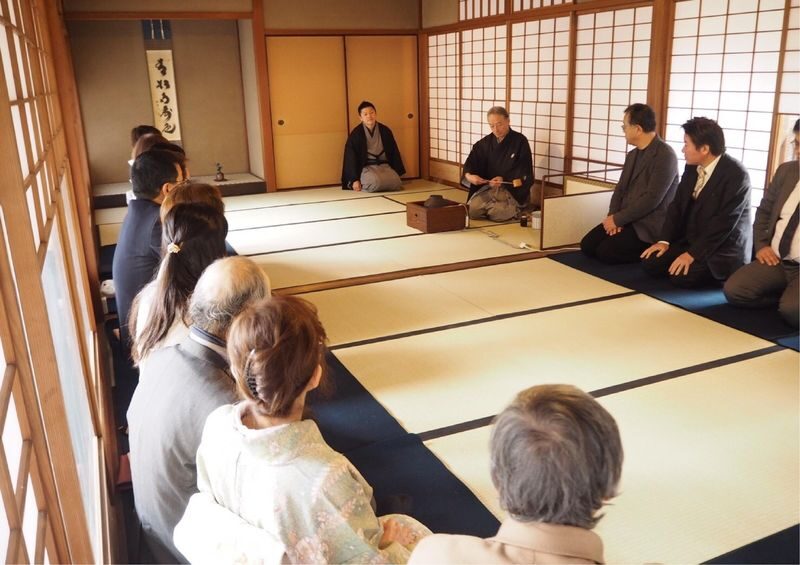
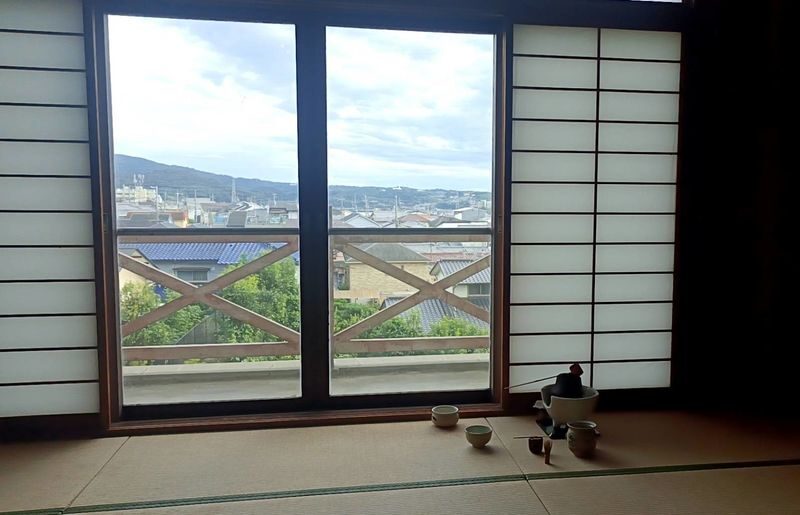
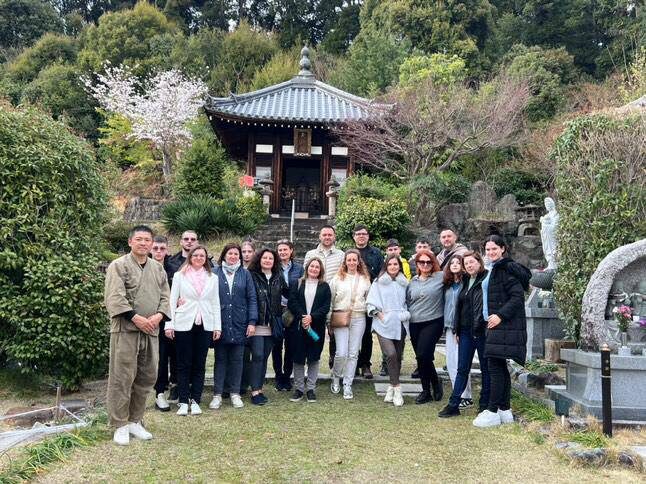
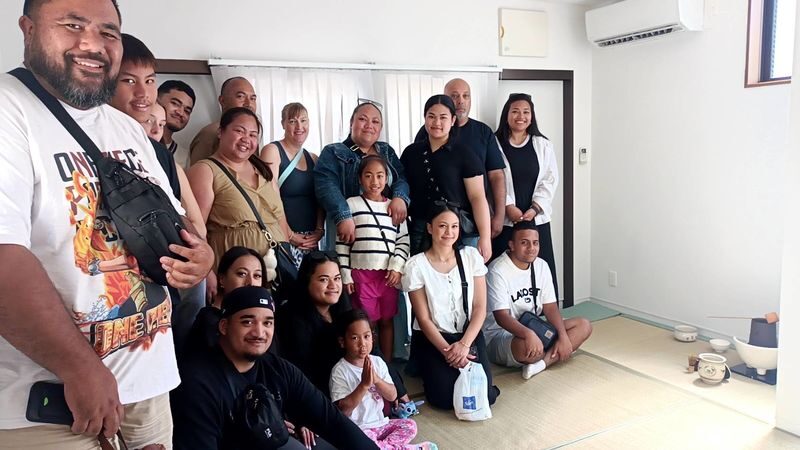
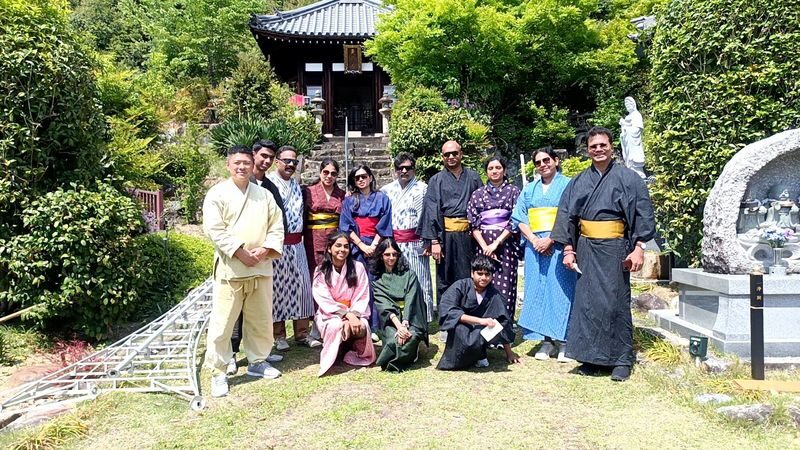
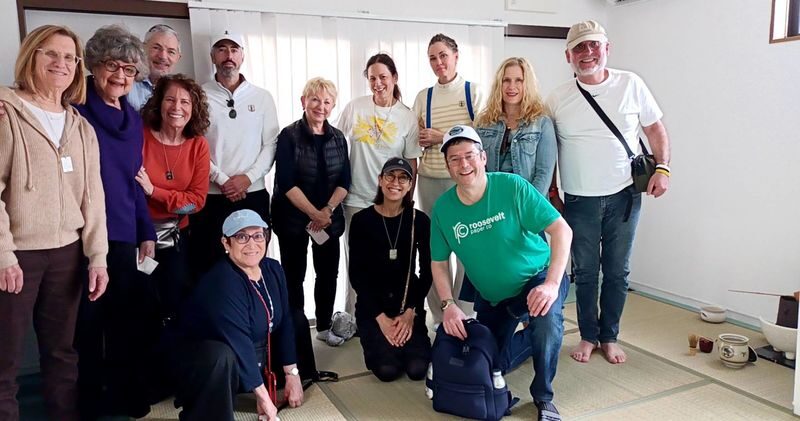
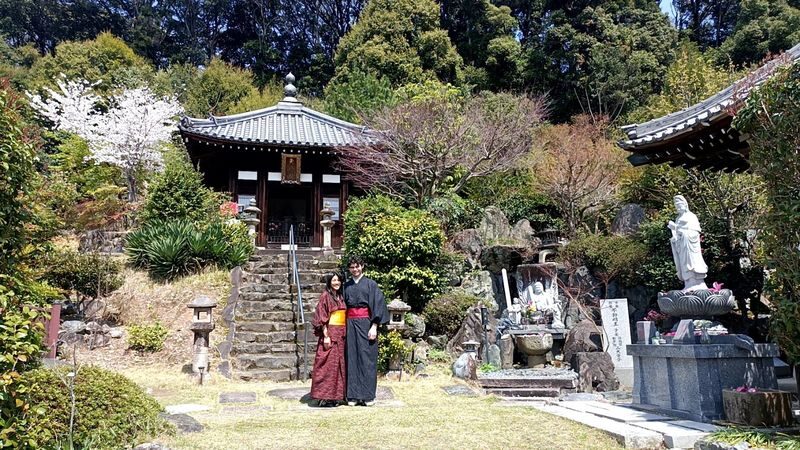
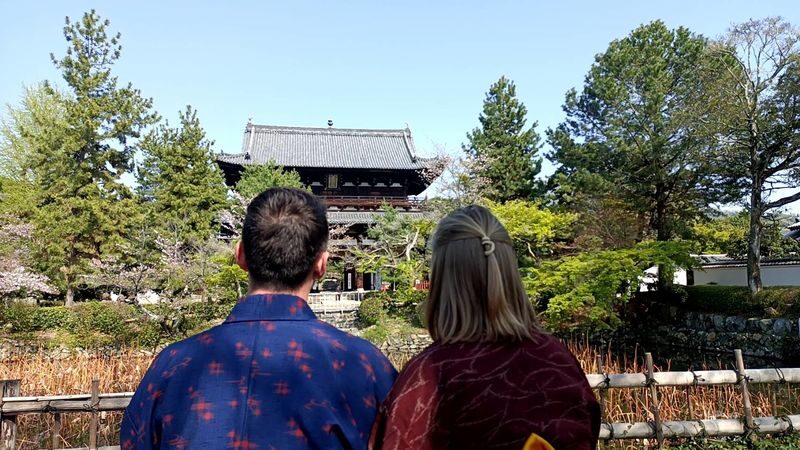
- Uji matcha, taught step by step: Learn the basic ceremony, how to prepare and drink tea, and the courtesies around it.
- A working tea master leads the class: The instructor teaches Japanese culture regularly. Some class descriptions and visitor accounts name the teacher as Sousei, but the instructor is not guaranteed by name.
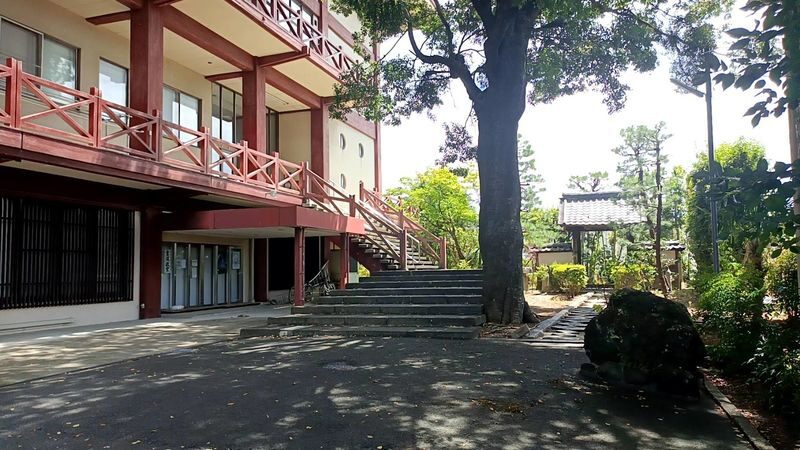
- The room is not a temple: The experience takes place at a tea room or classroom near Obaku, with possible changes to a nearby facility.
- Budget for the required cash fee: Plan on ¥1,000 per person, or ¥2,000 if you are the only participant in that session.
- Kimono is optional: Rental costs ¥4,000 per person and must be requested in advance with your gender, height, size, and preferred color.
- Arrive early and travel light: Meet at the designated parking lot five minutes before your booked time. Late arrivals cannot join, and there is no luggage storage.

👉 See our pick of the The 3 Best Walking Tours In Uji
A tea lesson in Uji, not a temple ceremony
The experience is advertised as being near a famous temple, but it is important to set your expectations correctly: the tea ceremony does not take place inside a temple. You meet at the designated parking lot and are directed to the classroom or tea room. Manpuku-ji is a nearby landmark, but entry to temple grounds is not part of the class unless the organizer specifically takes you there.
That distinction matters. The appeal here is the instruction, not an ornate temple setting or a guided tour of religious buildings. The room is described as an authentic tea room produced by a tea master, though the exact venue can change because of facility availability or other circumstances. Some participants have found the setting modest or difficult to locate, so this is not the best choice if your main goal is a grand room for photographs.
The location is in Uji, near JR Obaku Station and Keihan Obaku Station, both described as within walking distance. The meeting point is given as a Zen dojo and the classroom address as Japanese Culture Precious Wood Uji Classroom. Because the information also notes that the venue may move to a nearby room, confirm the precise meeting instructions for your booking rather than assuming the temple itself is the meeting point.
You can also read our reviews of more tours and experiences in Uji.


What happens during the one-hour class
The basic plan is simple: meet, take part in a one-hour tea ceremony experience, and finish at the classroom. Transport and a tour guide are not included, so you make your own way to Obaku. The short duration suits a day with other plans, but the trip is worthwhile only if you are genuinely interested in learning about tea ceremony.
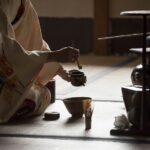
The lesson focuses on the ceremony itself. You can expect the instructor to explain the sequence, the handling of tea and utensils, and the respectful manners involved. The teaching may also cover the history and values associated with the practice. The emphasis is on understanding how to participate, not just watching someone make matcha.
The sweets are part of the experience, too. You are shown how to enjoy them in relation to the tea, and how to drink the matcha properly. That may sound like a small detail, but it helps make the ceremony legible: the movements and pauses have purpose, and the host explains the courtesies that can otherwise feel mysterious to a first-time visitor.
The class is described as suitable for people who want authentic instruction rather than a casual matcha demonstration. That does not mean you need prior experience. It means the teaching aims to cover correct etiquette and practice, and you should be ready to listen, follow instructions, and ask questions. If you are mainly seeking a quick costume photo or a stop on a temple tour, the organizer says this is not the right activity.
The instructor and the value of explanation
The tea master is described as a professional who teaches regularly and has experience introducing Japanese culture in classrooms, schools, companies, hotels, and community settings. The school also cites work with international groups and Japanese institutions. Those credentials suggest a class built around instruction, rather than a host simply serving a bowl of tea.
Several accounts of the experience describe detailed explanations of ceremony etiquette, tea history, and the ideas behind the ritual. One named teacher, Sousei, is singled out in some accounts for explaining the process and its cultural background. Since the instructor is not explicitly guaranteed for every session, treat the name as a possibility, not a promise.
English-speaking staff are included, but the depth and ease of English explanation can vary. If you value detailed discussion, go with questions in mind and allow time for the instructor to explain. The one-hour format puts a limit on how much history or theory can fit in, especially with a large group.
Group size is listed as two to 100. That range deserves attention. A small class can allow more questions and personal guidance; a session with many participants may feel more like a group demonstration. If intimate instruction is important to you, ask the organizer about the expected group size before booking. Do not assume the school’s reputation or professional credentials guarantee a private lesson.
Uji’s tea connection, and what you will not see
Uji is one of Japan’s best-known matcha-producing areas, making it a fitting place to learn about tea. The setting gives the lesson a local connection, but this is not a tea-farm visit, production tour, or half-day walk through Uji. The activity is centered on the classroom and the ceremony.
Some participants have paired the class with a visit to a nearby temple afterward, and the location makes that a reasonable idea if you have time. But temple visits are not guaranteed parts of the activity. Weather, the schedule, and the exact facility can affect what you can do nearby, so plan any sightseeing separately.
The organizer stresses good local manners. Wait at the specified meeting point, do not ring the doorbells of nearby homes, and do not enter temple grounds without permission. These requests are worth taking seriously: this is a residential area, and the class is not permission to wander through adjacent property.
Price, required fees, and the kimono option
The listed starting price is $22.75 for the one-hour experience. On its own, that sounds like a modest way to learn a traditional practice from a professional instructor. But it is not the full cost. You must pay a facility usage fee in cash at the venue: ¥1,000 per person in the usual case, rising to ¥2,000 if only one participant attends that time slot.
That additional charge changes the value calculation. Before booking, compare the total outlay with what you want from the session. If you want careful instruction, a chance to prepare and drink matcha, and context about ceremony etiquette, the combined price may make sense. If you mainly want a scenic room, elaborate meal, or temple access, this class does not promise those things.
Kimono rental is an optional extra at ¥4,000 per person. You must request it in advance and provide your gender, height, size, and preferred color. The organizer says it cannot fulfill the request without those details. A kimono can add to the traditional feel, but it is not included in the base price, and the fit and style are not guaranteed to match your expectations.
Photography is secondary to the lesson. The stated focus is tea ceremony, and photography is allowed only for those who wish to take photos after the experience. If a photo session is your main reason for booking, choose another activity.


Timing, directions, and small practical details
Available departure times are listed as 09:00, 10:30, 13:00, 14:30, 16:00, and 18:00, though available options depend on the selected booking. Check your confirmed time carefully: dates and times may change because of room availability, participant numbers, or other circumstances. The venue may also be changed to a nearby tea room.
Arrive five minutes early at the parking lot meeting point. The organizer states that late arrivals cannot participate, and latecomers or no-shows are not refunded. This is a firm rule, so allow extra time to find the location. The area has been difficult for some people to locate, and the meeting point may not look like a conventional visitor attraction. Follow the instructions you receive rather than heading to the temple entrance.
Bring socks and cash for the facility fee. Large bags and luggage cannot be stored at the venue, so leave them at your accommodation or in your vehicle. Outside food and drinks and pets are not allowed. Children must be at least three years old to take part; children aged zero to two are free.
Bookings can be made for the following day, subject to availability, and confirmation is described as near-instant. You can cancel for a full refund at least 24 hours before the activity, using destination local time. Changes are generally allowed up to 24 hours before the start, with some booking types excluded. If severe weather or another unforeseen event leads the operator to cancel, you can reschedule or request a full refund.
Who will appreciate this experience most?
This class suits you if you want to understand the ceremony rather than merely see matcha whisked. The strongest reasons to go are the step-by-step teaching, the opportunity to ask questions, and the explanation of etiquette, sweets, tea preparation, and cultural meaning. It is also a good fit for a visitor already heading to Uji who wants a structured cultural activity.
It is less suitable if your Kyoto schedule is packed and you are staying far from Obaku. The class lasts an hour, but travel to and from the meeting point takes additional time. It is also not ideal if you need a predictable temple setting, want guaranteed private instruction, or cannot tolerate a strict start time.
Expectations matter here. The activity’s strengths are its instructor-led teaching and traditional subject. Its weaker points are the extra room fee, the possibility of a changed venue or time, and the variable atmosphere of a facility that may be small and plain. A traditional art does not require a grand interior, but the room and organization may not match the image some people bring with them.
Should you book the Uji tea ceremony?
Book it if learning the manners and meaning of tea ceremony is your priority, and you are comfortable with a practical classroom setting, an extra cash fee, and a strict arrival rule. If possible, ask about the session’s expected group size and confirm the exact meeting location and time before you travel.
Skip it if you mainly want temple access, a photogenic room, or a casual matcha tasting with no added costs. For the right person, this is a compact introduction to a practice that rewards attention. For everyone else, the journey to Obaku may be more effort than the hour-long class is worth.
An authentic tea ceremony experience by a famous tea master near a famous temple in Kyoto
“This experience felt very authentic and zen. It was a great introduction to the world of traditional tea ceremonies.”
FAQ
Where does the tea ceremony take place?
It takes place at Japanese Culture Precious Wood Uji Classroom or a nearby tea room if facility circumstances require a change. It is not held inside a temple.
How long does the experience last?
The tea ceremony experience lasts one hour. Transport to and from the meeting place is not included.
How much does the experience cost?
The price starts at $22.75. A separate facility usage fee of ¥1,000 per person is payable in cash at the venue. If only one participant attends that session, the fee is ¥2,000.
Is the facility fee included in the booking price?
No. The facility fee is separate and must be paid in cash at the venue.
Is kimono rental available?
Yes. Kimono rental is an optional extra costing ¥4,000 per person. You must apply in advance and provide your gender, height, size, and preferred color.
What should I bring?
Bring socks and cash for the facility usage fee. There is no luggage storage, so leave large bags at your accommodation or in your vehicle.
How early should I arrive?
Arrive at the designated parking lot five minutes before the selected departure time. Late arrivals cannot participate and are not refunded.
How do I get to the classroom?
The classroom is within walking distance of JR Obaku Station or Keihan Obaku Station. Check your confirmation for the exact meeting point and current venue details.
Can children join?
Participants must be at least three years old. Children aged zero to two can attend free of charge.
Can I take photos during the ceremony?
The activity focuses on the tea ceremony, not photography. Photography is allowed for those who wish after the experience.