Uji’s appeal comes into focus on foot: an old bridge over the river, islands framed by mountain views, and a tea ceremony in the town known as the birthplace of Japanese tea. This half-day tour links those sights with Byodo-in Temple, whose Phoenix Hall appears on Japan’s 10-yen coin.
I like that the train ride from Kyoto is short and included, so you can spend the morning in Uji without arranging the route yourself. I also like the mix of river scenery, a historic temple and hands-on tea culture, guided by a National Government Licensed English Guide Interpreter.
The trade-off is a brisk schedule: the walk includes stairs, and the tea ceremony and temple visits each have a set time. Commentary may also be limited inside quiet spaces, so this suits you best if you are happy to ask questions outside and keep moving.
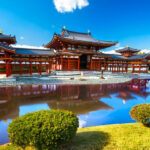
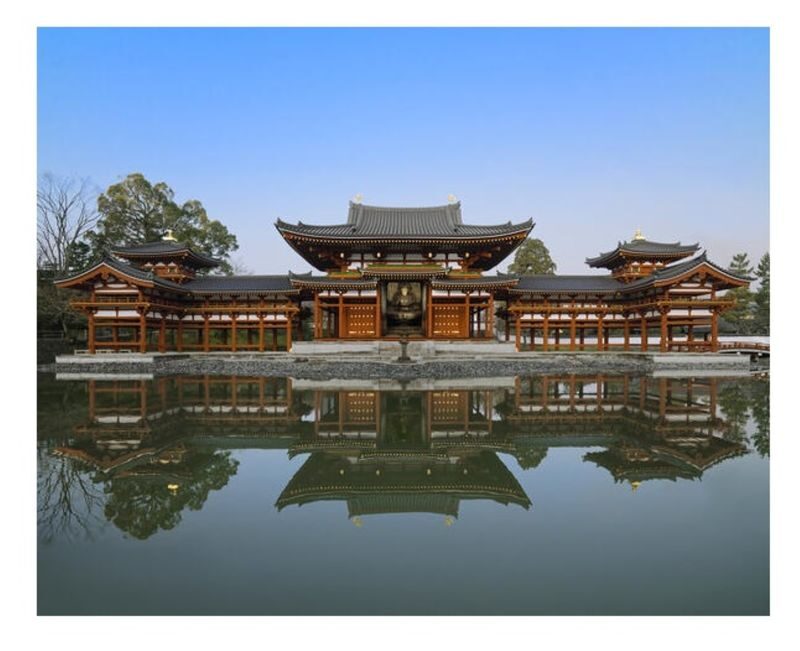
- The Phoenix Hall is a familiar sight in person: Byodo-in’s Heian-era temple and garden are the tour’s main historic stop.
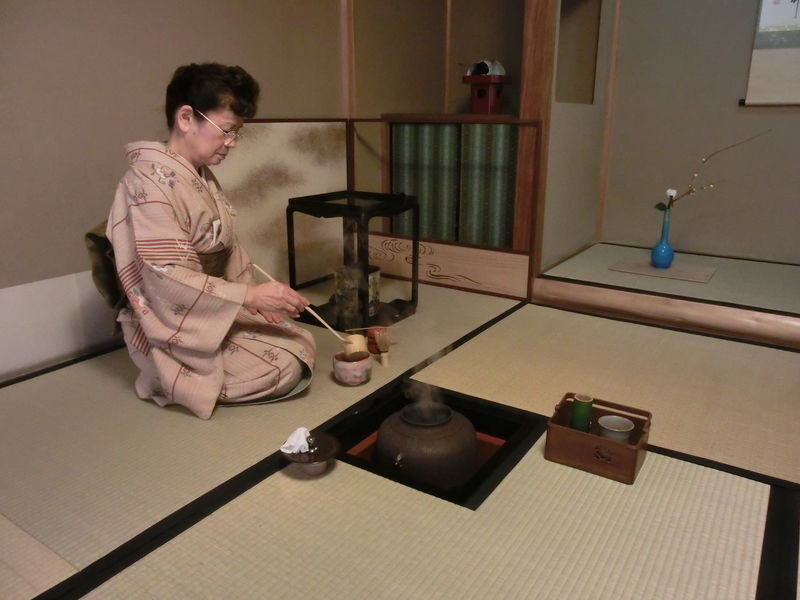
- The tea ceremony is part of the visit: At Taihoan, you’ll learn about preparing matcha or sencha, with the tea style set by the day.
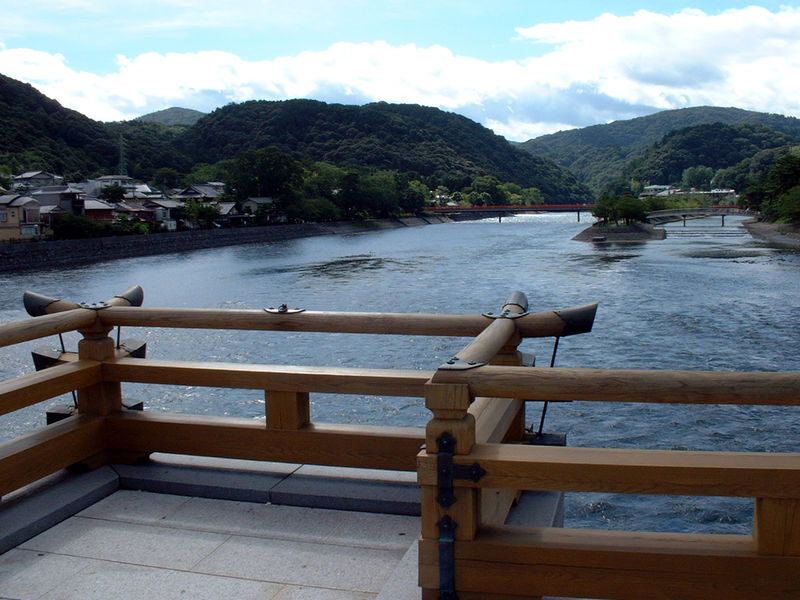
- Uji Bridge has a special viewing spot: Look for the small projection known as san-no-ma, which offers a distinctive view from the bridge.
- The route is a walking tour, not a bus tour: Expect several short walks, stairs and JR trains with non-reserved seats.
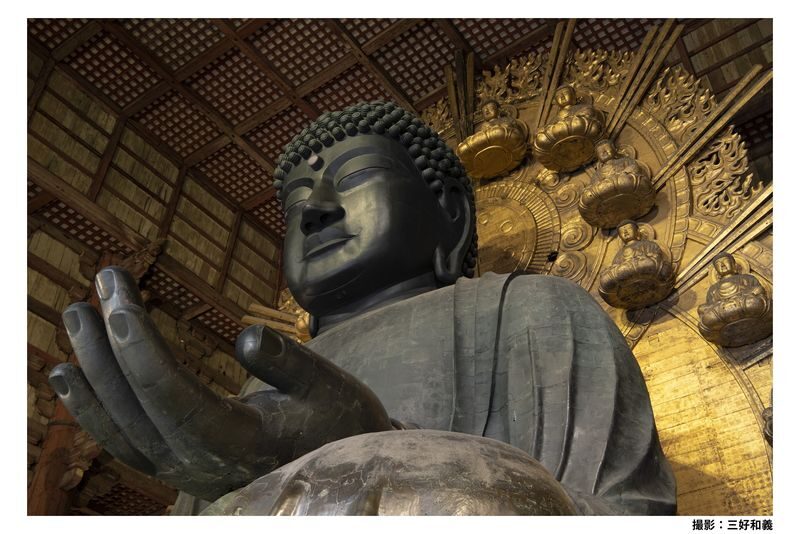
- You can extend the day toward Nara: A separate one-day option adds afternoon visits to Kasuga Taisha Shrine, Todai-ji Temple and Nara Park.
- From Kyoto Station to Uji Bridge
- River views at Nakanoshima Park
- Learning tea at Taihoan
- Byodo-in and the Phoenix Hall
- A morning with a firm pace
- Is the price good value?
- Who should book this Uji walk?
- FAQ
- How long is the Uji walking tour?
- Where does the tour meet?
- Is train travel included?
- Which tea will I have at Taihoan?
- Is entry to the Phoenix Hall guaranteed?
- Can children join the tour?
- The Best Of Uji!
- More Walking Tours in Uji
- More Tours in Uji
- More Tour Reviews in Uji
From Kyoto Station to Uji Bridge
The tour meets at 8:20 a.m. at Kyoto Avanti, directly across from the Hachijo Exit of Kyoto Station. Be there ten minutes early. After meeting your guide, you walk to the station and take a JR rapid or local train to Uji. The journey takes about 20 minutes, and the fare and round-trip train transfers are included.
The trains use non-reserved seating, so a seat is not guaranteed. That is worth keeping in mind if you are traveling with young children or need to sit for the ride. It is also a practical reason to arrive on time: latecomers and no-shows cannot receive a refund.
From Uji Station, it is about a ten-minute walk to Uji Bridge. The bridge dates to the seventh century, making it one of Japan’s oldest, and its position across the Uji River makes it a natural place to start understanding the town’s geography. Your guide leads a short stop of about five minutes.
Look for san-no-ma, the small projection on one side of the bridge. It is a useful detail to know before you arrive, since the stop is brief and the feature is easy to miss if you are simply crossing. The river and surrounding mountains make this a scenic introduction, though the short visit is more about taking in the view than lingering.

👉 See our pick of the The 3 Best Walking Tours In Uji
River views at Nakanoshima Park
A short walk brings you to Nakanoshima Park, a pair of islands in the Uji River called To-no-shima and Tachibana-shima. Together they are known as Naka-no-shima, or Middle Island. The planned stop is about ten minutes, with panoramic views toward the mountains.
This is the tour’s quiet pause between the bridge and the tea ceremony. You get a sense of how the river shapes the town, and the islands make the scenery feel different from a temple garden or city street. Still, do not expect a long park visit. The stop is brief, and high water in the river can prevent the group from going there at all.
The walk between sights is part of the experience, but it also sets the pace. This is not a vehicle-based sightseeing tour with short strolls from a bus. Wear comfortable walking shoes and be ready for stairs and steady movement through the morning.
You can also read our reviews of more walking tours in Uji


Learning tea at Taihoan
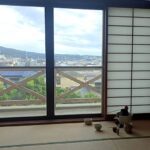
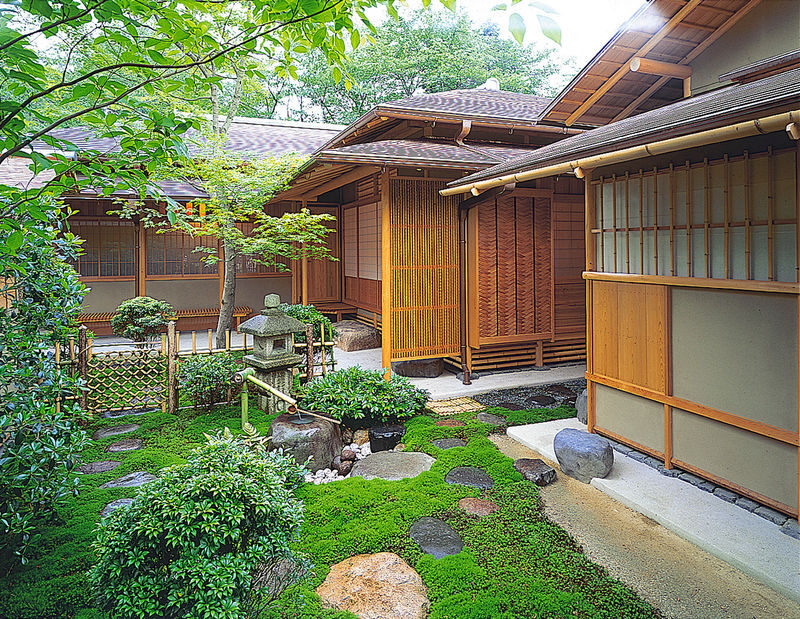
At Taihoan, you spend about 20 minutes on a traditional tea ceremony in Uji, a town closely associated with Japanese tea. Rather than only hearing about tea production, you get a chance to learn about preparing and serving matcha or sencha in a tea-room setting.
The kind of ceremony can vary by day, and you cannot choose between matcha and sencha in advance. The session may also take place with other customers. That makes this a cultural introduction rather than a private lesson, but it gives you a direct look at a practice central to Uji’s identity.
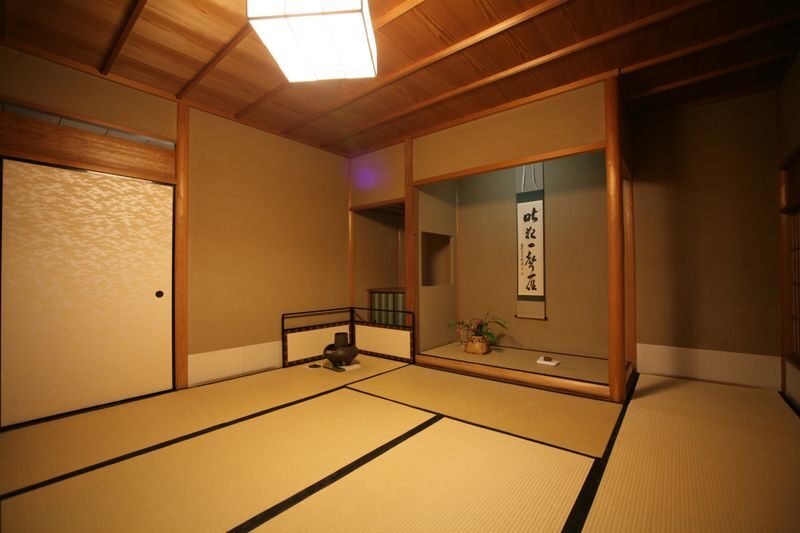
The room has tatami flooring, so wear socks. Video recording is not allowed inside the tea room. If you want to ask questions, you may find the walk between stops or time outside the room more suitable than speaking during the ceremony itself.
This is one of the most distinctive parts of the morning, but it is short. If you are hoping for a long tea class or a detailed study of tea preparation, the 20-minute stop may feel brief. If you want an accessible first taste of tea ceremony folded into a wider visit to Uji, it fits the tour well.
Byodo-in and the Phoenix Hall
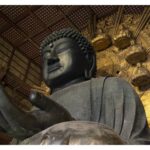
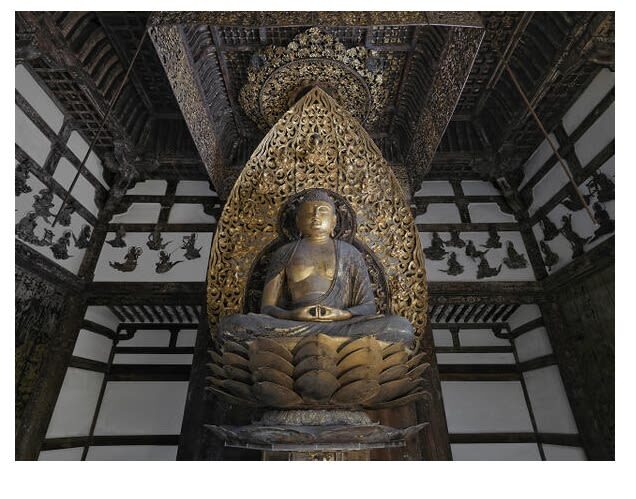
The longest stop is Byodo-in, with about 50 minutes for a guided visit. The temple dates to the Heian period and is a UNESCO World Heritage site included among the Historic Monuments of Ancient Kyoto. Its garden and Buddha statue offer more than a quick photo stop, while the Phoenix Hall is the detail many people recognize from the 10-yen coin.
The coin connection makes the visit especially rewarding: you can compare a familiar piece of Japanese currency with the building itself. The temple is also a fitting counterpart to the tea ceremony. One gives you a glimpse of Uji’s religious and architectural heritage; the other brings you closer to its tea culture.
There is an important caveat. When the site is congested, the tour may not be able to enter the Phoenix Hall. If that happens, 300 yen is refunded at the location. The temple and garden remain part of the visit, but if entering the hall is your main reason for booking, understand that access is not guaranteed.
The guide’s role matters here. This tour provides a National Government Licensed English Guide Interpreter, and the format is designed to explain the places as you go. Still, commentary can be constrained inside quiet areas. Some visitors may find the guide more effective at managing the group and train connections than at giving background at every stop. If history is a priority for you, ask questions when you are outside and able to talk comfortably.
A morning with a firm pace
The full tour runs roughly from 8:20 a.m. to 12:10 p.m., with arrival back at Kyoto Station listed between 12:10 and 12:30. In practical terms, you have a compact morning that covers the main Uji sights without using a full day.
The route uses public trains and walking rather than a tour bus. From Uji Station, the group walks about ten minutes to the bridge, then makes several short walks between the bridge, park, tea room and temple. The timing can change with conditions and congestion, so treat the schedule as a guide rather than a promise of exact arrival times.
Admission to the attractions, the English-speaking guide and round-trip transfers are included. Meals, drinks and personal expenses are not. There is no listed meal stop, so have breakfast before meeting or plan to eat after the tour. The return is to Kyoto Station, where you make your own arrangements for the rest of the day.
The walking requirement deserves a little thought. The operator describes the route as involving considerable walking and stairs, and recommends shoes that are easy to walk in. It is not a good match if you want a mostly seated outing or need guaranteed train seats.
Is the price good value?
The half-day tour starts at $88.29. That is a fair price if you value having the rail transfers, attraction admission and an English-speaking guide bundled into a four-hour visit. You also avoid piecing together the sequence of Uji stops yourself, which can be helpful on a short trip when you would rather spend time at the sights than work out the route.
Value depends on what you want from the tea ceremony and temple visit. The tea session is brief, and Byodo-in access to the Phoenix Hall can be affected by congestion. If you expect a long lesson or guaranteed entry to every interior, the price may feel less compelling. If you want a guided overview of Uji’s key cultural stops, the combination is more persuasive.
A one-day Kyoto Uji Walking and Nara option starts at $116.69, a difference of $28.40 from the half-day price. It adds an afternoon in Nara, including Kasuga Taisha Shrine, Todai-ji Temple and Nara Park. That may be good value if you are keen to fit both destinations into one day, but it also makes for a longer cultural outing. Choose the half-day version if you would rather leave the afternoon open or explore at your own pace.
The overall guide experience can shape how much you get from the tour. A friendly, efficient guide can make the train transfers and group movement easier, and the guide’s English is intended for interpretation. But the quality of the commentary may feel uneven if you expect a full history lesson at every stop. Treat the guide as a useful interpreter and route leader, and take the chance to ask questions during outdoor portions.


Who should book this Uji walk?
I would choose this tour if you are staying in Kyoto, want a structured introduction to Uji and like having rail travel and admission arranged together. The blend of river scenery, a real tea ceremony and a major temple gives the morning more variety than a temple-only visit.
It is especially suited to first-time visitors who want context without committing a full day. The tour also works well if Uji’s tea culture interests you, but you would prefer a guided experience over planning each stop independently.
It is less suited to anyone who wants a slow pace, a lengthy tea lesson, guaranteed seating on trains or guaranteed entry into the Phoenix Hall. Those details are not guaranteed, and the schedule moves along. Families should note that children up to age five can join free but do not receive the tea ceremony unless booked at the child rate; children aged 12 and older pay the adult rate. Anyone under 18 needs written parental permission, and participants under 15 or not yet in middle school must be accompanied by a parent or guardian.
Kyoto Uji Half Day Walking Tour with Tea Ceremony Experience
“excellent,Knowledgeable & friendly guide”
FAQ
How long is the Uji walking tour?
The tour takes about four hours. It departs at 8:20 a.m. and is expected to return to Kyoto Station between 12:10 and 12:30 p.m.
Where does the tour meet?
Meet at Kyoto Avanti, B1F, across from the Hachijo Exit of Kyoto Station. Arrive ten minutes before the 8:20 a.m. departure.
Is train travel included?
Yes. Round-trip transfers between Kyoto and Uji are included. The group uses JR rapid or local trains with non-reserved seats, so seating is not guaranteed.
Which tea will I have at Taihoan?
The ceremony may feature matcha or sencha, depending on the day. You cannot select the tea style in advance, and the session may be held with other customers.
Is entry to the Phoenix Hall guaranteed?
No. Congestion may prevent the group from entering the Phoenix Hall. If that happens, 300 yen is refunded at the location.
Can children join the tour?
Children up to age five may join free but are not provided with the tea ceremony unless booked at the child rate. Children aged 12 and older pay the adult rate. Participants under 18 need written parental permission, and anyone under 15 or not yet enrolled in middle school must be accompanied by a parent or guardian.