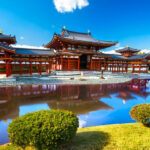
Uji’s Phoenix Hall appears on Japan’s 10-yen coin, while Fushimi Inari’s red torii gates climb into the hills and Katsuo-ji fills its temple grounds with Daruma dolls. This day tour links three very different places by bus, so you can spend your energy exploring rather than sorting out connections.
I like two things in particular: the mix of temple visits and Uji’s matcha food streets, and the freedom to wander on your own once you arrive. Guides including Zoey, Lai and Nimo have been praised for helpful site introductions, restaurant suggestions and clear reminders about meeting times.
The trade-off is a long day with fixed stop lengths. You get about 1 hour 40 minutes at Katsuo-ji, two hours in Uji and 90 minutes at Fushimi Inari, so this suits a sampler more than a slow, thorough visit. Also, Byodoin admission is not listed among the included costs.
A few useful things to know
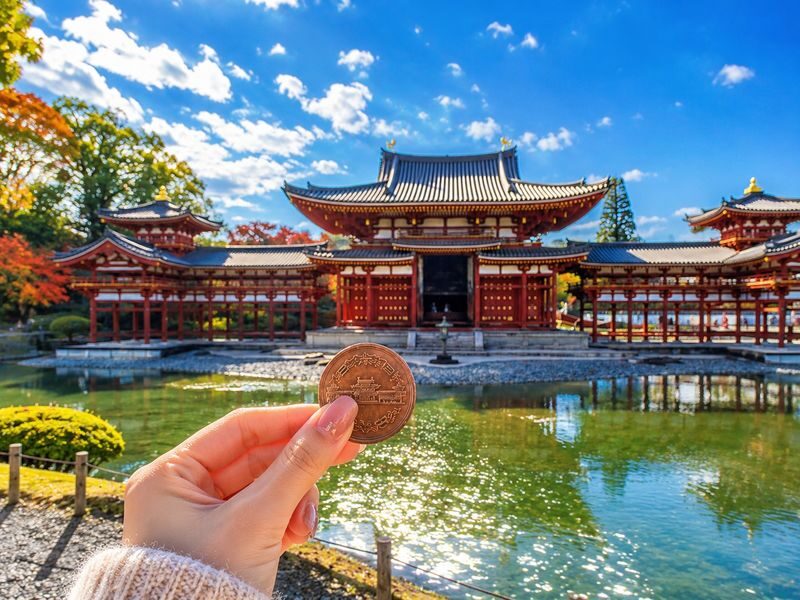
- Byodoin’s Phoenix Hall is the temple image on Japan’s 10-yen coin. Bring one for the classic comparison photo, and budget separately for admission.
- Uji gets two hours, enough for a temple visit, a matcha drink and a taste of local sweets, but not a leisurely tour of every lane.
- Katsuo-ji includes its admission fee, and its scattered Daruma dolls and six-station color stamp activity give you something more engaging than a quick photo stop.
- Fushimi Inari gets 90 minutes, enough to walk through part of the Senbon Torii and reach the Okusha Hohaisho, but not to hike the entire mountain route at an unhurried pace.
- Bus travel saves the transfer work, though the shared pickup plan can involve collecting people at more than one departure point.
- The schedule is firm. Arrive 15 minutes early, check your final meeting instructions the night before, and leave your evening free in case traffic delays the return.

👉 See our pick of the The 3 Best Walking Tours In Uji
- A few useful things to know
- One day, three very different sides of Kyoto and Osaka
- Katsuo-ji: Daruma dolls, wishes and a temple walk
- Uji: a temple landmark and a town made for tea
- Fushimi Inari: choose your torii-gate walk
- The bus makes the route easier, with a shared-tour catch
- What the guide adds, and what remains your own job
- Is the price good value?
- Who should book this day tour?
- FAQ
- How long is the tour?
- Which places are included?
- How much time do I get at each stop?
- Is admission to Byodoin Temple included?
- Are meals and drinks included?
- Where does the tour depart from?
- Where does the tour return?
- What languages are guaranteed?
- Can a child under three join for free?
- What happens if I arrive late or miss the tour?
- The Best Of Uji!
- More Tours in Uji
- More Tour Reviews in Uji
One day, three very different sides of Kyoto and Osaka
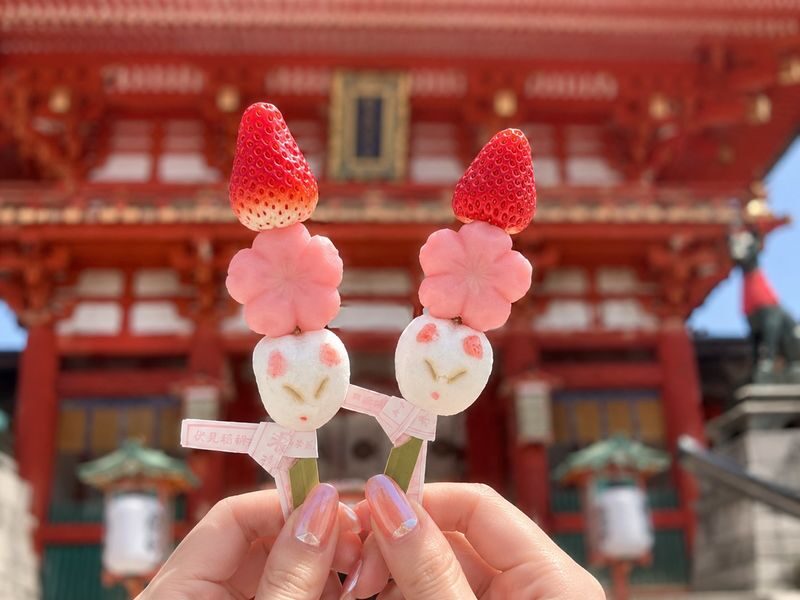
This tour’s appeal is its variety. Katsuo-ji is a hillside temple associated with victory and perseverance; Uji is a tea town shaped by the Uji River; Fushimi Inari is a major shrine known for its long corridors of vermilion gates. You get a taste of each in one day, without having to plot rail and bus connections.
The pace, though, is the price of that convenience. You will have set windows at each stop, and the day can feel quick if you like reading every sign, visiting every hall or lingering over lunch. Treat it as an efficient introduction, not a deep exploration of all three places.
The tour is advertised from $44.85, a low starting price for a 10-hour outing with round-trip bus transport, tolls, parking, fuel and Katsuo-ji admission included. Meals, drinks, personal purchases and Byodoin’s entry fee are extra. The real value is not just the bus fare: it is being spared the logistics of connecting these sites in a single day.
You can also read our reviews of more tours and experiences in Uji.


Katsuo-ji: Daruma dolls, wishes and a temple walk
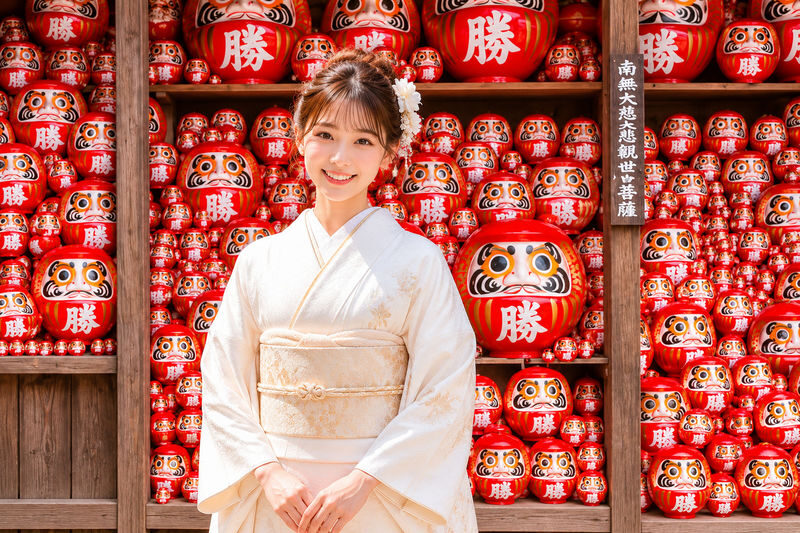
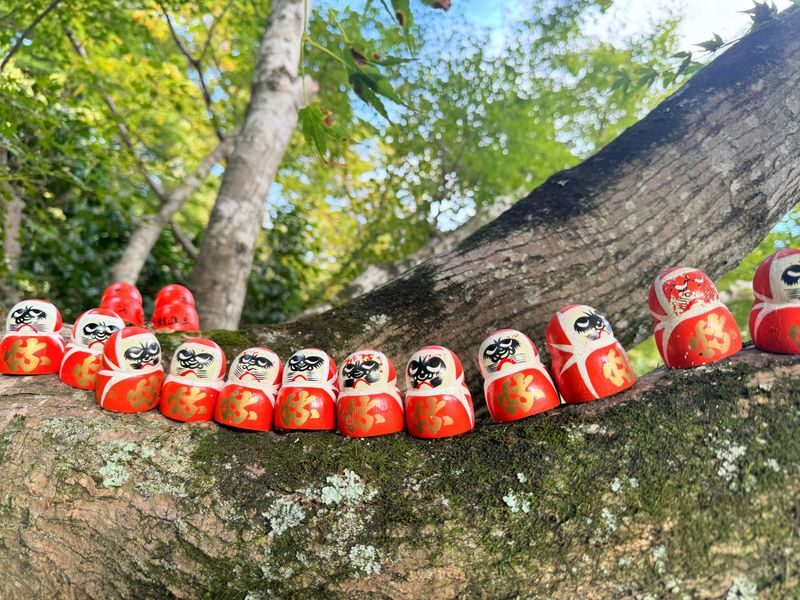
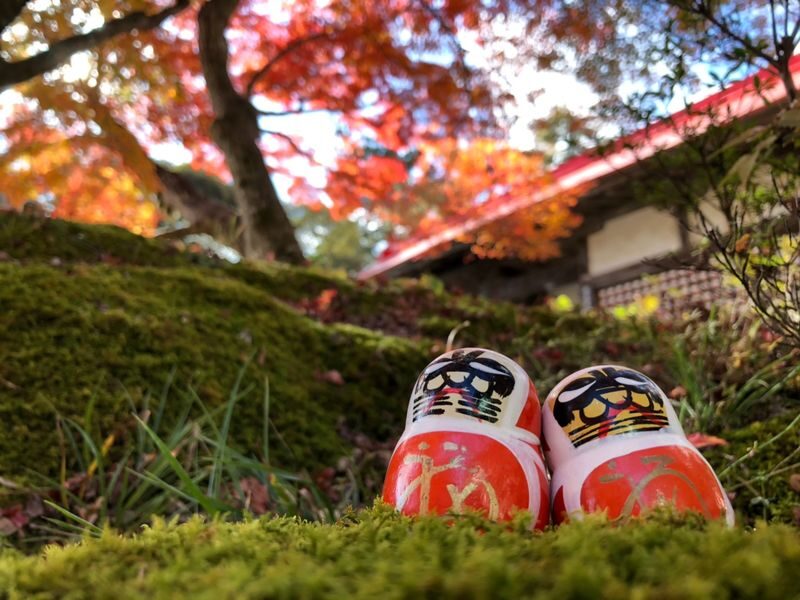
Katsuo-ji gets the first major stop, with about 1 hour 40 minutes to explore independently. The temple is known for Daruma, the round, red figures associated here with perseverance and good fortune. They appear in different sizes and expressions across the grounds, turning a visit into a sort of visual scavenger hunt.
One activity to look for is the layered-color stamp postcard. Six stamp stations are placed around the temple, and you collect them in sequence. Each added color helps reveal a seasonal Daruma scene, with cherry blossoms, green summer growth, autumn leaves or winter snow depending on the time of year. It gives the visit a small goal and a satisfying finish, though the activity depends on seasonal conditions.
The admission fee is included, which makes this stop especially straightforward. You can focus on the temple rather than a ticket queue, then use the time to walk, take photos and find the stamps. The grounds are outdoors, so rain or heat can change how comfortable the visit feels. Bring a compact umbrella or sun protection suited to the forecast.
Katsuo-ji is also a good place to slow your pace after the bus ride. Still, 100 minutes is not an unlimited visit. If you want to complete the stamp activity, take photos and see the grounds, keep an eye on the time your guide gives you. The bus will not wait for late arrivals.
Uji: a temple landmark and a town made for tea
Uji has about two hours, and the best plan is to choose your priorities before you start. The town is closely tied to Japanese tea, especially matcha, and its streets offer chances to try matcha or hojicha drinks, ice cream, daifuku, warabi mochi and tea soba. You pay for your own food, so you can make this a quick snack stop or a small lunch.
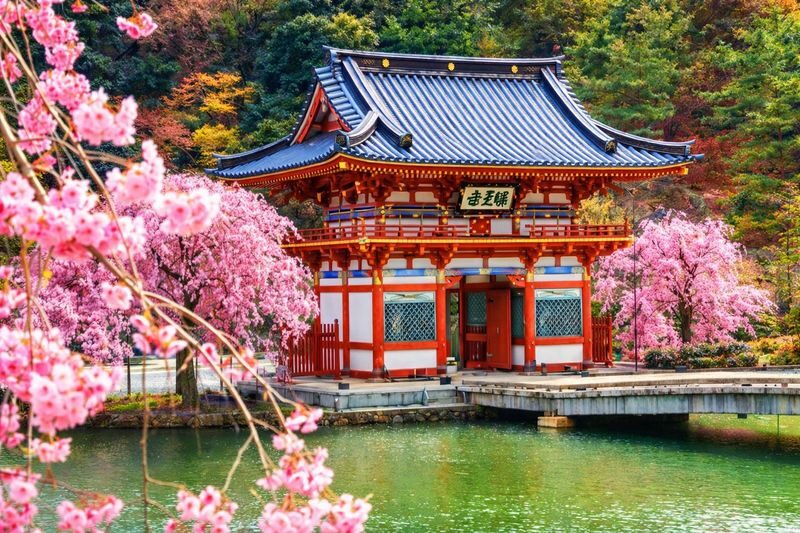
The headline sight is Byodoin Temple, a World Heritage site whose Phoenix Hall is pictured on the 10-yen coin. The hall dates to 1052, and its reflection in the pond is part of what makes the setting memorable. A 10-yen coin makes a handy scale reference for a photo, but do not mistake the coin image for admission: the temple entrance fee is not included in the tour’s stated inclusions.
Uji is also associated with the Uji River and Uji Shrine, both named among the places connected with the activity. The two-hour stop does not specify how much time is set aside for each, so you may need to choose between a longer temple visit, browsing tea shops or fitting in a riverside walk. Ask your guide for a practical route and food suggestions when you arrive.
That advice can make a real difference in a short stop. Guides have been praised for pointing people toward restaurants and helping them understand what to order, which is useful when you do not want to spend half your Uji time comparing menus. Nimo, Lai and Zoey are among the guides praised for clear explanations and recommendations, but staff assignments change, and a particular guide is not guaranteed.
A word for matcha purists: the town is the place to sample tea in different forms, but this is not a formal tea ceremony. You will have time for a drink or sweet and a look around, not a guided tasting session.
Fushimi Inari: choose your torii-gate walk
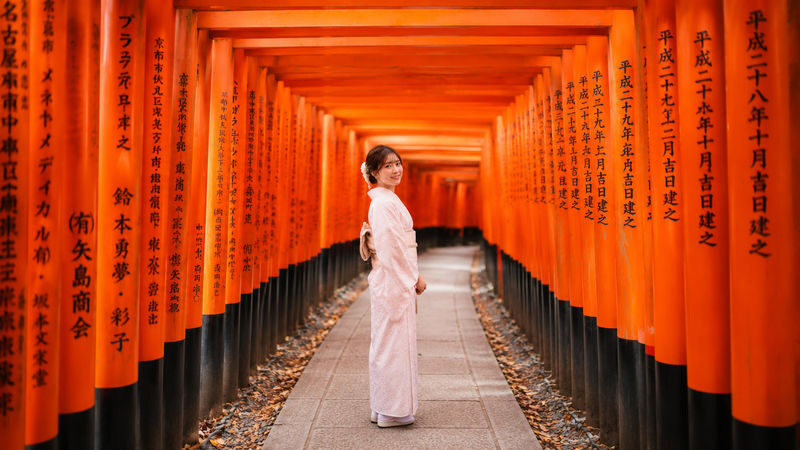
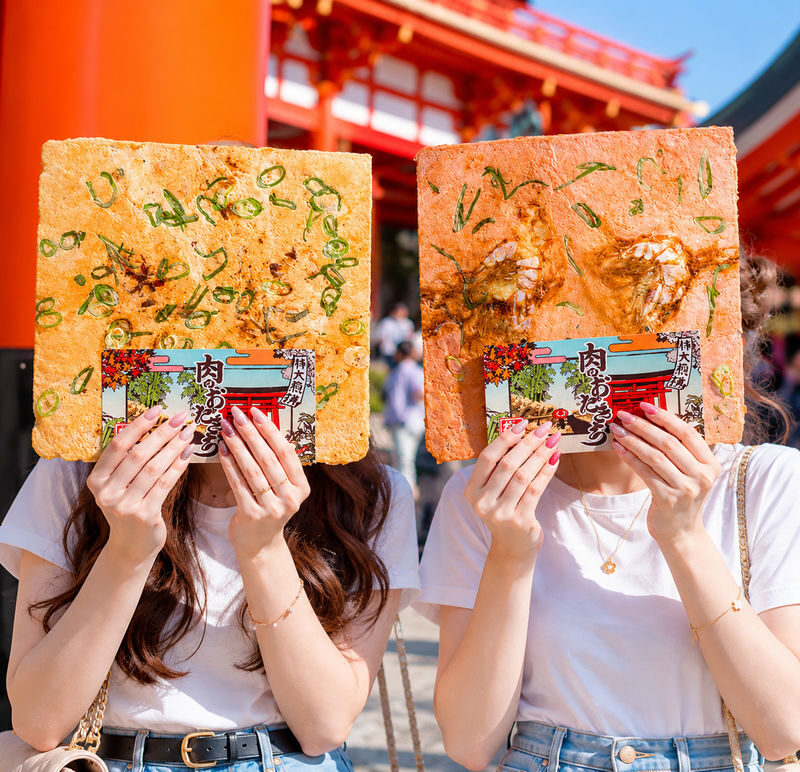
The final major stop gives you about 90 minutes at Fushimi Inari Taisha. The shrine is famous for its Senbon Torii, the striking rows of vermilion gates that lead up the mountain. You can walk through the gates, take in the changing atmosphere along the path and visit the Okusha Hohaisho, where fox ema and the Omokaru-ishi stone are among the listed things to see.
The main practical decision is how far to walk. Ninety minutes is enough for a meaningful visit to the lower shrine area and a stretch through the torii tunnels, but it is a short window if you want to climb much farther up the mountain. Set a turnaround time before you get absorbed in the gates, and leave room to return to the bus meeting point.
Crowds can affect how quickly you move through popular sections, while weather can make the walk less pleasant. The tour may adjust activities or the order of stops for weather and road conditions. Wear shoes suitable for walking and check the forecast before setting out.
Fushimi Inari is a powerful visual contrast with the calmer tea-town feel of Uji. In a single day, you move from temple gardens and Daruma figures to a shrine path that seems to keep unfolding. The short visit is a compromise, but it lets you experience the famous gates without planning a separate trip.
The bus makes the route easier, with a shared-tour catch
The coach is the tour’s practical backbone. Katsuo-ji, Uji and Fushimi Inari are spread across the Osaka and Kyoto area, and doing all three independently in one day means managing several transfers and keeping a close eye on train and bus schedules. A chartered vehicle takes that work off your hands.
This is a shared ride, not a private tour. The group may be small, with a driver-guide for 4 to 13 people, or larger, with a driver and guide for 14 to 45. Vehicle size varies with the number of people booked. At each destination, you explore on your own and return to the vehicle at the agreed time.
One important wrinkle: the pickup plan may include both Osaka and Kyoto departures. Some people have found that collecting passengers in Kyoto before continuing the route added backtracking to an Osaka departure. Confirm your own meeting point and schedule in the final message rather than assuming the bus heads straight to the first attraction.
The provider sends the meeting place, time and guide contact details by email before 9 p.m. Japan time on the day before departure. If you book after 6 p.m., those details may not arrive that same evening. Check your inbox and spam folder, and contact the supplier if the instructions do not arrive.
Be early. The stated advice is to arrive 15 minutes before departure, and late arrivals or no-shows are not refunded. The return is estimated for 5 to 6 p.m. at Kyoto Station’s Hachijo Exit or 6 to 7 p.m. at Kani Doraku Dotonbori East Store. Traffic and weather can shift those times, so do not schedule a tight evening connection or a must-attend dinner.


What the guide adds, and what remains your own job
At each stop, the visit is self-guided, but the guide can help with context, timing and practical choices. The strongest aspect of the service is the repeated praise for warm, attentive guides who explain local history and culture, recommend places to eat and keep the group informed about where and when to meet.
Names praised include Zoey, Lai, Nimo, Akira, Abu, Joe and Xie. That gives you a sense of the kind of service people value, not a promise about who will lead your departure. The group can include people from different language regions, and the operator does not guarantee a specific language on every date, despite English- and Chinese-speaking staff being listed among the inclusions.
You should also be comfortable managing your own sightseeing. The guide’s explanations do not replace a guided walk through every temple or shrine. Listen carefully to the meeting instructions, note the bus location and keep enough time to get back. A little personal timekeeping makes the stops much more relaxing.
Is the price good value?
At a starting price of $44.85, this tour can be a strong deal if the rate is available for your date and you value transport convenience. A full day of bus transfers between three popular sites, plus Katsuo-ji entry, is a lot of ground covered for a modest starting fare.
But the headline price is not the whole day’s cost. You will pay separately for meals and drinks, Byodoin admission and any personal purchases. Add a buffer for matcha snacks and temple spending if you want to enjoy Uji without watching every yen.
The bigger question is how you like to travel. If you prefer someone else to handle the route and you are happy with independent exploring at each stop, the tour offers good practical value. If you want to spend half a day at Byodoin or hike far up Fushimi Inari, the fixed schedule may feel restrictive.
Who should book this day tour?
I would choose it if you have limited time in the Osaka or Kyoto area, want to see these three places in one day and would rather ride between them than build the route yourself. It is also a sensible option for first-time visitors who appreciate a guide’s quick introductions and food tips, then want freedom to explore at their own pace.
Families can join, but children aged three and older pay the adult rate. One child aged zero to two may travel free with each adult, without a seat; the operator must be told in advance, and the child must be held by a guardian. If you need a seat for a young child, book at the adult fare.
Skip it if you need a slow day, dislike fixed departure times or want guaranteed commentary in a particular language. The tour needs at least six participants to operate, and severe weather, traffic or other conditions can alter the schedule. Free cancellation is available up to 24 hours before the activity date, but late arrivals and no-shows are not refundable.
My call: book it as an efficient sampler, not as a complete visit to Uji or Fushimi Inari. Confirm the departure point, keep the evening open, and decide in advance which Uji treats and temple sights matter most to you. That small bit of planning helps you make the most of a day that covers a lot of ground.
Uji Byodoin & Uji Matcha Food Street & Uji River & Uji Park & Fushimi Inari Taisha & Katsuo-ji Daruma Wall Day Tour (Departing from Osaka and Kyoto)
“Zoey very nice and cool tourist guide . she had and extraudinary warm gift at the end of the tour 💓🤩🇯🇵”
FAQ
How long is the tour?
The activity is listed as a 10-hour day tour, with departure from around 7 a.m. and return times estimated between 5 and 7 p.m., depending on your drop-off point and road conditions.
Which places are included?
The day includes Katsuo-ji Temple, Uji, Byodoin Temple and Fushimi Inari Taisha. Uji Shrine is also named among the places connected with the activity.
How much time do I get at each stop?
The planned visits are about 1 hour 40 minutes at Katsuo-ji, two hours in Uji and 1 hour 30 minutes at Fushimi Inari. Timing and stop order can change with traffic, weather and other conditions.
Is admission to Byodoin Temple included?
Byodoin admission is not listed among the included costs. Katsuo-ji Temple admission is included.
Are meals and drinks included?
No. Meals, beverages and personal expenses are excluded, so budget separately for Uji’s matcha drinks, sweets or a meal.
Where does the tour depart from?
The tour is offered with departures associated with Osaka and Kyoto. Your exact meeting place and time are sent by email before 9 p.m. Japan time on the day before departure.
Where does the tour return?
The listed return points are Kyoto Station’s Hachijo Exit Sightseeing Bus Parking Lot, estimated from 5 to 6 p.m., and Kani Doraku Dotonbori East Store, estimated from 6 to 7 p.m. Actual times may change with traffic.
What languages are guaranteed?
English- and Chinese-speaking staff are listed, but the operator says it cannot guarantee a specific language for every departure. The language arrangement depends on the group and the day.
Can a child under three join for free?
One child aged zero to two may join each adult for free without a seat. The supplier must be informed in advance, and the guardian must hold the child throughout the ride. A seat requires booking at the adult fare.
What happens if I arrive late or miss the tour?
The bus departs on time and does not wait for late arrivals. Late arrivals and no-shows are not eligible for a refund, so arrive at the confirmed meeting point 15 minutes early.