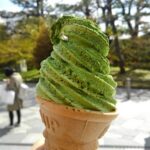
Uji is a good place to talk about tea because matcha is not just a drink here. This three-hour small-group walk puts tea culture at the center, with a tea ceremony and time to learn about the town from a guide.
I like two things in particular: the chance to connect botany with Japanese culture, and the food notes, which include soba at a partner shop as well as dango and matcha. One consideration: the exact route, ceremony format, and what food or tea is included in the price are not specified, so check those details before booking.
- Key points to know before you go
- What three hours in Uji can offer
- A walking tour, not a lecture in a teahouse
- Matcha and the ceremony
- Soba, dango, and the partner shop
- Is 1.85 good value?
- Who should book this Uji walk?
- Booking details to check
- Should you book?
- FAQ
- Where does the tour take place?
- How long is the tour?
- What is the tour about?
- Is this a small-group tour?
- What is the starting price?
- How long does confirmation take?
- Can I cancel for a full refund?
- The Best Of Uji!
- More Tours in Uji
- More Tour Reviews in Uji
Key points to know before you go
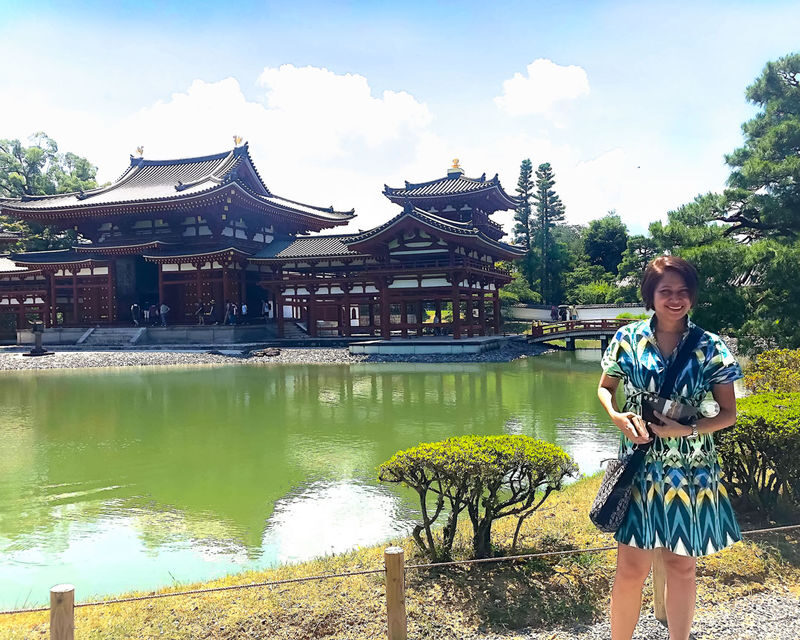
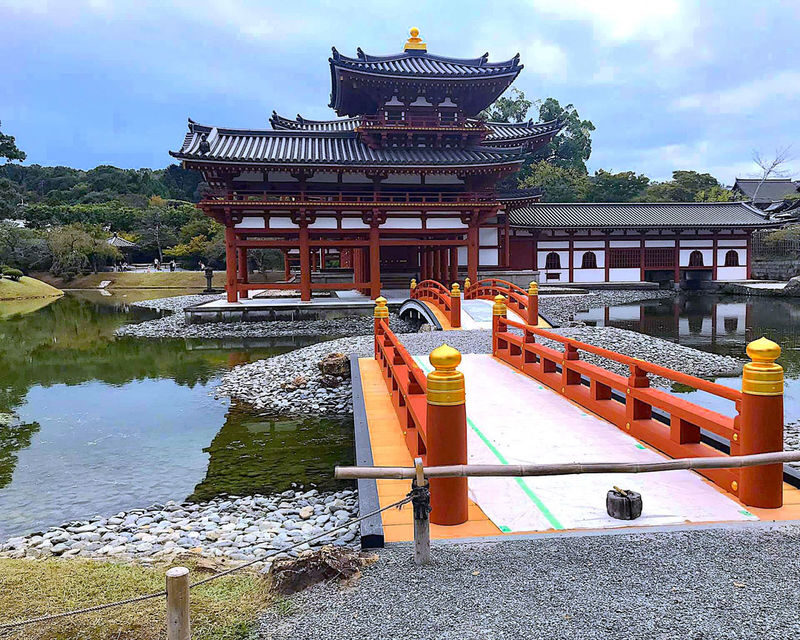
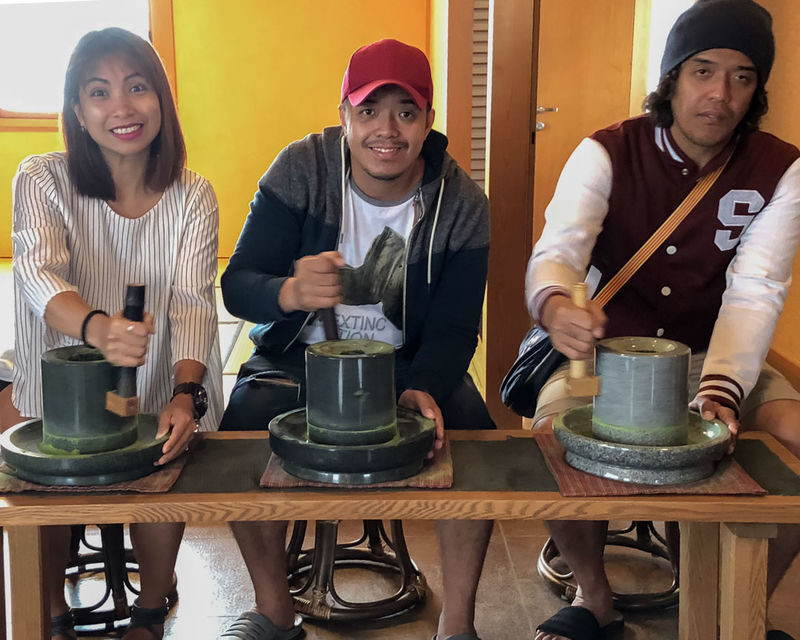
- Three hours on foot: This is a walking tour, not a quick tea tasting or a full-day excursion.
- Uji is the focus: The activity centers on the city and its matcha and tea culture.
- A tea ceremony is part of the theme: The tour name includes a ceremony, though its format and length are not specified.
- Guide J brought botany into the story: A guide identified as J was praised for explaining plant life and Japanese culture while keeping a suitable pace.
- Food may be part of the outing: Soba at a partner shop, dango, and matcha feature in one account, but the price’s food inclusions are unclear.
- The price starts at $201.85: Weigh that against the three-hour duration and the value you place on having a guide.

👉 See our pick of the The 3 Best Walking Tours In Uji
What three hours in Uji can offer
This is a compact introduction to Uji, designed around its tea identity. The activity is described as a walking tour with matcha, and its title also promises a tea ceremony. That combination gives you more than a cup and a photo: the appeal is learning about tea in the place where the tour takes place.
The published details do not name a fixed series of stops, so I would not plan around a specific temple, bridge, shop, or viewpoint. Instead, think of the walk as a guided introduction to Uji, with tea culture as its thread. The exact route and the amount of time spent at each stop may matter to you, so ask before booking if you have a particular place in mind.
A three-hour format suits a half-day in town. It gives the guide room to explain, and it leaves you time to continue exploring or return to Kyoto afterward. It is still a short visit, though. If you want a broad survey of Uji’s sights, or several long tastings, this tour may be only one part of your day.
You can also read our reviews of more tours and experiences in Uji.



A walking tour, not a lecture in a teahouse
The walking format is useful because it ties the subject to Uji itself. You are not only hearing general facts about matcha; you are moving through the city while a guide explains its tea culture. That can make the subject easier to follow, especially if you are new to Japanese tea.
A guide identified as J was praised for knowledge of botany and Japanese culture, and for pacing the itinerary well. Those two details matter. Tea begins with a plant, and an explanation of the plant can help you understand why tea has such a strong place in local culture. A steady pace also makes a difference on a short tour: you want time to listen without feeling hurried from one stop to the next.
The group is described as small, but no maximum size is given. Small-group tours often make it easier to hear the guide and ask questions, but you should not assume a particular group count. If a very intimate experience is important to you, confirm the maximum before paying.
Matcha and the ceremony
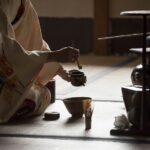
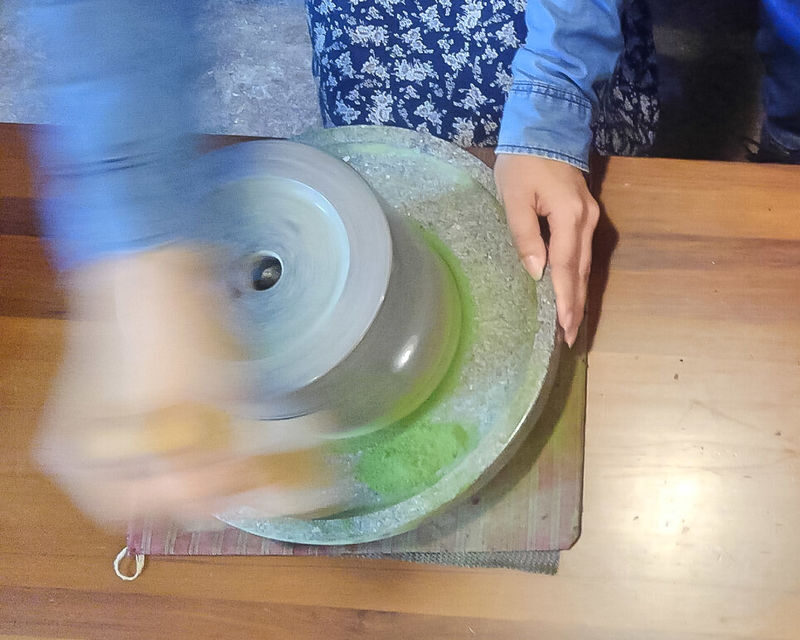
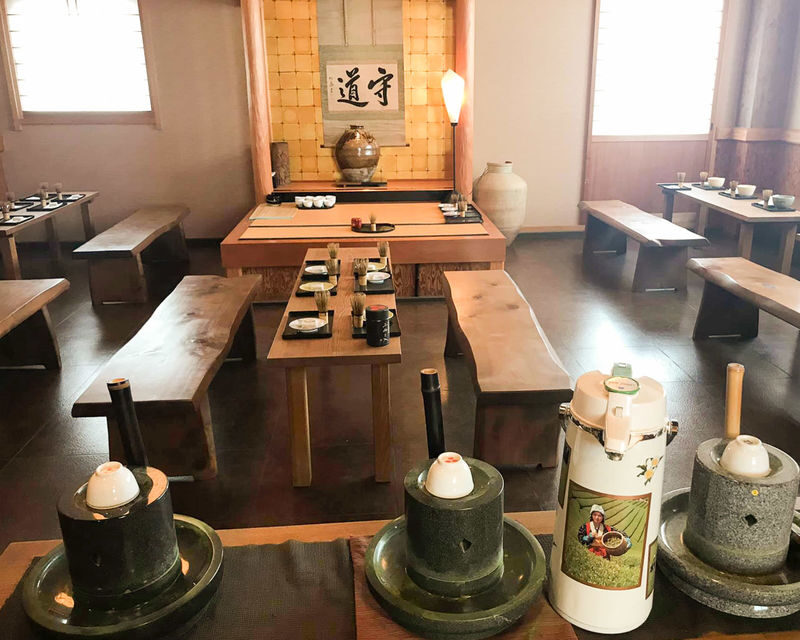
Matcha is the main draw, and the tea ceremony gives the tour a cultural focus beyond tasting. The supplied details do not explain how the ceremony is conducted, who leads it, or how long it lasts. So expect a ceremony component, but do not assume this is a long, formal lesson or a chance to make tea yourself unless the operator confirms it.
That distinction is useful when comparing options. Some tea activities focus chiefly on the ceremony itself, while this one combines tea with a walk around Uji. If you want a wider introduction to the town and its tea culture, that mix may suit you better than spending the whole visit in one room. If your main aim is detailed instruction in preparing matcha, ask how hands-on the ceremony is.
The tour’s value depends partly on the guide’s explanations. A good account of the plant and its place in Japanese culture can give a tasting more meaning than simply sampling a drink. You do not need to arrive as a tea expert; a basic curiosity about matcha is enough to get something out of the experience.
Soba, dango, and the partner shop
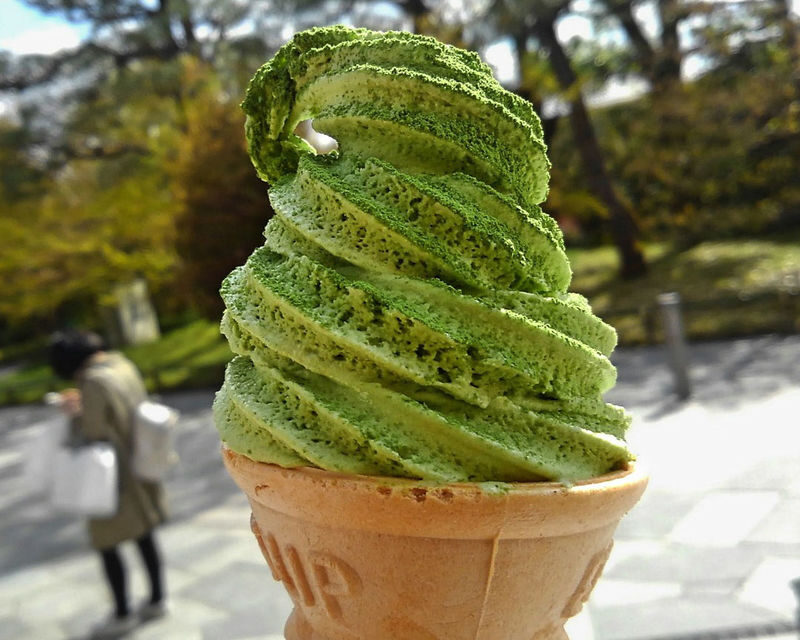
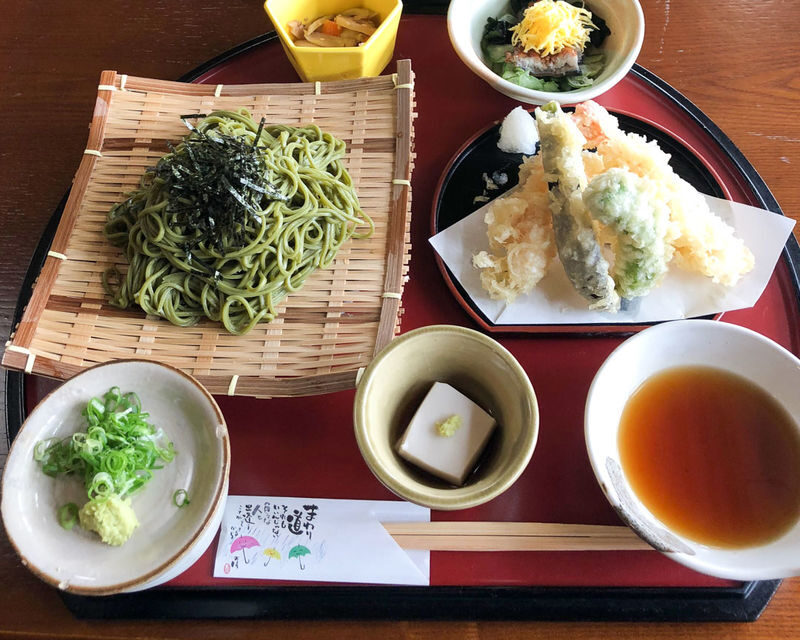
Food adds a welcome practical note to the tea theme. One account describes delicious soba at a partner shop, along with dango and matcha. That suggests the outing can connect tea with a meal or snack, rather than treating it as an isolated subject.
But do not assume those items are included in the advertised price. The available details do not say whether the soba, dango, or matcha are included, optional purchases, or simply part of one participant’s experience. If you are budgeting closely, ask what the tour price covers and whether you should bring extra money for food.
The partner-shop detail can still help you picture the day. A meal or sweet can make a short walking tour feel more grounded in everyday local food, and it gives you a useful pause between explanations. Just keep expectations flexible: the exact menu and the food stop are not described in detail.
Is $201.85 good value?
At a starting price of $201.85, this is a considered purchase for a three-hour activity. The cost may make sense if you want a guide to connect Uji’s tea culture, matcha, botany, and a tea ceremony in one compact visit. You are paying for interpretation and a planned experience, not simply for a cup of tea.
The value becomes less clear if you are mainly looking for a tasting, or if you expect a long ceremony with food included. Neither the food inclusions nor the ceremony format is specified. Before booking, compare what is covered with your priorities: the guided walk, the cultural context, and the ceremony may be the main reasons to choose it.
There are only two ratings in the supplied information, both five stars, so treat that score as an encouraging but small sample. The written comments point to two concrete strengths: an engaging guide and a pace that worked well. They also mention good soba, dango, and matcha, which gives you a helpful sense of the food side without guaranteeing the same menu or inclusions on every departure.


Who should book this Uji walk?
I would put this tour on the shortlist if you like tea, want a guided introduction to Uji, and have roughly half a day to spare. It also suits people who enjoy learning how food and plants connect with culture, rather than collecting sights without context.
It may be less suitable if you want a highly specified route, a long tea lesson, or a low-cost tasting. The information available does not spell out the exact stops, group limit, or ceremony details. Those are not small matters if you are choosing between several tea experiences, so ask about them first.
The strongest reason to go is the combination of place and subject. Uji gives the tour its setting, while the guide can help you make sense of matcha beyond its familiar bright-green appearance. If that sounds more appealing than a quick photo stop, the half-day format is a sensible way to spend part of your time here.
Booking details to check
Confirmation is provided within 48 hours. Free cancellation is available if you cancel at least 72 hours before the activity date, using the destination’s local time; after that point, the stated full-refund condition no longer applies.
Before reserving, I would confirm the exact meeting point, the route, the ceremony’s format, the maximum group size, and whether food or tea tastings are included. Those details are not stated here, and they can change how you judge the price and plan the rest of your day.
Should you book?
Book this tour if you want a guided, three-hour introduction to Uji that links matcha with Japanese tea culture and includes a tea ceremony. The guide’s attention to botany and culture, plus the mention of soba, dango, and matcha, makes the experience sound appealing for curious eaters and tea fans.
Pause before booking if you need certainty about the exact route, the ceremony, or included food. At a starting price of $201.85, those details are worth checking. If the guide-led cultural context is what you value most, this could be a rewarding half-day; if you want a specific meal or a hands-on tea lesson, confirm that the tour delivers it.
Kyoto Uji Half-Day Small Group Matcha & Tea Ceremony Tour
“J was clearly an expert in botany and japanese culture. She was able to pace out the itinerary. The soba at the partner shop was delicious, as well…”
FAQ
Where does the tour take place?
The tour takes place in Uji, Japan.
How long is the tour?
It is described as a three-hour walking tour.
What is the tour about?
It focuses on Uji, matcha, and Japanese tea culture, and its title includes a tea ceremony.
Is this a small-group tour?
Yes. It is described as a small-group tour, but no maximum group size is provided.
What is the starting price?
The stated price is from $201.85.
How long does confirmation take?
Confirmation is provided within 48 hours.
Can I cancel for a full refund?
Yes, if you cancel at least 72 hours before the activity date, using the destination’s local time.