Saijo’s appeal is easiest to understand inside a working brewery. This tour takes you into one historic brewery, where you can see how sake is made and learn why the area’s water and climate suit brewing. In the right season, you may catch production underway.
I like two things in particular: the chance to compare sake from several breweries, and the way the walk connects brewing with Saijo’s shrines and streets. The red-brick chimneys, tiled roofs, and white walls give the town a distinct look, while a shrine linked to local brewing families adds a human touch to the story.
The main consideration is that this is a walking and tasting afternoon, not a meal tour. There is no lunch break, so eat well before you meet the guide, and remember that Japan’s legal drinking age is 20.
- What makes this Saijo tour worth considering
- From Hiroshima Station to Saijo
- A shrine stop before the breweries
- Inside a Saijo brewery
- Five more brewery stops and a guided tasting
- The value of a .65 half-day
- Who will enjoy it, and who may want another plan
- Practical details before you go
- Should you book the Saijo sake tour?
- FAQ
- Where does the tour start and finish?
- What time does the tour run?
- How do you travel from Hiroshima to Saijo?
- What is included in the price?
- Is lunch included?
- What is the minimum age?
- What should I wear and bring?
- Can I cancel for a refund?
- The Best Of Hiroshima!
- More Food & Drink Experiences in Hiroshima
- More Tours in Hiroshima
- More Tour Reviews in Hiroshima
What makes this Saijo tour worth considering
 1 / 9
 2 / 9
 3 / 9
 4 / 9
 5 / 9
 6 / 9
 7 / 9
 8 / 9
 9 / 9
- Step inside a historic brewery: Get more than a tasting-room introduction. The private brewery visit explains sake production and techniques in a place that retains much of its early 20th-century appearance.
- Compare different sake styles: Tastings at some of the stops give you a chance to notice how much flavor can vary between breweries and types.
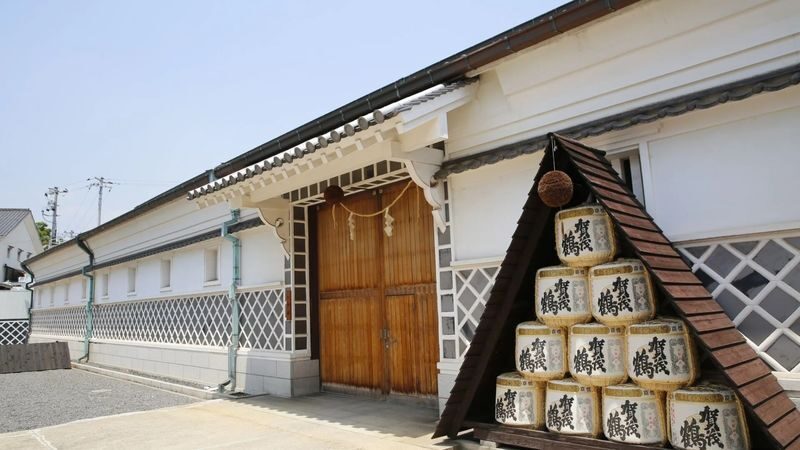
- Walk Saijo’s brewery district: See the red-brick chimneys, tiled roofs, and white walls that make Saijo’s streetscape recognizable.
- Connect sake with local customs: A brief shrine visit introduces the religious traditions associated with Saijo’s brewing families.
- Allow time for questions: Group size can be small, and some departures have had just one or two participants. That can make the explanations feel more personal, though a small group is not guaranteed.
- Plan around the season: Brewing activity is seasonal. In the colder brewing period, which can begin around October, you may see more of the process in action.

👉 See our pick of the Hiroshima’s 13 Top Workshops & Classes (With Prices)
From Hiroshima Station to Saijo
The tour starts at 12:45 PM at Hiroshima Station, beside the Shinkansen gates and under the Tourist Information sign. Look for a guide holding a Snow Monkey Resorts tour sign. The station is under heavy construction, so give yourself extra time to find the meeting point and arrive five minutes early.
From the station, the group travels to Saijo using public transport. The journey is part of the half-day plan, and the listed schedule places the first Saijo stop at about 1:45 PM. The tour returns to Hiroshima Station around 5:20 PM, though traffic and weather can alter the timing.
The trip is a useful option if you are staying in Hiroshima and want to explore beyond the city without arranging separate transport. The meeting point is clear once you find the Shinkansen gates, but Hiroshima Station can be confusing, particularly if you enter from a bus stop or streetcar. Follow the signs toward the Shinkansen gates rather than relying on a quick glance at the station map.
You can also read our reviews of more food & drink experiences in Hiroshima

A shrine stop before the breweries
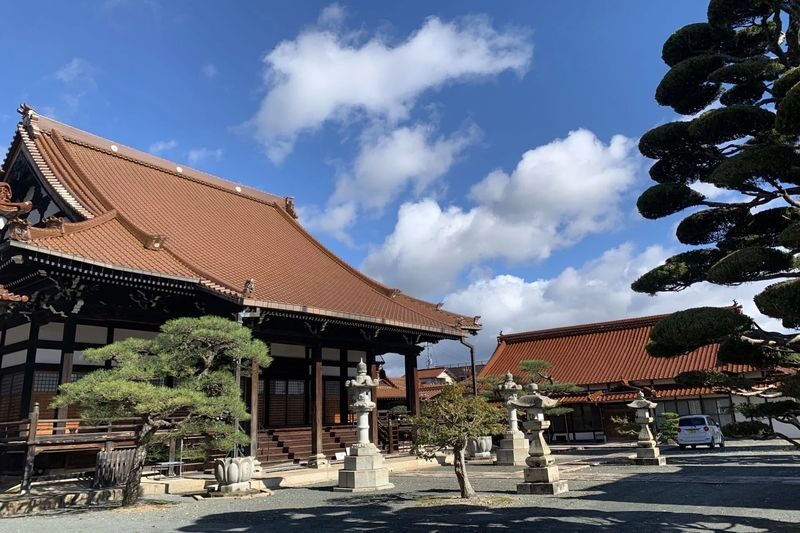
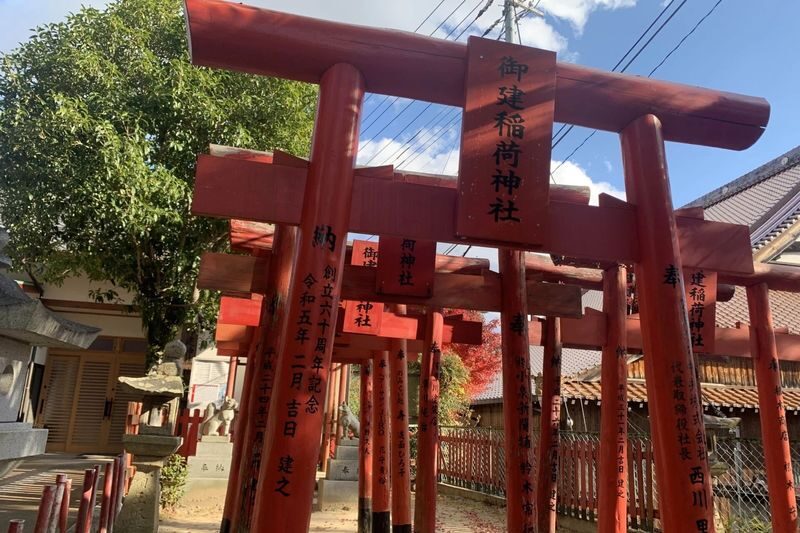
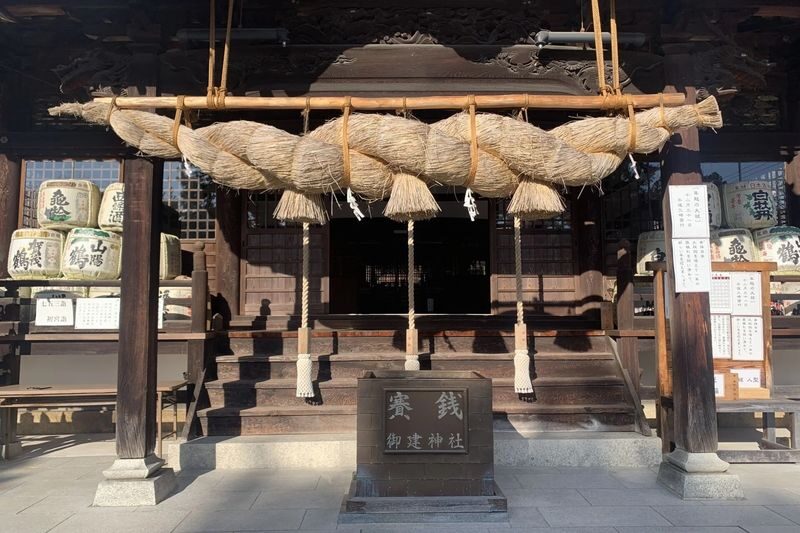
The Saijo walk begins with a brief visit to local shrines. One stop mentioned on the route is Miken Shrine, which has a connection to Saijo’s sake-brewing families. Your guide can explain shrine etiquette as well as the local ties between brewing and worship.
This is a small part of the afternoon, not a long temple visit. Its value is in adding context: sake here is more than a product made in a factory. The visit helps place the breweries within a town where brewing has shaped local identity and customs.
If you have visited shrines elsewhere in Japan, you may still appreciate the practical reminders about how to behave. The stop gives you a chance to look more closely at details you might otherwise pass by. It also offers a change of pace before the main brewery visit and tastings.
Inside a Saijo brewery
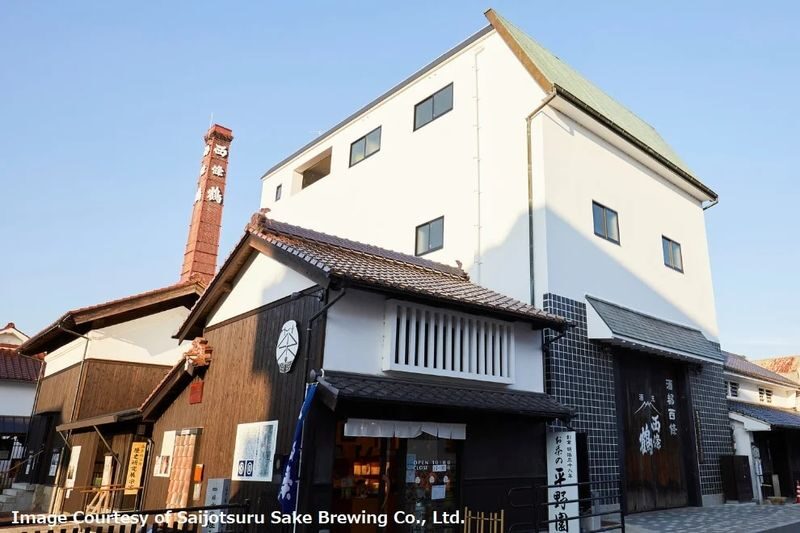
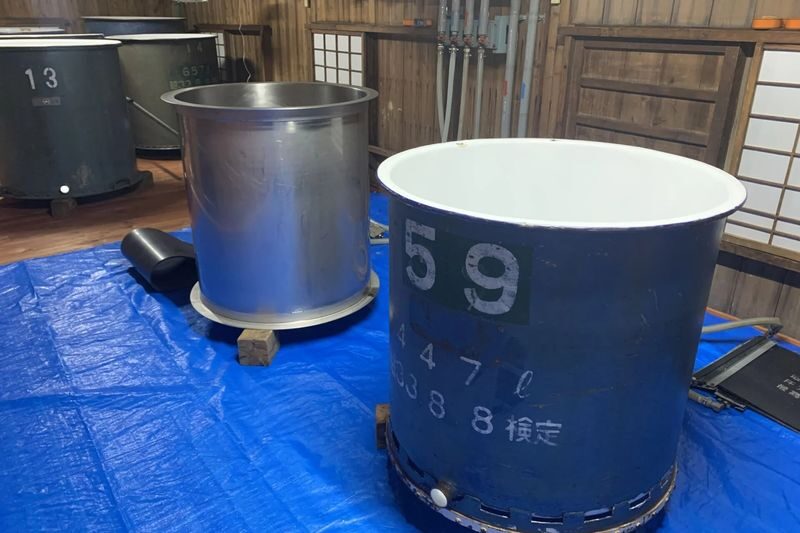
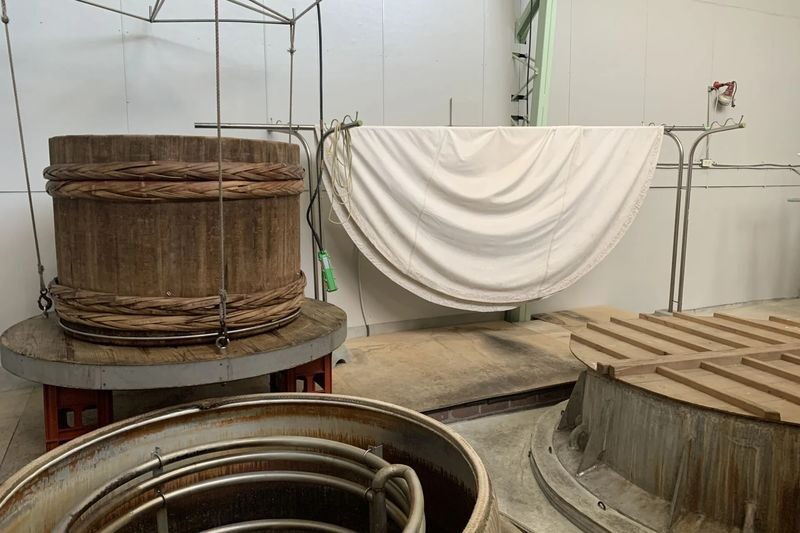
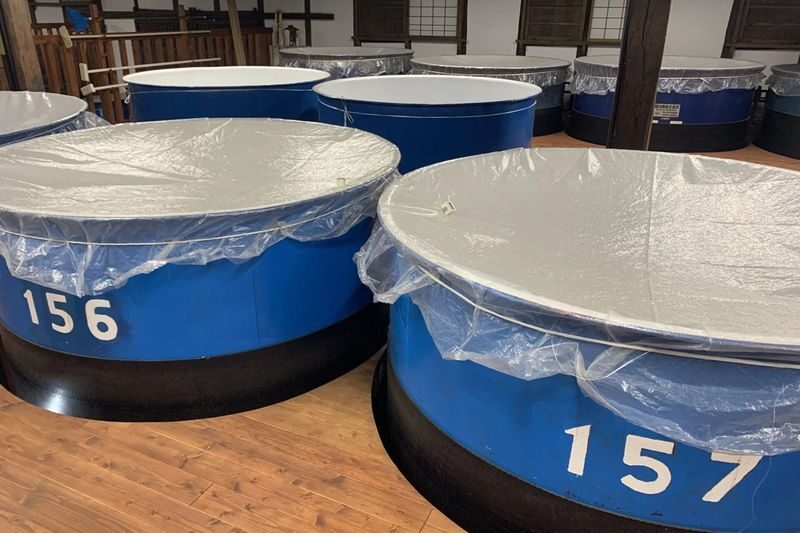
At about 2:30 PM, the tour enters one of Saijo’s historic breweries for an exclusive guided visit. The brewery retains the appearance it had when it was founded in the early 20th century, giving you a sense of the buildings and working spaces behind the finished bottles.
The guide explains the sake-making process and the techniques involved. This is the most substantial learning stop of the tour, and the one most likely to help you make sense of the tastings that follow. Instead of simply hearing that two sakes taste different, you gain some background on how brewing works and why Saijo is known for making sake.
Timing can change what you see. Sake brewing is seasonal, with activity generally starting around October and continuing through the colder half of the year. A visitor in that period may find that brewing has begun and see stages of production in progress. At other times, the tour can still explain the process, but you should not assume that active brewing will be underway.
Guides Isabella and Ione have led this route, and the guide’s explanations have been described as clear and detailed. Your guide may vary, but an English-speaking guide is included. That matters here: a brewery is much more rewarding when you can ask what each step does and connect the answer to the sake in your glass.
Five more brewery stops and a guided tasting
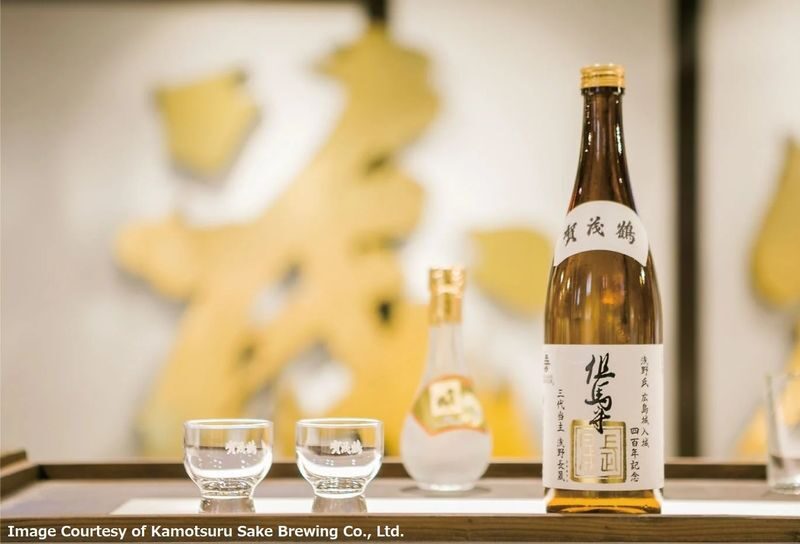
After the inside visit, the afternoon moves along Saijo Sake Brewery Street. The guide provides brief tours of five other well-known breweries, with tastings at some locations. This is not five full brewery tours. Think of it as a guided introduction to the district, with time to notice how the businesses and buildings differ.
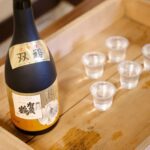
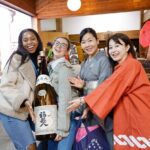
The short visits help you compare rather than focus on just one producer. Tastings can include several types of sake, and one stop has offered Junmai Daiginjo, a premium category that some people choose to buy as a souvenir. At Kirei, a tasting has included two sake varieties and sake by-products. The precise stops and pours may vary, so treat those details as examples rather than a fixed menu.
The useful part is learning to pay attention to flavor. A guide can help you notice differences between the samples and explain what you are tasting. Even if you already enjoy sake, the side-by-side comparison can give you a better sense of your preferences. If you are new to it, tasting several styles is a practical introduction, without needing to order a full glass at every stop.
The tour also makes the brewery street itself part of the experience. Saijo’s red-brick chimneys rise above tiled roofs and white walls, giving the district a memorable appearance. Walking between breweries lets you see how closely sake-making is tied to the town’s buildings and everyday streets.
The value of a $99.65 half-day
At from $99.65, this tour is not simply a paid tasting. The price includes an English-speaking guide, entry fees at the tour locations, public transport to and from the activities, and the sake tasting experience. The guided brewery visit and local context are the main reasons to book rather than wandering the brewery street on your own.
It is a reasonable use of an afternoon if you want an organized introduction to Saijo and do not speak Japanese. You get transport from Hiroshima, an inside brewery visit, shrine stops, and guided introductions to several other breweries in one outing. Separate visits might cost less if you are comfortable planning everything yourself, but you would need to arrange the journey and make sense of the breweries without the same guided explanation.
The price does not include lunch, accommodation, transport to the Hiroshima Station meeting point, or personal purchases and expenses. If you want to take home bottles, budget separately. The tour includes tastings, but the available details do not promise a fixed number of samples or a set bottle allowance.
You can also read our reviews of more drinking tours in Hiroshima


Who will enjoy it, and who may want another plan
This tour suits adults who are curious about sake production, enjoy tasting different styles, or want an easy day trip from Hiroshima. It works particularly well if you like learning through place: the brewery, the street, and the shrine all help explain why Saijo became a sake town.
It is also a good fit for visitors who prefer a guide to handle the structure of a visit. The small-group feel can be a bonus when there are few participants, as it leaves room for questions. Still, group size can change, so do not book on the assumption that you will have a private tour.
It is less suitable if you want a relaxed lunch, dislike walking, or are mainly looking for a long, hands-on brewing workshop. The activity is a walking tour with brief visits to several breweries and one more in-depth brewery tour. The legal drinking age in Japan is 20, and the activity is best suited to adults 20 and older. The stated travel minimum is 13, but participants must be 20 or older to take part in the activity.
Practical details before you go
Wear comfortable walking shoes and clothes suited to the weather. Saijo’s route is on foot, and rain can make a raincoat or umbrella useful. Summer highs can reach about 32°C (90°F) with heavy humidity, so light clothing, sun protection, and drinking water are sensible. Hiroshima winters average roughly 1°C to 10°C (34°F to 50°F), so bring warm layers and suitable footwear.
Eat a substantial meal before meeting the guide. There is no lunch break, and drinking on an empty stomach is a poor plan. Bring valid identification to confirm you are at least 20, and do not bring luggage expecting storage or delivery services; neither is provided.
The mobile voucher is valid only for the date and time booked. Availability of individual activities can vary, and a venue visit may need to change if it cannot be confirmed. If you need to cancel, a full refund is available when you cancel at least 24 hours before the activity date, using local time.
Should you book the Saijo sake tour?
I would book this if you want more than a tasting counter: the combination of an inside brewery visit, several brewery stops, and a shrine gives the afternoon useful shape. The best reason to go is the chance to understand Saijo’s sake culture while tasting examples from different producers.
If seeing brewing in progress is a priority, aim for the colder brewing season, while keeping in mind that activity and availability can vary. For the smoothest afternoon, arrive early at Hiroshima Station, eat beforehand, and bring comfortable shoes. If those basics suit you, this is a well-organized way to spend an afternoon learning what makes Saijo a sake town.
Half-Day Saijo Sake Tasting & Inside Brewery Tour in Hiroshima
“A very interesting and lovely afternoon that I thoroughly enjoyed. I was able to learn a lot about the production of sake. A positive aspect was th…”
FAQ
Where does the tour start and finish?
It starts and ends at Hiroshima Station. Meet by the Shinkansen gates under the Tourist Information sign, where the guide will be holding a Snow Monkey Resorts tour sign.
What time does the tour run?
The scheduled meeting time is 12:45 PM, with a return to Hiroshima Station around 5:20 PM. The schedule can change with traffic and weather.
How do you travel from Hiroshima to Saijo?
Transport to and from the activities is by public transport and is included. Transport to the Hiroshima Station meeting point is not included.
What is included in the price?
The tour includes an English-speaking guide, admission and entry fees at tour locations, public transport to and from the activities, and sake tastings.
Is lunch included?
No. There is no lunch break, so eat a substantial meal before meeting the guide.
What is the minimum age?
Participants must be at least 20 to take part in the activity, in keeping with Japan’s legal drinking age. The stated minimum age for travel is 13, and participants aged 13 or older are charged the adult rate.
What should I wear and bring?
Wear comfortable walking shoes and clothes suited to the weather. Bring valid ID to confirm you are at least 20, and consider sun protection and water in summer or warm clothing in winter.
Can I cancel for a refund?
You can receive a full refund if you cancel at least 24 hours before the activity date, based on local time.