Hiroshima’s story runs from castle town to a city forever marked by the atomic bomb, and this tour links those chapters in a single morning. You begin among the paths and ponds of Shukkei-en Garden, then move through castle grounds and into Peace Memorial Park, where history becomes personal and hard to put aside.
I like the contrast between the garden’s quiet, long-evolving setting and the sobering memorials that follow. I also like that the tour makes time for an origami crane offering and the Peace Memorial Museum, rather than treating the city’s history as a quick photo stop.
The main consideration is the walking: this is not a sightseeing ride with brief stops. Public transport is part of the plan, but you should be ready to walk between several sites, and the exact transport pattern may vary.
- At a glance
- From Shukkei-en’s paths to Hiroshima’s past
- Shukkei-en Garden: a calm start with a longer story
- Hiroshima Castle grounds: tracing the city’s earlier role
- Peace Memorial Park: monuments with purpose
- Walking, transport and the pace of the morning
- Is the price worth it?
- Who should book this Hiroshima tour?
- FAQ
- How long is the tour?
- Where do I meet the guide?
- What is included in the tour price?
- Is hotel pickup included?
- Which departure times are available?
- How much walking should I expect?
- Can children join the tour?
- What should I wear or bring?
- Can I cancel for a full refund?
- The Best Of Hiroshima!
- More Half-Day in Hiroshima
- More Tours in Hiroshima
- More Tour Reviews in Hiroshima
At a glance
 1 / 6
 2 / 6
 3 / 6
 4 / 6
 5 / 6
 6 / 6
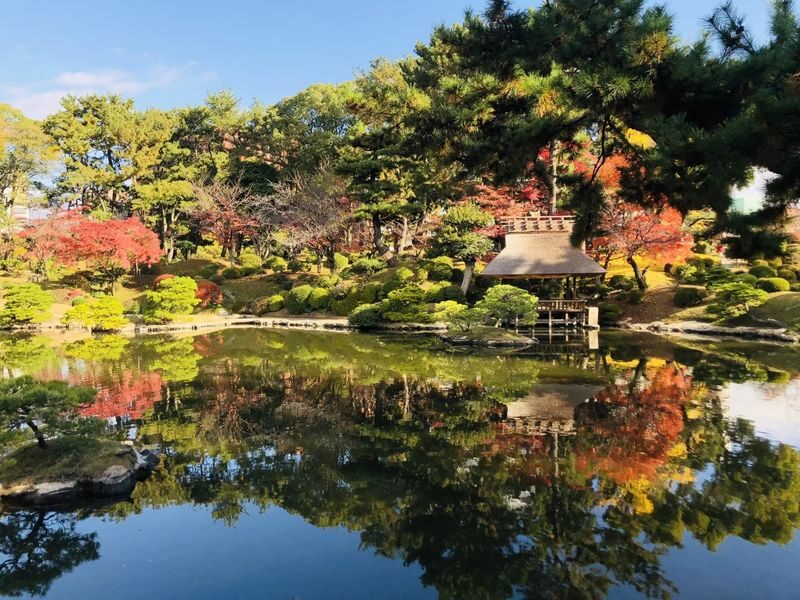
- A garden with centuries of change: Explore Shukkei-en with a guide and consider how it has evolved since the Edo Period.
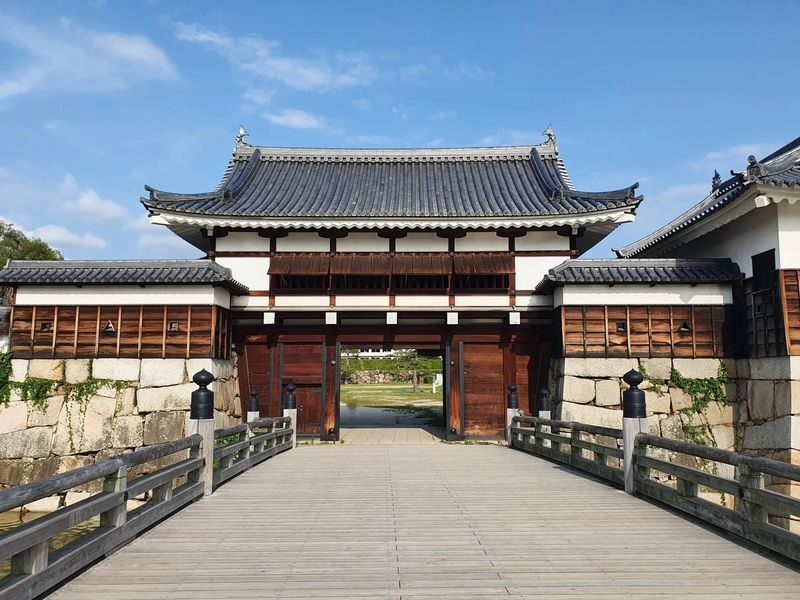
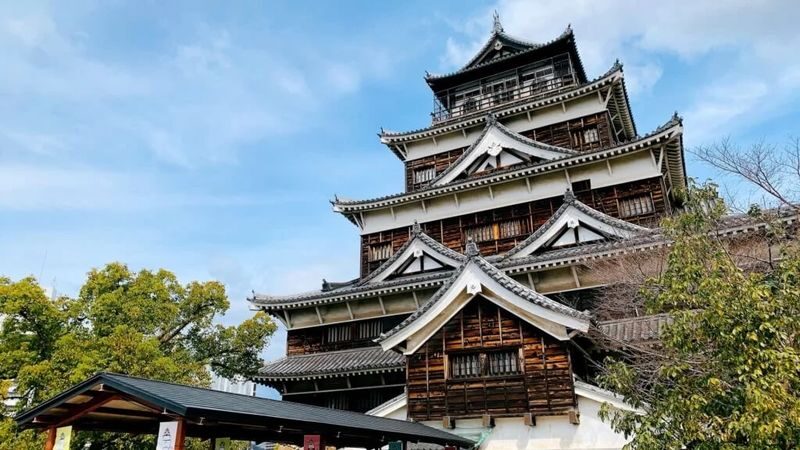
- Castle-town beginnings: See Hiroshima Castle grounds and learn about the site’s role in the city and the Chugoku region.
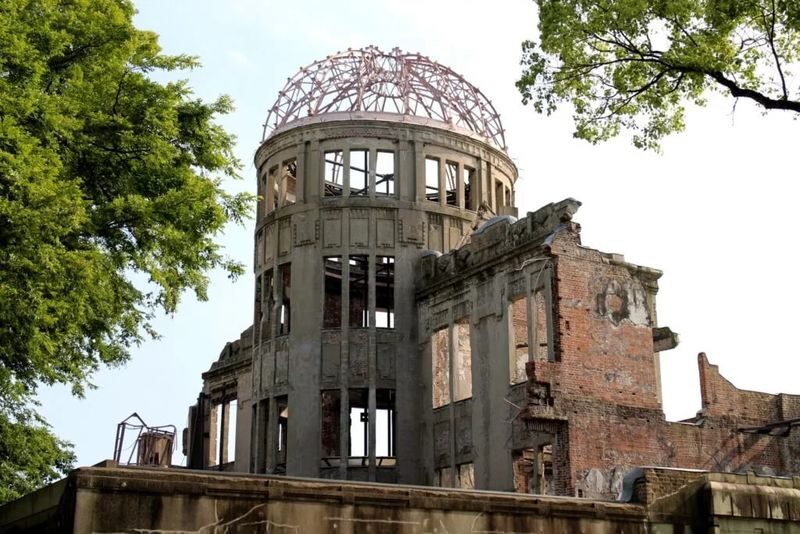
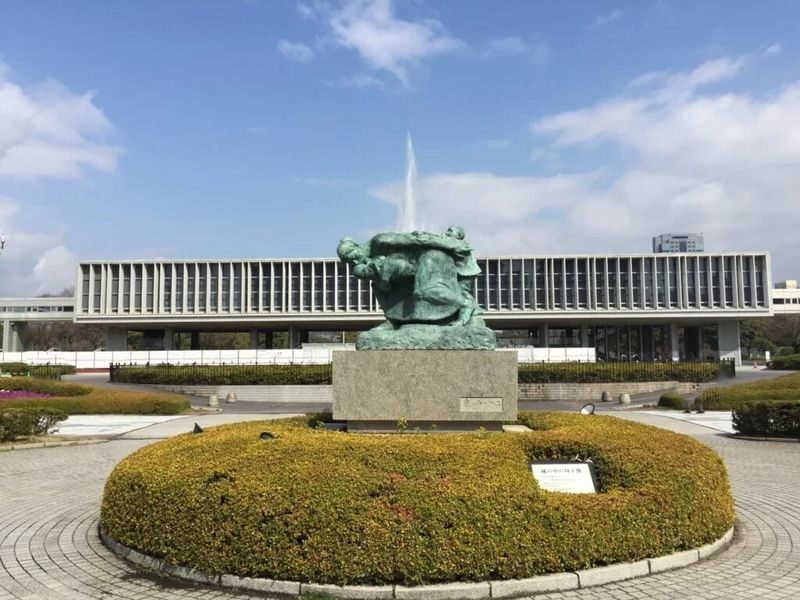
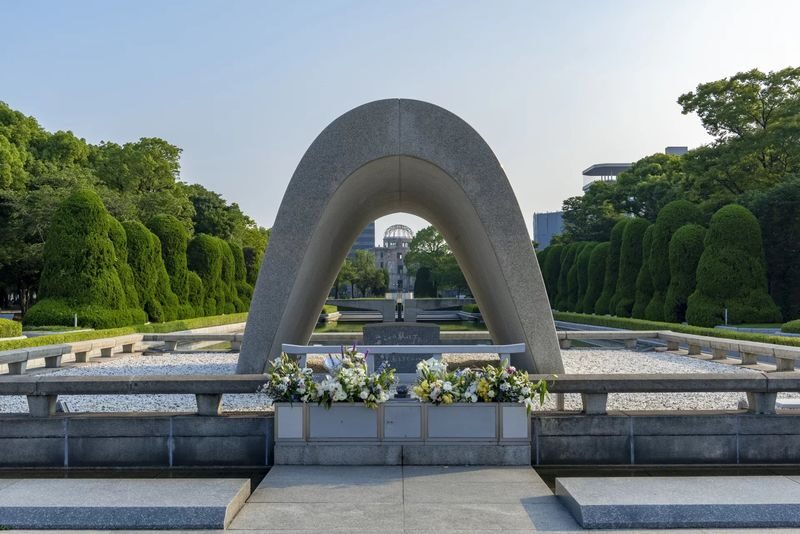
- Peace Park’s key memorials: Visit the Atomic Bomb Dome, Children’s Peace Monument and Cenotaph for the Victims of the Atomic Bomb.
- A hands-on remembrance: Fold an origami crane and make an offering at the Children’s Peace Monument.
- Museum time included: The itinerary includes the Peace Memorial Museum, a vital stop for understanding the human cost and legacy of nuclear warfare.
- Be prepared to walk: The tour uses public transport, but the route includes substantial walking. Wear comfortable shoes.
👉 See our pick of the Hiroshima’s 13 Top Workshops & Classes (With Prices)
From Shukkei-en’s paths to Hiroshima’s past
This half-day tour is designed to give you a useful framework for the city, not just a set of landmarks. Hiroshima began as a castle town during the Sengoku Period, grew in importance as Japan unified and developed, and later became a global symbol of peace after the atomic bombing. Seeing the garden, castle grounds and memorial sites in one sequence helps you connect those parts of the story.
The tour departs from Hiroshima Station at 9:00 a.m. The meeting point is beneath the Tourist Information sign outside the Shinkansen gates. From there, the stated schedule begins at Shukkei-en at 9:30, moves to Hiroshima Castle at 10:10, and reaches Peace Memorial Park and the museum at 11:00. The return to the station is scheduled for 1:10 p.m.
That order matters. You start with a gentler introduction to Hiroshima, then move through the city’s earlier political history before reaching the memorials. It gives the day a clear arc, though the later stops may take more emotional energy than the garden and castle.
The tour is guided in English and includes admissions, transport and origami paper. Subaru is one guide who has led this route, but guide assignments can vary. The group size is not specified, so do not assume you are booking a private tour.
You can also read our reviews of more tours and experiences in Hiroshima


Shukkei-en Garden: a calm start with a longer story
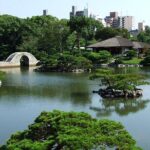
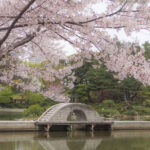
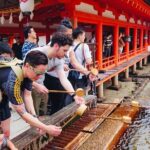
Shukkei-en is more than a pleasant green pause before the city’s heavier history. The garden has changed and evolved since the Edo Period, making it a place to think about how Hiroshima’s identity has shifted over time. With a guide, you can look beyond the scenery and hear how the garden fits into the city’s past.
The tour allows about 40 minutes here, from 9:30 until the move to the castle at 10:10. That is enough for a guided introduction and a stroll, but not necessarily a slow visit to every corner. If gardens are your main interest, you may want to return on your own for more time.
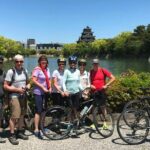
This stop also sets a useful pace. You get outdoors, start walking, and begin with a setting that is less intense than the memorial park. If you visit in spring, the garden and nearby area may have seasonal appeal; one March departure coincided with cherry blossoms along the river and near the castle. Flowering depends on the season and weather, so treat that as a bonus, not a promise.
Hiroshima Castle grounds: tracing the city’s earlier role
At Hiroshima Castle, the guide takes you to key locations within the grounds and explains their purpose and significance. The site helps you understand Hiroshima as a castle town and the role the city played as Japan developed. It also gives context for the wider Chugoku region.
The scheduled visit begins around 10:10. The emphasis is on the grounds and their history, rather than simply admiring the castle from outside. That guided context is useful if you are short on time or unfamiliar with the city’s early history. Without it, a castle visit can amount to a quick look at walls and buildings; here, you get a framework for why the site mattered.
Allow for more walking on this stop, too. The tour is a walking experience, and the castle visit comes between the garden and Peace Memorial Park. If you have limited mobility or tire easily, ask the operator about the route and walking demands before booking. The details provided do not give a distance or accessibility information.
Peace Memorial Park: monuments with purpose
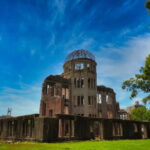
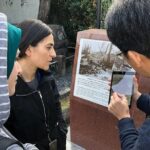
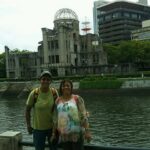
Around 11:00, the focus shifts to Hiroshima Peace Memorial Park and the Peace Memorial Museum. This is the most consequential part of the tour, and the named monuments give you clear points of reference: the Atomic Bomb Dome, the Children’s Peace Monument and the Cenotaph for the Victims of the Atomic Bomb.
The guide’s presence can help you understand why these sites matter and how they relate to the city’s history. You are not simply moving from one memorial to another; the tour is intended to explain Hiroshima’s transformation into a symbol of peace. Still, give yourself room to take in what you encounter. Memorial visits can feel very different from ordinary sightseeing, and the museum in particular asks for attention and reflection.
A distinctive part of the visit is learning to fold an origami paper crane and making an offering at the Children’s Peace Monument. The crane connects a simple act of making something by hand with remembrance. Paper is provided, so you do not need to bring materials.
The itinerary includes a visit to the Peace Memorial Museum, but it does not specify how much time you will spend inside. If the museum is a priority for you, check the timing with the operator before booking, especially if you want a longer, unhurried visit. The half-day format has a lot to cover.
Walking, transport and the pace of the morning
The tour uses public transportation, but you should not read that as a promise of a vehicle between every stop. One account of the route described walking between the main destinations and using public transport on the return to the station. The exact arrangement may depend on the day, so plan for a walking tour first and a transit-assisted return.
That distinction matters when judging the price and choosing who should join. The morning runs from 9:00 a.m. to 1:10 p.m., with four major stops and guided explanations. You get a structured route, admission to attractions, an English-speaking guide and transport. You do not get hotel pickup or drop-off, and you will need to reach Hiroshima Station yourself.
Wear walking shoes and bring weather protection if rain is forecast. Hiroshima summers can reach 32°C (90°F) or higher, with heavy humidity. Light, breathable clothing, water, sunblock and a parasol are sensible choices in hot weather. Winter temperatures average 1°C to 10°C (34°F to 50°F), so dress warmly and choose footwear suitable for cold conditions.
There is no luggage storage or delivery service. Leave large bags elsewhere before meeting the group, and do not count on being able to store them during the tour.


Is the price worth it?
The experience is advertised from $87.85, while the listed 9:00 a.m. and 2:30 p.m. package options show prices from $107.85. Since those prices do not match, check the total for your chosen date and departure before paying.
Value depends on what you want from the morning. Admission, an English-speaking guide, transport and crane paper are included, and the guide can tie together sites that might otherwise feel disconnected. For a first visit, that structure can be worth paying for, especially if you want historical context without planning each stop yourself.
On the other hand, this is not a tour where you pay for a dedicated vehicle throughout the route. Walking forms a large part of the experience, and one account felt the price was high for the amount of transport provided. If you are comfortable making your own way between the garden, castle and park, you could compare the tour price with visiting independently. The main thing you would give up is the guided narrative and the planned crane offering.
The tour may suit solo visitors particularly well: one departure went ahead for a single participant, and the guide adapted the experience rather than cancelling. That does not guarantee every departure will run with one person, but it suggests solo booking can work. Families can join, with children aged 0 to 5 free and children aged 13 or older charged the adult rate. Still, the walking and the serious museum content may make this a harder fit for young children.
Who should book this Hiroshima tour?
Book it if you want a concise, guided introduction to Hiroshima that covers the city’s earlier history as well as the atomic bombing and its legacy. The mix of garden, castle grounds, memorials and museum is well suited to a first visit, especially if you value explanation and want to take part in the crane offering.
Think twice if you want a slow museum visit, dislike walking, or expect transport between every stop. The schedule covers a lot in just over four hours, and the Peace Memorial Museum deserves time and focus. If that is your main reason for going, consider whether you would prefer to visit it independently and set your own pace.
For a practical overview with meaningful stops, this tour is a good option. Confirm the price for your chosen departure, bring suitable shoes, and arrive ready for both outdoor walking and a thoughtful museum visit.
Half-Day Hiroshima Highlights Tour
“Unfortunately, I am the lone member of the tour group. But the tour was scheduled correctly and didn't cancel for me. The guide is really kind and…”
FAQ
How long is the tour?
The 9:00 a.m. departure is scheduled to return to Hiroshima Station at 1:10 p.m., making it a little over four hours.
Where do I meet the guide?
Meet at Hiroshima Station beneath the Tourist Information sign outside the Shinkansen gates. The address provided is 2-37 Matsubara-cho, Minami-ku, Hiroshima City.
What is included in the tour price?
Attraction admissions, an English-speaking guide, transport and origami paper for folding a crane are included.
Is hotel pickup included?
No. Hotel pickup and drop-off are not included. You need to make your own way to the Hiroshima Station meeting point.
Which departure times are available?
The listed options are 9:00 a.m. and 2:30 p.m. The detailed schedule provided is for the 9:00 a.m. departure.
How much walking should I expect?
The tour is described as a walking tour and uses public transportation. Be prepared to walk between sites; the route details do not state a total distance.
Can children join the tour?
Yes. Infants and children must be included in the passenger headcount. Children aged 0 to 5 are free, and children aged 13 or older pay the adult rate.
What should I wear or bring?
Wear walking shoes. Check the forecast and bring an umbrella or raincoat if needed. In summer, light clothing, water, sunblock and a parasol are recommended; in winter, wear warm clothing and suitable footwear.
Can I cancel for a full refund?
A full refund is available if you cancel at least 24 hours before the activity date, using the destination’s local time.