Miyajima’s floating torii gate and Hiroshima’s Peace Memorial Park make a powerful pairing: one stop offers island scenery and a shrine by the water, the other asks you to pause with a difficult chapter of history. This eight-hour tour links them by bus and ferry, with optional Shinkansen travel from Tokyo, Kyoto, or Osaka.
I like that you get a guide for context and still have free time on Miyajima to eat, shop, or explore on your own. I also like the choice of starting in Hiroshima or adding bullet train transport, which can simplify a long-distance day trip.
The main compromise is time. You cover two major places in one day, but the schedule is tight, and the Hiroshima Peace Memorial Museum is not listed as included. If visiting the museum is important to you, plan ahead rather than assuming the tour provides admission or enough time for a full visit.
- At a glance
- Two very different Hiroshima-area experiences in one day
- Miyajima by ferry, shrine, and free time
- Peace Memorial Park, with time to reflect
- What the guides add, and what bilingual means in practice
- Bus, ferry, and optional Shinkansen travel
- Price and value: what you are paying for
- Who should book this day trip
- FAQ
- How long is the tour?
- Where does the tour meet?
- Is the Hiroshima Peace Memorial Museum admission included?
- Can I take the tour from Tokyo, Kyoto, or Osaka?
- What is included in the tour price?
- Is the tour wheelchair-accessible?
- The Best Of Hiroshima!
- More Tours in Hiroshima
- More Tour Reviews in Hiroshima
At a glance
 1 / 8
 2 / 8
 3 / 8
 4 / 8
 5 / 8
 6 / 8
 7 / 8
 8 / 8
- Miyajima comes first: Travel by bus to Miyajimaguchi, then take a short ferry ride to the island.
- Itsukushima Shrine is included: Admission and the ferry ticket are covered; island exploration and meals are at your own expense.
- The guide speaks English and Spanish: Guides such as Angeles, Alejandro, Cesar, and Jorge have been praised for clear explanations and attentive group care.
- Peace Memorial Park is the second major stop: The tour includes a guided visit, but museum admission is not specified as included.
- Optional Shinkansen packages start farther away: Train travel from Tokyo, Kyoto, or Osaka is self-guided, with ticket details sent the day before.
- Expect a full, scheduled day: The Hiroshima portion is listed as 10 a.m. to 6 p.m., with traffic and weather able to shift timings.
👉 See our pick of the Hiroshima’s 13 Top Workshops & Classes (With Prices)
Two very different Hiroshima-area experiences in one day
This tour brings together Miyajima and Hiroshima, places that call for different kinds of attention. On Miyajima, the draw is the sea, the shrine, and the island’s calm, scenic feel. At Peace Memorial Park, the focus turns to the atomic bombing and its human cost.
That contrast is the heart of the day. The ferry crossing and island visit give you a change of pace before the quieter, more reflective time in the city. A guide can help connect the places to their history, while the bus and ferry handle the awkward links between them.
There is a practical trade-off: both stops deserve more time than a single day allows. This works best as an overview, not as a slow visit to every shrine, trail, memorial, and museum. If you want to linger, consider staying overnight in Hiroshima and giving the sites a second day.
You can also read our reviews of more tours and experiences in Hiroshima.


Miyajima by ferry, shrine, and free time
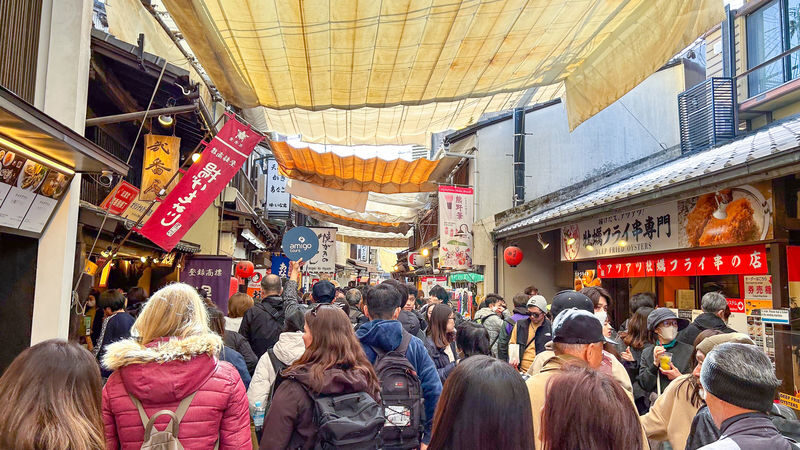
From the Hiroshima Station meeting point, the group travels by bus to Miyajimaguchi. The itinerary allows about 50 minutes for this bus leg, then includes a round-trip ferry crossing. The crossing itself is listed at around 10 minutes each way, a brief ride that gives you views of the coast and island.
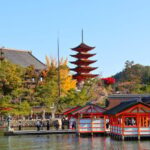
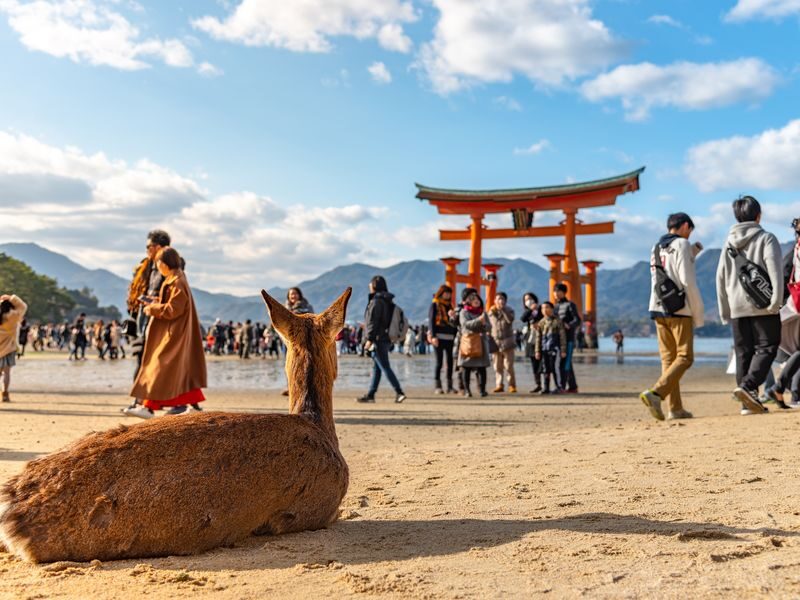
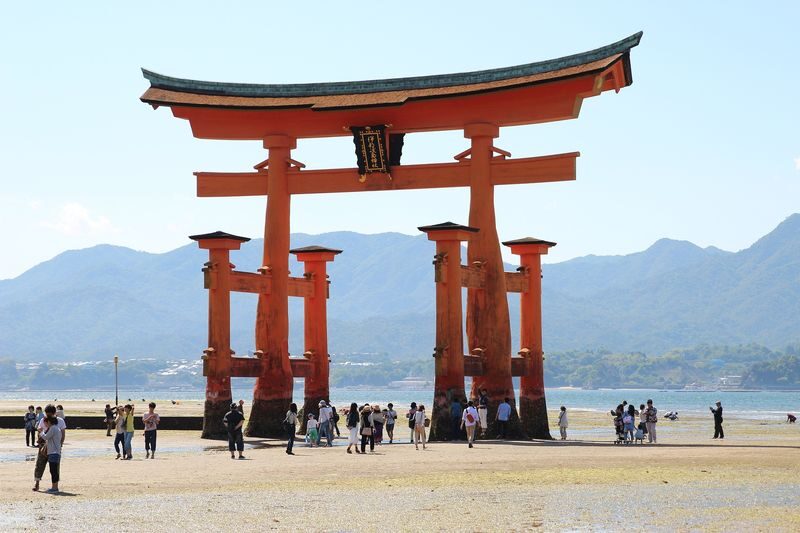
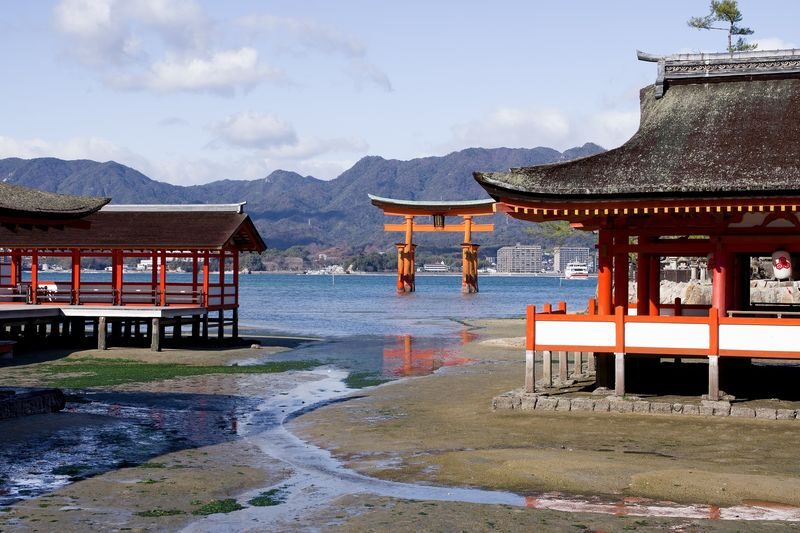
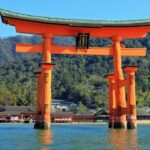
The main visit is Itsukushima Shrine, a UNESCO World Heritage Site known for its torii gate that appears to float over the water. The effect depends on conditions at the shore, so the scene may look different as the tide changes. The tour includes shrine admission, but a particular tide or view is not guaranteed.
You also get free time on Miyajima. That is useful for choosing your own pace: you can browse, look for a place to eat, or spend more time around the shrine area. One person’s idea of enough time may be another person’s hurried stop, though. Some tour participants have wanted longer to explore the island, while others felt the split gave Miyajima more time than Hiroshima.
A little preparation helps. Decide before arrival if you most want to see the shrine, find lunch, shop, or walk farther from the main area. The island stop is not a leisurely half-day, and a popular activity such as the ropeway may be hard to fit in if queues are long.
Miyajima is also known for nature and wildlife, but the tour description does not promise a particular wildlife encounter or a specific walk. Think of the free time as a chance to explore within the available window, not as a guided island trek.
Peace Memorial Park, with time to reflect
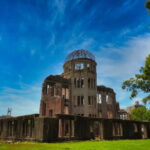
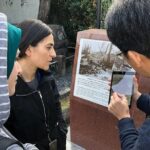
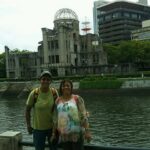
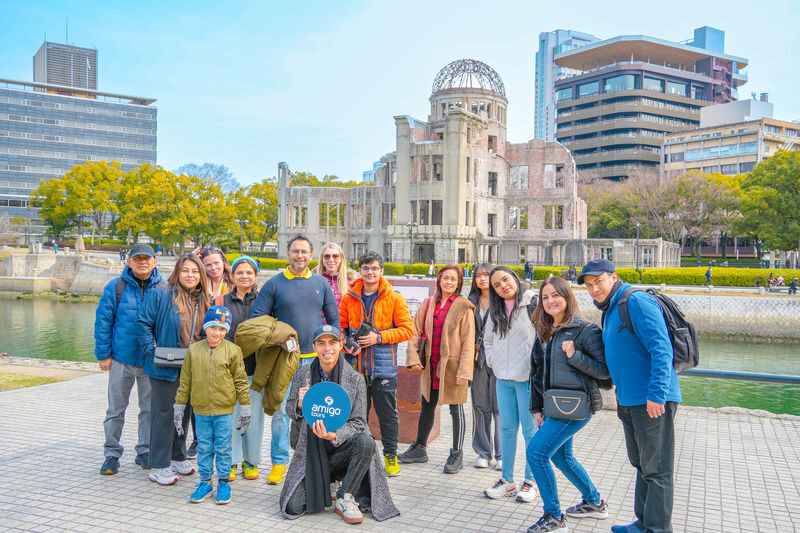
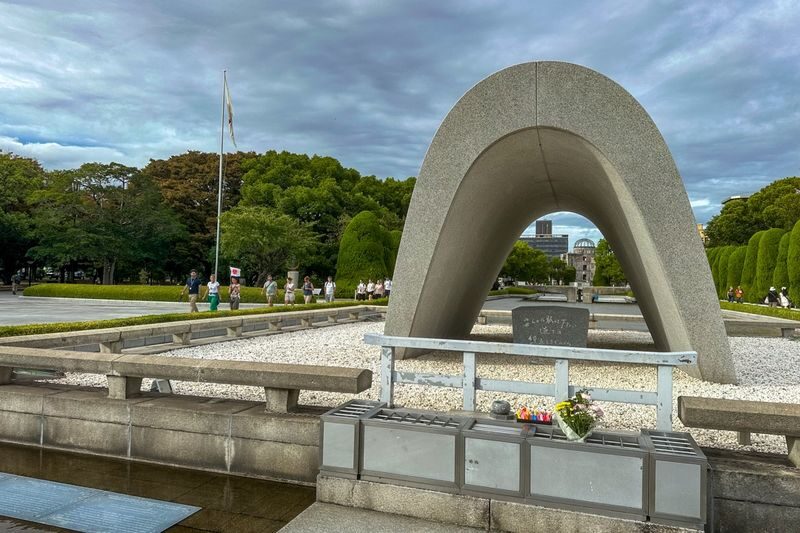
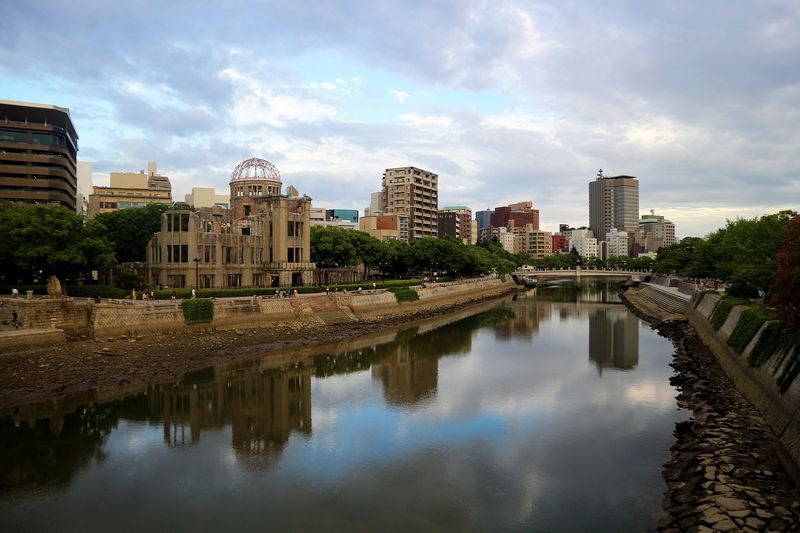
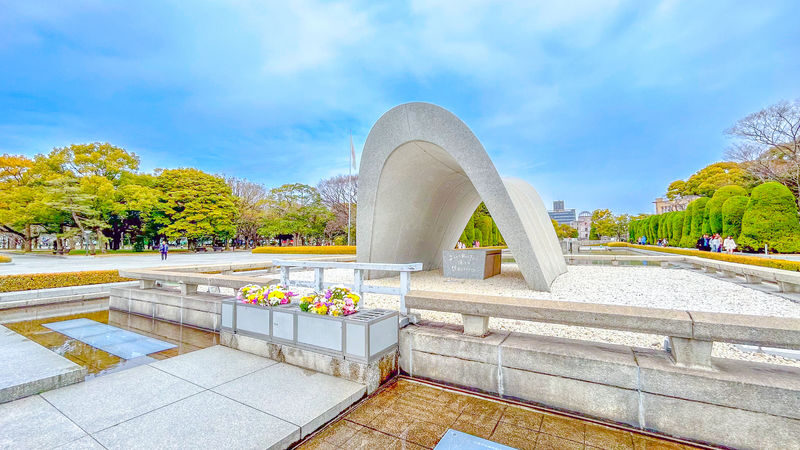
After Miyajima, the bus returns to Hiroshima for a guided visit to Peace Memorial Park. This is a place to move at a different speed. The park’s memorials and public spaces invite reflection, and the guide can provide historical context as you walk through an area central to Hiroshima’s story.
The schedule allows about two hours at the park. That may sound generous, but the time has to cover the guided portion and whatever independent visit you choose. The Hiroshima Peace Memorial Museum is not named among the included admissions, and the tour information does not promise a museum ticket. Do not assume entry is part of the package.
If the museum is a priority, check its ticket arrangements before the tour date and make a clear plan for the park stop. One person on the tour found that securing museum admission on a crowded day took a long time. Another had to move quickly through the museum after traffic cut into the available time. These are good reasons not to leave museum planning until you reach the park.
The park visit can still be worthwhile if you do not enter the museum. The guide’s historical explanations are a central part of the experience, and several guides, including Angeles, Alejandro, Cesar, and Jorge, have been praised for handling the subject with care and answering questions. The stop is emotionally demanding, so expect the tone to be thoughtful rather than light.
What the guides add, and what bilingual means in practice
The guide can make a packed day feel coherent. Instead of simply moving between a shrine and a memorial park, you get explanations along the way and help with group timing. The most praised guides include Angeles, Alejandro, Cesar, and Jorge. People have described their explanations as engaging, clear, and attentive, with several noting that the guides switched between English and Spanish.
The tour is described as English- and Spanish-speaking, but bilingual delivery can mean different things in practice. One participant reported that the language used depended on the group’s makeup. If you need the tour in a particular language, confirm how that will be handled before booking.
A guided group also means you will not set every stop’s pace yourself. One participant found the commentary on bus legs overly frequent, while others valued the steady stream of historical details. If you prefer quiet travel and complete independence, a self-planned visit may suit you better. If you like having someone explain the setting and keep the day moving, the guide is a meaningful part of the price.
Bus, ferry, and optional Shinkansen travel
The Hiroshima tour begins and ends at Hiroshima Station’s Shinkansenguchi Hiroba Bus Berth. The meeting instructions direct you to the station’s North Exit, down the stairs, then to the Shinkansen Guchi bus berth between stops 8 and 9. Arrive at least 10 minutes early and look for an Amigo Tours sign.
The day uses a bus for the connections between Hiroshima and Miyajimaguchi, plus the ferry to Miyajima. That removes the need to arrange each transfer yourself and gives you a place to sit between stops. It also means the schedule can be affected by road traffic and weather. The stated return time is around 6 p.m., but it is not a promise of exact arrival.
If you select a package from Tokyo, Kyoto, or Osaka, the Shinkansen ride is an added convenience, not a guided part of the journey. You receive digital train tickets and departure instructions the day before, travel independently, then meet the guide outside Hiroshima Station. The train journey is a notable part of the day, but you are responsible for following the supplied instructions and reaching the meeting point on time.
For a trip from a distant city, this option can save you the work of arranging the train separately. It also makes for a long day, and the tour’s eight-hour schedule refers to the Hiroshima-area outing, not necessarily the full time away from your hotel. A late bus return could make a tight onward train connection stressful, so avoid building in an overly close connection after the tour.
Price and value: what you are paying for
The tour starts at $92.95, with the actual price depending on the package you choose. The Hiroshima option includes round-trip transfers from the meeting point, a guide, ferry tickets, and admission to Itsukushima Shrine. Meals, drinks, and personal expenses are extra. The optional Shinkansen packages include the train journey, with travel instructions provided separately.
The price makes the most sense if you value having the transfers and key logistics organized. Miyajima and the Peace Memorial Park are distinct stops, and the tour links them without requiring you to plan the bus and ferry connections yourself. The guide’s explanations can also add value, especially if you want historical context rather than only a view of the torii gate.
It is less compelling if you are comfortable arranging transport and prefer to choose your own schedule. The tour includes free time, but that does not mean you control the whole day. Nor should you count on the Peace Memorial Museum being covered by the price. Compare the tour cost with the train, bus, ferry, shrine admission, and any museum costs you would pay independently.
The overall rating is 4.8 out of 5 from 160 reviews, with the provider showing a 90 percent good review rate across 682 reviews. That is a strong record, though the practical concerns are real: group size can be large, the island time may feel short or long depending on your interests, and traffic can affect the Hiroshima stop and return schedule.
Who should book this day trip
I would consider this tour if you have one day for the two main destinations and want help coordinating the journey. It is especially handy if you are already in Hiroshima, or if you want a pre-arranged Shinkansen option from Tokyo, Kyoto, or Osaka. Families may also find the set transport useful, though child seats are not available.
It is a weaker fit if you want a long visit at the museum, a relaxed island walk, or complete control over how much time you spend at each stop. The tour is not wheelchair-accessible and is not recommended for people with reduced mobility. Bring water and cash, since card payments may not be accepted everywhere and ATMs can be limited.
Book it for a guided, well-connected introduction to Miyajima and Hiroshima. If the museum is your main reason for going, or you want to explore Miyajima at length, plan your own overnight stay or build a separate visit around those priorities.
Hiroshima & Miyajima with Ferry and optional bullet train
“very seamless from Osaka. Klook managed all connecting train rides. Alex and Kita were awesome guides as well. try to do a bit of research prior to…”
FAQ
How long is the tour?
The Hiroshima-area tour is listed as eight hours, from 10 a.m. to 6 p.m. Traffic and weather may change the schedule.
Where does the tour meet?
Meet at Hiroshima Station Shinkansenguchi Hiroba Bus Berth, at 1-1 Matsubaracho, Minami Ward. From the North Exit, go down the stairs and head to the Shinkansen Guchi Bus Berth between bus stops 8 and 9. Arrive 10 minutes early.
Is the Hiroshima Peace Memorial Museum admission included?
Museum admission is not listed as included. The included admission is for Itsukushima Shrine, along with the ferry ticket.
Can I take the tour from Tokyo, Kyoto, or Osaka?
Yes. Packages are available from Tokyo, Kyoto, and Osaka by Shinkansen. The train portion is self-guided, and digital tickets with departure details and instructions are sent the day before.
What is included in the tour price?
The Hiroshima package includes a professional English- and Spanish-speaking guide, round-trip transfers from the meeting point, Itsukushima Shrine admission, and the ferry ticket. Meals, drinks, and personal expenses are not included.
Is the tour wheelchair-accessible?
No. The activity is not wheelchair-accessible and is not recommended for wheelchair users or people with reduced mobility.