Kure Bay’s warships are not distant specks on the horizon. This short cruise brings you close to submarines and Maritime Self-Defense Force ships in a working naval port, where the scale of the vessels is the main event. I like the close-range views and the choice of open-air or air-conditioned seating.
There is a practical catch: the live commentary is in Japanese, and the upper deck can be punishing in strong sun or rain. The ship lineup changes from day to day, too, so you cannot count on seeing a particular vessel.
- Ships close enough to take in their scale: The boat passes near docked warships and submarines, with some accounts describing a distance of only a few meters.
- A port that is still in use: Kure is a major Maritime Self-Defense Force base, so the harbor is more than a scenic backdrop.
- Two ways to ride: The upper deck gives you open views; the lower deck offers air conditioning in summer and heating in winter.
- Commentary is in Japanese: An English booklet or introduction may be available, but do not expect a live English narration.
- Timing and weather matter: The upper deck has little shade, and Tuesdays are closed.
- A simple add-on to a Kure visit: At a starting price of $13.89, the cruise can fit between nearby museums or a ferry connection.
- Close views of Kure’s naval fleet
- What happens during the 35-minute cruise
- Choosing the right deck, seat, and time
- What the Japanese commentary means for you
- How the price compares with the experience
- Fitting the cruise into a day in Kure
- Who should book the Kure Bay Battleship Tour
- FAQ
- How long is the Kure Bay Battleship Tour?
- Where do I meet the boat?
- Is the tour available in English?
- Is the cruise open every day?
- Can children join the tour?
- What happens if I need to cancel?
- The Best Of Hiroshima!
- More Tours in Hiroshima
- More Tour Reviews in Hiroshima
Close views of Kure’s naval fleet
 1 / 4
 2 / 4
 3 / 4
 4 / 4
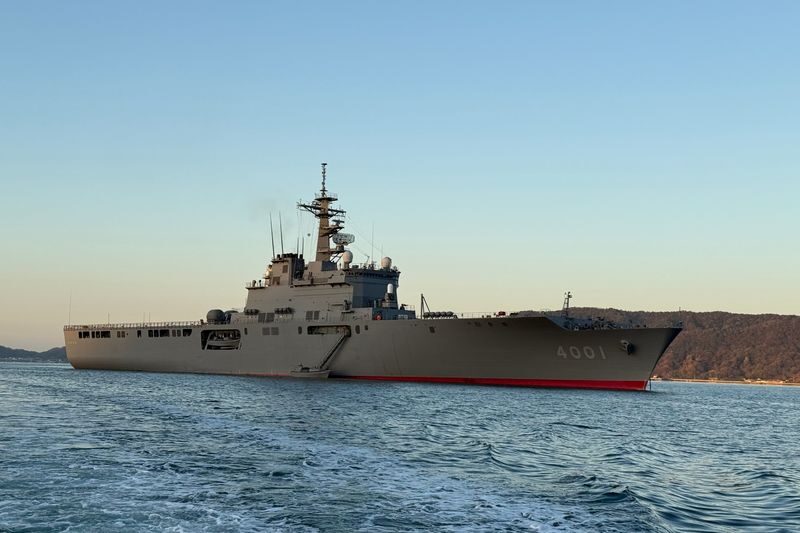
Kure has long been tied to Japan’s navy. It was once described as the best naval port in the Orient, and today it remains an important base for the Japan Maritime Self-Defense Force. From the water, you get a sense of why this harbor matters: ships are not merely exhibits here. They are part of an active port.
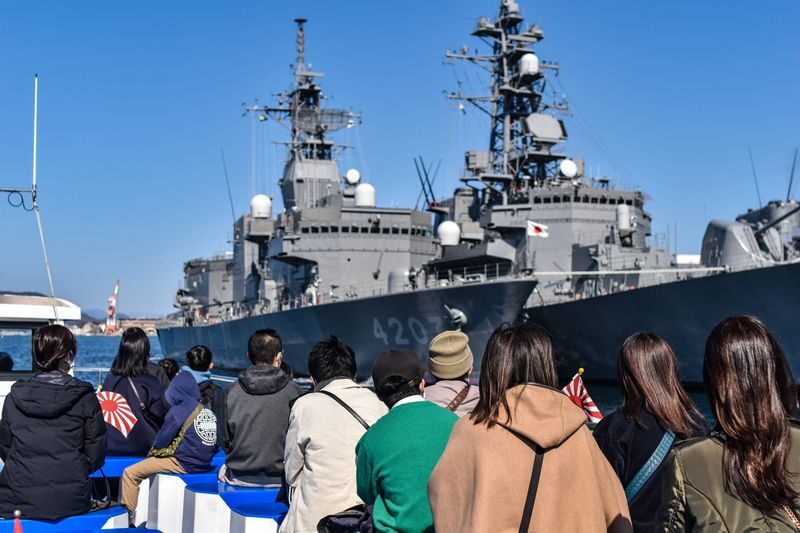
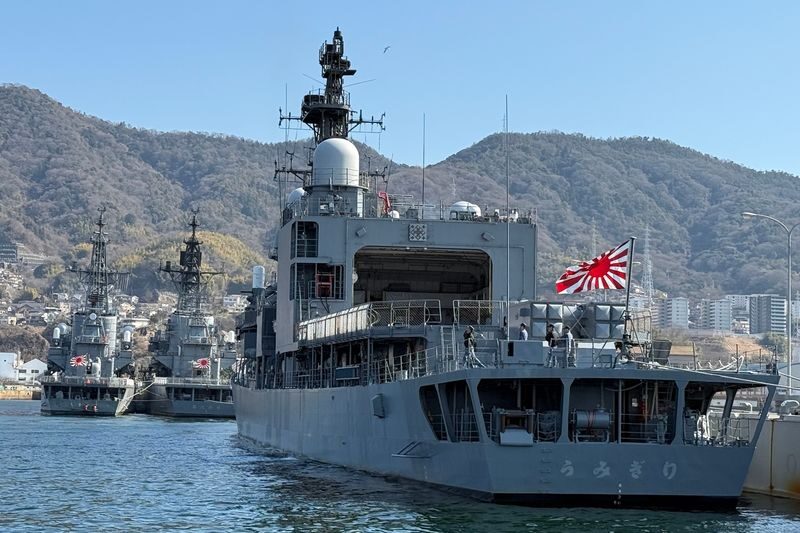
The 35-minute sightseeing cruise takes you past submarines, escort ships, and other vessels docked in Kure Bay. The exact ships vary by day, so the view changes. That uncertainty is part of the appeal if you enjoy seeing a working harbor, though it is less useful if you are hoping to photograph one particular ship.
The boat gets close enough for you to see the ships’ size and structure in a way that is hard to appreciate from shore. Some accounts describe passing within about five meters. That is a striking distance, but the tour remains a sightseeing cruise, not a chance to board the military vessels or explore them inside.
The atmosphere can be unexpectedly human, too. People aboard the ships have been seen waving as the tour boat passes. Small moments like that give the harbor a sense of daily life, rather than making the cruise feel like a static display of steel.
👉 See our pick of the Hiroshima’s 13 Top Workshops & Classes (With Prices)
What happens during the 35-minute cruise
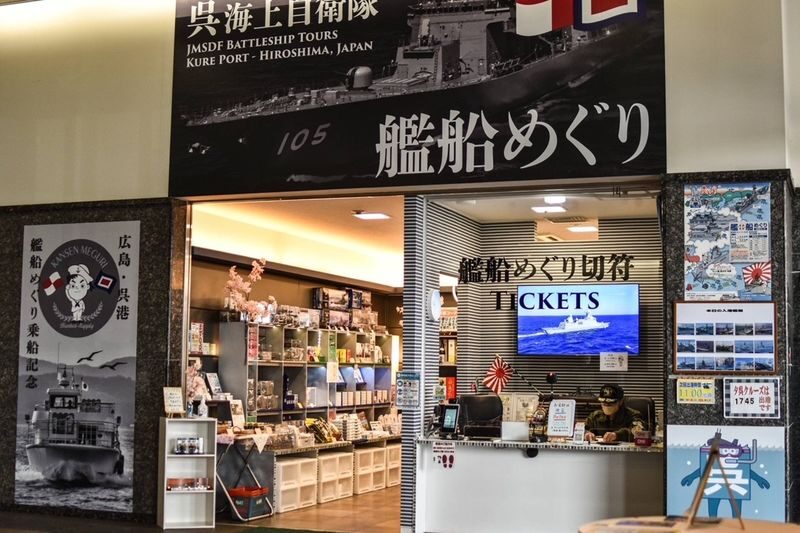
You meet at 4-44 Takaramachi, at Kure Port Terminal. Plan to arrive 15 minutes before departure, and allow time to exchange your mobile voucher for a physical ticket at the terminal. The boarding point is described as easy to find, but arriving early also gives you a chance to confirm the process and settle in without rushing.
Once aboard, you can choose between the upper and lower decks. The upper level is open to the air and offers an unobstructed view across the water. It is the natural choice for photos, but it has little protection from sun and rain.
The lower deck is the sensible retreat when the weather turns. It is air-conditioned in summer and heated in winter, so you can still see the harbor in comfort. On rainy days, you may spend most or all of the trip inside, but the cruise can still go ahead and there is plenty to look at through the windows.
During the ride, the boat passes the docked vessels while the guide explains what you are seeing. The narration is in Japanese. Some visitors have been able to borrow an English introduction or booklet, which can help identify the ships, but availability is not guaranteed by the ticket details. If you rely on translation apps, downloading one before boarding and checking whether it can translate speech in real time may help.
The tour is listed as 35 minutes, while some people describe the ride as closer to 45 minutes. I would keep a little breathing room around the scheduled time, especially if you have a train or ferry to catch afterward. The cruise is short enough to fit into a day trip, but not so predictable that you should plan a connection with no margin.
You can also read our reviews of more tours and experiences in Hiroshima.


Choosing the right deck, seat, and time
If you want the clearest photos, start on the upper deck. You can see over the water without a cabin window in the way, but bring sunscreen, sunglasses, and water on bright days. Summer afternoons can be hot, and one reported 2 p.m. departure had full sun. Take photos, then move downstairs to cool off if needed.
The lower deck is the better pick for comfort in heat, cold, or rain. You lose the open-air feel, but an air-conditioned or heated cabin can make a bigger difference than a perfect view, especially if you are traveling with children or anyone who dislikes exposure to the weather.
A sunny day gives you the best chance to enjoy the upper deck, but rain does not automatically make the outing a washout. You can still see the ships from inside. Think of the weather as a choice between an open, photographic view and a sheltered, more comfortable one.
One person recommends sitting on the left side, but the ships and their positions vary. Treat that as a useful suggestion, not a guarantee of the best angle. If photography is your priority, arrive early, ask staff which side may have the clearest view that day, and be ready to move between decks if permitted.
For a quieter ride, a weekday afternoon may have more space, while an early departure can be a good choice if you want to build the rest of your day around Kure’s museums. One suggested plan is to visit the Yamato Museum before a 10 a.m. cruise, then head to the JMSDF Kure Museum afterward. Check each attraction’s current hours before relying on that sequence.
What the Japanese commentary means for you
The guide’s spoken explanation is in Japanese, so visitors who do not understand the language may miss details about the ships. That is the cruise’s clearest limitation. The vessels remain impressive without narration, but you will get more from the trip if you can connect what you see with information about the fleet.
An English booklet or introduction has been available on some departures. Ask about it when you exchange your ticket, rather than assuming it will be handed out automatically. A translation app can be another tool, though wind, engine noise, and rapid speech may make live translation patchy.
You can still enjoy the visual side without understanding every announcement. Watch the differences in size and shape between ships, notice how the vessels sit in the harbor, and look for activity on deck. If you are interested in military history or naval engineering, the cruise gives you a close look that a shore-based museum cannot quite replicate.
There is also a historical context to consider. Kure’s naval past is closely connected to Japan’s wartime history, while today’s ships belong to the Maritime Self-Defense Force. The cruise focuses on viewing vessels, not on a detailed historical debate. Some visitors may also notice the Rising Sun Flag and feel differently about its symbolism, particularly given its associations with Japan’s imperial military past. It is worth knowing this before you go, especially if that history is important to how you approach the visit.
How the price compares with the experience
The ticket starts at $13.89 and includes admission to the cruise attractions and a city brochure. Personal expenses are extra. At that price, you are paying for a short, specialized harbor trip rather than a long sightseeing cruise, so value depends on your interest in ships and Kure’s naval identity.
For a military history enthusiast, the close views are the point. You are not paying for a long route or extensive onboard amenities; you are paying to see submarines and large ships from the water, in a harbor where naval activity is part of the setting. That makes the cruise a worthwhile use of a modest amount of money if the subject interests you.
If you have little interest in ships and are short on time, the trip may feel less essential. Kure is about an hour from Hiroshima by local train, so the journey there and back takes more time than the cruise itself. The best value comes when you pair it with nearby sights, such as the Yamato Museum or the JMSDF Kure Museum, rather than making the cruise your only reason to visit.
Booking ahead can secure a place on your chosen departure and save you from buying a ticket at the terminal. You must select a date and time, and the voucher is valid only for that date and time where applicable. The cruise is closed on Tuesdays, so check the day before building your plans around it.
Fitting the cruise into a day in Kure
Kure works well as a day trip from Hiroshima if you enjoy naval history and want a change from the city’s major memorial sites. The train connection makes it reachable, and the harbor cruise is compact enough to leave room for a museum visit. Still, account for the travel time and the need to arrive early at the terminal.
A morning cruise can be paired with a museum visit before or after, depending on opening hours and your departure slot. One workable outline is the Yamato Museum before a 10 a.m. sailing, followed by the JMSDF Kure Museum afterward. Another plan described catching a 12:05 p.m. ferry to Matsuyama after the cruise, but make sure you leave a safe margin rather than copying a tight schedule.
If you are driving, nearby parking has been used for access to the terminal area. Check current parking arrangements before setting out, since the ticket details do not guarantee a particular lot or space. By train, allow enough time to locate the terminal and exchange your voucher.
This is a small outing, but it can add a different angle to a Hiroshima-area trip. The museums explain the ships through objects, displays, and history; the cruise shows their size against the harbor itself. Together, those perspectives make more sense than either one alone.
Who should book the Kure Bay Battleship Tour
I would put this cruise high on the list for ship enthusiasts, military history fans, photographers, and anyone curious about Japan’s Maritime Self-Defense Force. It is also a good choice if you want a brief, distinctive activity that does not require a full day on the water.
Families can take part, and there is no age limit. Children aged 0 to 5 ride free, but they still need to be included in the passenger headcount. The open deck may be hot or wet, so keep the lower cabin in mind if the weather or a child’s comfort becomes an issue.
If you need detailed English interpretation, or if you are not especially interested in ships, weigh that limitation against the travel time from Hiroshima. The view itself is accessible to anyone, but the context is thinner if you cannot follow the Japanese commentary and no English booklet is available.
Book it if you want a close look at Kure’s active naval harbor and can spare the time for the trip. Choose your departure with the weather in mind, arrive 15 minutes early, and treat the English support as a possible bonus rather than a sure thing. Skip it if you are pressed for time or need a fully English-guided tour.
Kure Bay Battleship Tour (Hiroshima)
“The 14:00 time slot is fully exposed to the sun; we recommend booking a bit later. The guided tour is in Japanese.”
FAQ
How long is the Kure Bay Battleship Tour?
The cruise is described as 35 minutes. Some accounts put the full ride closer to 45 minutes, so allow a little extra time in your schedule.
Where do I meet the boat?
The meeting point is Kure Port Terminal at 4-44 Takaramachi, Kure City, Hiroshima Prefecture. Arrive 15 minutes before your scheduled departure.
Is the tour available in English?
The live guide commentary is in Japanese. An English booklet or introduction may be available, but it is not guaranteed by the ticket information.
Is the cruise open every day?
No. The tour is closed on Tuesdays.
Can children join the tour?
Yes. There is no age limit, and children aged 0 to 5 are free. Infants and children must still be included in the passenger headcount.
What happens if I need to cancel?
You can receive a full refund if you cancel at least 24 hours before the activity date, using the destination’s local time. Late arrivals and no-shows are not refunded.