Kyoto’s cozy pub food is the point here: in three hours, you’ll cook a six-part menu, then sit down to enjoy it in a booth. It’s a useful change of pace from temples and sightseeing, and it gives you a closer look at the comfort dishes served in Japanese izakaya.
I like two details in particular: you make a varied menu rather than just one signature dish, and the class includes the ingredients, tools, an English-speaking instructor and recipes in English. The chance to cook food such as chicken meatballs, miso pumpkin soup and beef pasta makes this more than a quick demonstration.
One consideration: the menu is seasonal, so the dishes may change, and the $86.15 starting price does not include transport or personal expenses. The class is three hours, which is a worthwhile block of time if you want to cook and eat, but less appealing if your Kyoto schedule is already packed.
- Six dishes, not one: The menu runs from cucumber salad and chicken meatballs to fried chicken, beef pasta and sorbet.
- An izakaya-style meal: You cook Japanese pub comfort food, then sit down to eat the finished dishes.
- Instruction in English: An English-speaking guide leads the class, and you receive the recipes in English.
- A seasonal menu: The specific dishes may change, so treat the printed menu as a guide rather than a fixed promise.
- Downtown location: The studio is about a 10-minute walk from Shijo/Karasuma Station or a one-minute walk from Nishinotoin Matsubara.
- Plan dietary needs ahead: Several restrictions can be accommodated, but the provider asks you to share them in advance.
- Kyoto pub cooking in three hours
- From cucumber salad to hojicha sorbet
- Cooking, eating and learning the Japanese way
- What .15 buys you
- Dietary needs, children and a few practical limits
- Who will get the most from this class?
- Should you book the Kyoto Pub Food Class?
- FAQ
- How long is the cooking class?
- What dishes are on the menu?
- Is the class taught in English?
- What is included in the price?
- Where is the cooking studio?
- Can dietary requirements be accommodated?
- Can children attend?
- What is the cancellation policy?
- The Best Of Kyoto!
- More Food & Drink Experiences in Kyoto
- More Tours in Kyoto
- More Tour Reviews in Kyoto
Kyoto pub cooking in three hours
 1 / 7
 2 / 7
 3 / 7
 4 / 7
 5 / 7
 6 / 7
 7 / 7
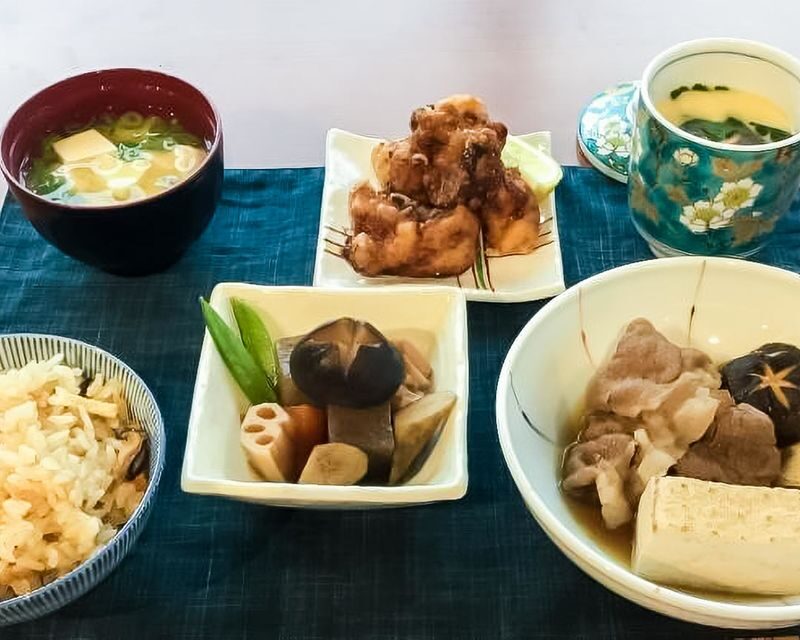
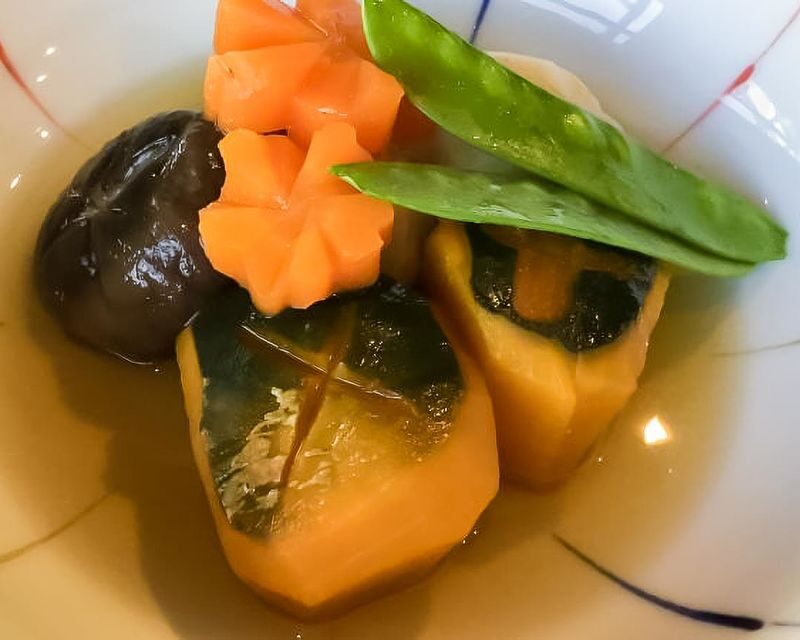
This is a hands-on class built around izakaya, the casual pubs where people gather for food and drinks. Rather than focusing on restaurant-style showpieces, the menu leans toward comfort food: salads, soup, grilled meatballs, fried chicken and a Japanese-style beef pasta.
That variety is a useful way to get a feel for the breadth of a Japanese pub meal. You’ll work with different preparations and ingredients, then taste the results as a complete menu. It is not a market tour or a meal in a local pub, but it does offer a practical introduction to the food associated with that setting.
The experience lasts three hours, so allow room in your day for more than the cooking itself. You’ll make the dishes, have them served hot from the kitchen, finish the menu and then move to a classic booth to enjoy the rest with a cold drink. The description does not provide a minute-by-minute schedule, so don’t expect a precise timetable for each course.
The instructor speaks English, which matters when you’re learning unfamiliar techniques or following a recipe. You also get recipes in English to take away, giving you a way to revisit the dishes after your trip. The instructors’ names and the class size are not specified, so you can’t choose a particular teacher or know how many people will share the kitchen.
👉 See our pick of the We Rank Kyoto’s 15 Top Workshops & Classes
From cucumber salad to hojicha sorbet
The menu begins with vinegar-marinated bellows cucumber. It’s a bright, tangy opening that gives you a contrast to the richer dishes to come. The exact ingredients and preparation steps are not specified, but the class is intended to teach you the skills used to make food the Japanese way, not just hand you a finished plate.
Next comes a grilled chicken and burdock meatball. Burdock root is a familiar Japanese ingredient, and pairing it with chicken makes this a good example of how a pub dish can combine meat with a distinctly local vegetable. The menu gives you a chance to work with a dish beyond the sushi and ramen most visitors already know.
Pumpkin soup with white miso and soy milk brings a softer, more rounded flavor to the lineup. The combination points to the class’s appeal: you get to see how Japanese ingredients can shape familiar forms such as soup, rather than treating Japanese cooking as a collection of unfamiliar dishes. The exact recipe may vary with the season.
The fried chicken fillet with salted plum and shiso leaf adds a crisp, savory course with sharp and aromatic accents. It is one of the menu’s more recognizable comfort-food choices, yet the plum and shiso give it a distinctly Japanese direction. If you’re comparing cooking classes, this menu’s range is a plus: it moves between soup, salad, grilled food and fried food.
The Japanese-style dashi-based beef pasta is an unexpected bridge between pub food and a familiar pasta format. Dashi gives the dish a Japanese base, while beef and pasta make it substantial. It’s a memorable choice for anyone curious about how Japanese home and pub cooking adapts foods from elsewhere.
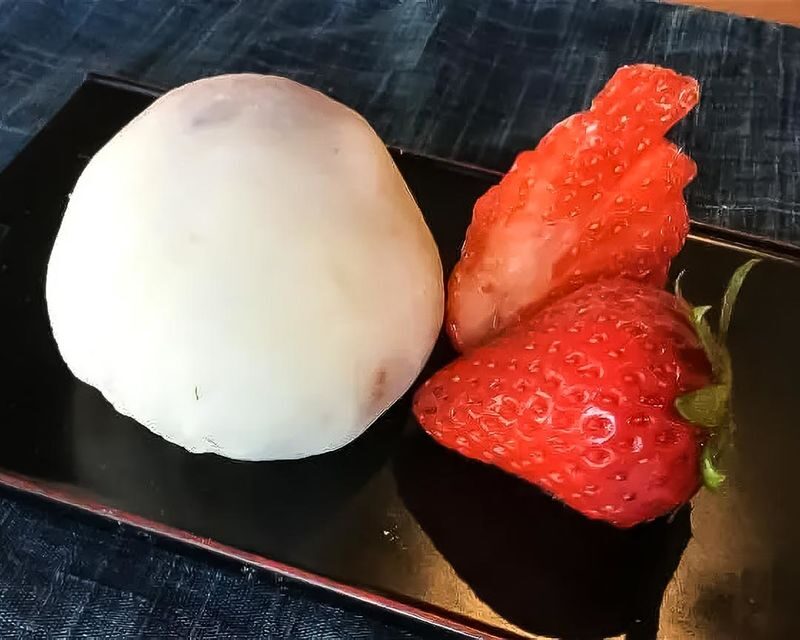
Dessert is hojicha tea-flavored sorbet. Hojicha is roasted Japanese green tea, and its flavor offers a different finish from the sweeter, richer desserts many visitors expect. Complimentary green tea is also included, though the description does not say that the served tea is hojicha.
The menu is seasonal, so don’t book expecting every dish to appear exactly as listed. That flexibility can be useful for cooking with ingredients that suit the time of year, but it means the six dishes are examples of the planned menu, not a guarantee.
You can also read our reviews of more food & drink experiences in Kyoto


Cooking, eating and learning the Japanese way
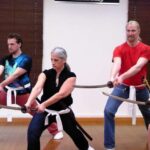
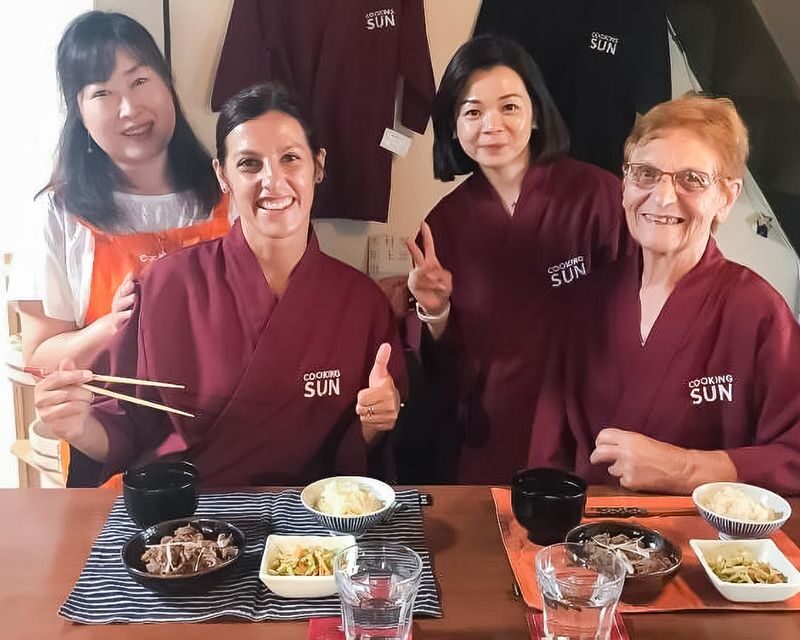
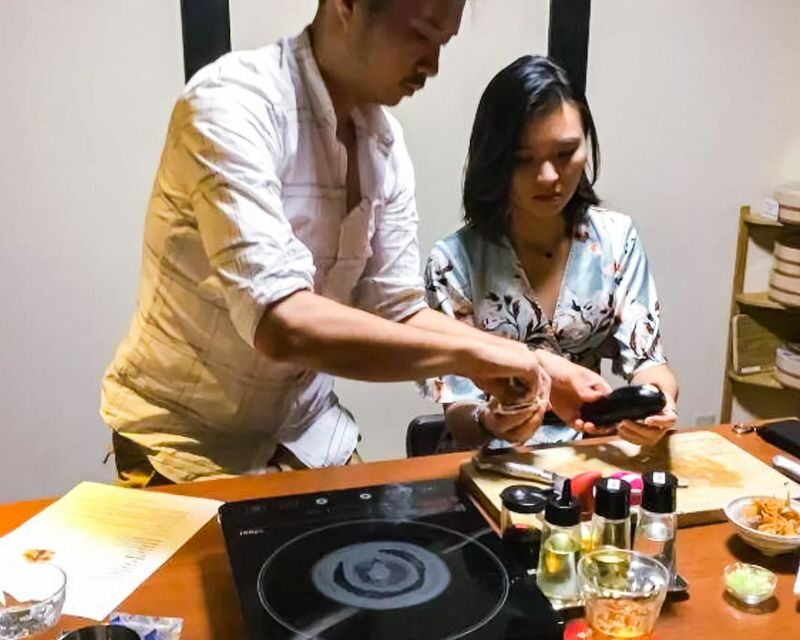
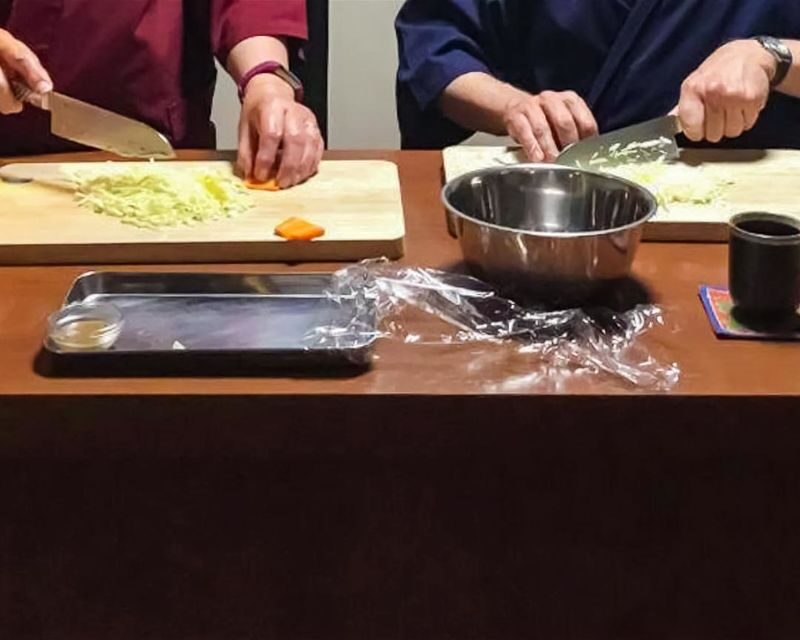
You are not simply watching a chef prepare lunch. Ingredients, utensils, tools and equipment are included, and you wear a samue, work clothes traditionally associated with Buddhist monks. The practical benefit is simple: you can focus on the cooking without bringing an apron or arranging kitchen supplies.
The class promises instruction in the skills needed to make food the Japanese way, but it does not spell out particular techniques or assign a named dish to each participant. Go in ready to follow the instructor and take part, rather than expecting a formal culinary course with a published lesson plan.
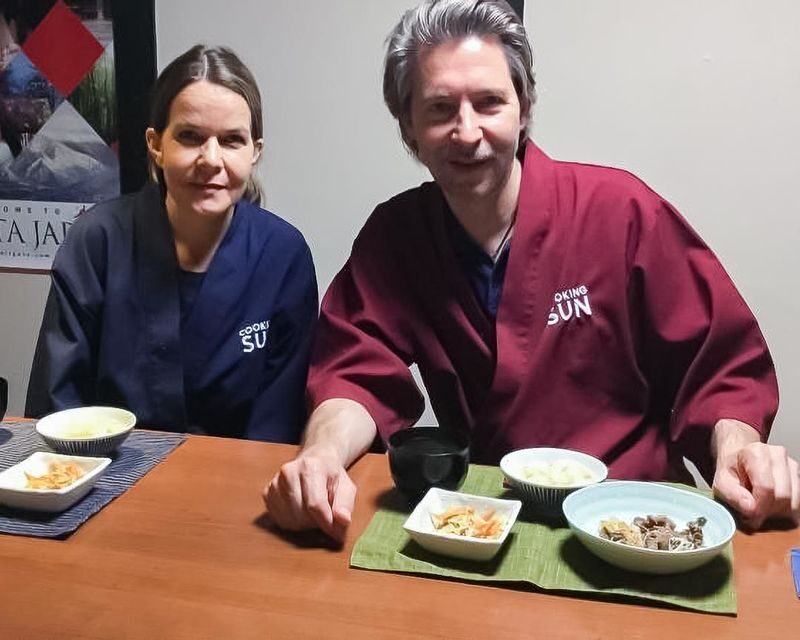
Once the food is ready, the class shifts from preparation to eating. You’ll enjoy some dishes hot from the kitchen, finish the menu and sit in a classic booth for the rest of the meal. That change of setting helps the experience feel like a meal, not just a lesson followed by a taste of each item.
A cold drink is part of the meal description, while complimentary green tea is explicitly included. Alcohol is not listed as an inclusion, so don’t assume a beer or other alcoholic drink is covered by the price. Japan’s legal drinking age is 20, and you need valid identification to prove your age if you plan to drink alcohol.
One past participant, Craig, described the food as delicious and the instructors as fun and flexible. That is a positive sign for the two things most likely to shape the class: the meal and the atmosphere. Still, the activity itself has only one published rating, so a five-star score is encouraging but not enough to establish a long track record for this specific class.
What $86.15 buys you
The starting price is $86.15 for a three-hour class. It covers the English-speaking guide, ingredients, cooking equipment, a samue apron, English recipes and complimentary green tea. You also get a substantial menu to prepare and eat, which makes the price easier to justify than a short demonstration with only a small tasting.
The value depends on what you want from a meal. If your priority is the cheapest lunch in Kyoto, this is not the economical choice. If you want a guided activity that combines cooking, a full meal and recipes to use later, the price covers several parts of the experience in one booking.
Transport to and from the studio is not included, and neither are personal expenses. The venue is at 679 Funayacho, Shimogyo Ward, in downtown Kyoto. It is about a 10-minute walk from Shijo/Karasuma Station or one minute from Nishinotoin Matsubara, so check your route before setting out. Detailed directions and a Google Maps link are provided on the voucher after booking.
The voucher is valid only for the date and time you select. Confirmation should arrive within 48 hours; if it does not, contact customer support. You can cancel for a full refund at least 72 hours before the activity, using destination local time as the cutoff.
Dietary needs, children and a few practical limits
Dietary accommodations are available, but you should share your requirements in advance. The class says it can accommodate kosher and pescetarian diets, and it also lists halal-certified, gluten-intolerant, vegetarian and vegan requirements. For vegetarian participants, fish can be replaced with vegetables and other ingredients.
There is an important distinction for halal diners: the class does not use halal meat, though alcohol components and ingredients are removed. If halal-certified meat is essential to your diet, confirm directly with the provider before booking rather than assuming the accommodation means that halal meat is supplied.
Because the menu changes by season, ask about the planned dishes if a specific ingredient is a concern. The available information does not spell out how each dietary adjustment affects every dish, so advance communication is the best way to make sure the class suits you.
Children under five can participate without charge, but they do not receive food ingredients. Infants and children must still be included in the passenger headcount. Children aged six to twelve need to attend with a paying adult, and children aged thirteen or older pay the adult rate.
Who will get the most from this class?
I’d consider this class if you enjoy food as a way into local culture and want more than a restaurant meal. The izakaya theme, the range of dishes and the chance to cook them yourself give you a practical counterpoint to Kyoto’s temples and traditional sights. It’s especially appealing if you want a scheduled indoor activity and a meal in the same booking.
It also suits cooks who like having recipes to bring home. English instruction and written recipes make the class more useful than a meal where you simply watch someone else prepare food. The menu is varied enough to keep the session interesting, though the description does not promise that every participant will independently make every dish.
I would hesitate if you need a fixed menu, have a tight schedule or are looking for a low-cost meal. The three-hour commitment and seasonal changes are real considerations, and the price is for the class experience, not just the food. People with strict dietary requirements should confirm the details before paying, especially anyone who needs halal-certified meat.
You can also read our reviews of more tours and experiences in Kyoto


Should you book the Kyoto Pub Food Class?
Book it if you want a relaxed, hands-on food experience with a proper sit-down meal at the end. Six dishes, English instruction, equipment and take-home recipes give the class substance, while the izakaya theme offers a useful look at everyday Japanese pub food.
Skip it if you mainly want to eat, need a guaranteed menu or are trying to keep costs down. For the right person, though, this is a good way to spend three hours in central Kyoto: cook a varied meal, learn a few Japanese cooking skills and then enjoy the results without having to find a restaurant afterward.
Kyoto Pub Food Class (3 Hours)
“I had a great time. The food was delicious and the instructors were fun and flexible.”
FAQ
How long is the cooking class?
The class lasts three hours.
What dishes are on the menu?
The listed seasonal menu includes vinegar-marinated bellows cucumber, grilled chicken and burdock meatballs, pumpkin soup with white miso and soy milk, fried chicken fillet with salted plum and shiso, dashi-based beef pasta and hojicha tea-flavored sorbet. The menu may change with the season.
Is the class taught in English?
Yes. An English-speaking guide leads the class, and recipes are provided in English.
What is included in the price?
The class includes ingredients, utensils, tools and equipment, a samue apron, an English-speaking guide, English recipes and complimentary green tea.
Where is the cooking studio?
The meeting point is 679 Funayacho, Shimogyo Ward, Kyoto, 600-8466, Japan. The studio is about a 10-minute walk from Shijo/Karasuma Station or a one-minute walk from Nishinotoin Matsubara.
Can dietary requirements be accommodated?
The class lists accommodations for kosher, pescetarian, halal-related, gluten-intolerant, vegetarian and vegan diets. Vegetarian participants can have fish replaced with vegetables and other ingredients. Halal meat is not used, though alcohol components and ingredients are removed. Tell the provider about your needs in advance.
Can children attend?
Children under five can participate free without food ingredients, but must be included in the passenger headcount. Children aged six to twelve must attend with a paying adult. Children aged thirteen and older pay the adult rate.
What is the cancellation policy?
You can receive a full refund if you cancel at least 72 hours before the activity date, using destination local time as the deadline.