Kyudo here is more than a quick turn with a bow. At Hiroshima Castle’s Sannomaru, you learn the basic movements of Japanese archery, then practise shooting at a target on a shortened range. The castle setting gives this one-hour activity a sense of place that a standard indoor lesson cannot match.
I like two things in particular: the close instruction, which gives beginners time to adjust their stance and technique, and the chance to wear a kyudo uniform for photos. One consideration: at a starting price of $45.15, this costs more than a casual amusement, and the session is brief. It makes most sense if the cultural lesson matters as much as hitting the target.
- At a glance
- A short lesson with a distinctly Japanese setting
- What happens during the hour
- The castle location adds context, not a full castle tour
- Who is likely to enjoy it
- Is .15 a fair price?
- Practical details before you book
- Should you book the Hiroshima Castle kyudo experience?
- FAQ
- How long is the kyudo experience?
- Where does the session take place?
- What is the minimum age?
- Is there an upper age limit?
- Do I need to bring archery equipment or clothing?
- Is instruction available in English?
- Can I cancel and get a refund?
- The Best Of Hiroshima!
- More Tours in Hiroshima
- More Tour Reviews in Hiroshima
At a glance
 1 / 4
 2 / 4
 3 / 4
 4 / 4
- A castle-side setting: The practice takes place at Hiroshima Castle’s Sannomaru commercial facilities, a short walk from the castle entrance.
- Built for first-timers: The mini range is shorter than a standard kyudo range, so you can focus on learning the movements before worrying about distance.
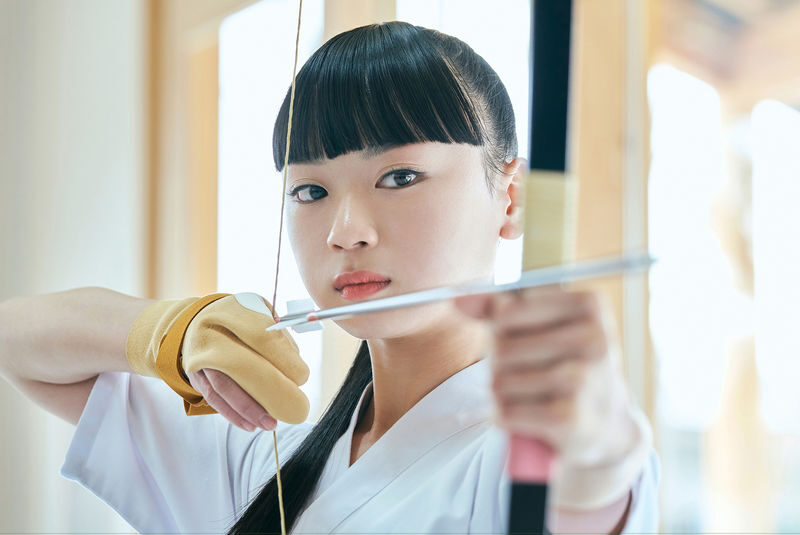
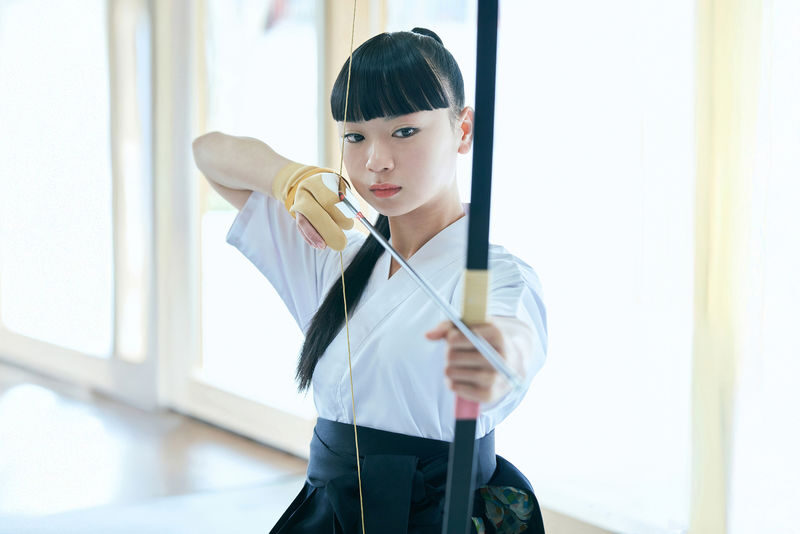
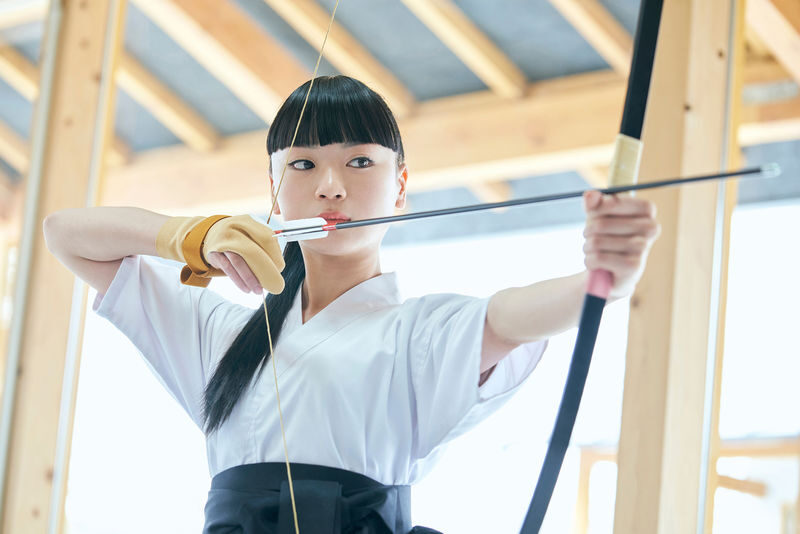
- Clothing is provided: Change into a do-gi and hakama, then pose for a commemorative photo.
- Small-group feel: Sessions have been reported with around three or four participants, allowing instructors to give individual pointers. Group size may vary.
- A little culture with the technique: The lesson can include background on Japanese archery, its methods, and how competition works.
- Check the age and safety rules: Participants must be at least 10 and under 71. Arm, hand, or shoulder injuries are a reason not to take part.
👉 See our pick of the Hiroshima’s 13 Top Workshops & Classes (With Prices)
A short lesson with a distinctly Japanese setting
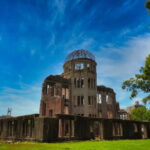
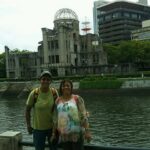
This experience makes a good change of pace from Hiroshima’s major memorial sites and museums. It is held beside Hiroshima Castle, so you can pair the lesson with time in the castle grounds or a visit to the Atomic Bomb Dome, about a 15-minute walk away.
Kyudo is a disciplined martial art, and the appeal here lies in trying its measured movements rather than treating the bow as a toy. Instructors demonstrate the steps, explain how to hold and draw the bow, and correct posture as you practise. You are not expected to arrive with archery experience or special equipment.
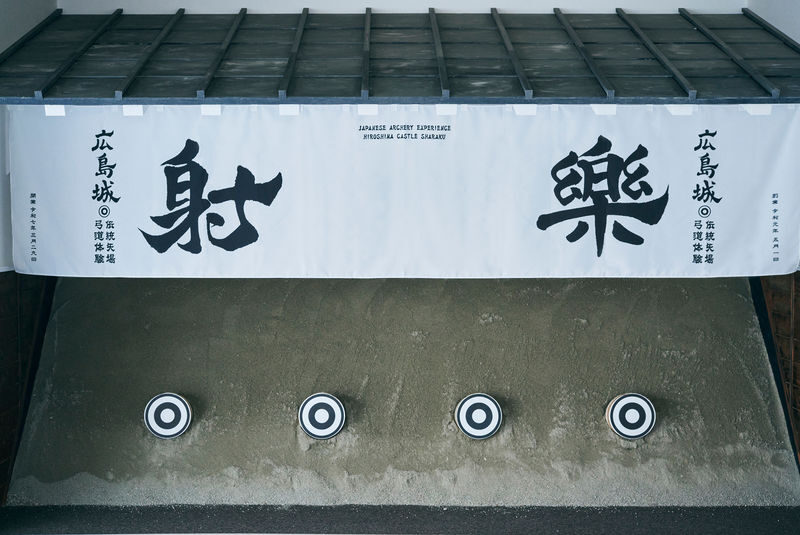
The session uses a mini range with a shorter distance than usual. That is a practical choice for a one-hour introduction: you can get a feel for the bow and practise the sequence without the demands of a full-length range. It also means this is an introduction, not a formal lesson in competition-level kyudo.
You can also read our reviews of more tours and experiences in Hiroshima.


What happens during the hour
The scheduled activity lasts one hour, and the main event is the lesson at Hiroshima Castle Archery Experience, also identified as Japanese Archery Experience HIROSHIMA CASTLE SHARAKU. The session begins at the Sannomaru meeting location. The exact sequence can vary, but the hour generally combines changing, instruction, practice, and time for photos.
First comes the clothing. You can put on kyudo-specific attire, including a do-gi and hakama. Wearing traditional clothing is part of the experience, not just a photo prop: it helps mark the shift from sightseeing into a focused activity. If you would rather spend less time getting ready, ask the staff how much time to allow for changing once you arrive.
Then the instructors explain the basic form and demonstrate how to handle the bow and arrow. Expect step-by-step guidance rather than a long lecture. The emphasis is on safe handling, posture, and the sequence of movements. English explanations are available in some sessions, though staff may also use a translation app when needed. If a point is unclear, pause and ask for a demonstration; the lesson is hands-on, and seeing the movement can help.
After the introduction, you practise at the target. The shortened range gives beginners room to concentrate on technique. Some sessions include numerous shots, and the amount of practice depends on the group and pace. Instructors may give small corrections as you go, such as reminders about posture or how to draw the bow. There may also be a friendly competition among participants, though you should think of this as a possible extra rather than a guaranteed part of every session.
Before the hour ends, you can pose in your kyudo outfit. Staff can take commemorative photos or videos using your phone, which is a useful touch if you are travelling without someone to take pictures. A small commemorative sticker has also been part of the experience.
The castle location adds context, not a full castle tour
The activity takes place at Hiroshima Castle’s Sannomaru commercial facilities, close to the castle entrance. That makes it easy to fold into a day of sightseeing, and the castle grounds offer a fitting setting for an introduction to a traditional martial art.
Keep expectations clear: this is an archery lesson in the castle area, not a guided tour of the castle or a history walk through the grounds. The cultural background is tied to kyudo itself, with explanations about technique and, in some sessions, how formal competitions are conducted. If you want a broader account of Hiroshima’s past, plan separate time for the castle and the city’s other historic sites.
The Atomic Bomb Dome is roughly a 15-minute walk away, which makes this a practical addition to a central Hiroshima itinerary. You could schedule the lesson before or after visiting the Dome, but leave enough time to arrive at the meeting point without rushing. The session has fixed departure slots, and late arrivals or no-shows are not refundable.
Who is likely to enjoy it
This is a strong fit if you want to do something active and cultural without committing half a day. The lesson is designed for beginners, and the short range, demonstrations, and instructor corrections make it approachable even if you have never held a bow. You do not need to be athletic to try the basic movements, but the activity does require you to handle a bow and arrow safely.
Families can take part together if children meet the age rules. Participants must be at least 10 years old, and anyone aged 10 to 17 must be accompanied by a paying adult. Children pay the same rate as adults. The upper age limit is under 71, so participants must be 70 or younger.
The activity is not recommended for people with disabilities, and anyone with an injury or disability affecting the arms, hands, or shoulders should refrain for safety. These restrictions matter: although the shorter range makes the lesson easier to approach, kyudo still involves drawing and controlling a bow. If you are unsure whether your condition is compatible, check with the operator before booking.
It can also work well for couples, friends, and parents with teenagers. There is enough practice to make the hour feel hands-on, and a friendly contest can add a light, social finish. If you are passionate about archery, treat it as a first introduction to Japanese technique rather than a rigorous training session.
Is $45.15 a fair price?
At a starting price of $45.15 for one hour, this is not the cheapest way to fill a gap in your Hiroshima schedule. You are paying for more than a few shots: the session includes instruction, access to the mini range, kyudo clothing, and the chance to learn about the art behind the technique. Individual guidance is a meaningful part of the value, especially for a beginner who would otherwise spend the hour guessing at posture and form.
The value improves if you are interested in Japanese culture or want an activity that gives you a souvenir photo and a memorable story to take home. It is less compelling if you mainly want a long archery session or are comparing activities strictly by minutes of entertainment. The hour passes quickly, and the focus is an introduction, not extended practice.
Group size appears to be modest in some sessions, sometimes around three or four people, and instructors may be able to give close attention. But group size is not guaranteed. Book for the cultural experience and instruction, rather than assuming you will receive a private lesson.
Practical details before you book
Choose from departure times of 10:00, 11:15, 13:15, 14:30, 15:45, or 17:00. The corresponding return times are listed as 11:00, 12:15, 14:15, 15:30, 16:45, and 18:00, though available options depend on the departure you select. The activity is described as a meet-up experience at Hiroshima Castle Sannomaru. Since the return information also refers to a hotel or personal address, confirm the exact arrangement for your booking rather than assuming transport is included.
Arrive at least five minutes before your selected time. The instructions also say to arrive one minute before departure, but five minutes gives you a sensible margin. Your voucher is valid only for the booked date and time, and you can present it on your phone. Late arrivals and no-shows cannot be refunded.
The activity is offered for booking as soon as the next day, with instant confirmation. You can cancel for a full refund at least 24 hours before the activity date, subject to the stated conditions. Outside food and drinks, pets, and professional video equipment are prohibited. Participants who appear intoxicated may be refused service without a refund.
Weather should not be a major concern: the experience is described as suitable in rain, heat, or cold because you can practise in a sheltered setting. The schedule may still change due to weather or other conditions, so check your confirmation details before setting out.
Should you book the Hiroshima Castle kyudo experience?
Book it if you want an hour of guided, hands-on culture in a memorable setting, especially if you have already planned time around Hiroshima Castle. The strongest reasons are the patient, step-by-step teaching, the chance to wear traditional archery clothes, and the unusually convenient location near the castle and Atomic Bomb Dome.
Skip it if you want a long technical course, need a fully accessible activity, or are mainly looking for the lowest-cost attraction. For a first taste of kyudo, though, the short range and close instruction make this an appealing way to try a traditional art without giving up much of your day.
Kyudo experience at Hiroshima Castle, Japanese archery target practice
“Absolutely loved this experience and I hit the target!!! Bulls eye!!! I highly recommend this experience for anyone who loves Japanese Culture and…”
FAQ
How long is the kyudo experience?
The activity lasts one hour.
Where does the session take place?
It meets at Hiroshima Castle Archery Experience, at Hiroshima Castle Sannomaru commercial facilities, 21-7-2 Motomachi, Naka Ward, Hiroshima.
What is the minimum age?
Participants must be at least 10 years old. Children aged 10 to 17 must be accompanied by a paying adult, and children pay the adult rate.
Is there an upper age limit?
Yes. Participants must be under 71, which means they must be 70 or younger.
Do I need to bring archery equipment or clothing?
No. Kyudo clothing, including a do-gi and hakama, is provided for the experience. The activity information says you do not need to bring anything.
Is instruction available in English?
English instruction may be available, and staff may use a translation app when needed. The level of English support can vary.
Can I cancel and get a refund?
You can receive a full refund if you cancel at least 24 hours before the activity date, subject to the stated conditions. Late arrivals, no-shows, and failure to follow the rules are not refundable.