Osaka makes most sense when you see its contrasts up close: the stone defenses of Osaka Castle, the quiet temple grounds of Shitenno-ji, and the food stalls and bright signs around Dotonbori. This full-day tour links those places by foot and local train, with an ukiyo-e printmaking session adding a hands-on pause between sightseeing stops.
I like two things in particular: a guide can give the castle and temple context that signs alone cannot, and Kuromon Market gives you a tasty, unpolished look at Osaka’s food culture. The trade-off is a long day on your feet, around 12,000 steps, with meals and drinks at your own expense.
- Key points to know
- From castle walls to street-food stalls
- Osaka Castle and its stone defenses
- Shitenno-ji’s quieter courtyards
- Kuromon Market, Osaka’s food counter
- Making an ukiyo-e print by hand
- Dotonbori and Shinsaibashi after dark, or close to it
- The walking, trains and meeting point
- Is 3.69 good value?
- Who should book this Osaka day tour?
- FAQ
- Where does the tour start?
- What time does the tour start and finish?
- How much walking should I expect?
- Is public transportation included?
- Are meals and drinks included?
- What is included in the tour price?
- Is the ukiyo-e workshop part of the tour?
- What is the cancellation policy?
- The Best Of Osaka!
- More Walking Tours in Osaka
- More Tours in Osaka
- More Tour Reviews in Osaka
Key points to know
- Osaka Castle gets two hours: See its museum, restored tower, stone walls and moat with a guide.
- Shitenno-ji adds a quieter chapter: Explore the grounds of one of Japan’s oldest state temples.
- Kuromon is your chance to snack: Grilled seafood, takoyaki, tamagoyaki and other local bites are available to buy.
- You make a small ukiyo-e print: The workshop uses woodblocks and ink, so wear clothes that can handle a smudge.
- Trains connect the neighborhoods: A subway pass is provided, and public transport helps cover the city without relying on a bus.
- Plan for a full day and a lot of walking: The tour runs from 9:25 a.m. to about 5 p.m., with roughly 12,000 steps.
👉 See our pick of the The Top 15 Workshops & Classes In Osaka
From castle walls to street-food stalls
This route gives you a broad first look at Osaka rather than keeping you in one district. You move from the city’s samurai-era past to Buddhist temple grounds, then into the market lanes and neon-lit streets that make Osaka famous for eating and nightlife.
That mix is the tour’s main strength. A guide connects the places into a story, while train rides give your feet a short break and show how easily Osaka’s neighborhoods link up. The day also leaves room for questions, which can make a guided walk feel more personal than a large bus tour.
Guide names associated with this tour include Justin, Garett, Warren, Justine and Wingki. Assignments can change, so choose the route and format rather than booking for one specific person. The strongest praise for the guiding style centers on clear storytelling, friendly conversation, flexibility and practical help moving between stops.
You can also read our reviews of more walking tours in Osaka


Osaka Castle and its stone defenses
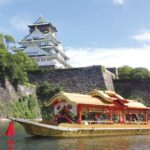
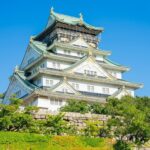
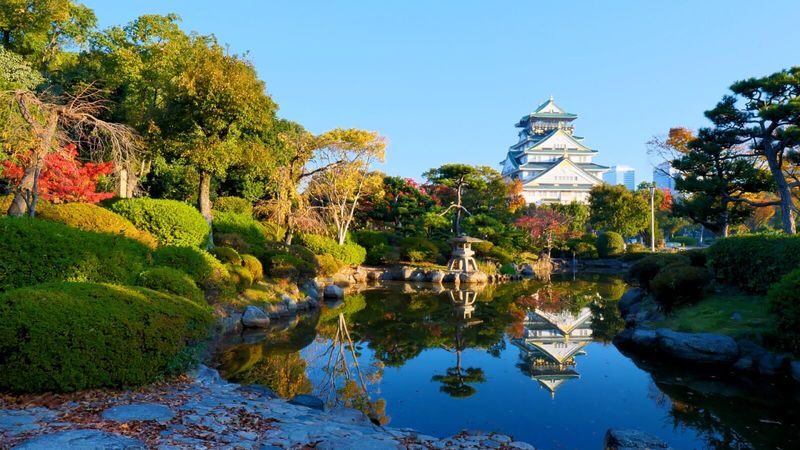
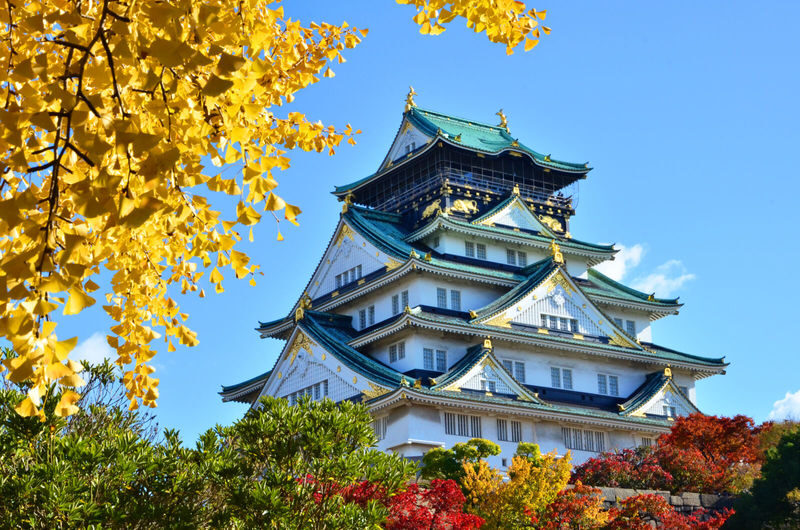
The day begins at Osaka Castle, where you have about two hours for a guided visit. The tower, moat and massive stone walls are the visual draw, but the site matters for more than its postcard looks: it gives you a starting point for understanding Osaka’s place in Japanese history.
The castle museum helps bring that past into focus. One useful difference between touring with a guide and walking through alone is the context: instead of seeing a display or an old wall as a stand-alone object, you can ask how it fits into the city’s story. Guides on this route have been praised for making historical details easier to follow through stories rather than a string of names and dates.
The grounds are also worth your attention. Look at the scale of the stonework and the way the moat frames the castle, then take time to enjoy the Japanese gardens. The restored tower provides a strong visual center, though the visit is not just a quick photo stop. Two hours allows time for a guided look at the museum and the surrounding setting.
The castle section can be a demanding start if you are not used to walking. Comfortable shoes matter from the first stop, especially on a day that continues through temple grounds, market lanes and shopping streets.
Shitenno-ji’s quieter courtyards
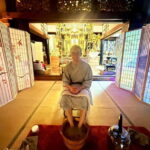
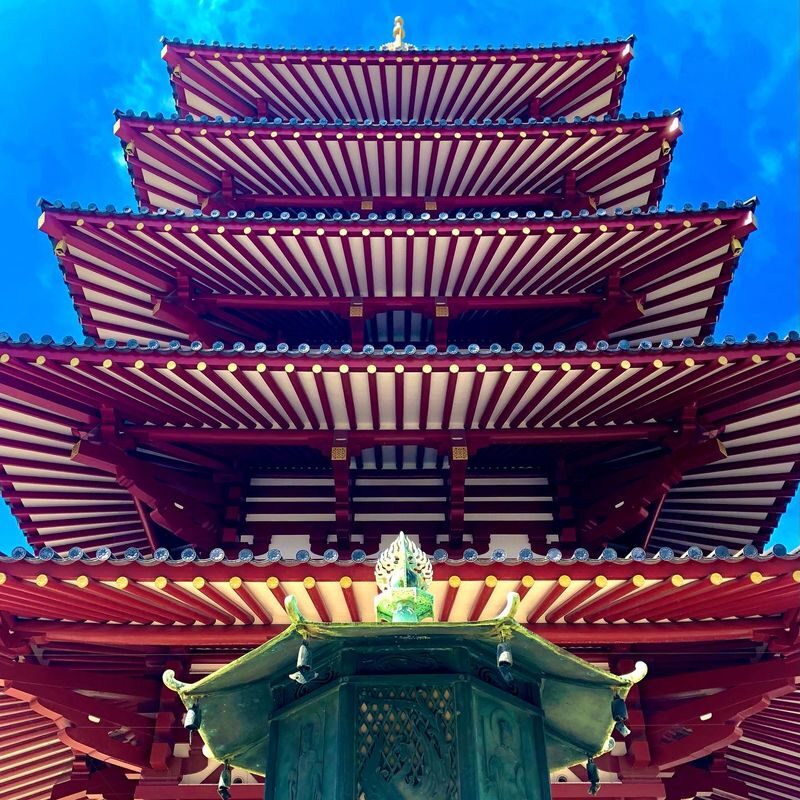
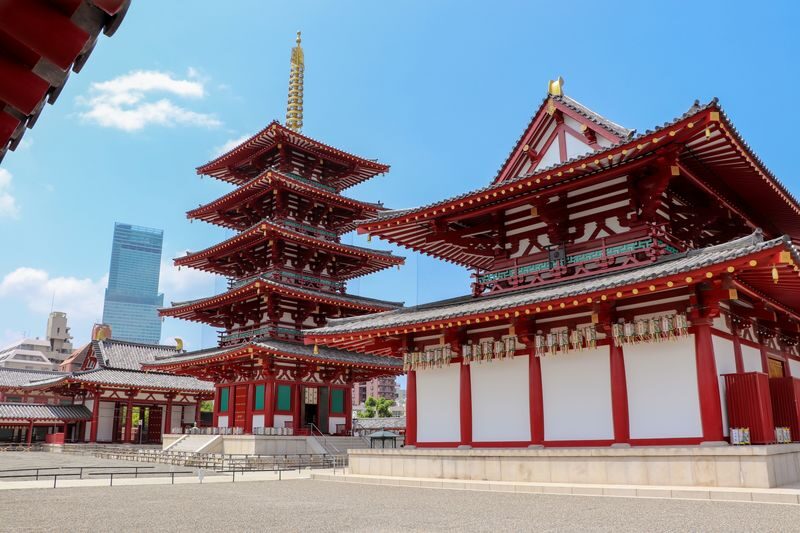
Next comes Shitenno-ji, one of Japan’s oldest state temples. The two-hour guided stop gives you time to explore its grounds and Buddhist architecture, and it offers a welcome change of pace after the castle’s grand scale.
The appeal here is less about a single dramatic view and more about noticing the parts that make a temple meaningful: its courtyards, buildings and long religious legacy. A guide can explain how to read the place, what to look for in its layout and why it has mattered over the centuries. That context is especially useful if you have visited temples on your own and found yourself admiring the architecture without knowing much about its purpose.
Two hours is a generous amount of time for a temple stop. It gives you space to look around instead of racing from one landmark to the next, though it also contributes to the tour’s full-day pace. If you prefer a quick overview and more time for shopping or food, this schedule may feel slow in places. If you like history and want to understand what you are seeing, the extra time pays off.
Kuromon Market, Osaka’s food counter
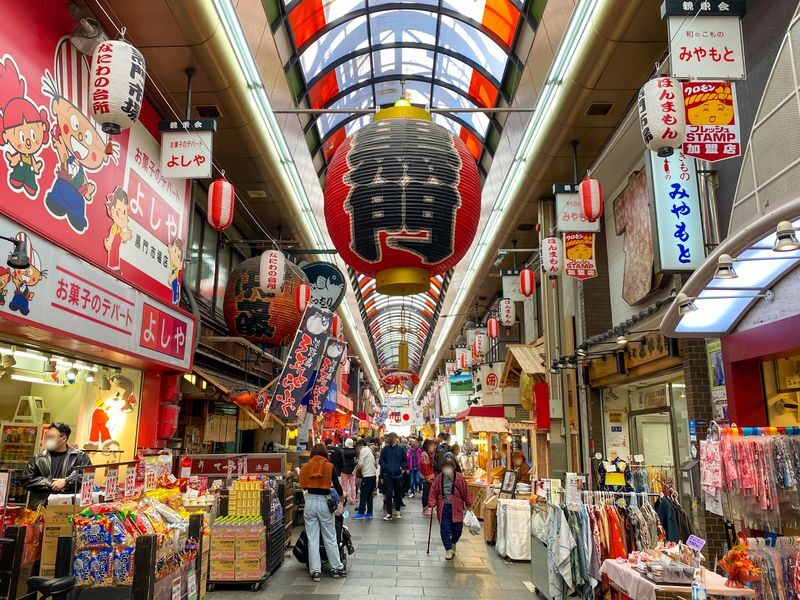
After a train ride of about 15 minutes, the tour reaches Kuromon Ichiba Market. Often called the Kitchen of the Nation, it is a lively place to see how Osaka’s food culture works at street level: vendors, fresh ingredients, prepared snacks and the smells of grilling seafood all packed into a traditional market.
You can look for local favorites such as takoyaki, grilled scallops, sea urchin, wagyu skewers and fluffy tamagoyaki. The exact stalls and available food can vary, and the tour price does not include meals or drinks. Bring a little spending money and decide as you go. A few small purchases make it easy to sample more than one thing without turning lunch into a formal sit-down meal.
The guide helps you make sense of the market and its offerings, but this is also a good moment to follow your appetite. If you are cautious about trying unfamiliar foods, start with something recognizable, then pick one new bite. If you are keen to sample seafood, arrive hungry and keep some room for the rest of the day.
Kuromon can be crowded, and it is a working market rather than a quiet food hall. Keep your belongings close, take your time at stalls and be ready to step aside when the lanes fill. The energy is part of the appeal, but it is not the place to expect a calm, leisurely meal.
Making an ukiyo-e print by hand
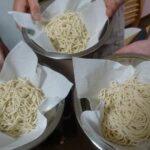
The tour includes a hands-on ukiyo-e printmaking workshop. You handle woodblocks and ink and make a small print to take home, which gives the day a practical link to Japanese art traditions rather than leaving you with only photographs.
The workshop is a welcome change from walking and listening. It gives you time to focus on a craft and learn by doing, even if you have never tried printmaking. The finished piece is a personal souvenir, and the process makes the art form easier to remember than a quick look at an example behind glass.
There is one simple bit of preparation: ink can get on your clothes. Wear something you do not mind risking, or roll up your sleeves. The available details do not specify exactly how long the workshop lasts or the order of every stop, so keep some flexibility in mind.
You can also read our reviews of more city tours in Osaka


Dotonbori and Shinsaibashi after dark, or close to it
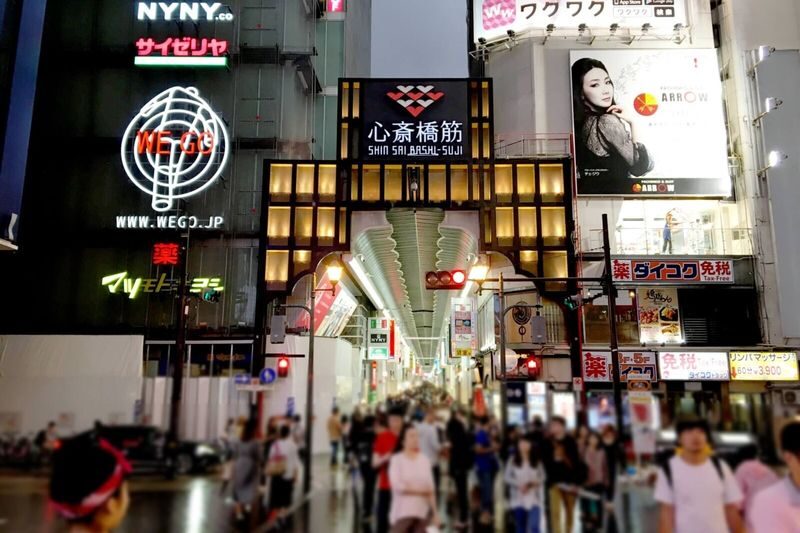
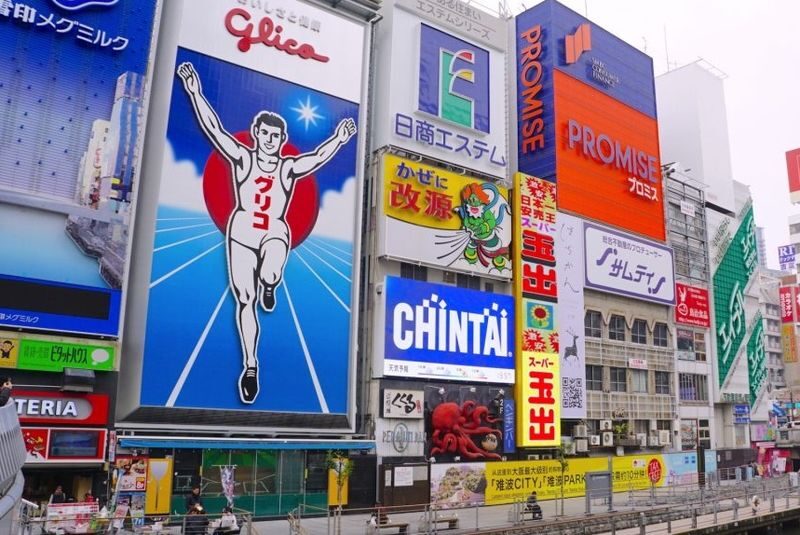
The final neighborhood section takes you through Dotonbori and Shinsaibashi, including the area around the famous Glico sign. Dotonbori is known for its oversized neon signs, restaurants, bars, clubs and food stalls. Shinsaibashi brings a different kind of street scene, with shops and covered shopping arcades nearby.
You have about an hour for this guided part of the day. That is enough to get your bearings, see the best-known photo spot and learn where the central action is, but not enough to explore every side street at length. Dotonbori gets crowded, so a guide can help you find the main sights and point out quieter backstreets nearby.
This is a strong finish if you want to keep exploring after the tour. Ask your guide where to return for dinner or which nearby streets suit your interests. The area serves plenty of Osaka specialties, but food and drinks remain your own expense. Do not mistake the guided hour for a full evening food tour.
The walking, trains and meeting point
The tour uses public transport and walking, with train rides listed at about 15 minutes between early stops and 20 minutes toward the end. A subway pass is provided. This way of moving around is practical: you see more than one part of Osaka without spending the day on a tour bus, and you get a sense of how locals travel between districts.
The day is long, from a 9:25 a.m. departure to a planned 5 p.m. return at Osaka Station. The expected walking total is around 12,000 steps. That is manageable for many people with comfortable shoes, but it is a real consideration if you have limited stamina or are traveling with young children.
Meet at Akatsuki Square on the first floor of the North Gate Building inside JR Osaka Station. It is just north of the Central Exit ticket gates, between two escalators. Station meeting points can be confusing, so check your voucher carefully and allow time to find the exact spot. Late arrivals and no-shows are not refundable.
The route may change with traffic or weather. Osaka weather can shift quickly, so a compact umbrella or rain jacket is sensible, especially in spring and summer. In hot months, sunscreen and a small towel will help.
Is $133.69 good value?
The starting price is $133.69 per person. That is more than the cost of exploring Osaka independently, but the comparison is not simply ticket price versus ticket price. The tour bundles an English-speaking guide, admission to attractions, subway travel support and a full day of route planning across several districts.
The guide is the key part of the value. Osaka Castle and Shitenno-ji are easy enough to visit on your own, but a well-led visit can give each a clearer meaning. The market and shopping districts are also easier to navigate when someone can explain the local food scene and point out useful corners as you go. The printmaking workshop adds an activity that is distinct from ordinary sightseeing.
Budget separately for food and drinks, and keep a little cash or small change handy for market snacks. If you would rather choose your own pace, skip a stop or linger over lunch, independent travel will cost less and offer more freedom. If you want one organized day that combines history, food and art without planning each transfer yourself, the price is easier to justify.
Who should book this Osaka day tour?
I would consider this tour if you have one full day for Osaka and want a guided introduction to several sides of the city. It suits curious first-time visitors, people who enjoy historical context, and anyone who wants to try local food while leaving the navigation to someone else.
It is also a good fit if you like active days and enjoy moving between neighborhoods. The guides’ storytelling and willingness to answer questions are a particular strength of the format. The workshop is an unusual bonus, and the market stop gives you a chance to try a few bites rather than only hear about Osaka’s food culture.
Think twice if you dislike long walks, want a slow lunch, or prefer to spend most of the day in one place. The route covers a lot, and the meal costs are extra. Families should also check the age pricing: children aged 0 to 5 are free, while those aged 13 and older pay the adult rate.
For a first pass through Osaka, this is a useful, varied day with substance as well as photo stops. Book it if you want history, local transit, market food and a hands-on art activity in one route. If your priority is unhurried shopping or eating, plan those on your own instead.
Osaka City, Osaka Castle, Kuromon Market, & Dotonbori Walking Tour
“We had an absolutely wonderful time exploring Osaka with Garett! He was extremely knowledgeable, an incredible storyteller, and one of the friendli…”
FAQ
Where does the tour start?
Meet at Akatsuki Square on the first floor of the North Gate Building inside JR Osaka Station. It is just north of the Central Exit ticket gates, between two escalators.
What time does the tour start and finish?
Departure is scheduled for 9:25 a.m., with a return to Osaka Station at about 5 p.m. The schedule may change with weather or traffic.
How much walking should I expect?
Plan for around 12,000 steps over the day. The tour includes walking through the castle grounds, temple, market and city streets, as well as train travel.
Is public transportation included?
The tour uses Osaka’s public transportation, and a subway pass is provided. Train rides are part of the route.
Are meals and drinks included?
No. Meals and beverages are not included. You can buy snacks at Kuromon Market, including grilled seafood, takoyaki and tamagoyaki.
What is included in the tour price?
The listed inclusions are attraction admission, an English-speaking guide and round-trip transfers to and from the meeting location. A subway pass is also provided for the public transport used during the tour.
Is the ukiyo-e workshop part of the tour?
Yes. You take part in a woodblock printmaking activity and make a small print to take home. Ink is used, so wear clothes you do not mind getting marked.
What is the cancellation policy?
You can receive a full refund if you cancel at least 24 hours before the activity date, based on local time. Late arrivals and no-shows are not refundable. If extreme weather or another unforeseen event leads the operator to cancel, you can reschedule or request a full refund.