Miyajima’s shrine and temple sites make a memorable counterpoint to Hiroshima’s Peace Memorial Park: one day can hold both the city’s difficult history and the island’s spiritual calm. A local guide helps connect the places, explain customs, and shape the route around what matters to you.
I like two things most: the private format, which lets you set the pace and ask questions freely, and the chance to try island specialties such as Momiji Manju, oysters, and okonomiyaki. Guides including Yuka, Ken, Kaori, and Ami have also arranged thoughtful food stops and family-friendly activities.
One point needs checking before you pay: the package is described as six hours, but other details give a four-hour guided itinerary and departure-return slots that appear to span four hours. Transport within Hiroshima is also extra, and a private vehicle is not included.
- What to know before booking
- A private day linking Hiroshima and Miyajima
- Hiroshima’s memorial sites need room for reflection
- The ferry ride sets up a different Miyajima
- Island food is part of the day, not just a break
- The guide is the main reason to choose a private tour
- Six hours, four hours, and what the price buys
- Who will get the most from this tour
- Should you book it?
- FAQ
- How long is the tour?
- Are ferry tickets included?
- Is transportation between sites included?
- Are meals and drinks included?
- Can I customize the route?
- Where can the host meet me?
- The Best Of Hiroshima!
- More Private Tours in Hiroshima
- More Tours in Hiroshima
- More Tour Reviews in Hiroshima
What to know before booking
 1 / 5
 2 / 5
 3 / 5
 4 / 5
 5 / 5
- Expect a flexible private walk: The host contacts you after booking to ask about interests and must-sees, then plans a route with you.
- Miyajima is the main island draw: Itsukushima Shrine, Daisho-in, local sweets, and food stops are among the possible highlights.
- The ferry is included: Round-trip ferry tickets from Hiroshima to Miyajima are covered, but local transport, meals, and drinks are not.
- You can focus on more than one side of Hiroshima: Peace Memorial Park and Orizuru Tower are mentioned as possible city stops, though the final route depends on your preferences and timing.
- Check the duration carefully: The package says six hours, while other tour details say four. Confirm the actual schedule with the operator.
- The group can be just you or up to eight people: The tour is private, with no stated age limit, and is listed as wheelchair- and stroller-accessible.
👉 See our pick of the Hiroshima’s 13 Top Workshops & Classes (With Prices)
A private day linking Hiroshima and Miyajima
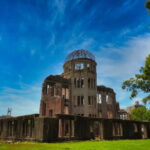
This tour’s appeal is its contrast. Hiroshima asks you to pause and consider the human cost of the atomic bombing. Miyajima brings a different pace, with revered religious sites, island scenery, and food stalls and restaurants. With a local host, you can make sense of both rather than simply ticking off names on a map.
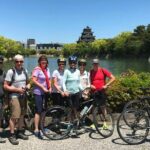
The day is not a fixed coach circuit. You share your interests in a short questionnaire after booking, and the host gets in touch to discuss a plan. You might put history first, spend more time on religious sites, or build the day around local food. That flexibility is especially useful if you are traveling with children, have particular mobility needs, or want a slower pace.
Just remember that flexible does not mean every suggested stop is guaranteed. The tour details describe examples, not a locked schedule. Ask your host which sites can fit into the confirmed duration, and make the Hiroshima-Miyajima balance clear before the day begins.
You can also read our reviews of more private tours in Hiroshima
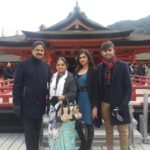

Hiroshima’s memorial sites need room for reflection
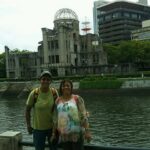
Peace Memorial Park is among the city stops named in the tour overview. It is a place to slow down, take in the memorials, and think about the people affected by the bombing. A guide can provide context and help you decide how to approach the visit, but the subject is serious. If you want time to read displays and reflect quietly, say so when planning.
The Hiroshima Peace Memorial Museum is identified in the attraction details, but the tour information does not promise a museum visit. Nor does it specify how long you would spend there. If the museum is a priority, ask your host whether it can be included and how that affects the rest of the day. A museum visit can take time, so it is wise not to assume you can also cover every Miyajima highlight at a relaxed pace.
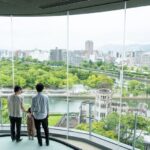
Orizuru Tower is named as a location and meeting point. It can give the day a clear start or finish in central Hiroshima, and it is also a useful landmark when arranging a pickup. The details do not say that admission to the tower is included, so treat it as a meeting place or possible stop unless your host confirms otherwise.
The city portion can be personalized, but the available details do not define a standard route through Hiroshima. Some past tours have included Shukkeien Garden and other city sights. Think of those as possible additions, not guaranteed stops. If your main reason for booking is the Peace Memorial Museum, put that at the top of your request.
The ferry ride sets up a different Miyajima
The round-trip ferry ticket is included, a helpful detail because Miyajima is not a short walk from central Hiroshima. The crossing also creates a natural break between the city and the island. Your guide can handle the transitions and help you spend less energy sorting out the day’s logistics.
The tour is a walking experience, not a chauffeured one. Public transport or local taxis may be used between sites, and those fares are extra. Ask your host what local transfers are likely to cost once your plan is set. Good walking shoes matter, and you should dress for the day’s weather.
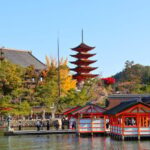
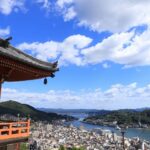
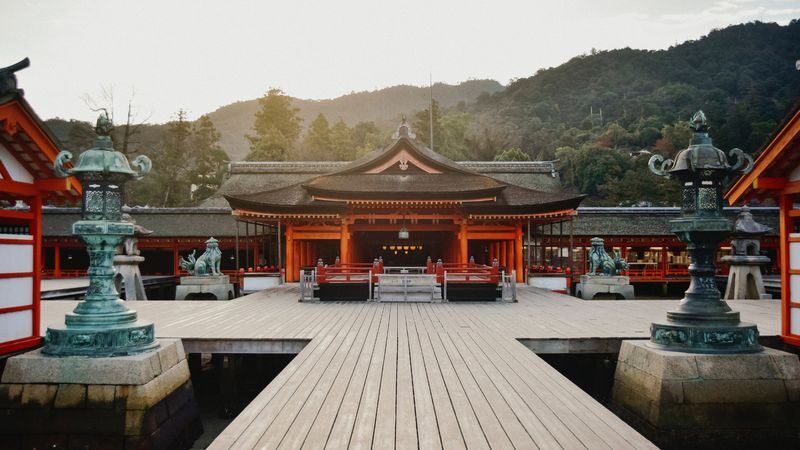
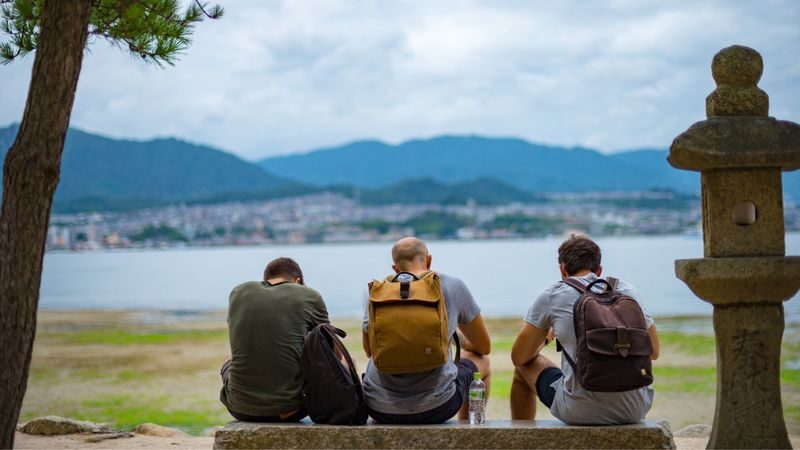
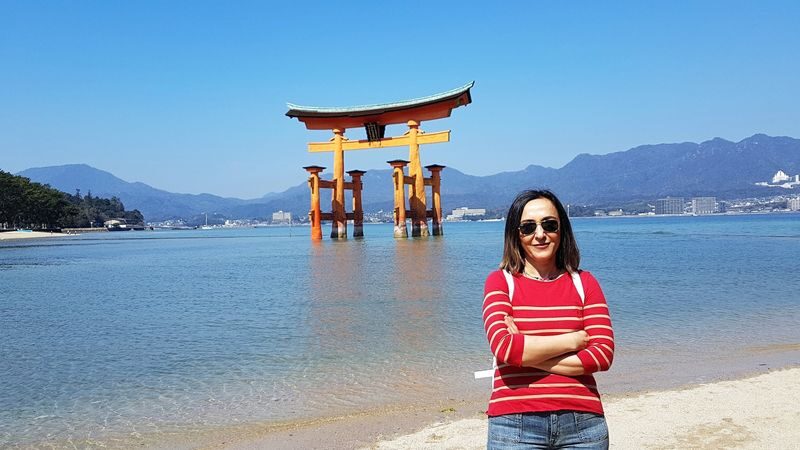
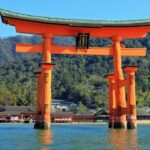
Miyajima’s most familiar sight is Itsukushima Shrine, which gives the island its particular spiritual character. The tour highlights both the shrine and Daisho-in Temple, offering a chance to learn about Shinto and Buddhist traditions in the places where they are practiced. A guide such as Yuka has explained both traditions to visitors, while Ken has discussed Shinto beliefs and postwar Hiroshima. Your own guide and the exact topics will vary, but this is the kind of conversation the private format makes possible.
The island’s appeal goes beyond the headline sites. A host may point out local customs, nature, or quieter corners along the way. The route and pace depend on the day, and the schedule can change with weather or traffic. If you want time at both religious sites, make that clear before adding several food stops or city attractions.
Island food is part of the day, not just a break
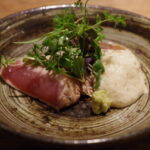
Miyajima is a good place to try regional flavors. Momiji Manju, a maple-leaf-shaped sweet, is specifically highlighted, along with matcha. The tour also points to okonomiyaki, a savory Japanese dish, as a local must-try. These tastings and meals are not included in the price, so budget separately.
Food recommendations are one of the tour’s practical strengths. Hosts have taken people to spots for oysters, fried chicken, curry, and other island meals, and one guide helped arrange a live cookie-baking session. Those are examples of the personal touches a local host may be able to arrange, not promises that every activity will be available on your date.
If you want a particular meal, tell your host early. One past guide arranged an okonomiyaki-making class for the evening, but an activity beyond the tour hours is not part of the standard package. A good food plan can make the day feel distinctly local, while an unplanned restaurant stop may take time away from the shrines. Decide which matters more to you.
The guide is the main reason to choose a private tour
The value here depends heavily on the person leading the day. Names associated with past tours include Yuka, Ken, Kaori, Ami, Kaku, Masa, Rena, and Masayo. People have praised guides for warmth, clear explanations, adapting plans for children, and handling schedule changes. Those are useful signs of what the service aims to provide, but you should not assume you can book a particular host unless the operator confirms it.
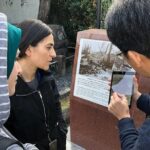
A private guide can adjust the pace, answer questions, and help a family find an activity that suits different ages. Hosts have adapted days for children and teenagers, built in breaks, and changed timings around special circumstances. If you have a specific need, such as frequent rests or an interest in religious history, explain it in the questionnaire and follow up directly.
One past visitor found the English guidance less substantial than expected. That is a useful reminder that a guide’s style and language comfort can vary. If detailed historical explanation is essential to you, ask the operator about the host’s English and experience before booking. You can also make your expectations clear: do you want a steady stream of context, or a relaxed local companion who offers tips as you go?


Six hours, four hours, and what the price buys
The advertised package starts at US$79.45 for a private walking tour for one to eight people. The price is attractive if you are sharing the guide among several people, but the exact cost per person depends on the price shown for your date and party size. The tour price includes an English-speaking guide and round-trip ferry tickets. It does not include local transport, meals, drinks, or personal expenses.
A private host can be good value if you want help joining up Hiroshima and Miyajima, particularly if you would otherwise spend time planning transfers and researching the sites. It is less compelling if you prefer a fixed, low-cost group tour or want transport between stops included. Remember to add food and any local taxi or transit fares to your budget.
The duration details do not line up. The package is called a six-hour tour, while the general summary and guided itinerary say four hours. The listed departure and return slots, such as 08:00 to 12:00, also appear to describe a four-hour window. Confirm the length, meeting time, and which destinations can fit before booking. This matters especially if you want both Peace Memorial Park and the island’s shrine and temple sites in one day.
Who will get the most from this tour
I would consider this tour if you want a personal introduction to Hiroshima and Miyajima, value conversation with a local, and are happy to pay extra for meals and city transport. It is particularly suited to families and small groups who want the guide to adjust the pace or suggest activities that suit the people in their party.
It may not be right if you need a fully accessible vehicle, want every expense bundled into one price, or prefer a tightly defined route with guaranteed stops. The tour is listed as wheelchair- and stroller-accessible, but it is still a walking experience and does not include a private vehicle. Ask about the practical route and transfers for your needs before you commit.
Should you book it?
Book if you want a flexible local guide, the ferry handled, and the freedom to shape the day around history, temples, or food. The strongest reason to choose it is the chance to ask questions and adjust the pace in a private group. Before paying, get a clear answer on the four-hour versus six-hour discrepancy and confirm whether the Peace Memorial Museum fits your plan. If those details work for you, this can be a useful, personal way to connect Hiroshima with Miyajima.
Hiroshima to Miyajima: Private 6-Hour Tour with Local by Ferry
“My wife and I wanted to visit Hiroshima; it was well worth visiting Miyajima Island with its shrines and temple first. We appreciate our guide Ken…”
FAQ
How long is the tour?
The package is described as six hours, but other details describe a four-hour guided itinerary and show some four-hour departure-return windows. Confirm the duration with the operator before booking.
Are ferry tickets included?
Yes. Round-trip ferry tickets between Hiroshima and Miyajima are included.
Is transportation between sites included?
No private vehicle is included. Public transport or local taxis may be used, and those costs are extra.
Are meals and drinks included?
No. Meals and beverages are excluded, as are other personal expenses.
Can I customize the route?
Yes. After booking, you receive a questionnaire to share your interests, preferences, and must-sees. Your host contacts you to plan a suitable route, although the listed stops are examples rather than guaranteed parts of every tour.
Where can the host meet me?
The meeting point is flexible. You can request your hotel, apartment, or another central location, or ask the host to recommend a convenient place. The listed central meeting point is Hiroshima Orizuru Tower.