
Most travellers who hear “spa in Budapest” picture a turn-of-the-century palace — domes, mosaics, pensioners lapping at thermal water that smells faintly of sulphur. Mandala isn’t that. It’s a small contemporary day-spa on a quiet street in central Pest, where the music is low, the loungers are soft, and the only crowd is the four other people in the room with you.
I went in expecting a watered-down Széchenyi. I came out wishing the historic baths were half as relaxing.
This guide covers what Mandala actually is, how to get tickets, which package to pick, and how it stacks up against the Gellért and Széchenyi options. If you’re after a quiet wellness afternoon — not a sightseeing tick — this is the booking.
In a Hurry
Best value: Mandala Day Spa & Luxury Pool Experience — around $38 for four hours of pools, sauna, jacuzzi and steam. The standard entry, and the one to start with.
Best treat: Massage 60 min + Bath entry — about $153, adds a full hour of bodywork to the same bath access. Worth the upgrade if you’ve been on your feet all week.
Best alternative: Margaret Island Day Spa — about $37 for a full day on Budapest’s island park if you want green space wrapped around your soak.
- In a Hurry
- What Mandala Is, and What It Isn’t
- How to Get Tickets
- What’s included in the standard ticket
- What costs extra
- The Three Bookings I’d Actually Make
- 1. Mandala Day Spa & Luxury Pool Experience —
- 2. Mandala Massage 60 min + Bath Entry — 3
- 3. Margaret Island Day Spa Entry —
- Mandala vs Gellért vs Széchenyi — Which to Pick
- The simple decision tree
- Getting There and What to Bring
- What to bring
- Best Time of Day to Book
- Day-of-week rhythm
- What the Treatments Actually Feel Like
- The Pool, Sauna and Steam Routine
- Eating and Drinking Around the Visit
- Who Mandala Suits — and Who Should Skip It
- Practical Notes Before You Go
- A Short Note on Modern Budapest Spa Culture
- What to Pair with Your Spa Day
- The One-Line Verdict
- More Budapest Booking Guides Worth Your Time
What Mandala Is, and What It Isn’t
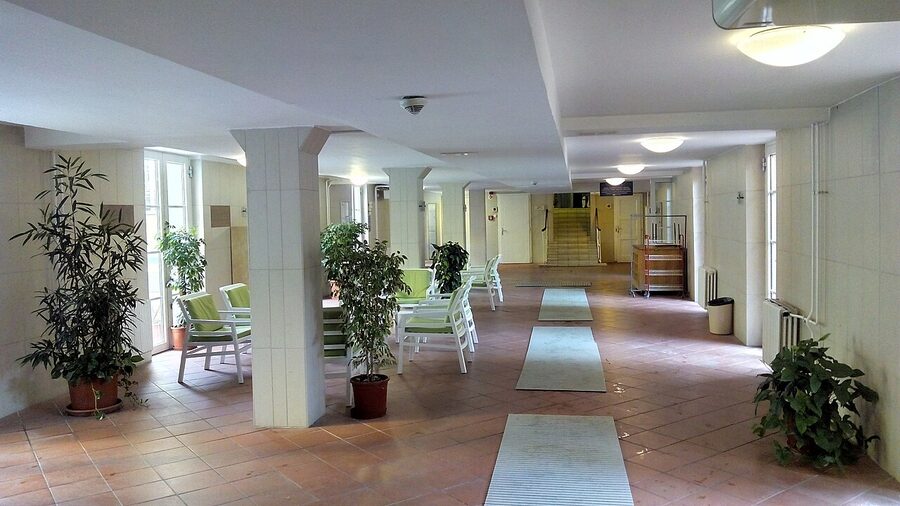

Mandala Day Spa & Luxury Pool Experience is a small contemporary day-spa in the heart of Pest. Not a hotel spa you can drop into between meetings, not a thermal bath, not a gym wellness add-on. It’s a stand-alone wellness venue built around treatments and a heated pool — closer in concept to a five-star resort spa than to anything historic.
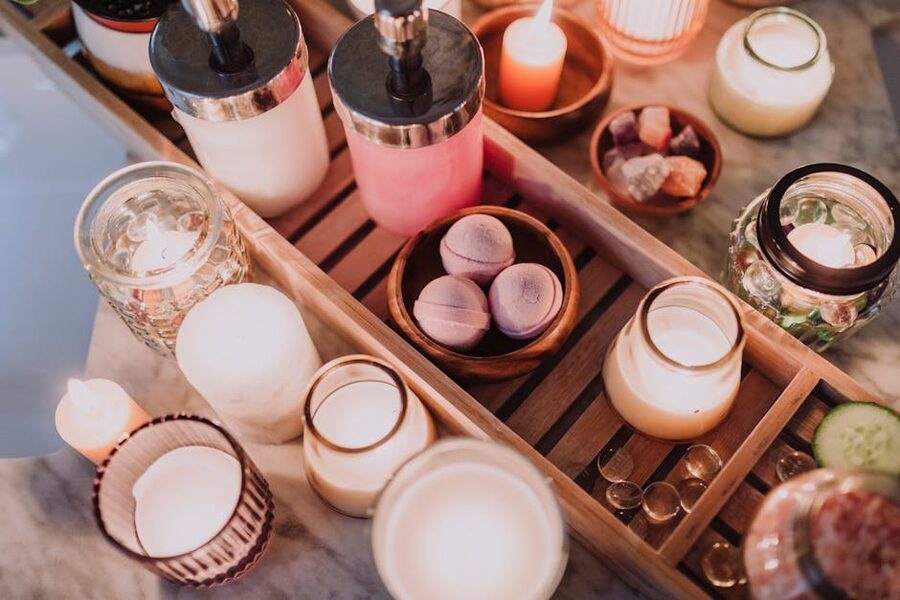
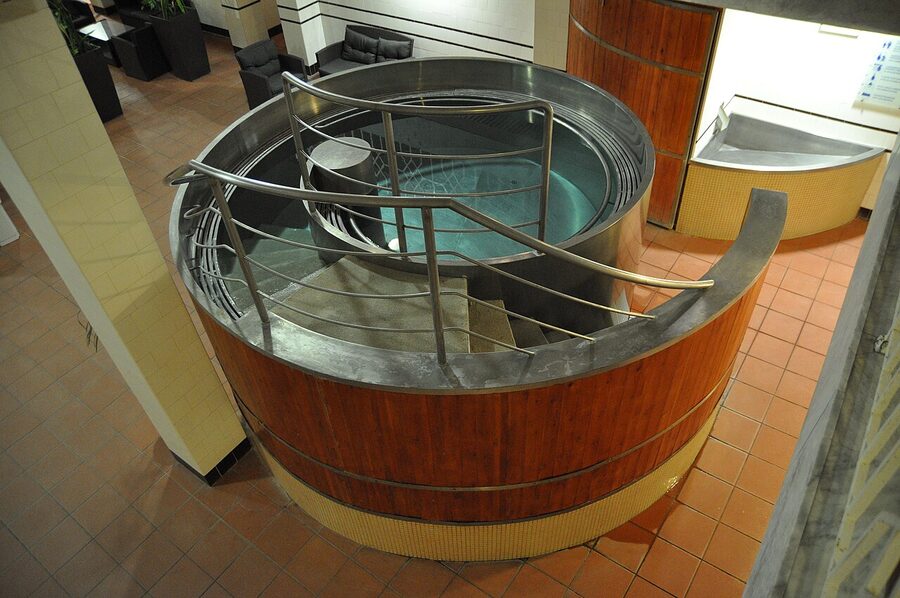
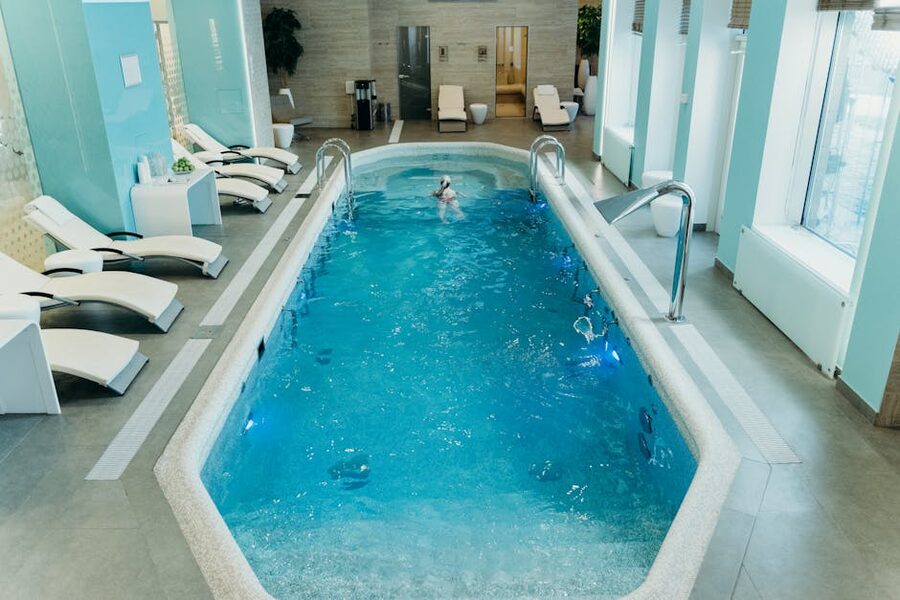
The package most people book is the four-hour pool and sauna access, which gives you the run of multiple thermal pools at different temperatures, a jacuzzi, a Finnish sauna, an infra-red sauna, a steam room, and a relaxation lounge with herbal teas. Above that sit the treatment add-ons — Mandala signature massage, aromatherapy ritual, hammam, Thai massage, Ayurvedic packages.
So far, so spa. The thing that sets it apart in Budapest is what it isn’t. There are no marble columns. No 19th-century thermal source bubbling up from the limestone underneath. No mixed-day, single-sex-day timetable to figure out. No groups of bachelorettes shrieking across an outdoor pool at midnight. The capacity is capped at around ten guests at a time, which is why even on a wet Saturday in March you can find an unattended lounger and stay there for an hour.
_(13227685013).jpg)
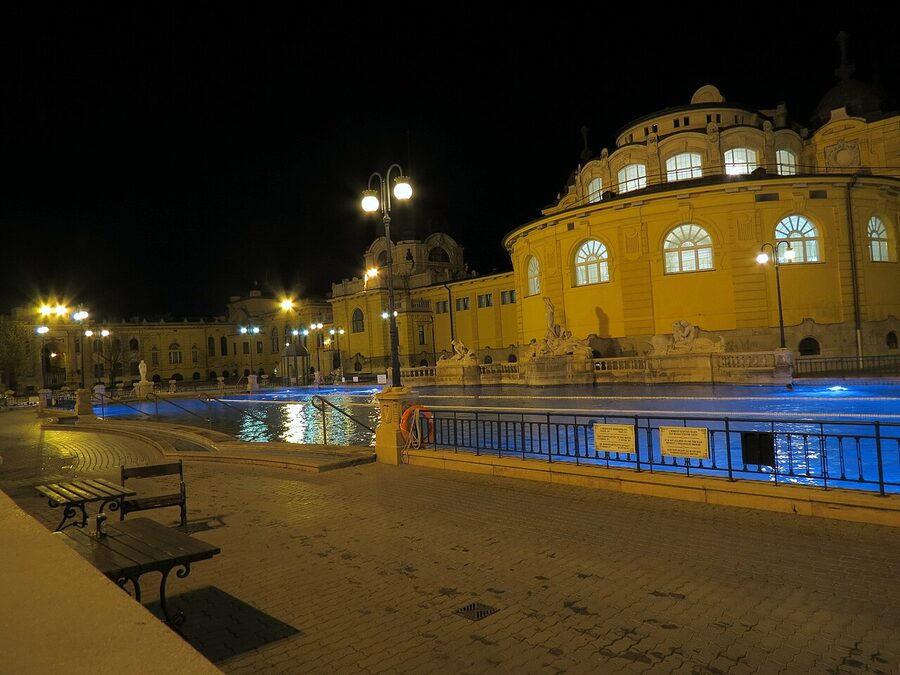
If you want the Budapest baths experience — the photos, the architecture, the chess players in the warm pool — go to Széchenyi or Gellért. Mandala is the booking when you’ve already done that and want the opposite. Or when “Hungarian sulphur soak” sounds less appealing than “soft music and a forty-five-minute back rub.”
How to Get Tickets
Tickets sell through three routes: the spa’s own website, hotel concierges (typically with a 10–20% mark-up), and online platforms like GetYourGuide. The price difference between the official site and GetYourGuide is small — usually within a euro or two — but the booking experience is not the same.
Booking via GetYourGuide means you reserve a date and time, get a voucher to your email, and walk in with that and a passport. Reserve now and pay later with 24-hour free cancellation is the default, which matters if your itinerary is loose. You’re not locked in if your morning at Buda Castle runs long or the weather pushes you toward an indoor activity on a different day.
Booking direct works fine but the calendar is harder to navigate, payment is up-front, and the cancellation window is shorter. Hotel concierge bookings tack on a fee for something you can do in two minutes on your phone — skip that route.
Whatever you book through, do it ahead. Mandala isn’t Széchenyi — there is no “buy a ticket at the door if you turn up before 11am” plan. The cap of about ten guests means slots vanish, and the best afternoon slots (around 13:00 and 15:00) go first.
What’s included in the standard ticket
The four-hour entry covers everything in the wet area:
- Multiple thermal pools at varying temperatures, including a cooler plunge
- The jacuzzi — usually the busiest spot, two or three people max
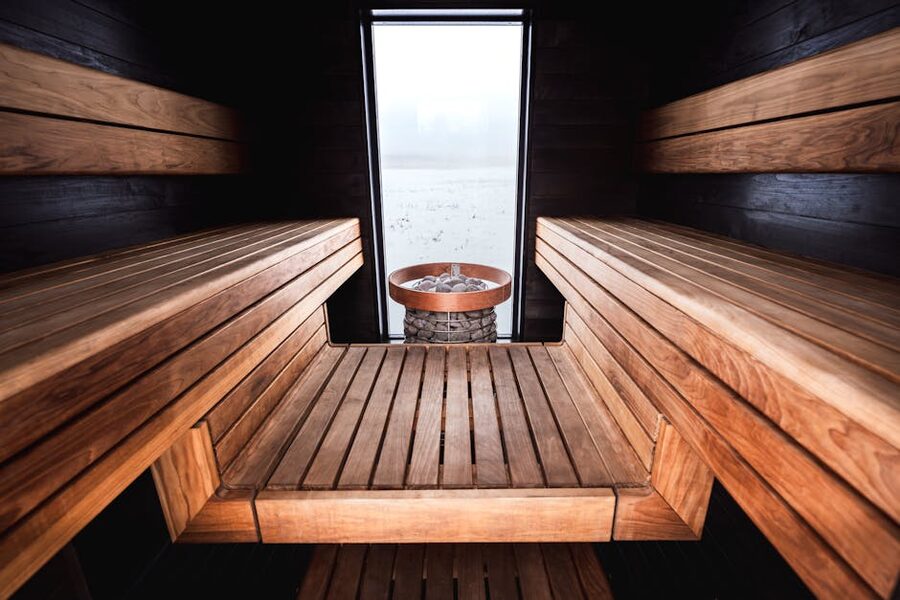
- Finnish sauna, hot and dry, the classic version
- Infra-red sauna, gentler heat that targets the body rather than the room
- A steam room, eucalyptus-scented
- Use of the relaxation lounge with reclining chairs and herbal teas
- Towels and a robe (this is not always the case in Budapest’s older baths — bring nothing)
- Locker access
Not included: swimsuits, treatments, massage chairs in some packages, food beyond the snack tray. Bring a swimsuit. The shop sells one, but the prices are roughly what you’d pay for a small dignity loss.
What costs extra
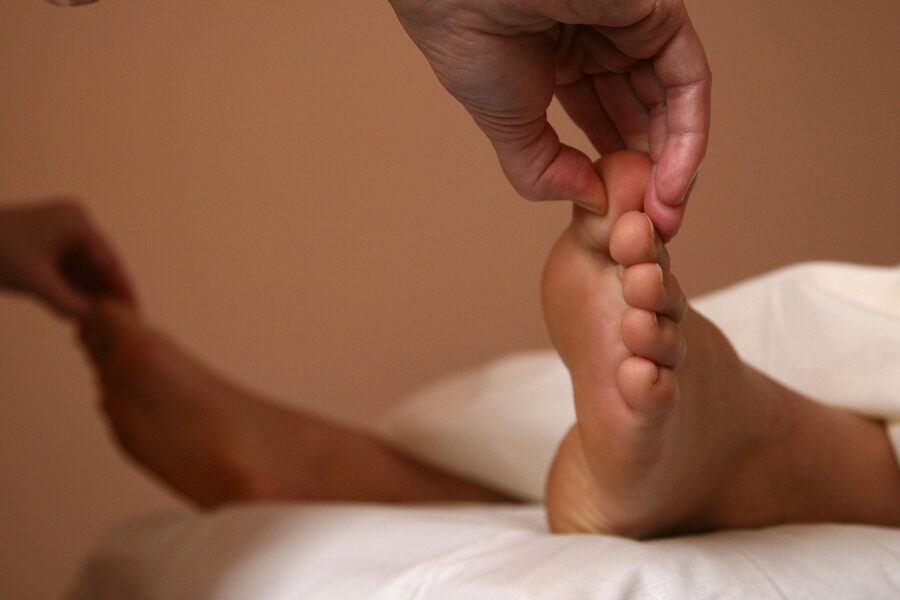
Treatments are the obvious upgrade. The 60-minute massage with bath entry runs around $146-153 depending on the platform and the type of bodywork. Aromatherapy, deep tissue, Thai, hammam scrub — they’re all in roughly the same price band. Couples’ rooms exist; ask when you book if you want one rather than two adjacent solo treatments.
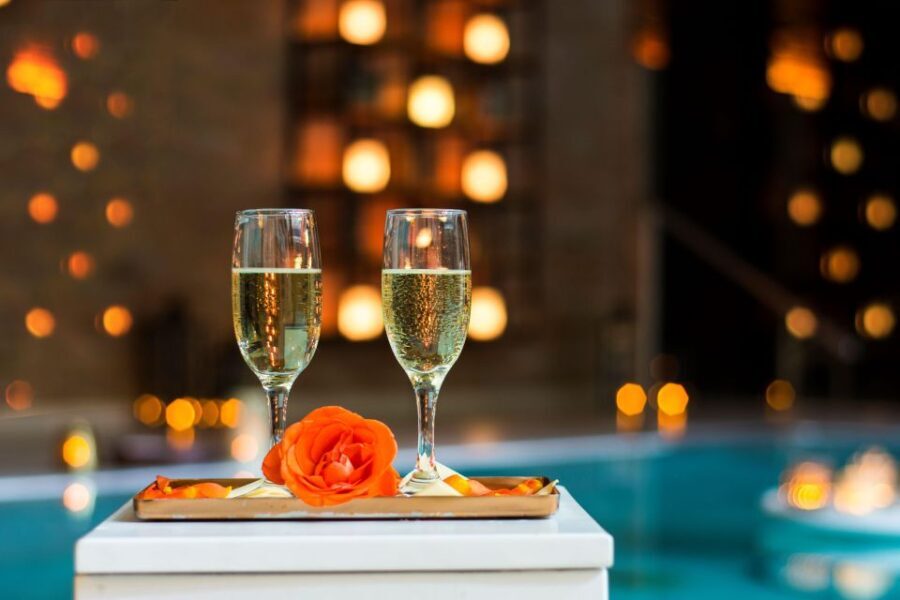
Smaller add-ons: champagne service in the lounge, a fruit-and-cheese tray, bath-products to take home. None are necessary — champagne in a robe at 4pm on a Wednesday is its own kind of holiday, but skipping it costs you nothing.
The Three Bookings I’d Actually Make
I shortlisted these from the same four-hour Mandala session and a side trip to a different Budapest day-spa. They’re the bookings that pay off — the rest of the wellness market here is either a hotel-spa pivot or a thermal-bath knock-off.
1. Mandala Day Spa & Luxury Pool Experience — $38
This is the standard entry and the one I’d start with. Four hours, all the wet-area facilities, robes and towels, and a small enough guest cap that nothing ever feels rushed. Our full review goes deeper on the timing and the lounger situation, but the headline is that for under forty dollars it does what most $80 hotel spas do better.
2. Mandala Massage 60 min + Bath Entry — $153
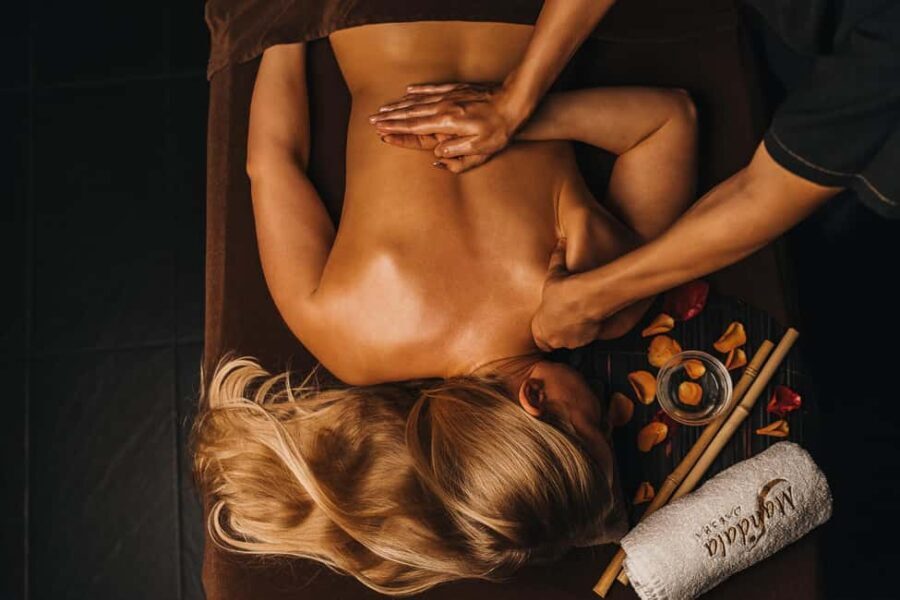
Same four hours of pool and sauna, plus a full sixty-minute treatment from one of the in-house therapists. Our review of this package covers which massage style to ask for. The signature Mandala work is firmer than a Swedish; if you’ve been walking the Buda hills for three days, ask for it.
3. Margaret Island Day Spa Entry — $37

Not Mandala, but worth flagging in the same conversation because it solves the same brief — quiet, contemporary, no thermal-bath crowds. Our Margaret Island review calls out the slightly higher pool count and the lounger crunch. Pick this if you want green space and a longer day; pick Mandala if you want a tighter, more central session.
Mandala vs Gellért vs Széchenyi — Which to Pick
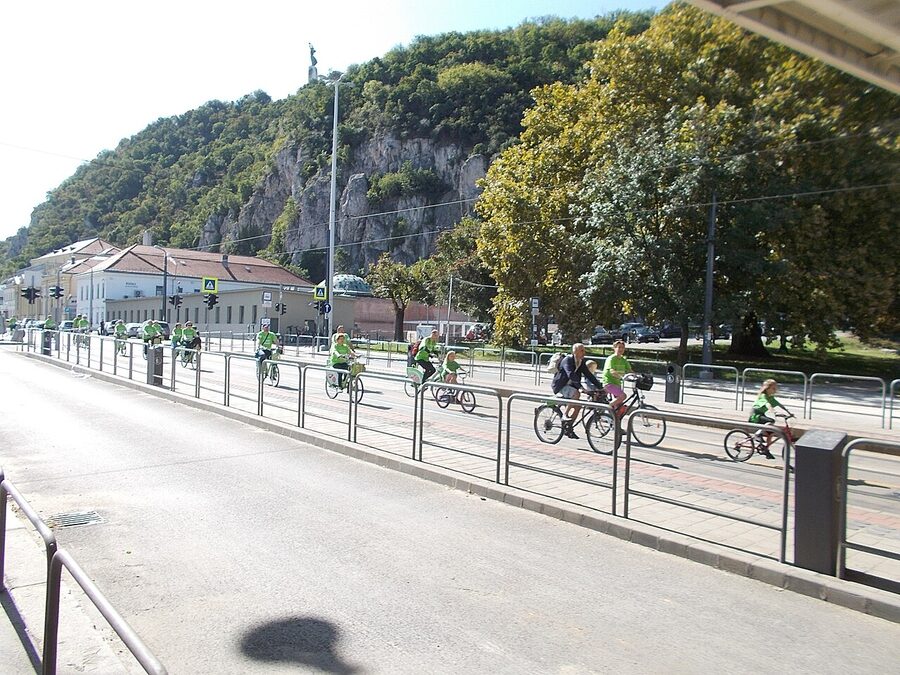

Most travellers planning a Budapest trip get told “do a thermal bath” and stop there. They book Széchenyi or Gellért, hate the queues, blame the city, and skip the second wellness afternoon they were going to add. The fix is knowing what each one is for.
Széchenyi is the big yellow palace in City Park — outdoor pools, chess on floats, photos for everyone. Tickets through our Széchenyi guide. Pick this for the experience, not for relaxation. On a Saturday afternoon it’s lively; on a Sunday morning it’s the only thing open and packed for the same reason. Bring a waterproof phone case.
Gellért is the more elegant cousin — Art Nouveau interior, indoor thermal pool that looks like a 1918 Vienna café. Smaller crowd than Széchenyi but tighter spaces. Our Gellért guide covers ticket options. Pick this if photos matter and you’re happy with a 90-minute soak rather than a half-day stretch-out.
Mandala is none of the above. Pick this when you’ve already done at least one historic bath, when you want a treatment, or when the thought of communal thermal water makes you wince. The product Mandala sells is privacy and pacing, not architecture. Spend an afternoon here in the middle of a five-day Budapest stretch and you’ll go back to the streets a different person.

The simple decision tree
- One wellness booking on the trip and you’ve never done a Budapest bath → Széchenyi or Gellért. Mandala doesn’t replace the cultural box-tick.
- One wellness booking and you’ve done thermal baths before → Mandala. You’re not coming for the architecture this time, you’re coming for the calm.
- Two wellness bookings on the trip → Széchenyi or Gellért for the photos, then Mandala two days later for the recovery.
- Travelling as a couple, want a treatment → Mandala with the massage upgrade. Hotel spa pricing for hotel spa quality, in a venue that isn’t your hotel.
- Travelling solo, want quiet → Mandala. The crowd cap is the killer feature for solo travellers; you’re not going to feel surrounded.
Getting There and What to Bring
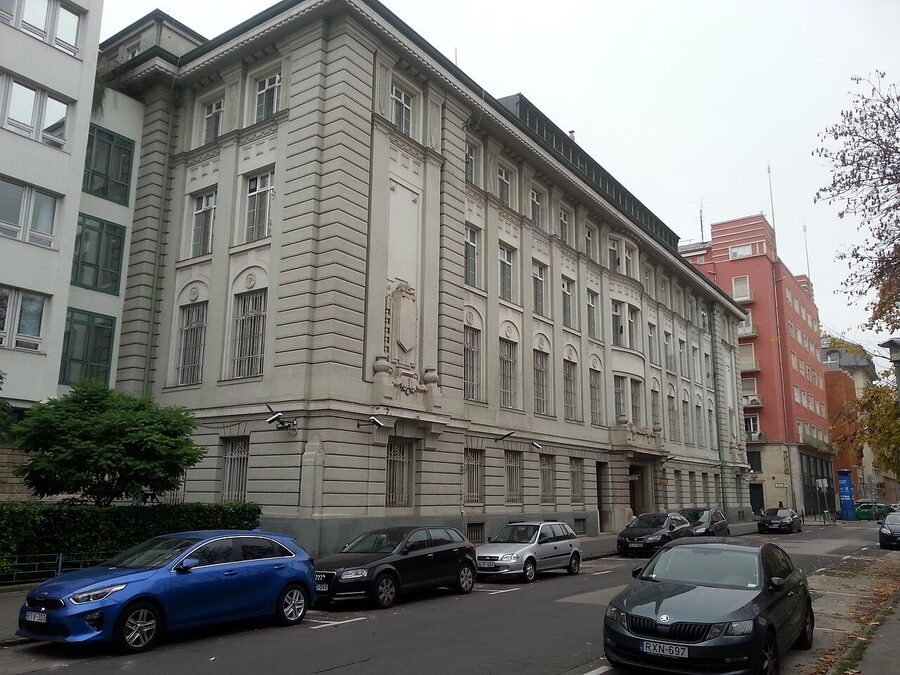

The spa is in central Pest, in District V (Lipótváros), a short walk from St Stephen’s Basilica and the Parliament side of the Danube. By metro, you’re aiming for the M3 (blue line) — Arany János utca or Nyugati pályaudvar are the two closest stops. By tram, the 4/6 along the boulevard drops you within a ten-minute walk.
If you’ve done the hop-on hop-off bus tour earlier in the day, the basilica stop puts you within easy walking distance. Same with the boats — a Danube cruise ending at the Pest embankment is a fifteen-minute walk. Don’t book a taxi unless it’s raining heavily; Pest is a flat city and walking the last block warms you up before the cold-tile shock of the changing room.
What to bring
Less than you think. The package includes towels and a robe, so you don’t need to lug your own. Bring:
- A swimsuit. Not optional. The pools are not nude.
- Flip-flops if you’ve got them — the floors are heated and dry, but tile-on-bare-foot for four hours is a personal preference.
- A hair tie if you’ve got long hair. The water isn’t aggressive but you’ll be in and out of pools.
- A book or kindle. Phones are fine in the lounge but feel wrong; the lighting is too low to read on a screen comfortably.
- Water. There’s herbal tea included and you can refill — but bring something in.
Don’t bring jewellery or valuables you’d care about losing. There are lockers, but the room is small enough that you don’t want to be the person rummaging through a bag for an Apple Watch every twenty minutes. Leave it at the hotel.
Best Time of Day to Book
Three slots run through a normal Mandala day: morning (around 09:00–13:00), afternoon (13:00–17:00), and evening (17:00–21:00). Each is four hours of access; you don’t get to swap between them.
The best slot for most travellers is the 13:00 afternoon block. You’ve done a morning of sightseeing, the spa is at its quietest mid-afternoon (the morning crowd has cleared, the post-work crowd hasn’t arrived), and you finish at 17:00 in time to walk to dinner. The natural light through the windows in winter is also at its kindest in early afternoon, so the rooms feel warmer than they would at 9am.
The 09:00 morning slot works if you’re a morning person with a long day planned — but it’s also when the cleaning rotation finishes and first guests arrive together, so the opening half-hour feels rushed. The 17:00 evening slot works for date-night logic: champagne add-on, finish at 21:00, walk to a late dinner. Skip it if you’re trying to be in bed early — the post-spa adrenaline is real, and you’ll be wired until midnight.
Day-of-week rhythm
Tuesday through Thursday is quietest. Fridays book up a week ahead — Budapest is a strong weekend-break city and Mandala absorbs a lot of Friday-arrivals-treating-themselves traffic. Saturdays sell out the afternoon slots first. Sundays are surprisingly open because most weekend travellers are flying out before noon. Holiday weeks (Christmas–New Year, Easter, August 20) book up two to three weeks ahead — lock those in early.
What the Treatments Actually Feel Like
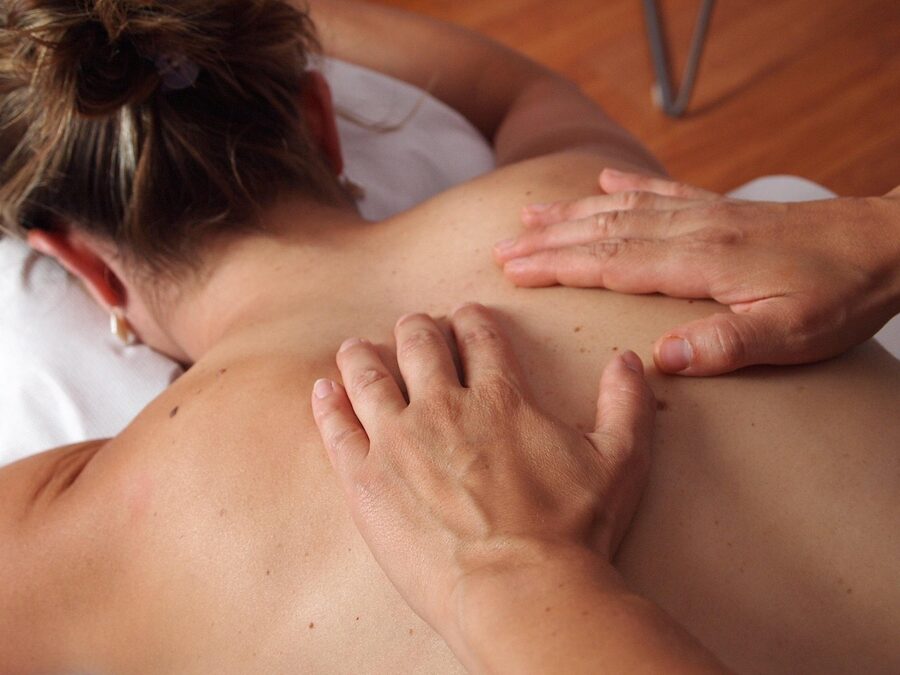
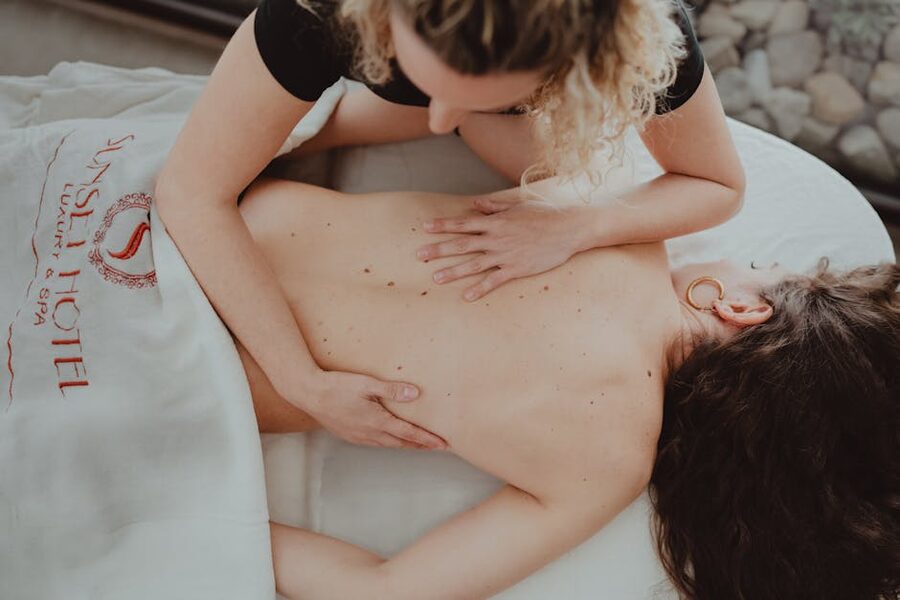
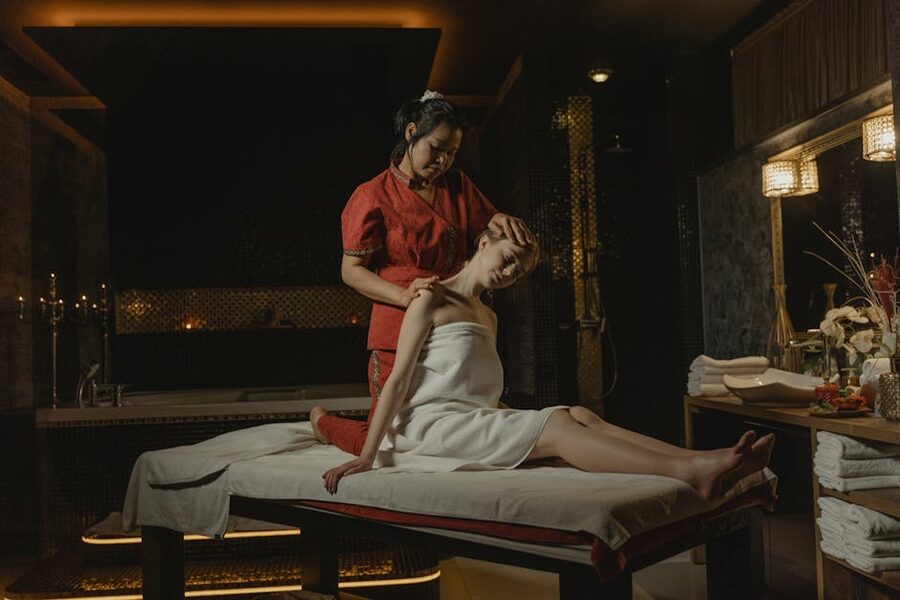
If you book a treatment, here’s what you’re actually paying for. Each massage runs in a private room — single or couples’, your call at booking. Lighting is low. The therapist greets you in English, asks about pressure preference, then leaves so you change. The session begins about three minutes later.
The Mandala signature massage is the house specialty — a blend of techniques borrowing from Swedish, Thai, and Asian deep-tissue traditions. Firm, focused on shoulders and lower back. If you’ve been carrying a backpack across Castle Hill all morning, this is the booking.
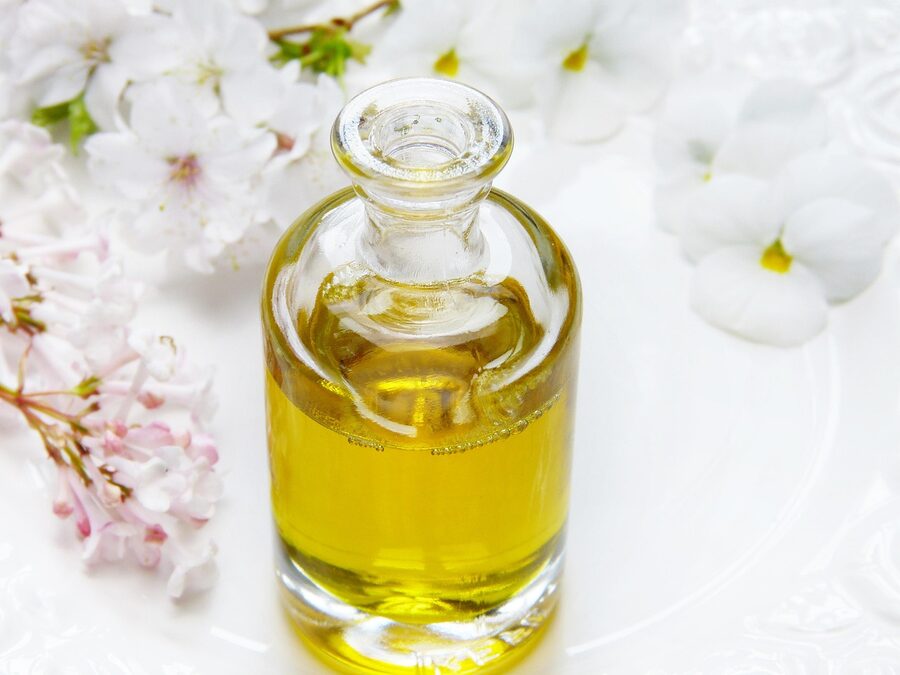
The aromatherapy ritual is gentler — slower strokes, more oil, the room genuinely scented. Pick this if you want to fall asleep on the table; pick the signature if you want to walk out feeling looser. Hammam is the wettest of the lot — exfoliation scrub on a heated marble slab, soap-foam wrap, hot rinse. Worth doing once, probably not twice. The Thai massage is the one I’d skip unless you already know you like Thai — it’s stretching-heavy and clothed, more like assisted yoga than a massage.
The Pool, Sauna and Steam Routine
Most first-time spa-goers either over-stay in one place or charge through every facility in the first hour. The four-hour ticket rewards a slower rotation. Here’s what works.
Start with a warm shower — actually warm, not hot. Five minutes. The body needs to acclimatise before the saunas. Then main thermal pool, fifteen minutes — your baseline-warm step before the sauna.
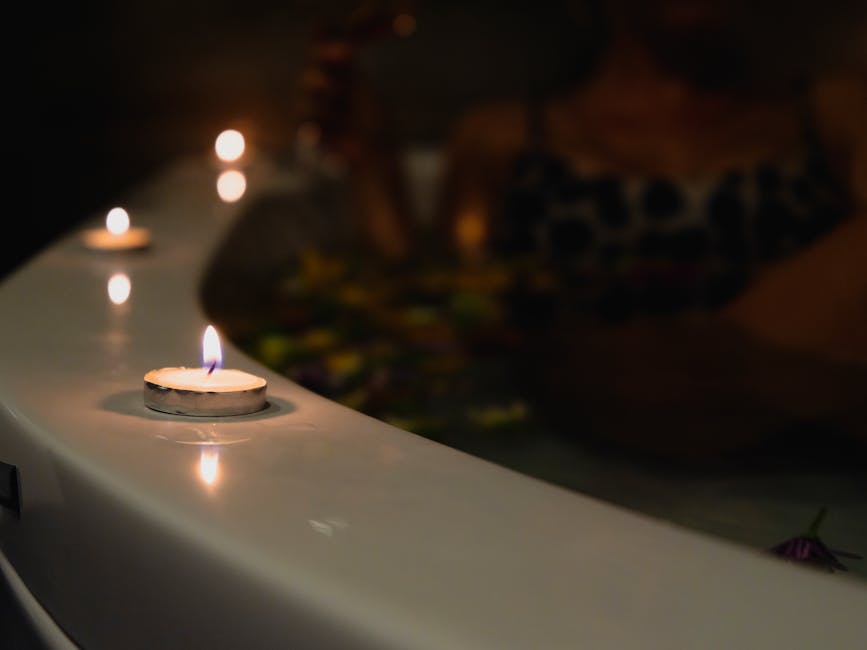
From the warm pool, go Finnish sauna for ten minutes if it’s your first sauna of the trip, fifteen if it’s not. Sit on the lower bench first, then move up if you want more heat. The temperature stays around 80°C, which is hotter than the public-bath saunas down the road but not so hot that you can’t take it.
Cold plunge straight after the sauna. Thirty seconds is all you need; ten if it’s your first time. The cold-after-hot loop is what makes the whole day work physiologically — skipping it is the rookie mistake.
Back to the pool to recover, then steam room for a softer second sauna pass. The eucalyptus is what’s in the air, but the steam is what’s working. Twelve minutes max.
Finish with the infra-red sauna. Lower temperature, longer session — twenty minutes is fine. This is the one to do at the end because it’s gentle enough that you can lie there and not pass out, and it sets you up for a long, calm cool-down on a lounger.
Repeat the rotation if you’ve got time. Most people manage one and a half loops in four hours. Skip the lounger sessions to fit two — but the lounger sessions are part of why this works. Half the magic is doing nothing in between.
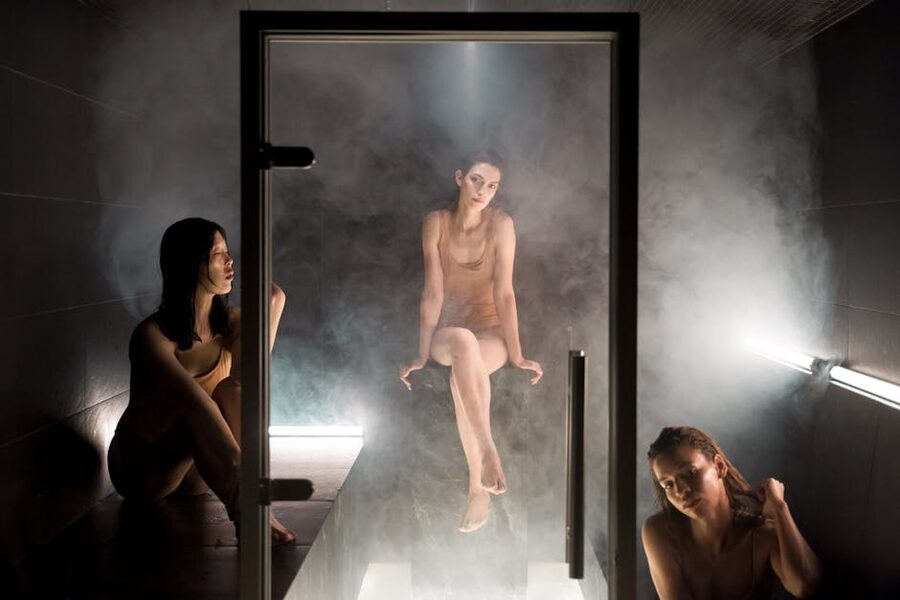
Eating and Drinking Around the Visit
The on-site lounge serves herbal teas (free), small plates (paid, modest), and a short cocktail list. Food is unfussy — fruit, cheese, hummus and crackers, a quiche slice. None of it is the reason you came, but it does the job mid-session.
Don’t plan a heavy meal directly before your slot. Goulash plus a hot sauna equals a wobble. Eat light beforehand — coffee and a pastry — and book dinner for an hour after the session. Walk there; the walk is part of the comedown.
Who Mandala Suits — and Who Should Skip It
This is the conversation worth having before you book. Mandala isn’t for everyone, and the wrong-fit reviews you’ll read online almost always come down to a mismatch between expectation and product.
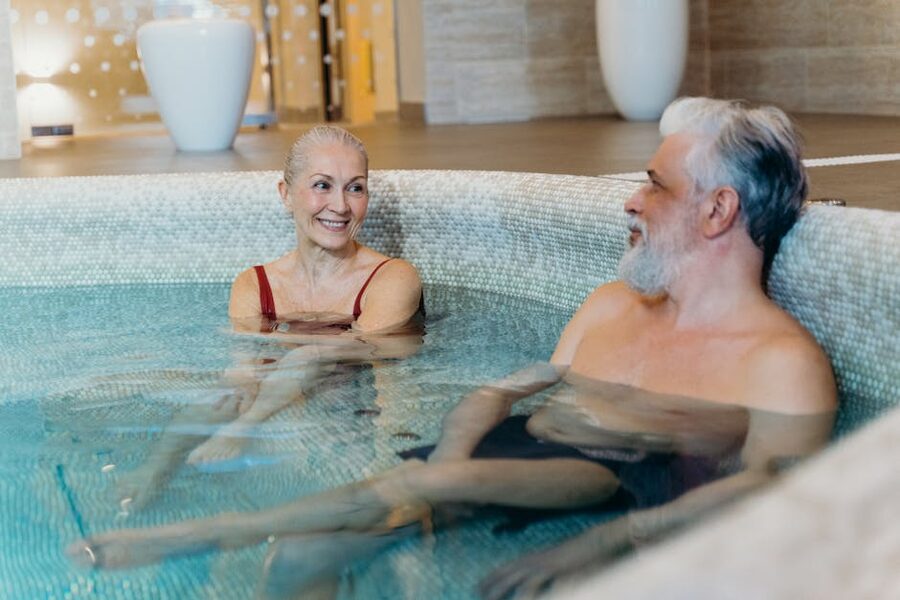
Mandala suits: couples on a city break, solo travellers (women in particular — the small cap and the calm room rotation make it a comfortable solo spa), older travellers who don’t want to scrum at Széchenyi, anyone in their second day of trip-fatigue, and treatment-lovers who just want a good massage in a clean room.
Mandala doesn’t suit: first-time Budapest visitors who only have one wellness slot in their week (do a thermal bath instead — you can’t unsee Gellért’s tile work), groups of more than four (the room cap means you’ll be most of the day’s guests, which kills the calm), young travellers looking for “the bath party” (that’s other tours or the Cinetrip events at Széchenyi), or anyone hoping for a 19th-century architectural experience.
One real negative: the changing rooms are cramped. If you’re claustrophobic or just used to roomy hotel-spa locker areas, the Mandala changing room will feel small. It’s a small venue. The compensation is everywhere else; the locker room is the one space where you’ll feel the venue’s footprint.
Practical Notes Before You Go
Children: Adults-only — don’t bring under-16s expecting them to get in. Margaret Island Day Spa is more child-friendly if you’re travelling as a family.
Pregnancy: Massage is offered during day hours only (09:00–19:00). Not all treatments are suitable; flag it at booking and the spa will steer you to the right package. Thermal pools and saunas are not recommended above first trimester — standard medical advice for hot pools generally.
Mobility: The venue is on multiple levels with stairs between the pool area and the relaxation lounge. Ask at booking if you have limited mobility — workarounds exist but the layout isn’t fully step-free.
Cancellation: 24-hour free cancellation through GetYourGuide; the direct-booking window is shorter. Flex travellers should go through the platform.
Photography: Discouraged in pool and treatment areas, fine in the lounge. Don’t try for the steam-room hero-shot — staff will ask you to put the phone away and other guests will glare.
Tipping: 10% on treatments, cash preferred. Card-machine tip options exist but therapists prefer notes. Pool entry doesn’t need a tip.
Language: Reception, therapists and the bar all speak English. Don’t worry about the Hungarian.
A Short Note on Modern Budapest Spa Culture
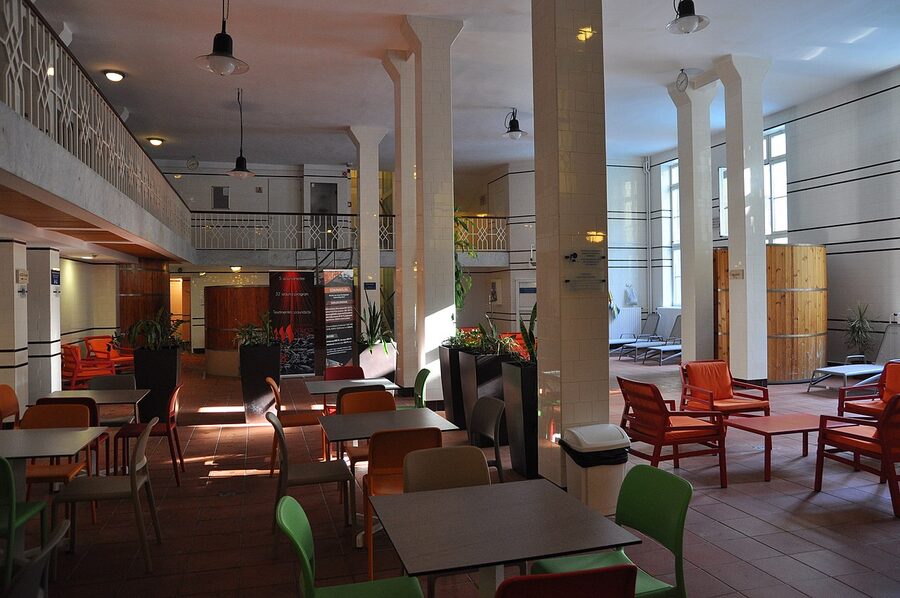

Budapest has been a spa city since the Romans noticed the hot springs in the second century. The Ottomans built the bones of Rudas and Király in the 1500s. The Habsburg-era rebuilds that turned Széchenyi and Gellért into palaces happened roughly between 1909 and 1927. That’s the story everyone tells.
The contemporary day-spa market is a different story, and a much shorter one. Mandala-style venues — small, treatment-focused, no thermal source, no dome — are a 21st-century product. Hotel spas opened first in the 2000s. Stand-alone day-spas followed in the 2010s, mostly in District V and District VI, catering to locals and business travellers who wanted a private alternative to the public baths.
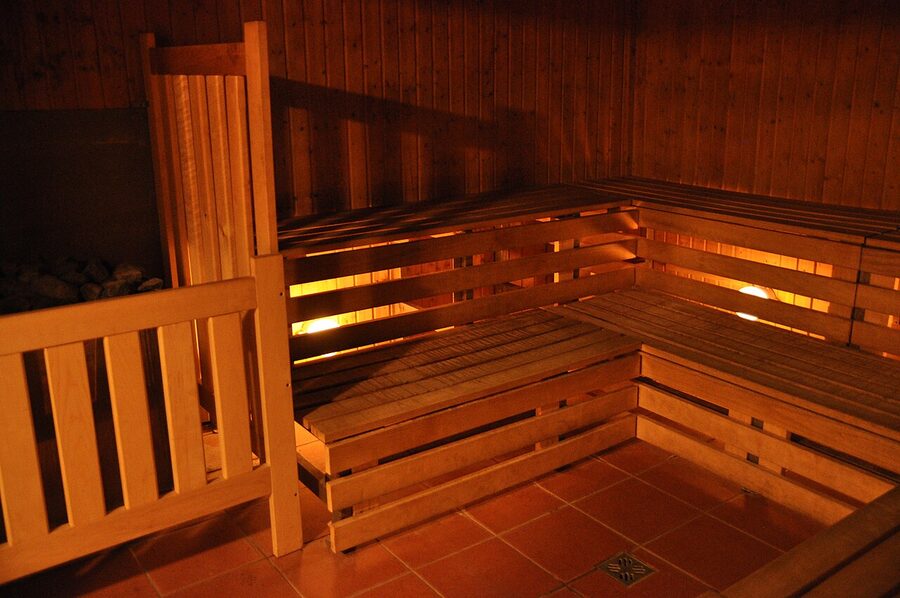

The amenities at Mandala — Finnish sauna, infra-red booth, eucalyptus steam, aromatherapy — are all imports. Hungarian historic baths don’t have these; they have stone halls and mineral water. The result is a hybrid that wouldn’t exist in any other capital exactly the same way. London has day-spas but no thermal heritage. Istanbul has hammams but no Finnish sauna culture. Budapest has both, side by side, ten minutes apart on the M3.
What to Pair with Your Spa Day
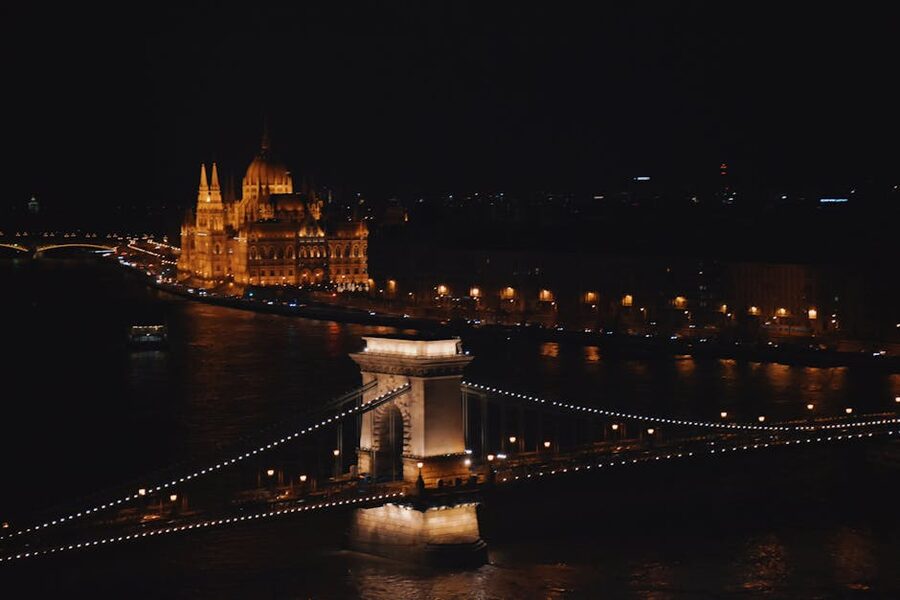
The post-spa walk matters more than the post-spa restaurant. Don’t book a taxi back. Walk along the Danube embankment toward the Chain Bridge for fifteen minutes — the body is warm, the light is low, and the city looks the way it should at the end of a slow day. If your slot ended around 17:00, you’ll hit the river just as the lamps come on.
For dinner, aim for somewhere quiet. Mandala isn’t the booking before a Michelin tasting menu — your palate is too relaxed and the contrast feels wrong. Pick a small restaurant, order what’s seasonal, and don’t drink more than a glass of wine. For the next morning, the Parliament tour is short and seated; the Buda Castle museums work if you take the funicular up rather than the steps. Pair the spa with food, in other words, not with hard sightseeing.
The One-Line Verdict
Mandala is the booking I’d make on day three of a Budapest trip — after the historic baths, after the city walks, after the goulash. It’s not the headline experience and it doesn’t pretend to be. It’s the quiet that lets the rest of the trip land. For under $40 for the basic ticket, that’s better value than most things in the city.
Skip it if you only have one wellness afternoon and you’ve never seen a thermal bath. Book it if you’ve already done one, or if “thermal bath” sounds like the opposite of relaxing. Either way, book ahead — the ten-guest cap is the feature you’re paying for, and it’s the same thing that makes the slots disappear.
More Budapest Booking Guides Worth Your Time
If you’re putting together a Budapest itinerary that pairs well with a spa afternoon, the thermal-bath duo is the obvious starting point — our Széchenyi guide and Gellért guide cover the historic alternatives in detail. From there, the natural rhythm of a Pest day is a slow morning around St Stephen’s Basilica and the Parliament, lunch in the inner districts, and an afternoon at Mandala. For the Buda side, the Buda Castle ticket guide covers the museum complexes and the cave tour is a good rainy-day pivot. If you’ve got an extra afternoon, our bike tour guide or Danube cruise guide handle different paces. For nighttime, the Vampires & Myths night tour is the off-beat pick. And if you’re doing the city in a single rushed day before catching a train, the hop-on hop-off bus guide covers the stop-by-stop logic.
Affiliate disclosure: this page contains affiliate links to GetYourGuide. If you book through them, we may earn a small commission at no extra cost to you. It helps keep the lights on; it doesn’t change what we recommend.