
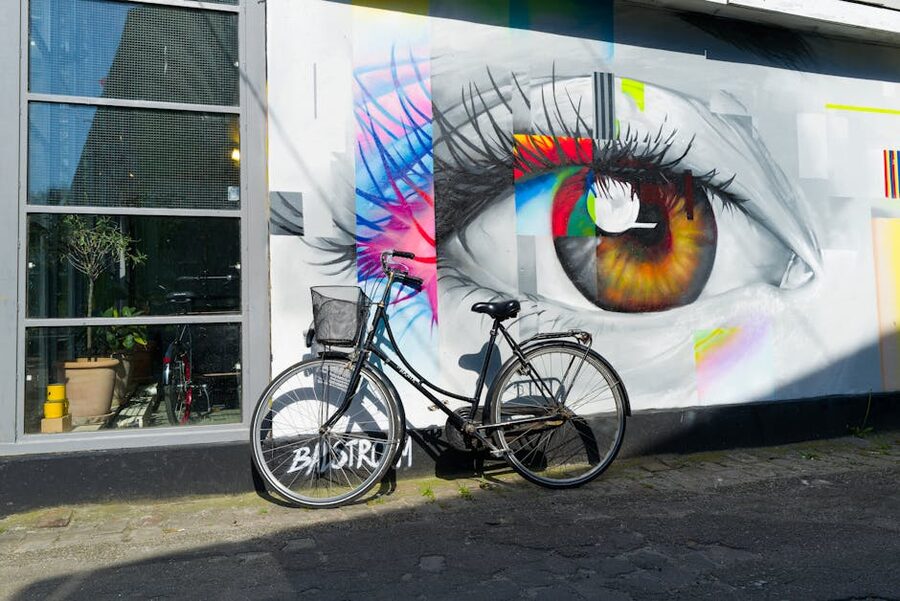
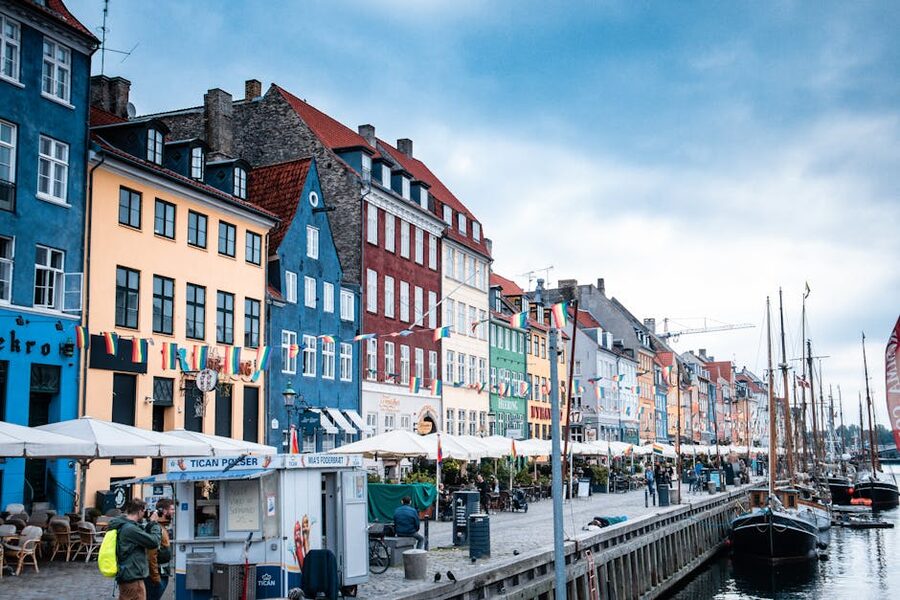
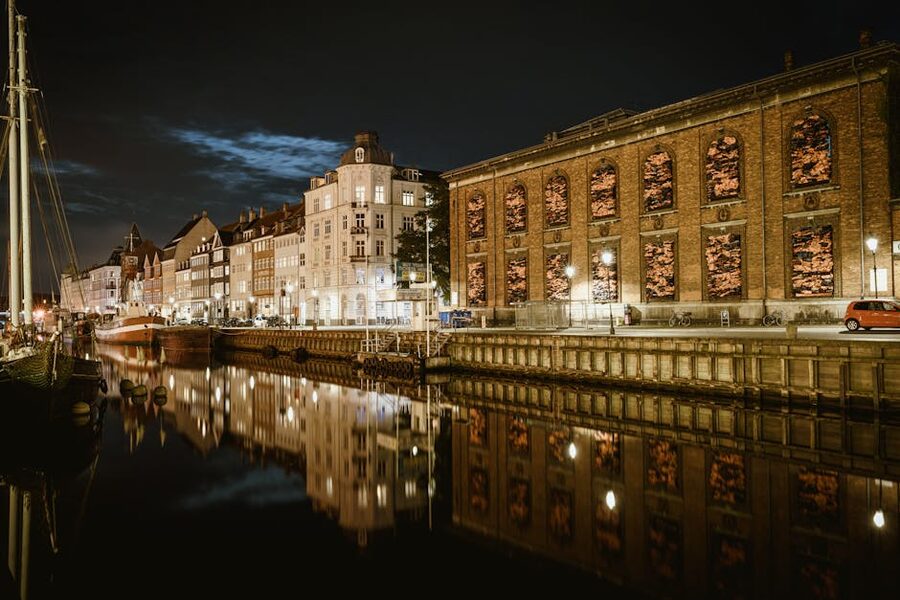
The Copenhagen on postcards is colour-graded to within an inch of its life: the painted facades of Nyhavn lined up like a candy display, hygge candles flickering on every cafe table, design-museum chairs in every airport lounge. The Copenhagen I want to talk about lives one canal across. It smells faintly of weed, the murals are done with rollers and house paint, and the guide will probably swear at the king inside the first five minutes.
Both versions are real. But if you book a single walking tour in this city, an alternative one is the one that gives you a pulse rather than a slideshow. Here is how to actually do it.

- In a Hurry? The Quick Picks
- What an “alternative” tour actually is in Copenhagen
- The three tours worth booking
- 1. Politically Incorrect Private Highlights Walking Tour: 5 per group
- 2. Christiania and Christianshavn Guided Walking Tour: per person
- 3. Politically Incorrect Hidden Gems Walking Tour: 5 per group
- Christiania, briefly, before you go
- The neighbourhoods you’ll actually walk through
- Vesterbro
- Nørrebro
- Christianshavn
- Refshaleøen
- How the booking actually works
- The Beer Walk: a different kind of alt
- What to wear and when to go
- What you’ll spend, roughly
- How alt-Copenhagen compares to other cities
- Pairing the walk with the rest of your trip
- The bigger context
- A few practical bits before you book
- If you only do one thing
- What else to read while you’re planning
In a Hurry? The Quick Picks
Best for the alt classic: the Politically Incorrect Private Highlights Walking Tour, the long-running stand-up-meets-history walk locals point friends at, around $375 for the group.
Best for Christiania specifically: the Christiania and Christianshavn Guided Walking Tour at $49 a head, two hours inside the freetown and the canal district that surrounds it.
Best with a drink in hand: the Politically Incorrect Beer Walk through Vesterbro at $68 per person. Three Danish craft beers, two hours, and a guide who tells you which streets used to be brothels.
What an “alternative” tour actually is in Copenhagen
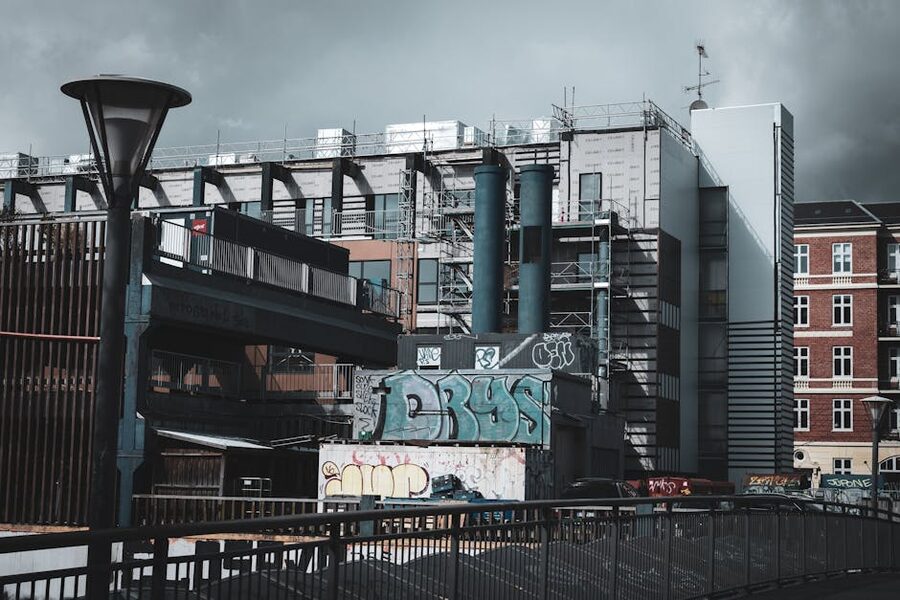
The word gets thrown around loosely. In Copenhagen it means something pretty specific: a walking tour that skips the Little Mermaid, leaves Nyhavn alone, and instead spends two or three hours in the working-class neighbourhoods, the squatted ex-military base, the harbourside container market, and whatever else the city’s brochure people would rather you not photograph.
You will hear the words Christiania, Vesterbro, Nørrebro, and Refshaleøen come up over and over. None of them are obscure. They are just the parts of town that don’t sit easily next to “design capital” or “world’s happiest country.” A good alt walk treats the contradiction as the point.
The standard Copenhagen walking tour gives you the Royal Family, the cobbles of Strøget, and a lap of the palace squares. There’s nothing wrong with it, and we’ve written up the standard walking tour route here if that is what you want. If you’ve already done one of those, or if your idea of a city tour involves more shouting and less heraldry, keep reading.
The three tours worth booking
I went through every alternative-format Copenhagen walk I could find in our database, scored them by how often locals and repeat travellers actually book them, and these are the three I’d point a friend at. Two are run by the same outfit (the Politically Incorrect crew, who have been doing this for years); the third is a more straightforward Christiania-focused walk for people who want depth on one neighbourhood rather than a tour of the whole alt scene.
1. Politically Incorrect Private Highlights Walking Tour: $375 per group
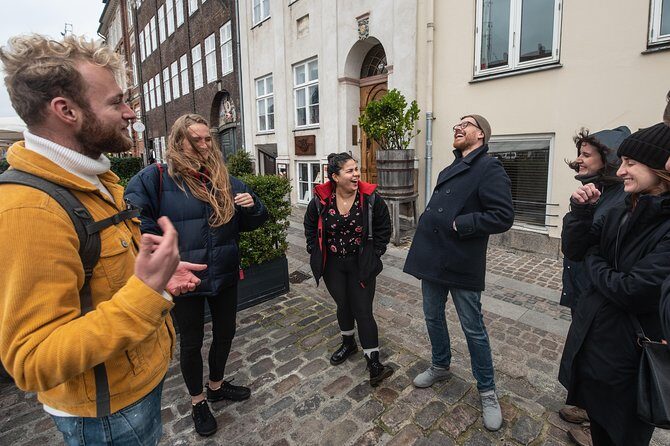
This is the long-running stand-up-comedy-meets-history walk that put the “alternative tour” category on the map in Copenhagen. It’s a private booking, so you are paying for the group rather than per head, which works out brutal solo and excellent for two to four. Our full review breaks down what’s actually covered in the ninety minutes and where it lands compared to the longer Hidden Gems version below. The guides go after the king, the church, and the prime minister with roughly equal enthusiasm and they know which courtyards are still unlocked at dusk.
2. Christiania and Christianshavn Guided Walking Tour: $49 per person
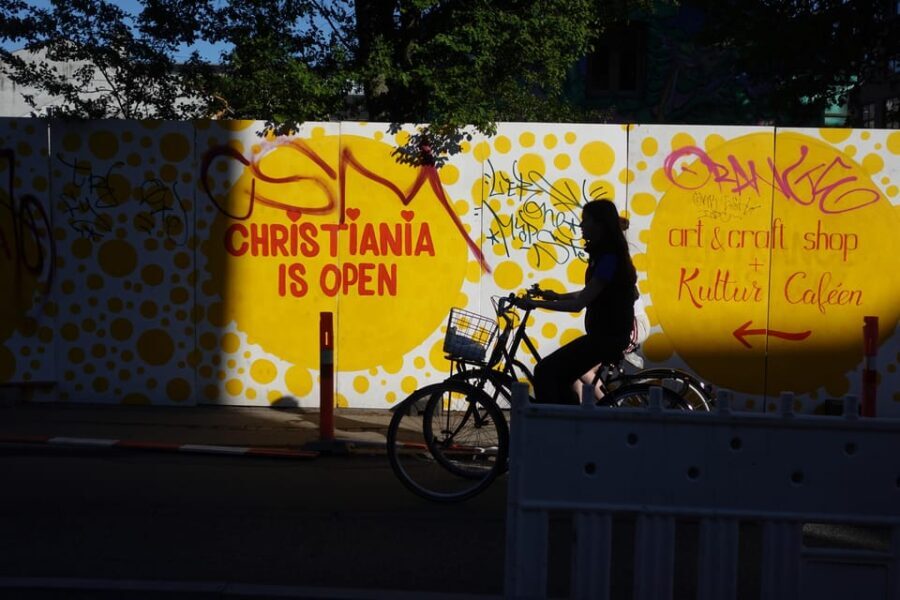
If your interest in alt Copenhagen is mostly “what is this freetown thing actually like,” this is the tour to book over a generic walking pass. It’s per-person priced, ten or twelve people maximum, and it covers Christianshavn (the canal district) and Christiania (the autonomous fifty-three-hectare commune at the back of it) in one two-hour loop. Our review covers the tour route through Pusher Street and the lake walk, including the bits where you put your phone away. Don’t book this one if you’re squeamish; the guides do not soften the squat history.
3. Politically Incorrect Hidden Gems Walking Tour: $375 per group
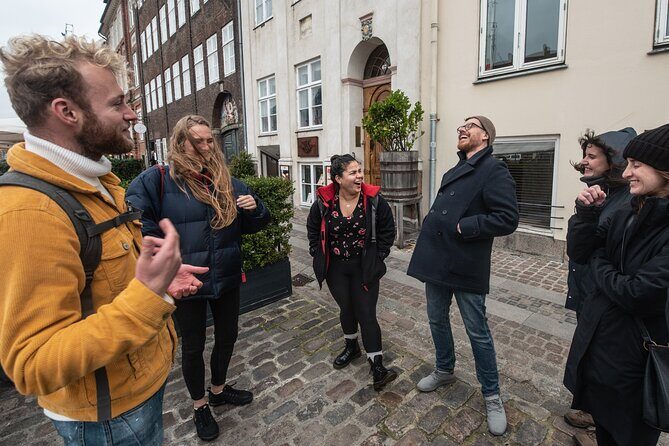
The other half of the Politically Incorrect operation. Where Highlights stays roughly within central Copenhagen, Hidden Gems pushes into the side streets and weird corners. The Royal Library garden. The bricked-over canal traces. The spots where royalty got mugged in the 1700s. Our full review on the Hidden Gems route spells out how much depends on your guide; a good one turns this into the best ninety minutes of your trip, a bad one into a long anecdote loop. Ask in the booking notes for Troels or Thor if you can.
Christiania, briefly, before you go
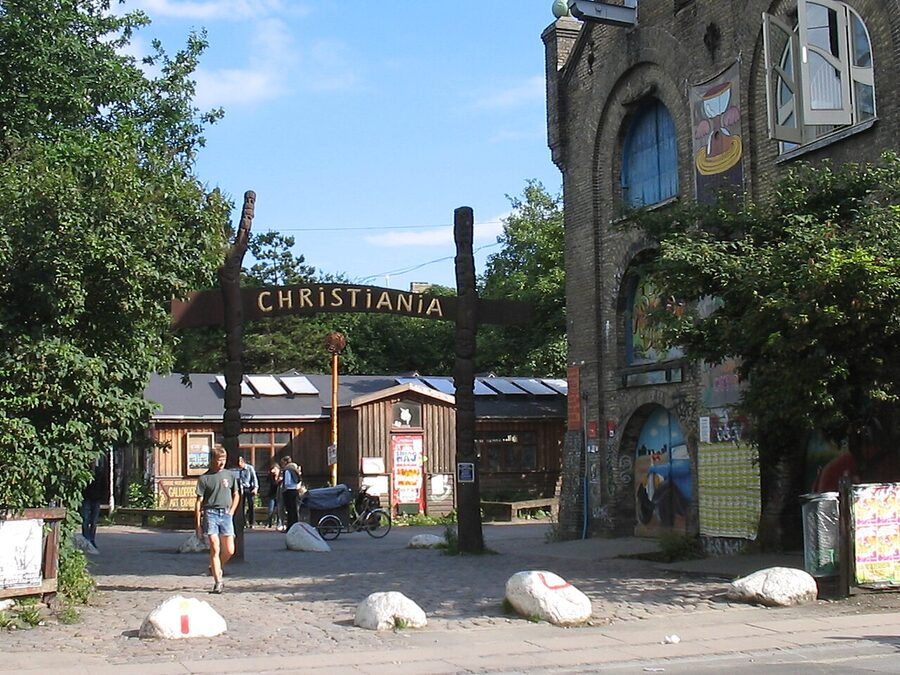

It started in 1971 when a group of squatters and activists climbed the fence around an abandoned military barracks on the eastern edge of Christianshavn and refused to leave. The Danish government has been negotiating with them on and off ever since. There are now about a thousand residents on the fifty-three hectares of land. They run their own collective decision-making, their own kindergarten, their own bike workshop (the famous Christiania cargo bike, the long-nosed three-wheelers you see all over Copenhagen, was invented inside the freetown and is still made there).
The famous bit is Pusher Street, the open hash market that operated for decades with an uneasy truce between the residents and the police. After a string of shootings the residents themselves dug up the pavers in 2024, and the street has been quiet since. A good guide will walk you through what was lost and what was gained when that happened. None of that is in the official tourism material.
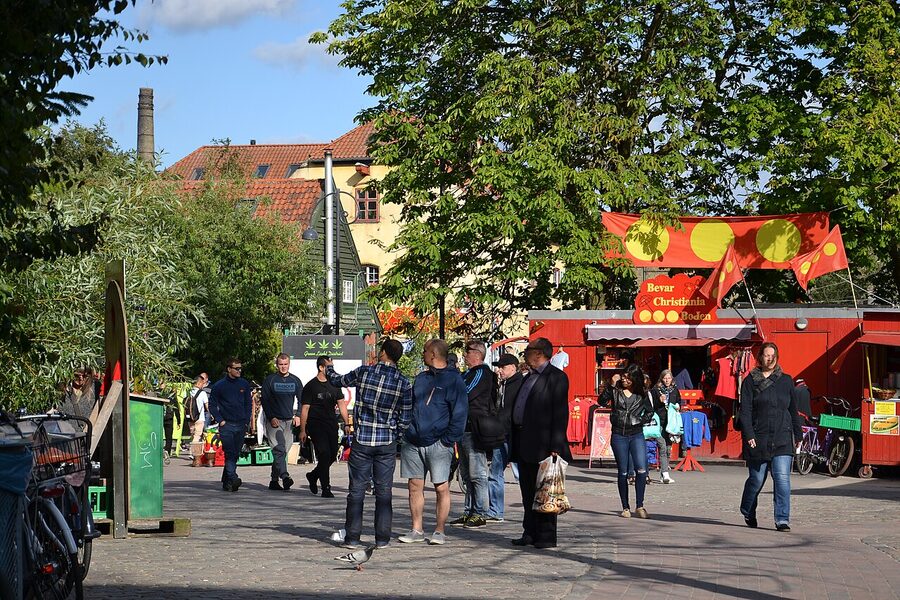

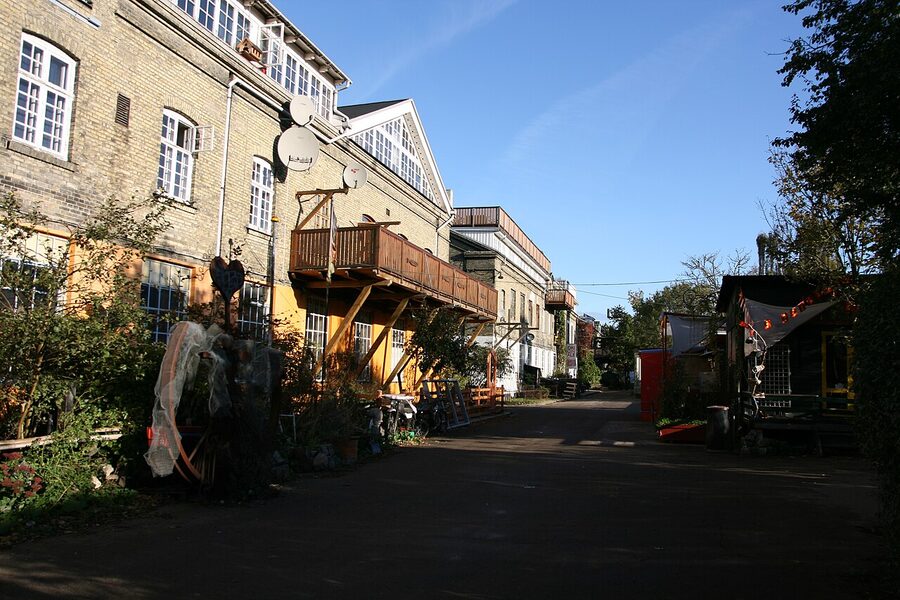

One thing your guide will repeat several times: do not photograph people on Pusher Street, do not photograph the houses by name, do not photograph anyone you don’t have explicit permission to photograph. Cameras out is fine in the leafy back streets and at the entrance arch. Cameras out at the wrong moment is how tours get yelled at.
The neighbourhoods you’ll actually walk through
An alternative walking tour is mostly an excuse to spend a couple of hours in the parts of Copenhagen the bus tours don’t go. It helps to know roughly what you’re looking at before you arrive.
Vesterbro
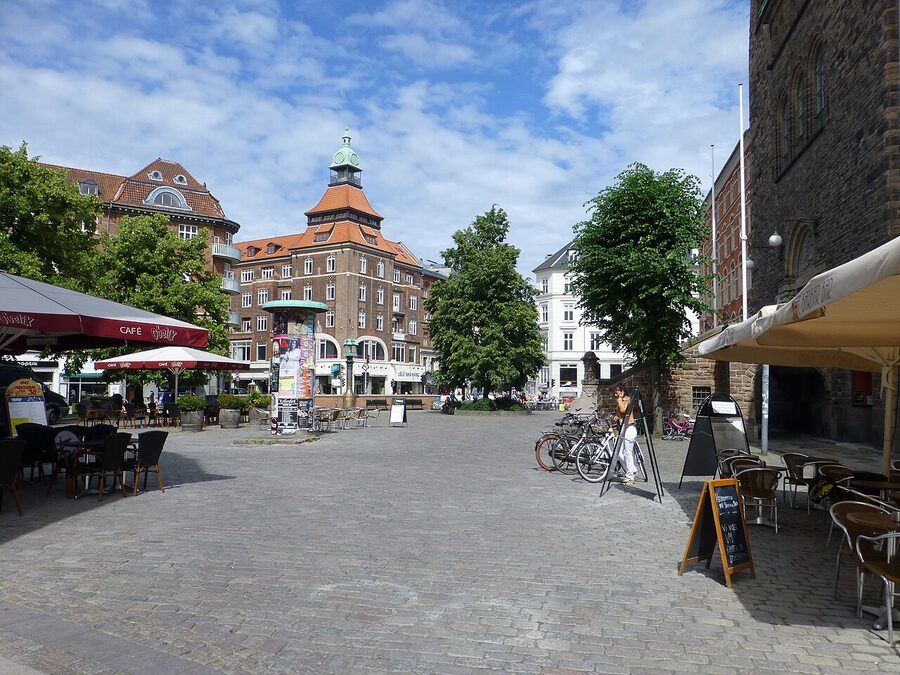

The neighbourhood directly behind Central Station. Until the 1990s it was Copenhagen’s red-light district and one of its rougher addresses; the brothels and porn shops on Istedgade and Halmtorvet were a national punchline. Most of that has been pushed out by gentrification, but the bones are still visible, and the Politically Incorrect Beer Walk uses Vesterbro as its main stage. The tour guides love it because the layered history is right there on the street: a butcher’s hall turned into a craft brewery, a biker bar two doors down from a natural-wine specialist, a sex shop window next to a Michelin-starred tasting menu.

Nørrebro
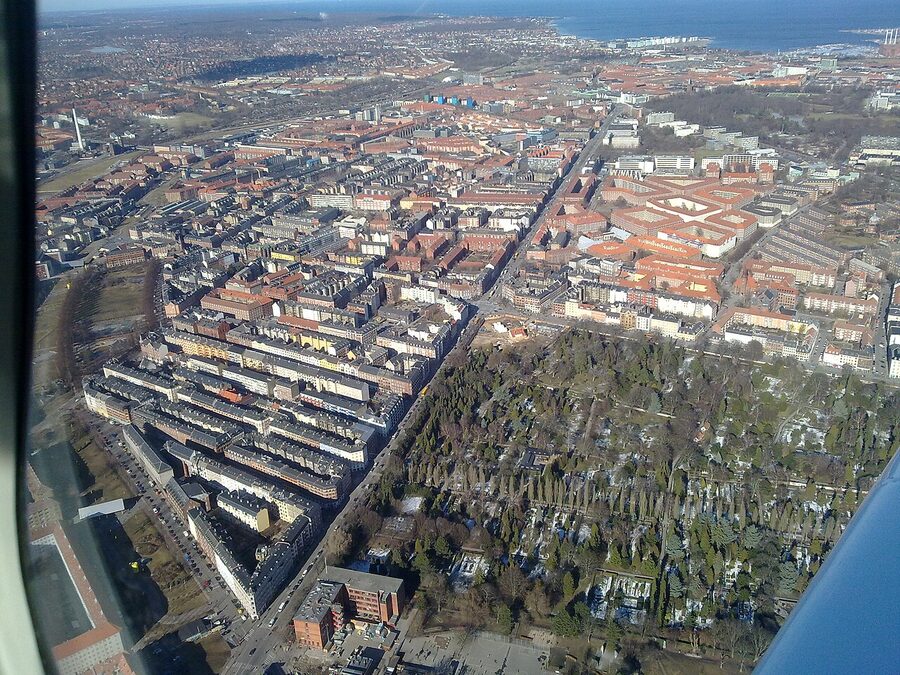

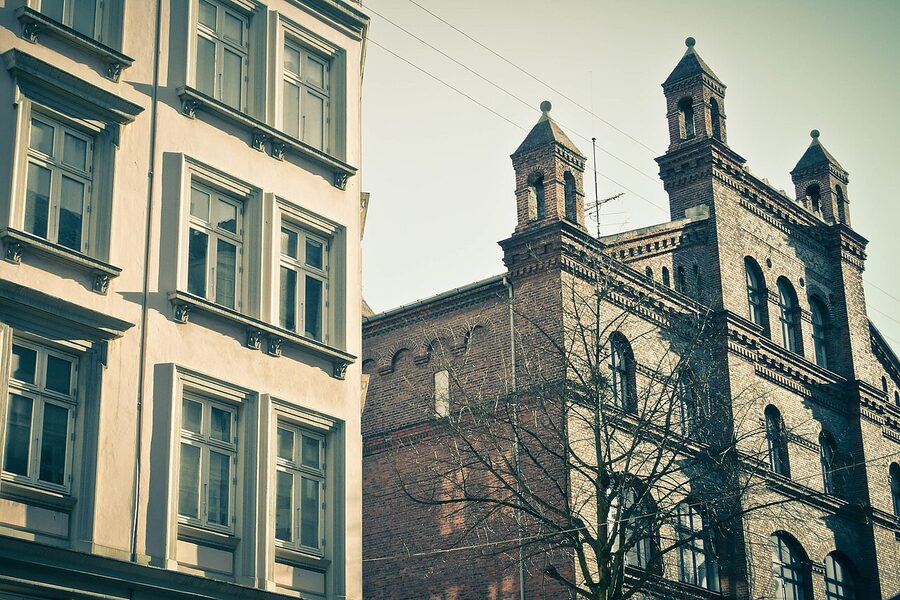
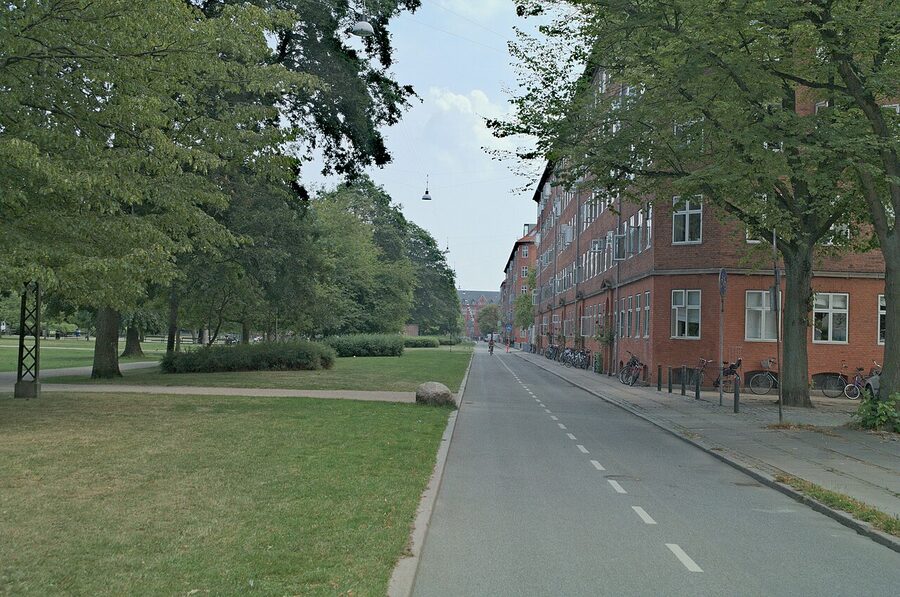
Across the lakes from the centre, north of the bridges. This is the most ethnically mixed part of inner Copenhagen, with a strong Middle Eastern and North African presence around Nørrebrogade. It is also where the major political flashpoints of the last twenty years have happened: the 2007 Ungdomshuset protests, the integration debates around Mjølnerparken, the riots after the Quran burnings in 2023. None of that makes the standard guidebook map. A good alt tour will walk you through it without lecturing.
The street art around Stefansgade and the Assistens Cemetery walls is some of the strongest in the city. So is the Friday-evening lamb-and-rice trade at the Turkish bakeries on Nørrebrogade. Either is reason enough to be over here.

Christianshavn
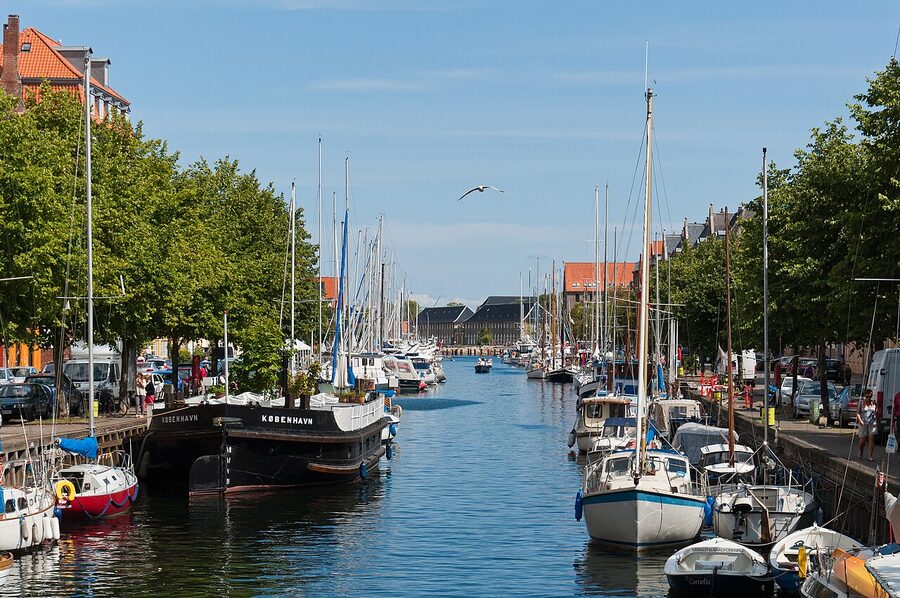

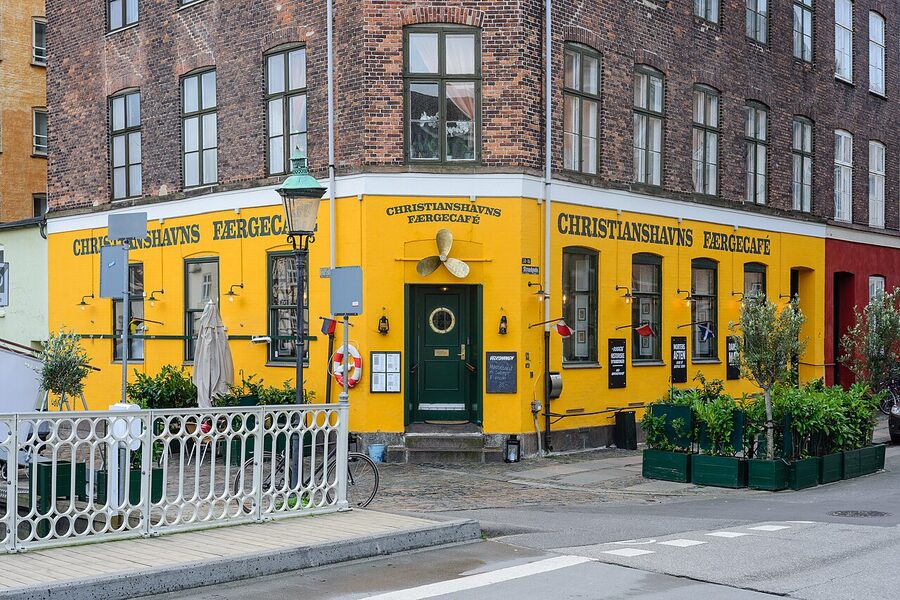
The seventeenth-century canal district between central Copenhagen and Christiania. King Christian IV built it on reclaimed land in the 1610s, partly as a defensive position and partly because the merchants needed somewhere to dock. It is now slightly twee. Amsterdam-with-fewer-tourists is the standard description. But it is the gateway to Christiania, and the Christiania-focused tour above spends about an hour walking the canalside before the gate.

Refshaleøen
.jpg)
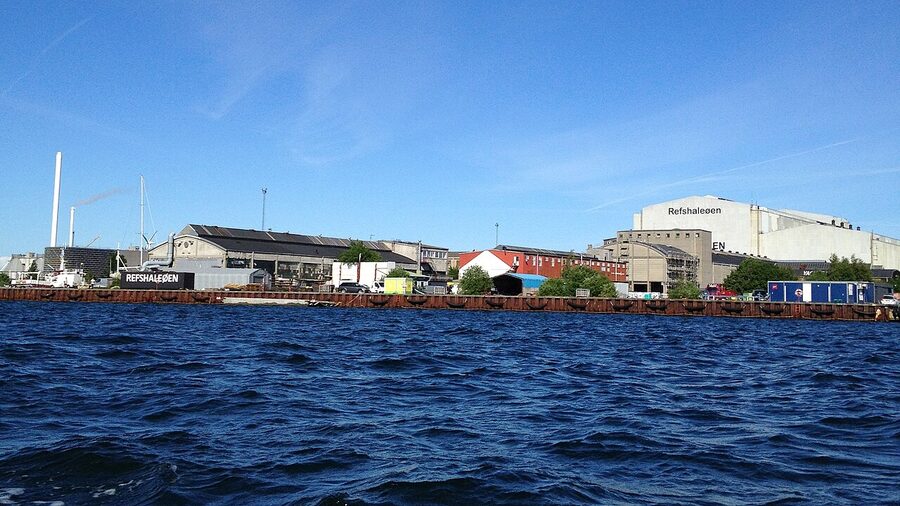
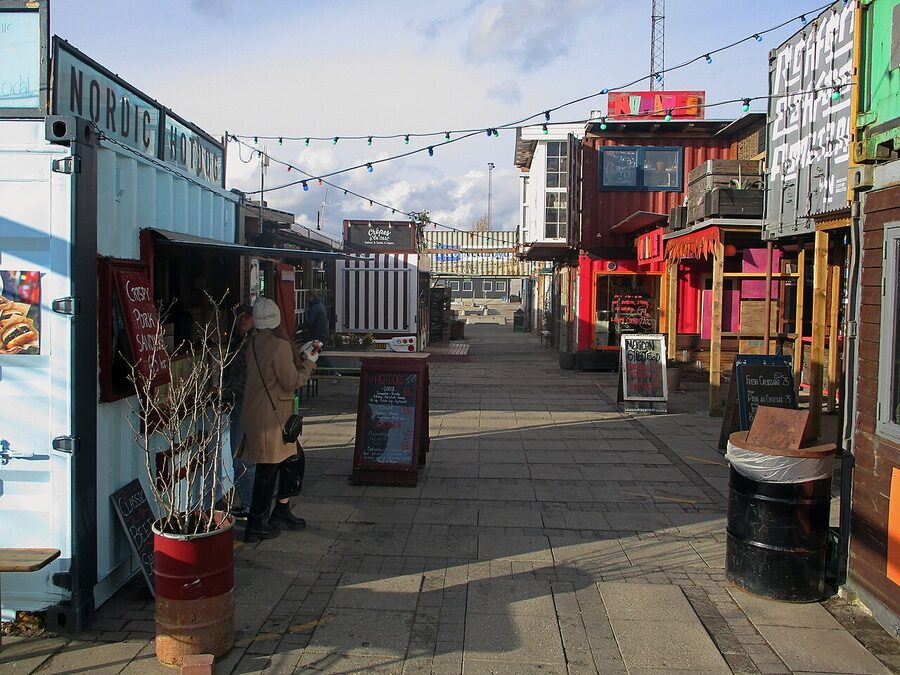
The decommissioned shipyard island in the harbour. The Burmeister & Wain yard built tankers here for a century, then closed in 1996, leaving a vast brownfield that the city has been slowly turning into something. The “something” so far includes Reffen (the container street food market), a couple of climbing centres, three or four warehouse-scale art spaces, the Copenhagen Contemporary museum, and a bunch of half-permanent rave warehouses. Most alt tours don’t go this far on foot. It’s a thirty-minute walk or a five-minute harbour bus from the centre. Reffen specifically is on every “off-the-map Copenhagen” list for good reason.


How the booking actually works
The Politically Incorrect tours are sold per group, not per head. That looks expensive on the listing at $375 ish, until you realise the same tour for two people is the same price as for six. Get four friends together and it’s basically a Copenhagen takeaway-pizza budget per head, for ninety minutes of dedicated guide time, in a tour that is functionally a private booking.
The Christiania-focused tour is sold per person at $49 and runs as a small public group, capped at around twelve. You pay on booking, you show up at the meeting point near Christianshavn metro, and the guide hands you a sticker. There is no skip-the-line element. Christiania has no entry fee and the access is open during the day, so what you’re paying for is the guide.
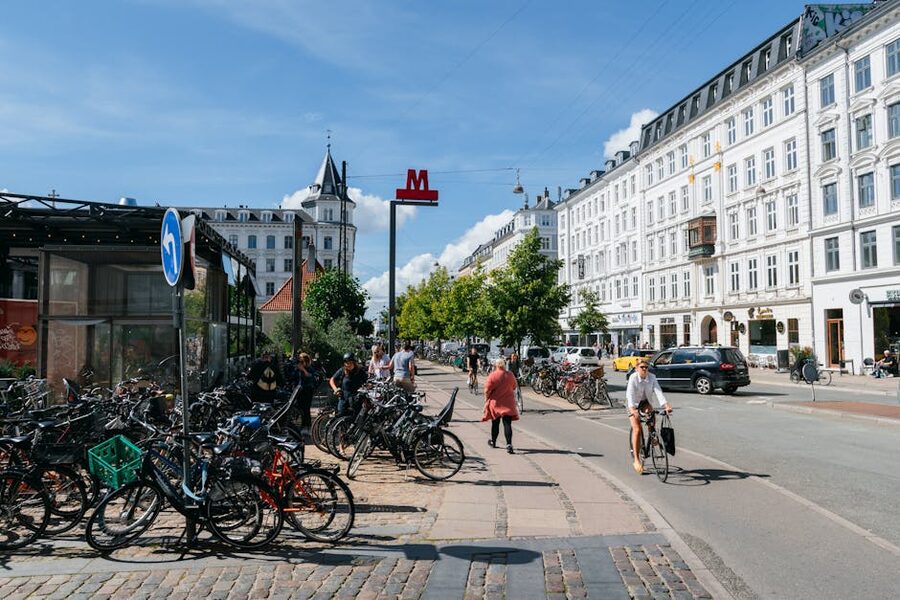
If you want a vehicle-assisted version, the same Politically Incorrect crew does a bike-and-walking hybrid through similar territory. We’ve covered how the bike tours in Copenhagen work in general here, including which operators run electric bikes and which give you a regular fixie. For an alt-format tour, walking is better than the bike version. You stop more often, you can duck into a courtyard without dismounting, and the guides have more time to tell stories.
The Beer Walk: a different kind of alt
The same Politically Incorrect operation runs a separate Beer Walk through Vesterbro that is technically not a “highlights” tour but is firmly in the alternative category. Two hours, you visit three independent bars, you get a guide who knows which buildings used to be brothels and which are still owned by the slaughterhouse pension fund. It’s $68 a head, sold per person rather than per group. Our review on the Beer Walk specifically goes into which beers are usually on rotation and which guides have the best Vesterbro stories.
If alcohol on a tour isn’t your thing, a generic Copenhagen walking tour covers similar ground without the pub stops.
What to wear and when to go
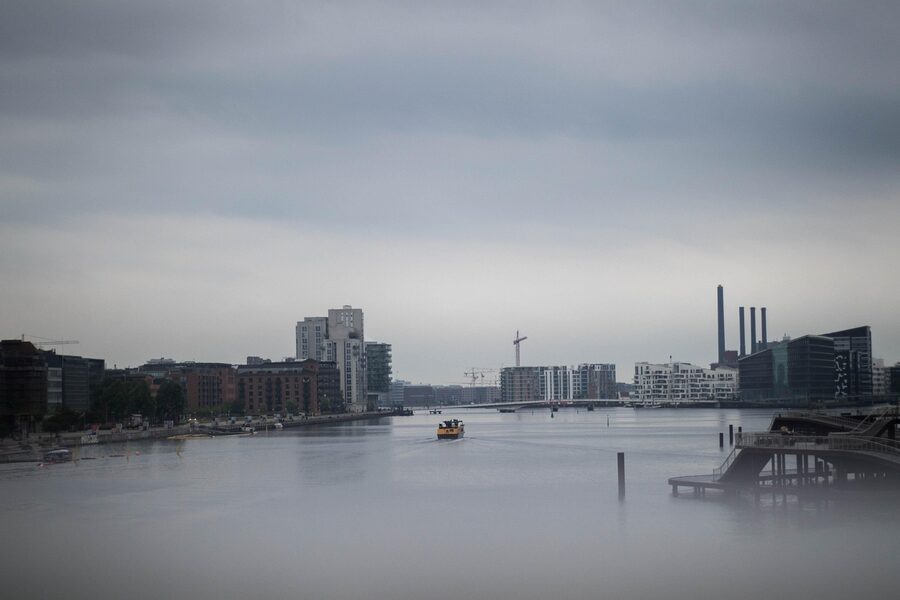
The walks are outdoor for the entire two-or-so hours. Copenhagen weather is not gentle. From October through April you are looking at horizontal rain, sleet, ten-degree wind chill, and short days. Most alt tours run year-round anyway because the actual residents of Christiania, Vesterbro, and Nørrebro are out in it, and standing inside a heated tourism centre defeats the purpose. Take a waterproof jacket, take warm layers, take shoes you don’t mind getting wet, and book an afternoon slot so you finish before the sun drops at four pm.
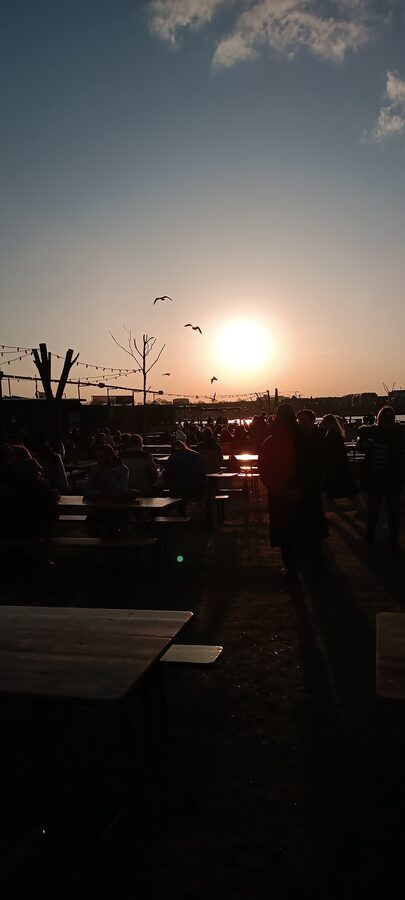
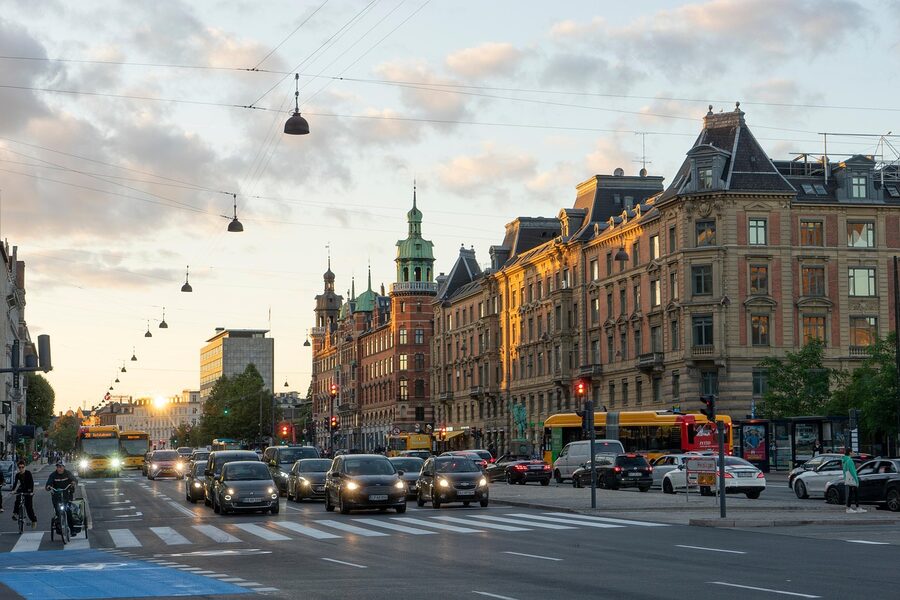
From May through September the city is genuinely lovely, the harbour swims open, the beer gardens reopen, and a 5pm tour finishes with you nicely positioned for sunset on the harbour. June and July evenings stay light until 10:30. If you can flex your dates, this is the window.
What you’ll spend, roughly
The walking element of a Copenhagen alt day is essentially free. The tour fee is your only baked-in cost. Allow on top:
- One coffee on the route (35-50 DKK at any decent place; if your guide picks the spot, expect the higher end).
- One street-food lunch (80-130 DKK at Reffen for a single dish, more if you split between containers).
- A canal-side beer at the end (45-60 DKK at Faergecafe or one of the dive bars in Vesterbro).
- Metro back to your hotel if you want to skip the walk home (24 DKK single ticket; 80 DKK for a 24-hour pass).
If you’re doing more than one paid attraction during your stay, the Copenhagen Card pass covers the metro and most of the museums. It will not get you into Christiania (free, but no card needed) and is irrelevant for the alt tours themselves, but it’s the right call for any trip longer than three days.
How alt-Copenhagen compares to other cities
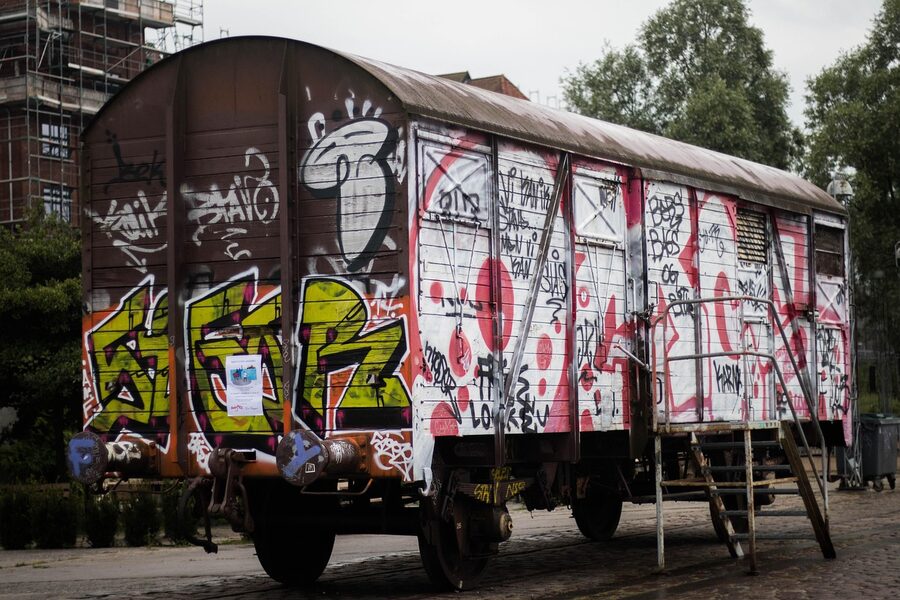
If you’ve done the Jewish Quarter walking tour in Krakow or a ruin-bar pub crawl through Budapest’s seventh district, you already know the format. Smaller-than-postcard neighbourhood, complicated history, guide who lives nearby and has opinions, half the route is just standing on a cobbled corner being told what used to be on the next block. Copenhagen’s alt scene is a slightly cleaner, slightly richer, more bicycle-heavy version of the same thing. The angles are different. Christiania doesn’t really have a Krakow analog, and Vesterbro’s slow shift from sex-work strip to natural-wine strip is its own peculiar story. But the muscle memory of “follow the funny stranger around an old neighbourhood” travels well.
One thing Copenhagen does have that those other cities don’t: the harbour. The alt tours regularly end at the water, either at the Christianshavn canal or out at Reffen, and that gives the whole thing a different finish. Less dimly lit cellar bar, more breeze and seagulls.
Pairing the walk with the rest of your trip
If you only have one day in Copenhagen, do an alt walk in the morning and the food scene in the afternoon. Reffen for street-food sampling on Refshaleøen, or a proper guided eat through central Copenhagen. There’s a Copenhagen food tour piece in this same series that walks through the smørrebrød and Danish-pastry circuit, and we’ve also covered Lisbon’s, Porto’s, and Krakow’s tours if you’re comparing food-tour formats across cities.
If you have two or three days, slot the alt walk on day one, do a harbour and canal cruise on day two for the from-the-water perspective on the same neighbourhoods, and reserve day three for either a museum-focused itinerary inside the city or a day trip out. The castle day trip up the coast to Helsingør is the classic. The Lund-Malmö Sweden hop over the bridge is the underrated alternative. And there’s a forthcoming piece in this same series on the National Museum of Denmark tickets if Viking artefacts and royal silver are more your thing than alt subculture.
For families, the Tivoli Gardens and the LEGOLAND in Billund are the obvious balancing acts. Tivoli is perfect for evening one if your kids are still up; LEGOLAND is a full day three hours west by train.
The bigger context
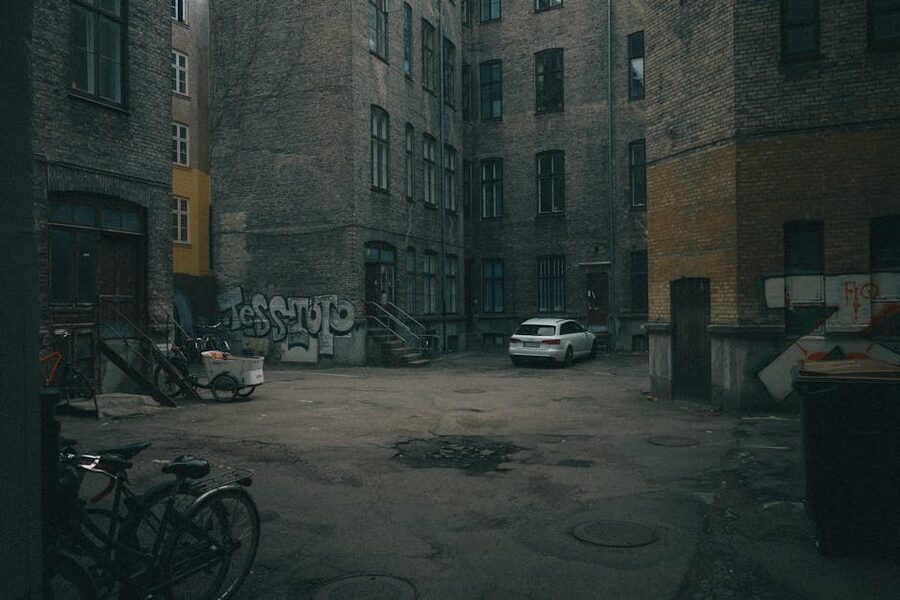
Copenhagen has been working hard for the last twenty years to file off any rough edges that might scare a tourist. The brothels in Vesterbro have been pushed to the suburbs. The stretches of Nørrebro that used to feel uneasy at night now have artisan bakeries on them. Pusher Street has been physically dug up. The strategy has worked. Copenhagen is consistently ranked one of the safest, happiest, most liveable cities on the planet. But the side effect is a city that can feel lightly anaesthetised. The official tour, the canal cruise, the design museum, all roll up the same product: tasteful, calm, hygge-on-a-stick.
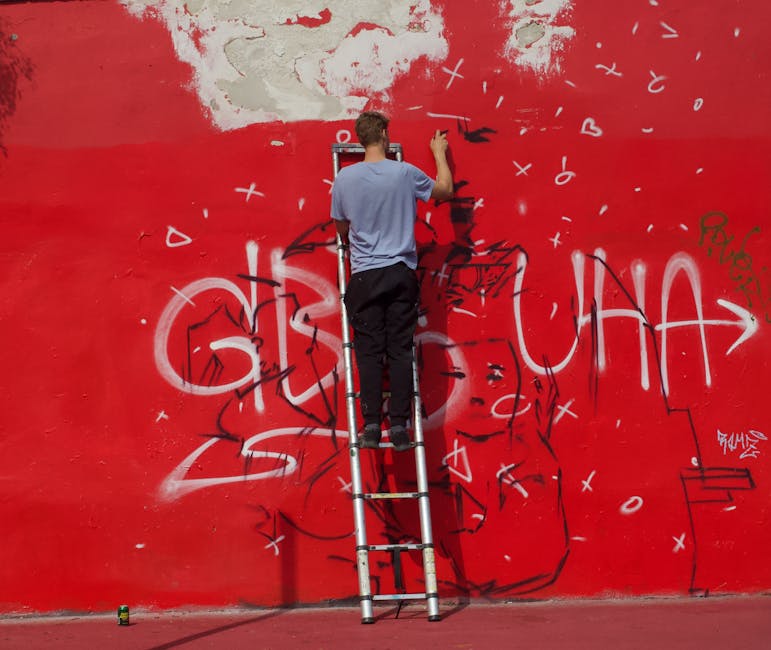
The alternative tours exist as a corrective. They put you in front of the bits the official version glosses over: the squatted military base, the immigrant high-rise, the brothel stretch that got priced out, the harbour shipyard that closed. Done badly, this is voyeurism. Done well, and with the right guide it usually is, it’s the opposite. It’s the city talking back. The contrast with the postcard version is the point. You walk away with a richer and slightly more truthful sense of the place, which is, after all, why you took a tour in the first place.
A few practical bits before you book
- Tip the guide. Twenty to fifty kroner per person is the local norm if you enjoyed it; $5 to $10 a head on a private group works.
- Don’t book a 9am Saturday tour. Vesterbro and Nørrebro on a Saturday morning are dead. Mid-afternoon is when the streets and the bars are alive.
- Most guides switch to English fluently for tourists, but a few will check before they start. If you’d specifically like a Danish-language tour, request it in the booking notes.
- Phones in Christiania: away in your pocket on Pusher Street. Cameras out is mostly fine in the leafier parts. If a resident gestures at the camera, lower it without negotiating.
- Sturdy shoes. The cobbles in Christianshavn and Vesterbro are seventeenth-century original and they will eat sneakers in the rain.
If you only do one thing
Book the Christiania-and-Christianshavn tour at $49. It’s the cheapest of the three, it’s per-person priced so it works if you’re solo, and it gives you the single most distinctive piece of alternative Copenhagen in two hours. If the trip extends and the budget allows, layer the Politically Incorrect Highlights walk on top later in your visit. Doing both gives you the full picture: the broad alt overview from the comedians, and the deep dive on the freetown from a guide who actually lives there.
Either way, you will walk away with a Copenhagen that doesn’t fit on the cover of an in-flight magazine. Which is what we came for.
What else to read while you’re planning
If you’re piecing the rest of the Copenhagen trip together, start with the Copenhagen Card guide for the museum-and-transport pass; it pays for itself fast on a three-day visit. The canal cruise is the right complement to a walking tour because it gives you the same neighbourhoods from the water; the bike tour is the alternative if you’d rather cover more ground in less time. For the deeper history side that the alt walks gesture at without going deep on, the National Museum of Denmark piece is the next place to look. And the Carlsberg brewery tour is a lovely afternoon if you liked the beer-walk angle and want a more structured version. For evenings, the hop-on hop-off bus is the easy default and the Tivoli Gardens is the only “tourist” attraction in town that genuinely earns its place on every list.
Affiliate disclosure: when you book a tour through the Check Availability links above, we may earn a small commission at no cost to you. We only recommend tours we’ve independently reviewed and would book ourselves. Prices were checked at time of writing and may shift with the season.