
So is the Stockholm Pass actually worth it? That’s the question I get asked more than any other when friends start planning a Sweden trip, and the only honest answer I can give is: it depends entirely on how you spend your first day.
If you treat the pass like a sprint and tick off Vasa, Skansen and the ABBA Museum before lunch, you’ll save real money. If you wander, get distracted by a kanelbullar, and end up at one museum and a long lunch, the pass loses to a single ticket. So before I even start talking about how to buy it, let me show you the maths.
One day, three big-ticket attractions, and a hop-on hop-off bus pass: that’s the bar the Stockholm Pass needs to clear. Vasa Museum is around 220 SEK. Skansen is 220. ABBA Museum is closer to 290 if you walk up. A 24-hour hop-on bus is about 380. Add those up and you’re already at roughly 1,110 SEK. The 1-day Stockholm All-Inclusive Pass currently runs around 879 SEK adult on the live page. Even on that simple stack, you’re saving about 230 SEK on day one without trying very hard. Add in the Royal Palace at 200, and the pass starts to look genuinely smart.

That said, there’s a catch the Go City marketing pages don’t shout about. The pass is activated the moment you scan it on your first attraction. It then runs for continuous calendar days, not 24-hour blocks. Activate at 4pm and you’ve burned half a day before dinner. So the smarter rule for any multi-day pass is: activate at opening time, not later. I’ll keep coming back to that point because it’s the single biggest mistake people make.

- In a Hurry? Buy the Pass That Matches Your Pace
- The Short Answer: Who the Stockholm Pass Is and Isn’t For
- What’s Actually Included (and What’s Not)
- How the Maths Actually Works
- Top 3 Stockholm Pass Options to Book
- 1. Stockholm All-Inclusive Pass on GetYourGuide: from
- 2. Stockholm Pass on Viator: 1.70
- 3. Stockholm Top Attractions All-Inclusive Gran Tour: 0
- Buying It: The Bit Most Guides Skip
- Picking the Right Pass Length
- The Five Most Common Mistakes People Make
- The Stockholm Pass vs Other City Passes
- Pass-Friendly Routes: Two Sample Days
- The Djurgården Day
- The Gamla Stan and Royal Day
- A Quick Word on the Stockholm Essentials Pass
- Refunds, Cancellations and the Fine Print That Matters
- What I’d Personally Buy
- Quick FAQ
- If the Pass Isn’t For You: What to Do Instead
- Stockholm Pass: My Honest Verdict
- Where to Go From Here
In a Hurry? Buy the Pass That Matches Your Pace
Best value: The Stockholm All-Inclusive Pass on GetYourGuide covers 60+ attractions and tours from around $95, with 1-5 day options and the boat tours, hop-on bus and big museums baked in. Buy this one if you want everything.
If you’re a planner: The Stockholm Pass on Viator is the same Go City product through a slightly different reseller. Same coverage, often the same price, useful if you already have Viator credit.
For a guided alternative: The Stockholm Top Attractions All-Inclusive Gran Tour at around $328 isn’t a pass at all, it’s a 7-hour guided experience that bundles entries, lunch and transport. Worth it if you have one day and zero patience for logistics.
The Short Answer: Who the Stockholm Pass Is and Isn’t For
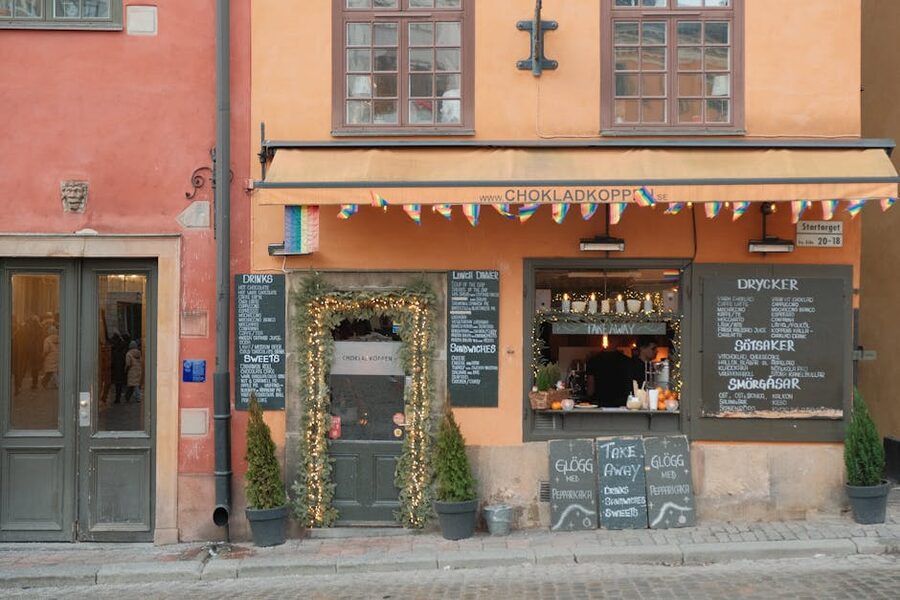
Buy the pass if you’re doing 3+ paid attractions per day, especially Vasa, Skansen, ABBA, Royal Palace or Fotografiska. It also pays back fast if you want the hop-on hop-off bus or a harbour boat tour anyway. Skip the pass if you’re a one-museum-and-three-coffee-stops traveller, if you arrive in the late afternoon and can’t bank the unused day, or if you hate juggling QR codes in an app.
Most readers I’ve talked to who regretted the pass had one thing in common. They bought a 3-day or 4-day pass and only used it properly on one of those days. That’s the trap. The longer the pass, the more it costs, and the more attractions per day you need to break even. A 1-day pass on a packed day is almost always worth it. A 5-day pass on a relaxed Stockholm trip almost never is.


What’s Actually Included (and What’s Not)
The current Stockholm All-Inclusive Pass covers more than 60 attractions, tours and experiences. The published number drifts a bit (Go City sometimes lists 60+, sometimes 70+ depending on which seasonal partners are active) but the core line-up has been stable for years. Here’s the honest sweep of what matters.
The headline museums: Vasa Museum, Skansen, ABBA Museum, Nordiska Museet, Moderna Museet, Photography Museum (Fotografiska), Nobel Prize Museum, Viking Museum, Spirit Museum, Medieval Museum, Tekniska (Tech Museum), and the Army Museum. Vasa, Skansen and ABBA are the three you absolutely cannot skip on a first trip. The other nine are excellent fillers when the weather goes sideways.
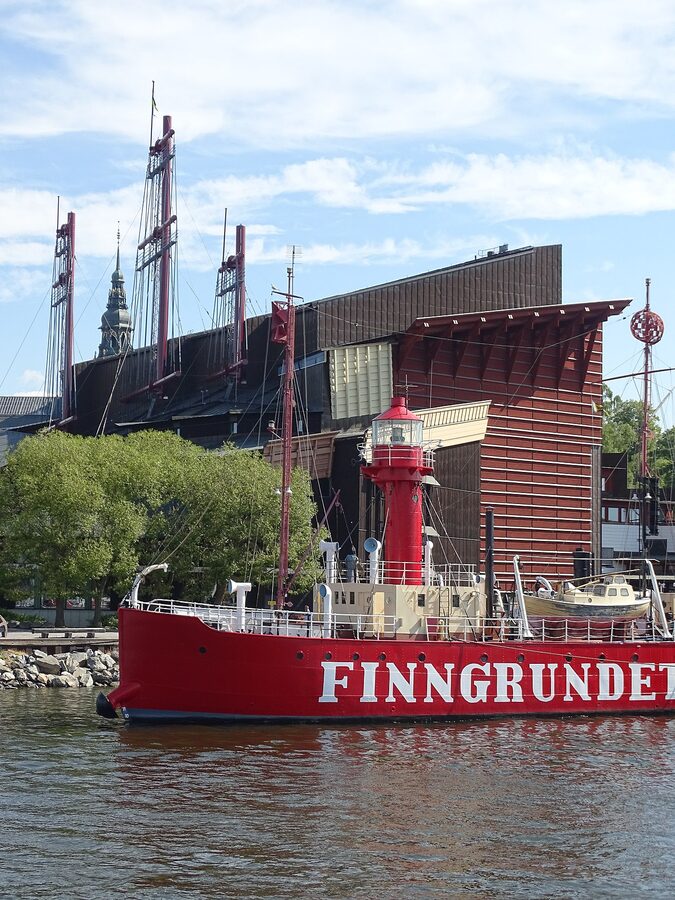

Tours and transport: The Stockholm hop-on hop-off bus (24-hour ticket on the day of activation), the Stockholm hop-on hop-off boat, a Royal Canal boat tour, an Under the Bridges of Stockholm cruise, several walking tours of Gamla Stan and the city centre, and the Stockholm archipelago day cruise to Vaxholm. The boat tours are quietly the best-value redemptions on the pass per krona.

_1.JPG)
Family attractions: Gröna Lund (theme park, discount only, not free entry), Aquaria Water Museum, Junibacken (Astrid Lindgren themed), Tom Tits Experiment in Södertälje (a science museum that’s worth the train ride if you’re travelling with kids 6-12), the Stockholm Cable Car SkyView, and the Mälarpaviljongen brewery. Note that Gröna Lund is on the pass as a discount, not as an unlimited free ride bracelet, so check the small print before you build a day around it.
Food and drink: A free fika (coffee and cake) at Systrarna Andersson, a cocktail at the Ice Bar, and entry to the Spirit Museum tasting bar. These don’t make or break the pass, but they’re nice once-a-day breaks.
What’s NOT included: Public transport (bus, metro, tram, commuter rail) is not on the pass. This is the single most common point of confusion. You’ll need to buy an SL travel card separately if you plan to use the metro to get to attractions. The hop-on hop-off bus does cover most central sights, so for a packed pass day, that can replace public transport, but for evening dinner reservations on Södermalm, you’ll be tapping a separate SL card. Drottningholm Palace is also not currently on the All-Inclusive Pass, despite being on some older listicles. Don’t plan around that.
How the Maths Actually Works

Let me walk you through three realistic itineraries with real prices, because the marketing maths and the honest maths often disagree.
Itinerary A, the heavy hitter (1 day): Vasa Museum (220 SEK) + Skansen (220) + ABBA Museum (290 walk-up) + 24-hour hop-on bus (380) + Royal Palace (200). Total at the door: 1,310 SEK. 1-day pass: around 879 SEK. You save 431 SEK, roughly $40. You’d still be moving at speed all day, but it’s doable.
Itinerary B, the mixed day (1 day): Vasa Museum (220) + Photography Museum Fotografiska (210) + Royal Canal boat tour (250) + ICEBAR drink (250). Total at the door: 930 SEK. 1-day pass: 879. You save 51 SEK, basically break-even. The pass technically wins, but barely. The only reason to take the pass at this pace is the convenience of one digital ticket.
Itinerary C, the casual day (1 day): Vasa Museum (220) + a long lunch + a stroll through Gamla Stan + an evening drink at the ICEBAR (250). Total at the door: 470 SEK. 1-day pass: 879. You lose 409 SEK. The pass quietly fails. This is the regret pattern.

The 2-day, 3-day and 5-day passes follow the same logic but multiplied. The 3-day pass is roughly 1,529 SEK (verify on the live page, prices drift a few percent each season), which means you need around 510 SEK of attractions per day to break even. That’s about two paid museums or one museum plus a boat tour, every single day. If you’re not visiting that many things, the 1-day or 2-day pass is almost always the smarter buy.
One quiet hack worth knowing: many people buy a 2-day pass and squeeze a hop-on bus loop on the morning of day 2, then continue with food and walking after the pass expires at midnight. That extracts almost the same value as a full second day at half the cost. Don’t tell Go City I told you.
Top 3 Stockholm Pass Options to Book
The pass exists in a few different wrappers (Go City direct, GetYourGuide, Viator) and there’s also a guided alternative which technically isn’t a pass but solves the same problem. These are the three that consistently come back as the best buys for short Stockholm trips.
1. Stockholm All-Inclusive Pass on GetYourGuide: from $95

This is the version of the Go City Stockholm Pass we recommend most often, simply because it includes the largest line-up and the boat tours that quietly carry the pass on slower days. Our Stockholm walking tour guide goes deeper on which Old Town walks are also on the pass, but as a top-line, you can pair Vasa with a Royal Canal cruise and a hop-on bus ride and break even on the 1-day pass before lunch.
2. Stockholm Pass on Viator: $101.70
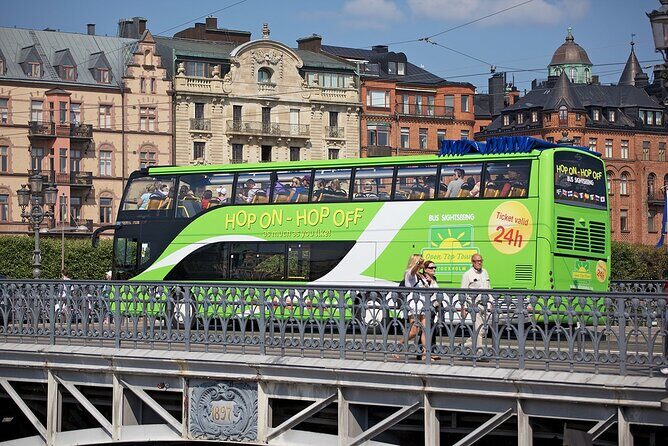
This is the same Go City pass routed through Viator. Coverage and rules are identical. Pricing nudges around a couple of dollars depending on the season. We’ve covered the underlying product in detail in our Stockholm boat tour booking guide because the harbour cruises are one of the strongest redemptions on the pass. Pick whichever reseller you usually use.
3. Stockholm Top Attractions All-Inclusive Gran Tour: $350
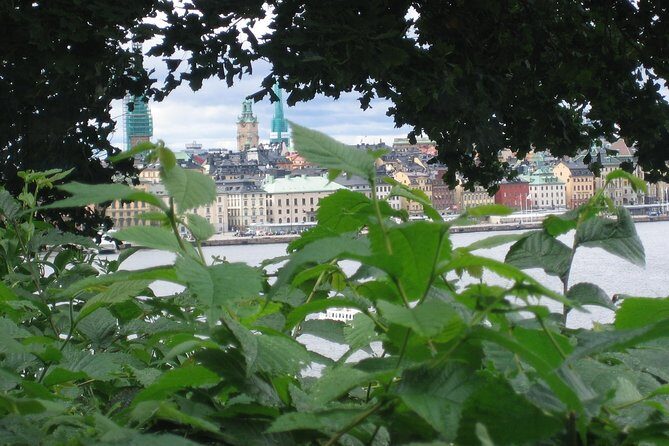
This is technically a guided tour, not a pass, but it solves the same problem in a different way. For around $328, you get a 7-hour guided experience covering Vasa, Royal Palace, Old Town and lunch, with all the entries and transport bundled in. We cover the hop-on bus alternative in our standalone guide, but if you only have one day in Stockholm, the structure of a guided day frees you from app-juggling and route-planning.
Buying It: The Bit Most Guides Skip

You buy the pass online, either direct from Go City or through GetYourGuide or Viator. The price is functionally the same on all three for the All-Inclusive Pass; what differs is the cancellation policy and whether you have existing credit on the platform. After you buy, you get an email with a QR code or app activation link. The Go City app is where the actual pass lives, so install it before you fly.
A few practical things that aren’t always obvious:
- Activation is automatic on first scan. The clock starts the moment a venue scans your QR code. If you scan at 4pm on day 1, your “day 1” still ends at midnight that night, and you’ve burned half a day.
- You can buy adult and child passes separately. Kids 6-15 get a much cheaper pass; under 6 are typically free at most attractions anyway, so don’t buy a child pass for them.
- Validity window after purchase is generous. You can buy the pass months in advance and only activate it when you’re ready. So if you see a sale, lock it in.
- The app needs internet to scan. The QR codes work offline once loaded, but if you’re roaming on a foreign SIM with no signal, plan to load the pass once on your hotel WiFi each morning.
The other thing nobody warns you about: lines. Most attractions on the pass don’t grant skip-the-line access by default. Vasa is a famous exception, where the pass usually does mean a separate priority queue. ABBA Museum has timed entry, and you’ll often be asked to pre-book a slot through their website even with the pass; this is buried two clicks deep in the FAQ. Skansen and the Royal Palace use the same line as everyone else. So plan a peak-day morning at Vasa first to use the priority lane while it counts.
Picking the Right Pass Length

The 1-day pass (around 879 SEK) is the easiest to break even on. The 2-day pass at 1,239 SEK is the sweet spot for most travellers: one Djurgården day, one Gamla Stan day. The 3-day pass at 1,529 SEK only works if you’re committing to one big half-day each day. The 5-day pass at 1,899 SEK rarely pays back: most travellers spread their pace too thin, and Drottningholm Palace isn’t even on the pass anyway. Buy the 3-day and pay door price for the rest.

The Five Most Common Mistakes People Make
I’ve watched friends and readers stumble into the same handful of mistakes. They’re all avoidable.
1. Activating the pass too late in the day. The single biggest cost-killer. Activating at 2pm gives you barely six usable hours on day 1. Activate at opening time.
2. Buying a pass length longer than your appetite. A tired traveller on day 4 of a 5-day pass is paying for value they’re not collecting. Pick the shortest pass that covers your most ambitious days.
3. Not pre-booking ABBA Museum slots. ABBA uses timed entry and pass holders still need to book. Slots fill out two days ahead in summer.
4. Assuming the hop-on bus replaces the metro. The bus stops at major sights but doesn’t reach Östermalm market hall or your hotel. Still buy a 24-hour SL travel card for evenings.
5. Treating the pass like a checklist. Pass anxiety, where you tick off three half-attractions instead of enjoying two, is real. Pick four meaningful stops a day plus one boat or bus, and let the rest go.


The Stockholm Pass vs Other City Passes
If you’ve been comparing this to other Nordic and European city passes, here’s the quick read.
The Copenhagen Card is a more generous deal at the same price point, partly because it includes public transport and partly because Copenhagen’s flagship sights are cheaper at the door than Stockholm’s, so the percentage saving compounds. If you’re doing a Stockholm + Copenhagen trip, the Copenhagen Card is the easier sell of the two.
The Lisbon Card is closer to a transport-and-museums hybrid; it includes metro and bus, plus discounts at attractions rather than free entry at most. Different model, harder to compare directly.
The Amsterdam City Card is similar in spirit to the Stockholm Pass but more aggressively museum-focused, with the Rijksmuseum, Van Gogh and Stedelijk all on it. Amsterdam wins on density of headline museums; Stockholm wins on outdoor-friendly attractions like Skansen and the boat tours.
The honest take: the Stockholm Pass is mid-pack among European city passes. It’s not the steal that the Copenhagen Card can be, and it’s not as expensive as the Lisbon or London passes can become. If you’re a do-everything traveller, it earns its keep. If you’re a slow-walking, food-focused traveller, give it a miss.


Pass-Friendly Routes: Two Sample Days
If you’d rather work from a template than plan from scratch, here are two field-tested routes.
The Djurgården Day
The highest-value pass day in Stockholm, full stop. Start at Vasa Museum at opening, then walk five minutes to Nordiska Museet for an hour. Take the path through Djurgården park to Skansen. Pack a sandwich; Skansen food is overpriced. Spend two and a half hours there minimum. Catch the hop-on bus or the ferry to ABBA Museum for your booked slot. Finish with a Royal Canal boat tour at sunset. Six redemptions in one pass day.

The Gamla Stan and Royal Day
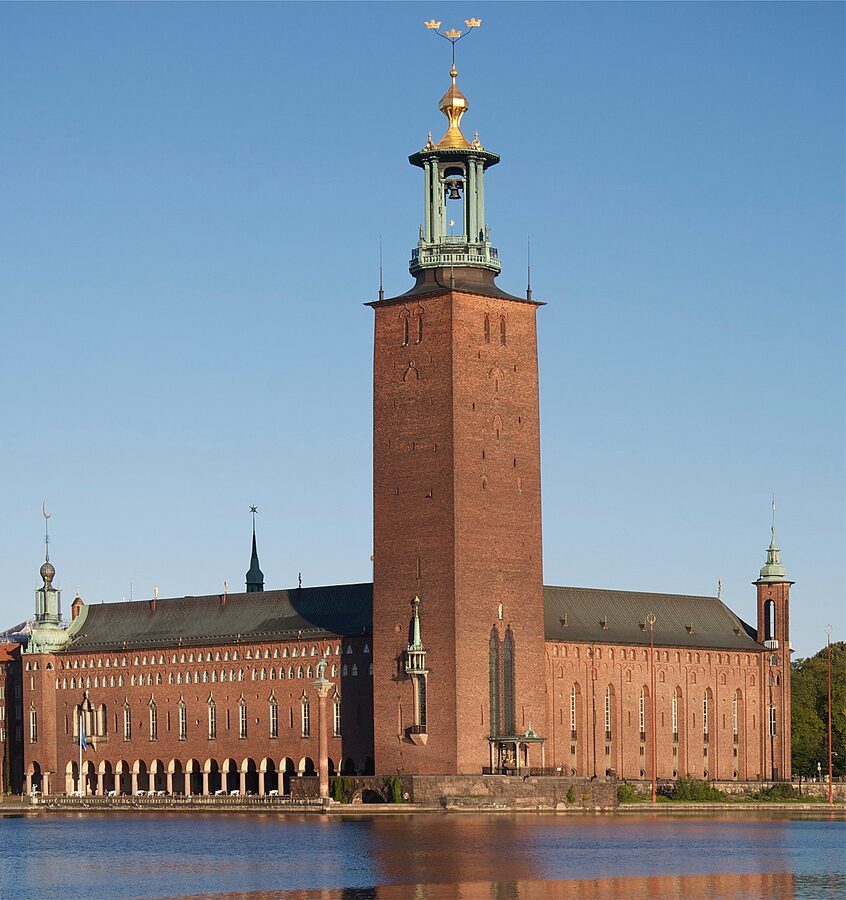
Start with the Royal Palace at opening, do the State Apartments and the Royal Armoury for about ninety minutes. Walk to Stortorget for coffee. Pop into the Nobel Prize Museum (an hour). Take the included walking tour of Gamla Stan if the timing fits. Hop the bus or boat to Stadshuset for the City Hall tour. Optional evening: late opening at Fotografiska. Our Stockholm ghost walk guide covers the evening alternative if you’d rather end on a tour.


A Quick Word on the Stockholm Essentials Pass
Go City also sells a stripped-down “Essentials Pass” for around 699 SEK that lets you pick three of thirteen attractions in a single day. It’s positioned as a decision-light alternative for travellers who don’t want to scan twelve different things. The maths is finer here: three attractions at average 220 SEK each is 660 SEK at the door, so the Essentials Pass is roughly break-even or a tiny saving. Add a fika and the included boat tour and it edges into worth-it territory.
The Essentials Pass is good for a one-day visit where you know exactly what you want. The All-Inclusive Pass is better for travellers who want to be flexible and spontaneous. If you’re in doubt, the All-Inclusive is forgiving; the Essentials Pass forces you to commit.
Refunds, Cancellations and the Fine Print That Matters

The pass is generally refundable up to the moment of activation. Once you scan at the first attraction, you’ve started the clock and refunds get hard. If you buy through GetYourGuide or Viator, both have their own cancellation policies layered on top, and they tend to be more generous than Go City’s direct policy on unused passes.
If you have a problem mid-trip (a venue is closed, the QR code doesn’t work, an entry was refused), Go City’s customer service is responsive but slow. The single fastest fix is to message via the in-app chat rather than email. Have your pass ID ready.
One subtle thing in the fine print that I learned the hard way: certain seasonal attractions only run from May to September. The mini-cruise to Drottningholm, for example, used to be on the pass; it isn’t anymore, but variants of summer-only boat tours are. If you’re travelling in November to March, the pass loses about 10-15% of its theoretical value because some boat tours and certain garden attractions just aren’t running. Go City still lists them on the website but with footnotes. Read them.
What I’d Personally Buy
If I were flying into Stockholm for a long weekend tomorrow: three nights, four days. Two-day Stockholm All-Inclusive Pass on GetYourGuide (around 1,239 SEK). Day 1 is Djurgården, day 2 is Gamla Stan and royal. Day 3 is slower: archipelago morning, lunch in Vaxholm, evening walk through Södermalm. Day 4 is Drottningholm Palace at door price, then a flight home. I’d skip the 3-day pass because day 3 doesn’t justify the upgrade.

Quick FAQ
Does it include public transport? No. Buy a separate SL travel card for the metro, bus and tram.
How long is the pass valid after purchase? Two years. Buy on a sale and activate when you arrive.
Can I share a pass with my partner? No. Each pass is single-use and tied to one QR code per person.
Does it include skip-the-line? At Vasa, usually yes (separate priority lane). At most other attractions, no.
Are kids cheaper? Children 6-15 get a discounted child pass at about half price. Under 6 are usually free at most attractions, so skip the pass for them.
Can I get a refund if it rains? Not for an activated pass. Switch to indoor stops instead: Photography Museum, ABBA, Vasa, Nobel Prize Museum, Tom Tits, Tekniska.

If the Pass Isn’t For You: What to Do Instead
If you’ve worked through the maths and the pass doesn’t pay back for your trip, here’s the alternative blueprint. Buy direct tickets for Vasa (the one unmissable museum), then either Skansen or Royal Palace depending on whether you’d rather be outside or inside, and one boat tour. That’s about 700-800 SEK per person and covers what most travellers actually remember from a Stockholm trip.
For getting around, an SL 24-hour travel card at around 175 SEK gets you on every metro, bus, tram and commuter rail line in the city. Three of those (about 525 SEK across three days) plus your direct attraction tickets often beats a 3-day pass on a relaxed schedule.
If you’re more interested in the city’s character than its checkbox attractions, the Stockholm walking tours and the Stockholm ghost walk are both better value than half the pass attractions, and they don’t require a pass at all. Pair one of those with a single Vasa visit and you’ve got a solid first day in Stockholm for under 500 SEK per person.

Stockholm Pass: My Honest Verdict
So, back to the question we started with. Is the Stockholm Pass worth it? Yes, on a packed 1-day or 2-day itinerary where you visit Vasa, Skansen, ABBA and a hop-on bus or boat tour. No, on a relaxed 3-5 day trip where you spend half each day in cafes and the other half wandering. Yes, if you’d rather have one digital ticket than juggle six. No, if you only want to see two big sights and nothing else.
The pass rewards energy. If you have it, the maths works. If you don’t, you’ll save money paying at the door.
For a first Stockholm trip with two or three full days on the ground, I’d buy the 2-day All-Inclusive Pass and not look back. For a longer, slower trip, I’d skip it and book direct.
Where to Go From Here

If you’re stitching together a Stockholm itinerary, the pass is just one piece. Pair it with our Stockholm hop-on hop-off bus guide for the route maps, the Stockholm boat tour booking guide for the harbour cruise options, and the Stockholm archipelago guide if you’ve got a third day to spare.
For specific attractions, our Vasa Museum tickets guide walks through how to use the pass-holder lane, and our Skansen tickets guide covers the season-by-season opening hours that make a real difference. The ABBA Museum tickets guide is the one to read before booking your timed slot, because the booking flow is fiddly even with the pass.
Beyond the pass: if you’re planning a food day instead of a museum day, our Stockholm food tour guide is a better starting point. If you’re cycling-curious, the Stockholm bike tour guide covers Djurgården’s back paths better than any walking tour does. And for something genuinely unusual, the Stockholm amphibious bus tour is a 75-minute novelty that ends in the harbour and is unlike anything the pass covers.
If Stockholm is one stop on a wider Nordic loop, our city pass guides for Copenhagen, Lisbon and Amsterdam compare the same maths in their respective cities. The Copenhagen Card in particular tends to be the better buy if you only have time to test one Nordic city pass.
Affiliate disclosure: some links in this guide go to GetYourGuide and Viator. If you book a Stockholm Pass through them, we may earn a small commission at no extra cost to you. It helps keep these guides free.