Kyoto’s headline sights are spread across the city, and this full-day bus tour links five of them in one go: Fushimi Inari, Kiyomizu-dera, Kinkaku-ji, Ryoan-ji and Arashiyama. I like that the English-speaking guide gives you cultural context, then leaves room to explore on your own. I also like that admission to three temples is included, so you know some major costs are covered before you set out.
The trade-off is the pace: five stops in a day means you’ll get a taste of each place rather than linger everywhere. You’ll also need to manage your own time at the sights, and the day can shift with traffic or weather.
- Five signature stops in one day: Cover Kyoto’s best-known shrine, temples and scenic district without planning separate trips across town.
- A useful mix of guided context and free time: Hear from an English-speaking guide, then set your own pace at each stop.
- Three temple admissions included: Kiyomizu-dera, Kinkaku-ji and Ryoan-ji are covered in the listed package.
- Arashiyama gets the longest visit: Its 90 minutes leave time for the bamboo grove, Tenryu-ji, Togetsukyo Bridge and local shops, though not a leisurely visit to everything.
- Comfortable transport matters: The air-conditioned bus gives you a seat between widely spread sights, a welcome break in Kyoto’s heat.
- One detail to check before booking: The advertised starting price is $55.19, while the named package is shown at $78.85. Confirm the price for your date and package.
- Five Kyoto landmarks without five separate trips
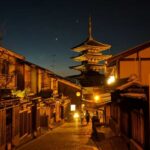
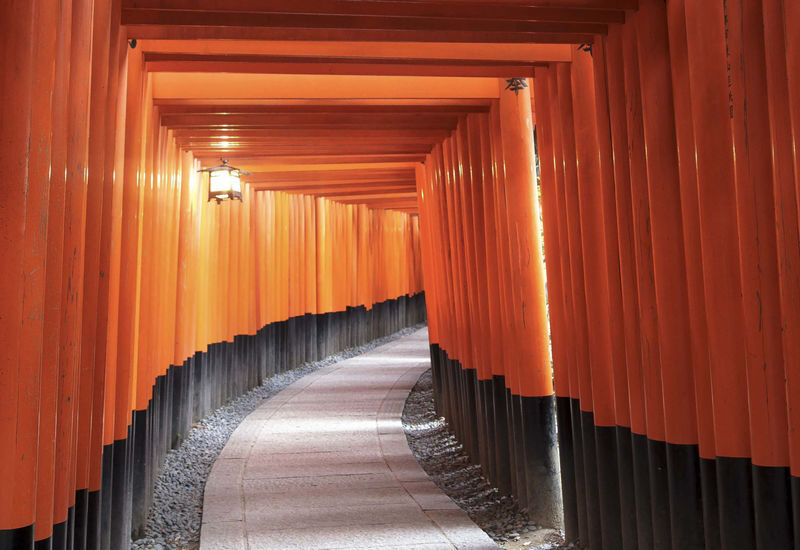
- Fushimi Inari: a walk beneath the torii gates
- Kiyomizu-dera and Kyoto’s old streets
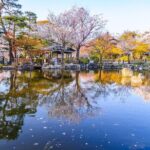
- Kinkaku-ji: the Golden Pavilion by the pond
- Ryoan-ji: a quieter hour with the Zen garden
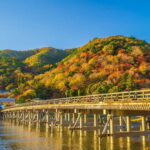
- Arashiyama: bamboo, temple grounds and river views
- What the guide adds to a self-guided day
- The price, inclusions and practical details
- Who should book this Kyoto bus tour?
- FAQ
- Where does the tour depart from?
- How early should I arrive?
- What time does the tour return?
- Which temple admissions are included?
- Are meals and drinks included?
- Is the tour wheelchair-accessible, and are child seats available?
- How much does the tour cost?
- The Best Of Kyoto!
- More Tours in Kyoto
- More Tour Reviews in Kyoto
Five Kyoto landmarks without five separate trips
 1 / 9
 2 / 9
 3 / 9
 4 / 9
 5 / 9
 6 / 9
 7 / 9
 8 / 9
 9 / 9
This tour is built for a first visit, or for a short stay when you want to see Kyoto’s major sights without sorting out transport between them. It starts at the Tourist Bus Station by Kyoto Station’s Hachijo entrance, then follows a full-day route from 8 a.m. to about 6 p.m.
That’s a long day, but the stops are varied. Fushimi Inari’s gates, Kiyomizu-dera’s temple setting, the Golden Pavilion, Ryoan-ji’s Zen garden and Arashiyama’s mountain scenery each offer a different view of Kyoto’s religious and cultural life.
The bus is practical, not just comfortable. These places sit in different parts of the city, so connecting them independently can take planning and time. Here, you get the broad sweep in a single day, with an air-conditioned ride between stops.

👉 See our pick of the We Rank Kyoto’s 15 Top Workshops & Classes
Fushimi Inari: a walk beneath the torii gates
Your first stop is Fushimi Inari Taisha, with one hour to explore on your own. The shrine is known for its rows of red torii gates, which make a striking passage through the grounds and give you plenty of memorable photo spots.
An hour is enough to get a feel for the place and walk beneath the gates, but it won’t suit anyone hoping to take a long, unhurried visit. Make a simple plan before you leave the bus: decide how far you want to go, keep an eye on the time, and allow time to return to the meeting point.
The stop is listed as self-guided, so don’t expect the guide to walk beside you through every part of the shrine. The value is in hearing context from the English-speaking guide around the visits, then having freedom to look around at your own pace.
You can also read our reviews of more tours and experiences in Kyoto.
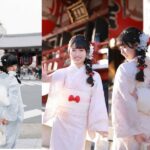
Kiyomizu-dera and Kyoto’s old streets
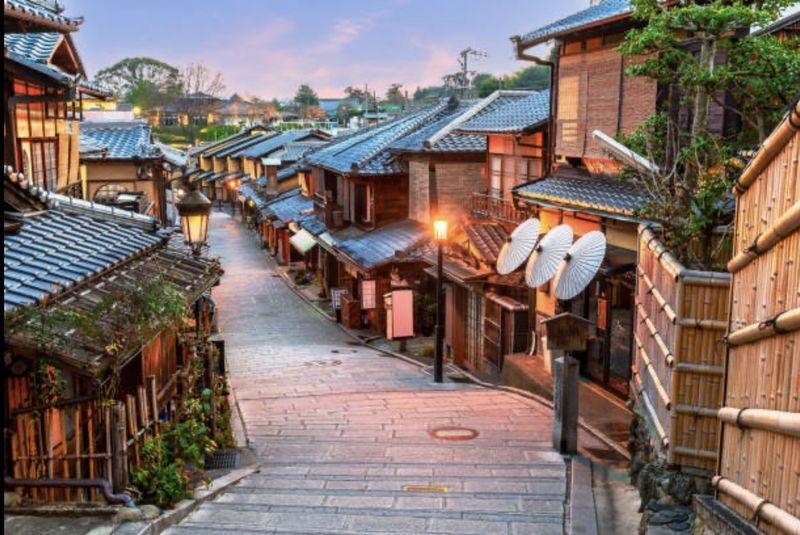
Next comes Kiyomizu-dera, a UNESCO World Heritage Site, with one hour for the temple and the nearby streets of Sannenzaka and Ninenzaka. Admission is included, which makes this a straightforward stop: you can focus on the temple and its setting rather than arranging a ticket separately.
The adjoining streets offer a different kind of visit from the temple grounds. Their traditional atmosphere and shops make them a good place to browse, take photos or look for a snack. But time is tight. If you want both a careful temple visit and a slow wander through the lanes, you’ll need to watch the clock.
This is one of the stops where the tour’s balance matters. You get the convenience of transport and admission, but the hour is yours to divide. I’d choose what matters most before arriving, then leave a few minutes to return to the bus on time.
Kinkaku-ji: the Golden Pavilion by the pond
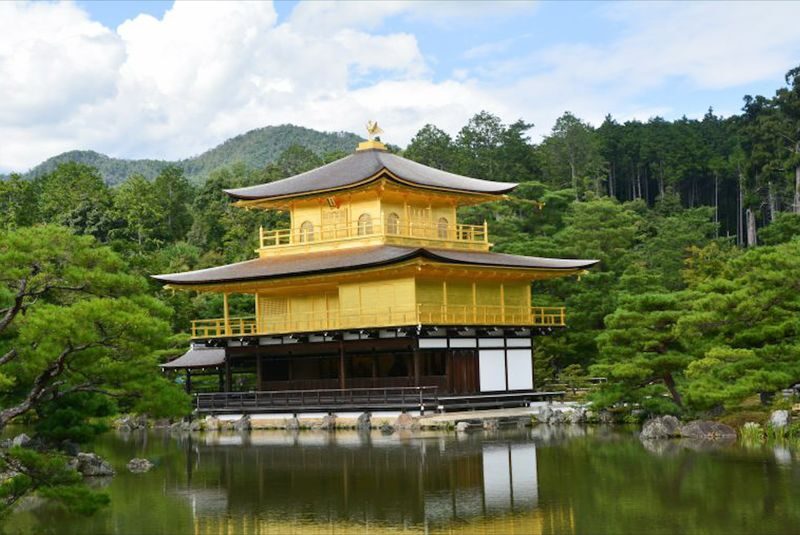
At Kinkaku-ji, the Golden Pavilion is the star. Its gold-covered exterior is reflected in a pond, creating one of Kyoto’s most familiar scenes. You have an hour to see the pavilion and its surroundings, with admission included.
This is a scenic stop rather than a place to settle in for a long visit. The reflected view is a natural focus for photos, but the grounds are part of the experience too. Take a moment to look beyond the first viewpoint instead of treating the pavilion as a quick snapshot and dash back.
The one-hour window keeps the day moving, but it also means this visit will be more of a highlight than a deep exploration. If Kinkaku-ji is high on your personal list, use your time deliberately and avoid getting caught up in browsing before you’ve seen the main view.
Ryoan-ji: a quieter hour with the Zen garden
Ryoan-ji offers a change of mood after the Golden Pavilion. Its famous Zen rock garden is the focus, and the hour-long stop gives you time to sit with the spare design and notice how different it feels from Kyoto’s more ornate temples.
Admission is included here as well. The garden’s appeal lies in its restraint, so there isn’t a long list of sights to tick off. It’s a chance to slow down and take in a place that asks for attention rather than a camera-ready moment.
Because the stop is self-guided, you can decide how long to spend looking at the garden and what else to see on the grounds. Keep the departure time in mind, especially after a full day of stops. Ryoan-ji may be the quietest part of the route, but it still runs on the bus schedule.
Arashiyama: bamboo, temple grounds and river views
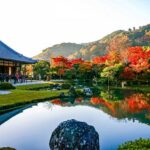
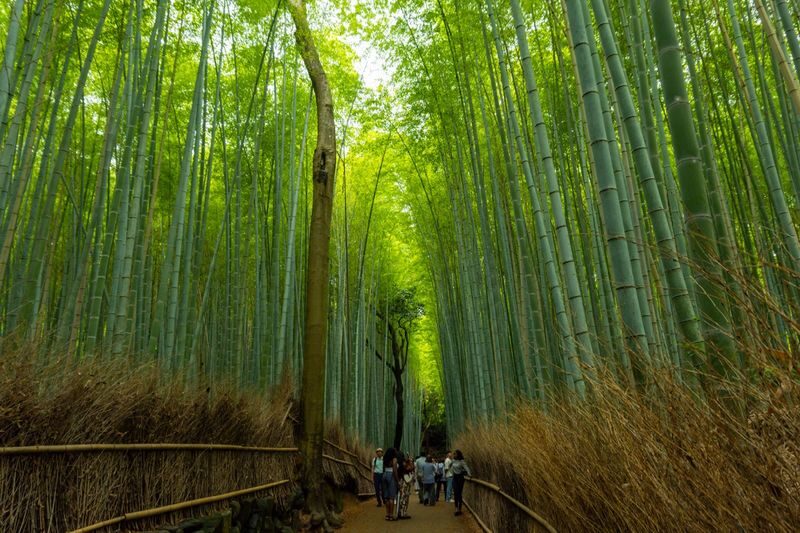
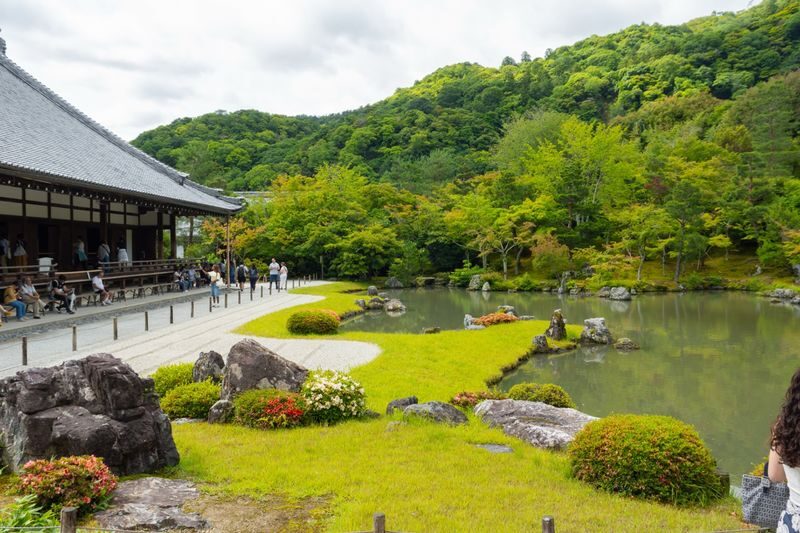
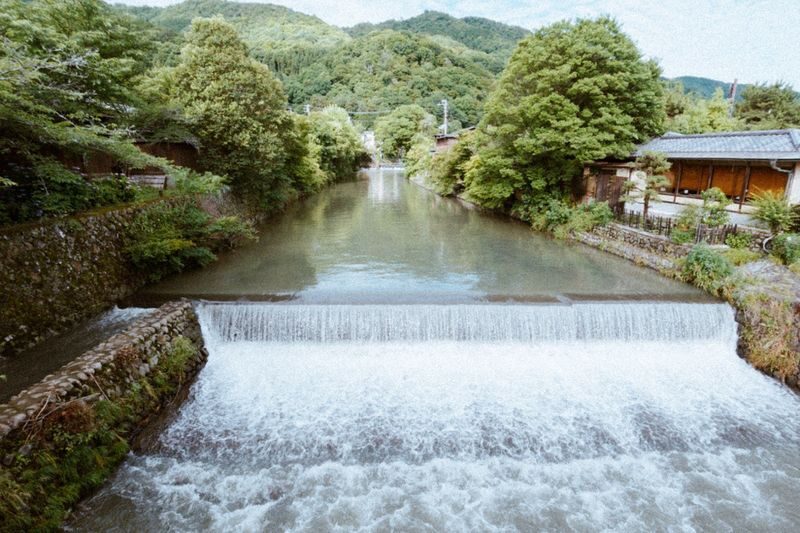
Arashiyama gets 90 minutes, more time than any other stop. The plan includes the Bamboo Grove, Tenryu-ji Temple, Togetsukyo Bridge and local shops, with mountain scenery adding a natural finish to the day.
That extra half-hour helps, but this is still a sampler. You’ll need to choose how to divide your time between the grove, temple, bridge and shops. If you try to see everything at length, the visit will feel rushed. I’d pick one or two priorities, then use whatever time remains for a relaxed stroll or a browse.
The Bamboo Grove is the obvious draw, while Tenryu-ji and Togetsukyo Bridge give the stop more variety than a single photo location. The route description doesn’t promise a guided walk through each spot, so expect to explore independently once you arrive. Keep the bus meeting time firmly in mind; Arashiyama is the final stop before the return to Kyoto Station.
What the guide adds to a self-guided day
The tour combines English-language storytelling with independent time. That’s a good fit if you want some help understanding Kyoto’s history, religion and traditions but don’t want to follow a guide every minute or move as a single group through each site.
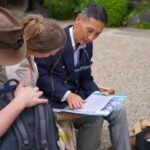
Guides Kanta and Yasuko have led this tour. Kanta was singled out for patient help, including taking photos and helping someone look for items to buy. Yasuko was described as friendly and attentive throughout the day. Those are useful qualities on a busy sightseeing schedule, though guide assignments can vary, so don’t book on the assumption that either person will lead your departure.
The freedom at each stop is one of the tour’s strengths. You can take photos, browse or look for food without being tied to a guided route. The other side of that freedom is responsibility: note the meeting time, know where to return, and don’t assume the guide will find you if you wander off.
The price, inclusions and practical details
The listed starting price is $55.19, while the named kyotobustour package is shown at $78.85. Prices can depend on the selected package, so check the exact option and date before paying. For value, consider what’s included: air-conditioned bus transport, an English-speaking guide and admission to Kiyomizu-dera, Kinkaku-ji and Ryoan-ji.
Meals, drinks and personal expenses are not included. Bring money for food or shopping, and plan around the limited time at each stop. The tour’s listed information does not name any additional admission fees beyond the three included temples, so check the details for your chosen package if you want to budget for other expenses.
The meeting point is at HOTEL VISCHIO KYOTO by GRANVIA, at the Tourist Bus Station near Kyoto Station’s Hachijo entrance. Be there 15 minutes before the 8 a.m. departure. Late arrivals and no-shows are not refundable, so don’t cut the arrival time close.
The return is scheduled for about 6 p.m. Traffic and weather can change the schedule. There is no age limit, but child seats are not available and the activity is not wheelchair-accessible. Those points are worth checking against your group’s needs before booking.
Who should book this Kyoto bus tour?
I’d consider this tour if you have one day for Kyoto’s major sights and want transport, some guided context and a flexible amount of independent time. It’s especially useful for first-time visitors who would rather spend the day seeing temples and scenery than planning a route between distant locations.
It’s less suited to anyone who wants long, quiet visits at every site, a fully guided walk at each stop or a slow day built around meals and shops. The itinerary packs five destinations into ten hours, and the free time is helpful but finite.
Book it if you value coverage and convenience more than lingering. Before you commit, check the final package price, make sure the accessibility details suit your group, and decide which stops matter most to you. A little prioritizing will help this full day feel like a satisfying introduction rather than a race to catch the bus.
Kyoto Bus Tour: Fushimi, Kiyomizu, Kinkaku-ji & Arashiyama
“Our guide Kanta is really good, thoughtful and knowledgeable. He takes beautiful photos. And patiently helps us to look for items which we need to…”
FAQ
Where does the tour depart from?
It departs from the Tourist Bus Station by Kyoto Station’s Hachijo entrance, at HOTEL VISCHIO KYOTO by GRANVIA. The departure time is 8 a.m.
How early should I arrive?
Arrive 15 minutes before departure. Latecomers and people who miss the tour are not eligible for a refund.
What time does the tour return?
The scheduled return is about 6 p.m. Traffic and weather may affect the schedule.
Which temple admissions are included?
Admission to Kiyomizu-dera, Kinkaku-ji and Ryoan-ji is included.
Are meals and drinks included?
No. Meals, beverages and personal expenses are not included.
Is the tour wheelchair-accessible, and are child seats available?
The activity is not wheelchair-accessible, and child seats are not available. There is no age limit.
How much does the tour cost?
The advertised starting price is $55.19, and the named kyotobustour package is shown at $78.85. Check the price for your selected date and package before booking.