Sashiko turns a line of small, steady stitches into a useful piece of Japanese craft. At this two-hour Osaka workshop, you learn the basics, hear about the tradition behind the patterns, and make a fabric sample of your own.
I like two things in particular: patient, English-speaking instruction that helps beginners keep pace, and the chance to see hand-dyed threads and, at times, the studio’s indigo-dyeing setup. The adjacent shop makes it easy to bring home supplies for more stitching.
One consideration: this is a quiet craft session, not a broad sightseeing tour. You’ll need to travel to the studio yourself, and the exact start time and finished project can vary by session.
What makes this workshop worth considering
- A hands-on introduction to sashiko: Learn to stitch geometric patterns and make a fabric sample, with equipment provided.
- Instructors who teach at your pace: Jun, Haru, Keke, Miya, and other staff members are named by participants as patient and encouraging.
- More than a sewing lesson: The class can include context about sashiko, boro, and wabi-sabi, along with a look at the studio’s craft.
- A small shop beside the workshop: Browse JunAle goods, sewing kits, hand-dyed threads, and clothing. Cash discounts are available.
- A handy Kyobashi location: The studio is a five-minute walk from the south exit of Kyobashi Station.
- A calm two-hour break: A good choice if you want a creative, seated activity between Osaka’s bigger sights.
👉 See our pick of the The Top 15 Workshops & Classes In Osaka
- What makes this workshop worth considering
- What the two-hour sashiko class is really like
- The story behind the stitches
- A look at the studio’s dye work and small shop
- Getting to the studio in Joto Ward
- Is .39 good value for two hours?
- Who will enjoy this Osaka craft break
- Should you book the sashiko workshop?
- FAQ
- How long does the sashiko workshop last?
- Where does the workshop meet?
- Do I need sewing experience?
- Are materials and equipment included?
- What is the minimum age?
- Can I cancel and receive a refund?
- The Best Of Osaka!
- More Workshops & Classes in Osaka
- More Tours in Osaka
- More Tour Reviews in Osaka
What the two-hour sashiko class is really like
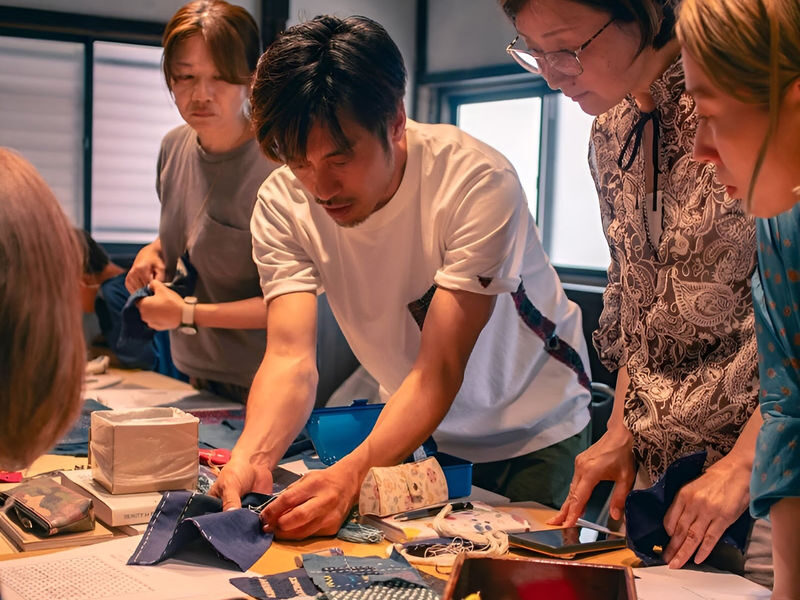
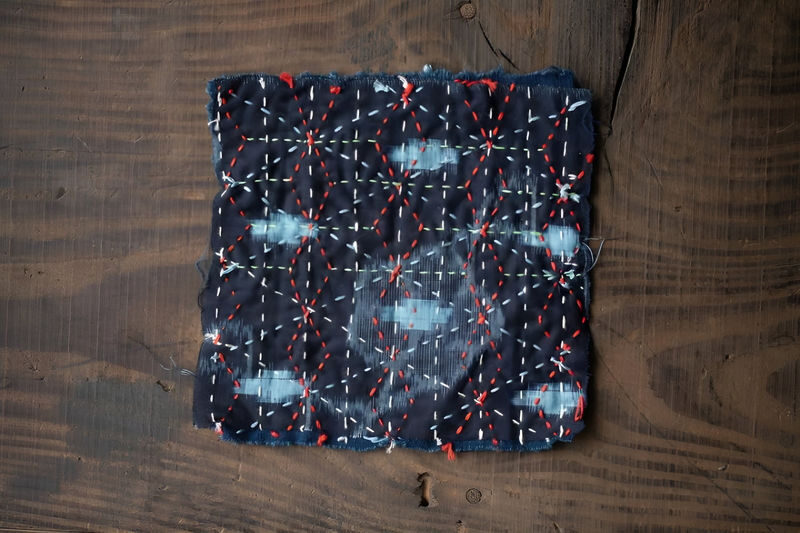
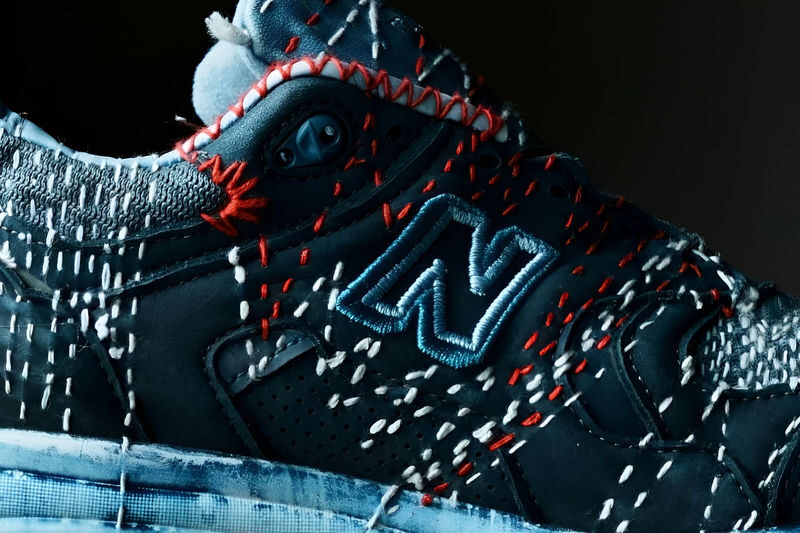
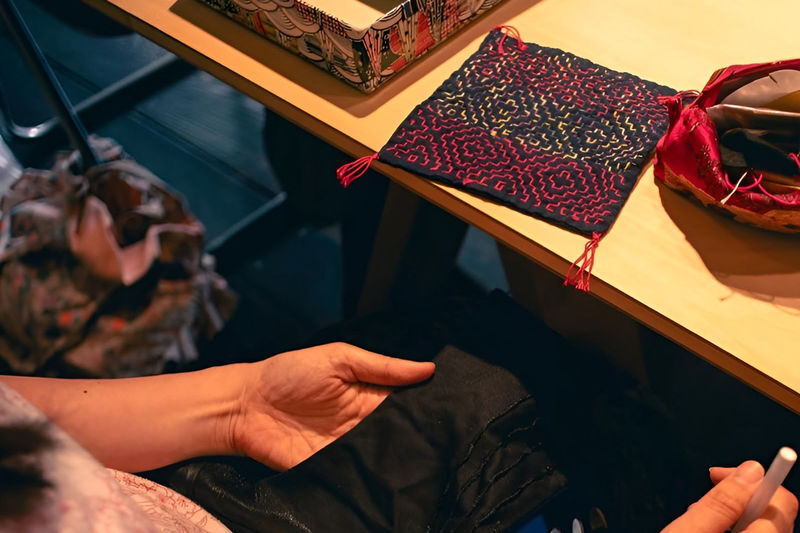
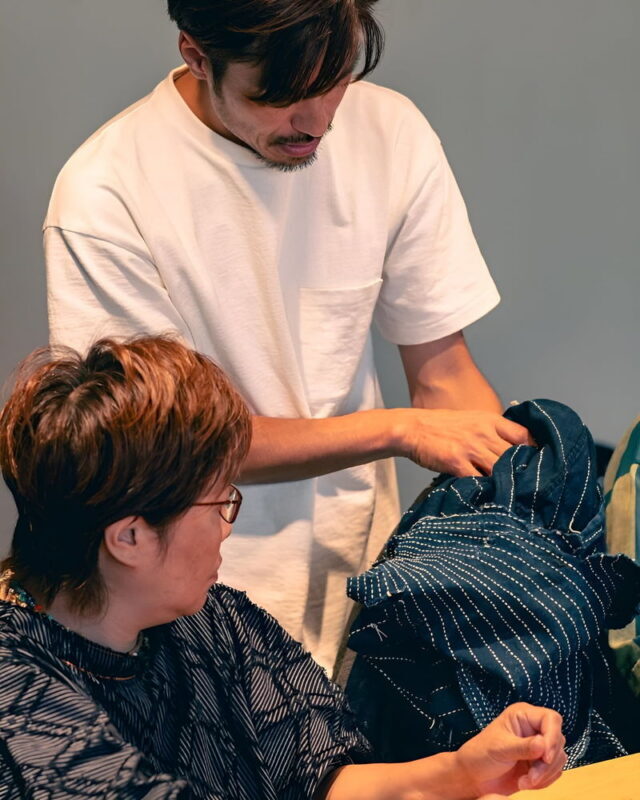
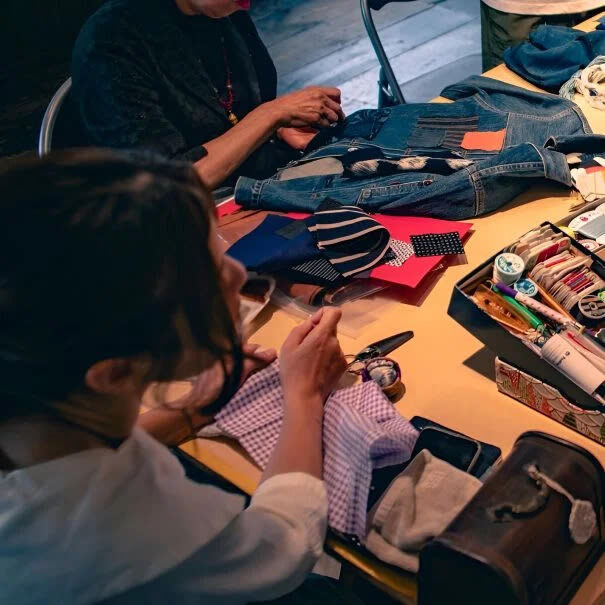

Sashiko is a traditional Japanese stitching craft that brings function and decoration together. You work through geometric patterns on fabric, learning by doing rather than watching a long demonstration. It’s a practical format: you get to try the stitches yourself, ask for help, and leave with a piece that marks your first attempt.
The session is designed for beginners as well as people who already sew. You do not need to arrive with special tools or prior experience. The necessary equipment is included, and the class is conducted with English-speaking guidance and staff, so language should not be a barrier to following the steps.
The atmosphere sounds deliberately unhurried. People stitch at different speeds, and instructors help when someone gets stuck. That matters more than it might seem: sashiko rewards patience and evenness, but a first project is not a test of perfect technique. If your stitches wobble, you are still learning the craft.
The finished piece is described as a simple sample, with one class participant referring to a drink coaster. The precise project may depend on the session, so don’t book expecting a particular item unless you confirm it in advance. The lasting value is partly the finished keepsake, but also the chance to learn a stitch you can use later on fabric or clothing.
You can also read our reviews of more tours and experiences in Osaka



The story behind the stitches
The workshop is not only about copying a pattern. Instructors explain sashiko’s history and tradition, giving you context for the craft as you work. Some sessions also touch on boro and wabi-sabi, ideas that help connect the visible stitches with repair, use, and the beauty of things made by hand.
That cultural layer is useful because sashiko can look deceptively simple from across the table. The patterns are geometric, but the process asks you to slow down and pay attention to each stitch. Hearing why the craft matters can make the repetitive work feel less like a sewing exercise and more like a way into a Japanese making tradition.
Instructors named for sessions include Jun, Haru, Keke, and Miya. The emphasis is on clear explanations and a patient pace. Jun, in particular, is often praised for taking time with people who need extra help, while Haru and Keke are also described as good at explaining the steps and background. Names and instructors may vary, but the teaching style is a strong reason to consider this class if you are nervous about starting from scratch.
A look at the studio’s dye work and small shop
A particularly appealing extra is the connection between the stitching lesson and the materials. The thread used in class may be dyed by the studio, and some sessions include a look at the indigo-dyeing area or setup. This is not listed as a guaranteed part of every booking, so treat it as a possible bonus rather than the main event.
If you are interested in how craft materials are made, seeing the dye setup can add welcome context. It gives you a better sense of the work behind the color and thread you are using. The workshop is focused on sashiko, not a dye-making class, so don’t expect to prepare dye yourself.
There is also a small shopping corner next to the workshop area. It carries JunAle original goods, sewing kits, hand-dyed threads, and clothing. That makes it useful for anyone who wants to continue practicing at home, or who would rather buy a locally made craft item than a generic souvenir. Cash discounts are available, though the details of those discounts are not specified.
A nearby cafe called comecoLABO has also been recommended as a place to visit before or after class. It’s a convenient possibility if you want to make a little more of your time in the area, but it is separate from the workshop and not part of the price.
Getting to the studio in Joto Ward
The workshop meets at 1-chome-4-18 Shigita, Joto Ward, Osaka, postal code 536-0015. The studio is about a five-minute walk from the south exit of Kyobashi Station, making the trip manageable without a taxi. Use the Japanese address, 大阪府大阪市城東区新喜多1丁目4-18, if you need it for map navigation.
Arrive five minutes before your booked time. The exact start time is confirmed after booking, and the voucher is valid only for the date and time specified. You present a mobile voucher at the meeting point.
The schedule information gives different possible return times for morning and afternoon workshops, with the end time varying by session. Plan around the two-hour duration, but check the confirmed booking time before arranging a meal, train, or another timed activity immediately afterward.
The studio is in a quieter part of the city, not a major sightseeing stop. That can be a plus: you get a change of pace from Osaka’s busy shopping streets and food districts. Trains pass nearby, which can be audible from the space, but one participant found the passing trains part of the studio’s atmosphere. If you are sensitive to background noise, keep that in mind.
Is $66.39 good value for two hours?
At a starting price of $66.39, this is not a bargain-basement craft activity. You are paying for a two-hour, guided introduction, English-speaking staff, and the materials and equipment needed to complete the project. The value improves if you care about the craft itself, want personal instruction, or plan to use the finished sample as a starting point for home practice.
The price is harder to justify if you mainly want a quick souvenir or a short photo stop. Sashiko takes time, and much of the session is spent sitting and stitching. You should book for the making and learning, not for a packed schedule of attractions.
The included equipment removes one possible hassle: you do not need to shop for supplies before class. If you become interested in continuing, the adjacent shop offers kits and hand-dyed threads for purchase, but those are personal expenses and are not included in the workshop price. Cash payment may bring a discount on shop purchases.
Cancellation terms offer a little flexibility: you can receive a full refund if you cancel at least 24 hours before the activity date, using destination local time. The workshop is for participants aged 11 and older.



Who will enjoy this Osaka craft break
This class suits curious beginners, sewing fans, and anyone who likes learning a skill rather than just watching a demonstration. It also works well for a slower morning or afternoon, especially if you have already spent time on Osaka’s larger attractions and want a quieter activity.
You do not need to be artistic or quick with a needle. The class is built for different skill levels, and instructors can help you work at your own pace. A few mistakes are part of learning; the aim is to understand the method and enjoy the process, not to produce a flawless piece on the first try.
It could also appeal to families with older children, as the minimum age is 11. Keep in mind that this is a seated, focused activity, so it may not suit a child who wants constant movement. For a group with varied interests, the shop and nearby cafe offer extra ways to spend time around the class, though neither is included in the booking.
If you are traveling with someone who has no interest in sewing, this may not be the best shared activity. It is intentionally centered on stitching, and the most rewarding moments come from slowing down and trying the craft.
Should you book the sashiko workshop?
Book it if you want a genuine, hands-on introduction to a Japanese craft, value patient instruction, and like the idea of taking home something you made yourself. The English-speaking teaching, included materials, and possible glimpse of the studio’s dye work make the two hours feel grounded in the craft rather than like a quick tourist demonstration.
Skip it if you need a high-energy outing, want a guaranteed indigo-dyeing lesson, or are mainly looking for the cheapest souvenir. The best reason to go is simple: you want to spend a couple of calm hours learning sashiko from people who practice and teach it. If that sounds appealing, this is a worthwhile addition to an Osaka itinerary.
Japanese Stitching Sashiko Workshop Experience in Osaka
“This was such a wonderful experience with our guide Keke who took us through the history and process behind Sashiko. A nice slow paced morning to s…”
FAQ
How long does the sashiko workshop last?
The workshop lasts about two hours. The end time varies depending on whether you book a morning or afternoon session.
Where does the workshop meet?
It meets at 1-chome-4-18 Shigita, Joto Ward, Osaka, 536-0015. The studio is a five-minute walk from the south exit of Kyobashi Station.
Do I need sewing experience?
No. The workshop is intended for beginners as well as people with craft experience, and instructors provide hands-on guidance.
Are materials and equipment included?
Yes. All necessary equipment is included. Personal purchases, including items from the shop, are not included.
What is the minimum age?
Participants must be at least 11 years old.
Can I cancel and receive a refund?
You can receive a full refund if you cancel at least 24 hours before the activity date, using destination local time.