Fushimi’s sake story begins with water. At Yamamoto Honke, founded in 1677, you learn why this Kyoto district’s soft water matters, then follow the craft from steamed rice and koji to carefully controlled fermentation. It is a compact look at a working tradition with roots in the Edo period.
I like two things in particular: the tour connects local water to the taste of the sake, and it gives you time to sample several styles rather than stopping at a quick sip. One consideration: the whole visit lasts only 90 minutes, so it is a focused introduction, not a long brewery workshop.
- A brewery dating to 1677: Yamamoto Honke has passed down brewing methods across generations.
- Fushimi water at the center: The brewery sits beside Shiragiku-sui, one of the district’s seven famous waters.
- A look at the craft: The tour covers rice steaming, koji making, and temperature-controlled fermentation.
- Two styles to try: Tastings include Shinsu Ginjo and yuzu sake, with several different sakes available.
- An English-led visit: A guide explains the process and introduces sake culture and its connection to Kyoto cuisine.
- A 1677 brewery shaped by Fushimi water
- From steamed rice to controlled fermentation
- A 90-minute visit, step by step
- What the tasting adds
- Is .75 good value?
- Plan around the fixed afternoon start
- Who will enjoy this brewery visit?
- Should you book it?
- FAQ
- How long does the tour last?
- Where does the tour take place?
- Is the tour conducted in English?
- What does the tour cover?
- Which sakes can I taste?
- Is food included with the tasting?
- Can children join the tour?
- What is the cancellation policy?
- The Best Of Kyoto!
- More Food & Drink Experiences in Kyoto
- More Tours in Kyoto
- More Tour Reviews in Kyoto
A 1677 brewery shaped by Fushimi water
 1 / 8
 2 / 8
 3 / 8
 4 / 8
 5 / 8
 6 / 8
 7 / 8
 8 / 8
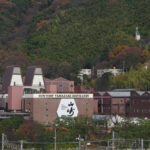
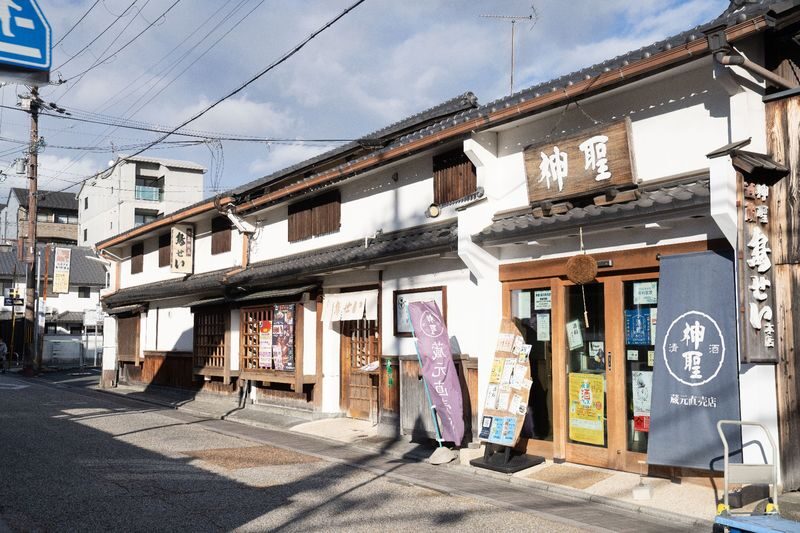
Fushimi is one of Kyoto’s sake-brewing districts, and the setting is part of the lesson at Yamamoto Honke. The brewery is beside Shiragiku-sui, one of Fushimi’s seven famous waters. Its soft, mineral-rich water is used in the brewing process, and the tour links that ingredient to the sake’s mellow character.
That connection gives the visit more meaning than a tasting alone. You hear about the water where it is used, then can consider how ingredients and brewing choices shape what ends up in your cup. The brewery describes its classic sake as onna-shu, or women’s sake, and also uses the name Nadejo for this mellow style.
Yamamoto Honke traces its beginnings to 1677. That date gives the tour a long historical frame, but the appeal is not just age: the brewery continues to use traditional craft alongside modern technology. You get a sense of a living production tradition rather than a display focused only on the past.

👉 See our pick of the We Rank Kyoto’s 15 Top Workshops & Classes
From steamed rice to controlled fermentation
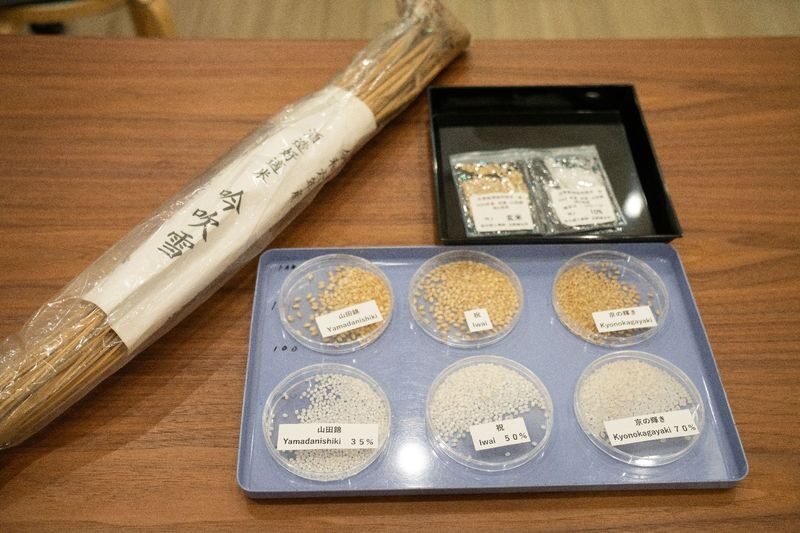
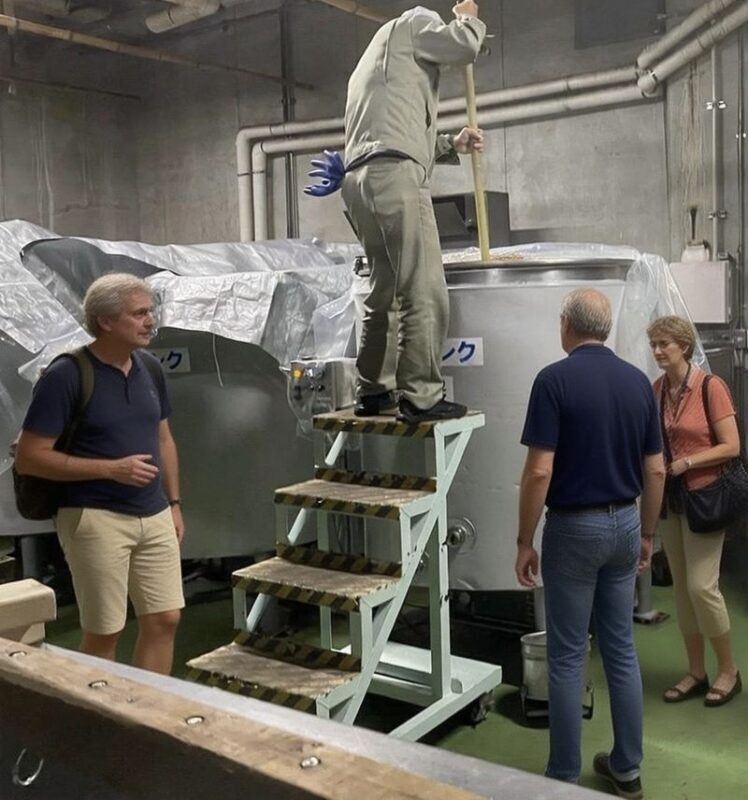
The guided brewery visit lasts about 30 minutes. It introduces key steps such as steaming rice, making koji, and managing fermentation temperature. These are the building blocks that turn rice, water, and yeast into sake, and the guide explains the care involved at each stage.
Koji is especially useful to understand. It helps convert rice starch into sugars that can ferment, so it is central to the process. The tour names this step alongside rice steaming and fermentation, giving you a practical outline of how brewing works without requiring prior sake knowledge.
The brewery combines traditional techniques with modern controls. Temperature management is one example: fermentation conditions affect how the sake develops, and controlling them is part of the brewer’s work. If you are curious about the science behind a drink you may know mainly from restaurant menus, this section gives you a clear starting point.
The tour is brief, so expect an introduction, not a technical class. The information provided does not promise that you will see every stage in active production, or that brewing will be underway on your visit date. Think of this as a guided explanation of the process and the brewery’s approach.
You can also read our reviews of more food & drink experiences in Kyoto


A 90-minute visit, step by step
The experience runs from 13:20 to 14:50. Its schedule divides the time into a 30-minute brewery tour, a 10-minute introduction to sake, and a 30-minute tasting. The remaining time allows for the transitions that come with moving through a guided visit.
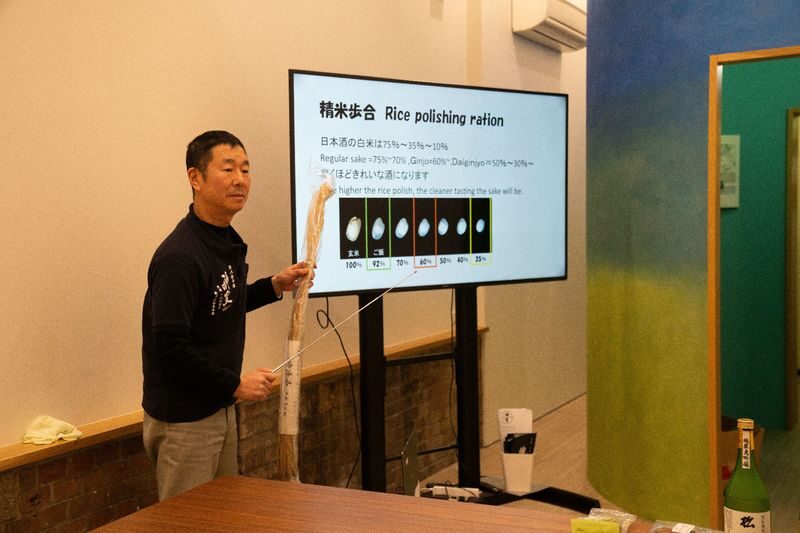
The first 30 minutes focus on the brewery and how sake is made. This is the part to listen for details about Fushimi’s water, the rice and koji process, and temperature-controlled fermentation. If you are new to sake, those basics will help you make more sense of the tasting that follows.
Next comes a 10-minute introduction to sake knowledge. It gives you a short bridge between production and drinking: what you are tasting and how sake fits into Japanese food culture. The tour also addresses pairing sake with Kyoto cuisine, though food is not listed as included.
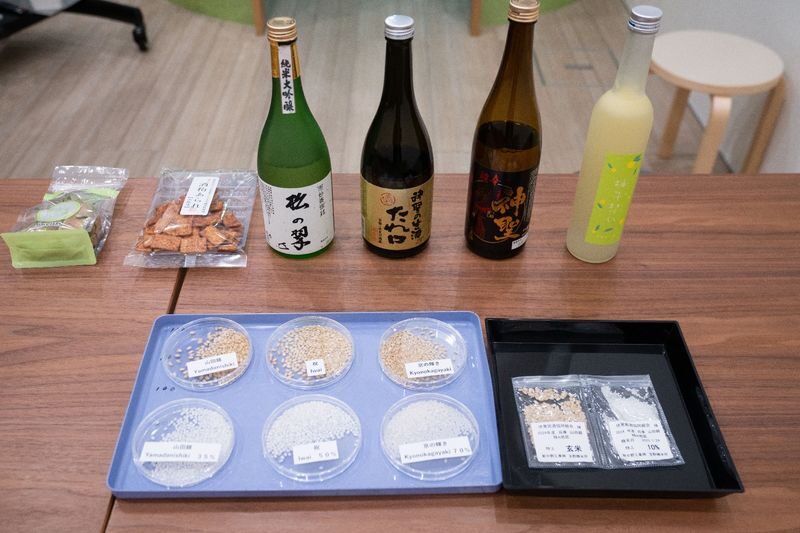
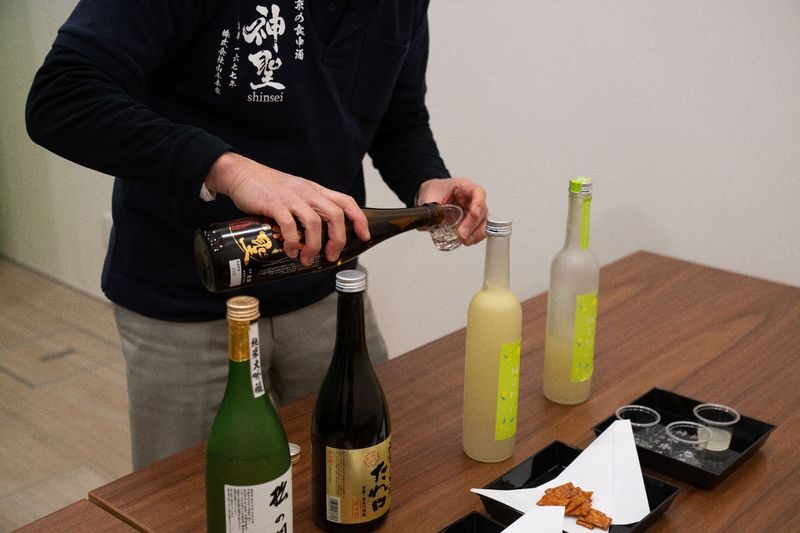
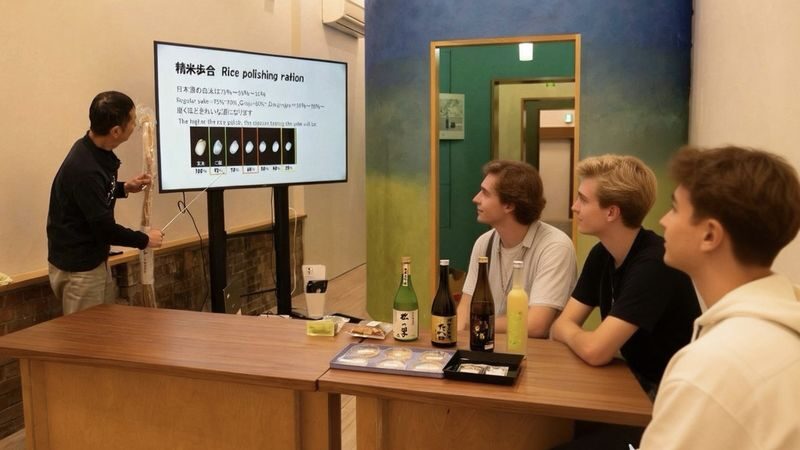
The final 30 minutes are set aside for tasting. You can sample Shinsu Ginjo and yuzu sake, as well as multiple different sakes. The contrast is useful: Ginjo offers a way to explore a classic sake style, while yuzu brings citrus into the mix. You do not need to arrive with a trained palate. Pay attention to how the aroma, sweetness, and finish differ from one sample to the next.
The itinerary ends back at Sacred Yamamoto Honke at 14:50. That fixed, short schedule makes the experience easy to fit into a Kyoto day, but it leaves little room to linger. If tasting is the main reason you are going, enjoy each sample at a measured pace and ask your questions while the guide is there.
What the tasting adds
Tasting turns the brewing explanation into something you can judge for yourself. After hearing about water, rice, koji, and fermentation, you can look for differences among the styles in your glass. The experience includes Shinsu Ginjo and innovative yuzu sake, and the tasting is described as covering multiple sakes.
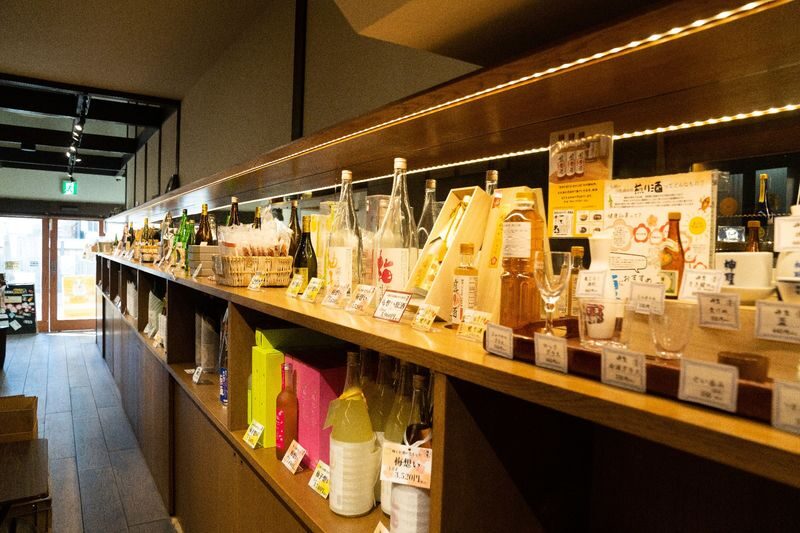
The yuzu sake is a useful counterpoint to more traditional styles. Its citrus character makes the range of sake easier to grasp, especially if your experience so far has been limited to one type. The information provided does not specify the number or pour size of the samples, so do not plan on a set quantity.
There is no food listed as part of the package. The guide discusses sake’s relationship with Kyoto cuisine, which is worthwhile context, but you should not assume that a meal or food pairing is included. If you want lunch or a fuller tasting with dishes, plan that separately.
A tasting also has limits. You get a guided introduction, not an open-ended session, and the 30-minute slot has to fit the group and the schedule. If you prefer to spend an afternoon comparing bottles at leisure, this may feel short. If you want a first taste and a clear explanation of what you are drinking, the format makes sense.
Is $69.75 good value?
The starting price is $69.75. For that, the package includes admission to Yamamoto Honke and an English-speaking guide. The value rests on having both a brewery introduction and a guided tasting in one visit, with the added context of Fushimi’s water and brewing tradition.
It is a stronger choice if you want the process explained in English. A tasting on its own may let you sample sake, but this visit ties each drink to the place and method behind it. That context can help you choose sake later, whether you are ordering with dinner or browsing bottles.
Still, the price may feel high if you only want a drink. The tour lasts 90 minutes, and other personal expenses are not included. There is no stated food component, nor a longer hands-on brewing activity. Compare it with a tasting-focused experience if sampling is your only priority; choose this one if the brewery story matters too.
The overall rating supplied for the activity is 5.0 from three ratings. The comments emphasize friendly hosts, clear explanations of how sake is made, and the chance to try several varieties. Those are precisely the parts of the experience that are likely to matter most: you are paying for a guide who can make the process understandable, not merely for a glass at the end.
Plan around the fixed afternoon start
The meeting point is Sacred Yamamoto Honke, and the stated departure time is 13:20. Arrive 15 minutes early. Late arrivals and no-shows are not eligible for a refund, so leave enough time to reach the meeting point without rushing.
The tour returns to the same location at 14:50. The schedule may change with traffic or weather, though the listed experience takes place at the brewery. The voucher is valid only for the date and time specified when booked, so check those details before you set the rest of your day.
The activity is not recommended for pregnant people, infants, or people with other serious medical conditions. Infants and children must be counted in the passenger headcount. If you are booking with children, take both points into account before reserving.
You receive confirmation within 24 hours. If it does not arrive, contact customer support. A full refund is available if you cancel at least 48 hours before the activity date, using the destination’s local time.
You can also read our reviews of more guided tours in Kyoto


Who will enjoy this brewery visit?
This tour suits sake newcomers who want a friendly introduction without committing half a day. The English-speaking guide, short process overview, and tasting make it approachable even if you do not know the difference between sake styles yet.
It also fits anyone interested in how a local ingredient shapes a regional product. Fushimi’s water is not just scenery or a marketing detail here; it is part of the brewery’s explanation of its sake. That makes the visit a good choice if you enjoy connecting food and drink to place.
If you already know sake well, you may still value the brewery’s long history and its use of both older methods and modern temperature controls. But the tour is introductory, and the available details do not promise advanced technical discussion or a long, specialist tasting. Experienced drinkers looking for depth may want a more extensive sake experience.
It is less suited to someone who wants a leisurely afternoon, a meal, or a hands-on class. None of those is included in the described experience. The advantage is focus: in an hour and a half, you get a clear look at the brewery, basic sake knowledge, and a guided chance to taste.
Should you book it?
Book Yamamoto Honke if you want to understand how Kyoto sake is made and taste several styles in the place where they are brewed. The combination of Fushimi water, a brewery founded in 1677, and an English-led explanation gives this visit more substance than a simple tasting stop.
Skip it if you mainly want a long tasting, food pairings, or a hands-on brewing session. Those are not part of the stated package. For a compact, guided introduction to Fushimi sake, though, the visit offers a useful balance of history, process, and tasting.
English Guided Tour: Explore Kyoto Fushimi’s Century-Old Sake Brewery | Famous Water Brewing Process + Selected Sake Tasting
“Awesome experience, try multiple different sakes ,can also learnt a lot about the sake making process . ,it is completely relaxed, staff is friendl…”
FAQ
How long does the tour last?
The tour runs from 13:20 to 14:50, for a total of 90 minutes.
Where does the tour take place?
It takes place at Sacred Yamamoto Honke in Kyoto’s Fushimi district.
Is the tour conducted in English?
Yes. An English-speaking guide is included.
What does the tour cover?
It includes a brewery tour, an introduction to sake, and a guided tasting. The brewing topics include rice steaming, koji making, and temperature-controlled fermentation.
Which sakes can I taste?
The tasting includes Shinsu Ginjo and yuzu sake, along with multiple different sakes. The number of samples is not specified.
Is food included with the tasting?
Food is not listed as included. The guide introduces sake culture and its pairing with Kyoto cuisine.
Can children join the tour?
Infants and children must be included in the passenger headcount. The activity is not recommended for infants.
What is the cancellation policy?
You can receive a full refund if you cancel at least 48 hours before the activity date, based on destination local time.