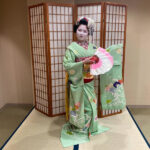
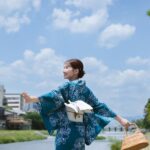
A Kyoto kimono rental puts you within walking distance of Kiyomizu-dera, Sannenzaka, and Gion, so you can step into the city’s old lanes already dressed for the setting. I like two things in particular: the large range of styles, with more than 1,000 garments across the shop’s stock, and the free return options, which can save you a long trip back to the starting point.
There is a catch: choosing a kimono can take longer than expected, and some styles, hairstyles, makeup, and photos cost extra or require a different package. The shop can get busy, too, so allow time for fitting and decide your upgrade budget before you arrive.
- A few details to know before you book
- Dressing for Kyoto’s old streets
- From voucher to dressed and ready
- Choosing a kimono without upgrade fatigue
- Hair, makeup, and photos are separate decisions
- What the rental includes, and what it does not
- Making the most of the return service
- Comfort, crowds, and a few cautions
- Is the starting price good value?
- Should you book the Ookini Kiyomizu-dera rental?
- FAQ
- Where is the Ookini Kiyomizu-dera shop?
- What is included in a basic rental?
- Is hairstyling included?
- Is makeup included?
- Is photography included?
- How many kimono styles can I choose from?
- Can I return the kimono at another branch?
- Can I return the kimono at my hotel?
- What time must I return the kimono?
- Is there a cancellation fee?
- The Best Of Kyoto!
- More Shopping Tours in Kyoto
- More Tours in Kyoto
- More Tour Reviews in Kyoto
A few details to know before you book
 1 / 10
 2 / 10
 3 / 10
 4 / 10
 5 / 10
 6 / 10
 7 / 10
 8 / 10
 9 / 10
 10 / 10
- The location suits a Higashiyama day: Kiyomizu-dera, Sannenzaka, and Gion are within reach on foot.
- The standard garment and styling inclusions depend on your plan: Hair styling and photography are not included in every option.
- Style choice is broad, but not every plan offers the same range: A 600+ style option is available, while the special-offer plan may have fewer choices.
- Returns can save you backtracking: Free inter-store returns are offered, with free next-day and some hotel-return options.
- The shop lends practical extras: Luggage storage, socks, a bag, clogs, and seasonal items are included according to plan and season.
- Allow time for a busy fitting room: Choosing, dressing, and hair styling take time, and the full visit can run longer when the shop is crowded.
👉 See our pick of the We Rank Kyoto’s 15 Top Workshops & Classes
Dressing for Kyoto’s old streets
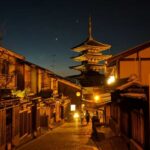
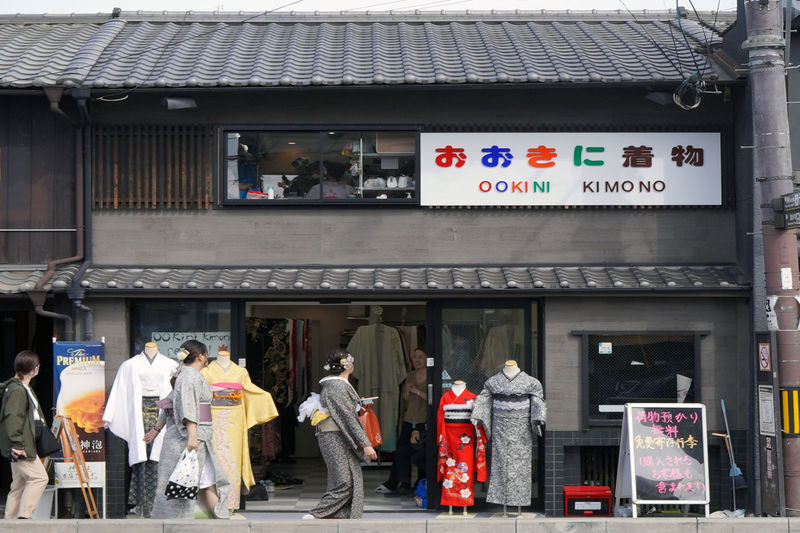
Ookini’s Kiyomizu-dera branch is at 559-8 Yugyo-mae-cho in Higashiyama, close to the Gojozaka bus stop. Its position is the main practical draw: once you are dressed, you can head toward Kiyomizu-dera, Sannenzaka, and Ninenzaka without first crossing town. Gion is also a natural next stop, depending on how you plan your day.
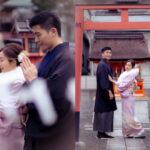
A kimono rental is a visual way to connect with Kyoto’s historic streets, but it is not a guided cultural tour. You choose a garment, get help putting it on, and explore independently. That makes the outing flexible: pause for photographs, browse the lanes, or take a break when the outfit starts to feel restrictive.
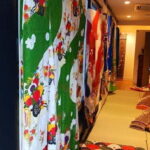
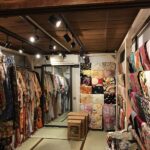
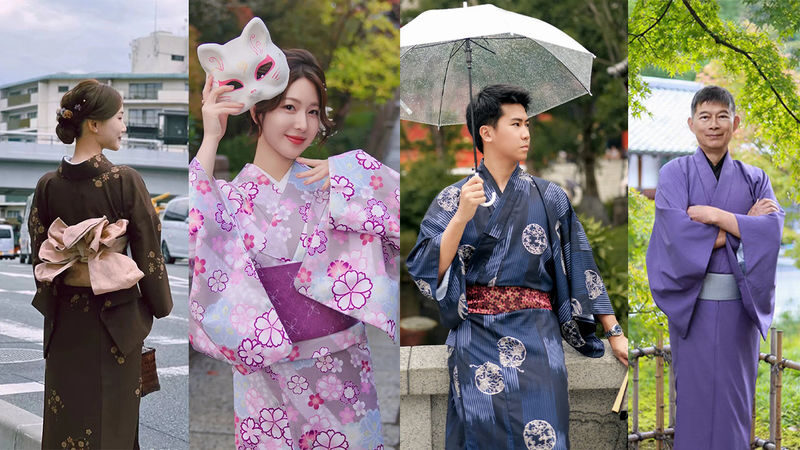
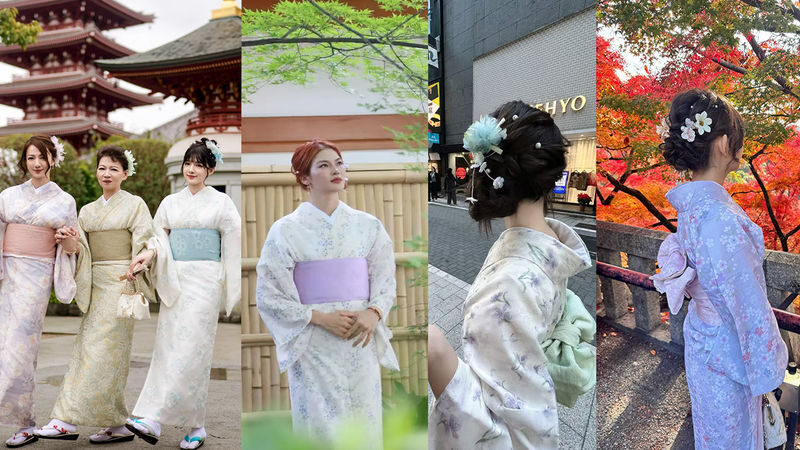
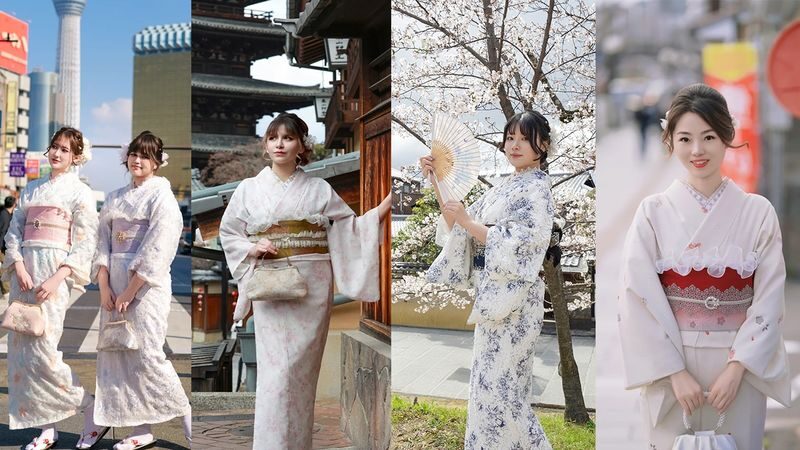
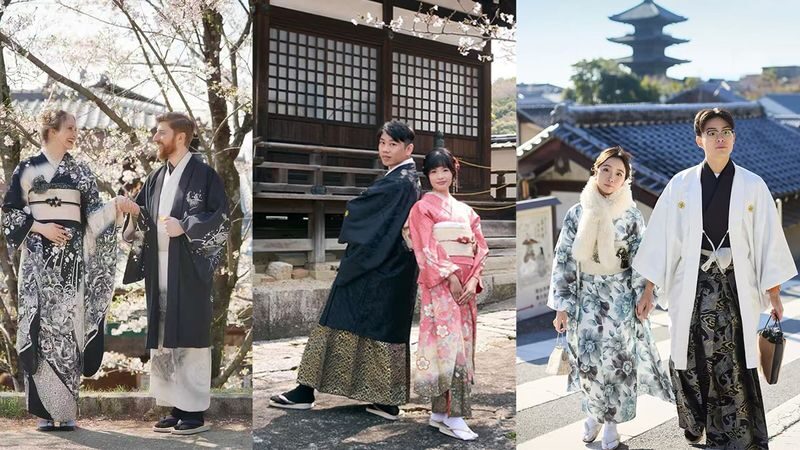
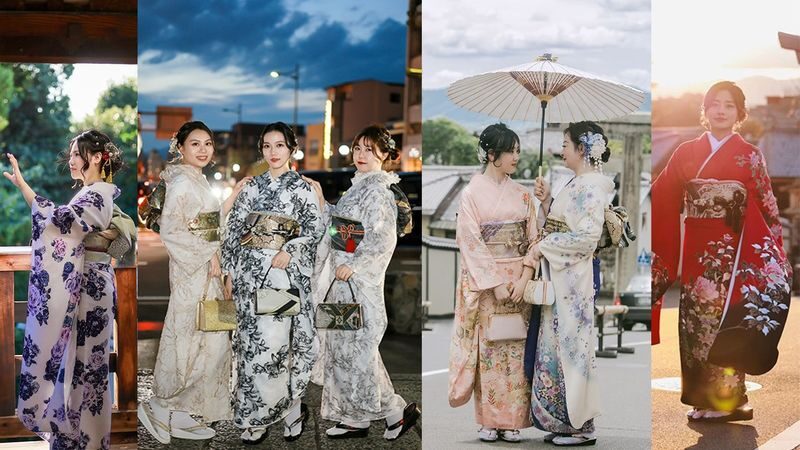
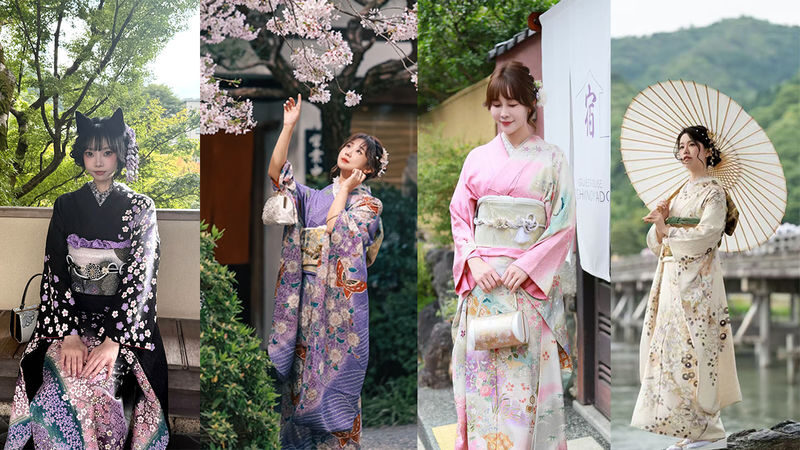
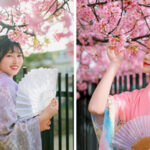
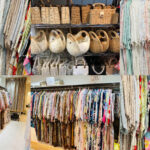
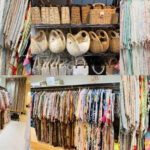
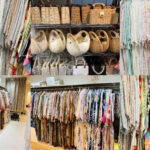
The shop has been operating in Kyoto for seven years and has five branches. It offers more than 1,000 garments across its stock, including kimono and summer yukata styles. The range includes traditional patterns and contemporary options such as lace designs. The 600+ style plan gives you a broad selection, while a lower-priced special-offer plan may have more limited choices.
The difference matters. If you have your heart set on a particular color or look, book the plan that clearly includes the range you want. You can also upgrade in the shop and pay the difference, but that is where a low advertised price can grow. Ask which garments are included before you begin choosing.
You can also read our reviews of more shopping tours in Kyoto
From voucher to dressed and ready
The basic process is straightforward, though not instant. At the shop, present your mobile voucher and choose your garment. The choice itself is listed at about 10 minutes, but it can take longer if you are comparing patterns, coordinating with friends, or visiting at a busy time.
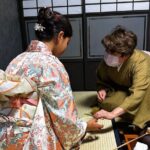
Next comes the dressing. An experienced dresser helps with the kimono, obi belt, undergarment, socks, and other pieces. The staff also help with clogs and a Japanese-style bag. A basic or elaborate hairstyle is listed at around 10 minutes, but hair styling is not included in every plan. Check the package name and details before booking if a finished hairstyle is part of your plan.
Once dressed, you are on your own for sightseeing. The rental is not a group tour, and there is no guide leading you between landmarks. That is a plus if you want to set your own pace, but you should plan your route and return point before leaving the shop.
The shop lists departure slots from 8:30 a.m. through 5:30 p.m. You are asked to choose a time when booking, though the shop says it may accommodate early or late arrivals depending on availability. Do not treat that flexibility as a guarantee. If the store is busy, a late arrival could squeeze your time out in the kimono.
Choosing a kimono without upgrade fatigue
There is a lot to consider: color, pattern, obi, accessories, hair, and perhaps makeup or a photographer. Staff can help coordinate a look, and language support is available in Chinese, English, Japanese, Korean, Cantonese, or German on a rotating basis. Other languages can be handled with translation software and gestures.
That support is useful when you do not know the names of garment pieces or want help matching colors. The staff are often described as patient and kind, and some will suggest combinations. Still, you may find yourself weighing several add-ons. One practical defense is to set a spending limit in advance and ask which choices are included in your booked plan before agreeing to an upgrade.
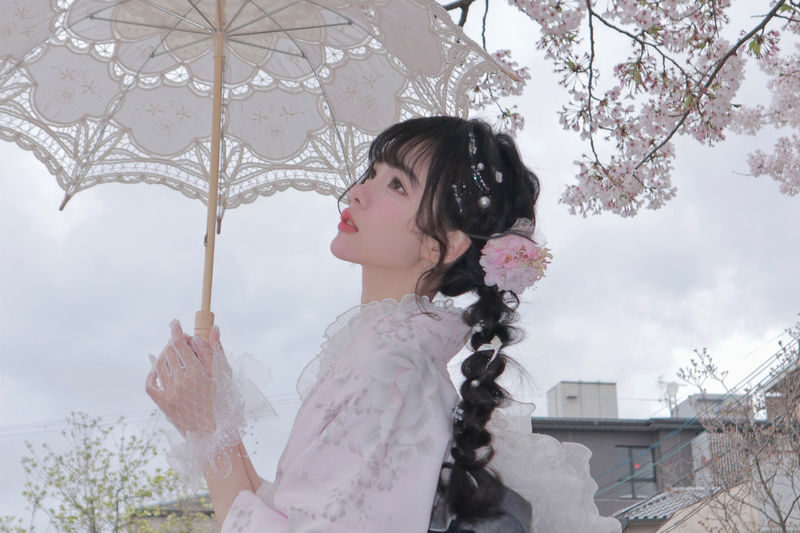
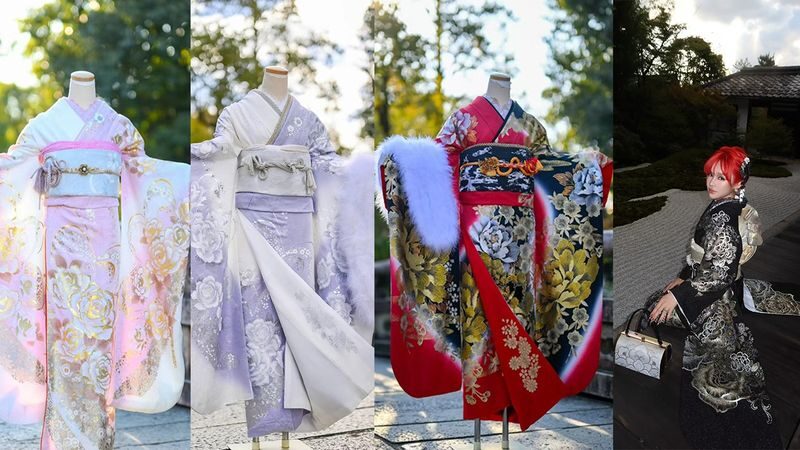
The lace garments are an optional style upgrade and can make a look more distinctive in photographs. Hair accessories are another highlight, with handmade pieces available at the shop. But do not assume that every attractive garment on display is included in the base price.
Furisode and houmongi are formal garments traditionally worn for occasions such as weddings. They are not the same as the standard kimono or yukata rental, and their elaborate craftsmanship can mean a higher price. If you want one, ask for its cost and the exact plan details before changing your booking. You do not need a formal garment simply to enjoy a walk around Higashiyama.
Hair, makeup, and photos are separate decisions
The package menu includes options for professional hairstyling, makeup, and photography, but the basic rental does not automatically include all three. Some plans include an elaborate hairstyle; others do not include styling at all. Photography is also listed as an extra, so confirm the exact inclusions rather than relying on the general activity title.
Hair styling tends to be a popular add-on, and the shop’s focus on hair accessories gives you plenty to consider. If you are having your hair done but skipping makeup, bring your own makeup or check your appearance before leaving. One customer noted that nobody reminded them to fill in their eyebrows after styling. It is a small detail, but useful when you want a complete look in close-up photos.
Makeup deserves particular care when booking. The shop offers Japanese light, natural makeup, but feedback on the result is mixed. If you expect full coverage, contouring, or detailed color correction, the service may not match your expectations. Ask what the makeup option includes, or do your own makeup if you have a particular finish in mind.
A photographer can be a worthwhile extra if you want more than phone snapshots. Photography is not included in the basic rental, and the package details should state what you receive. For a simple stroll and casual pictures, you may prefer to save the fee and take your own photos at the nearby lanes and temple approaches.
What the rental includes, and what it does not
The core package includes a kimono or yukata, depending on the season and plan, along with an obi, undergarment, brand-new Japanese socks, a bag, and clogs. Professional dressing assistance is included. In winter, a warm three-piece set is offered for comfort. The specific contents can vary by gender, season, and package, so check your chosen option.
The shop also offers free luggage storage, including transfer between branches. That can make a day easier if you have bags with you, though you should confirm where you will collect them when arranging a different return branch. Umbrellas and warm jackets are also available to borrow, and complimentary stain insurance is intended to cover kimono mishaps, including mud splashes during rainy weather.
Daily cleaning and disinfection are part of the shop’s stated care routine. This is reassuring for a garment worn close to the body, though it does not mean every piece will look brand new. If cleanliness or condition matters to you, look over your chosen garment before dressing and ask staff to help if you notice a problem.
You can also read our reviews of more photography tours in Kyoto
Making the most of the return service
The return policy is one of the strongest practical features. You can return your kimono at another Ookini branch without charge, and the shop lists free next-day returns and free hotel returns among its services. The Kiyomizu-dera branch’s stated return time is 6 p.m.; the available arrangements can depend on your departure time and package.
An inter-store return is especially handy if your day takes you elsewhere. For example, you can rent near Kiyomizu-dera and return at the Fushimi Inari branch, rather than retracing your route solely to bring back the clothes. Free luggage transfer between stores can help, too. Confirm the branch and return method before setting off, especially if you plan to finish far from Higashiyama.
For hotel return, check the arrangement with the shop before relying on it. The information describes hotel returns as free, including next-day service, but the return details can vary. Keep your own clothes and belongings organized so you are not left searching through stored bags at the end of a long day.
Comfort, crowds, and a few cautions
A kimono can be worn for sightseeing, but it will feel different from your everyday clothes. Some people are comfortable in it for several hours; warm weather can make the outing sweaty, and the layers may feel restrictive as the day goes on. Summer yukata is a lighter seasonal option. In winter, the shop’s warm set is a welcome practical extra.
Crowds are the other factor to plan around. Mornings can be busy, and the selection and dressing process may take longer when many people arrive together. One estimate from a customer was around 40 minutes in total, but that is not a fixed duration. Go early if you want more choice and an easier start, and avoid scheduling a tight appointment immediately afterward.
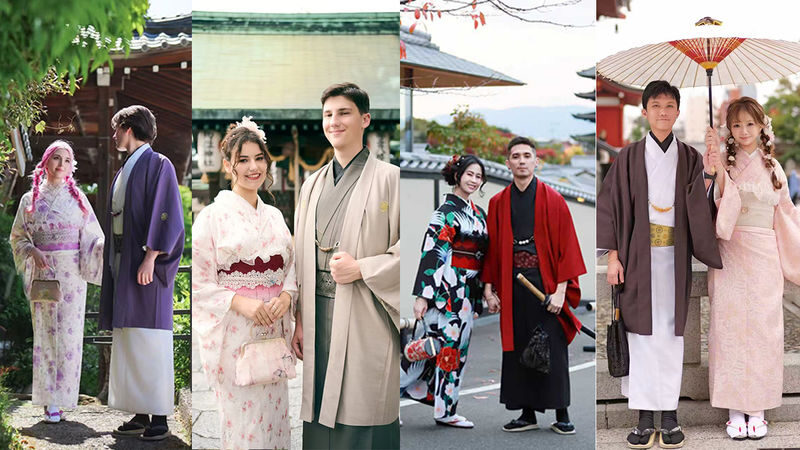
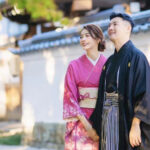
Men’s garments are available, as are children’s, plus-size, couples, and family plans. The men’s range is smaller than the women’s and tends toward traditional, subdued colors such as black, blue, and gray. If a particular fit or color is important, ask about the available choices before booking.
One account raised a serious privacy concern about changing and undressing near the counter. That does not tell us how the shop handles every return, but it is fair to ask staff where you will change back and what privacy arrangements are in place before you rent. If the fitting or garment feels uncomfortable, tell the dresser while you are still at the shop. Staff can make adjustments, and a customer who had an outfit slipping during the day was able to return for a quick fix.
Is the starting price good value?
The advertised starting price is $18.95, which makes the basic rental an affordable way to try a kimono without buying one. The value improves if you plan to spend time around Kiyomizu-dera and nearby streets, since the location saves a separate trip and the clothing package includes several essentials.
The final cost depends on the package. A larger choice of styles, lace garments, elaborate hair styling, makeup, and photography may add to the price or require a different plan. These extras can be worth it if a specific look or keepsake matters to you, but they are not necessary for the basic outing. Compare package inclusions before booking, then treat any in-store upgrade as an optional choice rather than an expected part of the rental.
For the price, the free returns, luggage storage, stain insurance, and included dressing help make the rental more useful than a garment-only hire. The service is best value when you use the nearby sights and avoid paying for extras you do not want.
Should you book the Ookini Kiyomizu-dera rental?
Book it if dressing in a kimono is part of your Kyoto plans and you want a convenient starting point near Kiyomizu-dera. It suits couples, families, friends, first-timers, and anyone who values a broad range of clothing and the freedom to explore without a guide.
I would choose the 600+ style plan if garment choice is a priority, and the basic special-offer option if price matters more than having every style available. Decide on hair, makeup, and photography before arrival, and check the return arrangements that fit your route. If you want a specific formal garment, detailed makeup, or a private changing setup, confirm those points directly with the shop first.
Kyoto Kimono Rental Experience (Optional Exquisite Hair Styling/Japanese Makeup/Photography) (Ookini Kiyomizu-dera Main Store)
“Experience: A wonderful local kimono tour experience. Communication in Chinese helped reduce language barriers.”
FAQ
Where is the Ookini Kiyomizu-dera shop?
It is at 559-8 Yugyo-mae-cho, Higashiyama-ku, Kyoto, postal code 605-0864. The shop is near the Gojozaka bus stop and within walking distance of Kiyomizu-dera.
What is included in a basic rental?
The package includes a kimono or yukata, an obi, an undergarment, new Japanese socks, a bag, clogs, and professional dressing assistance. Exact inclusions can vary by plan, season, and gender.
Is hairstyling included?
Not in every plan. Some options include professional hairstyling, while other packages do not. Check the specific package details before booking.
Is makeup included?
Makeup is not included in every plan. It is available as an option, so confirm the package details if you want it.
Is photography included?
Photo taking is listed as not included in the basic rental. A photography option is available separately.
How many kimono styles can I choose from?
The shop has more than 1,000 garments in its overall stock. A plan offering 600+ styles is available, while the special-offer plan may have a more limited selection.
Can I return the kimono at another branch?
Yes. Free returns at another Ookini store are offered. The shop also lists free luggage transfer between stores.
Can I return the kimono at my hotel?
The shop lists free hotel returns, including next-day hotel returns. Confirm the arrangement with the shop before relying on it for your itinerary.
What time must I return the kimono?
The Kiyomizu-dera store lists a return time of 6 p.m. Available return arrangements can depend on the departure time and itinerary.
Is there a cancellation fee?
You can receive a full refund if you cancel at least 24 hours before the activity date, using the destination’s local time.