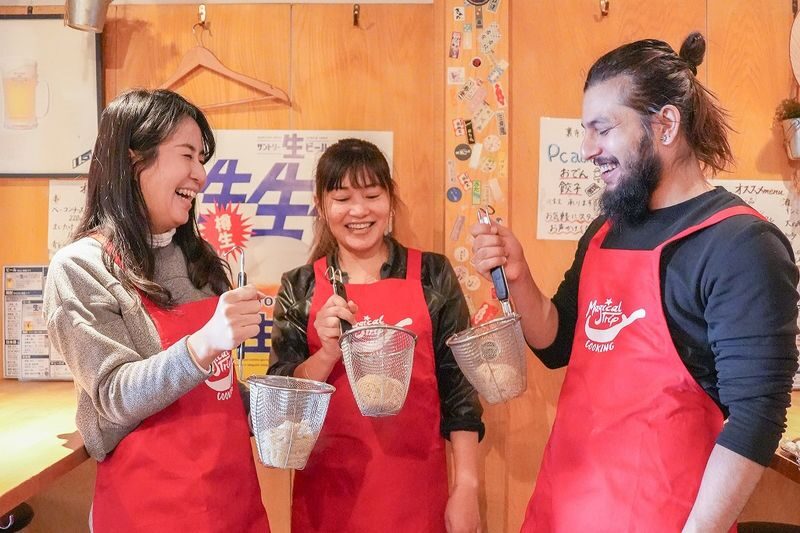
The fun here is not just eating a bowl of ramen. You get your hands into the dough, cut fresh noodles, fold gyoza, and finish with a generous lunch of ramen, dumplings, and fried rice. A chef leads the cooking, while an English-speaking guide helps explain the steps and keeps the group moving.
I like two things in particular: you make enough food for a full meal, and the guide takes photos to send you afterward. You also get downloadable recipes, so the class can live on beyond your Kyoto visit. Guides such as Yuki, Rika, and Noriko have been warmly praised, though your guide will depend on the date.
The main caveat is that this is a practical, beginner-friendly cooking session, not a detailed course in ramen theory. The broth is prepared ahead, and the kitchen can feel tight when the group is large. If your goal is to master every part of ramen from stock to seasoning, this may not be the class for you.
- Key points before you book
- A Kyoto cooking class built around lunch
- Knead, cut, and top your own ramen
- Fold gyoza, make fried rice, then sit down to eat
- Friendly guidance, with a small-kitchen feel
- Is .60 good value?
- Should you book this ramen class?
- FAQ
- How much does the class cost?
- Where does the class meet?
- Where does the class finish?
- What dishes will I make?
- Are drinks included?
- Can children take part?
- Can the class accommodate vegetarian, vegan, gluten-free, or allergy-related needs?
- How long does the experience last?
- The Best Of Kyoto!
- More Cooking Classes in Kyoto
- More Tours in Kyoto
- More Tour Reviews in Kyoto
Key points before you book
 1 / 7
 2 / 7
 3 / 7
 4 / 7
 5 / 7
 6 / 7
 7 / 7
- Make fresh noodles by hand: Knead and cut the dough, then add your chosen toppings. The broth is already prepared.
- Cook three familiar dishes: The class covers ramen, gyoza, and fried rice, then gives you time to eat what you made.
- Expect friendly, clear instruction: An English-speaking guide translates and assists while the chef leads the cooking.
- Plan for a substantial meal: Ramen, dumplings, and fried rice add up. Leave room before and after.
- Allow around two and a half hours: Larger groups may use the full time, while smaller classes may finish earlier.
- Check dietary needs carefully: Vegetarian, vegan, and gluten-free requests cannot be accommodated, and an allergen-free meal cannot be guaranteed.
👉 See our pick of the We Rank Kyoto’s 15 Top Workshops & Classes
A Kyoto cooking class built around lunch
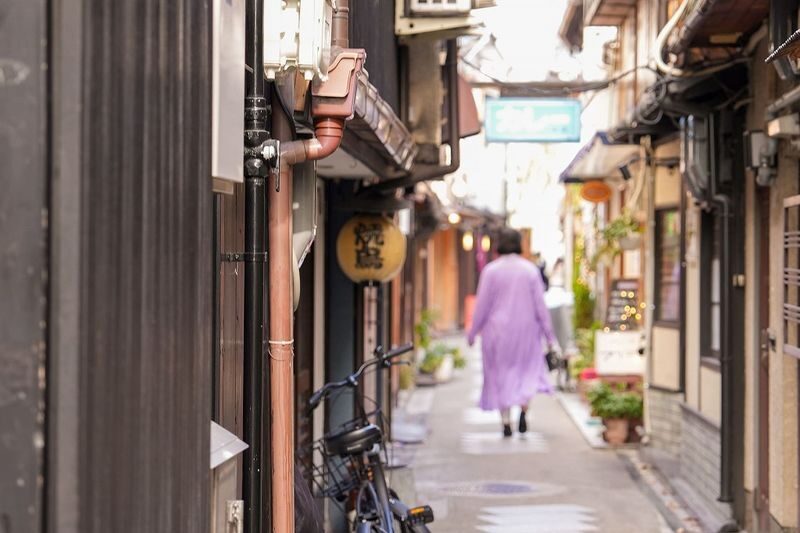
The class meets in the Kawaramachi area and ends at Cozy Kitchen, a cooking studio at 223-25 Sendocho. You start near the Latitude 35° Story Monument, where the guide waits with an orange MagicalTrip sign. From there, it is about a ten-minute walk to the studio.
This central location makes the class easy to fit between other Kyoto plans. The available start times are 10:00, 13:00, and 16:30, with matching finish times of 12:30, 15:30, or 19:00. Your available return time depends on the session you choose, so check the time shown when booking.
The walk and introductory part of the outing include a look at Kawaramachi-dori Street and a discussion of ramen’s background. Ramen is a Japanese comfort-food staple with a long story: the class information traces its roots to 1697 and says its popularity surged around 1910. The point is not a full history lecture, but a little context gives you a better sense of how an everyday bowl became one of Japan’s best-loved meals.
You can also read our reviews of more cooking classes in Kyoto


Knead, cut, and top your own ramen
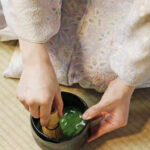
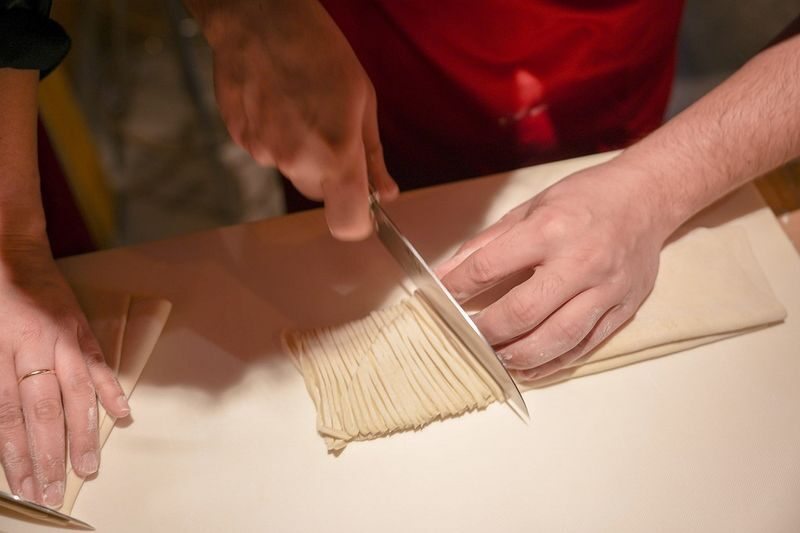
At the studio, the ramen-making starts with dough. You knead it, then cut it into noodles, a simple task that is more satisfying than it sounds. It gives you a feel for the hands-on work behind a bowl you might otherwise order in a few seconds.
You also chop toppings and assemble your ramen. Do keep expectations in check: the broth is made in advance, so you are not learning to build a stock from scratch. One participant could leave feeling that the session is more about taking part in a short preparation process than learning detailed technique. If you come curious about making noodles and putting together a meal, the format makes sense. If you want a thorough lesson on broth, tare, and regional ramen styles, it will likely feel limited.
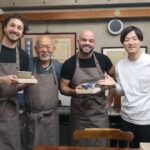
The chef leads the cooking, and the English-speaking guide translates or clarifies instructions. The chef may speak Japanese, with your guide bridging the language gap. That arrangement lets you learn directly from the cook while still following each step. Guides named in past sessions include Yuki, Noriko, Rika, Ayuri, and Shiori, but there is no guarantee who will lead your class.
The instruction is designed for beginners. You do not need cooking experience, and the team can help if a step feels awkward or you fall behind. That matters when you are working with dough for the first time, or trying to shape food while keeping pace with a group.
Fold gyoza, make fried rice, then sit down to eat
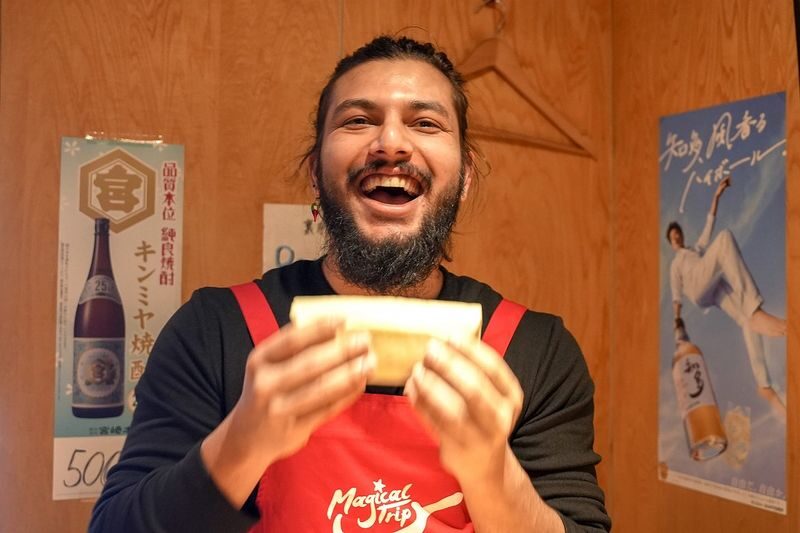
Once the noodles are underway, you move on to gyoza. You fill and fold the dumplings yourself, which offers another satisfying bit of hands-on work. Dumpling folding can be fiddly at first, but it is approachable, and children can join with adult supervision.
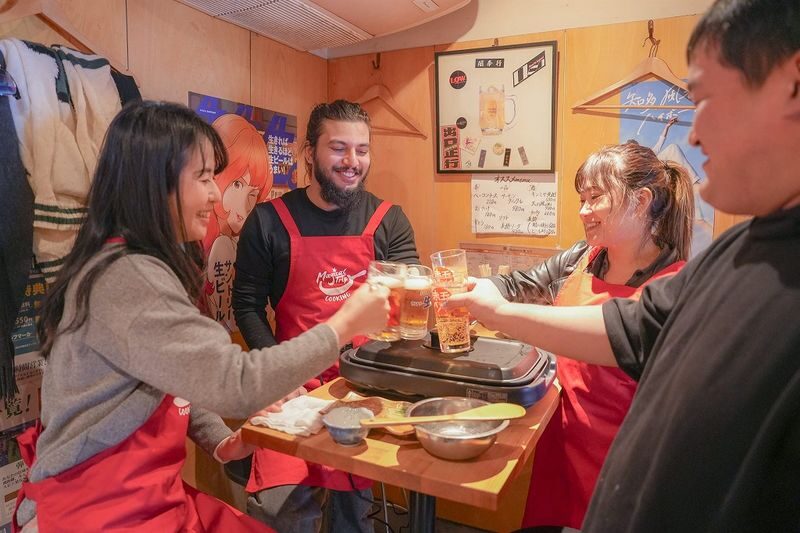
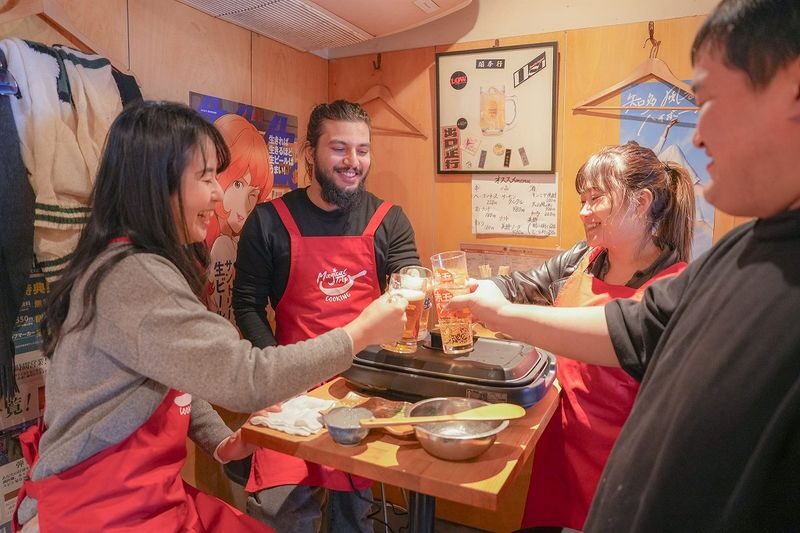
Fried rice rounds out the meal. Together, the three dishes make a proper lunch or dinner rather than a small tasting. The class includes two drinks, with beer, sake, or soft drinks available. You do not need to pay for the guide’s food or drinks.
The meal is part of the appeal, but it also sets a practical limit: arrive hungry. The organizers recommend planning meals around the class so you can enjoy what you have made. If you have an early start or a dinner reservation, consider choosing a session that leaves you enough time and appetite.
Food quality can be subjective. Many people find the meal delicious, but at least one participant found the ramen disappointing. That is a reminder that the class is as much about the activity as the finished bowl. If your top priority is an exceptional restaurant-style ramen meal, you may be happier choosing a ramen shop. If you want to make food with a chef and eat it afterward, the meal is a welcome payoff.
Friendly guidance, with a small-kitchen feel
The strongest part of this class is the people running it. The guides are often singled out for being patient, kind, and helpful, and families describe the instructions as easy to follow. Names such as Yuki, Rika, Noriko, and Ayuri come up across different sessions, but staffing can change.
The guide also takes photos during the class and sends them by email afterward. That is a useful extra if you want pictures of the group cooking without asking someone to put down their dough and reach for a phone. Downloadable recipes give you something more practical: a way to revisit the dishes at home.
The cooking studio is described as small, and the space can feel crowded when several groups share it. One class was comfortable once everyone settled in, while another felt tight with eight people. The activity can host groups of up to 20, so the room and your personal elbow space may vary. If you prefer a quieter, more spacious lesson, ask about a private tour or consider another format.
The scheduled duration is about two and a half hours, allowing time for larger groups. Smaller groups may finish sooner. One participant described spending only around one to one and a half hours from meeting to finishing the meal, so do not build a tightly timed onward plan around the full listed duration or assume every session will use it. Leave a buffer.
Is $91.60 good value?
At a starting price of $91.60, this is not a bargain lunch. The value depends on whether you want the whole activity: guided instruction, making three dishes, two drinks, a full meal, recipes, and photos. For a couple or family looking for a shared activity beyond temples and shops, that package can make the cost easier to justify.
For a cooking enthusiast focused on learning detailed methods, the price may feel high because the broth is prepared beforehand and some of the work is straightforward preparation. You are paying for the guided session and the experience of making and eating the food, not an advanced chef’s course.
The class is particularly well suited to families with children aged six or older, couples, friends, and solo visitors who enjoy group activities. Children must have an adult supervising them around knives and other potentially risky steps. Participants aged 16 and over pay the adult rate.
It is not a good match for vegetarians, vegans, or people who need gluten-free food. The organizers say they cannot accommodate those requests and cannot guarantee that meals are free from allergens, since food is prepared in kitchens outside MagicalTrip’s control. Some adjustments may be attempted when possible, but do not book on the assumption that a dietary change will be available.
The tour is also not recommended for people with mobility issues. If you need accommodations, the provider suggests booking a private tour. Unsafe weather can lead to cancellation, and the group starts on time: late arrivals cannot join, reschedule, or receive a refund. Plan your trip to the meeting point with that firm start in mind.
You can also read our reviews of more tours and experiences in Kyoto
Should you book this ramen class?
Book it if you want a cheerful, hands-on meal in Kyoto and are happy to learn a few practical steps rather than every secret behind a ramen broth. Making noodles and folding gyoza yourself gives lunch a welcome sense of occasion, while the friendly guide, included drinks, recipes, and photos add useful value.
Skip it if you need a specialized diet, expect a deep technical course, or want a spacious, quiet cooking studio. For everyone else, especially families and friends who enjoy cooking together, this is a tasty way to spend part of a day. Just arrive hungry, leave time around the session, and keep your expectations focused on making and sharing the meal.
Kyoto Ramen & Gyoza Cooking Class with Professional Chefs
“Our tour guide was super nice and highly recommended. The only criticism we have is that, in our opinion, it was too expensive for what you got and…”
FAQ
How much does the class cost?
Prices start at $91.60. The final price may vary by booking option or date.
Where does the class meet?
Meet in front of the Latitude 35° Story Monument in Shincho, Shimogyo Ward, Kyoto. Your guide will be holding an orange MagicalTrip board.
Where does the class finish?
The class ends at Cozy Kitchen, at 223-25 Sendocho, Shimogyo Ward, Kyoto.
What dishes will I make?
You will make ramen, gyoza, and fried rice. The broth is prepared in advance, while you make the noodles and prepare toppings.
Are drinks included?
Yes. Two drinks are included. Options listed are beer, sake, or soft drinks.
Can children take part?
Yes. Children aged six and older may participate. An accompanying adult must supervise children when they handle knives or take part in potentially dangerous steps. Participants aged 16 and older pay the adult rate.
Can the class accommodate vegetarian, vegan, gluten-free, or allergy-related needs?
Vegetarian, vegan, and gluten-free requests cannot be accommodated. The provider also cannot guarantee an allergen-free meal, though it may try to make adjustments when feasible.
How long does the experience last?
It is scheduled for about two and a half hours, but smaller groups may finish earlier.