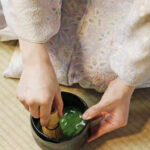
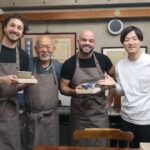
Gion’s best stories are not told by its wooden facades alone. This tour pairs a walk through Kyoto’s geisha district with a meeting with a maiko, an apprentice geisha, who performs and answers questions about her training and life.
I like two things in particular: you get a guide’s context before the performance, and the maiko Q&A makes the culture feel human rather than staged for a passing glimpse. The choice of lunch, dinner, or tea also lets you fit the experience around the rest of your Kyoto plans.
One consideration: the walk and meeting take a few hours, and the performance is brief, usually one or two dances. If you expect a long show or a private audience, this is not that kind of event.
- The details that make this Gion tour different
- Start at the Izumo-no-Okuni statue
- Meet a maiko, not just watch a dance
- Choose lunch, dinner, or tea
- What the timing means for your day
- Is the price worth it?
- Who will enjoy this most
- Should you book the Gion walk?
- FAQ
- Where does the tour begin?
- How long does the experience take?
- What happens during the maiko meeting?
- What food or drink is included?
- Are tips included in the price?
- Can I request vegetarian food?
- The Best Of Kyoto!
- More Walking Tours in Kyoto
- More Tours in Kyoto
- More Tour Reviews in Kyoto
The details that make this Gion tour different
 1 / 8
 2 / 8
 3 / 8
 4 / 8
 5 / 8
 6 / 8
 7 / 8
 8 / 8
- A walk before the meeting: Spend about 1.5 to 2 hours learning about Gion’s streets, traditions, and geiko culture with a local guide.
- A real maiko performance: The meeting includes a dance performance, usually one or two songs, followed by time for questions.
- Three ways to join: Choose a Japanese lunch, dinner with eight shared dishes, or a tea break, depending on the package.
- Guides who add local context: Guides named by participants include Ken, Kenta, Akari, and Amy. Akari has been described as Kyoto-born and especially attentive to the group’s pace.
- A practical starting point: Meet in front of the Izumo-no-Okuni statue in Kawabatacho, Higashiyama Ward, five minutes before departure.
👉 See our pick of the We Rank Kyoto’s 15 Top Workshops & Classes
Start at the Izumo-no-Okuni statue
The meeting point is in front of the Izumo-no-Okuni statue in Kawabatacho, in Kyoto’s Higashiyama Ward. It is a useful landmark, but arrive five minutes early: latecomers and no-shows are not eligible for a refund.
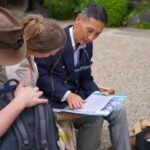
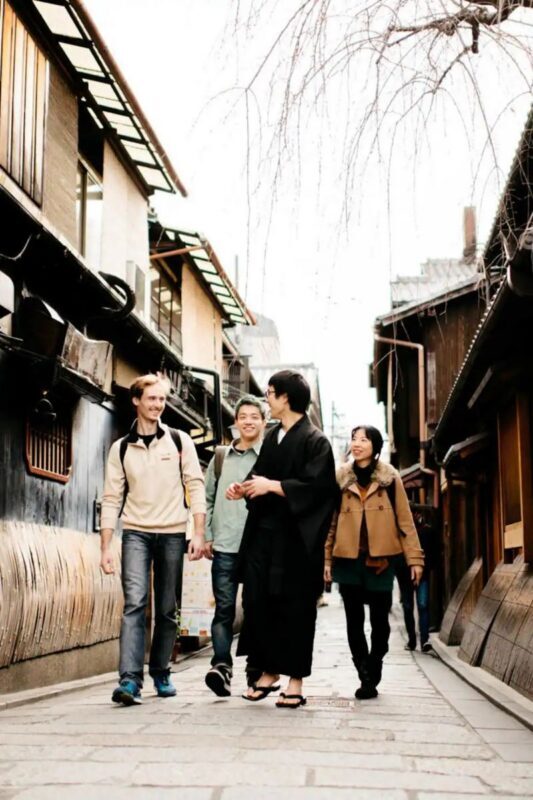
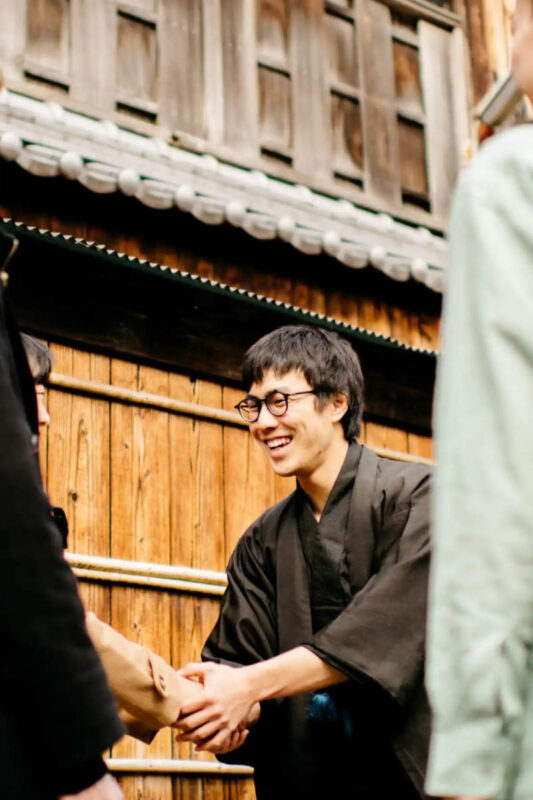
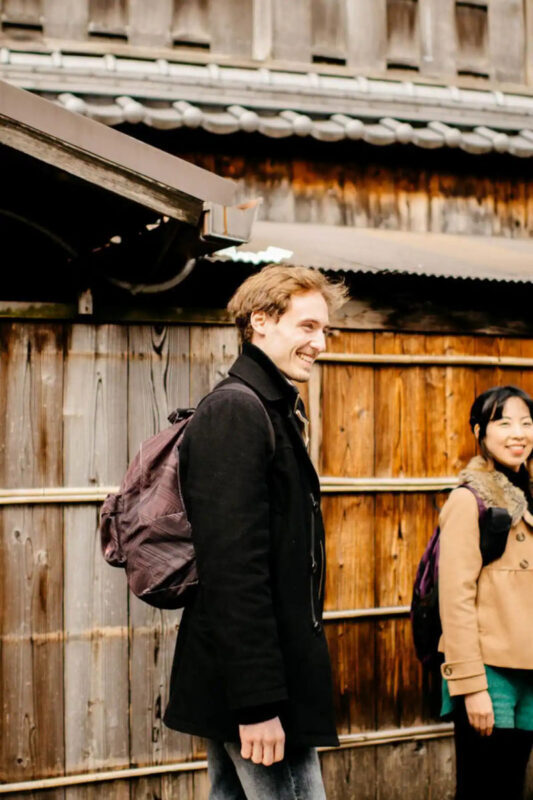
The tour begins with a guided walk through Gion. Expect roughly 1.5 to 2 hours on foot, with the guide explaining the area’s history and the traditions, rituals, and working life associated with geiko and maiko. The pace is described as comfortable, with room to ask questions and, when needed, take short breaks.
That context is important. Gion can be easy to admire as a collection of old-looking lanes and teahouses, but the tour aims to explain the people and customs behind the setting. You are not simply being shown a photo stop; you are learning how geiko culture fits into the district and what distinguishes a maiko, an apprentice, from a geiko.
The walk is the more flexible part of the experience. A guide can connect details in the neighborhood to what you will see later, and answer questions as they arise. Guides such as Ken, Kenta, Akari, and Amy have been singled out for clear explanations, friendly manner, and good management of the schedule.
Do not expect every minute to be spent in motion. The walk is intended to be a guided cultural stroll, not a march across town. That makes it a sensible choice if you want a substantial introduction without building a full-day excursion around it.
You can also read our reviews of more walking tours in Kyoto


Meet a maiko, not just watch a dance
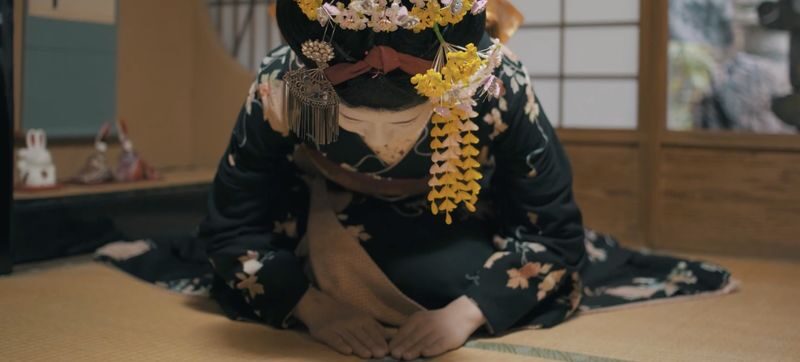
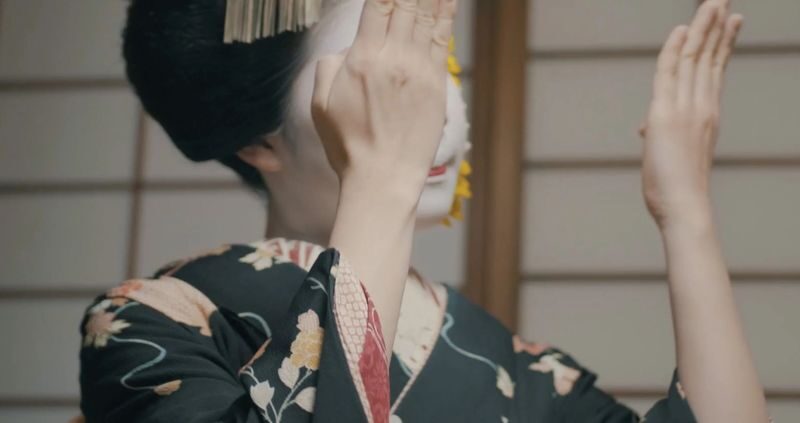
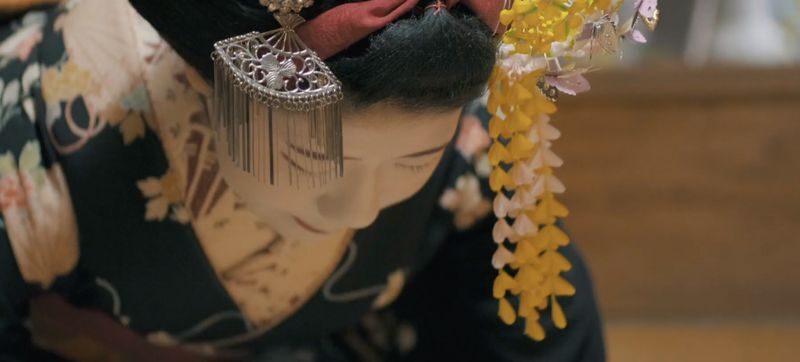
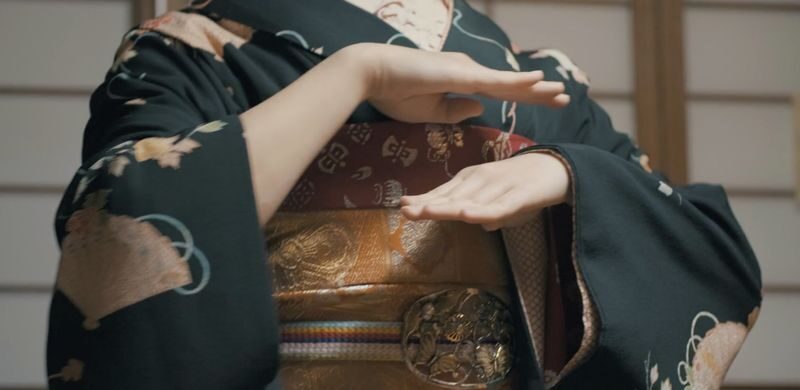
The central moment comes after the walk: a meeting with a maiko, followed by a short performance and time for questions. The session lasts about 50 minutes. The dance portion is brief, generally one or two songs, so the value lies in the combination of seeing the performance and having a chance to ask about her training and life.
That access is what makes the event more than a dance demonstration. The traditions can seem formal and distant from the outside, but a direct Q&A gives you a way to ask thoughtful questions and hear about the work behind the art. Participants have described conversations about the maiko’s schooling and training, details that help put the graceful performance in context.
There is no need to arrive with a long list of questions. You can listen, observe, and ask what genuinely interests you. The format is especially appealing if you are curious about how the culture works in daily life, rather than looking only for a photograph or a brief show.
The meeting is arranged as a guided cultural experience, not an invitation to treat the maiko as a prop. Keep your questions respectful and listen closely. The more you approach the session as a chance to learn, the more useful and memorable it is likely to be.
Choose lunch, dinner, or tea
The food or tea option shapes the feel of the experience. The lunch package starts at US$109.09 and includes a Japanese lunch plate. The listed schedule for this option begins at 10:30 a.m., with the walk followed by lunch and the maiko meeting, ending around 1:30 p.m.
Dinner starts at US$160.80 and includes eight different shared dishes. It is the more expensive choice, but it gives you an evening meal as part of the outing, which may be worthwhile if you want the meeting and dinner to form one main activity rather than fitting a separate restaurant booking around them.
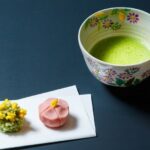
The tea option includes a cup of tea and is scheduled for 2:30 p.m. The available price details do not specify a starting price for tea, so check the current booking price before choosing it. It may suit you if you want the cultural meeting without making it a full meal.
Vegetarian options should be discussed ahead of time. One participant specifically advised notifying the organizers in advance, so do not assume the standard menu can be changed at the table. Tips and gratuities are not included.
What the timing means for your day
For the lunch option, the stated departure is 10:30 a.m. The walk is followed by the meal and maiko session, with a planned return around 1:30 p.m. The published schedule describes the post-walk portion as about 1.5 hours, while the practical information gives the maiko meeting itself as about 50 minutes. Treat the schedule as a useful guide rather than a promise that every segment will run to the minute.
The length of the walk may vary between 1.5 and 2 hours, and the schedule can change with traffic and weather. The experience is still compact enough to leave much of your day free, but it is not a quick stop. Give yourself room before making a tightly timed reservation or booking another activity immediately afterward.
The meeting point is specific, while the end point is described as a local restaurant. Check the details for your chosen package so you know where to go and where the activity finishes. The voucher is valid only for the date and time you book, and infants and children must be included in the passenger count.
Is the price worth it?
At US$109.09 for lunch, this is not simply a neighborhood walking tour with a meal attached. You are paying for the guide’s interpretation of Gion, the organized meeting with a maiko, a live performance, and time to ask questions. Those elements would be difficult to arrange independently, especially the direct cultural exchange.
The lunch package is the lower-cost way to get the core experience. The dinner option costs more, but includes eight shared dishes and may be a better fit if you want an evening outing with a meal built in. The tea version offers a lighter pause, though its price is not provided here.
The value depends on what you want from Gion. If you are happy to wander and admire the streets without much explanation, you may prefer to spend your money elsewhere. If you want to understand the district and meet a maiko in a respectful, guided setting, the added access gives the price a clear purpose.
The food matters, but it is not the main reason to book. Think of lunch or dinner as part of the setting for the cultural meeting, not as a restaurant tour. The meal is described as a Japanese lunch plate or, for dinner, eight shared dishes; no detailed menu is provided.
You can also read our reviews of more tours and experiences in Kyoto


Who will enjoy this most
I would recommend this to anyone who wants more than a quick look at Gion and is genuinely curious about geiko and maiko traditions. It suits first-time visitors who want an accessible introduction, as well as repeat visitors who would rather hear about the culture than simply retrace familiar streets.
It is also a good option if you prefer a guided activity with a clear beginning and end. The tour combines a manageable walk with a seated meeting, and one guide, Akari, has been praised for making the pace manageable with short breaks when a participant was tired. You can mention fatigue or ask for a pause rather than feeling you must keep up without speaking.
Families can book, but children and infants must be included in the passenger count. The format involves listening, walking, and a cultural performance, so consider whether that suits the children in your group. No age limits or other child-specific details are provided.
This may be less suitable if you want a long dance program, a private meeting, or an unscripted evening in Gion. The scheduled performance is short, and the experience is organized around a guided walk and a set meeting. Its strength is the explanation and conversation, not the length of the show.
Should you book the Gion walk?
Book it if learning about Kyoto’s geiko culture matters as much to you as seeing the district itself. The combination of a guided walk, a maiko’s dance, and direct questions gives the experience substance, while lunch, dinner, or tea lets you choose the scale of the outing.
Choose lunch for the clearest value, dinner if you want a fuller evening meal, or tea if a lighter format suits your plans. If you mainly want to stroll Gion on your own or watch a longer performance, this may not be the right fit. For a respectful introduction with useful local context, it is a strong use of a half-day.
Kyoto: Gion Cultural Walk & Geisha Performance with Dining Options
“This was absolutely the highlight of our Japan trip. Ken was incredibly knowledgeable and informative throughout both the walking tour and during t…”
FAQ
Where does the tour begin?
Meet in front of the Izumo-no-Okuni statue in Kawabatacho, Higashiyama Ward, Kyoto. Arrive five minutes before the departure time.
How long does the experience take?
The lunch option is scheduled from 10:30 a.m. to about 1:30 p.m. The walk takes about 1.5 to 2 hours, and the maiko meeting lasts about 50 minutes. Timing can change with traffic and weather.
What happens during the maiko meeting?
You will see a dance performance of one or two songs and have time to ask the maiko questions. The meeting is described as lasting about 50 minutes.
What food or drink is included?
The lunch option includes a Japanese lunch plate. Dinner includes eight shared dishes, and the tea option includes a cup of tea.
Are tips included in the price?
No. Tips and gratuities are not included.
Can I request vegetarian food?
Tell the organizers about vegetarian requirements in advance. Do not assume a vegetarian meal can be arranged without prior notice.