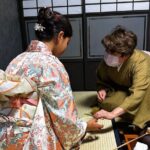
Kintsugi gives a broken ceramic piece a second life, with golden lines tracing its seams instead of hiding them. At Zen Kyoto Annex, you make your own version in a one-hour class, learning the basic process from an instructor as you turn a bowl or plate into a personal Kyoto souvenir.
I like two things here: you get to make something with your hands, not just watch a demonstration, and instructors such as Yuhi, Cerise, and Stephanie explain the craft in clear, friendly English. The calm studio also offers a welcome pause from a packed sightseeing day.
One thing to check before booking is which ceramic piece your price includes. The basic option is a small white plate, while more decorative choices cost extra. One participant also found that gold decoration faded after washing, so treat the finished piece as a keepsake unless the instructor confirms it is suitable for regular use.
- What Makes This Kyoto Kintsugi Class Worth Your Hour
- A Quiet Hour for Making, Not Just Looking
- From the First Explanation to Your Finished Plate
- What the Instructors Bring to the Class
- Choosing a Ceramic Piece Without a Surprise
- Getting to Zen Kyoto Annex and Choosing a Time
- Is the Price Good Value?
- Who Will Enjoy This Workshop Most
- Should You Book the Kyoto Kintsugi Workshop?
- FAQ
- How long does the Kintsugi workshop last?
- Where is the meeting point?
- What time can I book the workshop?
- Is the workshop suitable for beginners?
- What ceramic piece is included?
- Are children charged the adult rate?
- Can I cancel for a refund?
- The Best Of Kyoto!
- More Workshops & Classes in Kyoto
- More Tours in Kyoto
- More Tour Reviews in Kyoto
What Makes This Kyoto Kintsugi Class Worth Your Hour
 1 / 9
 2 / 9
 3 / 9
 4 / 9
 5 / 9
 6 / 9
 7 / 9
 8 / 9
 9 / 9
- You create a piece yourself: The class guides you through decorating a ceramic bowl or plate with gold-highlighted seams.
- The basic piece is simple: A small white plate is included; more elaborate designs may cost extra.
- The instructors add context: Guides including Yuhi, Cerise, Stephanie, and Bunon have explained the steps alongside Japanese history and the ideas behind Kintsugi.
- The mood is calm and welcoming: The session suits beginners, couples, families, and solo visitors looking for a quieter activity.
- It fits into a Kyoto day: The class lasts about an hour, with departure times offered from 9 a.m. through 6 p.m.
- Plan for a practical souvenir, not a perfect heirloom: One participant reported gold decoration washing off after the recommended wait, so ask about care before using your piece.
👉 See our pick of the We Rank Kyoto’s 15 Top Workshops & Classes
A Quiet Hour for Making, Not Just Looking
Kyoto has no shortage of temples, shrines, and lanes to explore. This workshop offers a different kind of cultural stop: you sit down, learn a craft, and leave with an object you helped make. That shift from looking to doing is the appeal. You do not need prior experience or a talent for drawing. The instructions are given step by step, and instructors are described as patient with people who are new to the process.
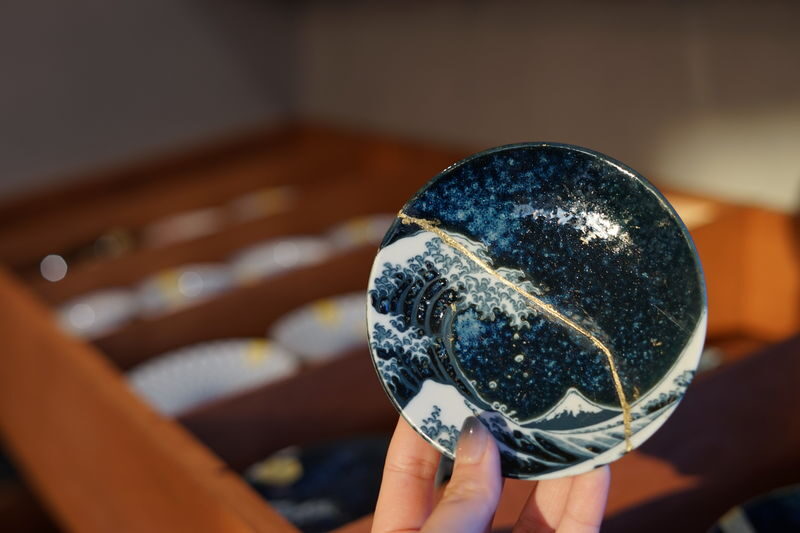
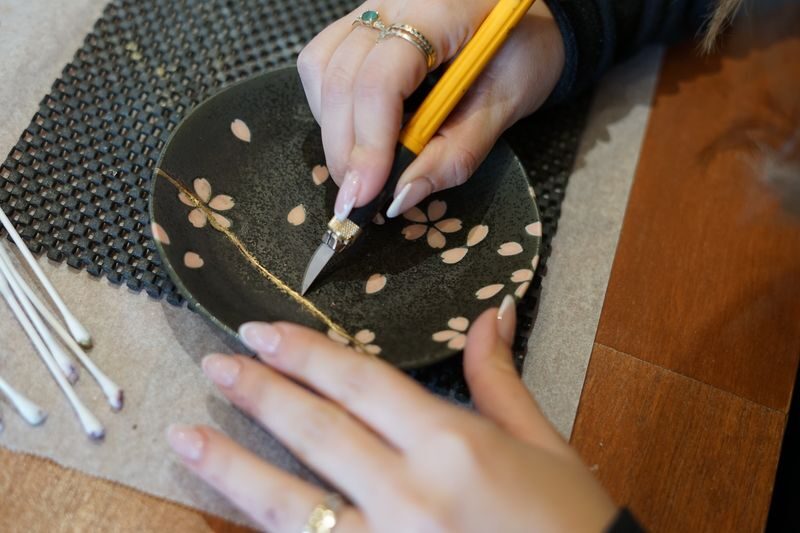
Kintsugi is the practice of repairing ceramics with lacquer and highlighting the joins with gold. The idea is not to disguise the damage, but to make the repair part of the object’s appearance. That makes the activity more than a decorative exercise. As you work on your bowl or plate, the visible seam becomes the point of the design.
The workshop is described as using real urushi lacquer and gold. It is beginner-friendly, but it is still a short introduction, not an in-depth course in traditional ceramics repair. You’ll get a guided, hands-on taste of the craft and its meaning, not time to master every technique.
You can also read our reviews of more tours and experiences in Kyoto

From the First Explanation to Your Finished Plate
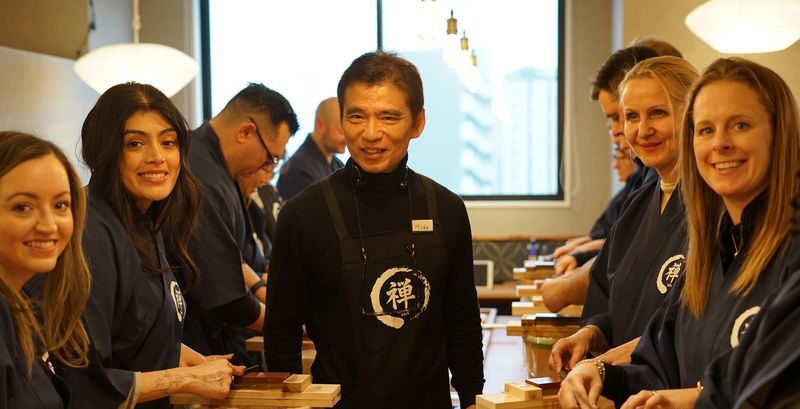
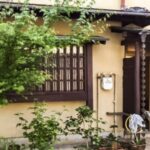
The experience starts at Zen (Zen) Kyoto Annex, at Building, 6F, 439 Ebisu-cho, Nakagyo Ward. Once you arrive, the instructor introduces Kintsugi and takes you through the process. Instructors have also shared background on the craft and Japanese culture, giving the hour some context beyond the practical steps.
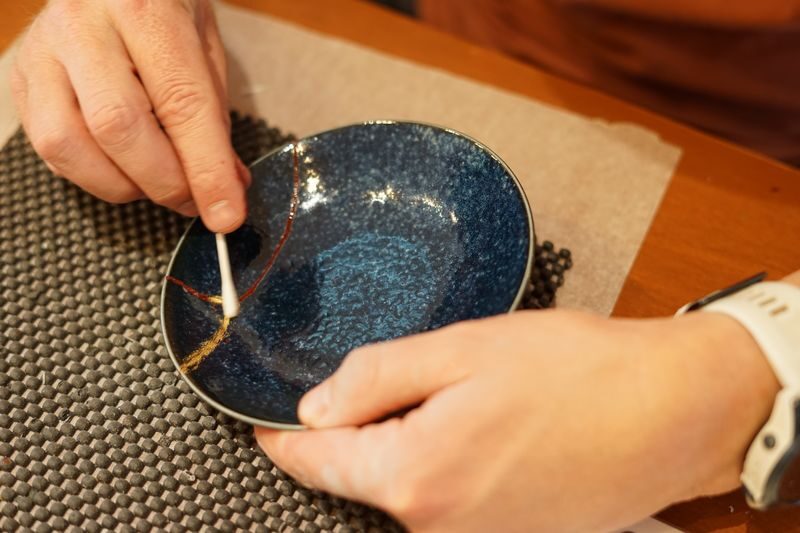
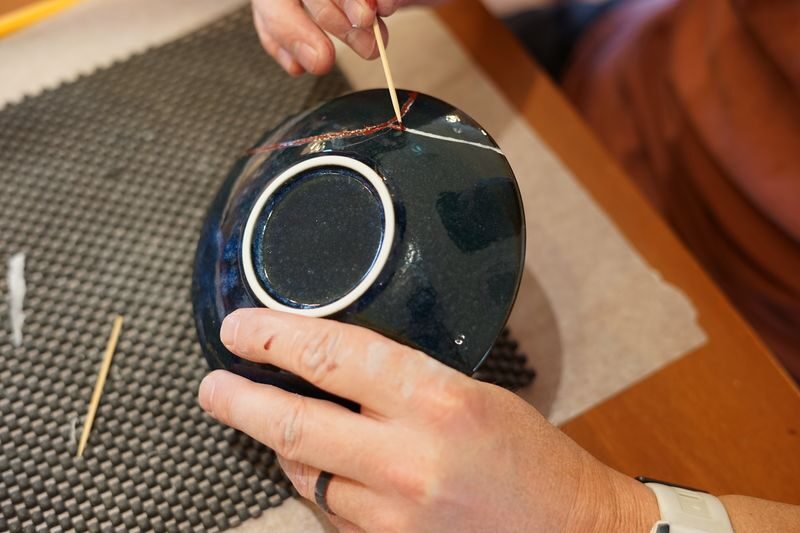
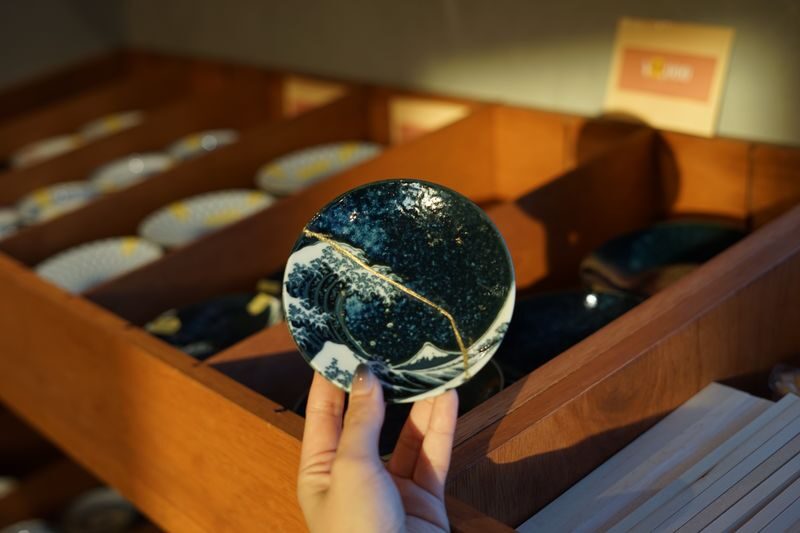
Next comes the making. You work on a ceramic piece and add gold detail to its seams, with guidance along the way. The exact piece depends on the option you book. The basic selection is reported to be a small white plate; other bowls or designs may be available at an additional cost. If you have a particular color or shape in mind, check what is included before you commit. A more decorative item pictured in an activity listing may not be part of the basic price.
The activity is listed as one hour. That is a useful amount of time for a short, hands-on introduction, though it leaves little room for a slow, elaborate design. One participant stayed for two hours because the group was enjoying the class, but that should not be treated as the standard session length. If you have another booking soon afterward, plan around the stated hour rather than hoping to linger.
At the end, you take home your handmade piece. That is a satisfying finish, and it turns the class into a tangible memory of Kyoto. Still, ask the instructor how to care for the item and whether it is intended for regular use. A participant reported that some gold decoration washed off despite waiting before cleaning. That is a useful caution: the class makes a lovely souvenir, but the information available does not establish that every finished piece is dishwasher-safe or built for daily use.
What the Instructors Bring to the Class
A good craft class depends on clear instruction as much as on materials. Instructors named in class experiences include Yuhi, Cerise, Stephanie, Bunon, Katie, Mabia, and Thunder. The consistent strength of the teaching is patience: guides explain each stage, help when you get stuck, and leave room for you to make your own design choices.
The explanations can also give the activity more depth. Several instructors have shared the history of Kintsugi and discussed the idea of finding beauty in imperfection. That kind of context helps you understand why the repair is meant to remain visible. You’re not simply painting a gold line onto pottery; you’re learning the reasoning behind a Japanese art form while trying it yourself.
The atmosphere is described as calm and friendly, with people joining as families, couples, solo participants, and small groups. One participant noted that a group of three to five received private attention. That suggests a smaller group can make it easier to ask for help, though group size and the degree of individual attention may vary.
Choosing a Ceramic Piece Without a Surprise
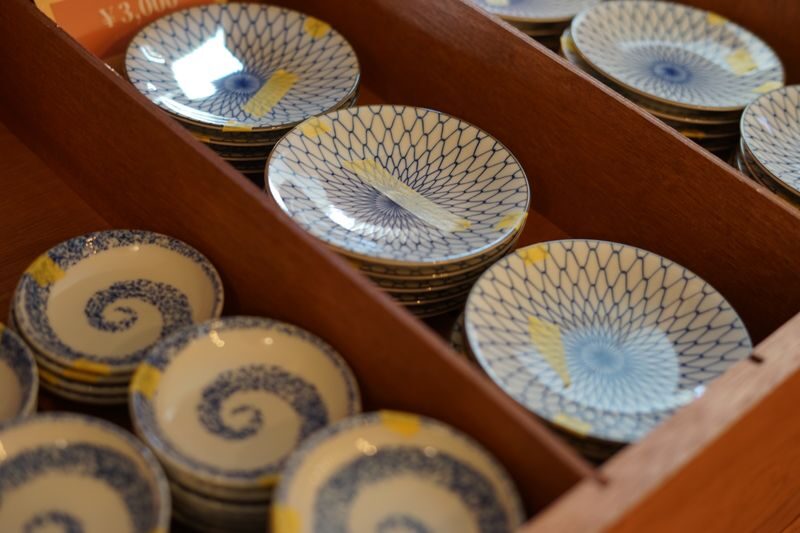
The basic white plate keeps the entry price low, but it may not match the more colorful or decorative pieces you have seen pictured. That difference matters if you are booking because you have your eye on a particular design. Ask what is included in your chosen package and what costs extra before the class begins.
At least one family chose to upgrade to two bowls, paying ¥1,100 per bowl. That is a specific reported price, not a guarantee that every upgrade will cost the same. Your options and fees may differ. The sensible approach is to decide whether you would be happy with the included plate first. If not, confirm the upgrade price rather than assuming a featured piece is part of the base option.
Some participants have also brought their own ceramic items. One person said they were able to work on a cherished bowl. But that does not mean bringing an item is always allowed, or that the instructor can repair any object. Ask the studio in advance if you want to bring your own. A favorite family bowl deserves a clear answer before you carry it across Kyoto.
Getting to Zen Kyoto Annex and Choosing a Time
The meeting point is on the sixth floor of the Hayakawa building at 439 Ebisu-cho, Nakagyo Ward. The location is presented as the Zen Kyoto Annex, near the Gion area, in central Kyoto. One practical tip: a participant noted that the lift is tucked behind a pillar in the building. Allow a little time to find the entrance and elevator instead of arriving at the last moment.
Departure times are offered hourly from 9 a.m. to 6 p.m. The return-time options run from 10:30 a.m. to 7:30 p.m., depending on your selected start time and the activity duration. Arrive five minutes early, as requested, and use the time you selected when booking. The voucher is mobile and valid only for the date and time specified.
English-speaking staff are included. The class is listed as a meet-up activity, so you should make your own way to the studio. Other personal expenses and tips are not included. The base price starts at $5.05, but the final amount can depend on the package and any ceramic upgrades you select.



Is the Price Good Value?
At the starting price, this is an inexpensive way to add a hands-on activity to a Kyoto visit. The value is not just the ceramic piece. You also get a guided introduction to a traditional craft, the chance to try it yourself, and an hour in a calm setting. For someone who wants a break from walking and sightseeing, that mix can be more appealing than another short stop at a shop.
The price needs a little context, though. The basic piece is simple, and more elaborate options may cost extra. If you want a particular bowl or plate, the upgrade could change the total. Also, the finish may be best treated as decorative rather than assumed to be a durable everyday repair. The experience is strongest when you value the process and the keepsake, not when you expect a fully restored piece of tableware for daily use.
The activity has a 5.0 rating from 386 reviews, and the provider lists 98 percent good reviews across its activities. Ratings cannot tell you whether you will like the design options or the finished object, but the consistent praise for patient instruction and a relaxing atmosphere points to a reliable choice for a short beginner class.
Who Will Enjoy This Workshop Most
This is a good fit if you like craft activities, want a cultural experience with a practical element, or need a quieter hour between bigger Kyoto sights. Couples and solo visitors can focus on their own designs, while families can share the process. The class is described as beginner-friendly, so you do not need artistic experience to take part.
Children are a point to check. The stated eligibility information says children aged 13 and older are charged the adult rate. Some families have attended with younger children, but that does not establish the current age policy for every booking. If you plan to bring a child under 13, confirm directly with the provider before reserving.
If your main goal is to learn traditional repair techniques in depth, this short class may feel limited. If you want a friendly introduction and a handmade souvenir, it should fit the bill. Book at least 24 hours ahead if you may need to cancel: cancellations made at least 24 hours before the activity date qualify for a full refund. Late arrivals and no-shows are not eligible for refunds or changes.
Should You Book the Kyoto Kintsugi Workshop?
Book this class if you want a calm, hands-on Kyoto activity and are happy to leave with a decorative piece rather than a guaranteed everyday bowl. Its best features are the patient, English-speaking instruction, the short one-hour format, and the chance to learn why Kintsugi makes a repair visible instead of hiding it.
Before you pay, check which ceramic piece is included and what the upgrades cost. Arrive early enough to find the sixth-floor studio, and ask how to care for your finished work. With those details settled, this is a thoughtful way to spend an hour and take home something more personal than a standard souvenir.
Kyoto: Kintsugi Workshop in Gion – Japanese Gold Repair
“I had a great time learning Kintsugi alongside Cerise. We were a group of 4 and we got to know each other.”
FAQ
How long does the Kintsugi workshop last?
The activity is listed as one hour. One participant stayed longer, but the scheduled duration is one hour.
Where is the meeting point?
Meet at Zen (Zen) Kyoto Annex, Building, 6F, 439 Ebisu-cho, Nakagyo Ward, Kyoto 604-8005, Japan.
What time can I book the workshop?
Departure times are offered from 9 a.m. to 6 p.m. in hourly intervals. Available return times depend on your selected departure time and the activity duration.
Is the workshop suitable for beginners?
Yes. It is described as beginner-friendly, with an instructor guiding you through the steps.
What ceramic piece is included?
The basic option has been described as a small white plate. Other designs or bowls may cost extra, so confirm what your selected package includes.
Are children charged the adult rate?
The stated eligibility information says children aged 13 and older are charged the same rate as adults. Check with the provider about younger children before booking.
Can I cancel for a refund?
You can receive a full refund if you cancel at least 24 hours before the activity date, using destination local time. Late arrivals and no-shows are not eligible for refunds or amendments.