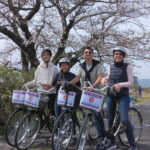
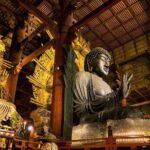
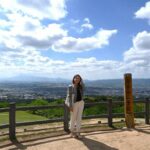
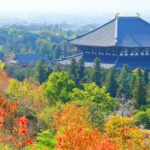
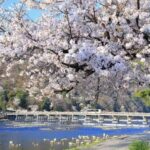
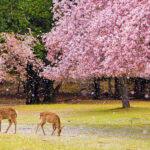
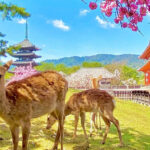
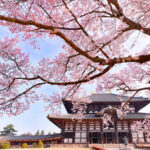
Arashiyama’s bamboo path, Nara’s deer and Fushimi Inari’s red gates make a varied day out, with transfers linking three major sights that would take more planning to visit independently. The appeal is the contrast: a quiet-looking bamboo grove, lively deer in a broad park, then a shrine trail framed by torii gates.
I like that the tour gives you 2½ hours in Arashiyama, its longest stop, and that round-trip transport takes care of the long hops between Kyoto and Nara. I also like the practical help a guide can offer: Zoey, one guide who has led a departure, was friendly and even helped with photos.
The trade-off is a tight timetable. Nara Park gets just 1 hour 10 minutes, and traffic can change the schedule, so this is a sampler, not a leisurely visit to every temple, trail or railway ride.
- At a glance
- Three stops, one packed day
- Arashiyama: 2½ hours to choose your own pace
- Nara Park: deer encounters in a broad green space
- Fushimi Inari: a walk beneath the vermilion gates
- The bus makes the route practical, with a few catches
- What the price covers, and what it does not
- Who will get the most from this tour
- Should you book it?
- FAQ
- Where does the tour depart from?
- Where does the tour return?
- How long is the stop at each attraction?
- Is the Arashiyama Scenic Railway ticket included?
- Are meals and drinks included?
- Do children need a ticket?
- Is there always a tour guide on the bus?
- The Best Of Nara!
- More Tours in Nara
- More Tour Reviews in Nara
At a glance
- Three distinct stops: Arashiyama, Nara Park and Fushimi Inari Taisha, with time to explore each on your own.
- Arashiyama has the longest visit: You get about 2½ hours, enough to walk the bamboo path and choose other local activities.
- Deer are part of the Nara experience: The sika deer roam freely through the park, but keep food and belongings secure around them.
- The torii gates are the main event at Fushimi Inari: Expect a popular shrine with a memorable vermilion gate corridor.
- Transport is included: Round-trip transfers, tolls, parking and fuel are covered. Meals and personal spending are not.
- The service depends on group size: Smaller groups may have a driver only; larger groups have a driver and tour guide.

👉 See our pick of the 9 Of The Best Workshops & Classes In Nara
Three stops, one packed day
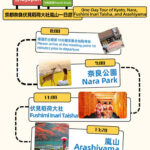
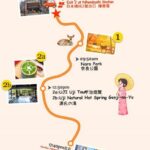
This is a transport-and-sightseeing day built around three well-known places, rather than a deep look at Kyoto or Nara. You leave at 7:20 and visit Arashiyama, Nara Park and Fushimi Inari before returning to Kyoto Station at about 17:05 or Osaka at about 18:20, depending on your chosen return point.
That sequence gives you a pleasant range of settings: bamboo and river scenery, an open park with deer, then a shrine known for its long rows of red gates. The shared vehicle makes the distances easier, but it also means the group moves on at set times. If you find a place you want to linger, you may have to save it for another day.
The tour is listed from $44.79, while the Osaka departure package described here starts at $63.99. The price can depend on the package you choose, so compare the option and departure point at checkout. For a day with transfers between three sights, tolls, fuel and parking included, it may be good value if you want to avoid planning each leg yourself. Add your own budget for meals, drinks and personal expenses.
You can also read our reviews of more tours and experiences in Nara.
Arashiyama: 2½ hours to choose your own pace
Arashiyama is the first main stop, with arrival scheduled for around 9:20 and roughly 2½ hours of self-guided time. Its bamboo grove is the best-known draw, but the area also has the Katsura River, mountain scenery and the Arashiyama Scenic Railway. The tour’s description highlights the railway, but the listed inclusions do not say that a train ticket is covered. Check the fare and availability if riding it matters to you.
With a free-time stop, you can decide how to spend your visit rather than follow a fixed walking route. You might stroll through the bamboo path, look for riverside views, or consider a rickshaw ride or kimono rental. Those activities are choices, not included services, and the time goes quickly if you try to fit in several.
I’d arrive with one or two priorities in mind. The bamboo path is popular, so it may feel crowded, especially on weekends and holidays. There are temples in the surrounding hills, but the schedule does not promise time at any particular temple. If you want a slower visit, plan a separate day for Arashiyama rather than expecting to see the whole district during this stop.
Nara Park: deer encounters in a broad green space
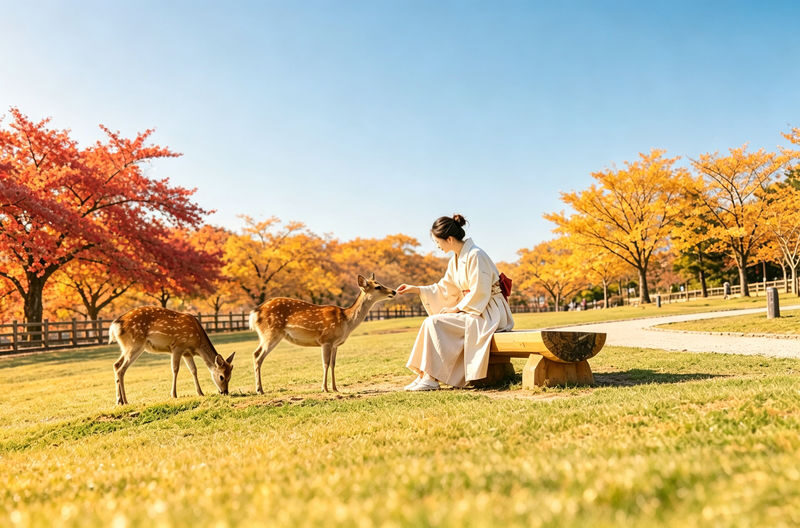
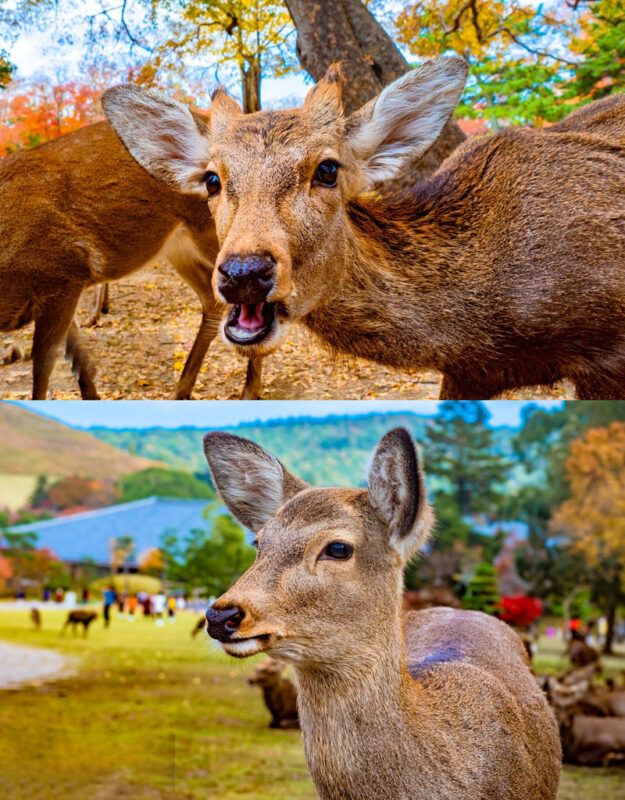
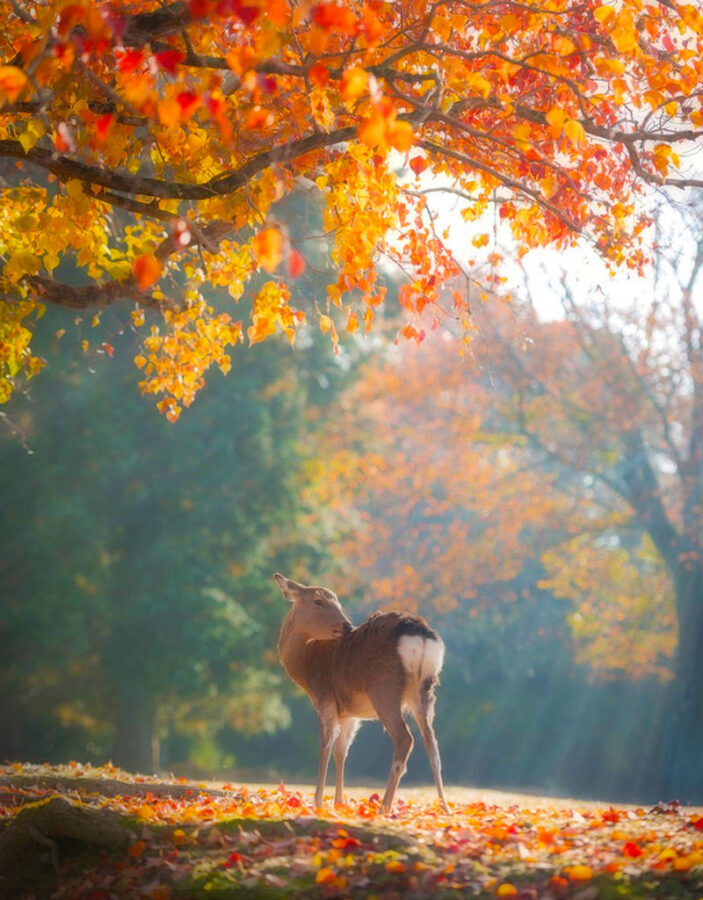
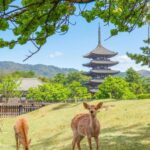
The tour reaches Nara Park at about 13:05 and allows 1 hour 10 minutes. The park covers a large area, and its sika deer roam freely among the lawns and paths. Their presence is the special part of the visit: you can watch them at close range and take photos, without needing to seek them out in a separate enclosure.
The short stop is enough for a walk and a deer encounter, but it is not much time for a full tour of Nara. If you want to visit other sights in the area, check how far they are from the meeting point and leave a safe margin to return. The fixed departure time matters here: the group waits only up to five minutes before moving on, after which you may need to make your own way to the next stop.
Give the deer space and keep a close hold on anything you do not want them to investigate. Feeding is promoted as part of the experience, but food and personal expenses are not included, so budget separately for any treats you choose to buy. The deer are charming, but they are still animals, not plush toys with antlers.
Fushimi Inari: a walk beneath the vermilion gates
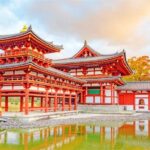
Fushimi Inari Taisha is scheduled for around 15:20, with about 1½ hours on site. Its famous Senbon Torii, or thousand torii gates, form striking corridors of vermilion-red arches. The shrine is dedicated to Inari, and fox figures appear throughout the grounds as messengers associated with the deity.
You can walk through the gate-lined sections, pause for photos and visit the shrine grounds. The time limit is worth keeping in mind: this is a large shrine area, and the tour does not promise a full hike up the mountain. If your main aim is to walk farther along the trail, you may find the allocated time restrictive.
Fushimi Inari is also a popular place to pray for good fortune, career success, academic progress, health or family peace. You do not need to know the full ritual to appreciate the setting, but the shrine is more than a photo backdrop. Take a moment to notice the offerings and fox imagery alongside the gates.
The bus makes the route practical, with a few catches
The day starts at 7:20 at the Kani Doraku Dotonbori-higashi Branch in Osaka. The return is scheduled for Kyoto Station’s Hachijo Exit sightseeing bus parking area at 17:05, followed by Osaka’s Dotonbori meeting point at 18:20. The listed package lets you choose to finish in Osaka or Kyoto, so confirm that your selected option matches where you want to end your day.
The service is shared, and the vehicle is assigned according to group size. For groups under 12 people, the operator may use a vehicle with fewer than 14 seats and provide a driver without a separate tour guide. For groups larger than 12, a driver and guide are arranged. English, Chinese and Japanese-speaking guide service is listed, but the smaller-group arrangement means you should not assume there will always be a guide on board.
Zoey is one guide associated with the tour, and she has helped with photos on a past departure. Guide assignments can change, so book for the route and service rather than expecting a particular person.
Traffic, weather, holidays and crowds can affect the order of stops and the time spent at each one. Delays of two to five hours are possible on busy days, so avoid booking a tight evening connection or a time-sensitive activity after the tour. The operator also notes that severe disruption may mean a delay, cancellation or fewer attractions.
What the price covers, and what it does not
The fare includes round-trip transfers from the meeting point, tolls, parking and fuel. Those inclusions matter on a route with several stops and intercity driving. Meals, drinks, tips and other personal costs are extra, and the tour does not include travel or accident insurance.
The price is most attractive if you value convenience and want to see all three places in one day. It is less compelling if you prefer long, flexible visits or want to spend much of the day at one shrine or in one district. Independent travel gives you more control over timing, while this tour bundles the transport and keeps the day moving.
There are a few rules to consider before booking. Children aged 0 to 2 can ride free only if they do not need a separate seat, but you must notify the operator in advance. Children aged 2 and older pay the adult rate; an under-2 child who needs a seat also needs a paid ticket. Seniors aged 65 and older must be fit to travel and accompanied by someone aged 22 or older.
Large luggage should be declared when you book, since the vehicle can refuse bags or group sizes that exceed its capacity. Keep your passport and valuables with you. The operator says sealed light snacks and unopened drinks may be brought on board, but eating is not allowed inside the vehicle.
Who will get the most from this tour
This route suits you if you have limited time, want to combine Kyoto-area highlights with Nara, and would rather let someone else handle the transfers. It is also a sensible fit if you are comfortable with a shared ride and are happy to explore independently during each stop.
It is less suited to anyone hoping for a slow day, a detailed guided walk at every site, or a full exploration of Nara’s sights. The stops have fixed durations, the guide arrangement depends on group size, and traffic can make the return unpredictable. If one location is your main reason for visiting, consider giving it a day of its own.
Should you book it?
Book this tour if seeing Arashiyama, Nara Park and Fushimi Inari in one day matters more to you than lingering at any single stop. The included transport takes much of the planning out of a complicated route, and the mix of bamboo, deer and shrine gates makes for a varied day.
Skip it if you want to ride the scenic railway for sure, explore Nara in depth, or walk far up the Fushimi Inari trail. Those goals call for more time and a less rigid schedule. Before paying, confirm your departure and return points, check which package price applies, and leave your evening open in case traffic slows the return.
Kyoto, Nara, Arashiyama & Fushimi Inari Shrine & Nara Park Day Tour (Optional pick-up and drop-off in Osaka or Kyoto)
“We had such a wonderful day with our tour guide, Zoey! She did a great job guiding us through Kyoto, Nara, Arashiyama, and Fushimi Inari. She was f…”
FAQ
Where does the tour depart from?
The listed Osaka departure is at 7:20 from the Kani Doraku Dotonbori-higashi Branch. Check your selected package for its exact pickup arrangements.
Where does the tour return?
The scheduled return is to Kyoto Station’s Hachijo Exit sightseeing bus parking area at about 17:05, then to the Osaka Dotonbori meeting point at about 18:20. The package details allow a choice of disembarking in Osaka or Kyoto.
How long is the stop at each attraction?
The schedule gives about 2½ hours in Arashiyama, 1 hour 10 minutes at Nara Park and 1½ hours at Fushimi Inari Taisha. Traffic, weather and crowds may change the timing or stop order.
Is the Arashiyama Scenic Railway ticket included?
The railway is mentioned as a local attraction, but the included items do not list a train ticket. Check ticket costs and availability separately if you plan to ride.
Are meals and drinks included?
No. Meals and beverages are not included, and you should budget for them separately.
Do children need a ticket?
Children aged 2 and older pay the adult rate. Children aged 0 to 2 can ride free if they do not occupy a separate seat, but you must inform the operator in advance. An under-2 child who needs a seat must buy a ticket.
Is there always a tour guide on the bus?
No. The vehicle depends on group size. Groups under 12 may have a driver only, while groups larger than 12 are assigned a driver and a tour guide.