
My friend Lena texted me from a basement on Október 6. utca with three sticky cakes on her lap and the message: “I cannot believe these came out of my hands. Get on the next plane.” She’d booked the chimney cake workshop on a rainy Wednesday afternoon when her walking tour got cancelled, and the whole rebooking happened in about four minutes on her phone over a coffee at Gerlóczy. She came back smelling like caramelised sugar and won’t stop talking about it. So that’s how I ended up on a deep dive into every chimney cake workshop in Budapest — because Lena said so.
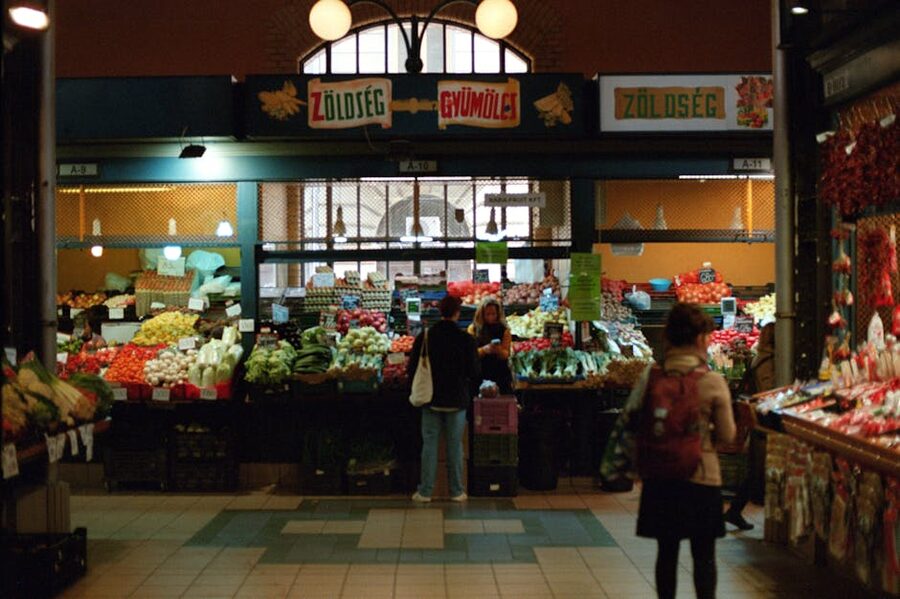
Kürtőskalács — the Hungarian chimney cake — is the spit-roasted yeast pastry you’ve been smelling at every Budapest street corner since the moment you arrived. The workshops let you make your own. Three of them, actually, because of course one isn’t enough.



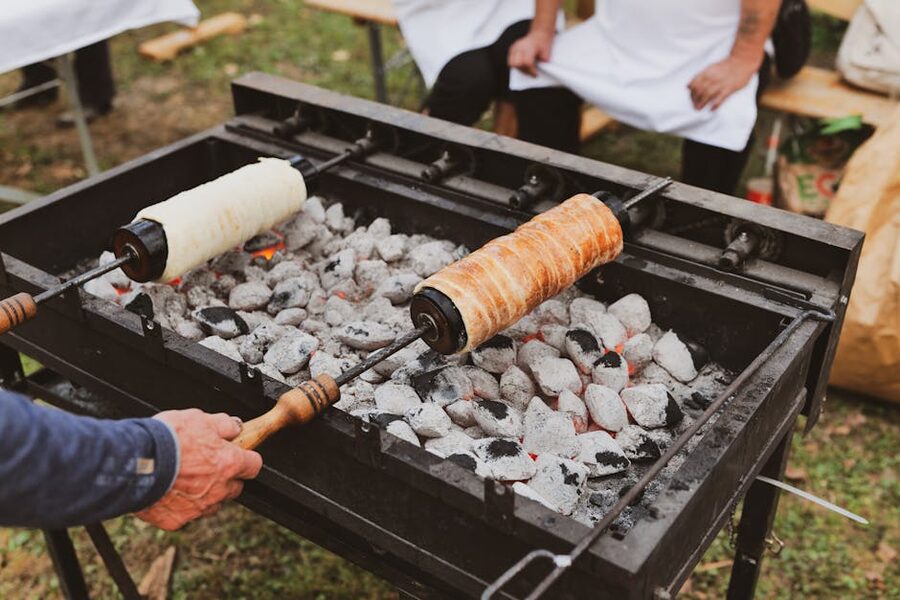
Best overall: City Center Workshop at Kató Néni Finomságai — $42, 75 minutes, 3 cakes, the most-booked option.
Cheapest: Viator’s Downtown Class — $38.71, same Kató Néni location, slightly more flexible 75-minute slot.
If you’re near City Park: Chimney Cake Workshop City Park — $48, kid-friendly, easy combo with Széchenyi Baths or Heroes’ Square.
- What you actually do at a chimney cake workshop
- The three workshops worth booking
- 1. City Center Workshop at Kató Néni Finomságai (GetYourGuide) —
- 2. Chimney Cake Workshop Budapest Downtown (Viator) — .71
- 3. Chimney Cake Workshop in City Park —
- Why Lena couldn’t shut up about it (and the actual reason these workshops work)
- What it actually costs (and what you walk away with)
- How to actually book — step by step
- The history bit you’ll get told during the class
- Practical things nobody tells you
- When to book it in your itinerary
- Where the chimney cake workshop fits in the wider Budapest food scene
- What about the City Park version specifically?
- Booking platform comparison — GetYourGuide vs Viator vs direct
- Common mistakes I’d avoid
- Should you book it?
- Other Budapest food and culture picks
What you actually do at a chimney cake workshop
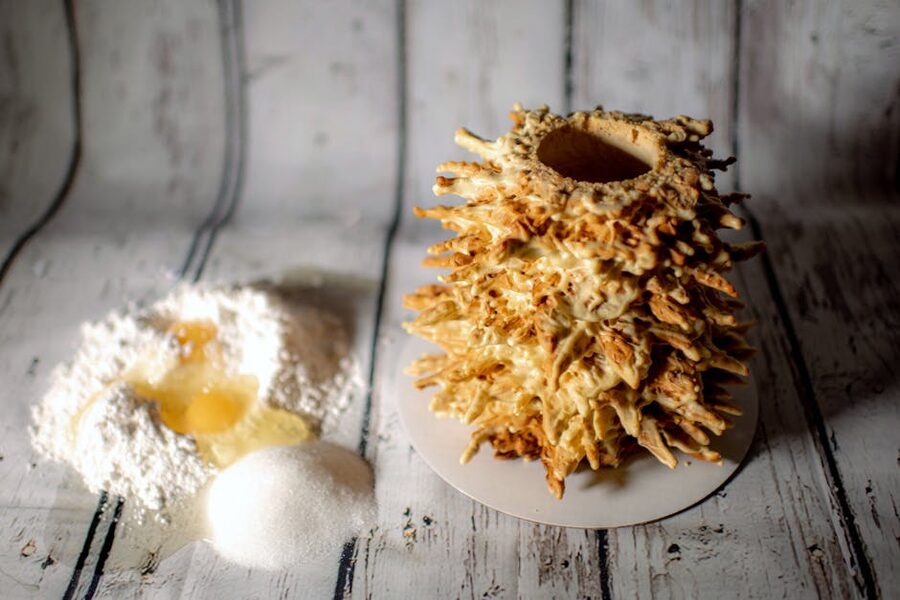
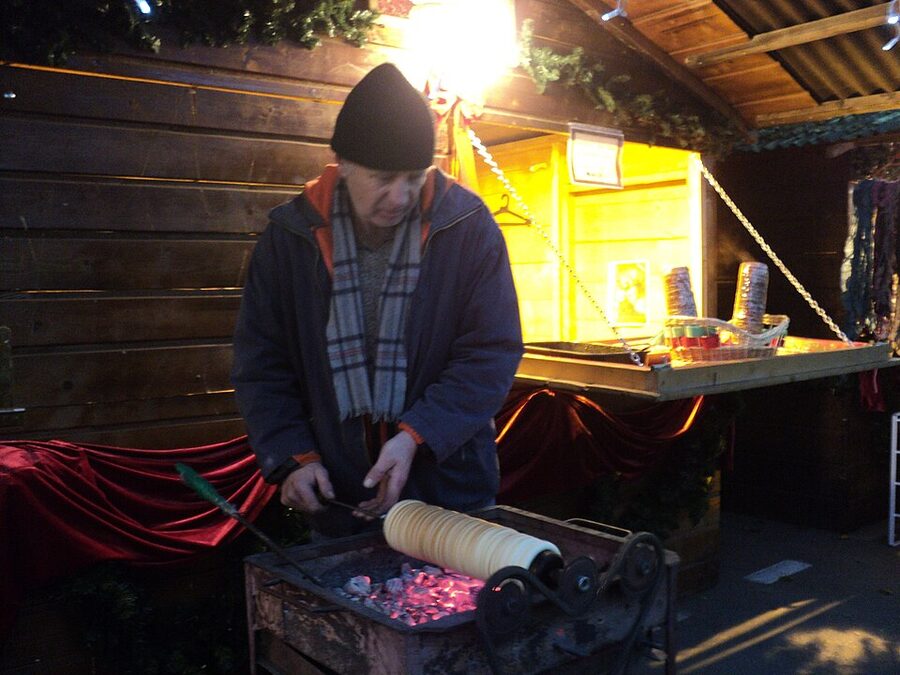
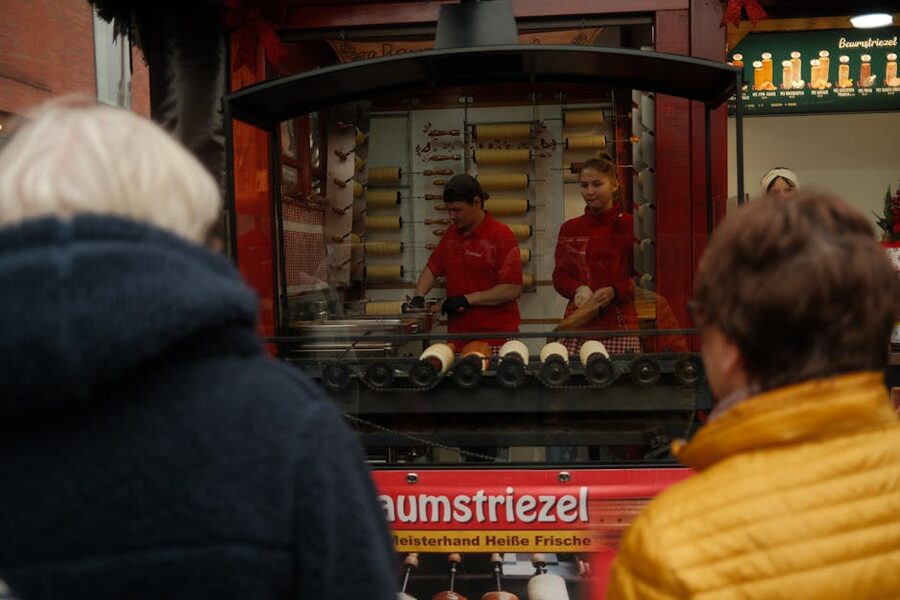
You walk in. They give you an apron and a ball of pre-proved dough. You roll it flat, slice it into long strips with a pizza wheel, and that’s where the technique starts. Each strip gets wound around a wooden spit — overlapping just slightly so it bakes into one continuous spiral rather than separate rings. Get it too tight and the layers fuse into a brick. Too loose and you get gaps where the inside dries out before the outside browns.
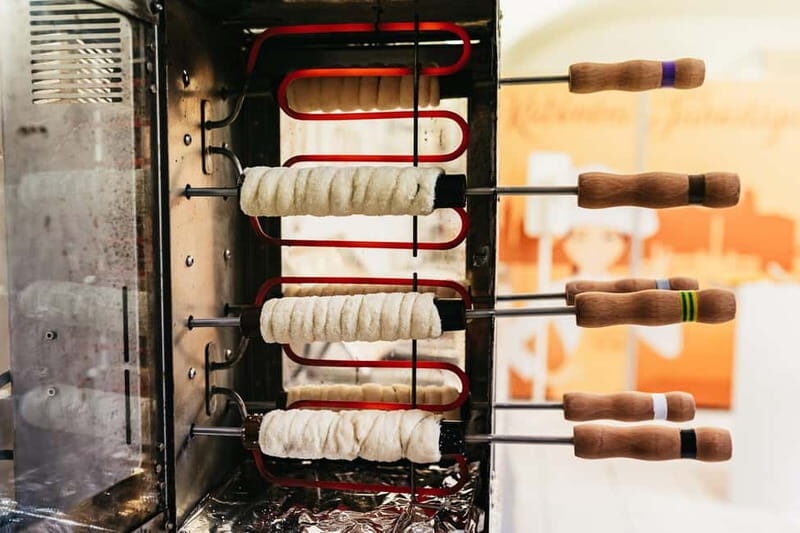
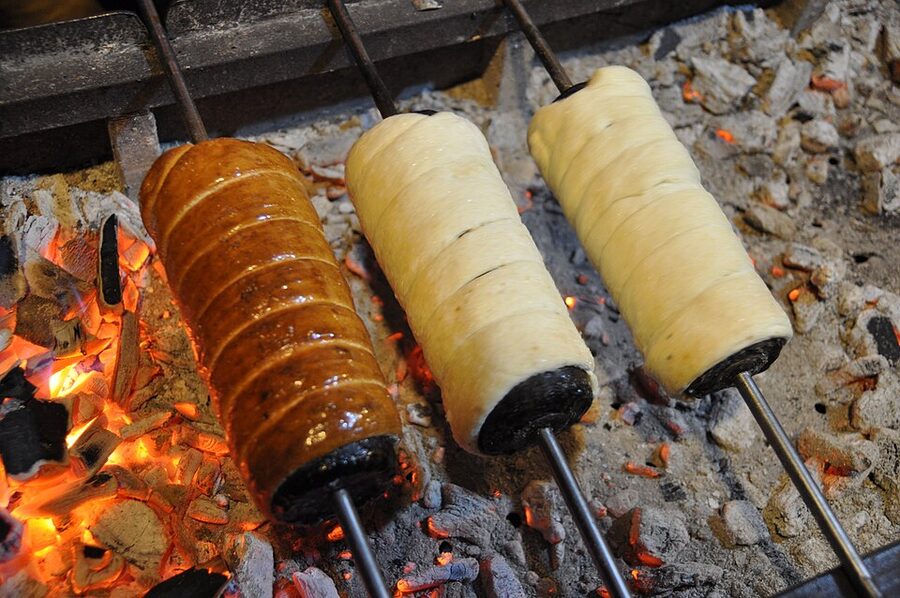
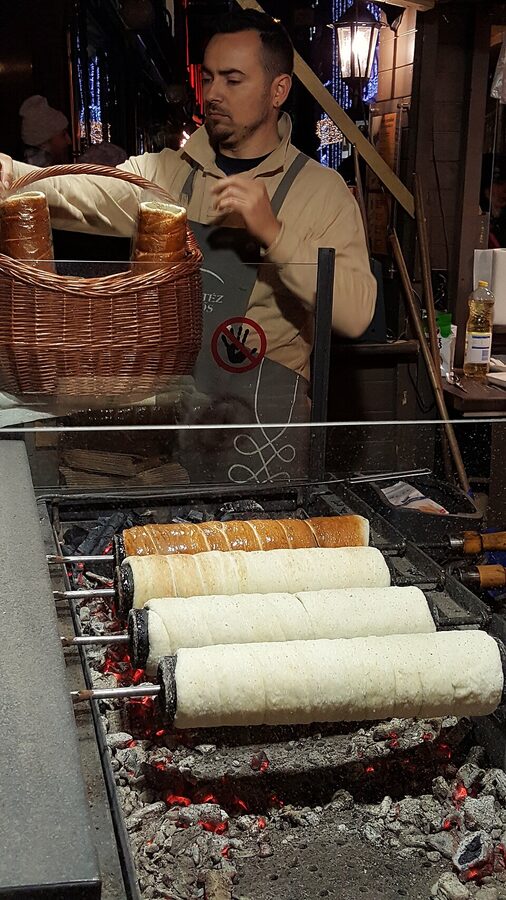
Then comes the sugar coat. You roll the wrapped spit through a tray of granulated sugar (this is what creates the crunchy caramelised shell — there’s no glaze added later, it’s the same raw sugar you started with). Into the rotating oven. Out about ten minutes later when the surface is the colour of a polished chestnut.

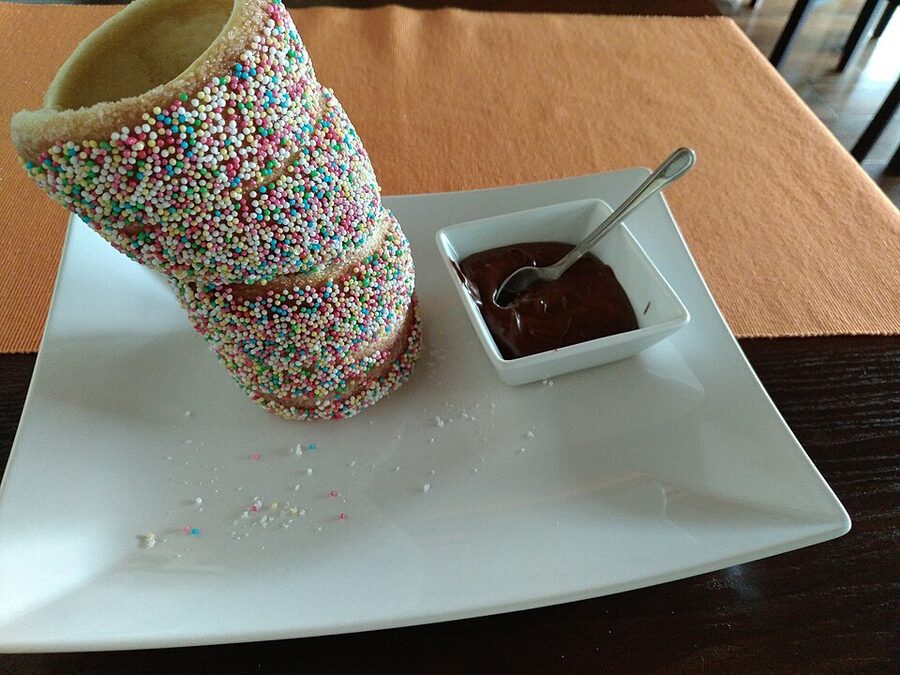
Then toppings. The classic options at every workshop I’ve checked: cinnamon-sugar, chopped walnuts, desiccated coconut, cocoa, or just the plain caramel sugar shell. Some places offer crushed almonds or a vanilla powder. You roll your warm cake in whichever topping you’ve gone for — the sugar shell is still tacky enough to make everything stick.
You make three full-sized cakes. That’s not a tasting portion — these are dinner-sized chimney cakes. You eat one in the workshop while it’s hot, and the other two go home in a paper bag.


The three workshops worth booking
I’ve sorted these by review volume — meaning the first one is the most-booked, not necessarily the best for you. The honest answer is they’re all run competently, the differences are mostly logistics and price. Read past the headings if you want the actual call.
1. City Center Workshop at Kató Néni Finomságai (GetYourGuide) — $42
This is the flagship — the workshop most people land on first because it sits at the top of every booking platform’s chimney cake search. Our full review covers exactly what you walk away with (three cakes, the recipe card, a certificate). It’s 75 minutes, which feels right — not so short you’re rushed, not so long you’re standing around. The location near the Basilica makes it the obvious pick if you’re already doing the central sightseeing loop.
2. Chimney Cake Workshop Budapest Downtown (Viator) — $38.71
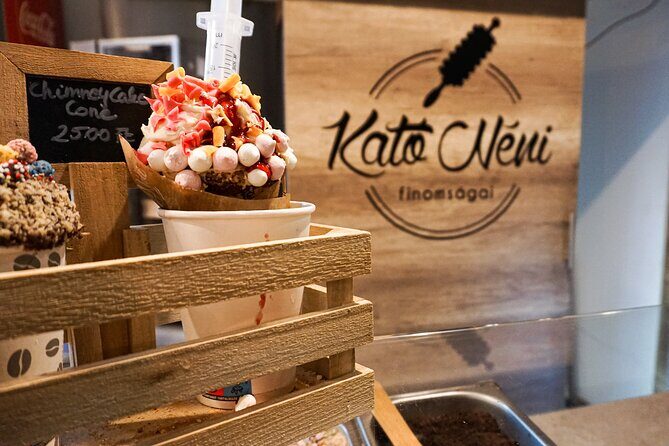
This is the same workshop, same downstairs space, sometimes the same instructor — just routed through a different booking platform. Our review of the Viator class goes into when it makes sense to book here vs the GetYourGuide listing. Short answer: if you’re already collecting Viator points or you find a same-day slot the GYG version is sold out, go for it. Otherwise the experience is identical.
3. Chimney Cake Workshop in City Park — $48

The case for this one is purely geographic. If you’re spending the day around the Széchenyi Baths, Heroes’ Square, or the zoo, this workshop is a five-minute walk and saves you a trip back into the centre. Our City Park review notes the space is more open and the kid-friendliness rating is the highest of the three. You also get to pick your toppings rather than getting a pre-set selection. Slight premium for the convenience, but worth it if your day is already in that part of the city.
Why Lena couldn’t shut up about it (and the actual reason these workshops work)

Lena’s verdict, paraphrased through a sugar high: it’s the only Budapest activity where you walk out with something you actually made, not a souvenir you bought. That sounds obvious until you compare it to the other “experience” things you’ll do in this city. A Danube cruise shows you something. A walking tour tells you something. The chimney cake workshop is one of the few times you do something — physically, with your hands, and the result is edible.
The other thing Lena pointed out — and I think she’s right — is that it’s basically the perfect rainy-afternoon Plan B. Budapest in October and November can swing from sunny to drizzling in 20 minutes. When that happens, your outdoor itinerary is dead. Most indoor backups (museums, baths) need pre-booked slots. The workshops have flexible same-day availability and you’re under cover for the full hour-and-a-bit.

What it actually costs (and what you walk away with)
The base price across all three workshops sits between $38 and $48 per person. That’s higher than buying three cakes from a street vendor, which would run you about $15-25. So you’re paying something like a $20 premium per person for the experience.
For that you get: an instructor for an hour, a small group (usually 6-12 people), the dough and ingredients, oven time, a printed “secret” recipe to take home, and three cakes that are bigger than the street-vendor versions. Plus a certificate, which sounds gimmicky but is actually a fun fridge-magnet souvenir if you’ve got kids in the group.
The workshops do not include drinks beyond water. If you want coffee or hot chocolate, you order from the bakery upstairs after the class. There’s also no professional photography service — bring your own phone, which honestly takes better photos in the warm-light basement than any rented camera setup would.

How to actually book — step by step
Booking platforms charge identical prices to direct booking with the bakery, so there’s no incentive to book direct unless you specifically need to coordinate something unusual (a private session, dietary substitutions, etc.). For everything else, GetYourGuide and Viator are simpler.
The flow:
- Pick your slot — most workshops run multiple times daily, usually 10am, noon, 2pm, 4pm, 6pm. Morning slots tend to be quieter.
- Book on the platform. Free cancellation up to 24 hours before is standard.
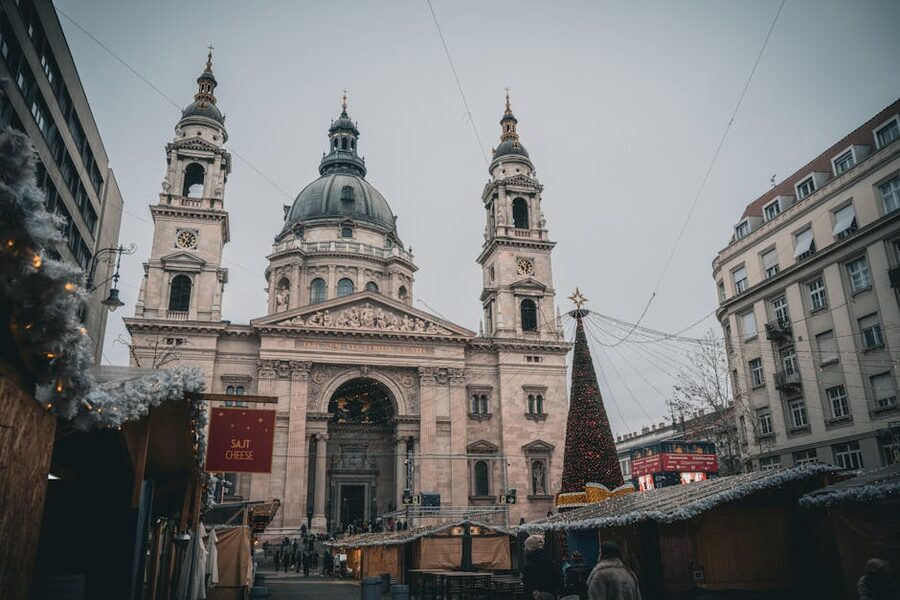
- You get a voucher email with the address. The City Center one is on Október 6. utca, two blocks from St Stephen’s Basilica. The City Park one is just inside Városliget near the Vajdahunyad Castle entrance.
- Show up 5-10 minutes early. The basement at the City Center location takes a moment to find — there’s a small staircase inside the main shop, you’ll be directed.
- Show your phone voucher at the front desk. They sometimes don’t even check it if the class has fewer than 10 people.
The history bit you’ll get told during the class
The instructor will give you about three minutes of context while the dough comes out. Roughly:
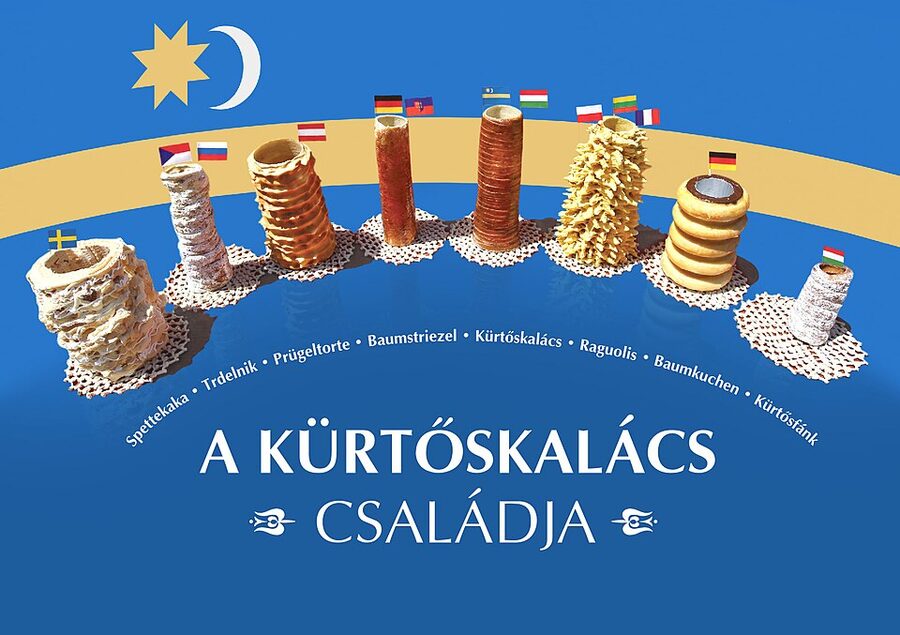
Kürtőskalács started in Székely Land — the Hungarian-speaking region of what’s now Transylvania, in modern Romania. The first written reference dates to 1679. The first actual recipe shows up in a manuscript cookbook from 1781. So it’s older than the United States. The original method was open-fire baking on a wooden spit, and the cake was a wedding speciality in Székely communities — still is, in some villages.
The name itself: kürtő means chimney or stovepipe. Kalács means cake (specifically a sweet yeasted bread). Put together, you’ve got “chimney cake” — a description of what the cake looks like after it comes off the spit, hollow and tubular like a piece of stove pipe.
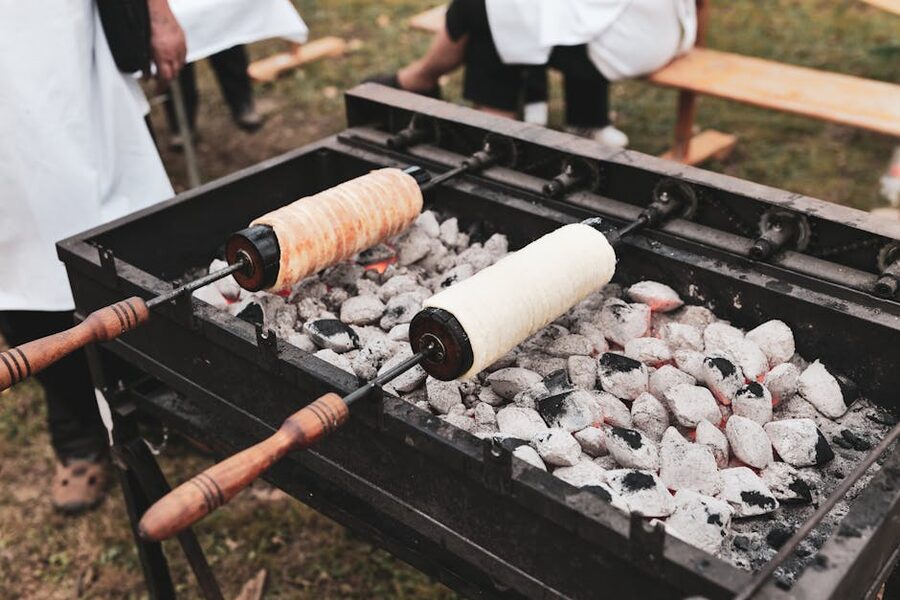
The technique migrated west into central Hungary over the 19th century, and Budapest picked it up properly only in the 20th. By the time the post-1989 tourism boom hit the city, kürtőskalács stalls were a fixture. The version you’ll bake — yeasted dough, butter, granulated sugar, optional egg wash — is closer to the late-19th-century recipe than the original Transylvanian one, which often used a stiffer dough and no sugar coating.

Practical things nobody tells you
The basement workshop has stairs. The City Center location at Kató Néni Finomságai puts you in a downstairs room — about 12 steps down from the main bakery. If you have mobility issues or are travelling with a wheelchair, this isn’t the workshop for you. The City Park location is single-storey and accessible.
Children under 10 are not great here. The official policy varies — some workshops explicitly say no under-10s, some allow them with an adult. The honest reason is the rotating ovens get to about 200°C, the wooden spits are sharp at the ends, and the workshop space at the basement location is tight. If you’re travelling with younger kids, the City Park one is more child-friendly. Also worth knowing: the Cat Museum and the Madame Tussauds Budapest are better picks for under-10s if the class is going to be a non-starter.
Vegan dough is available on request — but ask in advance. The standard recipe uses butter, eggs, and milk. Most workshops can swap to a plant-based version if you message them at least 24 hours before your slot. Don’t expect them to have it ready as a walk-in option.
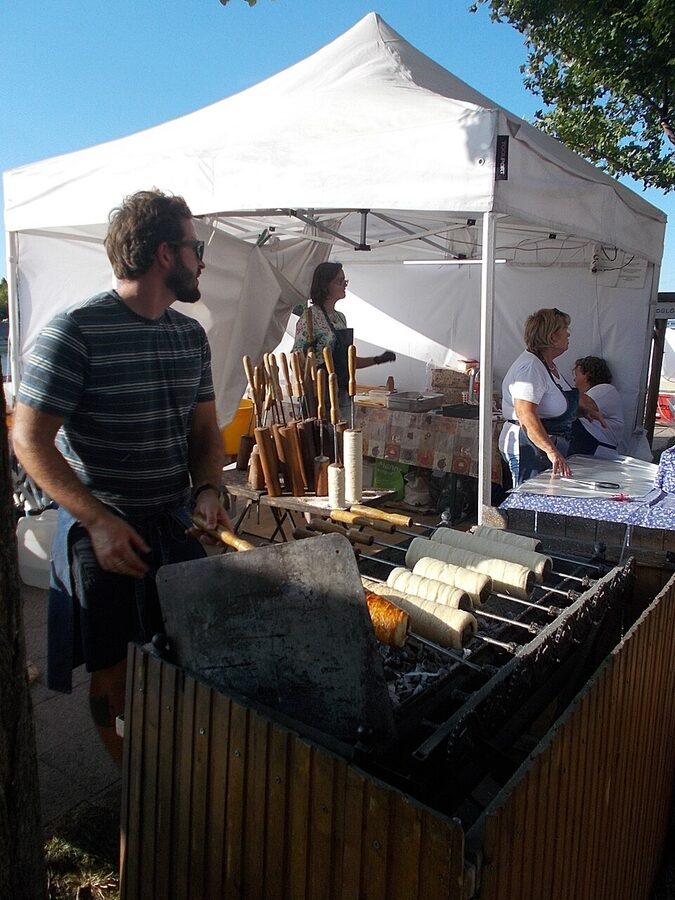

You’ll smell like sugar for the rest of the day. Light layer of caramelised sugar perfume on your jumper, your bag, your hair if it’s down. Budget for this. If you’re heading straight to a nice dinner after, you’ll fit right in at any of the food spots near the Basilica. If you’re heading to a cocktail bar, you might want to swing back to the hotel first.
Three cakes is more than you can eat. Plan for sharing. You’ll polish off one in the workshop while it’s hot, but the other two will need to find homes — either friends back at the hotel, or saved for breakfast the next morning. They keep about 24 hours before the shell loses its crunch. Microwave is a disaster, but a 30-second blast in a hot oven brings them most of the way back.
When to book it in your itinerary
The 75-minute workshop slots into almost any half-day. The pairings I’d actually recommend:
Morning workshop + Buda Castle afternoon. Book the 10am slot, finish around 11:15, walk down to Vörösmarty tér, take the funicular up to the castle for lunch. The Buda Castle walking tour works well as the afternoon anchor.
Afternoon workshop + ruin bar evening. Book the 2pm or 4pm, finish in time for an early dinner, then on to a ruin bar pub crawl. The pre-cake sugar is, ironically, an excellent pre-drinking base.
Workshop + thermal bath day (City Park location). If you’ve booked the City Park workshop and the Széchenyi thermal baths, do the workshop in the morning and the baths in the late afternoon. The cake will have settled by the time you’re in the water.

Rainy-day rescue plan. If your outdoor activity gets cancelled, the workshops usually have walk-in slots within a few hours. Check the GetYourGuide same-day availability filter. This was Lena’s exact path — booked 90 minutes before her slot, saved her afternoon.
Where the chimney cake workshop fits in the wider Budapest food scene
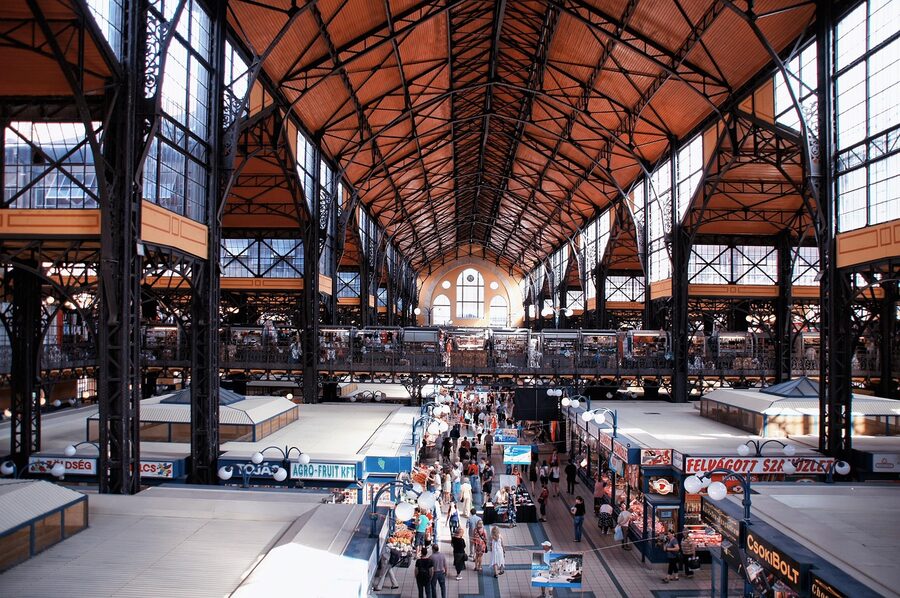
Budapest has had a serious food scene for the last 15 years or so. The chimney cake workshop fits between the casual street-vendor tier (palacsinta, lángos, kürtőskalács at every market) and the formal restaurant tier (paprika-led classics in proper sit-down places). It’s hands-on without being a six-hour commitment.
If you’ve enjoyed the workshop and want more food-focused activities, the natural follow-ons are: a guided walking tour that includes the Great Market Hall and the cafe district, or a self-guided pastry crawl through the historic confectioneries (Auguszt, Művész, Centrál) where you can taste the kürtőskalács alongside dobos torta and rétes.
The other thing worth knowing: the workshop teaches you a recipe you can actually use at home. You don’t need a wooden spit — a clean, oiled rolling pin or a stainless steel can works. The dough is identical to a brioche base. People dismiss this because they assume you’ll never bake it again. Most don’t. But the recipe card is genuinely workable, and Lena has now made these twice in her London kitchen using a metal can wrapped in baking paper. Both times: not as good as Kató Néni’s, but better than store-bought.
What about the City Park version specifically?
The City Park workshop deserves its own mention because it’s the one most people overlook. The booking platforms surface the City Center location first because of search volume, but if you’re staying anywhere east of the Andrássy Avenue area, the City Park workshop is closer.
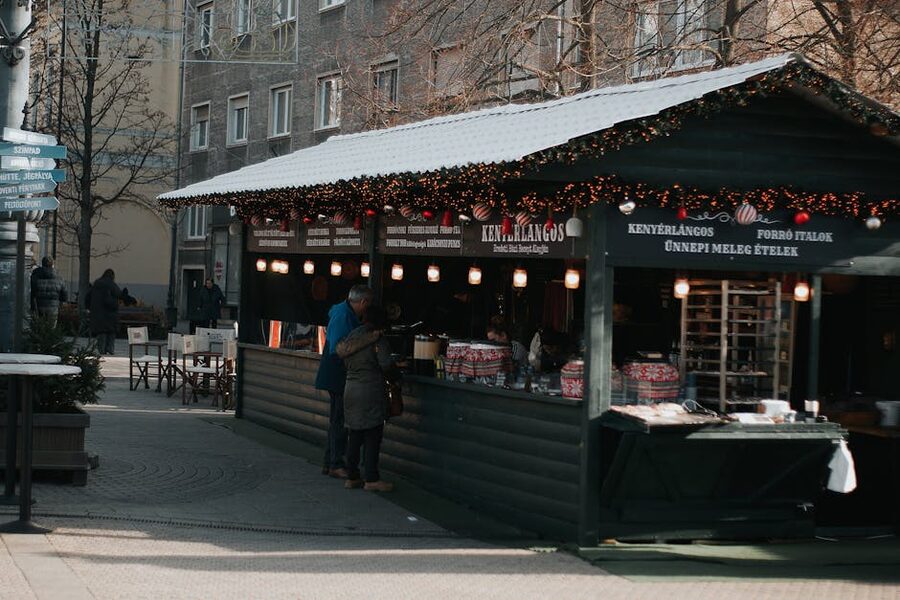
It’s also the one to book if you’re combining with the hop-on hop-off bus — the bus stops at Heroes’ Square, the workshop is a five-minute walk from there. The bus stop for the City Center version is technically closer, but the centre of Pest is so dense with attractions that walking around is faster than waiting for the next bus.
The other small advantage of the City Park version: the space is more open, the group is usually smaller (max 6-8 vs the City Center’s max 12), and you get more individual attention. If you’ve never baked anything in your life, that smaller group dynamic is worth the $6 premium.
Booking platform comparison — GetYourGuide vs Viator vs direct
I’ve checked the prices across all three options and they’re identical to within a dollar or two. The differences are in the small print:
GetYourGuide has the largest inventory — you’ll see all three workshops listed, with daily availability. The cancellation window is 24 hours and the platform absorbs disputes if a class is overbooked. This is what I’d default to.
Viator only carries the City Center workshop — no City Park option. The price is a few dollars cheaper but the booking flow has more upsells (insurance, transfers) you have to actively skip. Worth it if you have Viator credit or you’re already in the Tripadvisor ecosystem.
Direct booking via the bakery’s own website is fine but slower — the confirmation email can take up to 24 hours, where the platforms confirm instantly. Direct booking is the right call only for private group sessions or unusual dietary requests.
Common mistakes I’d avoid
Booking the latest evening slot when you’ve got a flight the next morning. The workshop runs late, you’ll be wired on sugar at 9pm, and packing while smelling like caramel is its own special kind of misery. Aim for an afternoon slot.
Going on an empty stomach. The workshop only formally feeds you the cakes you make yourself, but the smell starts the moment you walk in and you’ll be ravenous before the first one comes out of the oven. Eat a small lunch first — you’ll enjoy the cakes more.
Trying to do the workshop solo when you’re alone in Budapest. It works fine — Lena did exactly this — but most groups are couples or families, so you’ll be the odd one out. If you’re solo and feel weird about that, the tuk-tuk tour or a floating bus tour are better solo activities.
Treating it like a gourmet experience and being disappointed when it’s not. The workshop is a hands-on baking class with friendly staff, not a Michelin-starred pastry tutorial. The cakes are good, the technique is real, but the vibe is summer-camp-craft-table, not Le Cordon Bleu. Match your expectations.

Should you book it?
If you’re in Budapest for more than two nights and you’ve already done the obvious sights — the Parliament, a thermal bath, a Danube cruise — then yes, the workshop is one of the most distinct things you can add. It’s not the cheapest activity in the city. It is one of the few that produces something physical and edible at the end.
If you’re in town for under 48 hours, I’d skip it and go straight to the street-vendor versions instead. You’ll still get the taste, you save 90 minutes, and you can spend that time on something Budapest-specific you can’t get anywhere else — the Parliament tour, a vampires and myths night tour, or even just the views from Buda Castle.
If you’re travelling with kids over 10, or with someone who’s into cooking but never gets the chance, this is the obvious add. It’s also a strong activity for couples — Lena reports that 4 of the 8 people in her class were on dates.
Other Budapest food and culture picks
If the chimney cake workshop has worked for you, the natural next step is a proper guided walking tour that covers the Great Market Hall and the historic cafe district — the same instructors who run the workshops sometimes lead these. A Danube cruise at sunset is a good visual counterpoint to a hands-on activity. If you’re staying through the evening, a ruin bar pub crawl shows you the Budapest you don’t see in the daytime. And for a different kind of immersive experience after the workshop, Cinema Mystica sits about 10 minutes away and is the closest thing to a film-and-light show in the city. The tuk-tuk tour is the easiest way to cover the most ground if you’ve only got a half-day left after the class.
Affiliate disclosure: Some links in this article go to GetYourGuide and Viator. If you book through them, we get a small commission at no extra cost to you. We only recommend tours we’d actually do ourselves.