Maki-e begins with a fine line of lacquer, then a dusting of metallic powder turns that line into a gleaming design. At Inui Shikki, you get to try this centuries-old Japanese craft yourself, with a professional artisan guiding your hand.
I like two things here: you make a personal object rather than just watch a demonstration, and an English- or Chinese-speaking guide can help you ask questions as you work. The artist’s examples around the studio also give you a close look at what the technique can do.
One point to check before booking is the length: the experience is described as one hour, while the schedule gives a 90-minute visit. At US$182.89, that difference matters when you weigh the cost against your available time.
- What makes this workshop worth considering
- From lacquer line to shimmering pattern
- At Inui Shikki, the studio is part of the lesson
- The 90-minute schedule, step by step
- What one hour, or possibly 90 minutes, can teach you
- Is US2.89 a fair price?
- Who will get the most from it
- Booking and practical details
- Should you book the Maki-e workshop?
- FAQ
- How long does the workshop last?
- Where does the workshop take place?
- What can I make?
- Are materials provided?
- Is the class suitable for beginners?
- What language support is included?
- What are the departure times and cancellation terms?
- The Best Of Kyoto!
- More Workshops & Classes in Kyoto
- More Tours in Kyoto
- More Tour Reviews in Kyoto
What makes this workshop worth considering
 1 / 6
 2 / 6
 3 / 6
 4 / 6
 5 / 6
 6 / 6
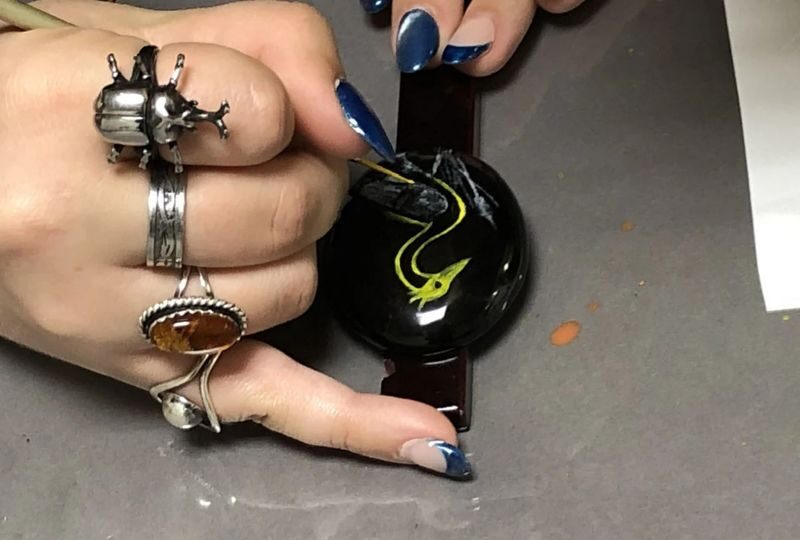
- You apply the metallic powder yourself: Brush a design in lacquer, then add gold or silver powder to bring it to life.
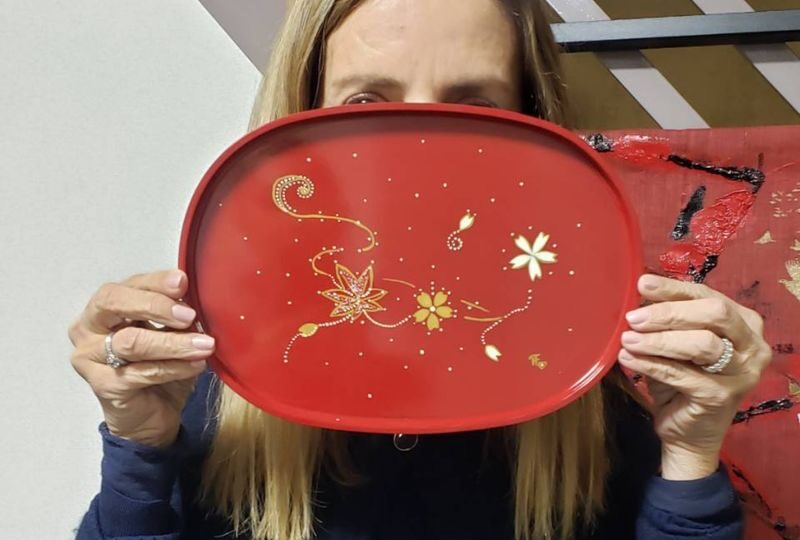
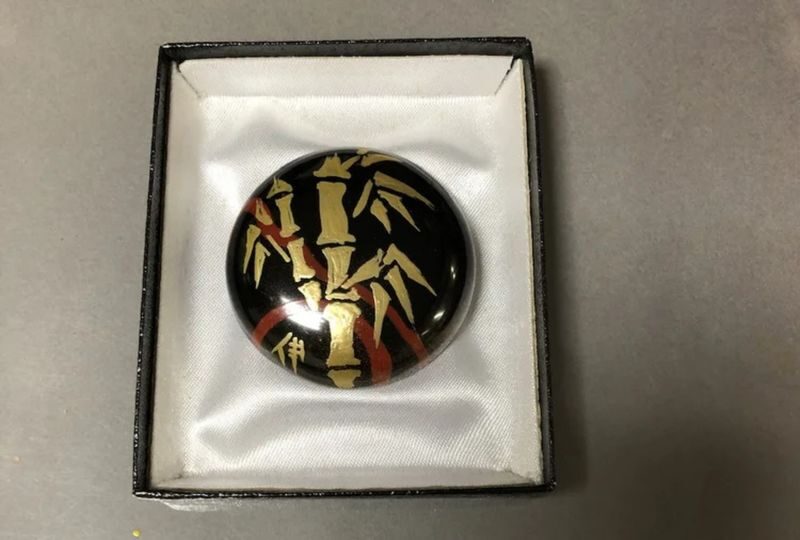
- You leave with a made-by-you keepsake: Choose a tray or brooch, and your finished piece is packaged for you to take home.
- The craft has a long tradition: Maki-e is a centuries-old Japanese method of decorating lacquerware with metallic powders and pigments.
- Questions are part of the lesson: A professional artisan leads the work, with an English- or Chinese-speaking guide to help you communicate.
- You do not need prior experience: The process is described as suitable for beginners, and materials are provided.
👉 See our pick of the We Rank Kyoto’s 15 Top Workshops & Classes
From lacquer line to shimmering pattern
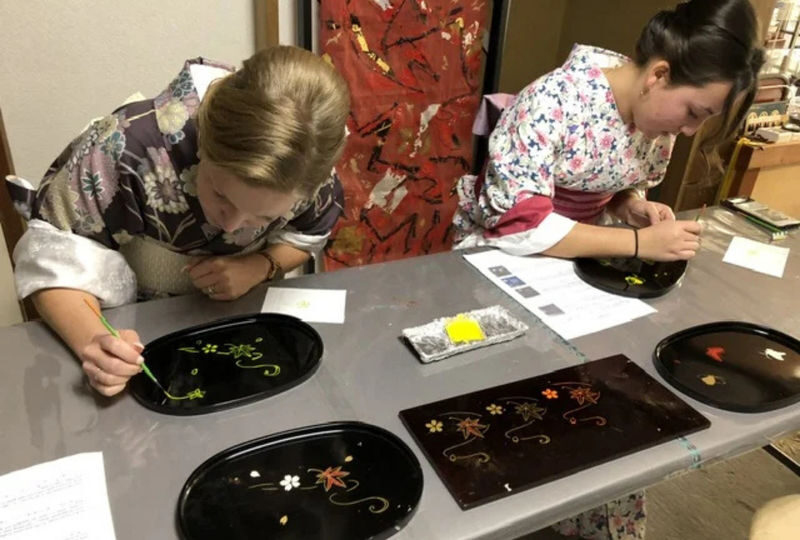
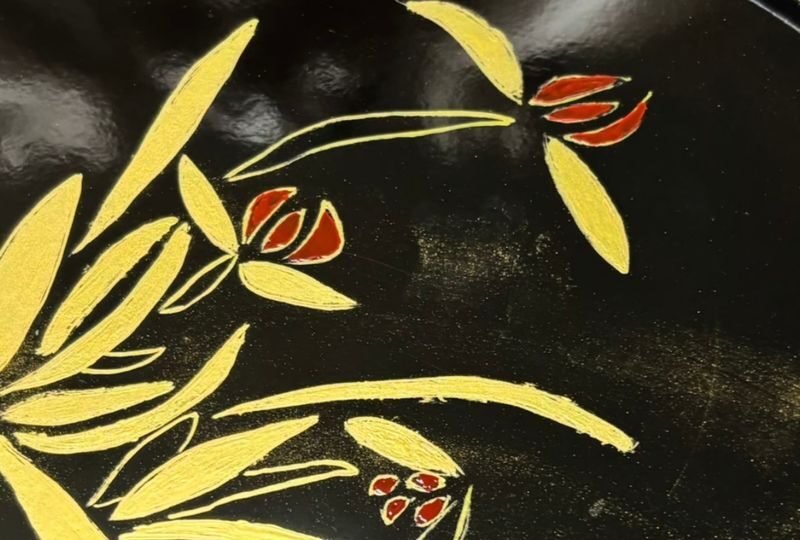
Maki-e means decorating lacquerware by sprinkling metallic powder over a design painted in lacquer. The basic steps sound simple, but the appeal is in the care they require: you brush delicate lines, then add powder while the lacquer is ready to hold it. A small change in pressure or placement can change the look of a mark.
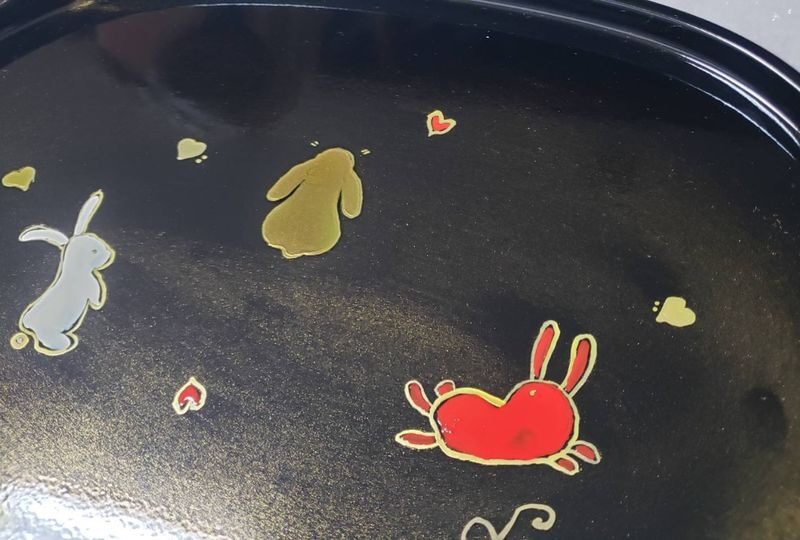
At Inui Shikki, you make your own piece under an artisan’s direction. You can work with a seasonal motif or choose a playful, modern pattern. That choice makes the workshop personal without requiring you to invent a complicated design from scratch.
You may work on a tray or a brooch. The available information does not say whether you can select your object in advance, so ask when booking if one matters to you. Either way, this is more than a souvenir purchase: you take part in the process that gives the object its distinctive finish.
The materials include urushi lacquer and metallic powders, with gold or silver mentioned for the decoration. All materials are provided. You do not need to bring tools or supplies, which makes the class easy to fit into a Kyoto day.
You can also read our reviews of more tours and experiences in Kyoto

At Inui Shikki, the studio is part of the lesson
The workshop takes place at Inui Shikki, at 637 Heinouchicho, Nakagyo Ward, Kyoto, 604-0884. The studio is the destination, not a large museum or a broad sightseeing tour. The focus stays on the craft and the work in front of you.
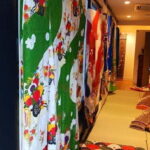
Examples of the artist’s work are displayed around the shop. Take a moment to look at them before you start. They offer a useful sense of how fine lines and metallic powder can build a finished pattern, and may help you decide what kind of design you want to try.
A professional artisan leads the instruction. An English- or Chinese-speaking guide is included, which can make a precise, unfamiliar process easier to follow. In particular, you can ask questions as you work rather than relying only on a short introduction. The artisan’s name is not provided, so do not expect to book a session with a particular named teacher.
The studio setting also shapes the pace. Maki-e calls for attention to small details, not speed. If you like hands-on activities where you can concentrate quietly, that is part of the draw. If you prefer lively group interaction or a fast-moving class, this may feel more subdued.
The 90-minute schedule, step by step
The schedule begins at your selected departure time, then takes you to Inui Shikki for a guided workshop before returning. The listed options are 10:00, 13:00, and 16:00, with return times of 11:30, 14:30, and 17:30. Available return times may vary according to your chosen departure and the itinerary.
There is a mismatch worth resolving: the summary calls the activity one hour, but the workshop itinerary lists 1 hour 30 minutes. The departure and return slots also span 90 minutes. Plan around the longer window unless the operator confirms otherwise, and leave breathing room in your Kyoto schedule.
At the studio, expect to learn the basic method and then make your own design. You will brush lacquer, add metallic powder, and see the decoration take shape. The process is described as beginner-friendly, but it still asks for a steady hand and patience. There is no need to arrive with a polished artistic plan. A simple motif can be a sensible starting point.
At the end, your work is packaged for you to take home. No further details are provided about drying time, delivery, or how to care for the finished object, so ask the artisan or guide before you leave if you want to know how to handle it safely.
The schedule’s departure and return labels do not explain how you travel between the meeting point and the studio. Do not assume that transport is included. Check the meeting instructions and map after confirmation so you know where to meet and how to reach the workshop.
What one hour, or possibly 90 minutes, can teach you
You will not master a centuries-old art form in a short class, and that is not a fair standard for judging it. The value is in learning the essential gestures and seeing how an artisan’s craft works at close range. One participant who had hoped to learn about Maki-e for years left inspired to experiment further after carefully painting and powdering a design.
That account also points to a useful expectation: this is an introduction, not a full technical course. There is only so much that can fit into a short session. You get a taste of the materials and method, and a finished object that recalls your time in Kyoto. If you want to study lacquer techniques in depth, ask what can realistically be covered before you book.
The chance to ask questions adds value, especially if you are curious about how the powder is applied or what distinguishes the artist’s work. The English- or Chinese-speaking guide can help bridge the conversation. That support matters in a craft class, where a quick verbal explanation may be as useful as watching a demonstration.
Is US$182.89 a fair price?
At US$182.89, this is a costly one-hour activity by ordinary sightseeing standards. The itinerary suggests that the actual appointment may occupy 90 minutes, but the conflicting duration should be clarified before you commit. The price makes the most sense if you want the instruction, access to a working lacquer studio, supplied materials, and a handmade object to keep.
Compare it with a museum visit or a casual craft activity and it will look expensive. Compare it with a guided, specialist-led session that gives you a personal result, and the price may feel more reasonable. You are paying for direct instruction in a traditional technique, not simply for a small object. Still, the data does not specify the finished piece’s size, the number of participants, or the amount of individual help. If those details matter to you, ask before booking.
For someone who has long wanted to try Maki-e, the combination of hands-on work and an artisan’s guidance may justify the cost. For a casual visitor seeking a low-cost activity or a broad introduction to Kyoto culture, there are likely better fits. Keep your expectations tied to a short workshop, not a full apprenticeship.


Who will get the most from it
This suits you if you enjoy making things, value traditional craft, or want a souvenir with a story behind it. It may be especially rewarding if Maki-e has caught your interest for years: you can ask questions, see examples of the artist’s work, and try the central technique yourself.
Beginners are welcome, and the activity has no age limit. That does not mean every child will enjoy a careful, detail-focused process, so consider the child’s patience and interest rather than relying on an age rule alone. The class is also a good match for solo visitors or pairs who prefer a calm, focused activity to a packed sightseeing schedule.
You may want to skip it if you are mainly looking for a long class, a low-cost souvenir, or a guaranteed lesson in advanced techniques. The workshop is brief, and no group size or exact teaching format is specified. It is sensible to ask how much one-to-one guidance you can expect if that is central to your decision.
Booking and practical details
Choose from the 10:00, 13:00, or 16:00 departure slots, and attend the time selected at booking. The meeting time is confirmed after booking, so check your confirmation carefully. You are asked not to arrive too early because the artisan may still be preparing and the guide may not yet be there. Late arrivals and no-shows are not refundable.
Confirmation is expected within 48 hours. If it does not arrive, contact customer support. The voucher is valid only on the date and time specified. Cancellations made at least 24 hours before the activity date, in Kyoto local time, qualify for a full refund.
Outside food and drinks are not allowed. Anyone who appears intoxicated may be refused service without a refund. The activity includes an English- or Chinese-speaking guide, but other personal expenses are not included.
Should you book the Maki-e workshop?
Book it if you want to do more than look at Kyoto’s traditional arts from behind glass. You will work with lacquer and metallic powder, get guidance from a professional artisan, and leave with a packaged object you made yourself. The studio’s displayed examples and the opportunity to ask questions add useful context to the hands-on part.
Pause if the price feels steep for a short class, or if you need a firm one-hour schedule. Confirm whether the session is one hour or 90 minutes, and ask about the object you will make and the transport arrangements. If those details suit your plans, this is a focused, personal way to spend part of a Kyoto day.
Kyoto: Maki-e Lacquer Art Workshop
“I loved this experience! I have been wanting to experience and learn more about maki-e for years. The sensei is an experienced maki-e artist and wo…”
FAQ
How long does the workshop last?
The activity summary says one hour, but the itinerary lists a 1-hour-30-minute guided visit. The time slots also run 90 minutes from departure to return. Confirm the expected duration before booking.
Where does the workshop take place?
It takes place at Inui Shikki, 637 Heinouchicho, Nakagyo Ward, Kyoto, 604-0884, Japan.
What can I make?
You can create a gold-decorated tray or brooch using lacquer and metallic powder. The available information does not say whether you can choose the object in advance.
Are materials provided?
Yes. All materials for the workshop are provided.
Is the class suitable for beginners?
Yes. The process is described as beginner-friendly, and the activity has no age limit.
What language support is included?
An English- or Chinese-speaking guide is included, alongside instruction from a professional artisan.
What are the departure times and cancellation terms?
Departure options are 10:00, 13:00, and 16:00. You can get a full refund if you cancel at least 24 hours before the activity date, using Kyoto local time.