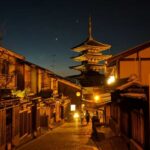
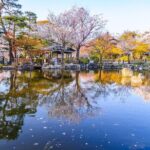
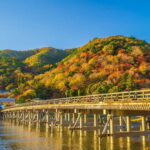
Kyoto’s great challenge is that its famous sights are scattered across the city. This day trip links Nijo Castle, Arashiyama, Kinkaku-ji, and Fushimi Inari in one long circuit, with transport between them and time to explore on your own.
I like two things in particular: the range of sights, from a shogun’s palace to a mountain shrine, and the mix of guided context with independent time. Guides such as Chris, Anson, Jack, Cali, and Fiona have been praised for clear explanations, practical help, and even taking group photos.
The trade-off is a full day with several stops and fixed departure times. You’ll see a lot, but you won’t linger long at every place, and admission to Nijo Castle and Kinkaku-ji is extra.
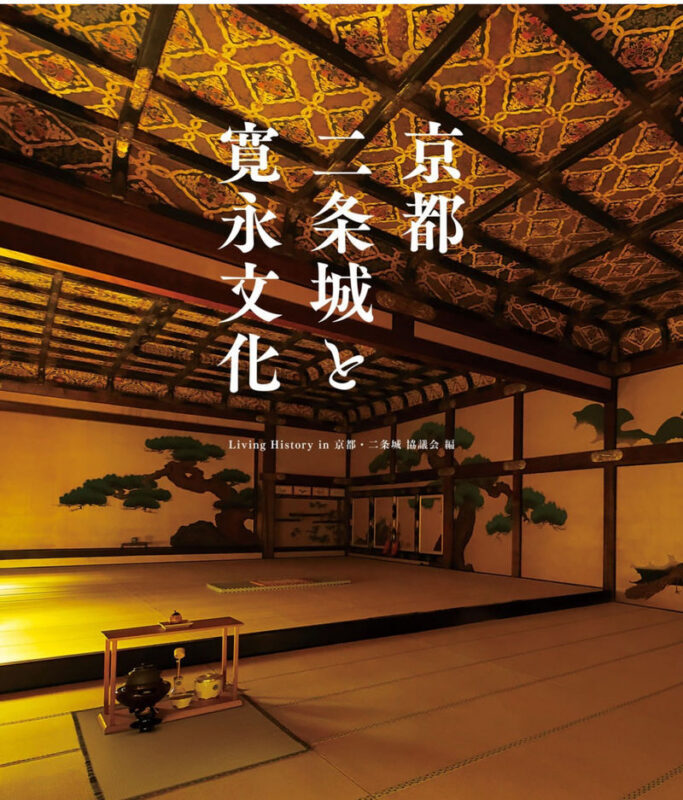
- Nijo Castle’s floors sing underfoot: The Ninomaru Palace corridor makes a birdlike sound when walked on, a clever security feature as well as a memorable detail.
- Arashiyama gets about two hours: That time covers the bridge, bamboo grove, Kimono Forest, and nearby shrine sights, so choose your priorities.
- Kinkaku-ji is a short, 40-minute visit: You can see the gold-leaf pavilion reflected in its pond, but the entry fee is not included.
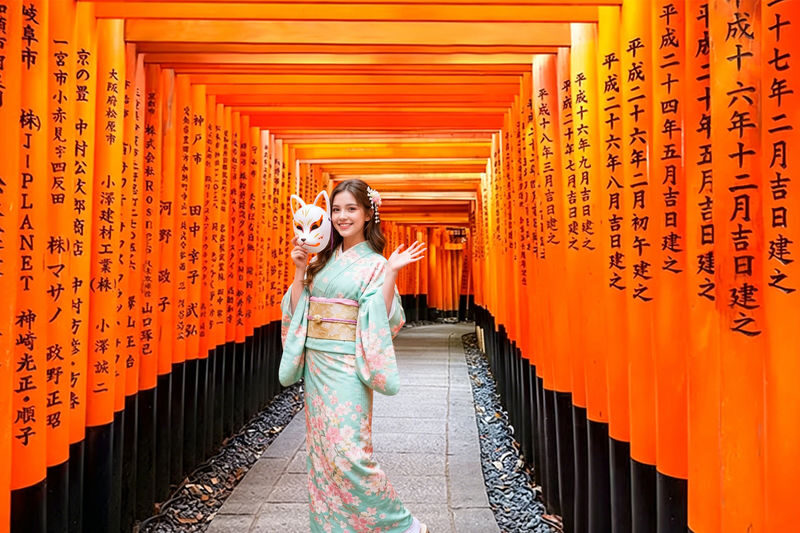
- Fushimi Inari gets about 70 minutes: Walk beneath rows of red torii gates, with time to explore part of the shrine grounds.
- The guide helps, but the stops are self-guided: Expect commentary and practical pointers, not a personal tour through every building.
- Transport is the main value: Round-trip transfers, fuel, tolls, and parking are included, which saves you from stitching together distant sights by train and bus.
- One day across Kyoto’s far-flung sights
- Nijo Castle’s clever singing floors
- Arashiyama: bridge, bamboo, and Kimono Forest
- Kinkaku-ji: a brief look at Kyoto’s golden icon
- Fushimi Inari’s rows of red torii
- What the guide adds, and what remains independent
- Is the .85 starting price good value?
- Practical details before you go
- Should you book this Kyoto day trip?
- FAQ
- How long is the tour?
- Where can I depart from?
- What is included in the price?
- Are Nijo Castle and Kinkaku-ji admission fees included?
- How much time is allowed at each stop?
- Is the tour fully guided at every attraction?
- Is the tour wheelchair- or stroller-accessible?
- What happens if Nijo Castle is closed?
- The Best Of Kyoto!
- More Historical Tours in Kyoto
- More Tours in Kyoto
- More Tour Reviews in Kyoto
One day across Kyoto’s far-flung sights
 1 / 9
 2 / 9
 3 / 9
 4 / 9
 5 / 9
 6 / 9
 7 / 9
 8 / 9
 9 / 9
This is a highlights tour, not a slow tour of Kyoto. The sites are spread across different parts of the city, and arranging the same circuit independently means working out several transfers, keeping an eye on the clock, and navigating around busy attractions.
The coach does the connective work. You can spend the ride listening to the guide’s background on Kyoto and its landmarks, then use your time at each stop as you choose. That blend works well if you want some context without being led from room to room.
The day is scheduled from morning departure to around 5:30 p.m., with return times varying by drop-off point and traffic. A Kyoto Station return is listed around 5:30 to 6:30 p.m.; the Osaka return to Kintetsu Nipponbashi is around 6:30 to 7:30 p.m. Weather and traffic can shift the schedule, so don’t plan a tight evening connection.

👉 See our pick of the We Rank Kyoto’s 15 Top Workshops & Classes
Nijo Castle’s clever singing floors
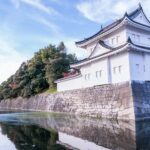
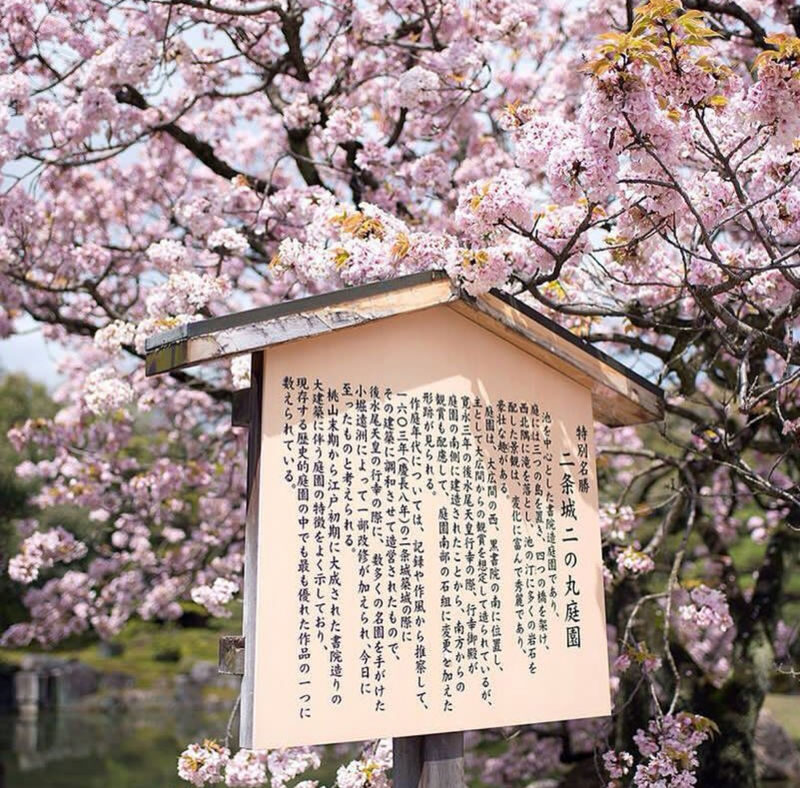
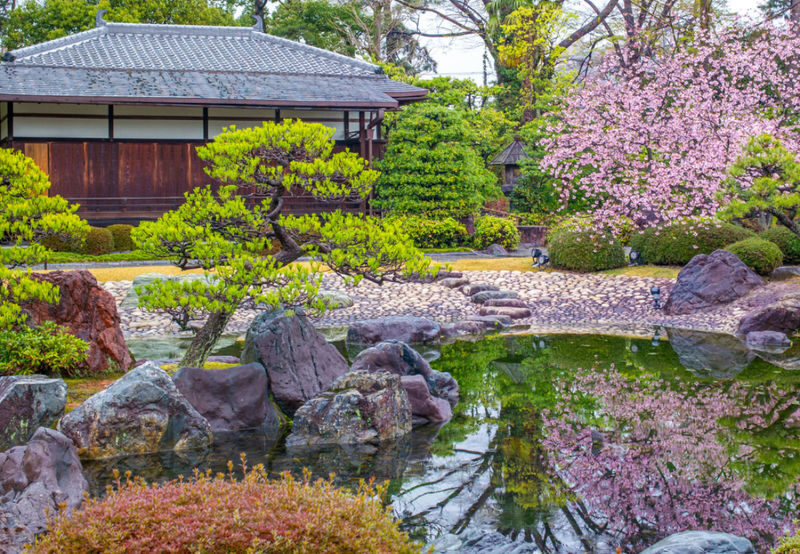
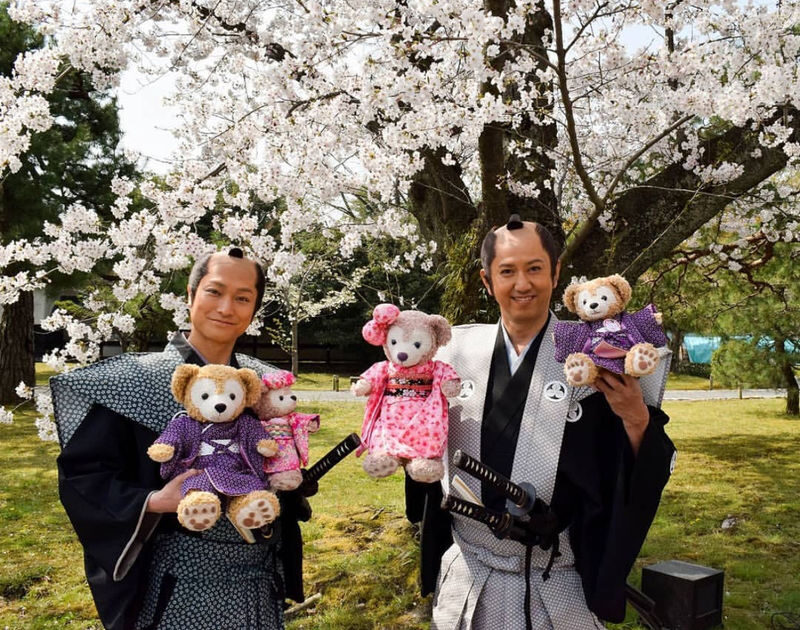
The day begins at Nijo Castle, a World Heritage Site and former shogun’s residence. Its Ninomaru Palace is known for corridor floors that chirp like nightingales as people walk over them. The sound was designed to alert guards to intruders, turning a practical security measure into one of the site’s most distinctive details.
You get about an hour here to explore independently. Look for the palace’s architecture and gardens, and give yourself time to notice the floor sound rather than rushing straight through. The guide can set the historical scene, but you should expect to make your own way around.
There is a seasonal complication: if Nijo Castle is closed, the alternate stop is Heian Shrine Garden. The supplied closure information lists Tuesdays in January, July, August, and December, as well as December 26 through January 3. Check the date-specific plan before booking if seeing Nijo Castle is a main reason for you to join.
Admission to Nijo Castle is not included. Add that cost to your budget, along with the separate Kinkaku-ji entry fee later in the day.
You can also read our reviews of more historical tours in Kyoto



Arashiyama: bridge, bamboo, and Kimono Forest
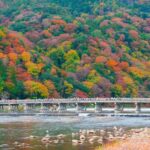
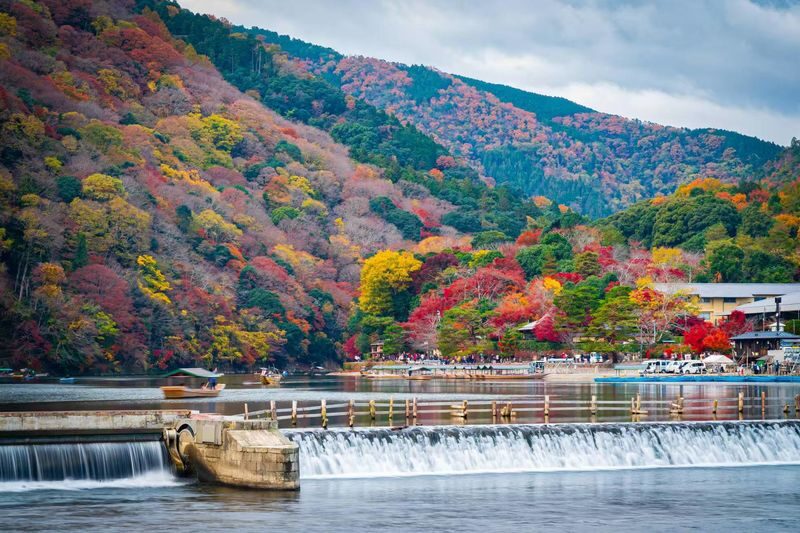
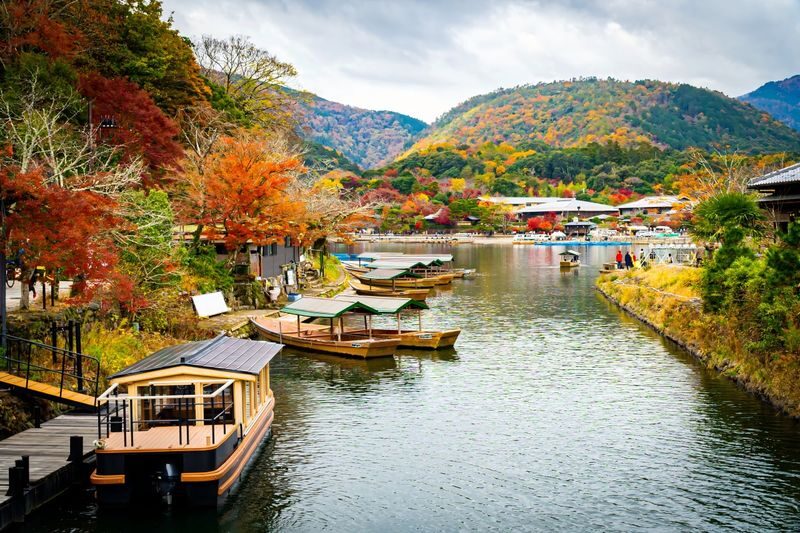
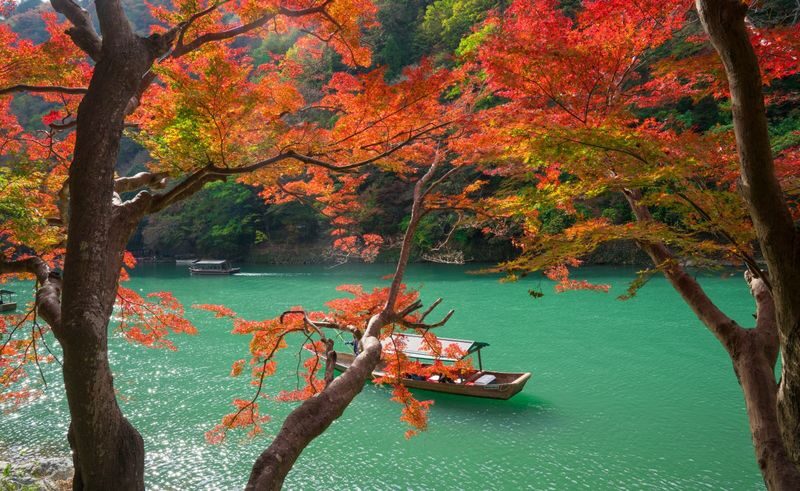
Arashiyama receives the longest stop, about two hours. That sounds generous, but the area includes several sights: Togetsukyo Bridge, the bamboo grove, Kimono Forest, and Nonomiya Shrine. You will need to decide how to divide your time, especially if you want photos and a relaxed meal.
Togetsukyo Bridge is the area’s signature river crossing. It offers a straightforward place to pause and take in the surrounding hills and water, with seasonal scenery that changes through the year. Spring blossoms and autumn leaves are especially noted, but the view has its own appeal in any season.
The Sagano Bamboo Forest is the famous path through tall bamboo. It is atmospheric, though it is a short walking route rather than a large, secluded forest. The tour gives you a chance to see it without planning the route yourself, but don’t expect to have the path to yourself or to spend the whole two-hour stop there.
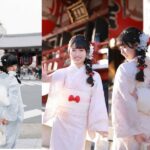
Kimono Forest offers a different kind of photo stop. Its hundreds of pillars are covered in Kyoto Yuzen textile designs, displaying patterns associated with traditional kimono fabric. It is visually striking and easy to fit into a walk around the area.
Nonomiya Shrine is also included among the sights to visit. It is associated with wishes for love, health, and happiness. With several attractions sharing the same stop, keep an eye on the return time and avoid drifting too far from the meeting point.
Tenryu-ji is named among the area’s attractions, but the scheduled Arashiyama time is self-guided. Confirm what is included before assuming that temple admission or a guided visit is part of the day.
Kinkaku-ji: a brief look at Kyoto’s golden icon
Kinkaku-ji, the Golden Pavilion, gets about 40 minutes. Its upper exterior is covered in gold leaf, and the pavilion’s reflection in the pond is the view that makes the visit memorable. The setting is carefully composed, with the building, water, and garden framing one another.
This is a focused stop rather than an extended temple visit. Follow the marked route, take time for the main view, and expect to move with the flow of people. If you want a long, quiet garden visit, the time allowance may feel short.
Kinkaku-ji admission is not included. Remember this when comparing the tour’s starting price with the full cost of your day.
Fushimi Inari’s rows of red torii
The final major stop is Fushimi Inari Taisha, with about 70 minutes to explore. Its Senbon Torii, the famous rows of red gates, extend up the mountain and create a striking passage through the shrine grounds. There are more than ten thousand gates across the full route, so this visit gives you a taste rather than a complete walk to the top and back.
You can move at your own pace and turn around when your time is nearly up. The gates are a highlight, but the shrine is also a place of worship, so take a moment to notice the religious setting beyond the familiar photo angles.
The shrine is traditionally associated with Inari, a deity connected with rice and prosperity. The tour description frames it as a place to pray for wealth and career success. You can make a wish if that appeals, but the practical point is simple: allow time to enjoy the route and still return to the coach promptly.
What the guide adds, and what remains independent
The guide is an important part of this tour, but set your expectations correctly. The stops are mostly self-guided: you are not being escorted through every palace room or along every path. The guide provides background, explains where you are going, and helps keep the day moving.
Names praised for their explanations and group care include Chris, Anson, Jack, Cali, and Fiona. Their reported strengths include sharing historical context before arrival, answering questions, offering tips on food or shops, and helping take photos. A specific guide cannot be guaranteed, so treat those names as examples of the style rather than a promise.
That format suits people who like a little orientation and then freedom to explore. It is less suitable if you want long, detailed commentary at each monument or a guide beside you for the entire visit.
You can also read our reviews of more tours and experiences in Kyoto

Is the $44.85 starting price good value?
At a starting price of $44.85, the main value is transport and time saved. Round-trip transfers, tolls, parking, fuel, environmental fees, and an English-speaking guide are included. Four major sightseeing areas in one day would take more planning and more transport changes on your own.
The price is not the whole budget. Nijo Castle and Kinkaku-ji admission, meals, drinks, and personal spending are extra. If you are comparing the tour with public transport, include both admission fees and the value of having someone else manage the connections.
The tour is most useful if you are short on time, staying in Osaka or Kyoto, or want a straightforward first look at the city’s best-known sights. If you have several days in Kyoto, you may prefer to visit fewer places at a gentler pace and give each more time.
Practical details before you go
Departure options are listed for Osaka and Kyoto, with the exact meeting point and time depending on your selected package. The schedule lists 8:00 and 9:00 departures, so check your booking carefully and arrive 15 minutes early. Late arrivals and no-shows are not refundable.
Tour-guide information is sent by email at about 6:00 p.m. the day before departure. Check your spam folder if it does not appear in your inbox. The tour is offered with English-speaking and Chinese-speaking guides, and an English and Chinese option with Osaka hotel pickup and drop-off is also listed.
Bring comfortable walking shoes, water, and a plan for the extra admission costs. The route includes several outdoor areas and walking between sights. The activity is not recommended for people with limited mobility, pregnancy, or certain medical conditions, and it is not wheelchair- or stroller-accessible. Children and infants must be included in the passenger count; child seats are unavailable. The stated luggage allowance is two standard-sized pieces.
Should you book this Kyoto day trip?
Book it if you want to connect Kyoto’s major sights in one day without managing every transfer yourself. You’ll get a useful overview, a guide to add context, and independent time at each stop. It is especially practical as a day trip from Osaka.
Skip it if your priority is a slow visit, long temple stays, or detailed guiding inside each site. The pace is brisk by design, and the Arashiyama and Fushimi Inari stops require you to pick what matters most. For a first visit with limited time, the range and included transport make this a sensible choice, as long as you budget for admission and accept that Kyoto deserves more than one day.
Kyoto World Heritage and Popular Attractions Day Trip: Nijo Castle & Kinkaku-ji (Golden Pavilion) & Fushimi Inari-taisha Shrine’s Thousand Torii Gates & Arashiyama Togetsukyo Bridge & Kimono Forest & Bamboo Grove (Departure from Osaka or Kyoto)
“Ben is friendly and funny. He puts into details to explain the individual tourist destinations & history. Professional service especially having to…”
FAQ
How long is the tour?
The tour lasts about 9.5 hours. The listed day runs from a morning departure to around 5:30 p.m., though return times vary by drop-off point and conditions.
Where can I depart from?
Departure options are available from Osaka and Kyoto. A separate package with English and Chinese guiding includes Osaka hotel pickup and drop-off.
What is included in the price?
The price includes an English-speaking guide, round-trip transfers to and from the meeting point, tolls, parking, environmental fees, and fuel.
Are Nijo Castle and Kinkaku-ji admission fees included?
No. Admission to both Nijo Castle and Kinkaku-ji is not included.
How much time is allowed at each stop?
The schedule allows about one hour at Nijo Castle, two hours in Arashiyama, 40 minutes at Kinkaku-ji, and 70 minutes at Fushimi Inari.
Is the tour fully guided at every attraction?
No. The stops are listed as self-guided. The guide provides information and helps manage the day, while you explore each site independently.
Is the tour wheelchair- or stroller-accessible?
No. The activity is not wheelchair- or stroller-accessible, and it is not recommended for people with impaired physical mobility.
What happens if Nijo Castle is closed?
The alternate visit is Heian Shrine Garden. The closure information lists Tuesdays in January, July, August, and December, and December 26 through January 3.