The useful idea here is simple: choose several organized tours across Japan with one pass, instead of buying each activity separately. I like the choice of regions, from Mount Fuji and Kamakura near Tokyo to Kyoto and Nara in Kansai, and I like that the pass can reduce the combined price by as much as 46% for some combinations.
One thing to watch: this is a pass for selecting tours, not one fixed itinerary, so you need to check the exact stops and departure details for each activity before you commit. The tour information also lists transport as both included and not included, so confirm what applies to your chosen tours.
Key points to know
- Pick two, three or four standard tours: The listed starting prices are $85.35, $113.79 and $139.05, respectively.
- Choose from three broad regions: Tokyo-area tours include Mount Fuji, Hakone, Yokohama, Kamakura and Enoshima; Kansai options include Kyoto, Nara, Arashiyama and Amanohashidate; Nagoya-area choices include Shirakawa-go and Hida Takayama.
- Mount Fuji trips are a popular choice: Tour feedback repeatedly singles out guides such as Jack, Linda, Tom, Mika and Kosei for clear explanations, helpfulness and good organization.
- Reserve each tour in advance: Places are limited, and a chosen activity may be unavailable by the time you try to book it.
- Each selected tour can be used once: The pass is tied to one person, and you cannot leave a group tour partway through and claim a refund for the rest.
- Check the details before paying: Tour times, meeting points, transport and included stops depend on the specific activity you select.

👉 See our pick of the 8 Most Highly Rated Private Driver Services In Fujiyoshida
- Key points to know
- A pass, not a single Japan itinerary
- Mount Fuji from the Tokyo area
- Kamakura, Enoshima and Yokohama by the sea
- Kyoto, Nara and the wider Kansai choices
- Shirakawa-go and Hida Takayama from Nagoya
- What the price buys, and what it does not
- Booking details worth checking before you go
- Who gets the most from this pass
- Should you book it?
- FAQ
- How many tours can I book with the pass?
- What destinations can I choose from?
- How much does the pass cost?
- Is transport included?
- Do I need to reserve the tours in advance?
- Can I get a refund if I do not use the pass?
- Do children pay a different price?
- The Best Of Fujiyoshida!
- More Tours in Fujiyoshida
- More Tour Reviews in Fujiyoshida
A pass, not a single Japan itinerary
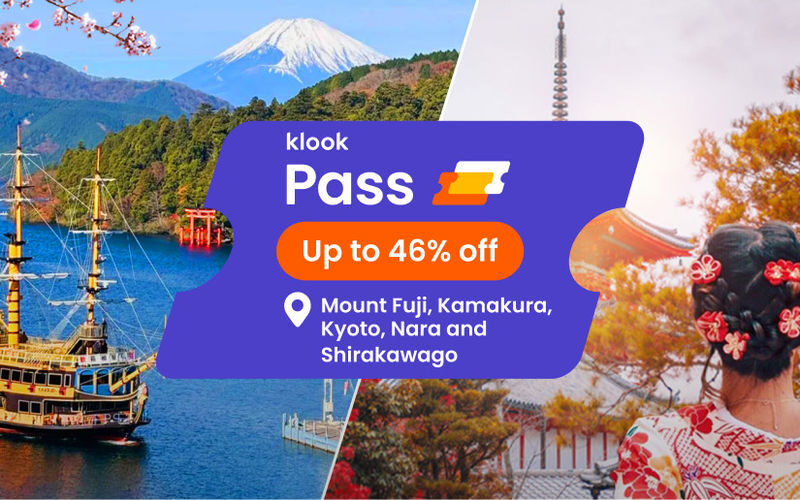
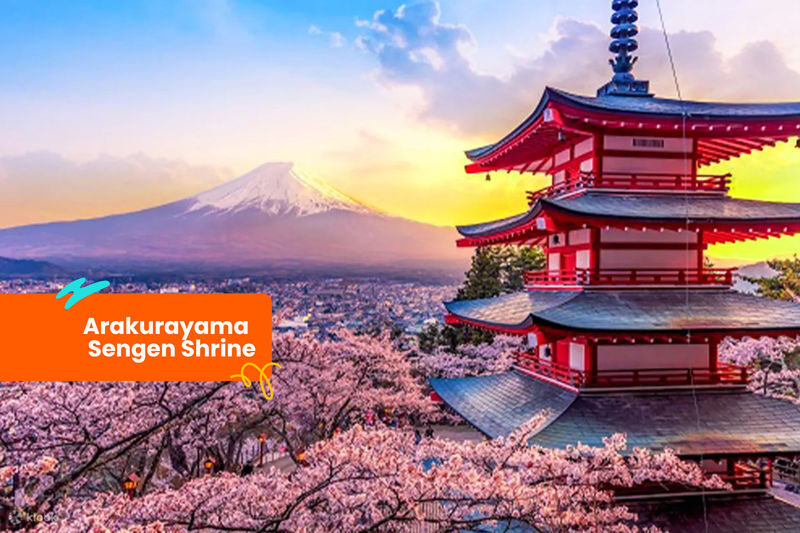
The name may sound like one package that takes you from Mount Fuji to Kyoto, Nara and Shirakawa-go. In practice, it is a pass that lets you reserve a set number of standard tours from a menu of destinations. You choose two, three or four tours, then make a separate reservation for each one.
That distinction matters. You are not necessarily travelling from one region to another as part of one continuous guided trip. Tokyo, Kansai and Nagoya are separate starting areas, so the pass makes the most sense if you are already planning time in more than one of them, or if you want several day trips from a single base.
The available destinations cover a good range of Japan’s best-known sights: a mountain and lake region, historic temples, coastal towns, a deer park, traditional farmhouses and old streets. But the pass does not guarantee every listed place in one itinerary. Check the specific tour page for its stops and schedule before treating a destination as included.
You can also read our reviews of more tours and experiences in Fujiyoshida.

Mount Fuji from the Tokyo area
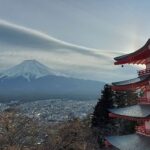
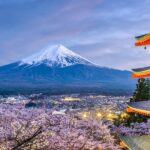
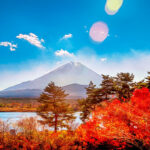
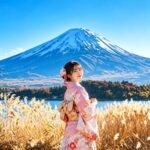
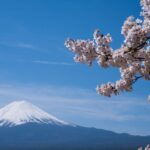
Mount Fuji is the headline choice, and it is easy to see why. Japan’s highest mountain changes with the season, and its shape is an enduring sight from the surrounding region. A guided trip can make the day simpler than arranging multiple connections yourself, especially if you want to visit several viewpoints or stops in one outing.
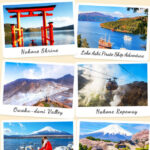
The Mount Fuji trips in the available choices may also include Hakone or the Five Lakes region. Those areas offer different ways to experience the mountain, so inspect the tour description rather than assuming that every Mount Fuji tour follows the same route. One traveler specifically described a Hakone and Five Lakes outing as well paced, with enough time at its stops. That is the sort of detail worth looking for: a long list of stops is less useful if each visit feels hurried.
The feedback on guides is a particular strength. Jack is repeatedly praised for being friendly, patient and informative, while Linda, Tom, Mika, Marafa and Kosei also receive warm mentions for their help, explanations and planning. Kosei, for example, was described as keeping activities running smoothly, and one guide was credited with explaining the history of Mount Fuji along the way. You cannot choose a specific guide from the information here, but the names give you a sense of the human side of these trips.
The tradeoff is the mountain’s weather. The tour description notes that each season brings different scenery, but it does not promise a clear view of Fuji on your date. If seeing the peak is your main reason for booking, treat the view as weather-dependent and consider whether the other planned stops would still make the day worthwhile.
Kamakura, Enoshima and Yokohama by the sea
The Tokyo-area menu also includes coastal options. Kamakura brings temple visits and the Great Buddha, a strong pick if you want a day with history and religious sites rather than a mountain viewpoint. Enoshima offers island trails and sea views, while Yokohama is known for its waterfront and food.
These destinations can work well if you want variety in a Tokyo stay. Kamakura and Enoshima pair cultural sights with the coast, while Yokohama offers a different urban feel. Fresh seafood is one of the draws mentioned for the area, but meals are not listed as included, so check the details of the particular tour and budget for personal expenses.
As with the Fuji choices, do not assume that every coastal trip covers all three places. The pass gives you access to a selection of tours, not a promise that Kamakura, Enoshima and Yokohama will be bundled together. Read the selected tour’s stops carefully, especially if one landmark is the reason you are booking.
Kyoto, Nara and the wider Kansai choices
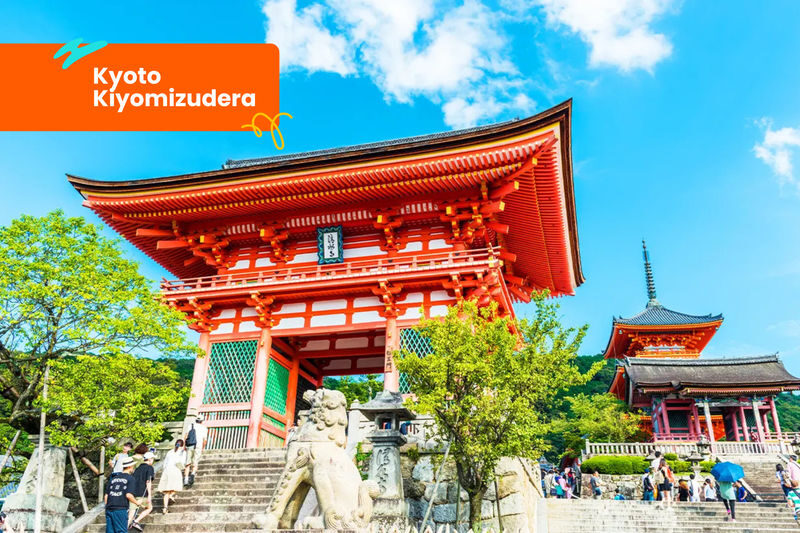
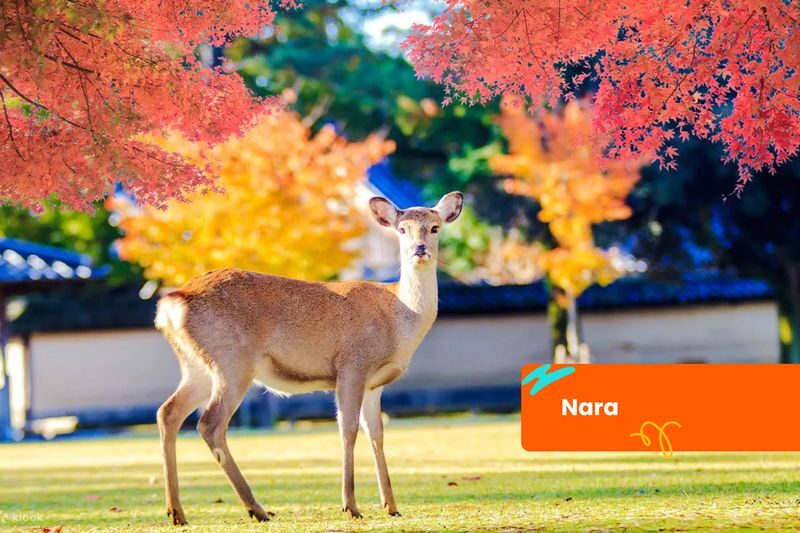
Kansai’s options put temples, old cultural sites and nature within reach of a guided trip. Kyoto is known for its historic temples, and Arashiyama is associated with its famous bamboo grove. Nara offers major temples and the deer that roam in the area. These are distinct experiences, so choosing tours according to your interests is more useful than trying to collect destinations like stamps.
A day tour can help you cover ground, but the package information does not specify how long you will spend at each attraction or how much free time is built in. If you care about lingering at a temple or taking a slower walk, check the itinerary and timings before reserving. The tour operator may adjust the order of stops, or remove a stop in special circumstances such as traffic or poor weather, with the group’s consent.
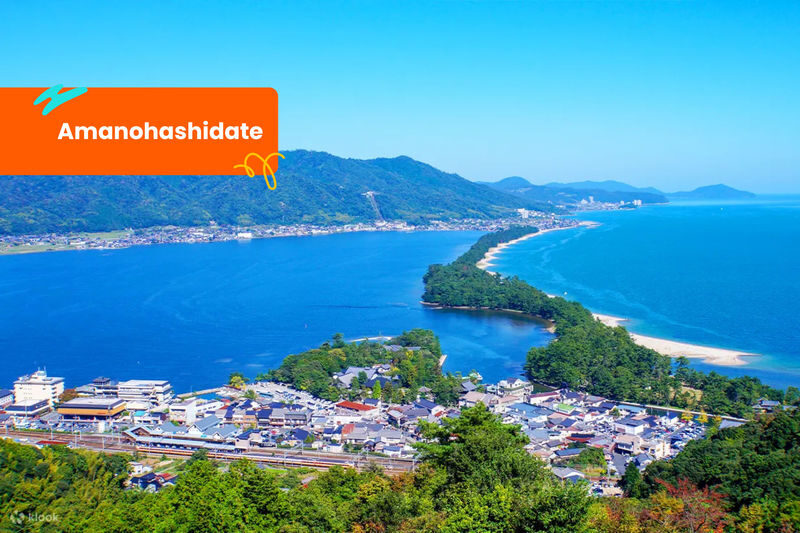
Amanohashidate is another Kansai option, known for its coastal view and counted among Japan’s Three Scenic Views. It is a more distant-feeling choice than a Kyoto city outing, so compare the tour’s travel time and stops with what you hope to see. If your priority is a compact cultural day, Kyoto or Nara may suit you better. If you want a notable coastal view, consider Amanohashidate.
Shirakawa-go and Hida Takayama from Nagoya
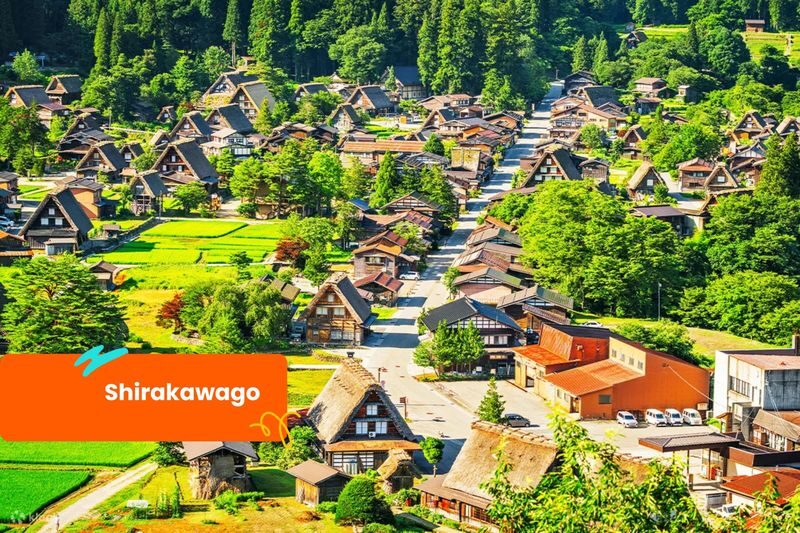
The Nagoya-area choices offer a different kind of day out. Shirakawa-go is known for its gassho-zukuri farmhouses, whose steep thatched roofs were designed to handle heavy snow. The distinctive roofline is the main reason to go, and the village gives you a clear sense of how local building traditions responded to the climate.
Nearby Hida Takayama adds preserved Edo-period streets, traditional markets and festivals. Together, the two places offer a contrast between rural architecture and a historic town setting. As with every region, check whether your chosen tour combines them or focuses on one. The pass does not mean all Nagoya-area sights are automatically covered.
These trips are best for people with Nagoya in their plans, rather than anyone expecting a convenient add-on from Tokyo or Kyoto. The information provided does not state tour duration, travel time or exact departure point, so confirm those details before you book.
What the price buys, and what it does not
The pass starts at $85.35 for two tours, rises to $113.79 for three and $139.05 for four. The advertised saving can reach 46%, but the discount varies by product combination. That means the lowest starting price does not tell you the value of every possible pairing. Compare the stand-alone price of the exact tours you want with the pass price before buying.
The value is strongest when you already plan to take more than one of these organized trips. You get a set price for multiple reservations, and the pass may cost less than purchasing the same tours separately. It can also make planning easier if you prefer a guide and a group itinerary to arranging every connection yourself.
The value is weaker if you only want one tour, or if your preferred dates and activities are already full. Each tour can be reserved only once, and tickets are limited and offered on a first-come, first-served basis. If an activity is unavailable, you are asked to choose another one; a partially redeemed pass does not get a refund. Reserve early, and do not buy on the assumption that a particular date or stop will remain open.
There is a practical inconsistency to clear up before booking: the information says transport is included, but also lists transport among what is not included. The safest approach is to check the details for each tour and confirm what the quoted price covers. Admission is described as included for the standard tours, but personal expenses are not.
Booking details worth checking before you go
After purchase, you need to use the reservation button to choose a date and time for each tour. You then receive a voucher for the activity you selected. Confirmation is usually issued within minutes; if it does not arrive, contact customer support.
The meeting point shown for the pass is Mount Fuji, but the available tours can depart from Tokyo, Kansai or Nagoya. Do not rely on that general meeting-point label to plan your day. Check the chosen activity’s precise departure location and the transport arrangement before setting out.
You should also look at each attraction’s current opening hours and any timeslot reservation rules. Those can differ by site and change over time. The tour provider says it will email guide and vehicle information between 20:00 and 21:00 on the evening before the trip, so keep an eye on your inbox.
Tours run as group outings, and leaving early or partway through is not permitted. If you leave midway, the remaining itinerary is forfeited without a refund, and you are responsible for any problems after leaving the group. Children pay the same rate as adults, and this offer is available only in the US, Australia and New Zealand, Europe, and Singapore markets. An unused pass can receive a full refund if it has not been activated and has not expired.
Who gets the most from this pass
I would consider this pass if you want two or more guided day trips and have some flexibility about which activities to reserve. It suits visitors who value a guide’s explanations and the ease of a planned outing, particularly for Mount Fuji, where several stops and changing weather can make a day harder to manage on your own.
It is less suited to a tightly fixed plan built around one exact tour, date or attraction. Availability is limited, and the pass does not promise a particular guide or every destination mentioned in its broad list. If your schedule is firm, check the actual tour dates and inclusions before purchasing, not after.
The consistently warm comments about guides are encouraging. Jack, Linda, Tom, Mika, Marafa and Kosei are among the names associated with helpful service, clear explanations and well-run days. That is a meaningful plus for a group tour, where a calm guide can make the logistics feel much easier. Still, the pass’s value depends on matching your chosen tours to your own route through Japan.
Should you book it?
Book this pass if you want several guided outings, can reserve early and have checked the details for each tour you plan to use. The Mount Fuji and Five Lakes choices look especially appealing for a scenic day, while Kyoto, Nara, coastal Kansai and Shirakawa-go offer very different reasons to choose a second or third trip.
Skip it if you need one fixed itinerary, require a specific tour that is not confirmed available, or cannot resolve what transport is included. Compare the exact tour prices and meeting points first. If the tours fit your plans, the multi-tour pricing and strong guide feedback make this a practical way to see more without arranging every outing from scratch.
Tour Pass for Mount Fuji, Kamakura, Kyoto, Nara and Shirakawago
“kousei chi was a great guide, very helpful and kind. everything ran like clockwork as he took charge of activities with responsibility. i recommend…”
FAQ
How many tours can I book with the pass?
You can choose a package for two, three or four standard tours. Each tour can be reserved once.
What destinations can I choose from?
Options include Mount Fuji, Hakone, Yokohama, Kamakura, Enoshima, Kyoto, Nara, Arashiyama, Amanohashidate, Shirakawa-go and Hida Takayama. The specific stops depend on the tour you reserve.
How much does the pass cost?
The listed starting prices are $85.35 for two tours, $113.79 for three tours and $139.05 for four tours. The discount varies by combination and can reach 46%.
Is transport included?
The information says transport is included and also lists transport as not included. Check the details for your selected tour and confirm what the price covers before booking.
Do I need to reserve the tours in advance?
Yes. You need to choose a date and time for each tour after buying the pass. Tickets are limited, and activities may sell out.
Can I get a refund if I do not use the pass?
A full refund is available if the pass has not been activated and has not expired. If an activity is unavailable, you must choose another activity; there is no refund for a partially redeemed booking.
Do children pay a different price?
No. Children are charged the same rate as adults.