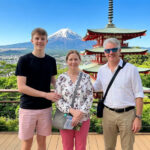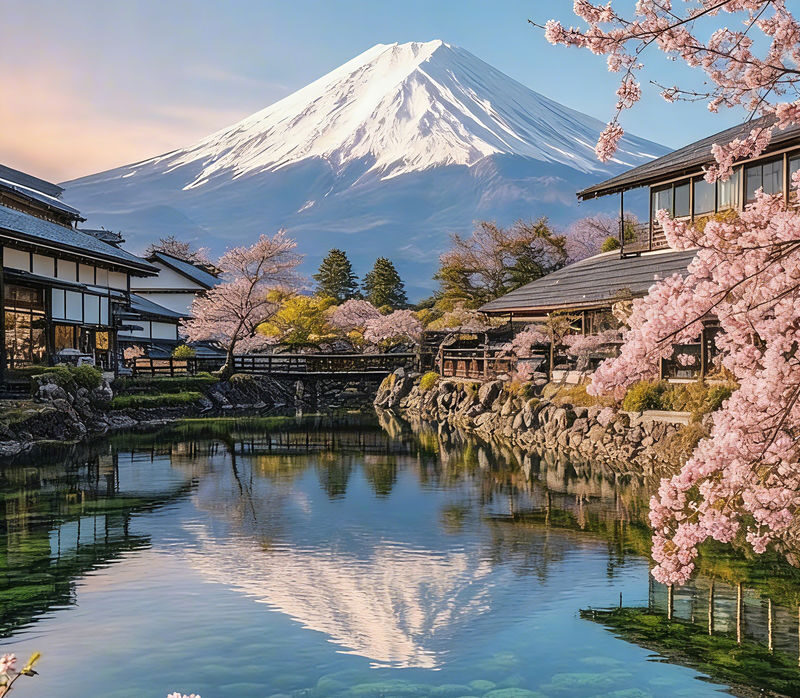
Mount Fuji is the star, but this day trip gives you more than a single viewpoint. You’ll look for the mountain’s reflection at Lake Yamanaka, frame it with the five-story pagoda at Arakurayama Sengen Park, then finish by the flowers and water at Lake Kawaguchiko.
I like two things in particular: the range of settings, from a quiet lakeshore and a historic shrine to a familiar convenience store, and the chance to see several places without arranging the transport yourself. Guides such as Luna, Andy, Aoki and Zoe have also been praised for clear explanations, keeping groups on schedule and helping with photos.
The trade-off is a packed day with brief stops, and no route can promise a clear view of Fuji. Clouds, rain and traffic can change the order or shorten visits, so book this for a broad sampler, not a slow-paced photography session or a guaranteed mountain portrait.
- Six photo stops, with a shrine along the way
- A big Fuji day, not a slow one
- Lake Yamanaka: start with the chance of a reflection
- Hikawa Clock Shop and Fujiyoshida’s old street
- Arakurayama Sengen Park: the pagoda-and-Fuji view
- Oshino Hakkai: springs, ponds and a lunch window
- Lawson: an everyday stop with a famous backdrop
- Oishi Park: flowers by Lake Kawaguchiko
- Guides, transport and the realities of a shared tour
- Is this Mount Fuji day trip right for you?
- FAQ
- How long is the tour?
- Where does the tour depart from?
- Is lunch included?
- What language options are available?
- Can the tour guarantee a clear view of Mount Fuji?
- Are children allowed on the tour?
- What happens if traffic or weather changes the route?
- The Best Of Fujiyoshida!
- More Shopping Tours in Fujiyoshida
- More Tours in Fujiyoshida
- More Tour Reviews in Fujiyoshida
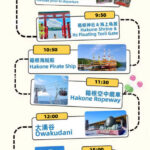
Six photo stops, with a shrine along the way
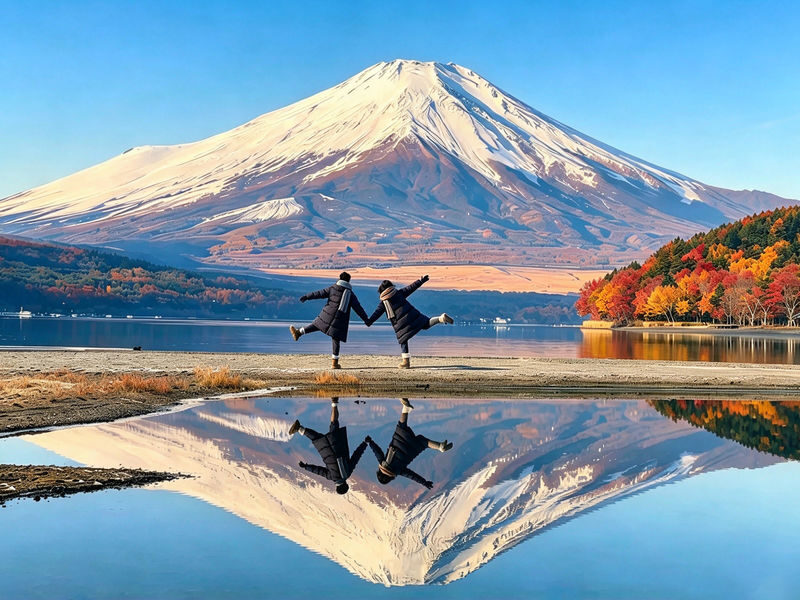
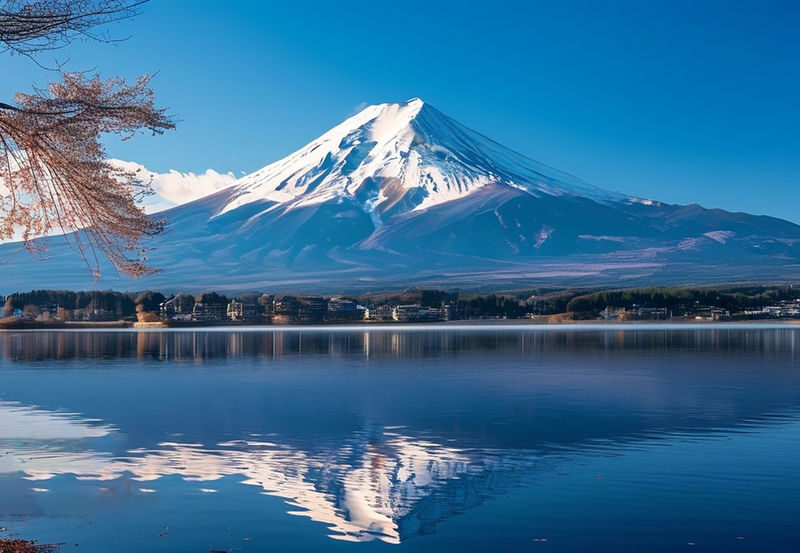
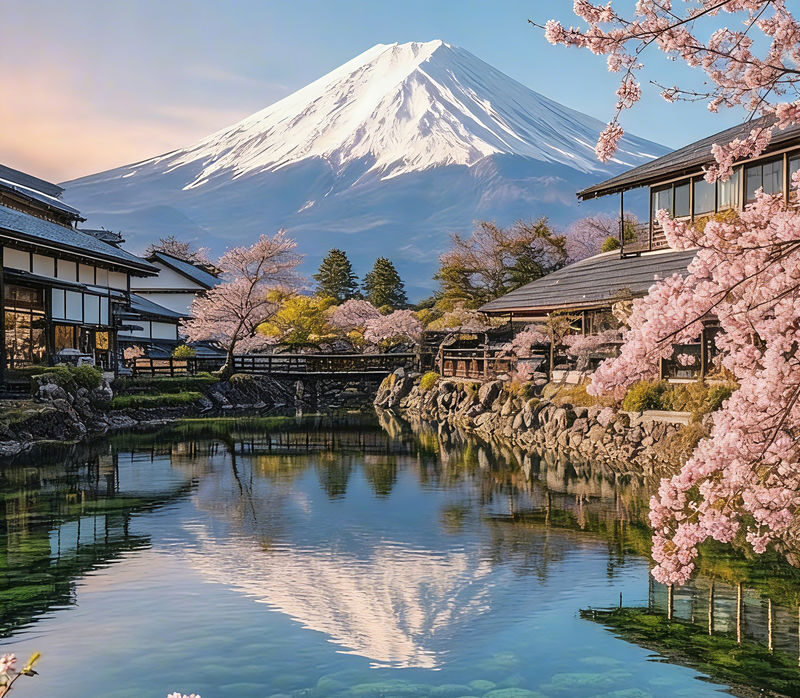
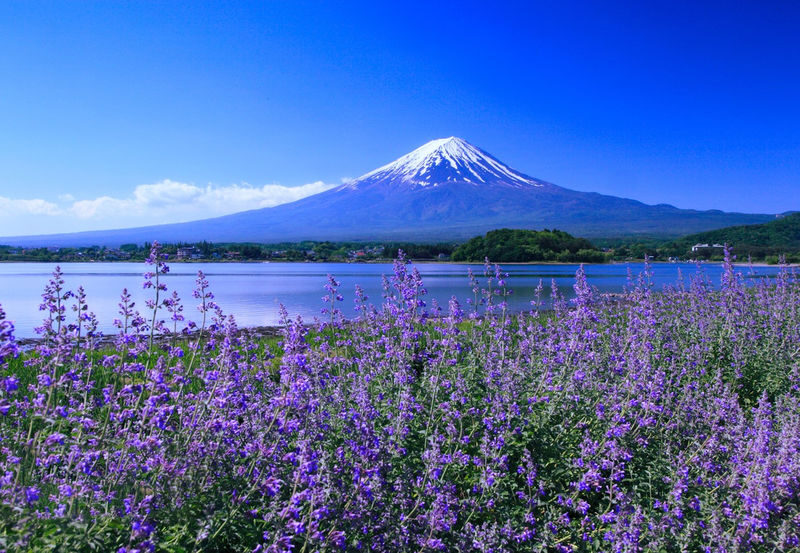
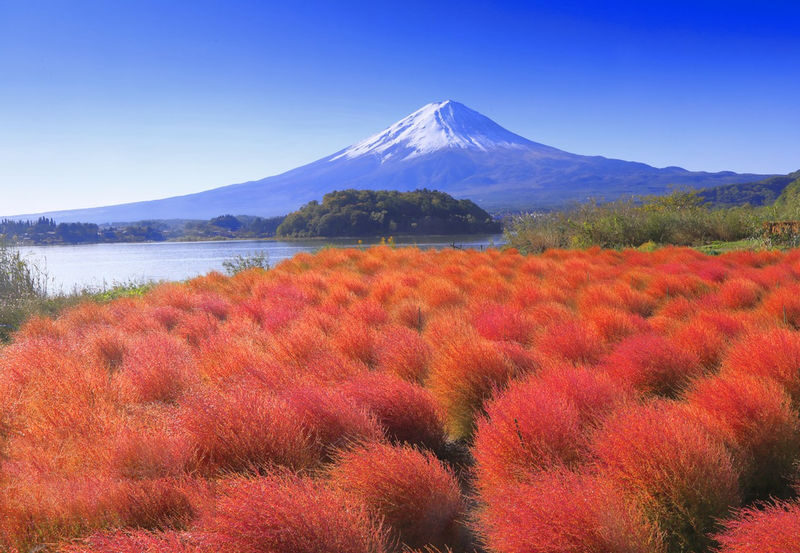
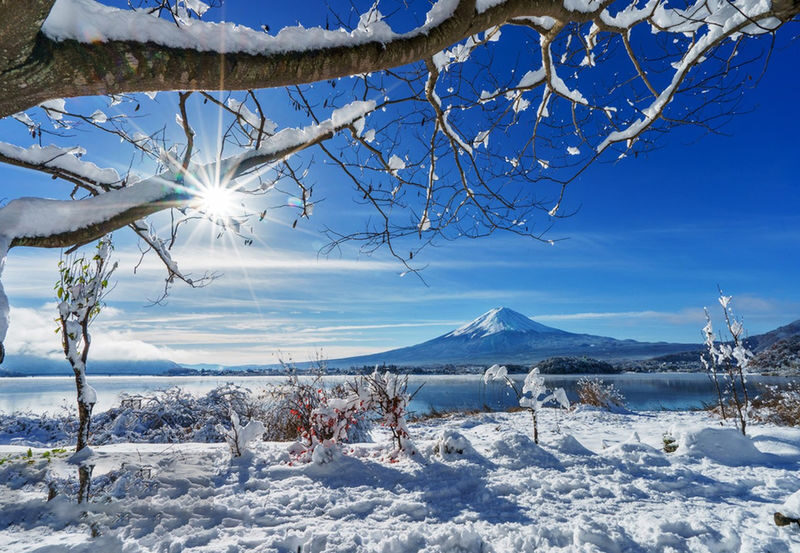
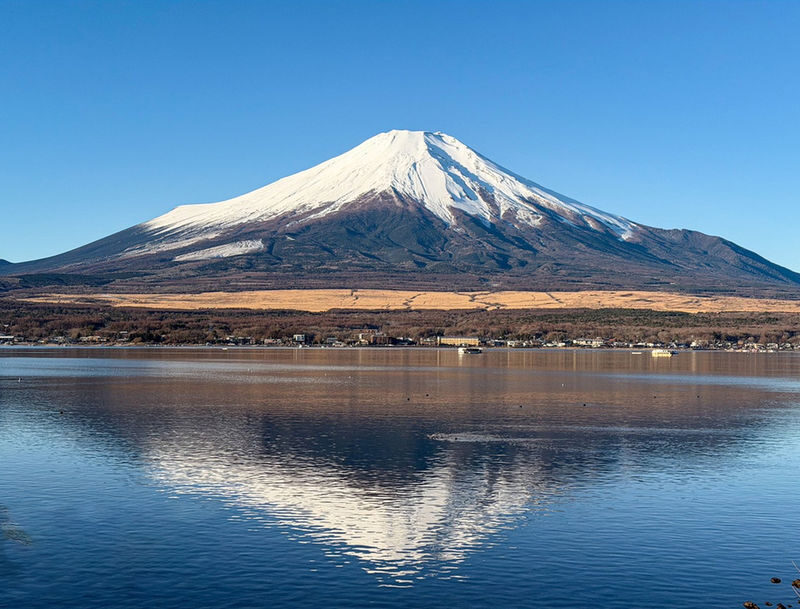
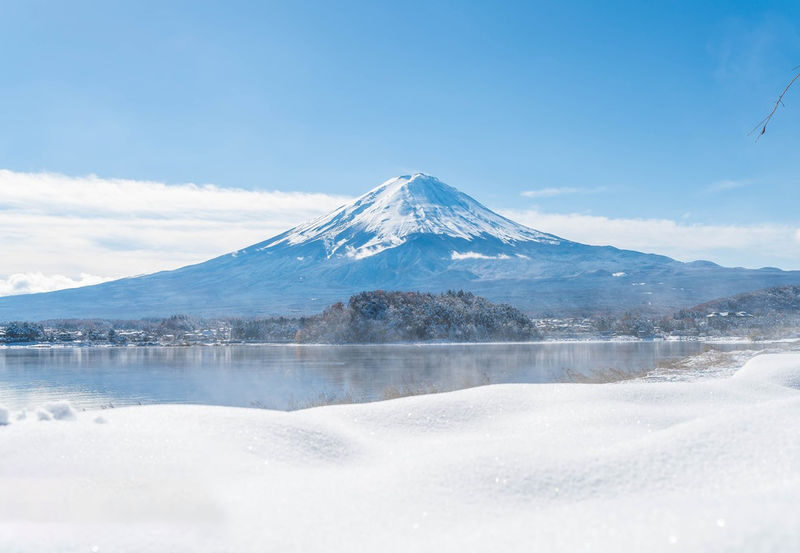
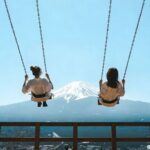
- Lake Yamanaka: Spend 40 minutes at Hirano Beach, a good place to look for Mount Fuji reflected on the lake.
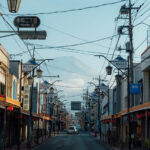
- Hikawa Clock Shop: Take in Fujiyoshida’s retro street scene, with a short 20-minute stop.
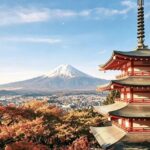
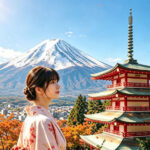
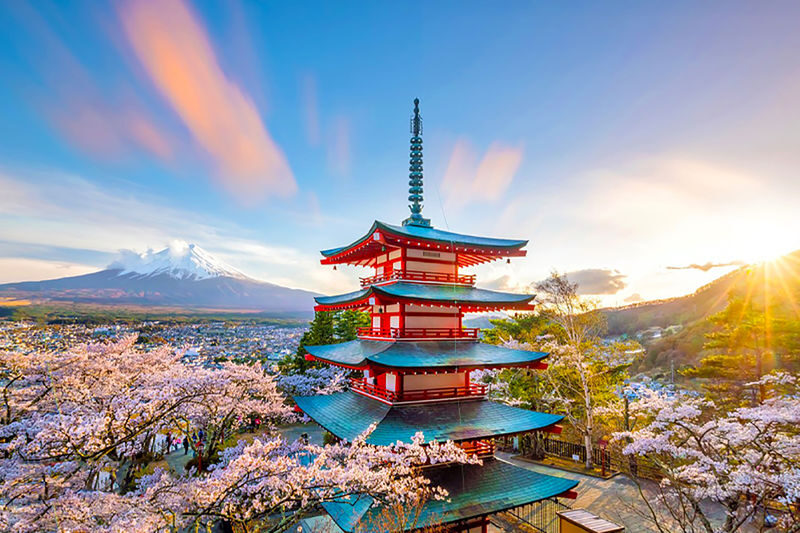
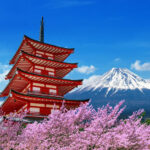
- Arakurayama Sengen Park: Head to the viewpoint for the classic pairing of Fuji and the five-story Chureito Pagoda.
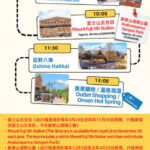
- Oshino Hakkai: See clear spring-fed ponds and browse local food stalls during a one-hour visit.
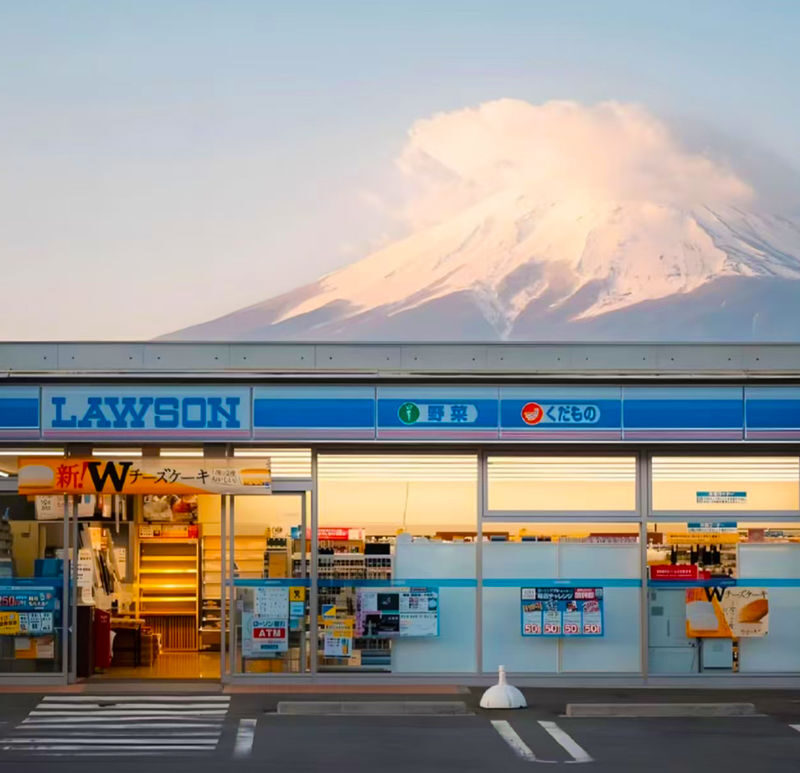
- Lawson Fujikawaguchiko Town Hall: Stop for the contrast of an everyday convenience store and Mount Fuji.
- Oishi Park: Walk beside Lake Kawaguchiko and look for seasonal flowers and mountain views.
- Arakura Fuji Sengen Shrine: Make a brief visit to this historic shrine next to the park; the stop is for sightseeing, not a religious ceremony.

👉 See our pick of the 8 Most Highly Rated Private Driver Services In Fujiyoshida
A big Fuji day, not a slow one
This 10.5-hour outing runs from an early Tokyo departure to an estimated return around 18:00. The route links six well-known photo spots in the Fuji area, with a shrine visit and short stretches of free time at several stops.
That structure is useful if you want variety in one day and would rather leave driving and route planning to someone else. It is less suited to anyone who wants to linger over every frame, browse each village at leisure or spend most of the day in one place. Stop times are fixed, and the group moves on promptly.
The advertised starting price is from $49.29, with round-trip transport and admission to the listed stops included. That is a practical price for a full day out from Tokyo, especially if you would otherwise need to plan connections among several locations. Meals, drinks, personal purchases and tips are extra, so budget for lunch and any snacks you fancy in Oshino Hakkai.
The English and Chinese options are listed alongside driver-led and private-car packages. Check the exact package before booking: the shared ride uses different vehicle arrangements according to group size, and groups of fewer than 12 may have a driver without a separate tour guide. That detail matters if you are booking mainly for live commentary.
You can also read our reviews of more shopping tours in Fujiyoshida

Lake Yamanaka: start with the chance of a reflection
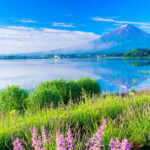
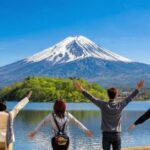
The first scheduled stop is Lake Yamanaka, where you’ll have 40 minutes for a self-guided visit at Hirano Beach. It is the closest of the Fuji Five Lakes to Mount Fuji, and the broad water surface can create the striking effect of the mountain reflected below its peak.
The reflection depends on conditions. Wind, cloud and rain can all alter the view, and even on a clear day the light may not match the picture you had in mind. I’d treat this as a chance to enjoy the lake and make a photograph if the water cooperates, not as a promise of a mirror-like Fuji.
This opening stop also sets the tone for the day: you’ll get time to look around on your own, but not enough to wander far. Keep an eye on the meeting time and have your camera or phone ready before you arrive.
Hikawa Clock Shop and Fujiyoshida’s old street
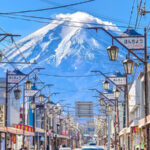
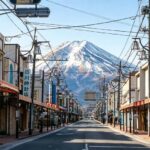
Next comes a 20-minute stop at Hikawa Clock Shop, in the Fujiyoshida area often described as a ladder town. The appeal is the view along a traditional-looking street toward Mount Fuji, with older shops and everyday town life providing a different frame from the open lakeshore.
It is a quick photo stop, not a long town visit. If the street is busy, you may need to wait for a clear angle, and the time is short for browsing. Still, it gives the itinerary a useful change of pace: you see Fuji not only as a distant peak over water, but as part of a lived-in town.
Arakurayama Sengen Park: the pagoda-and-Fuji view
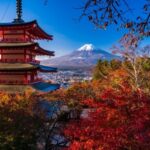
The park’s observation area is one of the day’s signature views. From above, the red five-story Chureito Pagoda and Mount Fuji can share the frame, a pairing that has made this viewpoint a favorite for photographers. The scheduled visit is one hour, including the nearby shrine stop.
Reaching the observation deck involves a climb, so allow for that when planning your pace. The view can be especially striking in spring, when cherry blossoms are in season, and in autumn, when foliage adds color. But the mountain can disappear behind cloud at any time of year. Several people have had days when they saw only part of Fuji, or none at all, despite visiting the right viewpoint.
Arakura Fuji Sengen Shrine, founded in 705, is also part of this stop. You’ll have about 10 minutes for the shrine itself. It is a place to appreciate the setting and its long history; the tour does not include a religious ceremony or activity.
Oshino Hakkai: springs, ponds and a lunch window
Oshino Hakkai gets an hour. Its eight clear ponds are fed by snowmelt from Mount Fuji that filters through layers of earth, and the water is known for its clarity. On a clear day, the ponds and mountain make a fine combination, though crowds can make the small village feel busy.
This is also the most tempting place to pick up local food. You may find grilled squid, mochi, kusamochi, handmade soba and other Japanese snacks. Lunch is not included. The guide may suggest restaurants, but there is no requirement to buy a meal there, and you can bring your own food or choose a convenience-store bento.
The lunch plan is flexible for a reason: the group has only about 30 minutes set aside, and timing may change with traffic or the day’s arrangements. If you want a proper sit-down meal, ask the guide about options early and keep an eye on the clock. One visitor found a recommended wagyu set disappointing for its price, so I would not treat a suggested meal as an automatic bargain. You can choose what suits your appetite and budget.
Lawson: an everyday stop with a famous backdrop
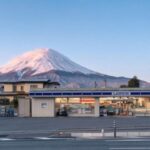
The Lawson Fujikawaguchiko Town Hall stop lasts about 20 minutes. The draw is the contrast between a familiar convenience store and the mountain rising behind it, a distinctly modern Fuji-area photo.
The location is popular, so be considerate while taking pictures and keep the short stop in mind. This is a quick photo opportunity, not a chance to linger over the shop. The mountain view is weather-dependent here too. If Fuji is hidden, the convenience store remains, but the famous composition loses its main feature.
Oishi Park: flowers by Lake Kawaguchiko
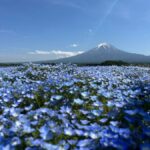
The final listed stop is Oishi Park, where you’ll have about 40 minutes to walk by Lake Kawaguchiko and look toward Mount Fuji. The park’s appeal changes through the year, with flowers and foliage providing seasonal color. Lavender is associated with summer, while cherry blossoms, autumn leaves and winter snow bring different looks.
The schedule changes during two busy seasonal periods. From March 28 to April 12, the tour goes to the Kawaguchiko Cherry Blossom Festival instead of Oishi Park. From October 20 to November 23, the Maple Corridor replaces Oishi Park. The actual scenery depends on the date and conditions, so the best-season images are not a guarantee of what you’ll find.
This is a pleasant closing walk, but 40 minutes is still a short visit. You’ll have time to take in the view and make a few photographs, rather than explore the full lakeside area.
Guides, transport and the realities of a shared tour
The shared bus saves you from coordinating transport among scattered stops, and the tour includes round-trip transfers from its Tokyo meeting points. The listed options include Tokyo Station’s Marunouchi North Exit at 07:20 and Shinjuku MODE Gakuen at 07:50. Arrive 10 minutes early; the departure is prompt, and late arrivals or no-shows are not refunded.
Guide support can make a difference on a day with so many short stops. Guides named in accounts of the trip include Luna, Andy, Aoki, Zoe, Yuri and Serina. They have been praised for bilingual explanations, keeping the group organized and helping people take photos. Those are useful skills when you are trying to get the right angle and still make it back to the vehicle on time.
Do not assume the day will end exactly at 18:00. The return time is an estimate, and traffic on weekends, public holidays or busy days can add hours. The operator advises leaving your evening open. Weather and crowding may also change the route, reduce stop times or mean that some attractions are skipped.
The tour does not include travel or accident insurance. The stated participation restrictions include people with certain health conditions, including heart disease, high blood pressure, asthma, epilepsy and acrophobia, as well as pregnant women. Check the full conditions before booking, especially if you or someone in your party may be affected.
Is this Mount Fuji day trip right for you?
I’d choose this tour if you want to cover several famous Fuji-area photo spots in one day and value transport and a guide over independent exploration. The range is its strength: lakes, a shrine, a pagoda viewpoint, springs, a town street and a convenience-store photo all fit into one trip.
I would choose a slower or more focused plan if you want long photography sessions, an unhurried meal or flexibility to wait for Fuji to emerge from cloud. The mountain is the main attraction, but the weather is beyond anyone’s control. Book with that in mind, pack for changing conditions, and treat the stops themselves as part of the day’s value.
Six Must-Visit Photo Spots for Mount Fuji + Flower Viewing: Lake Yamanaka for Mount Fuji Reflection & Hikawa Clock Shop & Lawson Convenience Store & Arakurayama Sengen Park & Lake Kawaguchiko | Departing from Tokyo
“🌧️🗻 Though it rained all day and Mount Fuji remained hidden from view, I wholeheartedly embraced every moment of my birthday trip! 🎂Sometimes, the…”
FAQ
How long is the tour?
The day runs from an early morning departure to an estimated 18:00 return, for about 10.5 hours. Traffic and weather can affect the timing.
Where does the tour depart from?
The listed meeting points are Tokyo Station’s Marunouchi North Exit at 07:20 and Shinjuku MODE Gakuen at 07:50. Check your selected package and the final meeting details sent before the trip.
Is lunch included?
No. Meals and drinks are not included. The guide may recommend restaurants, but you can also bring food or buy a convenience-store bento.
What language options are available?
The listed packages include English and Chinese options. Some package versions are driver-led rather than accompanied by a separate guide, so check the option details before booking.
Can the tour guarantee a clear view of Mount Fuji?
No. Fuji may be hidden by cloud, rain or fog. The route can take you to several viewpoints, but weather determines whether the mountain is visible.
Are children allowed on the tour?
Children aged 0 to 2 can travel free if they do not use a separate seat, but participation is not recommended and the operator asks to be informed in advance. Children aged 2 and older pay the adult rate.
What happens if traffic or weather changes the route?
The order of stops may change, and some stops may be shortened or skipped because of traffic, weather or crowding. The return time may also be delayed, so leave your evening schedule flexible.