
You walk into Sissi’s bedroom and the legend stops being a legend. There she is — not a sad-eyed empress in a textbook, but a tall woman who slept in a single bed, kept her writing desk tilted toward the window, hung her riding portraits on the wall, and chose this small Hungarian estate over Vienna more than three hundred days a year. That moment, the one where the woman steps out from behind the myth, is the whole point of going to Gödöllő.
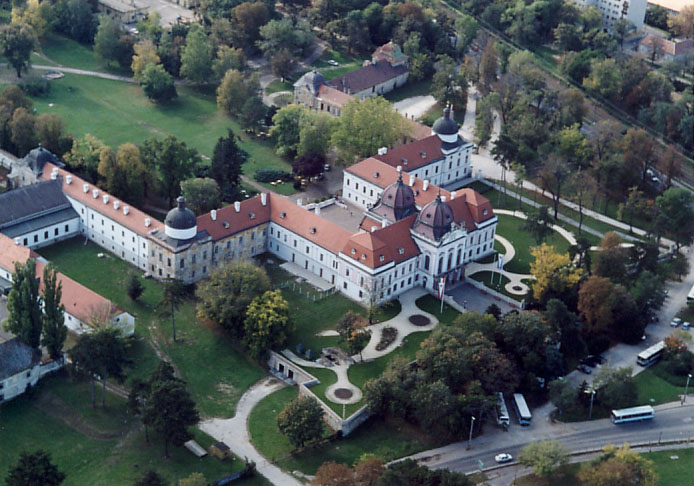
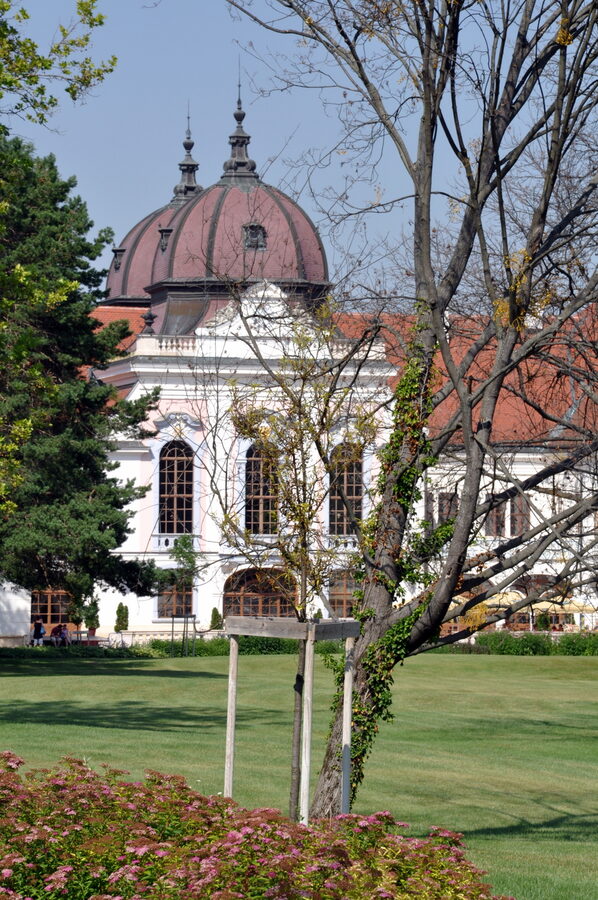
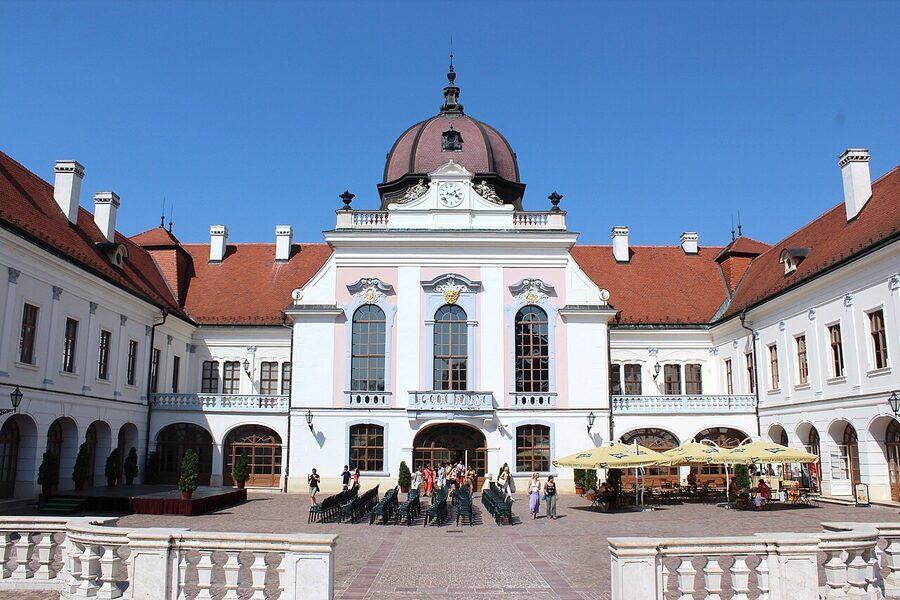
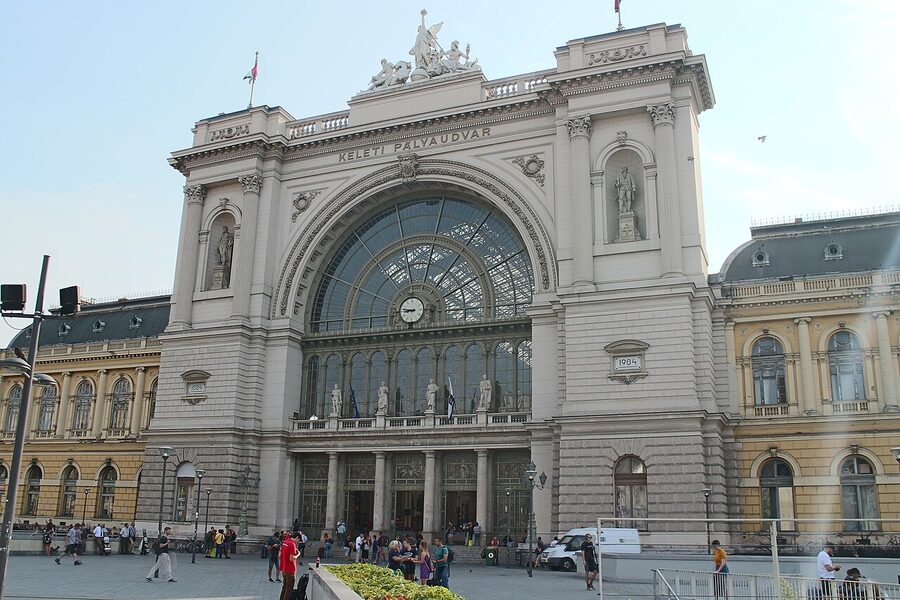
The Royal Palace of Gödöllő (also called Sissi Palace, sometimes Grassalkovich Castle) sits 30 km northeast of Budapest. The train ride from Keleti station takes about 30 minutes. You can be inside her private apartments by 11am and back in central Budapest for late lunch. Hungary’s largest baroque palace turns out to be one of the easiest day trips Budapest has to offer.
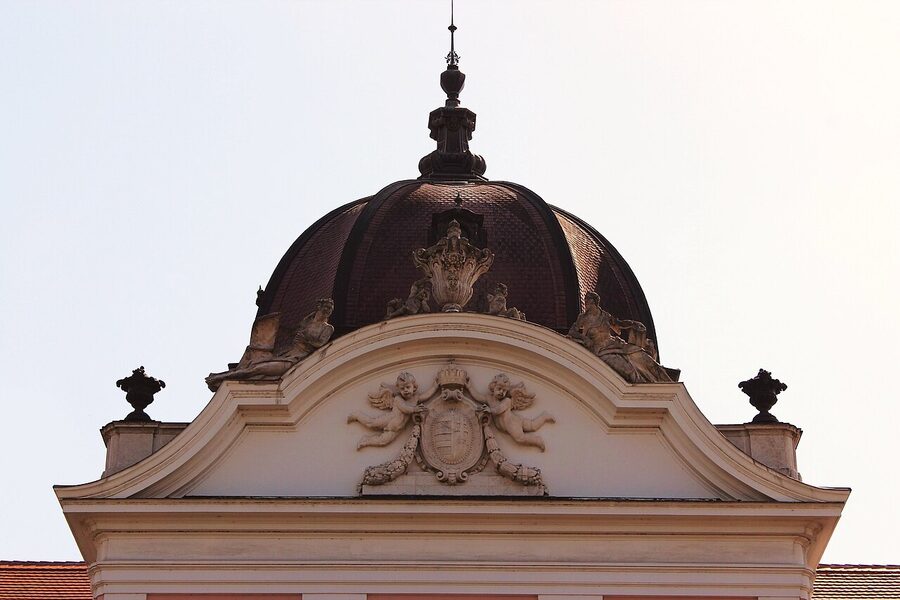

Best overall: Royal Sissi Guided Tour from Budapest — 4-hour round trip with hotel pickup and English guide, $67.
Cheapest: Palace entry ticket only — $15 if you’re making your own way out by train.
Shorter: Gödöllő Royal Palace Tour — 3-hour express version, $57.


- Why Gödöllő is worth a full half-day from Budapest
- How to get to Gödöllő from Budapest
- The regional train from Keleti
- The HÉV suburban train (H8 line)
- The organised tour with hotel pickup
- The three best Gödöllő tours and tickets to book
- 1. From Budapest: Gödöllő Royal Sissi Guided Tour —
- 2. Royal Palace of Gödöllő — Skip-the-Line Entry Ticket —
- 3. From Budapest: Gödöllő Royal Palace Tour (Express) —
- Tickets, opening hours, and what’s actually included
- What you actually see inside
- The park and grounds — don’t skip them
- The history that nobody tells you on the audio guide
- The best time to visit
- Combining Gödöllő with other Budapest day trips
- Practical tips for your visit
- Is Gödöllő worth it?
- Other things worth doing in and around Budapest
Why Gödöllő is worth a full half-day from Budapest
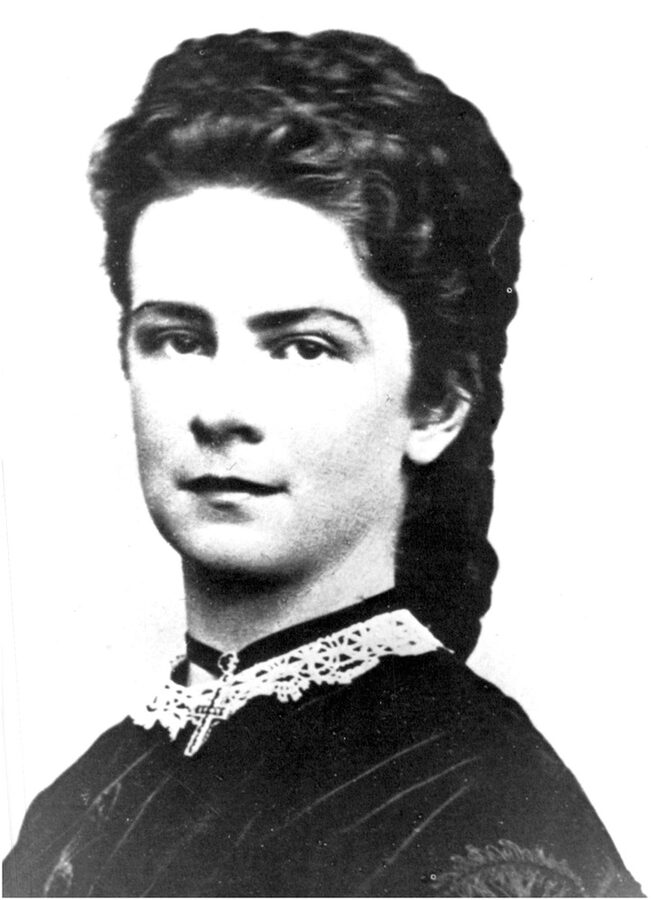
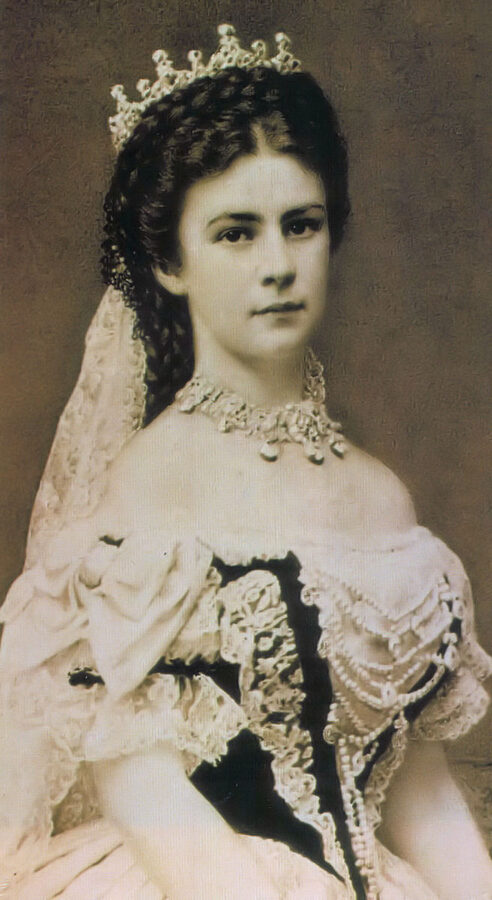
Most Budapest day trips are about scenery — the Danube Bend, Lake Balaton, the wine country around Eger. Gödöllő is about a person. Specifically, the most interesting Habsburg who ever lived: Empress Elisabeth of Austria-Hungary, born Bavarian, married at 16 to the man who ran the largest empire in continental Europe, and depressive, bulimic, and chronically restless until an Italian anarchist stabbed her at Lake Geneva in 1898. She hated Vienna. She hated court ritual. She loved Hungary so much that she learned the language fluently, refused to wear mourning at her own coronation, and kept this 18th-century baroque pile as her private refuge for three decades.
The Hungarian state gave her this palace as a personal gift in 1867 — part of the Compromise that made her husband Franz Joseph the official King of Hungary. She spent over 2,000 days here. That’s about a third of her remaining life. Compare it with how often she visited Schönbrunn (the official summer residence) and the picture sharpens fast: this was where she came to be left alone.
If you’ve already done the obvious Budapest sights — the Parliament, Buda Castle, St Stephen’s Basilica, the thermal baths — Gödöllő is the natural next step. A short train ride. A specific story. And the actual rooms where it played out.

How to get to Gödöllő from Budapest
You have three real options: regional train, suburban train (HÉV), or a guided tour with hotel pickup. Each has trade-offs.
The regional train from Keleti
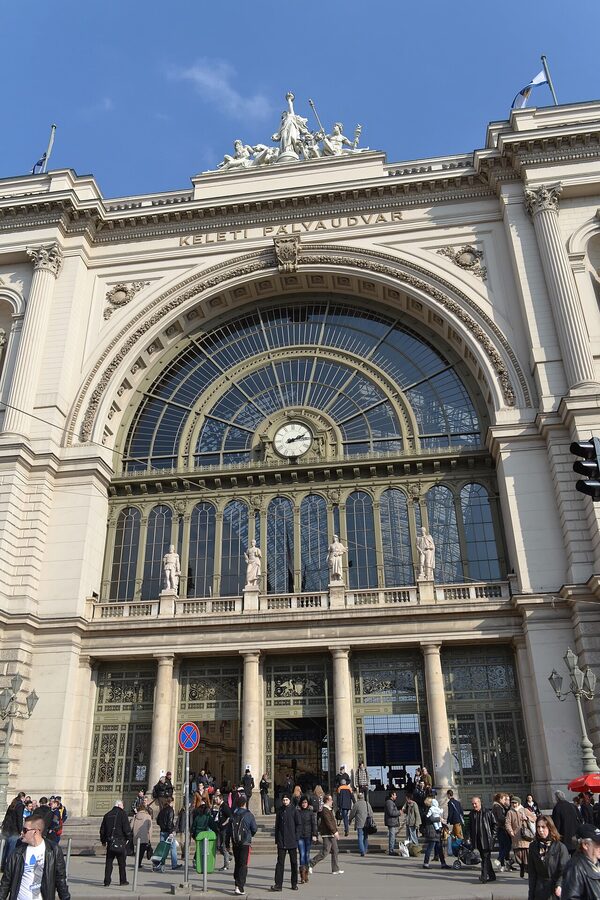
Fast and cheap. Trains leave Budapest-Keleti station roughly every 30 minutes, the journey takes 25-40 minutes, and a single ticket costs around 745 HUF (about €1.90). You arrive at Gödöllő main station and walk 15 minutes through the town to the palace gates.
This is what locals do. The train is comfortable enough — clean, modern, occasionally double-decker — and you’ll be at the palace well before opening time if you leave Budapest by 9am. Keleti is on metro line M2 (red), so getting to the station from anywhere central is straightforward.

The HÉV suburban train (H8 line)
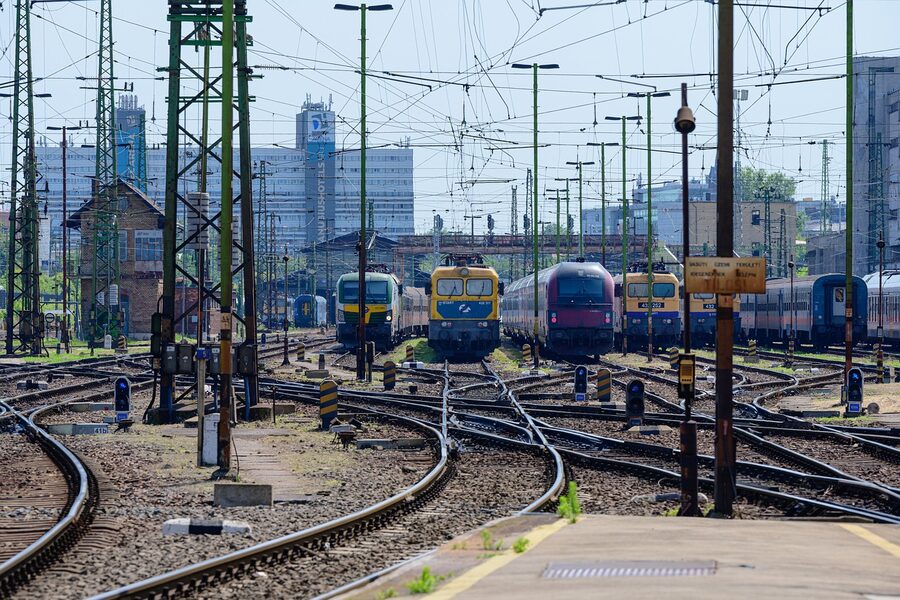
The other option, and arguably the smarter one. Take metro M2 to its eastern end at Örs vezér tere. From the same complex, the H8 suburban line runs to Gödöllő in about 45 minutes. It’s a touch slower than the regional train, but it drops you at Szabadság tér station, which is literally across the road from the palace gates. No 15-minute walk through town.
If you have a Budapest 24-hour or weekly travel pass, you only pay for the bit of the journey outside the city limits — usually around 400 HUF on top. Worth checking at the ticket booth before boarding.
The organised tour with hotel pickup
Costs $57-$67 per person but includes the entry ticket, transport door-to-door, and an English-speaking guide who actually knows the Sissi story. If your Hungarian is non-existent and you’re nervous about navigating regional trains, this is the path of least resistance. It also frees up the brain for actually paying attention to the palace rather than working out which platform the return train leaves from.
The three best Gödöllő tours and tickets to book
I’ve ranked these by what each is best for, not just by reviewer numbers. The first is the obvious pick if you want the full tour experience. The second is unbeatable if you’re going independently. The third is a shorter, slightly cheaper option for travellers on a tight Budapest itinerary.
1. From Budapest: Gödöllő Royal Sissi Guided Tour — $67
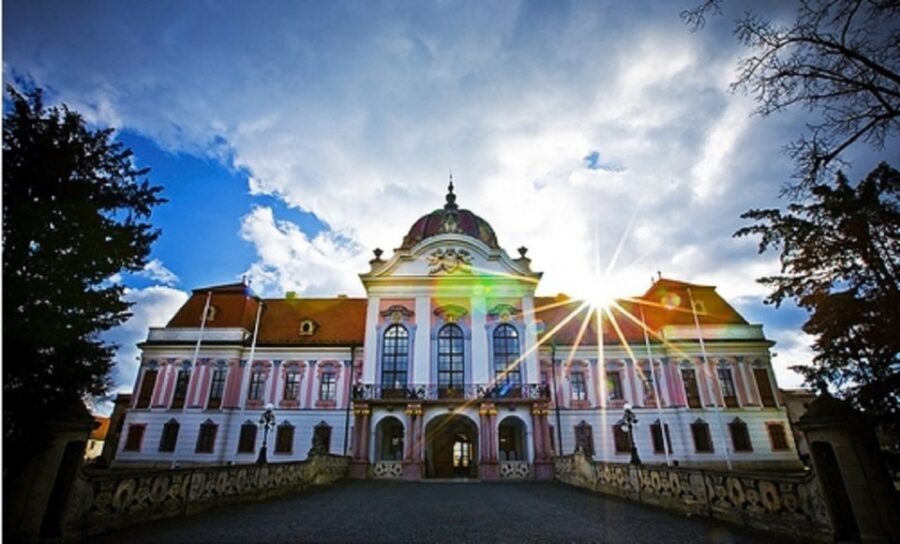
Four hours door-to-door from your Budapest hotel, with a small group, a comfortable van, and an English-speaking guide who walks you through the Sissi rooms personally rather than handing over an audio guide. Our full review notes the guide quality is consistently the highest-rated element — visitor after visitor mentions specific tour leaders by name. Pickup logistics are smooth and the schedule lets you out at the palace early enough to avoid the worst of the midday coach crowds.
2. Royal Palace of Gödöllő — Skip-the-Line Entry Ticket — $15
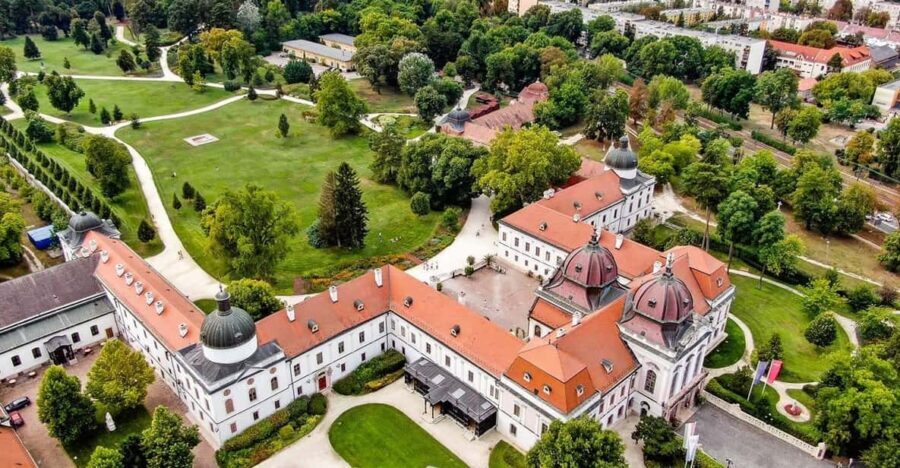
If you’re taking the train and don’t need a guide, this is the move. The standalone palace entry ticket covers the main exhibition (Grassalkovich rooms, royal apartments, Queen Elisabeth memorial, 20th-century history wing) and saves you the queue at the on-site box office. The audio guide they hand you is decent. The ticket runs about 4,200 HUF (≈$11) at the door, so the booking surcharge is small for the convenience.
3. From Budapest: Gödöllő Royal Palace Tour (Express) — $57
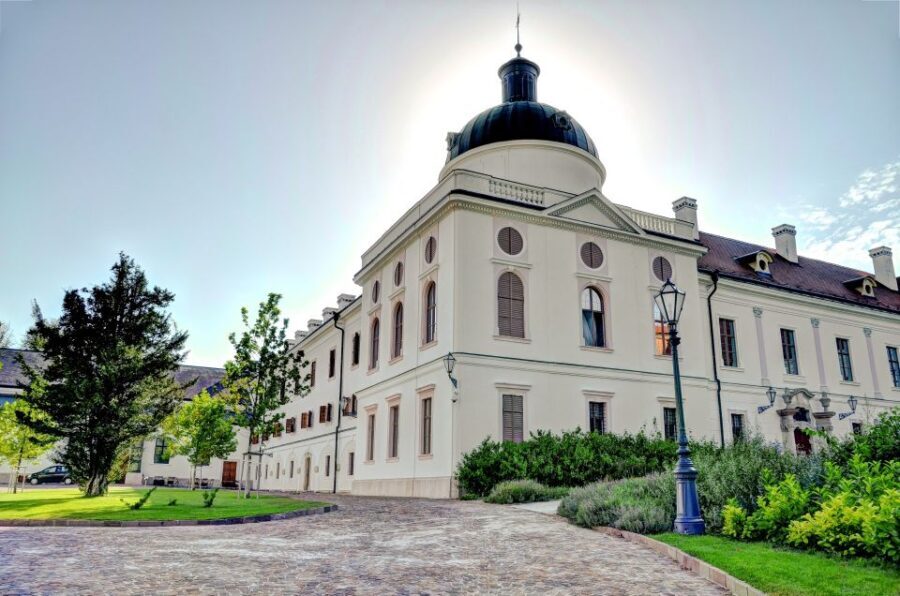
A tighter 3-hour round trip with the same hotel pickup and English-speaking guide format, but with less padding around the palace visit. The tour content is essentially the same — Grassalkovich era, Sissi’s rooms, the park — but you get less time wandering the gardens at the end. Worth it if you’re squeezed for time and already have a busy Budapest day planned.
Tickets, opening hours, and what’s actually included
The palace runs three different ticket categories, and they don’t all overlap. If you want the full experience you’ll buy two or three separately. The main exhibition is what most people come for; the Baroque Theater is rarer to see open; the Horthy Bunker is the hidden surprise.
- Main exhibition ticket — 4,200 HUF (≈$11): the Grassalkovich rooms, the royal apartments where Sissi and Franz Joseph stayed, the Queen Elisabeth memorial exhibition, and the 20th-century history rooms. This is the headline ticket. Allow 60-90 minutes.
- Baroque Theater + Riding Hall — 2,200 HUF (≈$5.50): opens for limited hours on certain days. The 18th-century court theater is one of only a handful surviving in Europe. Worth it if it’s open during your visit.
- Horthy Bunker — 2,000 HUF (≈$5): Cold War-era bunker installed under the palace by the regent Miklós Horthy in the 1930s. Self-guided. Quick and worth doing if you’re already there.
Opening hours are 10:00 to 17:00 in winter, 10:00 to 18:00 in spring/summer. Closed on November 1st (All Saints’ Day) and at Christmas. The ticket office stops selling exactly one hour before close — if you turn up at 17:01 in summer, you’re done.
You can buy tickets at the door or online via the official palace website. The online route is worth it on summer weekends when coach groups roll in. The skip-the-line third-party version (linked above) is also a fair bet — the cost difference is small and you don’t need to navigate a Hungarian-only ticket page.

What you actually see inside
The tour route is fixed — you walk through the palace in a single direction with arrows on the wall, and you can’t really get lost. The first seven rooms cover the Grassalkovich years (1740s-1840s). They’re beautifully restored and full of period furniture, but they’re not why you came. Push through.
The next stretch is the Habsburg apartments. Franz Joseph’s study sits on one side. His bedroom — narrow, monastic, the bed almost military — is upstairs. He worked sixteen-hour days and slept on what can only be described as a camp cot. The contrast with everything else is the point.
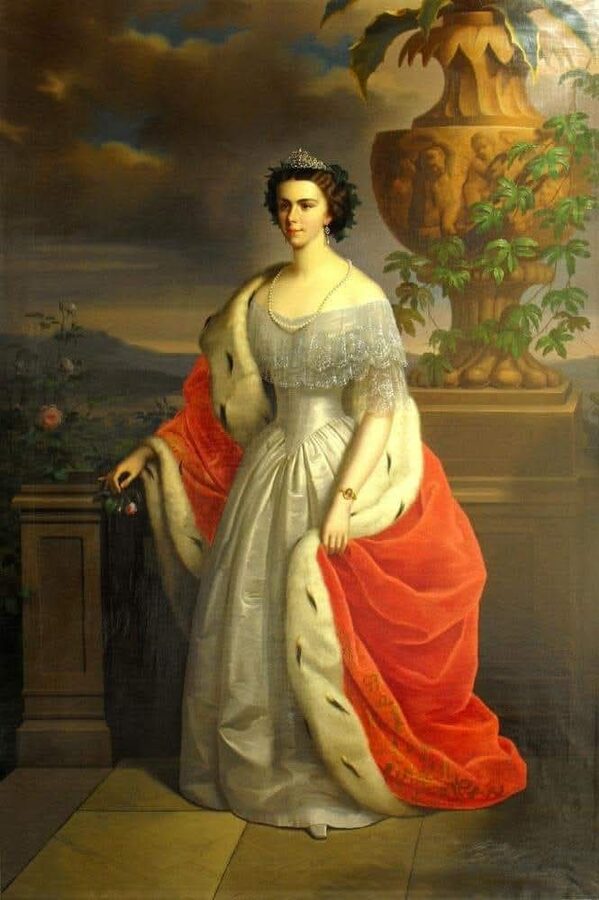
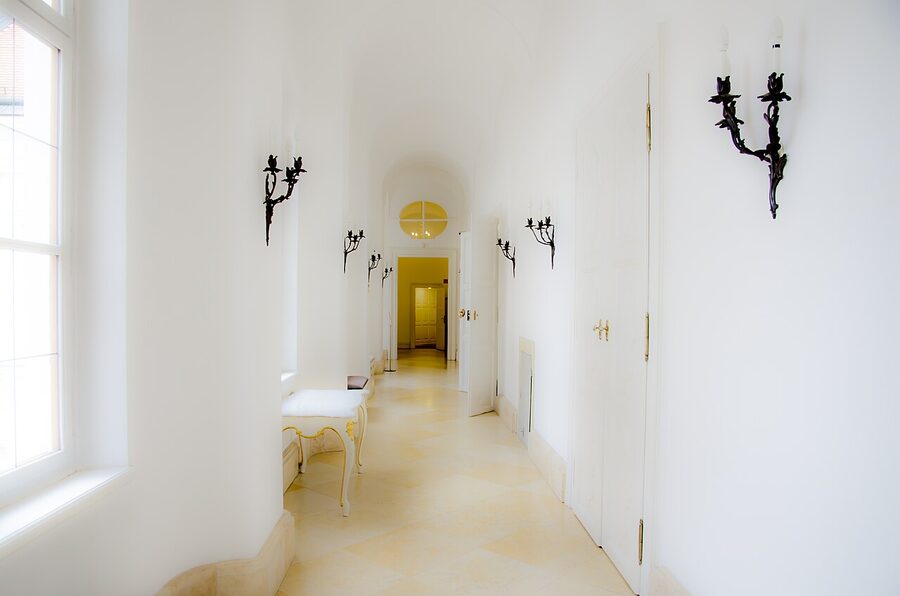
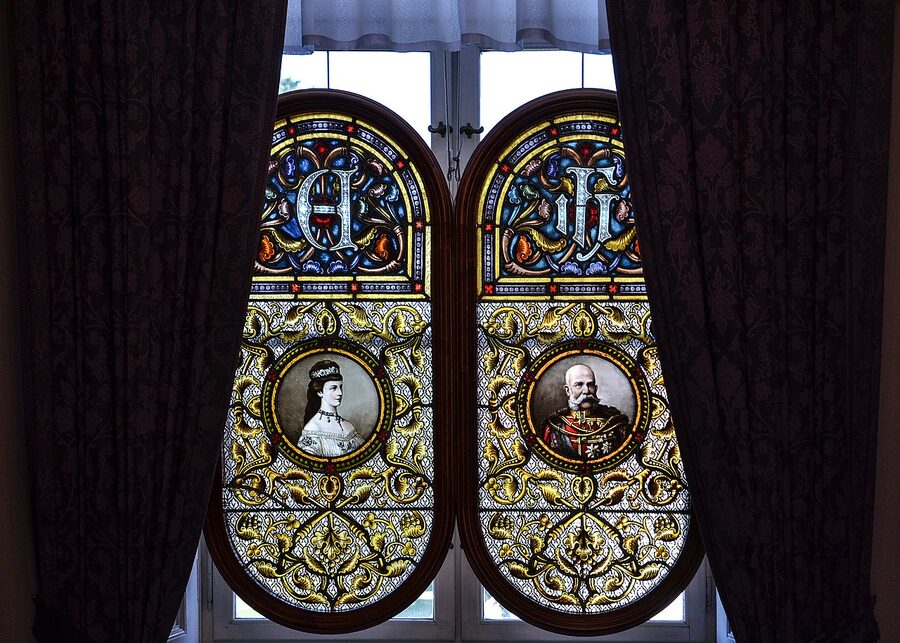
Then comes the section everyone’s actually here for: Sissi’s rooms. Her private apartments are preserved as accurately as the museum staff could manage, with original or period-correct pieces. The writing desk where she composed long letters to her sister Helene. The dressing table where she spent hours on her famous floor-length hair (she’d bound it up around her head like a crown). Riding portraits — she was an obsessive equestrian — line one wall. The single bed by the window. A purple silk dressing gown on a stand.
.jpg)
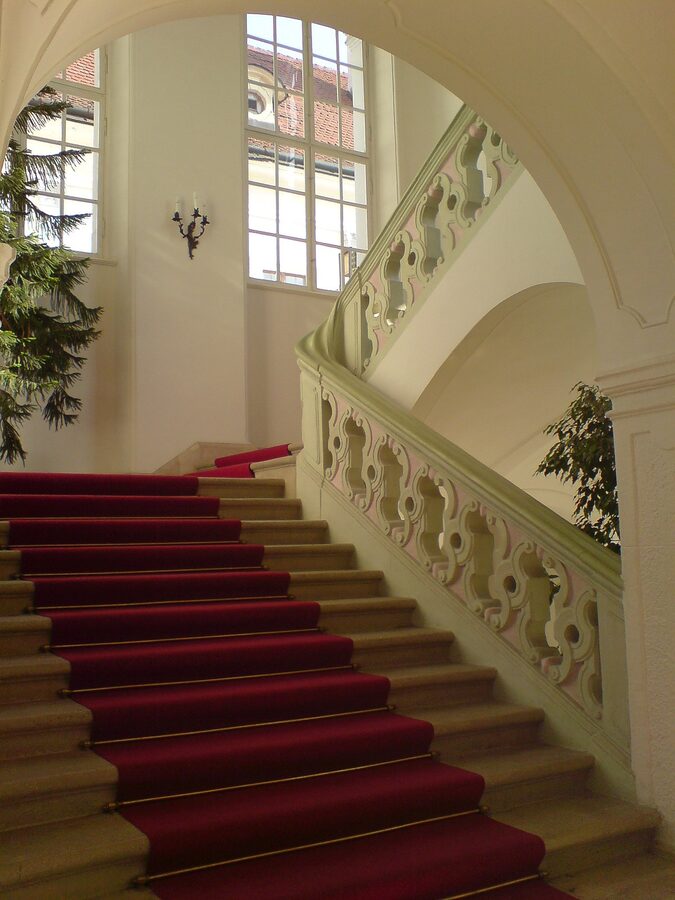
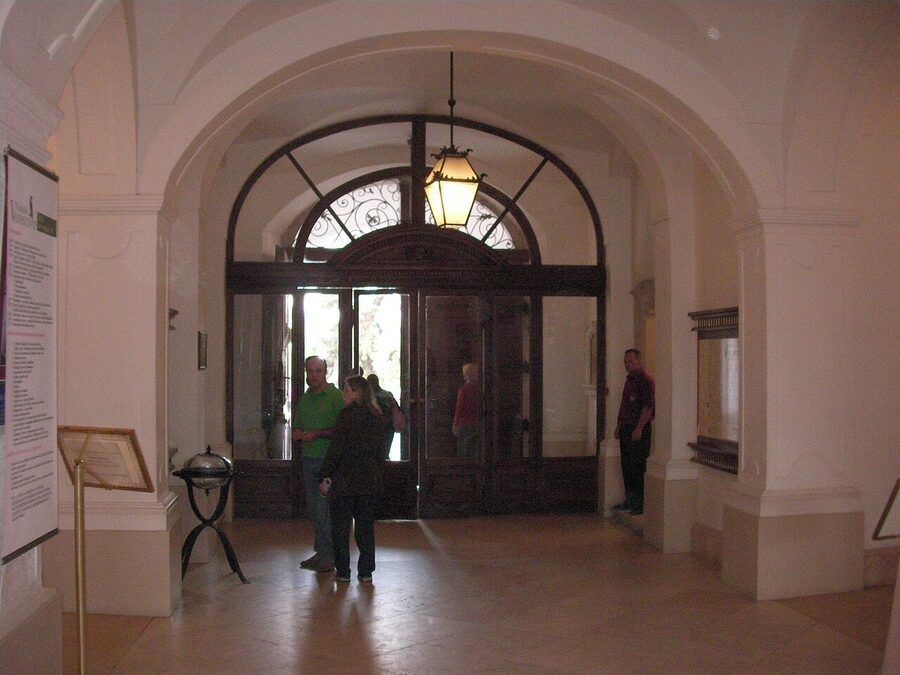
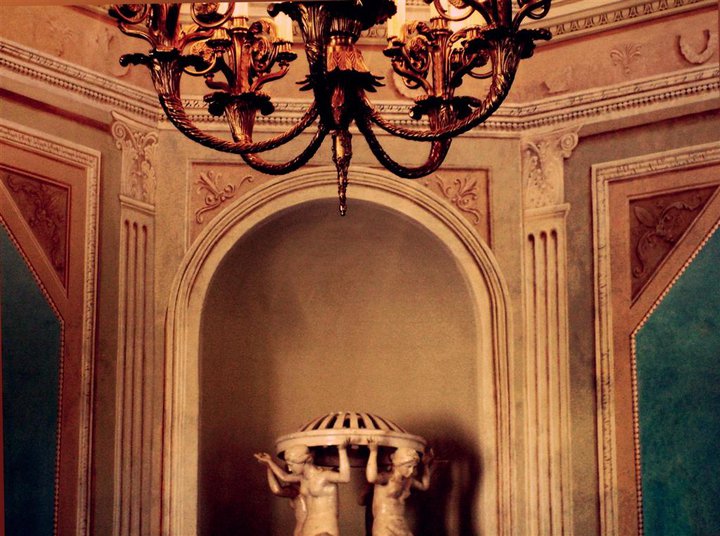
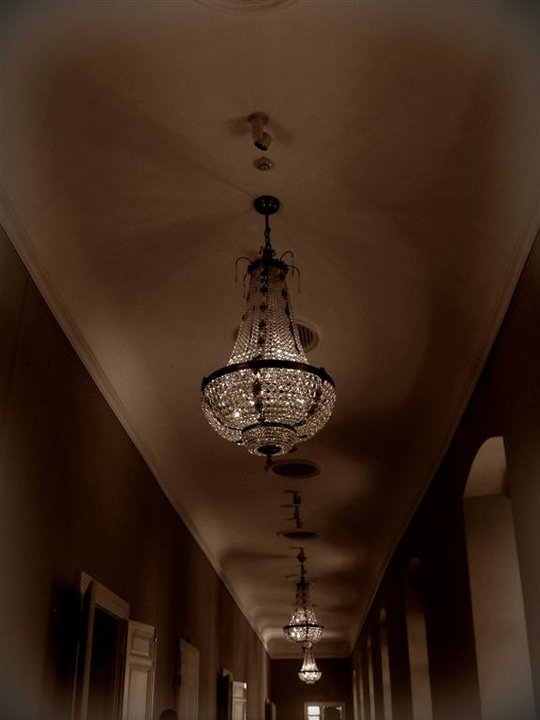
The biggest space in the palace is the Ceremonial Hall (sometimes called the Representative Hall), and it still gets used. Concerts. Weddings. State events. When you walk in, the chandeliers are lit and the parquet floor is polished to mirror level. Imagine standing here on a wedding day in 1867 with the empire’s nobility lined up against the walls.

.jpg)





The park and grounds — don’t skip them
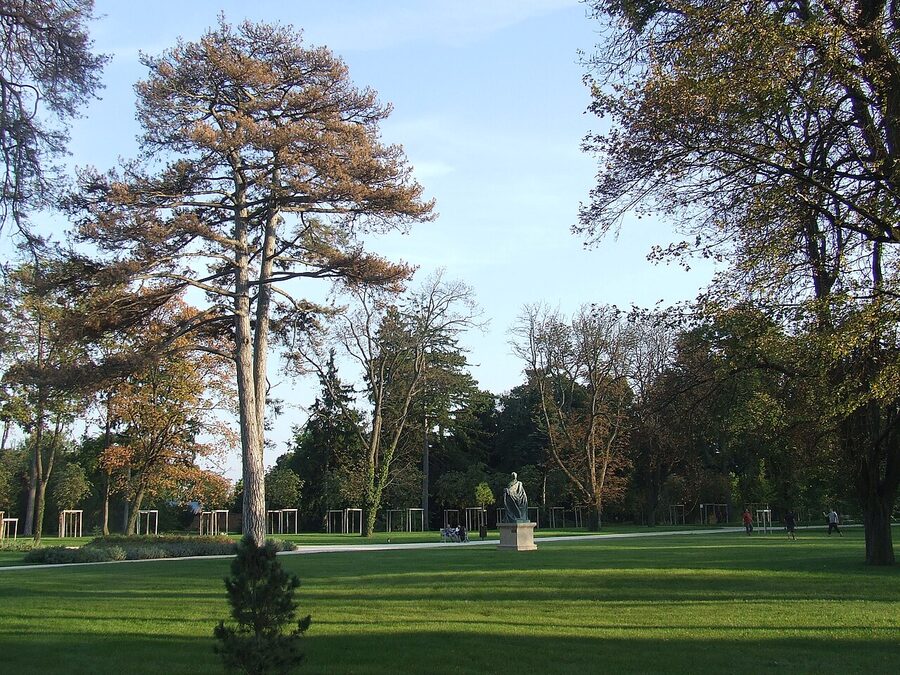
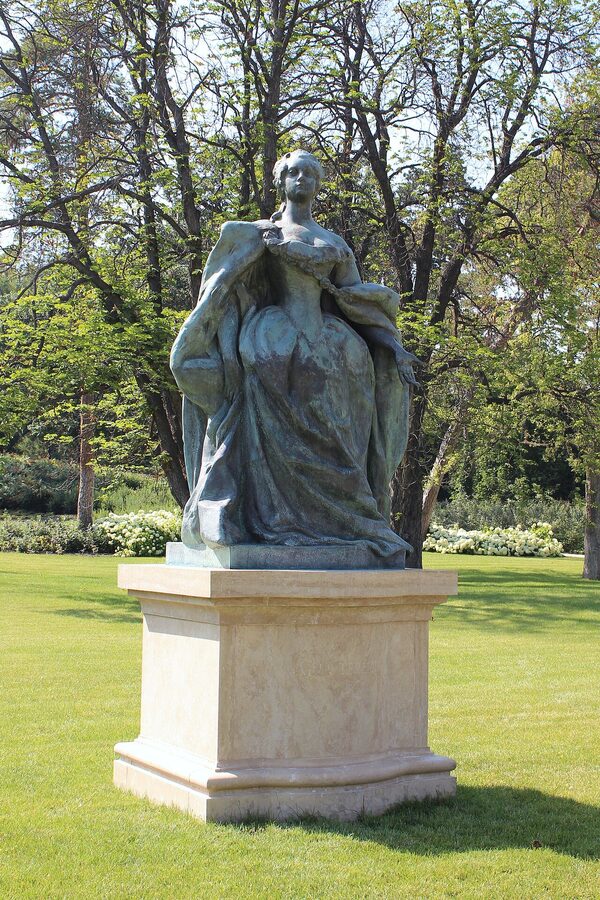
People who only do the palace interior leave thinking Gödöllő is a 90-minute attraction. People who do the gardens too realise it’s a half-day, easily. The park out back covers about 26 hectares — French-style formal gardens close to the palace, English-style landscaped grounds further out, walking paths through mature lime and chestnut trees, and several pavilions including a small open-air stage where summer concerts get held most weekends.
Sissi rode horses obsessively while she lived here. She kept stables at Gödöllő and trained for hours every day. Some of those riding paths still exist as walking trails — you can follow the same routes she used to take, then loop back to the orangery for coffee.


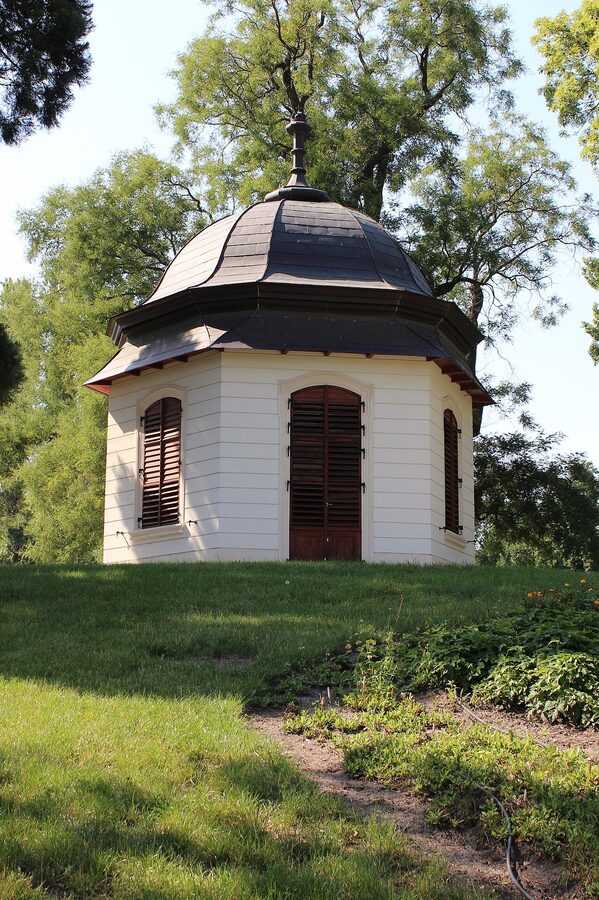

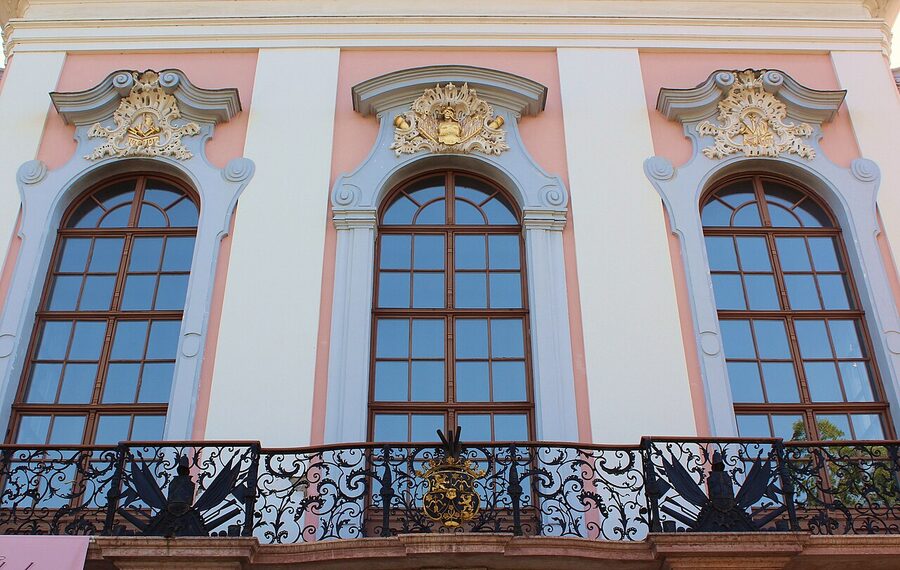

The history that nobody tells you on the audio guide
Gödöllő’s biography is a textbook case of a building outliving its owners and absorbing whatever century it found itself in. Built 1735-1748 for Count Antal Grassalkovich I, a Hungarian aristocrat who’d risen from minor gentry to the top of Maria Theresa’s court. Grassalkovich was famously close to the empress — close enough that the rumour of an affair persisted for centuries. The palace was his statement piece: the largest baroque residence in Hungary.
The family kept it for about a hundred years. When Antal Grassalkovich III died in 1841 without a male heir, the estate started bouncing between owners. In 1849, during the Hungarian War of Independence, it served as a base for revolutionary troops. During the Prussian-Austrian War of 1866, it was a field hospital.
Then came 1867 and the Compromise — the deal that turned the Austrian Empire into the dual monarchy of Austria-Hungary. As part of the political package, the Hungarian state bought the Gödöllő estate and presented it to the new King-Emperor Franz Joseph and his queen Elisabeth. They renovated it. She moved in (sort of). The town flourished as the Hungarian high society followed the empress out of Budapest for the spring and autumn.
After her assassination in 1898, Franz Joseph almost stopped coming. He had no emotional reason to be there once she was gone. The palace went quiet.

The 20th century was rougher. After Hungarian independence in 1918, the palace passed to the new state and eventually became the residence of Regent Miklós Horthy between the wars. The bunker beneath the palace dates from this period — built in case of air raid. During World War 2, the German Wehrmacht briefly occupied the palace as a field headquarters. It was bombed but not catastrophically damaged. Then the Red Army arrived. The building was looted. Period furniture was burnt for firewood.
The communist authorities turned it into a Soviet military barracks first, then an old people’s home. The ballroom became a communal TV room. The orangery — once full of Habsburg orange trees — was repurposed as a laundry. Iron beds in rooms that used to hold imperial portraits.
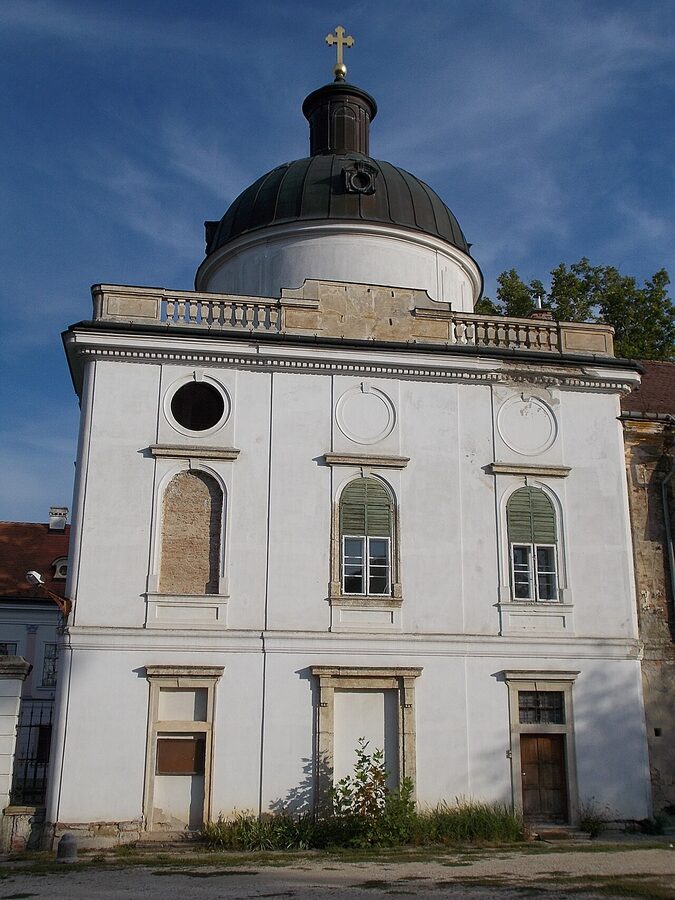
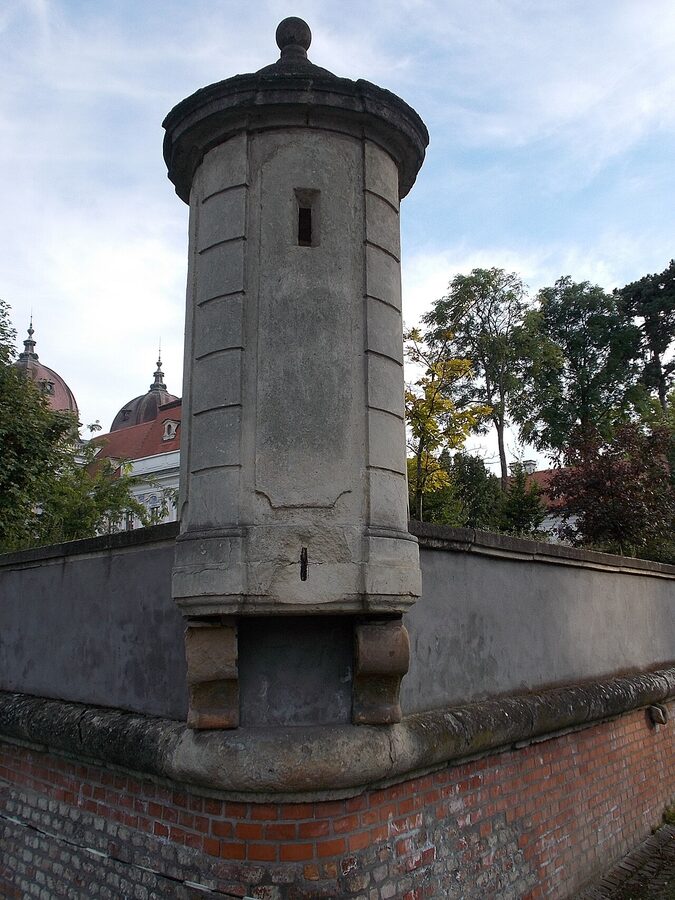
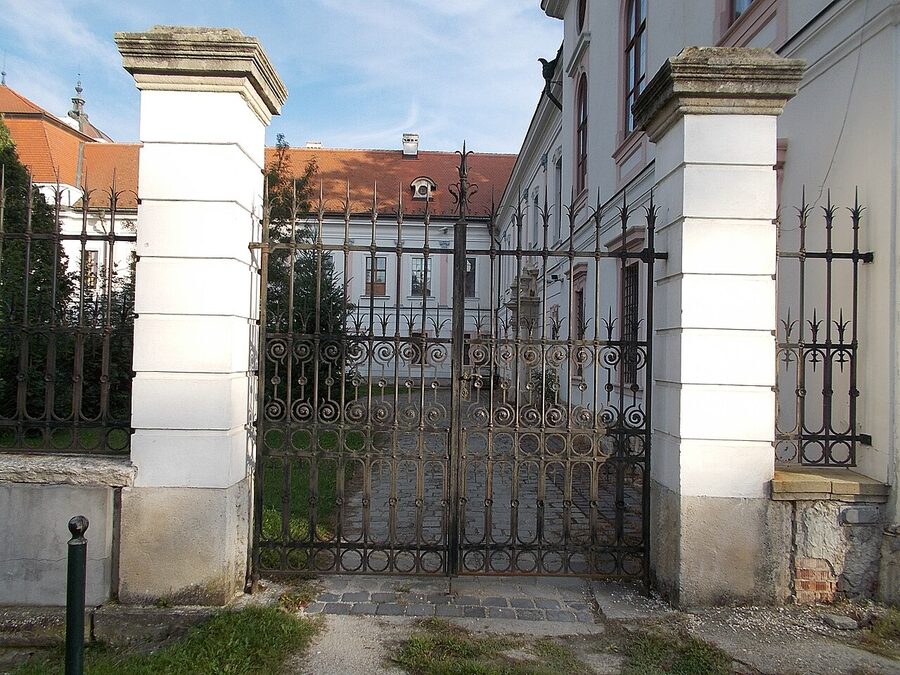
By 1990 the palace was a wreck. Restoration began that year, the institutions inside moved out, and the first wing reopened to visitors in 1996. The full multi-decade restoration is still officially ongoing — you can see the unrestored sections from outside, with peeling stucco and boarded windows. Some Hungarians find that haunting. I think it’s honest. The palace has had a hard life, and the restoration team aren’t pretending otherwise.



The best time to visit
May is the obvious answer. The park is at its peak. The lime trees are flowering. The air’s not yet hot. The summer crowds haven’t quite arrived. April is also fine if the weather holds — the gardens are coming back to life and the indoor sections are blissfully empty.
July and August are the busiest months. Coach tours from Vienna start arriving by 11am, the rooms get crowded, and the photo opportunities in the Sissi apartments turn into a queue. If you must come in summer, aim for opening time at 10am — you’ll have at least an hour mostly to yourself.
October has its own appeal. The Hungarian autumn turns the park gold and red. Sissi herself preferred autumn here. Indoor visits work fine right through November (except the closure on November 1st), and the palace decorates for advent in December.
Avoid Mondays if possible. The palace technically opens but the kitchen and coffee house often don’t, which kills the lingering-in-the-park option. And avoid wedding Saturdays in May and June — the Ceremonial Hall closes for private events, sometimes mid-tour, and the audio guide gets you to a locked door.
Combining Gödöllő with other Budapest day trips
Gödöllő works as a half-day. You don’t need a full day unless you walk the entire park slowly and have lunch at the Queen Elisabeth Hotel across the road. Many visitors combine it with something else.
If you’re already doing the rounds of Danube Bend day trips — Esztergom, Visegrád, Szentendre — Gödöllő is the eastern complement. Different direction, different historical thread, same logistical model: short train ride out, half-day visit, easy return. There’s even a private tour that combines Gödöllő with Szentendre as a single full-day itinerary if you want to bundle the medieval-meets-imperial Hungary into one trip.
Closer to home, if you’ve got a day to spare on rainy weather, a Gödöllő morning pairs well with an afternoon at the Széchenyi thermal baths back in central Budapest. The contrast — empire then steam — works oddly well.

Practical tips for your visit
- Bring cash and a card. The on-site box office takes both, but the coffee house and gift shop occasionally have card machine outages. 5,000 HUF in cash is plenty.
- Photography rules. Photos without flash are allowed in most rooms. The Ceremonial Hall is occasionally closed during weddings — check at the entrance. No tripods.
- Audio guides cost 1,500 HUF and are worth it if you’re not on a guided tour. The script is solid — written by an actual historian — and it slows you down enough to actually look at things.
- Bathrooms are by the entrance and at the back of the gift shop. The ones in the gift shop are nicer.
- Lockers exist near the ticket office if you’ve come straight from a Budapest train and have luggage. 200 HUF coin operated.
- Lunch: the on-site coffee house does sandwiches, cake, and proper coffee. For a sit-down meal, the Queen Elisabeth Hotel across Szabadság tér does a decent fixed-menu lunch for around 6,000 HUF.
- The H8 train back fills up fast at peak hours (around 5pm in summer). Time your return for either earlier or later than the wave of departing visitors.
Is Gödöllő worth it?
Yes, but with a caveat. If you have only two days in Budapest, you’re better off with the Parliament tour, a Danube cruise, the Buda Castle walking tour, and dinner on the Pest side. Gödöllő is a fourth-day or fifth-day attraction. It’s specific. It rewards visitors who already know who Sissi is, or want to know.
For travellers who care about history — particularly the Habsburg version of European history, the bit between Napoleon and the First World War — this is one of the most rewarding short trips out of any Central European capital. The combination of preserved private apartments, restored ceremonial space, scarred 20th-century history, and a surprisingly intact park makes it more than a “another European palace” experience.
The moment that lasts, for me, was standing in Sissi’s bedroom and seeing the small framed photograph of her son Rudolf on the side table. He killed himself in 1889 at age 30. She wore black for the rest of her life. The palace didn’t really get her back after that. The photo was on her bedside the day she left for Geneva and was killed; the restoration team put it back when they rebuilt the room. That kind of detail is why you make the trip.

Other things worth doing in and around Budapest
If you’re building a multi-day Budapest itinerary, here’s how Gödöllő fits with the rest. The classic first-day mix is the old-town walking tour, then sunset on a Danube cruise, then either ruin bars (a guided crawl is the smart way to do them) or a vampire and myths night tour if you want something stranger. Day two opens with the Parliament and St Stephen’s, then drops you into a thermal bath in the late afternoon.
Gödöllő works on day three or four — once you’ve seen central Budapest and want to head out. Combined with one of the other cluster trips, you can reasonably build a five-day Budapest itinerary that covers the city, two day trips, the major museums, and an evening of either jazz or fine dining without ever feeling rushed. If you’re more into hands-on experiences, swap a museum for a tuk-tuk city tour or a floating bus tour on the Danube — both make better photos than they sound.
For travellers who want a darker, weirder Hungary, the Buda Castle cave tour is the obvious counterpoint to Gödöllő — same imperial city, but underground, where the medieval tunnels are. Or skip the obvious entirely and try the Cinema Mystica immersive show in the evening. Budapest works as a city precisely because it can hold the imperial nostalgia and the avant-garde light shows in the same week.
Affiliate disclosure: some links in this article are affiliate links, meaning if you book a tour through them we earn a small commission at no extra cost to you. This funds independent reviews and detailed guides like this one. We only recommend tours we’d recommend to friends.