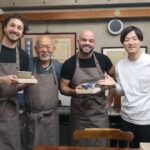
Kyoto’s wagashi are small works of art, and this workshop puts the tools in your hands: press fine Wasanbon sugar into wooden molds for Higashi, or shape Nerikiri into a decorative sweet. The work is approachable, but it gives you a close look at the care behind a traditional treat.
I like the choice between two very different sweets, and I like that the workshop uses 100% Wasanbon sugar for Higashi and genuine wooden molds made by skilled artisans. The Nerikiri filling comes from a long-established Kyoto shop, a detail that ties the activity to local confectionery craft.
The main caution is that the class can feel rushed or crowded, and English instruction is not always consistent. If you want a slow, detailed lesson, this may not be the right fit; if you want a modestly priced, hands-on cultural stop, it can be a good use of an hour.
- What to know before you book
- Two sweets, two different kinds of making
- What happens during the workshop
- Higashi: Wasanbon sugar and wooden molds
- Nerikiri: more shaping, more room for creativity
- Value: a small price for a cultural hour
- Who will enjoy it most
- Booking and timing tips
- Should you book the An Kyoto sweets workshop?
- FAQ
- Where is the workshop held?
- What sweets can I make?
- What are the available departure times?
- Is the workshop suitable for beginners?
- Is English instruction provided?
- Can the workshop accommodate allergies or dietary needs?
- Can I cancel or change my booking?
- The Best Of Kyoto!
- More Dessert Tours in Kyoto
- More Tours in Kyoto
- More Tour Reviews in Kyoto
What to know before you book
 1 / 5
 2 / 5
 3 / 5
 4 / 5
 5 / 5
- Choose your sweet: Higashi is pressed sugar, while Nerikiri involves shaping a soft sweet by hand.
- Traditional materials: The Higashi session uses Wasanbon sugar and artisan-made wooden molds.
- A Kyoto connection: Nerikiri filling is sourced from a long-established shop in Kyoto.
- Short and approachable: The activity is designed for beginners, though the pace and overall duration vary by package.
- English support can vary: Some instructors explain in both Japanese and English; at other times, you may need to follow the demonstration closely.
- Low starting price: Rates begin at $11.15, with the package choice and any personal extras affecting what you pay.
👉 See our pick of the We Rank Kyoto’s 15 Top Workshops & Classes
Two sweets, two different kinds of making
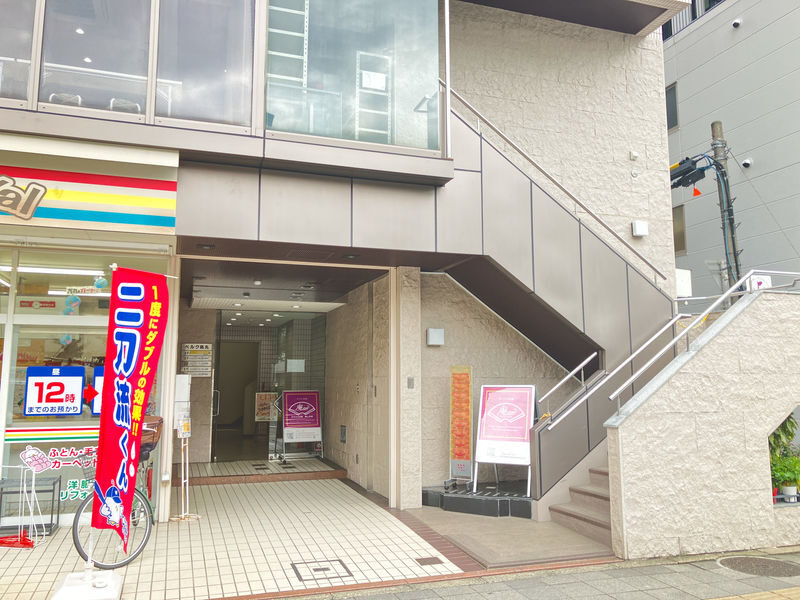
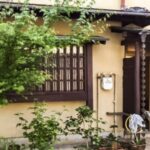
The activity takes place at 庵an京都, or An Kyoto, at 135-1 Manjujicho in Kyoto’s Shimogyo Ward. You meet at the venue rather than joining a sightseeing route or riding between attractions. That makes this an easy activity to fit around a day in central Kyoto, though it is worth allowing time to find the address and arrive five minutes before your booked session.
You can select either the Japanese Sweets Ohigashi Making package or the Japanese Sweets Nerikiri Making package. They are distinct experiences, not two stages of one class, so check your selection before paying. The listed starting price is $11.15, an appealing entry point for a hands-on cultural activity. The price applies to all ages, but the two packages may not have identical details.
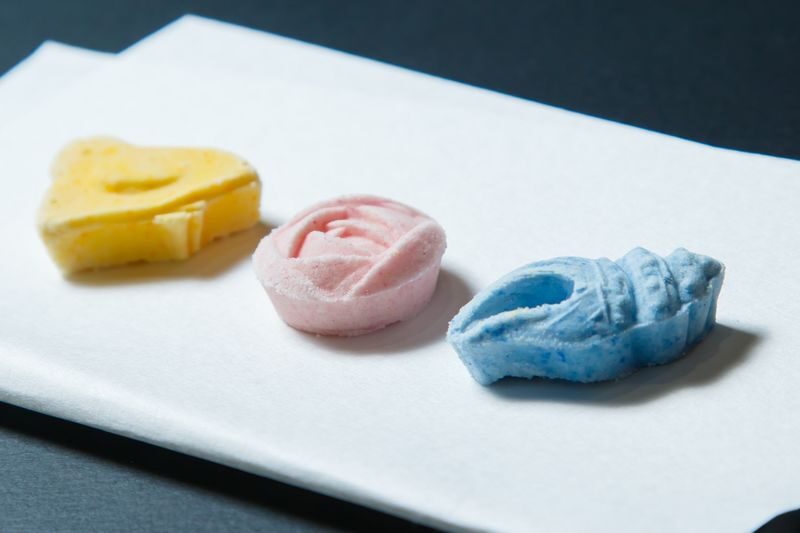
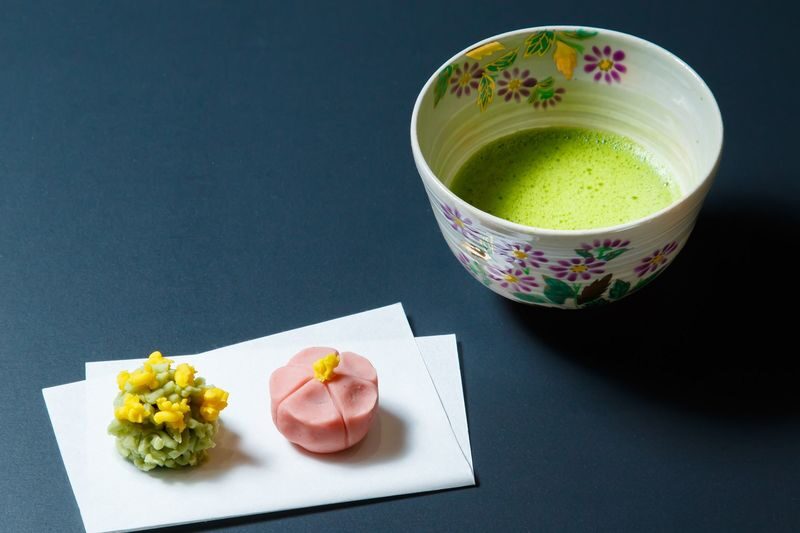
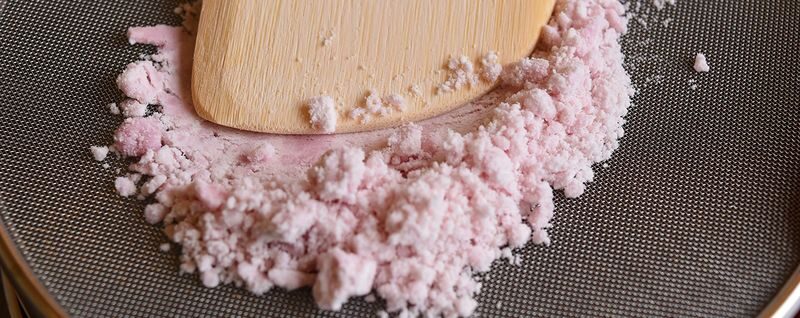
Higashi is the simpler, more direct option. You press Wasanbon, a prized Japanese sugar, into molds to create small sweets. That is a real confectionery technique, but it is not candy-making in the sense of cooking, pulling, or shaping hot sugar. If you expect an elaborate kitchen lesson, you may find the activity brief. If you are curious about the precision of a traditional mold and the character of the sugar, that simplicity is part of the point.
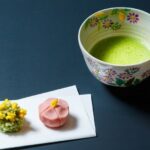
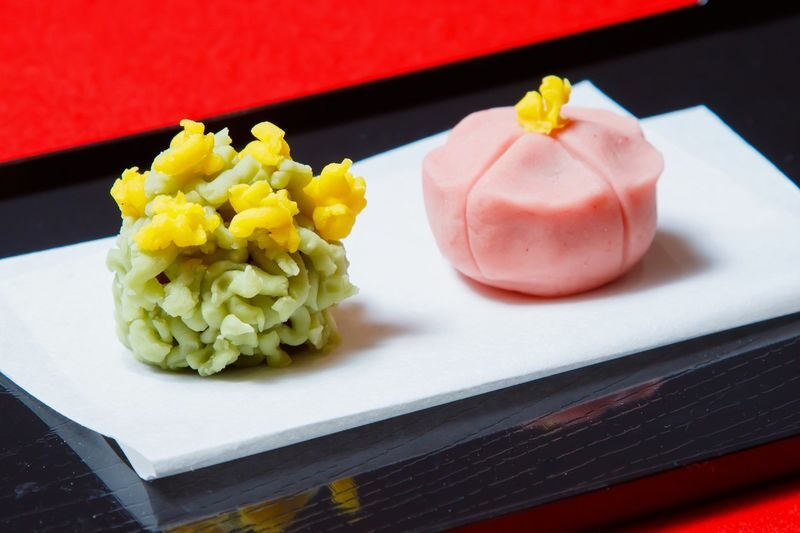
Nerikiri offers more shaping and decoration. Its filling comes from a long-established Kyoto store, and you work the sweet by hand to create a finished piece. It is still a beginner-level activity, but it calls for a little more patience and care than pressing sugar into a mold. Some people find the task pleasantly challenging; children may need help keeping pace.
You can also read our reviews of more tours and experiences in Kyoto


What happens during the workshop
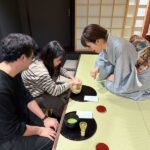
The posted schedule gives a short stop at the workshop address, with itinerary entries of about 20 minutes and 10 minutes before the return. In practice, the amount of time you spend making sweets can depend on which package you choose. The Higashi session can be especially quick, while some Nerikiri participants describe a class lasting close to an hour. Treat the timing as a guide, not a promise of an extended lesson.
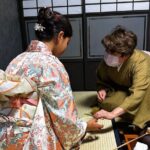
At the start, expect an introduction and a demonstration, followed by time to make the sweets yourself. The activity is designed for first-timers, so you do not need prior experience. It is a practical way to learn by doing, but the value depends on how clearly you can see and follow the instructor.
Class size matters here. The booking capacity ranges from one to 60 people, and the experience may feel very different in a small group than in a packed room. In a large session, people seated farther back may have trouble seeing a demonstration at the front. If you have a choice of time, a smaller session could make it easier to follow each step and ask for help, although group size is not guaranteed.
English support is another variable. The activity is presented with an English-speaking instructor, and some classes offer step-by-step explanations in Japanese and English. But the amount and clarity of English can vary. If you do not speak Japanese, sit where you can see the demonstrator, watch the hand movements closely, and ask for a repeat if you miss a step. In some sessions, gestures and copying the example may be as useful as spoken instructions.
Higashi: Wasanbon sugar and wooden molds
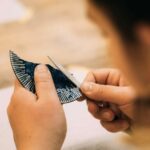
The Higashi workshop is a good fit if you want a quick introduction to Japanese sweets without a lot of shaping. The central material is 100% Wasanbon sugar, and the sweets take form when the sugar is pressed into a mold. The wooden molds are made by skilled artisans, which gives the process a craft connection beyond the finished treat.
It helps to know what the activity is not. You are not cooking a mixture or making a large batch of sweets from scratch. You are pressing prepared sugar into molds, and some participants feel this is too simple for the time or price. Others enjoy its quick, hands-on nature, especially as a short morning activity or a rainy-day stop.
The finished sweets are small, so the experience is more about the method than producing a substantial snack. Timing may feel tight, and the class can move quickly. If you are taking children, the straightforward process can be a plus, but a child who wants plenty of time to experiment may wish for a longer session.
Nerikiri: more shaping, more room for creativity
Nerikiri is the better choice if you want to work more directly with a soft sweet and shape it by hand. The filling is sourced from a long-established Kyoto shop, and the finished pieces can be decorative as well as edible. The task is accessible to beginners, though the neat results in a demonstration can look easier than they are when you try it yourself.
A few practical limits are worth knowing. The class moves at a pace, and color options or amounts may be limited. If a particular color is important to you, check what is included before booking; do not assume every shade or quantity shown in a picture will be available. Some sessions may also involve additional charges for certain materials.
The sweets are very sweet, which is typical of the style and worth keeping in mind if you prefer less sugary desserts. Some participants enjoy eating their creations on site, sometimes alongside tea, while others take them away. The included items are ingredients, so check directly with the venue about any extras, drinks, or takeaway container charges.
Value: a small price for a cultural hour
At a starting price of $11.15, this can be good value if you want an activity that is tactile, local, and easy to fit into a Kyoto itinerary. The price buys more than a sample of confectionery: you handle traditional materials and get a brief look at how Japanese sweets are formed. The Wasanbon and artisan-made molds add substance to the Higashi session, while the Kyoto-sourced Nerikiri filling gives the other option a local link.
The trade-off is depth. This is not a long masterclass, and the amount of explanation may be limited by the pace, the class size, and the language mix. You may leave with a finished sweet and a clearer impression of the process, but not with advanced skills or a detailed lesson in wagashi history.
Think of it as a compact cultural activity rather than a full culinary course. For a low-cost first try, it makes sense. If you want a private lesson, lots of individual feedback, or a slower pace, ask about other times or private arrangements before booking. Sessions outside the listed times may be available by prior request through customer support.
You can also read our reviews of more tours and experiences in Kyoto
Who will enjoy it most
This suits curious beginners, families, couples, and anyone who wants a short change of pace from temples and shops. There is no age limit, and several families have done the Nerikiri activity with young children. Still, a young child may need an adult to help follow the steps, especially if the instructor moves on quickly.
It is less suitable if you need step-free access or have limited mobility. The venue is not wheelchair- or stroller-accessible, and the activity is not recommended for people with impaired physical mobility. The operator also cannot accommodate allergies, gluten intolerance, vegetarian diets, or other dietary needs. If any of these affect you, this is not a safe activity to book without checking directly with the provider.
You should also consider your tolerance for a mixed-language class. Some sessions are explained carefully in English, while others rely more on Japanese instruction and demonstration. If spoken detail is central to your enjoyment, a smaller group or a separately arranged session may improve your chances, but English fluency cannot be guaranteed.
Booking and timing tips
Choose from the listed departures at 10:00, 12:30, or 15:00, and attend the time selected when you book. The corresponding return times are 10:30, 13:00, and 15:30, though available options depend on the package and activity length. Arrive five minutes early; late arrivals and no-shows are not refundable.
The activity is available for booking as soon as the next day, with instant confirmation normally sent within minutes. The voucher is valid only on the date and time selected, and you present it on your phone. Changes are allowed up to 24 hours before the start, subject to exceptions for some promotional bookings. A full refund is available for cancellations made at least 24 hours ahead for the standard booking, but group, private, peak-season, and designated-date rules can be stricter. Check the terms attached to your booking rather than assuming the same deadline applies to every group.
Should you book the An Kyoto sweets workshop?
Book it if you want an affordable, hands-on introduction to wagashi and are happy with a short, structured activity. Choose Higashi for a quick look at Wasanbon and traditional molds; choose Nerikiri if you would rather shape a sweet by hand. The strongest reasons to go are the chance to work with distinctive materials and the accessible, beginner-friendly format.
Skip it, or ask about a quieter session, if you expect a slow lesson with close individual coaching. The main risks are a crowded room, a rushed demonstration, and uneven English explanations. Go in expecting a small taste of Kyoto confectionery craft, not a full course, and you are more likely to find the price worthwhile.
Traditional Japanese Sweets Making Workshop
“Not bad, there are fewer people here, so it's a good place to come and learn.”
FAQ
Where is the workshop held?
It is held at 庵an京都, at 135-1 Manjujicho, Shimogyo Ward, Kyoto. The activity is meet-up only.
What sweets can I make?
You can book either the Japanese Sweets Ohigashi Making package or the Japanese Sweets Nerikiri Making package. They are separate options.
What are the available departure times?
The listed departure times are 10:00, 12:30, and 15:00. Other times between 9:30 and 20:30 may be available by prior request through Klook customer support.
Is the workshop suitable for beginners?
Yes. The activity is described as beginner-friendly, and there is no age limit. Children may need help if the pace is quick.
Is English instruction provided?
The activity is advertised with an English-speaking instructor, but the amount and clarity of English can vary. Some sessions use both Japanese and English, while others may rely more on demonstration.
Can the workshop accommodate allergies or dietary needs?
No. The activity cannot accommodate allergies, gluten intolerance, vegetarian diets, or other dietary needs.
Can I cancel or change my booking?
Changes are generally allowed until 24 hours before the activity starts, with some booking exceptions. A full refund is available for standard cancellations made at least 24 hours before the activity date; special rules may apply to group, private, and peak-season bookings.