
The first organ note in St Stephen’s Basilica doesn’t just play. It travels. Sound rolls up the marble nave, hits the painted dome 96 metres above your seat, and comes back at you from somewhere behind your shoulder. Then your eyes catch the warm spotlight on the gold reliquary at the altar, the relic of King Stephen’s right hand sealed in glass, and you realise this is going to be a very specific kind of evening out.
I’ve been to a handful of concerts inside Budapest’s basilicas. The St Stephen’s evening organ recital is the one I keep recommending to friends, and not because it’s the cheapest. The acoustics in this room are a real thing, the program is properly classical (Bach, Liszt, Vivaldi, Mozart), and the candles glowing along the side chapels make even a sceptic in jeans feel slightly underdressed in the best way.
.jpg)
- In a Hurry?
- What Actually Happens at a St Stephen’s Concert
- How the Concert Schedule Actually Works
- Thursday Evening Organ Recital (the main event)
- Wednesday Grand Organ + Basilica Combo (the morning version)
- Classical Music Concert with Soprano and Strings
- Concert + Danube Dinner Cruise (the evening upgrade)
- The Three Concert Bookings I’d Pick
- 1. Budapest: Organ Concert in St Stephen’s Basilica:
- 2. Budapest: Classical Music Concerts in St Stephen’s Basilica:
- 3. Budapest: St Stephen’s Basilica Grand Organ Concert with Visitor Ticket:
- Which Seat Category to Pick
- How to Actually Book
- What to Wear and Bring
- Getting There and What to Do Before the Concert
- How the Daytime and Evening Tickets Differ
- The Building Itself, in 90 Seconds
- Other Concerts in Budapest If This One Is Sold Out
- Best Months to Go and Best Time of Day
- The Holy Right Relic and Other Things You’ll See
- What I’d Skip
- What If You’re With Kids
- Worth Knowing Before You Book
- Other Budapest Cultural Evenings Worth Pairing With This
In a Hurry?
Best value: Organ Concert in St Stephen’s Basilica from $33. The straight 70-minute Thursday evening recital. Just the music, no add-ons, the cheapest seat in the house gets you the same acoustics as the front row.
Best experience: Classical Music Concert with full orchestra from $70. Soprano, strings, organ. The full classical evening with multiple performers rather than a solo recital.
Daytime alternative: Grand Organ Concert with Visitor Ticket from $61. Wednesday morning 20-minute concert plus access to the basilica, treasury, and panorama lookout.
What Actually Happens at a St Stephen’s Concert
This is the part most booking pages skip over, so here’s the honest play-by-play.
For the standard Thursday 8pm organ recital, the doors open at 7.30pm. You queue at the main south entrance on Szent István tér, hand over a printed or phone-scanned ticket, and an usher walks you to your seat. Seating is assigned by category: front rows are Cat I (rows 1-6), middle is Cat II (rows 7-16), and the back is Cat III (rows 17-26). I’ll get into which category is actually worth paying for further down.
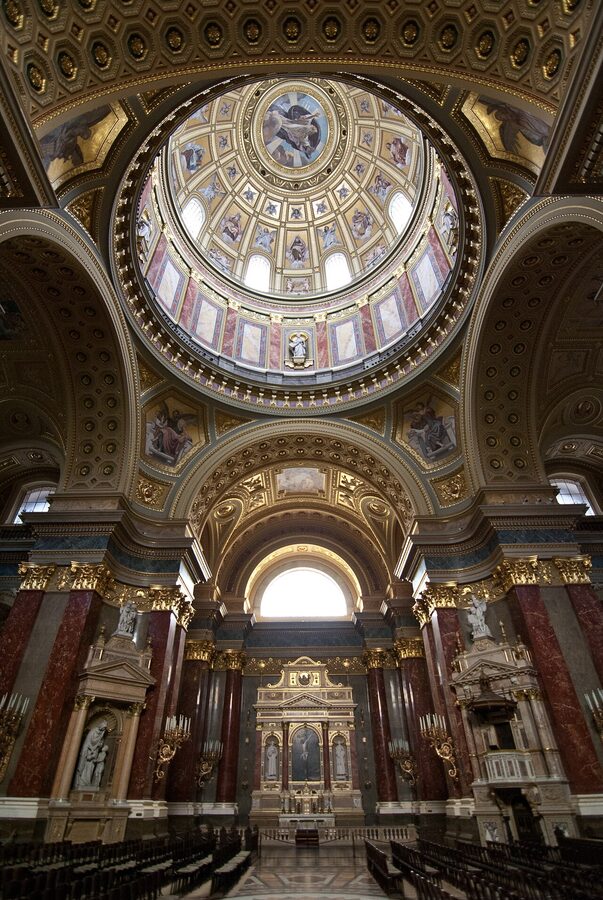

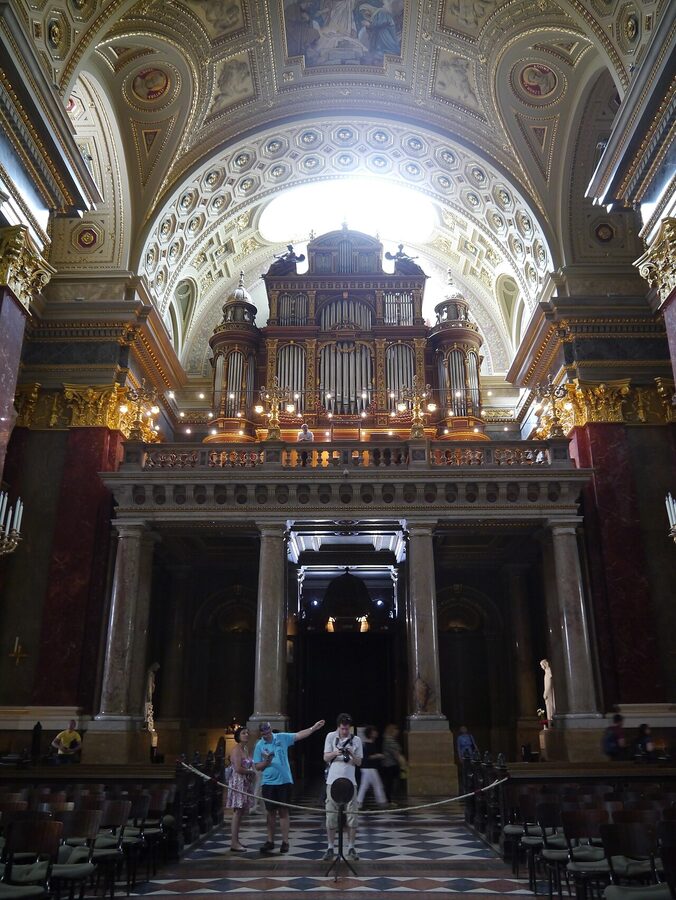
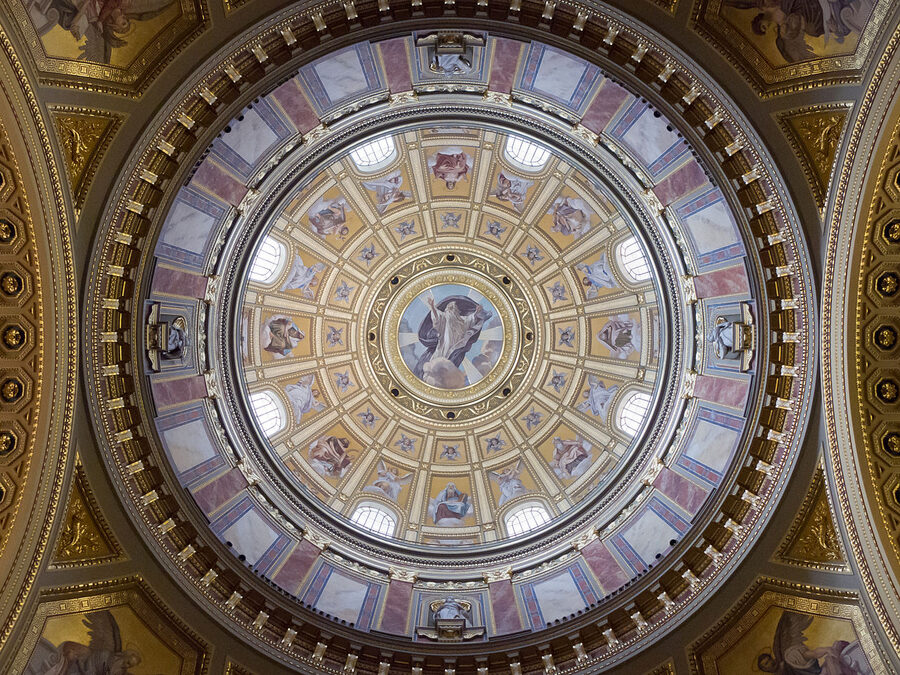
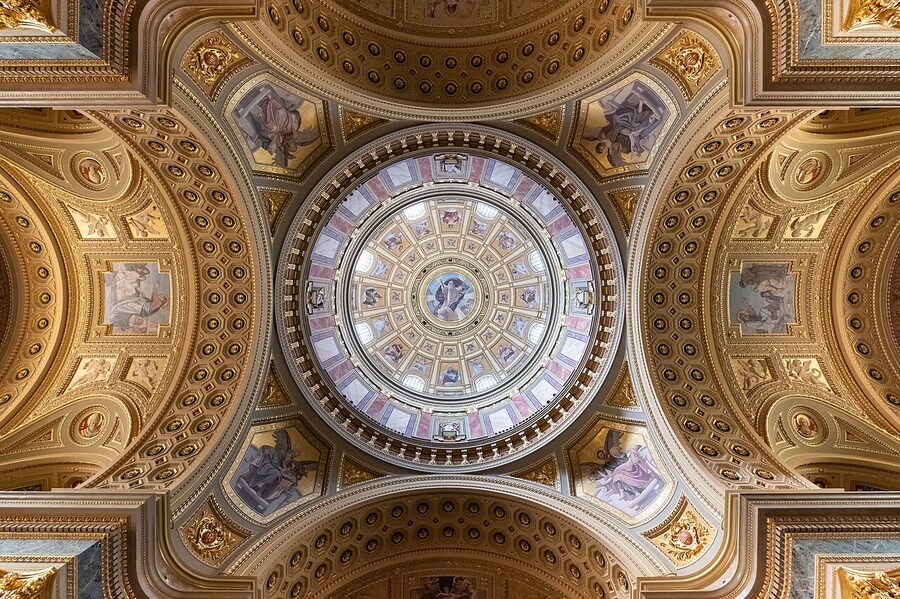
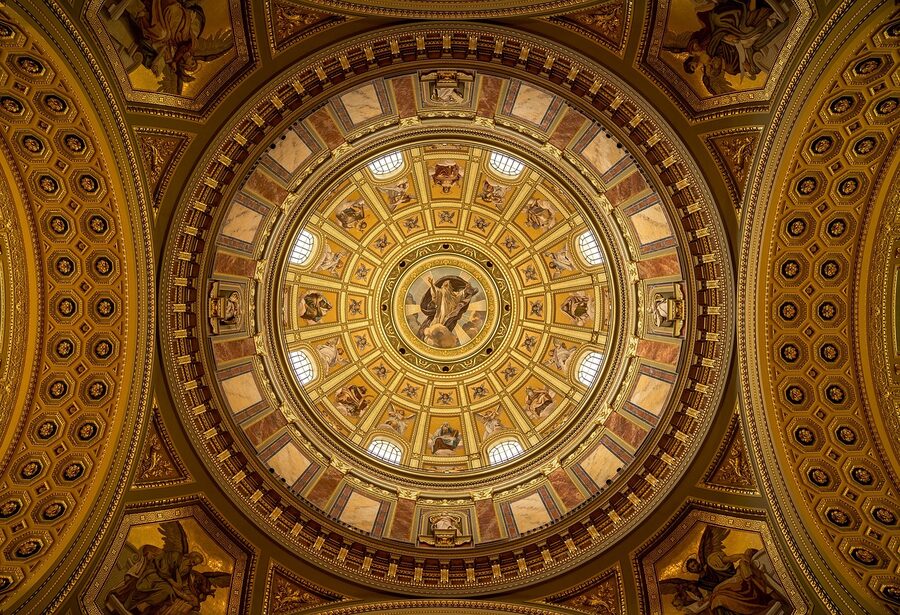
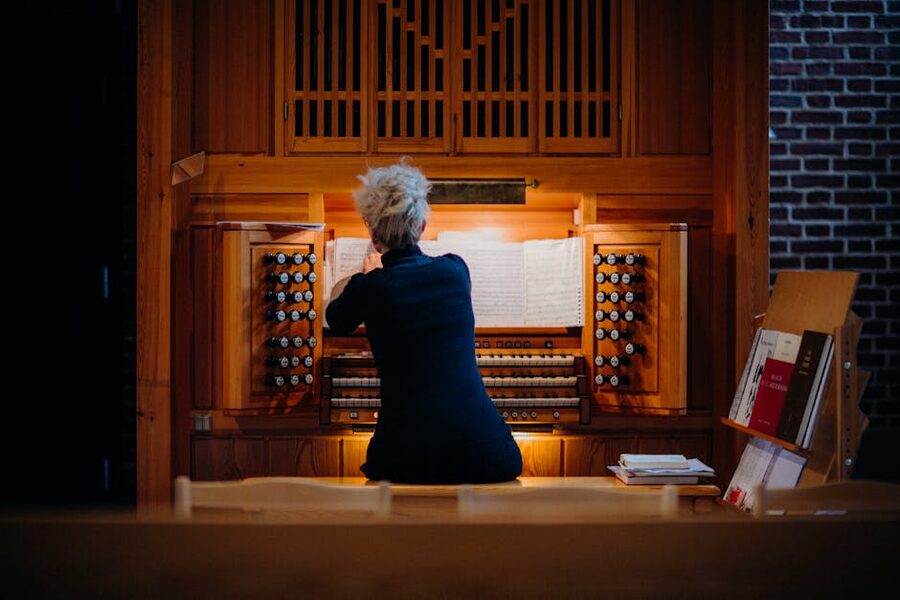
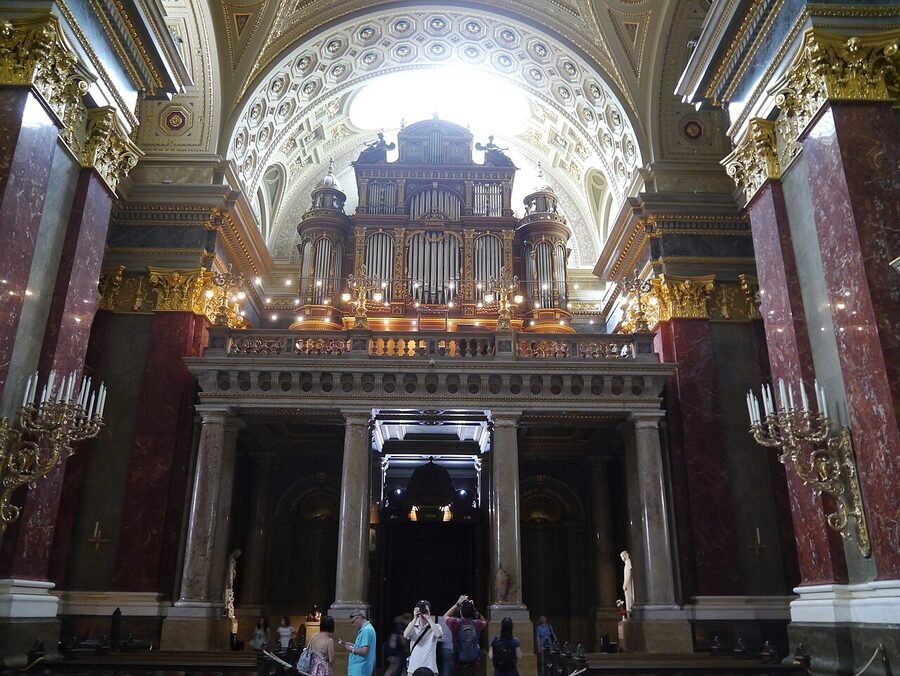
The recital itself runs about 70 minutes with no interval. The organist plays from the gallery at the west end, behind the audience and above. So you’re not watching a performer the way you would at, say, the Hungarian State Opera. You’re listening, head tilted slightly, and most people end up looking up at the dome ceiling for big stretches of it. That’s not a complaint. The ceiling is gorgeous and the angle of the sound coming over the top of the audience genuinely makes that the right place to look.
A typical Thursday program leans on the pieces you’d want to hear in a basilica: Bach’s Toccata and Fugue in D minor, Albinoni’s Adagio, Mozart Fantasie in F minor, a Liszt or Saint-Saëns piece because, well, Liszt was Hungarian. Many evenings include a flute solo by Eleonóra Krusic woven into the organ pieces, which adds an unexpected fragility to a few stretches. The organist on most dates is Kolos Kováts, one of the country’s main concert organists, and he tends to do a short spoken intro to the program in English.

Applause is allowed between pieces. Phones off, no flash photography, no eating. Most people stay in their seats during the whole 70 minutes. The exit is back through the south doors and you’re out on the square by about 9.20pm, which works well if you’ve booked the optional add-on Danube cruise that departs at 10pm from the riverside.
How the Concert Schedule Actually Works
This is where I see the most confusion online. There isn’t one concert. There are several different concerts in the same basilica, on different days, with different formats, and they’re all marketed under similar names. Here’s what’s actually on the schedule.
Thursday Evening Organ Recital (the main event)
This is the big one most people mean when they say “St Stephen’s organ concert.” Performances run every Thursday at 8pm from May through to early December, with extra dates in summer. Duration is about 70 minutes. Solo organ with a flute soloist on most evenings. Tickets start around 29 EUR for the back rows and go up to 38 EUR for Cat I, with a small student discount in each category.
Wednesday Grand Organ + Basilica Combo (the morning version)
Wednesday at 10am is a smaller, shorter format. Twenty minutes of organ playing plus a guided introduction to the instrument by the organist himself. Then you’re free to wander the basilica, the treasury, and the panorama terrace at your own pace. Total experience runs about an hour. This is the better option if you want the basilica visit bundled in and you’d rather not give up an evening. Around 51-52 EUR including the basilica, treasury, and dome ticket.

Classical Music Concert with Soprano and Strings
The most “concert hall” format of the three, and the one I’d send anyone who finds straight organ music a bit dry. It’s typically a soprano plus string ensemble plus organ, with arias from Verdi, Bach choral pieces, and Vivaldi. About an hour, scheduled for various evenings, around 70 USD per seat. The variety of voices and instruments means it lands well even if you’re not a classical regular.
Concert + Danube Dinner Cruise (the evening upgrade)
Several operators bundle the Thursday 8pm recital with a 10pm river cruise on the Danube, with a Hungarian buffet on board. From 105 EUR. The cruise lasts about 90 minutes. After the concert, a host walks you from the basilica down to the pier near Vigadó tér. If you’re doing one big “Budapest cultural evening” while you’re in town, this is the all-in option, and it pairs neatly with our Danube cruise booking guide.
The Three Concert Bookings I’d Pick
About 95% of demand splits between three products. Here’s the honest take on each, including which one I’d book for which kind of traveller.
1. Budapest: Organ Concert in St Stephen’s Basilica: $33

This is the cleanest entry point: a single 70-minute recital, a single fixed price tier (Cat III back rows from around $33), and no add-ons trying to upsell a cruise or a wine tasting. The acoustics work just as well in row 25 as in row 5, so I’d genuinely book the cheapest seat unless you’re a serious organ fan who wants to watch hand work via the rear-view mirror. Our review walks through the seating categories and what to expect from the program.
2. Budapest: Classical Music Concerts in St Stephen’s Basilica: $70
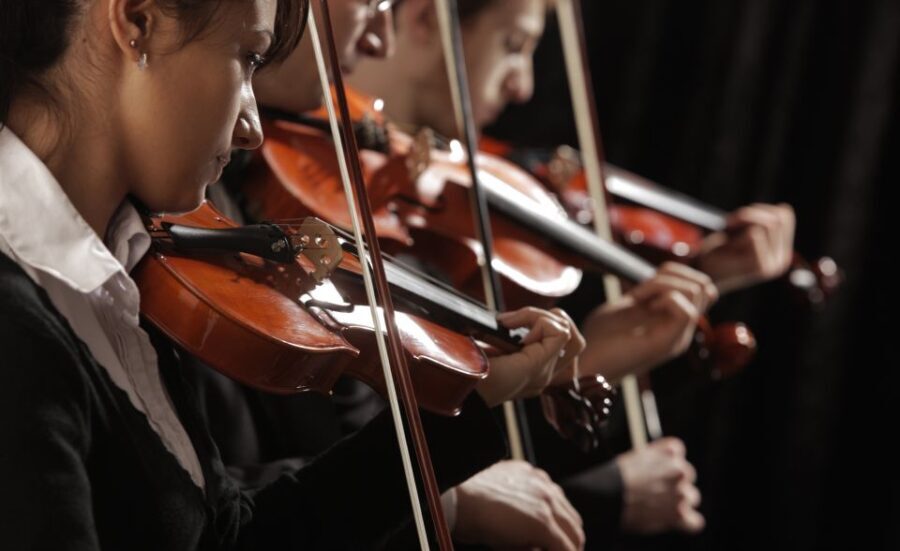
If you find the idea of 70 minutes of solo organ a bit much, this is the format to book. There’s a soprano, a small string section, and the organ working together across an hour-long program (Vivaldi, Bach, Verdi arias, the kind of crowd-pleasing classical that lands even with people who don’t normally listen to it). Pricier at around $70, but the performer count justifies it. Our full review goes into how the program varies week to week.
3. Budapest: St Stephen’s Basilica Grand Organ Concert with Visitor Ticket: $61
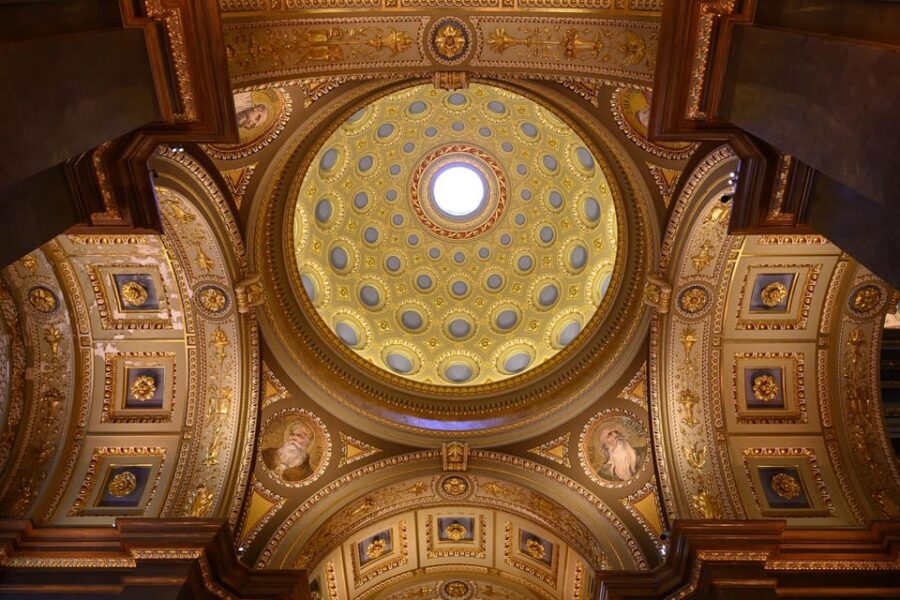
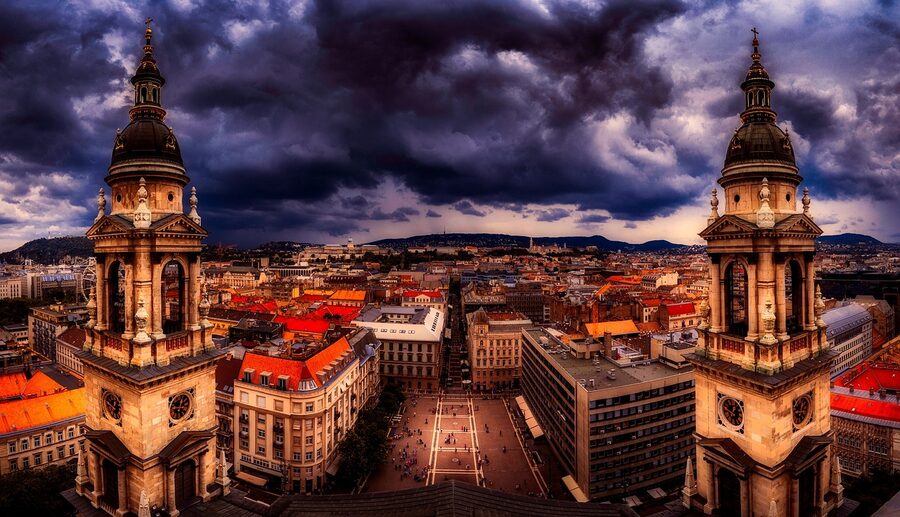
I’d book this if you don’t have an evening to spare and you want the basilica visit folded in. It’s the morning Wednesday format: a tight 20-minute organ piece with the organist explaining the instrument, then unrestricted time in the basilica, the treasury (where you’ll see the Holy Right relic), and the dome panorama terrace. Punchier than the evening, with sightseeing baked in. Our full review covers the dome stair climb and what’s in the treasury.
Which Seat Category to Pick
This question gets asked more than any other. The three Cat I / II / III tiers correspond to rows 1-6, 7-16, and 17-26. The price difference is meaningful (about 9 EUR between the cheapest and most expensive seat).
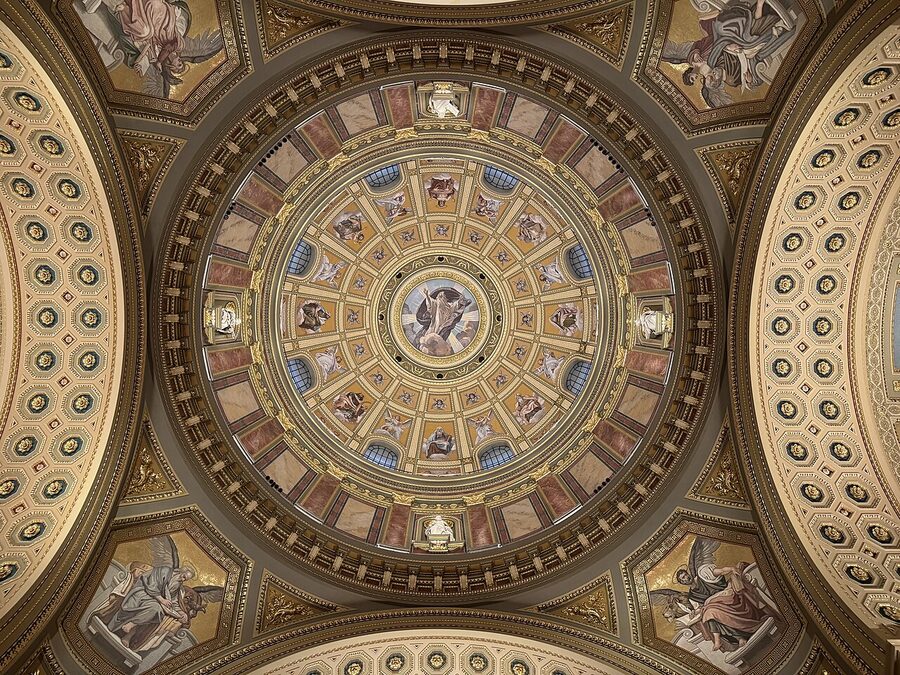

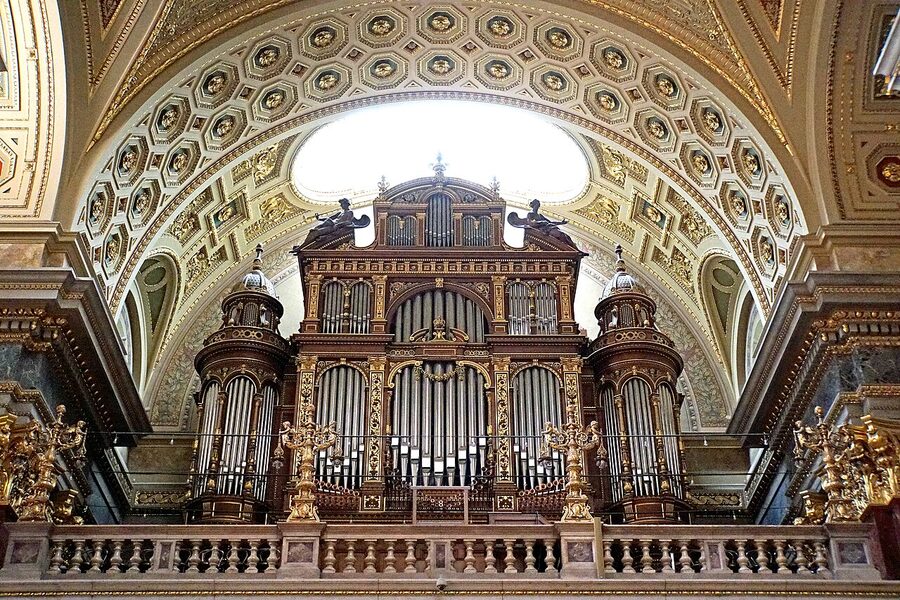
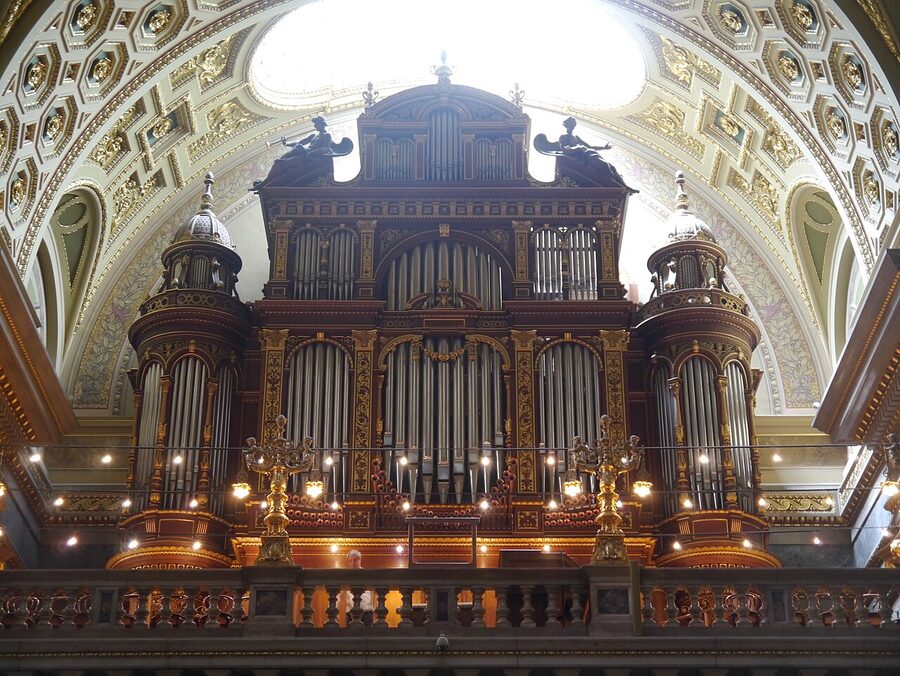
Here’s what most “what’s the best seat” advice misses. The organ is at the back of the church, in a gallery above the south entrance. The audience faces the altar, with the organ behind and above. Sound comes from over your shoulder and bounces off the dome. The closer to the altar you sit, the longer the reverb tail before the sound reaches you. So Cat I (front) gets the most reverberant, slightly mushier sound. Cat III (back) sits almost directly under the organ, with the most immediate, defined sound.
So if you’re an organ purist, Cat III is the better acoustic experience and it’s the cheapest. If you want the visual element of the candlelit altar dominating your eyeline, Cat I gives that, and you can swivel to look up at the organ during loud passages. I usually recommend Cat II as the compromise: middle of the nave, balanced sight and sound. But honestly, save the money on this one. Cat III is fine.
How to Actually Book
Booking is straightforward but there are a few things worth knowing in advance.
The fastest route is online. Tickets are e-tickets, available in PDF or as a phone screen scan. The basilica’s own website (bazilika.jegy.eu) sells direct, and the same dates are on GetYourGuide and Viator under the operator names above. I usually book through GetYourGuide because the cancellation terms (free up to 24 hours before) are more forgiving than the basilica’s direct sales policy.
Walk-up tickets at the box office are possible for less popular dates, especially shoulder-season weekday concerts. But for any Thursday in summer, or the Christmas Market weekends in late November and December, expect to be turned away if you didn’t book. I’ve watched groups of four people get told the only Cat III seats left were on opposite sides of the nave, which is not ideal.
Concerts on the same date often sell at three different prices on three different platforms. The platform variation comes from how the operator packages add-ons (drinks, dinners, hotel pickup), not from any fundamental difference in the seat. Compare the actual category and start time, not the headline price.
What to Wear and Bring
This trips people up. The basilica is a working church, so the standard rules apply: shoulders covered, no shorts above the knee, hats off inside. But it’s also a concert, so you’ll see plenty of smart casual outfits. A blazer or a nice top is fine. You don’t need to dress up the way you would for the State Opera House.
Bring a light layer regardless of season. The interior runs cool because of the marble, even on a 35-degree July afternoon. In winter, bring proper warmth. The heating is minimal during evening concerts and 70 minutes sitting still is plenty of time to get cold.
Photography during the concert isn’t allowed. Phones should be silenced and put away, not because anyone will throw you out, but because the people behind you can see your screen light up across two rows. There’s no audio recording either: the basilica’s own website explicitly says no.
Getting There and What to Do Before the Concert
The basilica sits on Szent István tér in the V district, Pest side, four minutes’ walk from Deák Ferenc tér where the M1, M2, and M3 metro lines all meet. From most central hotels in Pest, it’s an easy 10-15 minute walk through the streets behind Vörösmarty tér. From Buda hotels, take Tram 2 to Eötvös tér or hop a taxi for around 2,000-3,000 HUF.
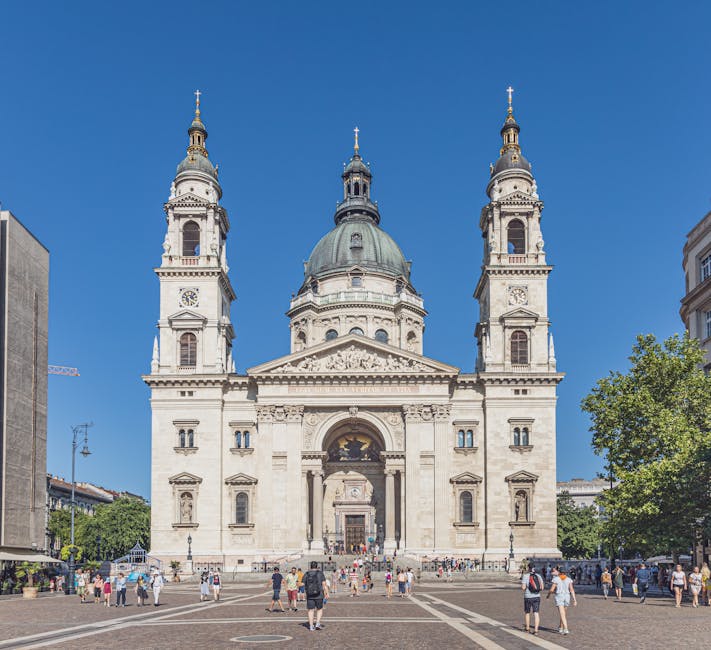
The neighbourhood around the basilica is one of the better dinner zones in Pest, so most people line up a meal before the concert. A few of the spots that consistently work for an early dinner: the small wine bars on Sas utca, Stand25 Bisztró for a slightly upmarket Hungarian menu, or Café Kör for a no-fuss, classic Hungarian sit-down. All within five minutes’ walk.
If you’re booked on the Wednesday morning combo instead, you can pair it with a riverside lunch and an afternoon at the Széchenyi Baths on the Pest side, which is exactly the sort of contrast Budapest does well: cathedral acoustics in the morning, thermal pools in the afternoon. For a fuller route through the city, the walking tour route covers most of the historic centre on foot, including a stop at the basilica.
How the Daytime and Evening Tickets Differ
Worth being explicit about this, because it confuses people. The standard daytime visit to the basilica gets you into the nave, the treasury, and up to the panorama terrace. That’s not a concert. The concert experience is a separate, paid evening event in the same nave. Different ticket, different time, different feel.
If you only want the daytime visit (architecture, dome lookout, treasury, the Holy Right relic in its case), our St Stephen’s Basilica tickets guide covers that ticket category in detail. Different audience, same building.
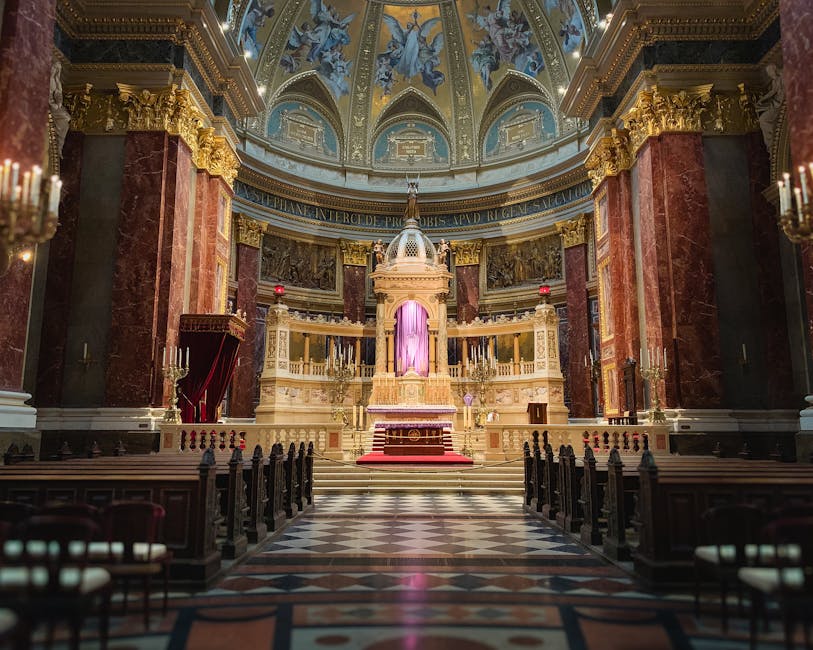
The Wednesday 10am Grand Organ option is essentially a hybrid: a short concert sandwiched into a daytime visit. If you want to do the basilica thoroughly and hear a piece of organ music in the same morning, that’s the ticket to book. It’s not a substitute for the evening recital if your goal is the full concert experience.
The Building Itself, in 90 Seconds
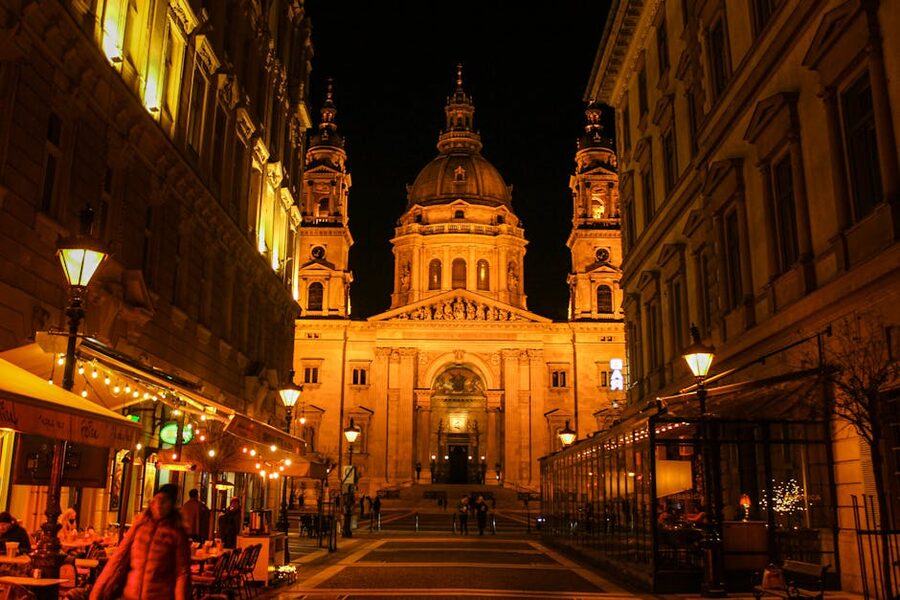
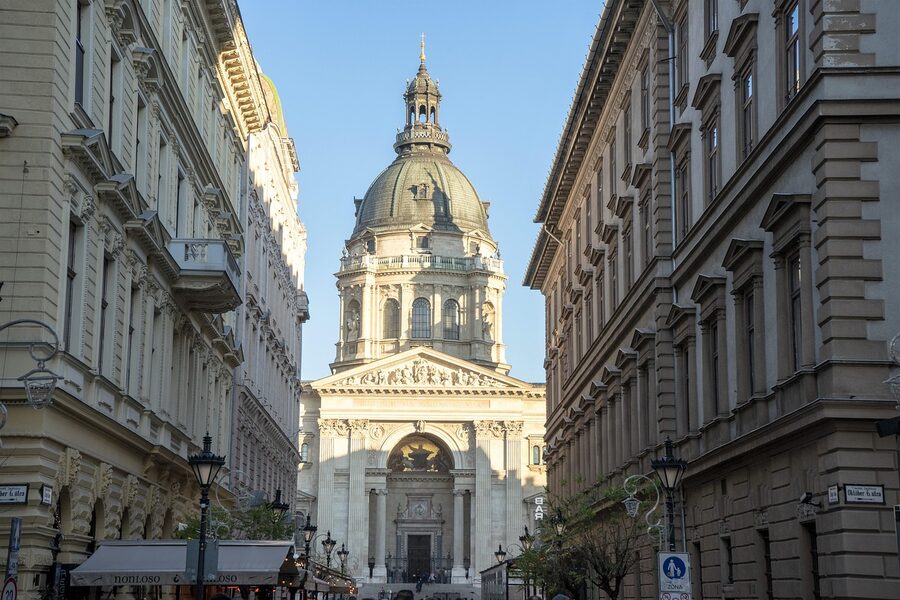
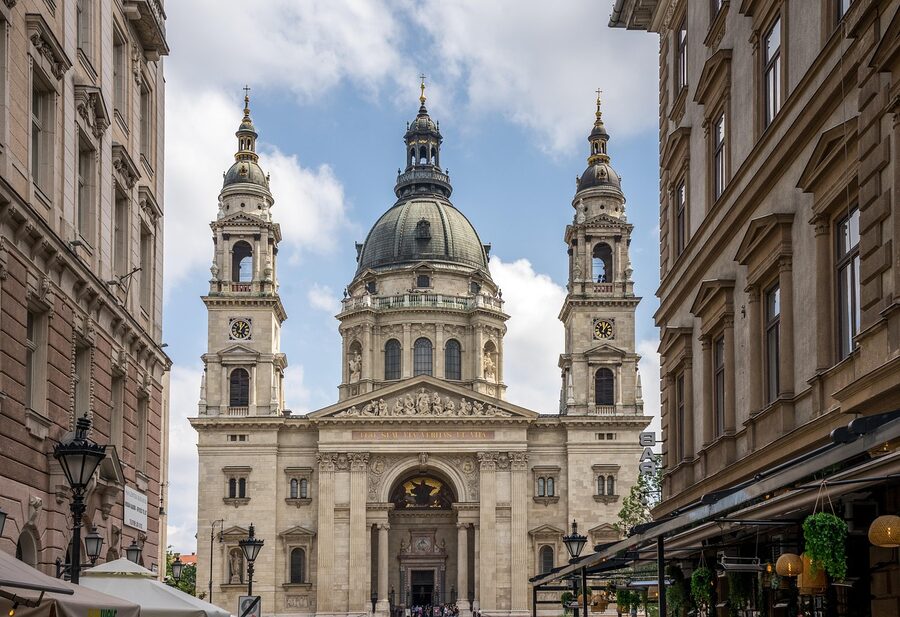
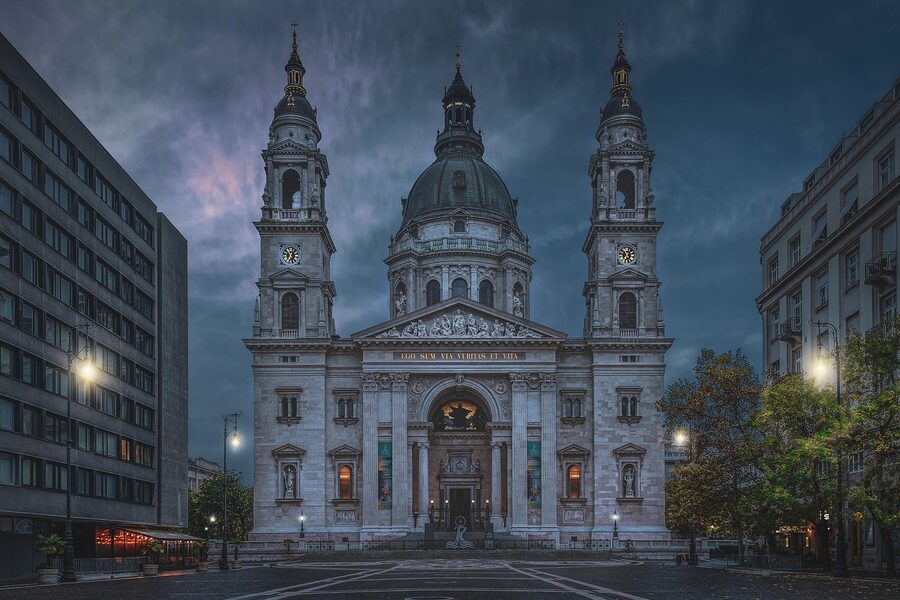
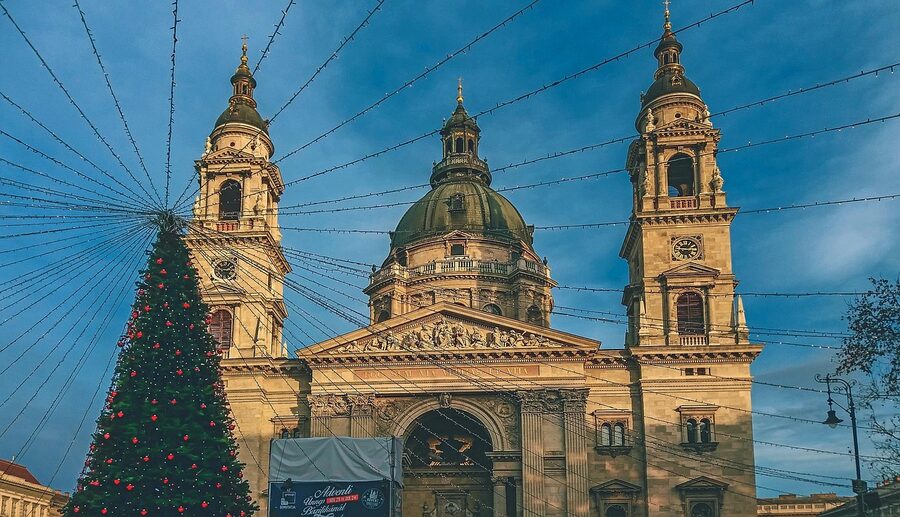
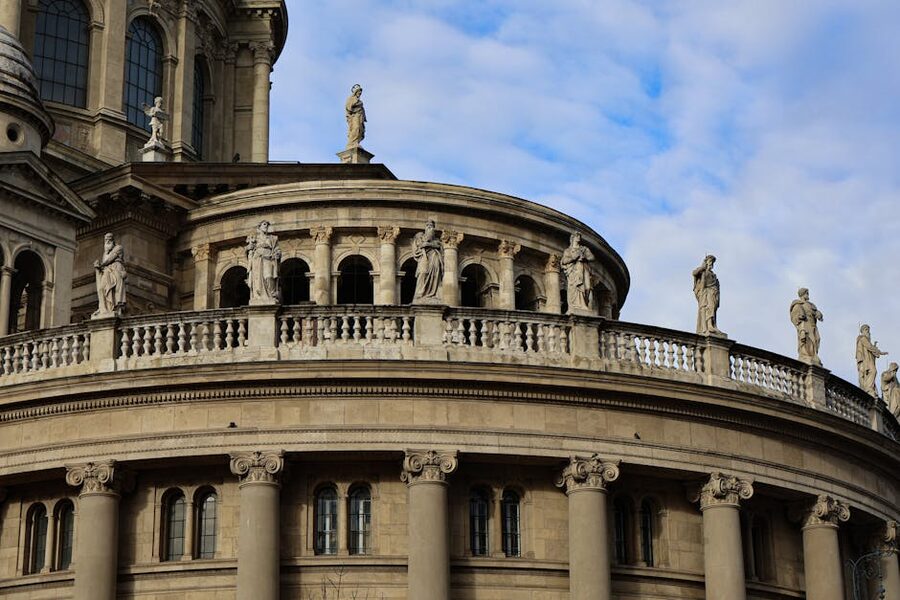
Worth a quick tangent because it changes how the music lands. Construction on St Stephen’s Basilica began in 1851 to a design by József Hild, then continued by Miklós Ybl after the dome collapsed during a storm in 1868. (The Hungarians have a saying about that collapse: anything built badly in Budapest is fine “as long as it’s not the basilica again.”) The church wasn’t consecrated until 1905. Hungarian neoclassical, Greek-cross plan, two bell towers flanking the front, dome in the centre. Ninety-six metres tall, the same height as the Hungarian Parliament across town, by deliberate design. No building in central Budapest is allowed to exceed it.
.jpg)
The grand organ went in much later, in 2003, replacing an earlier Walcker instrument. It’s an Ujhelyi build with five manuals and around 6,000 pipes, which is large by European standards. The organ console is in the gallery above the main south entrance, behind the audience during the evening concert. That gallery placement is what gives the recital its characteristic sound: organ behind, voice (when there is one) in front, and the vast empty cubic volume of the nave acting as an enormous reverb chamber.

Other Concerts in Budapest If This One Is Sold Out
If the date you want at St Stephen’s is full, Budapest has more candle-lit church concert options than any city I’ve spent time in. A few that I’d actually recommend.
Matthias Church up on Castle Hill runs free organ concerts on Sunday evenings (30 minutes, no booking required) and Duna String Orchestra performances on Mondays and Fridays. The acoustic is different to St Stephen’s: smaller, with a more medieval ring because of the higher and narrower nave shape. If you’re already going up to the castle district, pair it with our Buda Castle walking tour earlier in the day.
St Michael’s Church on Váci utca runs choir and organ concerts on Wednesday and Saturday evenings, baroque interior, more intimate scale, tickets from around 23 EUR. Inner City Parish Church does occasional programs as well, often on Saturday evenings. Budapest also has the Müpa concert hall, which is the modern alternative for a non-church classical evening, and the Hungarian State Opera for a full opera house experience.
Best Months to Go and Best Time of Day
The Thursday evening recital runs from May to early December with breaks. Most months will have three to four Thursday performances. December is the highest-demand month because of the Christmas Market on Szent István tér: concerts that month genuinely sell out a week or more in advance, and ticket prices on resale platforms drift up.
September and October are the months I’d actively recommend. Mild evenings, no Christmas crowds, and the basilica feels less rushed. June through August is fine, but the city is properly hot and you’ll be sweating in your concert layer until you’re inside. April and early May are cooler with smaller audiences, but the program list is shorter.
For the Wednesday morning combo, any time of year works since the daytime portion gives you the warmth of the building plus the dome view. Booking ahead is less critical for this one outside of Christmas market dates.
The Holy Right Relic and Other Things You’ll See
Worth knowing what’s actually in the basilica when you arrive. To the left of the altar is the Chapel of the Holy Right (Szent Jobb), which holds the mummified right hand of King Stephen I, founder of Hungary. It’s been in the basilica since 1945 and is the country’s most important religious relic. From the concert seats you can see the chapel’s open archway and the faint glow of the gold reliquary.
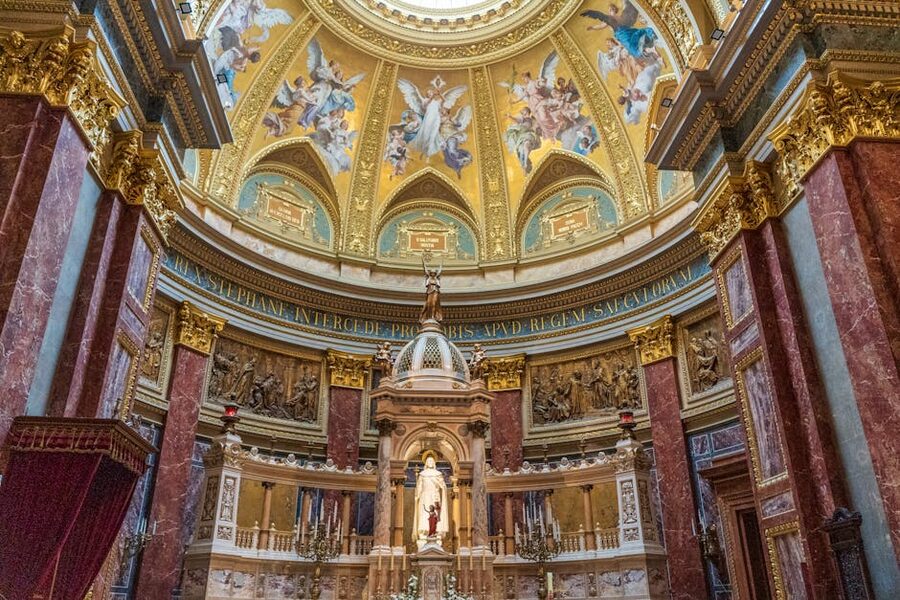
The chapel itself is part of the daytime ticket, not the evening concert. If you want to see it up close, book the Wednesday morning combo or the standard daytime ticket separately. There’s a coin-operated light box on the wall that illuminates the relic for two minutes when you drop in 200 HUF, which is worth doing because the lighting is otherwise dim.
The treasury is one floor up to the right side of the nave. Liturgical objects, vestments, gold and silver work from the 19th century. Less well-known than the relic chapel, but quietly interesting if you have an extra 20 minutes. Both are on the same combined ticket as the panorama dome.
What I’d Skip
Two upsells you’ll see and probably don’t need.
The first is “VIP” or “Premium” ticket categories that promise reserved drink service and front-row priority. In a 1,000-seat basilica with assigned seating already, the difference is essentially front-row access plus a glass of sparkling wine in the lobby. If you specifically want the front row, just buy a Cat I ticket and skip the markup.
The second is hotel pickup. The basilica is in central Pest within easy walk of every major hotel district. Paying 15-20 EUR for someone to walk you four blocks rarely makes sense. Skip it and put the saved money into a better dinner before the concert or a cocktail at New York Café afterwards.
What If You’re With Kids
The 70-minute solo organ recital is honestly tough for kids under about ten. There’s no visual focus (the organist is behind the audience), the pieces lean serious, and the no-talking rule doesn’t bend. I’ve sat near families where the ten-year-old was completely engaged and the seven-year-old was visibly counting ceiling rosettes by the second piece.

For families, the Wednesday 10am combo is the better pick: 20 minutes of organ, a clear explanation from the organist about how the instrument works, and then time to climb the dome stairs. Kids respond well to the “behind the scenes” framing of a working organ tour. For a fully kid-friendly Budapest evening alternative, see our floating bus tour or the Danube Bend day trip which keeps things visual and outdoors.
Worth Knowing Before You Book
A few things that aren’t obvious from the booking pages but come up in person.
Concerts run rain or shine: the basilica is fully indoor and weather doesn’t affect anything. There’s no real cloakroom service, so don’t bring a bulky bag if you can avoid it. There’s a small under-seat space and that’s about it. Wheelchair access is good through the side entrance on the south facade: notify your booking platform 48 hours ahead and a staff member will meet you. The audience age tends to skew older and more international: I’d estimate two-thirds tourists, one-third locals on most evenings, with the local proportion higher in summer and lower in December.
The acoustics absolutely reward serious listening, but they also reward casual listening. You don’t need a music degree to enjoy this. If you’ve ever stood in a stone cathedral and felt your voice come back to you after a half-second delay, you already know what makes this room work. The organ just turns that effect up to 11 and lets it run for an hour.
Other Budapest Cultural Evenings Worth Pairing With This
If you’re building a multi-night Budapest cultural plan, the basilica concert pairs especially well with a full day of more active sightseeing. After a 70-minute sit-still evening, most people are happy to schedule something physical the next day.
An afternoon at the Gellért Baths or the Széchenyi Sparty is the easy contrast. For something more high-energy, the ruin bar pub crawl covers the District VII drinking scene and slots in nicely after a 9.30pm concert end. A more daytime pairing is the hop-on hop-off bus for a city overview, or the Hungarian Parliament tour on the morning of the same day. The Buda Castle cave tour works as a daytime atmospheric counterweight (underground torch-lit tunnels in the morning, organ in a cathedral in the evening). Combine the cathedral concert with the tuk-tuk tour for a quick city orientation, or the vampires and myths night tour for a darker take on the city after the concert ends.
A final tip. Whichever concert you book, get to the basilica at least 20 minutes before doors open, walk a slow loop of the square at dusk, and let the building’s exterior settle into your eye before you go in. The dome lit at night is one of the better sights in central Pest, and the contrast between the cool exterior and the warm candle-lit interior is half of what makes the whole evening work.
This article includes affiliate links to GetYourGuide and Viator. If you book through these links we may earn a small commission at no extra cost to you. We only recommend tours and tickets we’d book ourselves.