
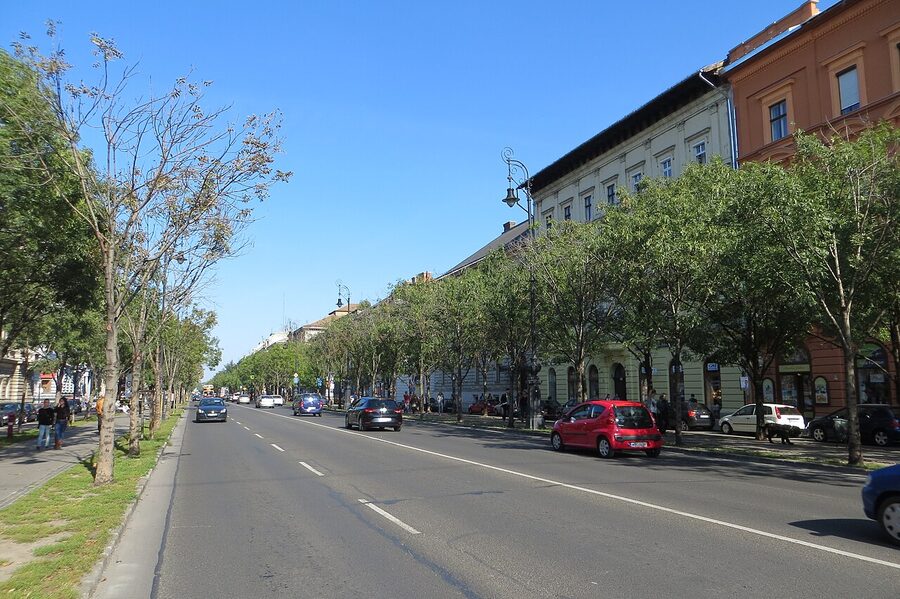
Walking Budapest is a beautiful, slow ordeal. The Pest side alone is laid out on these enormous nineteenth-century boulevards — Andrássy út runs almost two and a half kilometres in a straight line from the city centre to Heroes’ Square, and that’s just the spine. By the time you’ve ploughed up to the Castle Hill funicular and back down to the embankment, your hip flexors have given up and you’ve still missed half the city. A tuk-tuk flips the script. You sit, the city moves, and a guide tells you why the building you’re looking at matters.

In a Hurry? The Three Best Budapest Tuk-Tuk Tours
Best overall (city tour): Budapest Tuk Tuk City Tour — around $100, 2.5 hours, both Buda and Pest with a multilingual driver-guide.
Best for couples: Private Budapest Half-Day Tuk Tuk — around $179, four hours, fully private with hotel pickup.
Best electric tour: Sightseeing Tour by Electric Tuktuk — around $108, 2 hours, silent ride that doesn’t drown out the guide on the steep Buda climbs.
- In a Hurry? The Three Best Budapest Tuk-Tuk Tours
- Buda or Pest — and why most tours do both
- How long the tour should be
- Electric tuk-tuks vs the old combustion ones
- What the tour actually covers
- Recommended Tours
- 1. Budapest Tuk Tuk City Tour — .89
- 2. Budapest Private Tuk Tuk Half-Day Tour — 8.98
- 3. Budapest Electric Tuktuk Sightseeing Tour — 8
- What it actually costs
- When to book and how
- Pickup, drop-off, and where to actually meet
- What to wear and bring
- Custom requests on a private tour
- Walking pace vs tuk-tuk pace, in numbers
- When a tuk-tuk isn’t the right call
- The standard route, in order
- Direct vs platform booking
- Operators worth knowing
- What you’ll wish you’d known
- Other Budapest guides worth reading
Buda or Pest — and why most tours do both
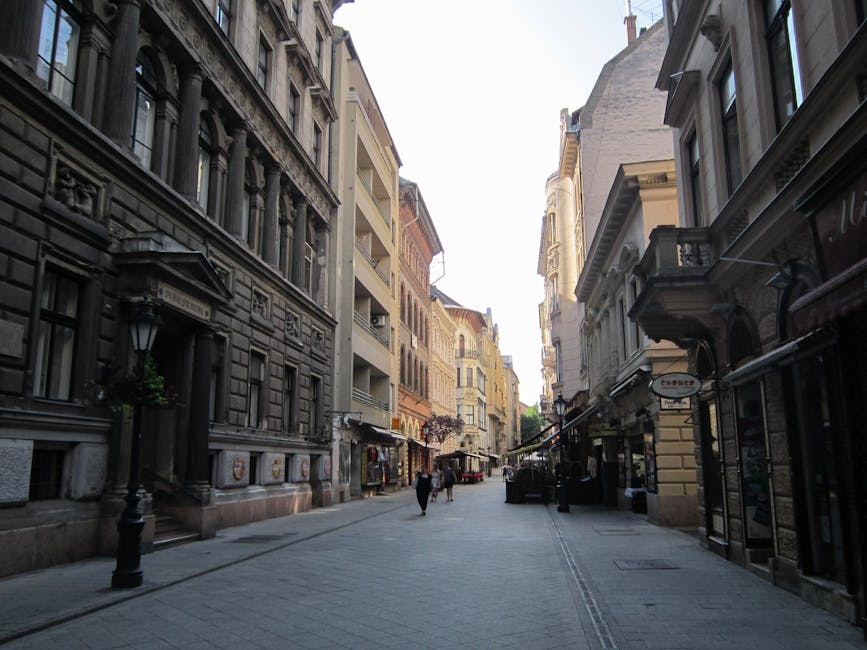
Budapest is two cities that got merged in 1873. Buda is the steep side: Castle Hill, Gellért Hill, the embassies, the old money. Pest is the flat side: Parliament, the boulevards, the ruin bars, the food halls, basically everything you’d want to walk past at street level. The Danube splits them.
Almost every tuk-tuk tour worth booking covers both. There’s a reason — the contrast is the whole point. You spend half an hour on the Pest grid, mostly cruising broad avenues at street level, then cross a bridge and suddenly the road tilts and you’re climbing past stone walls into the medieval bit. Doing one without the other gets you half a city.
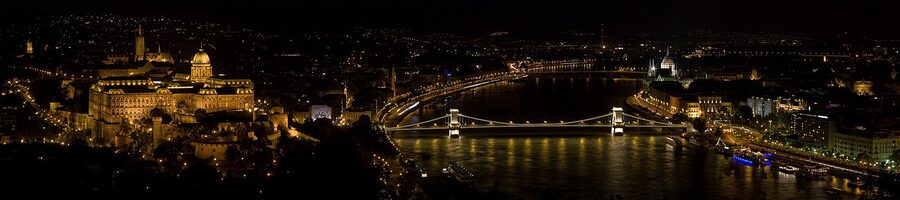

A handful of operators sell “Pest only” tours for cruise ship passengers on a tight clock. Skip those unless you literally cannot leave the river. You’ll have a flat hour, miss Castle Hill entirely, and end up wishing you’d booked something else. The standard 2-2.5 hour tour does both sides comfortably, with stops.
How long the tour should be
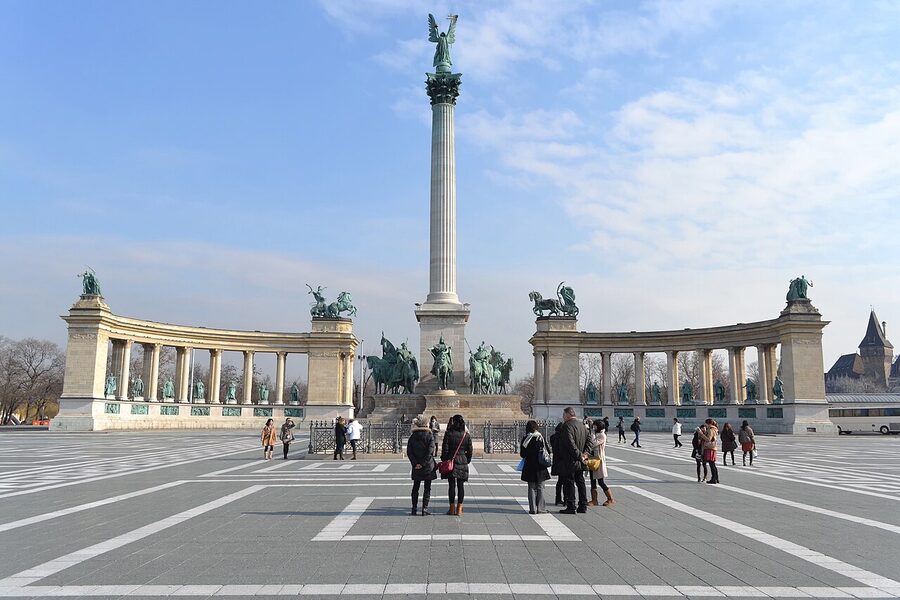
Length is the big lever. Two hours is the floor — shorter and you’re just rushing between photo stops with no time to actually look at anything. Most operators run 2 to 2.5 hour tours as their default, and that’s the sweet spot for a first-timer who wants Heroes’ Square, Andrássy út, the Parliament side, the Chain Bridge, and Castle Hill without skipping anything important.

A four-hour private tour changes the experience completely. You’re not on a fixed loop. Coffee stop at Új York Café, paprika run to the Central Market Hall, synagogue detour through the Jewish Quarter — all possible. The half-day private is also where most photo-tour operators land.
The sunset variant usually runs 1.5 to 2 hours but is timed so you cross the Chain Bridge in golden hour and end at Fisherman’s Bastion just as the lights come on. Marketed at couples, priced accordingly. Worth it if your evening has nothing else booked.
Electric tuk-tuks vs the old combustion ones
This is the one detail that separates an actually good tour from a frustrating one, and most listings don’t make it obvious. Electric tuk-tuks are quiet. You can hear the guide. Combustion engines (the older Bajaj-style three-wheelers some operators still run) sound like a chainsaw on the steep Buda climbs, which is exactly where you want the guide to talk because that’s where the history gets interesting.
If the listing doesn’t say “electric”, message the operator and ask. The good ones will tell you straight. Daniel’s electric tour on GetYourGuide is upfront about it and the difference is night and day from the loud ones I rode earlier in the trip.
There’s also a comfort thing. Electric tuk-tuks tend to be the newer Italian-built Piaggio-derivative models with proper seats and weather flaps for the rain. The older combustion ones are more rattly and don’t seal properly when it’s wet. In April or November, this matters more than you’d think.
What the tour actually covers
Most operators run a similar core loop with small variations. Here’s roughly what you’ll hit on a 2-2.5 hour standard tour, in the order most drivers do them:

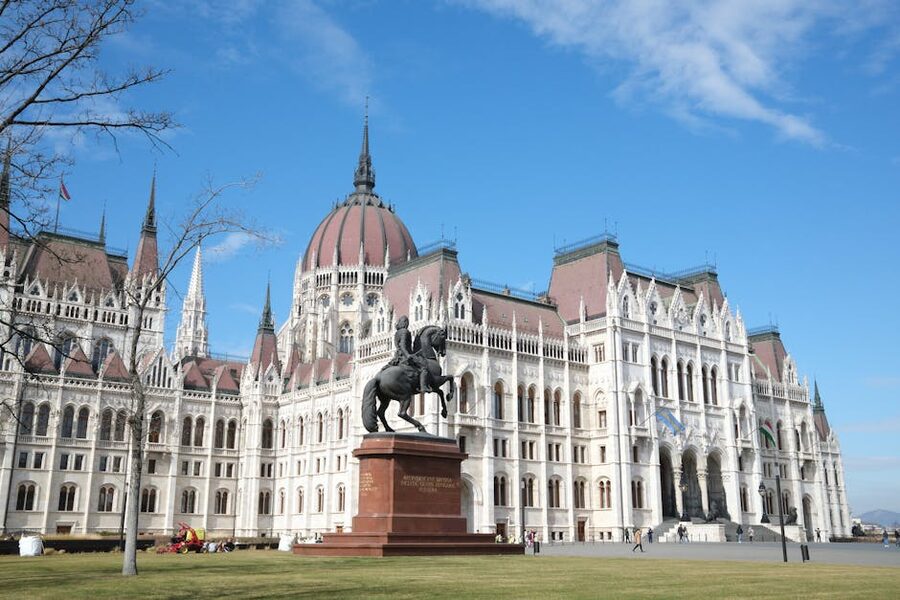
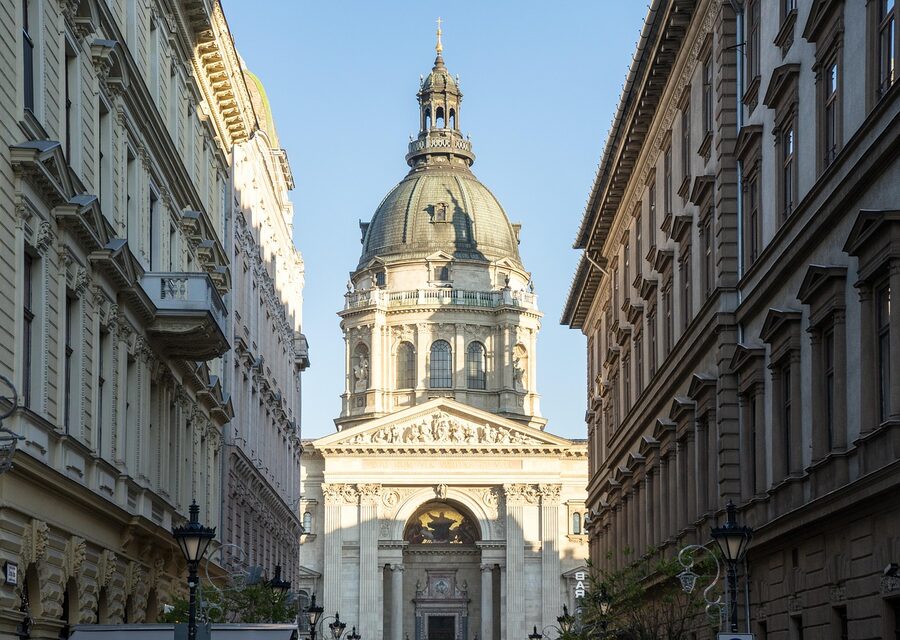
The tour usually starts somewhere central — Vörösmarty Square or right outside St Stephen’s. From there you’ll thread through Pest’s wide boulevards, sweeping past the Opera House on Andrássy út, looping up to Heroes’ Square at the top, and circling back via the embankment for the Parliament shot.
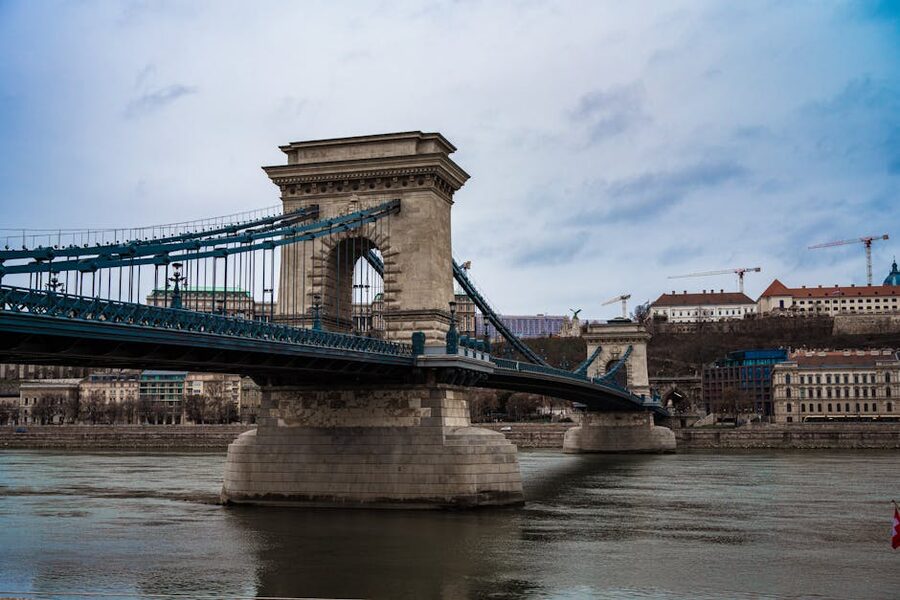
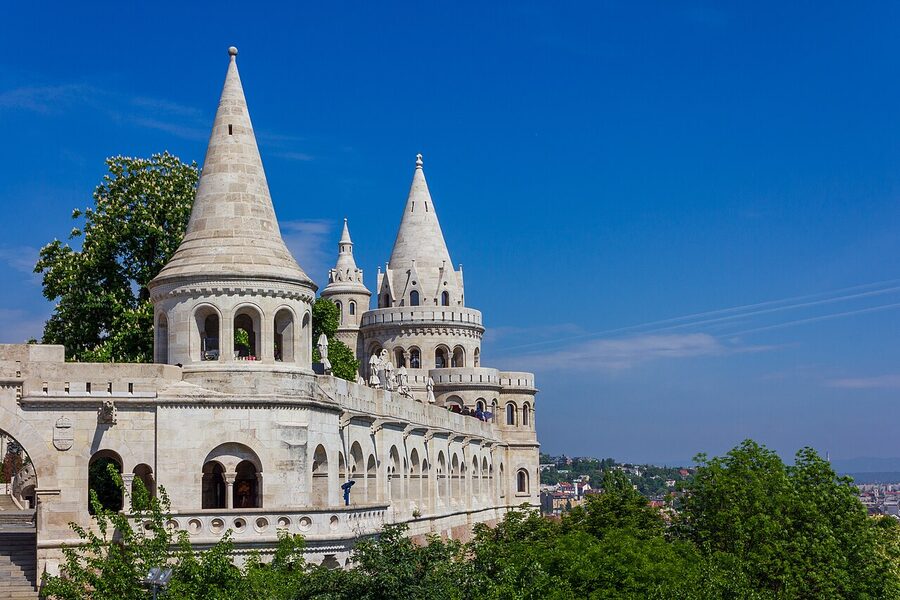
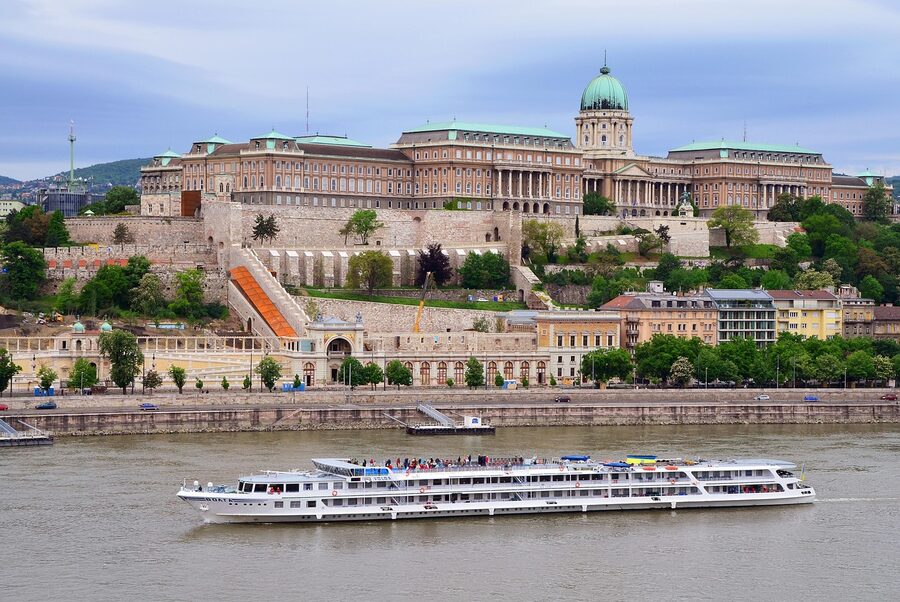
Then the bridge. Most drivers cross via the Chain Bridge for the photogenic version, though some take you over the Margaret Bridge if traffic is bad. Once on the Buda side, the route climbs up to Castle Hill — this is where electric matters most, because the gradient is real. You’ll stop at Fisherman’s Bastion for the panorama and at Matthias Church for the photo, then either descend back the way you came or loop down via Gellért Hill for the Citadella view.
Recommended Tours
These three are the ones I’d actually book. They cover different needs — pick based on time, budget, and how private you want it.
1. Budapest Tuk Tuk City Tour — $99.89
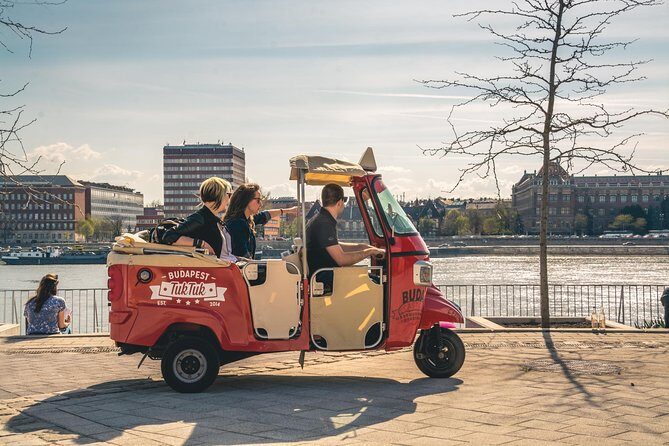
This is the sensible default. It’s the most-booked Budapest tuk-tuk tour on Viator for a reason — 2.5 hours covers Pest’s boulevards, the Chain Bridge crossing, and a proper loop around Castle Hill without rushing. The drivers double as guides and the operator takes English, Spanish, French, and Italian groups. Our full review goes into the booking quirks (it’s small private groups, not a fixed-departure shared bus). Worth the price if you want the entire city in one go.
2. Budapest Private Tuk Tuk Half-Day Tour — $178.98
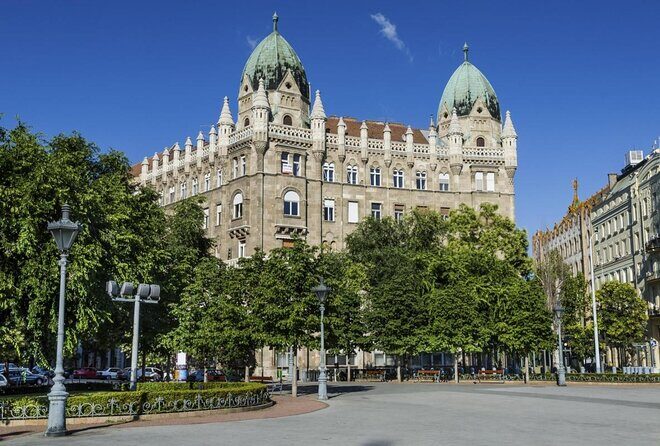
Four hours sounds like a lot until you realise how much you can actually fit in. The private format means you can stop for a coffee at Új York Café halfway through, detour to the Jewish Quarter, or skip a sight you’ve already done. Pickup from your hotel cuts the dead time at the start. Our full review of the half-day option covers what makes the longer format worth the extra cash — mostly the freedom to actually stop and look.
3. Budapest Electric Tuktuk Sightseeing Tour — $108
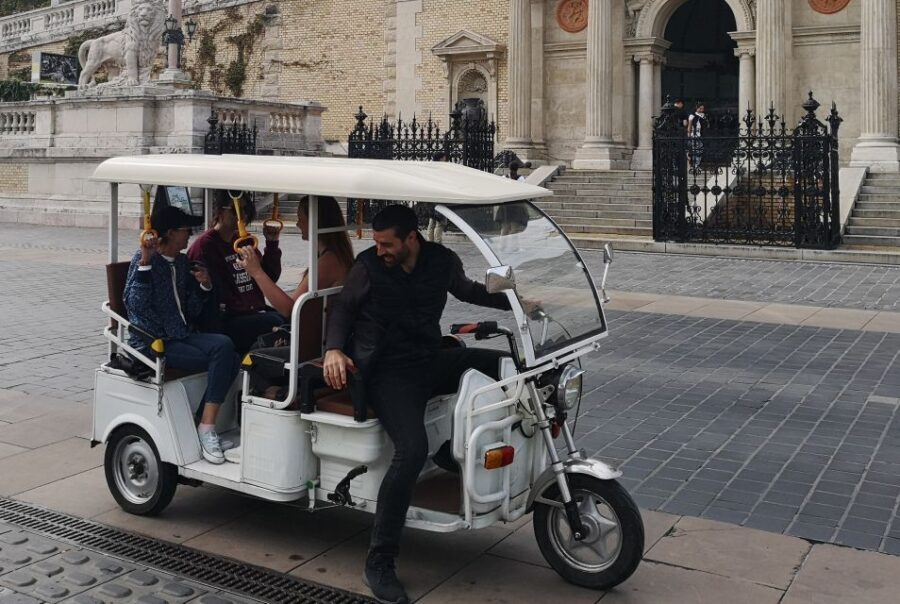
Daniel runs this one through GetYourGuide and the electric format is genuinely different from the older combustion tuk-tuks. You can hear him over the engine on the Castle Hill climb, which is exactly where the stories about the city’s history land. Our review goes into how the route differs from the standard Viator tour — it’s tighter, more central, and you skip Heroes’ Square but spend more time around the Castle. Pick this one if quietness and intimacy matter more to you than maximum sight count.
What it actually costs
A standard 2-2.5 hour tour runs around 90-110 USD per person. Private tours start at about 175 for the half-day and go up if you add wine, food, or specific photo stops. Sunset versions hover around 115-120 per head.
The pricing is consistent enough that if you find something dramatically cheaper, it’s a flag. The 50-60 dollar tours on aggregator sites usually turn out to be 50-minute Pest-only loops in older combustion vehicles. The economics don’t work below about 80 dollars on a proper tour.
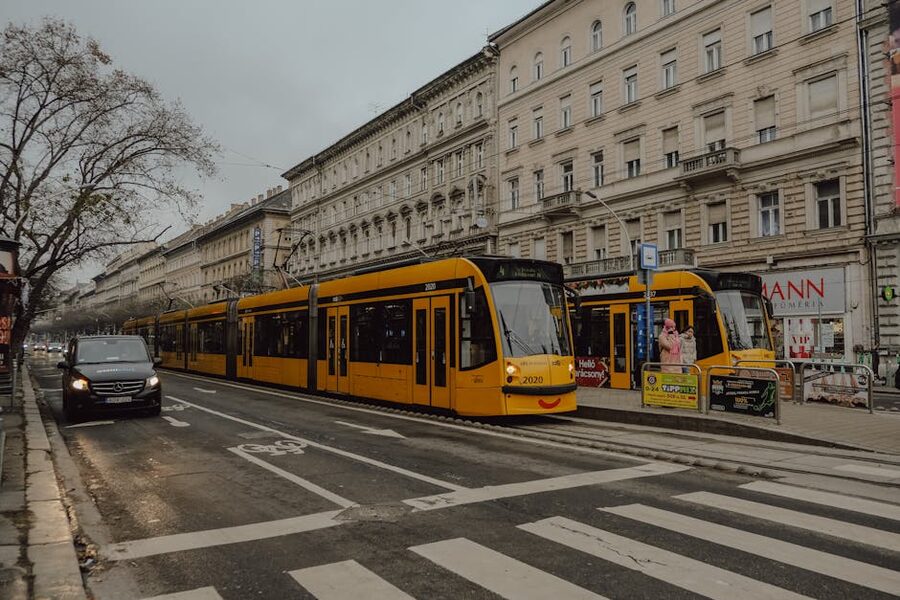
Tipping is standard practice but not aggressive. Drivers expect 10-15% on a shared tour and a bit more on a private booking, especially if they’ve gone off route to fit something in for you. Cash, in forints, ideally — they don’t always have card readers in the cab.
When to book and how
The booking platforms most operators use are Viator, GetYourGuide, and direct websites like budapesttuktuk.com. I’d default to Viator or GYG because the cancellation terms are clearer and the review feedback loop forces operators to keep their act together. Direct booking can occasionally save 5-10 dollars but you lose the platform protections and you’re emailing the operator yourself for changes.
In peak season — May through early September, plus the Christmas markets stretch in December — book at least 3-4 days ahead for the popular operators. The smaller fleets sell out daily, especially the private and electric ones. Out of season (January, February, late autumn weekdays) you can sometimes get a same-day booking, but I wouldn’t bet on it for the half-day private.

Cancellation policies are usually 24 hours for free cancellation on the major platforms. After that you’re on the hook unless the weather is genuinely brutal. Most operators don’t run in heavy rain or below about -5°C — they’ll proactively cancel and refund. Light drizzle they’ll run through with the rain flaps down.
Pickup, drop-off, and where to actually meet
Pickup logistics depend on the format. Group tours almost always meet at a fixed point — usually St Stephen’s Basilica, Vörösmarty Square, or somewhere on Deák Ferenc tér. They’ll text you the exact pin the day before. Show up 10 minutes early. Tuk-tuks can’t legally idle on these squares for long, so if you’re late they may have already swung back to the depot.
Private tours come to your hotel. This is one of the better arguments for the half-day private — pickup is from wherever you’re staying, including the Buda side hotels that are otherwise a pain to get to from a central meeting point.
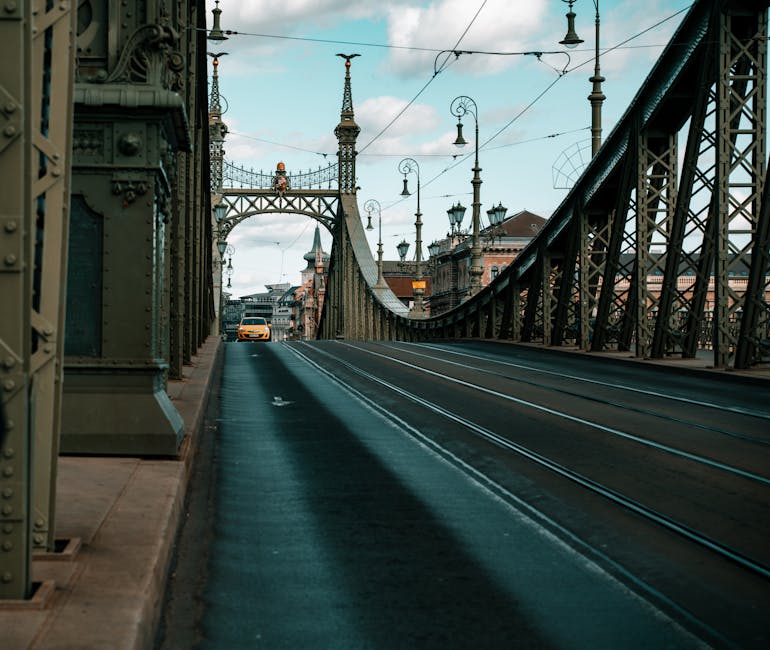
Drop-offs are flexible on private tours and fixed on group tours. If you want to be dropped off somewhere specific (a thermal bath, your hotel, a restaurant), tell the driver at the start, not the end. They can almost always do it if it’s roughly on the route, but they’ll say no if it’s a major detour.
What to wear and bring
Tuk-tuks are open-sided. That’s the whole point — you can see the city as you ride. It also means weather hits you. Layers are non-negotiable in spring and autumn, even when the forecast looks fine. The Danube wind kicks up in any season and you’ll feel it on the bridges.
In winter, the operators run heated tuk-tuks with full plastic side flaps zipped down. They’re warmer than they look but you’ll still want a proper coat, especially below 5°C. In summer, the open sides are bliss but bring sunscreen — you’re not in shade for the boulevard sections, and Budapest summer sun is properly punchy.
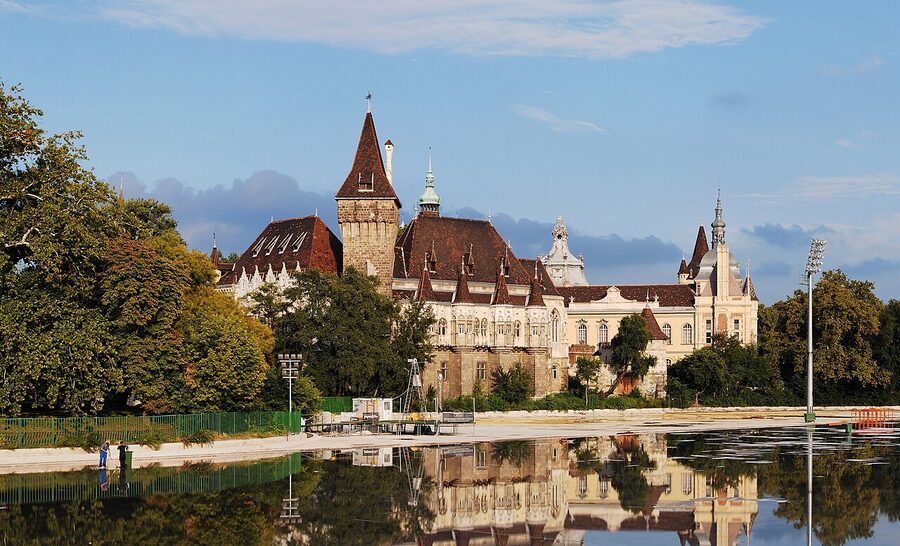

Camera-wise: your phone is fine. The wide-angle modes on iPhone Pro or Samsung Ultra handle the Parliament panorama and the Castle Hill views without a problem. If you’ve brought a real camera, a 24-70 zoom does most of the work — the wide for landmarks, the longer end for sniping people-shots in the Castle district.
Don’t bring a tripod. There isn’t time to set it up at any of the stops, and the driver won’t appreciate you fishing for it under the bench seat.
Custom requests on a private tour
The half-day private is the right product for anything custom — proposals, family birthdays, photo shoots, kid-friendly slow versions. Message the operator a day or two before booking. Most will fit the request in, sometimes for a small surcharge.
Common asks: a photographer along for engagement shots, finishing at a thermal bath (usually Széchenyi or Gellért) so you roll straight into the spa, a Central Market Hall lunch stop, or a wine-tasting tail-end at a Jewish Quarter cellar.
The Tuk-Tuk plus Danube Cruise combo bundles 90 minutes on land with 60 minutes on the river for one ticket. If your time in Budapest is short, that combo gets you both perspectives in a single afternoon.
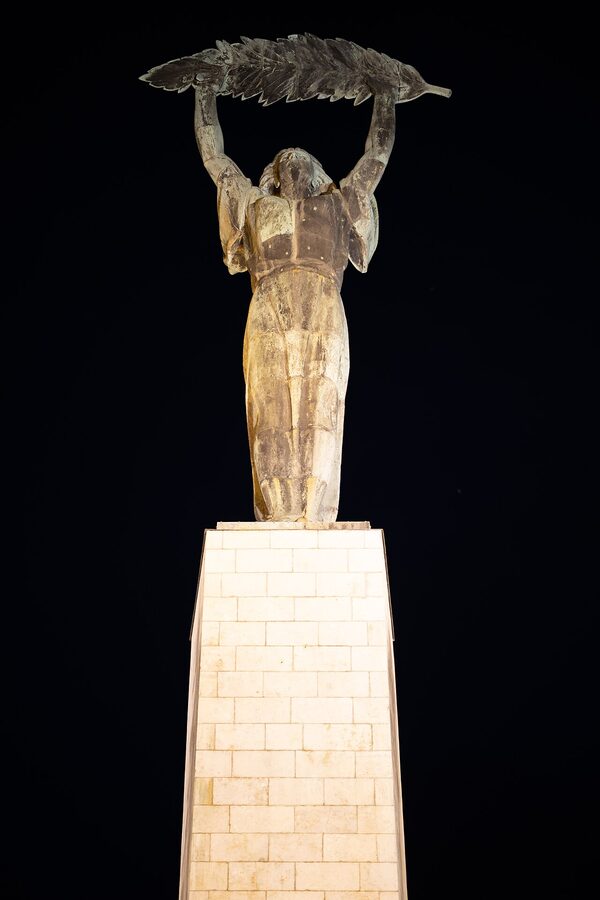

Walking pace vs tuk-tuk pace, in numbers
A confident walker covers about 4.5 km/h on flat city ground. Pest is roughly 4.5 km wide between Margaret Bridge and the Liberty Bridge, with most of the sights between those two points. Walking edge to edge is an hour. Add Buda’s Castle Hill climb and the loop back, and you’re looking at three to four hours of pure walking just to cover the same ground.
A tuk-tuk does it in 90 minutes including stops. The reason isn’t only speed — drivers cut through bus lanes, route around traffic, and skip the sections that are pretty boring on foot anyway (the long stretches between the major squares on Andrássy út, for instance, are visually nice but you don’t need to walk all of it to “get” it).
This is the contrast that matters. If you’ve already done a Lisbon tuk-tuk tour or a Porto tuk-tuk, you know the format. Budapest is bigger and flatter than either of those, which means a tuk-tuk does even more for you here than in Portugal — you’re not just dodging hills, you’re crossing real distance.
When a tuk-tuk isn’t the right call
Hop-on hop-off bus. Bigger, slower, fixed loop, recorded commentary. Cheaper per hour but the prerecorded narration is a long way from a real guide. Our hop-on hop-off guide covers when it suits.
Walking tour. Cheap, intimate, street-level. But Budapest’s walking tours specialise — there’s a Castle Hill one, a Pest one, a Jewish Quarter one. No single walking tour covers both sides without wearing out your legs. We’ve reviewed the main Pest walking tours separately.
Floating bus. Amphibious bus that drives into the Danube and continues as a boat. Good for novelty, slower for sightseeing, and you can’t customise the route. Floating bus review.
Bike tour. Faster than walking, slower than a tuk-tuk, and you do the work yourself. The bike tour guide covers routes. Great if you want exercise; not great with mobility issues or in the rain.
Buda Castle Cave Tour. Not really a tuk-tuk substitute but it’s the underground network the tuk-tuks point out without entering. Worth pairing — cave tour guide for booking.
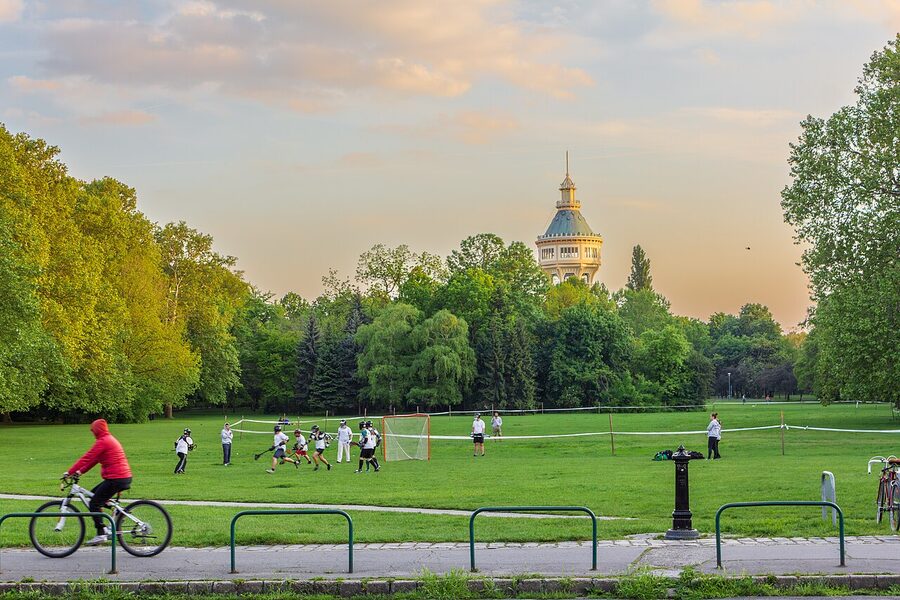
The honest answer is that a tuk-tuk and a walking tour cover different territory. A tuk-tuk gives you geometry — how the bridges connect, how Buda relates to Pest. A walking tour gives you street-level texture. Tuk-tuk first, walking tour second is the order most people I’ve spoken to said worked best.
The standard route, in order
Pest start: pickup at Vörösmarty Square or St Stephen’s, loop through Belváros, north along the embankment past the Parliament, then inland up Andrássy út to Heroes’ Square. Roughly the first 45 minutes.
Bridge crossing: usually Chain Bridge, sometimes Margaret Bridge if there’s a Saturday closure. Five minutes of actual bridge time, but you’ll want to slow down for photos.
Buda climb: up to Castle Hill, stop at Fisherman’s Bastion (10-15 minutes), past Matthias Church, down through Tabán park, optional loop up Gellért Hill for the Citadella view.
Pest return: cross back via Liberty Bridge or Elizabeth Bridge, brief loop through the Jewish Quarter (Dohány Street Synagogue from outside), then drop-off.
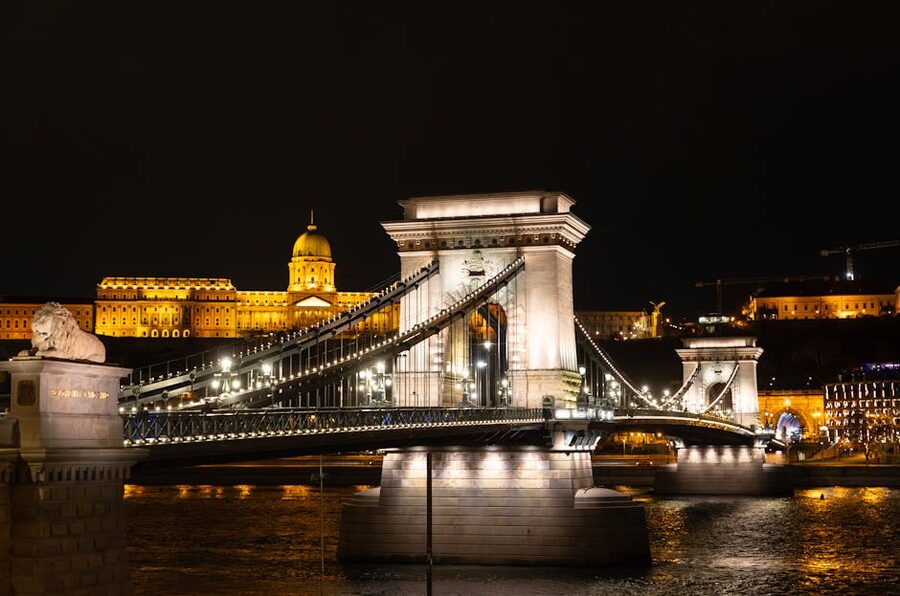
A small thing about the route order: some operators reverse it (Buda first, Pest second) for sunset tours, because the late-evening light hits Buda Castle better than it hits Parliament. If your tour starts after 5 PM in summer, ask which side they’re doing first — the answer tells you whether the operator actually thinks about the light.
Direct vs platform booking
Direct booking through an operator’s site saves 5-10 dollars per ticket, occasionally more. Trade-off: you handle the booking conversation yourself, cancellation terms are whatever the operator says, and there’s no third party to escalate to.
Platform booking through Viator or GetYourGuide costs slightly more but cancellation terms are standardised (usually 24 hours free), reviews are vetted, and the platform pays operators weekly so they have an incentive to keep ratings high. For a first-time visitor, the platform option is worth the small premium. For groups of four or more, direct often makes sense — operators will negotiate a group rate platforms can’t match.
Operators worth knowing
The Viator-listed Budapest Tuk Tuk City Tour is run by an established Hungarian operator with multiple drivers, multilingual capability, and a fleet that’s mostly newer electric vehicles. This is the default choice and a solid one.
Daniel’s Electric Tuktuk Sightseeing Tour on GetYourGuide is the small-operator alternative. He runs his own electric vehicle, takes 1-4 people per tour, and reviews lean on how personal it feels. The trade-off is availability — peak season slots disappear quickly.
Beyond those two, there’s a long tail of operators running similar tours. Quality varies. The pattern that holds: anything under 80 USD on a 2-hour tour is a flag, and anything that won’t tell you whether the vehicle is electric is also a flag.
What you’ll wish you’d known
The driver is not a museum guide. They know the city’s geometry and the stories that go with each stop, but they don’t pretend to be PhD-level historians. Save your Habsburg-era or 1956-uprising questions for a dedicated walking tour. The tuk-tuk format handles the broad strokes.
You’ll get cold even on summer evenings — the wind that funnels down the Danube cuts through anything that isn’t a windbreaker. Bring a layer.
The seats fit 4-6 but are most comfortable with 2-3. If you’re a couple, ask about a private booking even if it costs more — you’ll have room to actually move and shoot photos.
Most drivers will pause an extra minute at any stop if you ask. They won’t volunteer the time but they’ll usually grant it. The exception is the Parliament — they can’t legally idle there for long.
Tuk-tuks can drop you anywhere central, including at the start of a ruin bar pub crawl or at the entrance to Cinema Mystica if you’ve timed the tour to lead into another booking.
Other Budapest guides worth reading
If you’re putting together a Budapest day plan around the tuk-tuk tour, our Széchenyi thermal bath guide covers what’s still the best post-tour wind-down in the city — book a late afternoon tuk-tuk, end up at Széchenyi for the evening. For Castle Hill specifically, the Buda Castle walking tour goes deeper than the tuk-tuk version on the medieval bits, and the cave tour covers the underground network. If you want to do Budapest at night without the spa, the vampires and myths night tour does the dark Buda alleys properly.
For tickets to specific landmarks the tuk-tuk only points out, the Buda Castle ticket guide, the Parliament tour guide, and the Basilica ticket guide are all separately useful. And if you want a different angle on the same city, the Danube cruise guide shows the river-level perspective that the tuk-tuk doesn’t quite reach.
Affiliate disclosure: We earn a small commission if you book through the links on this page. It doesn’t affect what you pay and we only recommend operators we’d happily book again.