
An hour after I’d been crawling on my belly through a 40cm gap somewhere under the Buda Hills, helmet scraping limestone, the guide flicked his headlamp off and asked everyone else to do the same. Total black. Then he tapped a stalactite with one finger and the sound rang for what felt like ten seconds. That’s when I understood why people travel to Budapest specifically to crawl through rock. The city sits on top of Hungary’s longest cave system, around 30km of mapped passages, and the only way to actually be in it is to suit up and climb in.
This is a different animal from any other Budapest tour. You leave the tram routes, drive 20 minutes into a residential hill, change into a coverall and helmet in a tin hut, and then disappear underground for three hours.
In a Hurry? Three Quick Picks
Most popular: Budapest Adventure Caving Tour with Guide on GetYourGuide. Three hours in the Pál-völgyi-Mátyás-hegyi system, around $76 per person, gear and certified caving guides included.
Easier intro: Szemlő-hegyi & Pál-völgyi Caves Walking Tour. Lit pathways, stairs and one ladder, no crawling. Around $52 and good if you’re not sure about tight passages.
Viator alternative: Adventure Caving Experience in Budapest. Same 3-hour adventure format, around $58, useful if you already use Viator’s voucher system.



- In a Hurry? Three Quick Picks
- What You Actually Do for Three Hours
- How Booking Actually Works
- Three Tours Worth Booking
- 1. Budapest: Adventure Caving Tour with Guide:
- 2. Szemlő-hegyi & Pál-völgyi Caves Walking Tour:
- 3. Adventure Caving Experience in Budapest (Viator):
- Adventure Caving vs Walking Caves: Pick the Right One
- Getting To the Cave Entrance
- What to Wear (Read This Before You Go)
- The Geology, Briefly
- Difficulty: An Honest Assessment
- Best Time of Year
- Safety, in Plain Terms
- The Walking-Tour Version If You Just Want To See a Cave
- What to Do Afterwards
- Common Mistakes (and How to Skip Them)
- Photography
- Who Shouldn’t Book This
- Tipping and the Small Hungarian Customs
- Frequently Asked, Briefly Answered
- If You Liked This, Try These Next
- Final Take
What You Actually Do for Three Hours
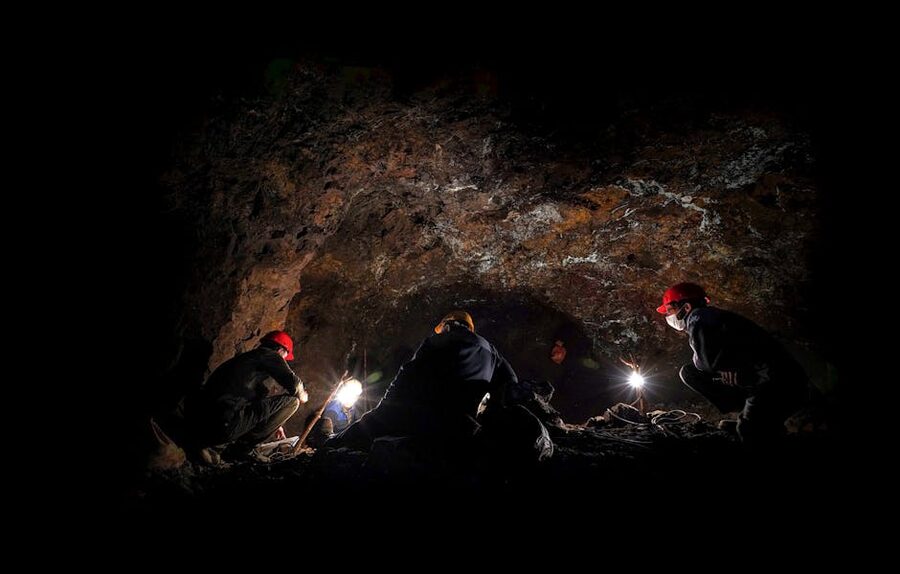
The clock starts at the meeting point above ground. Roughly fifteen minutes of safety briefing, gear handout, and signing a waiver. You get a coverall (worn over your own clothes), a hard hat, a headlamp, and gloves. Knee pads usually live in a bin if you want them and frankly, you do.
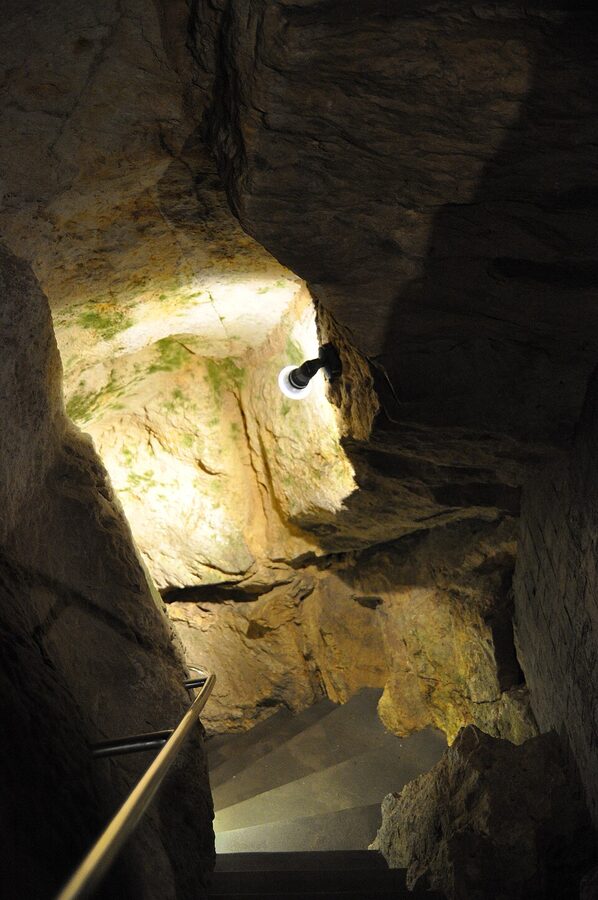
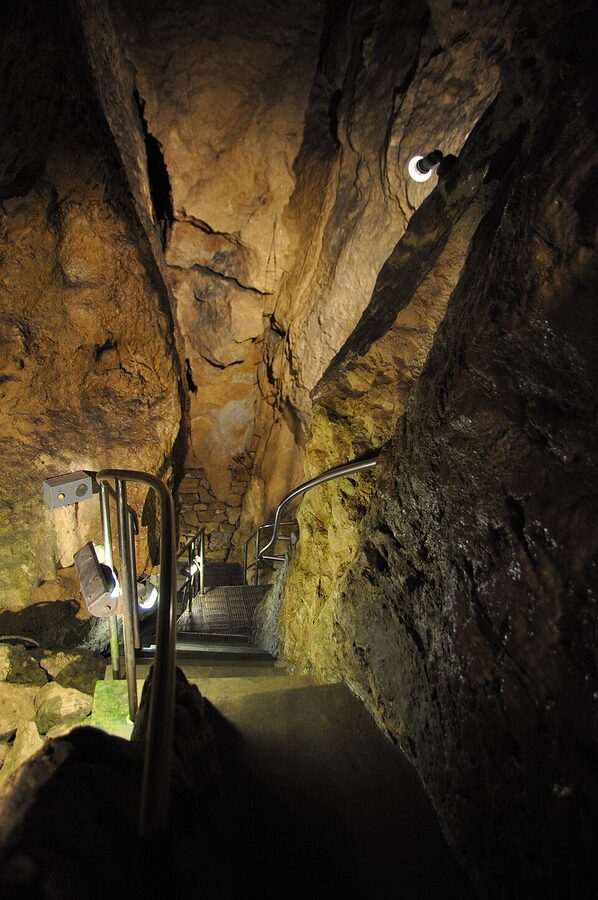
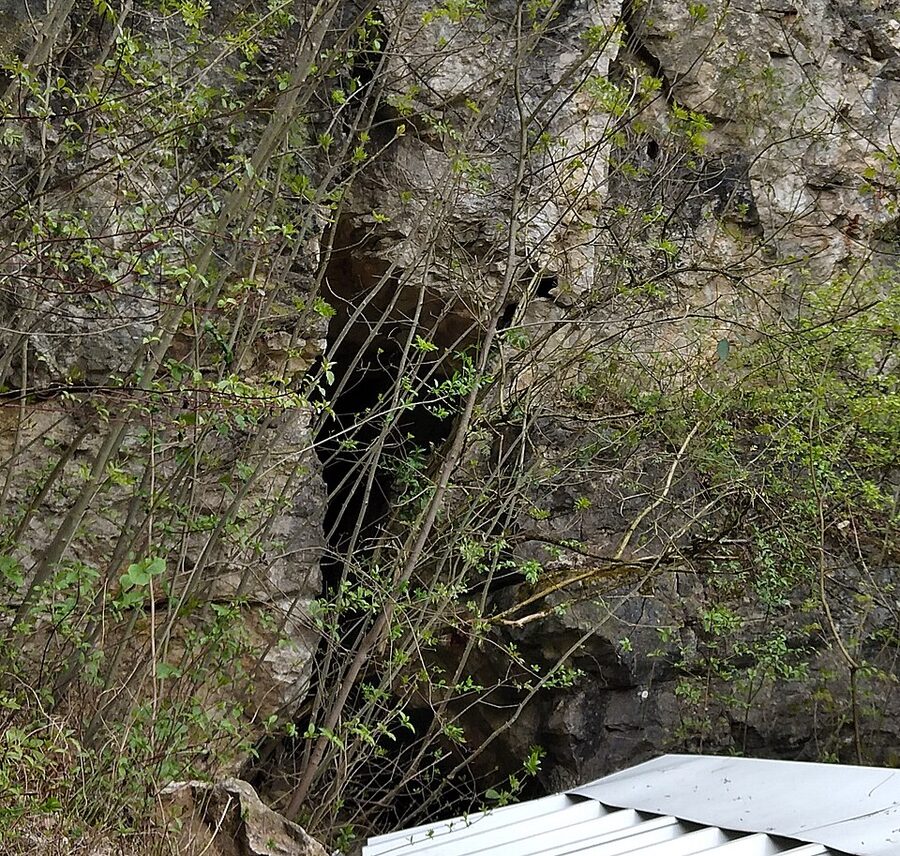
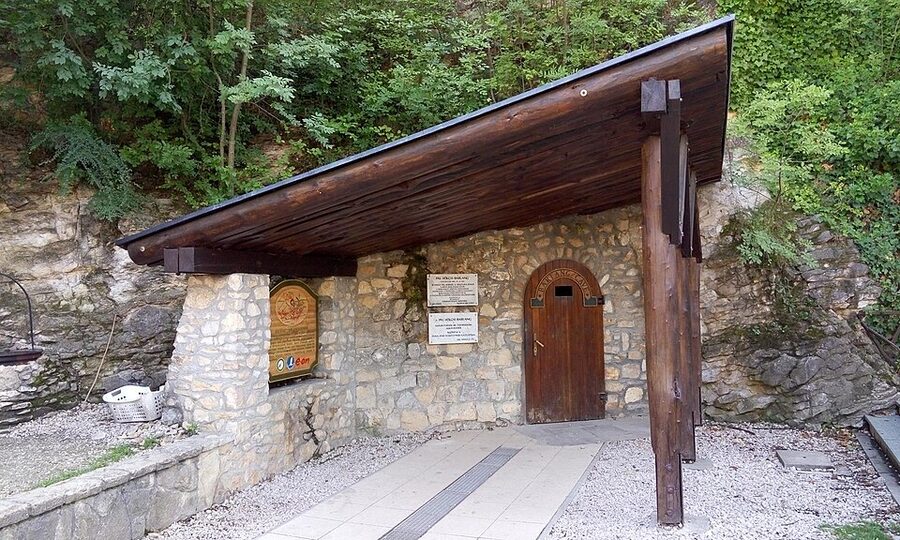
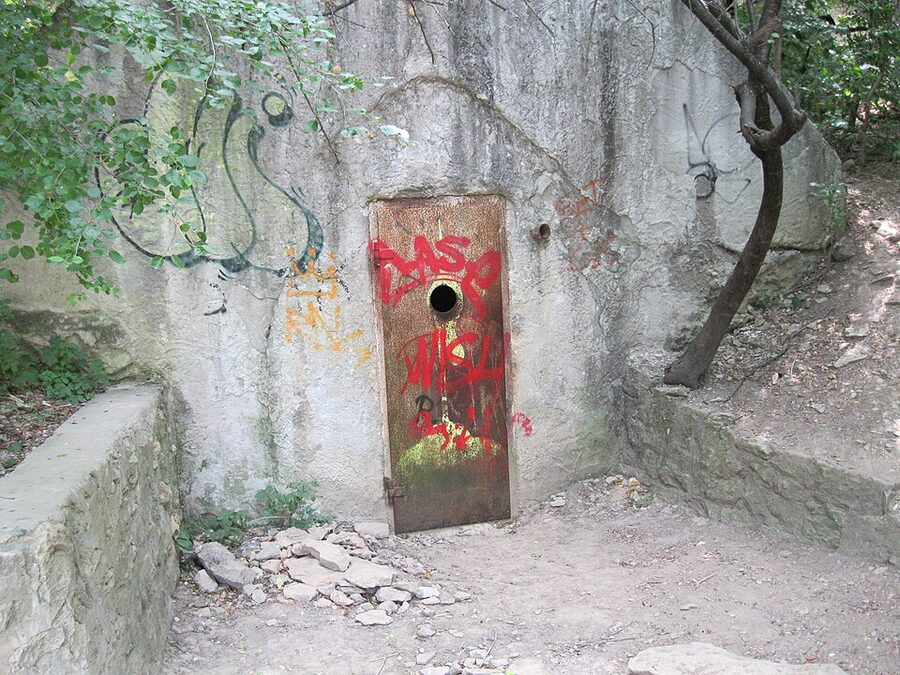
Then the guide unlocks an unmarked steel door in the hillside. Inside, a metal staircase drops you maybe 20m down to the start of the actual caving route.
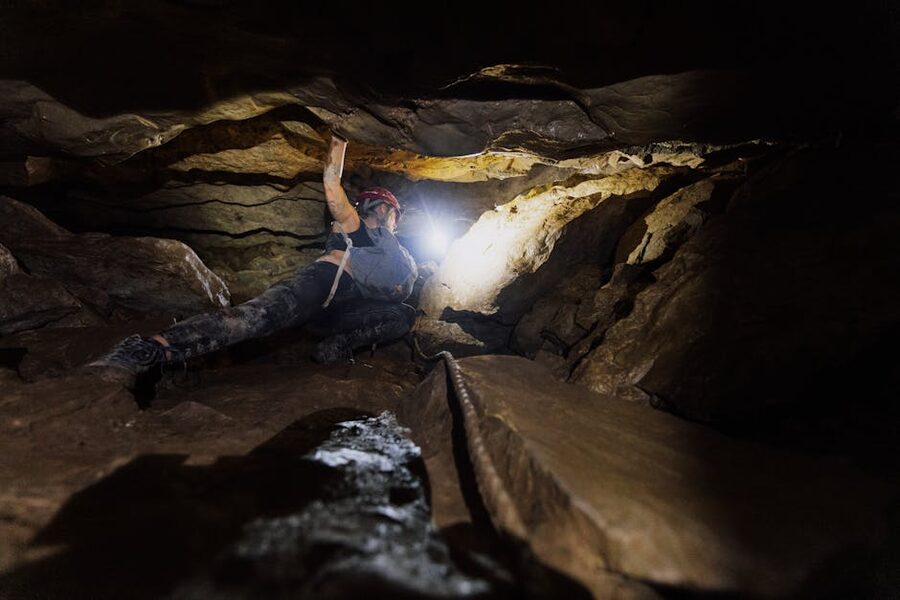
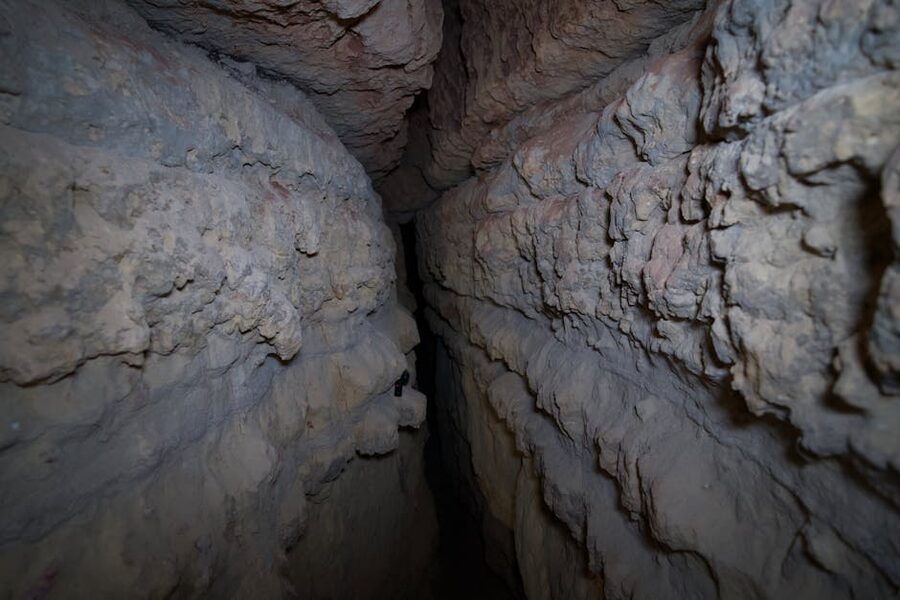
For the next two and a half hours you do a mix of things: walking upright through tall passages, scrambling sideways across rock shelves, climbing down short fixed ladders, and crawling through “squeeze” sections where you can’t lift your head. Nobody warned me beforehand that there’s also a section the guides call “Sandwich”. It’s a horizontal slot about 35cm tall and you basically slither through on your stomach. About a third of the group laughs the entire way through it. The other two thirds go very quiet.
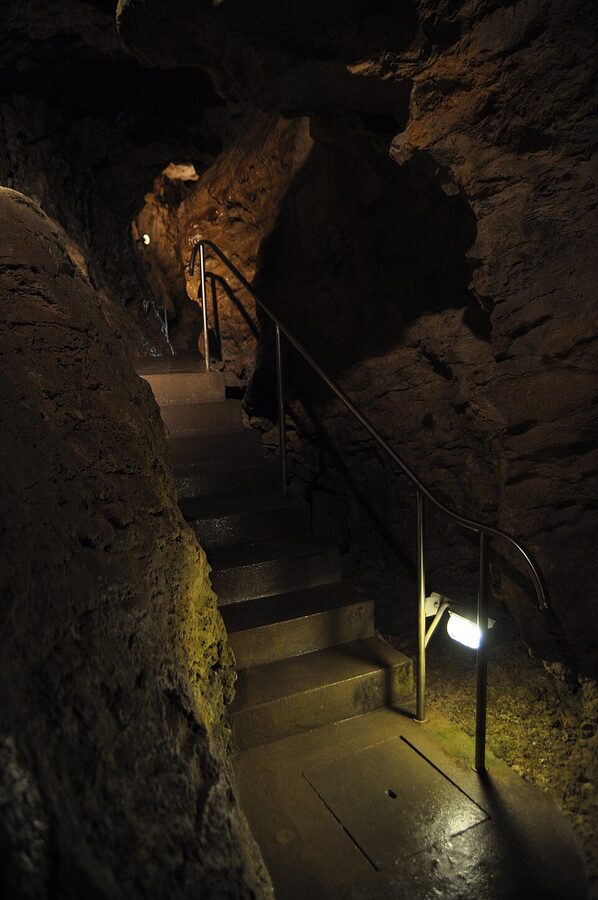

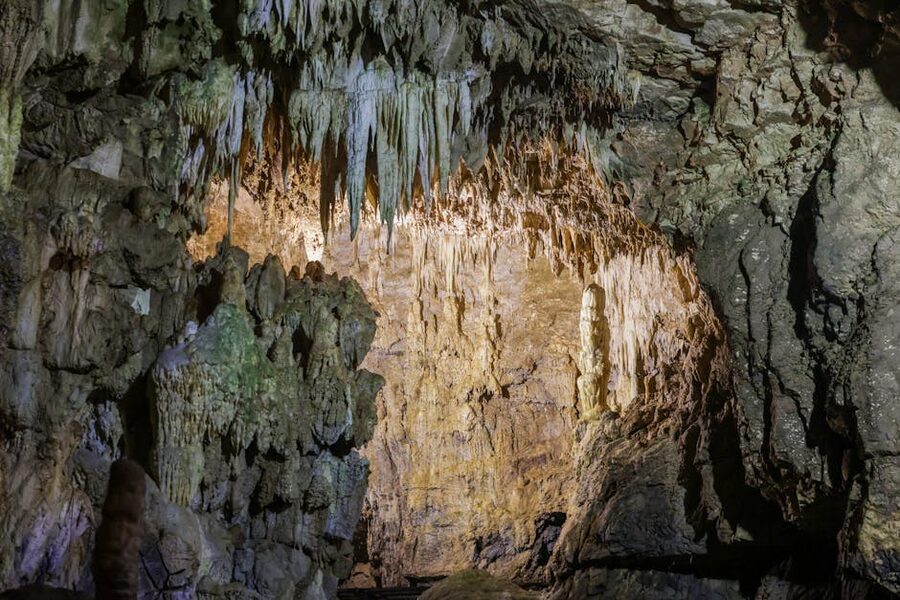
The route is not a loop. Guides choose the path each time based on group fitness and what the previous tour did. You’ll usually see a section called the “Theatre”, a tall gallery with stadium-style limestone steps, and the “Postojna corridor”, named because it looks a bit like a famous Slovenian show cave (it doesn’t, really).
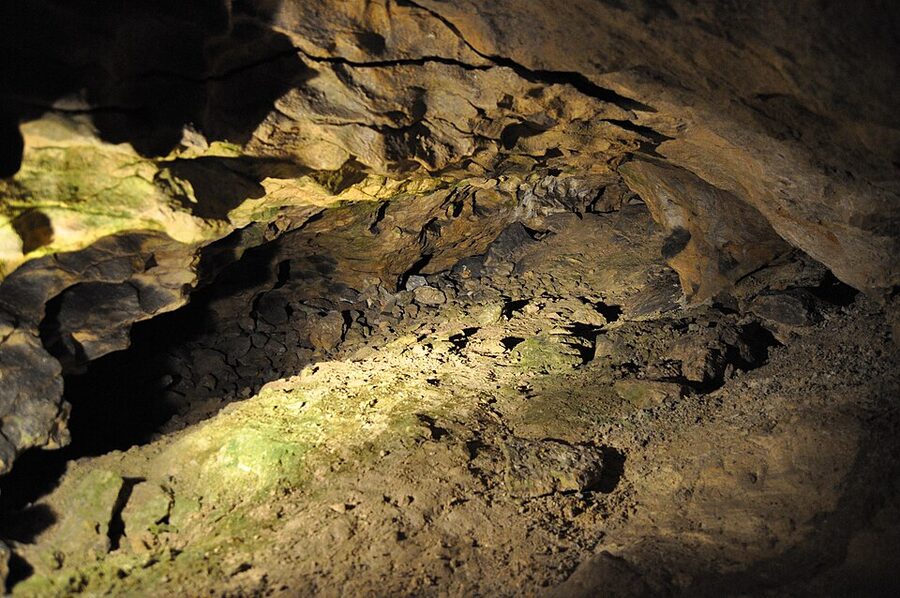
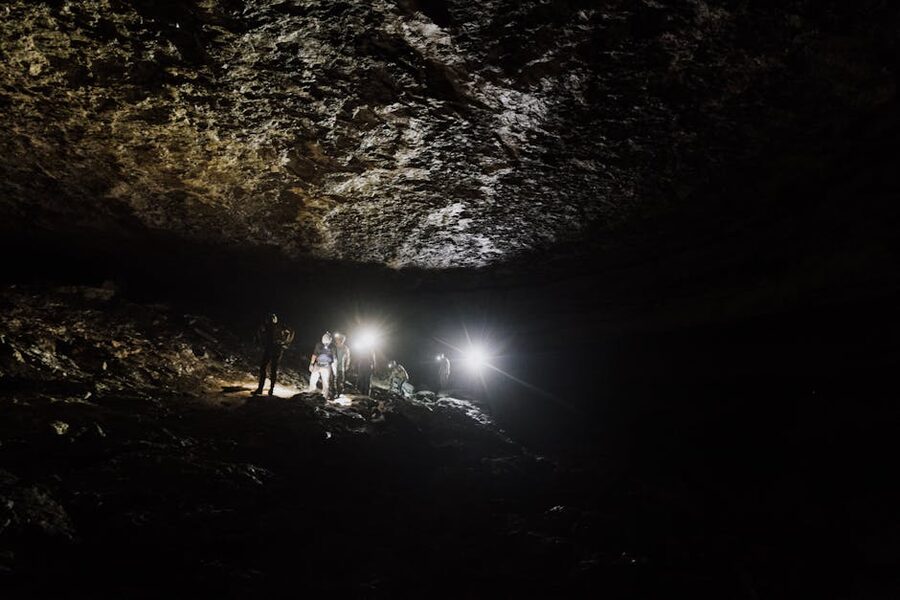
About two-thirds in, the guide does the lights-out trick. Everyone kills headlamps. The dark is thick. Then they ask the group to listen, because there’s a faint drip rhythm coming from somewhere above. That’s the same water that, twenty minutes after it leaves the cave, surfaces in places like Lukács and the Császár-Komjádi springs and ends up in Budapest’s thermal baths. It’s a moment that connects the entire city’s spa culture to the rock you’re sitting on.

How Booking Actually Works
There are two operators to know about. Caving.hu (officially the Hungarian Caving Association arm that runs the public adventure tours) is the operator behind every reputable adventure caving experience in Budapest, including the GetYourGuide and Viator listings. So whichever platform you book on, the same group of certified caving guides shows up.
That means the experience is identical across vendors. What differs is price, language guarantee, and the platform’s cancellation policy.
- GetYourGuide tends to have the most schedule slots and free cancellation up to 24 hours before. Around $76.
- Viator sometimes runs slightly cheaper around $58, and is the easiest if you already have credits or vouchers there.
- caving.hu direct can be the cheapest option (around €25-30) but the website is clunky and requires bank transfer for some sessions, so most travellers skip this route unless they’re staying long-term.
Capacity is usually capped at ten participants per guide. In peak summer (June-August) and around Christmas markets season, weekend slots fill four to seven days out. In November or February, you can sometimes still book the morning of.
Three Tours Worth Booking
I’ve done all three of these and they cover three different appetites for risk. The first is the proper adventure tour and the one most readers of this article are looking at. The second is the toned-down version for people who want the cave experience without the crawling. The third is a Viator-platform near-clone of the first.
1. Budapest: Adventure Caving Tour with Guide: $76
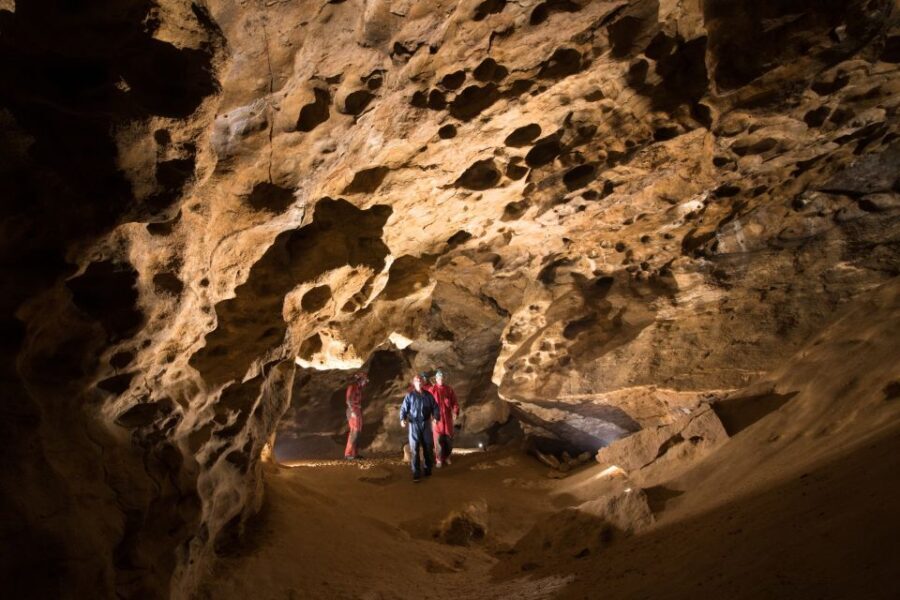
This is the one to book if you want the real thing. Three hours, small group, English guides on most slots, and the guide actually puts you through climbing and crawling rather than just walking. Our full review goes into the fitness and clothing requirements properly. Reasonable shape and no claustrophobia is enough to enjoy it; you don’t need to be an athlete.
2. Szemlő-hegyi & Pál-völgyi Caves Walking Tour: $52
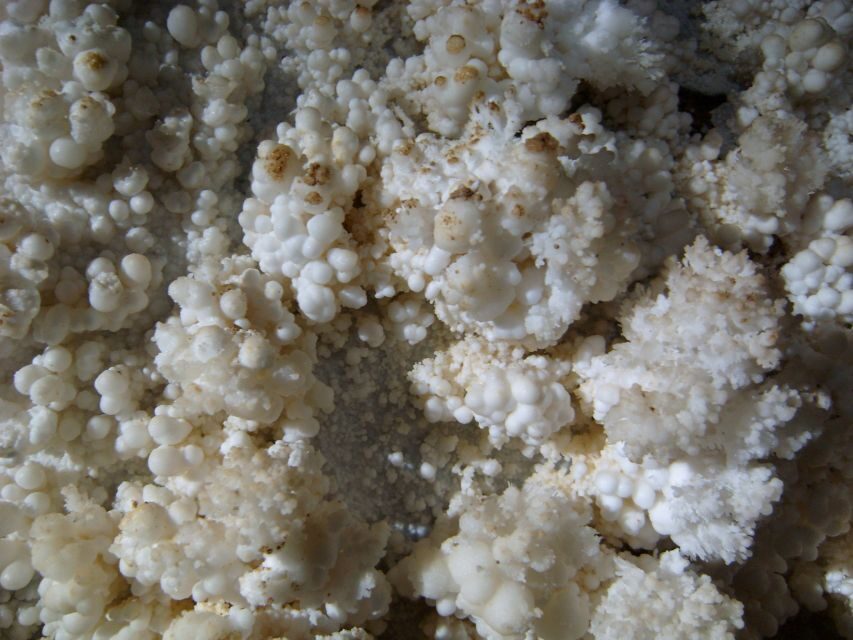
If the words “crawling” and “squeeze” made you wince, book this instead. It’s still a real cave with stalactites and the famous “underground flower garden” of Szemlő-hegyi, but the route is paved and lit. Our walking-tour review covers the differences in detail. It’s a strong option for families with kids 8+ or anyone wary of tight spaces. Worth knowing it does include real climbing on a 7m ladder, so it’s not zero effort.
3. Adventure Caving Experience in Budapest (Viator): $58
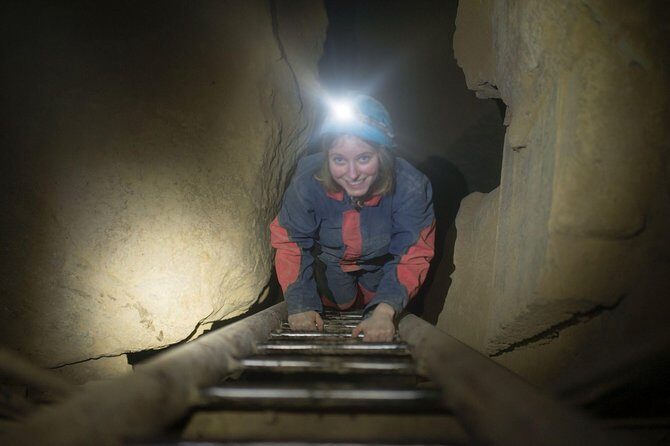
This is the same caving.hu tour wrapped in Viator’s booking flow. Worth booking if you already have a Viator account (or a $50+ credit sitting around) since the price runs a bit lower than GetYourGuide. The experience is genuinely identical: same hut, same guides, same cave. Our side-by-side comparison walks through which platform suits which traveller.
Adventure Caving vs Walking Caves: Pick the Right One
This is the call most people get wrong. The walking cave tour and the adventure tour both happen in the Pál-völgyi system, both run for around two and a half to three hours, and both come up when you search “Budapest caves”. They are not at all the same product.
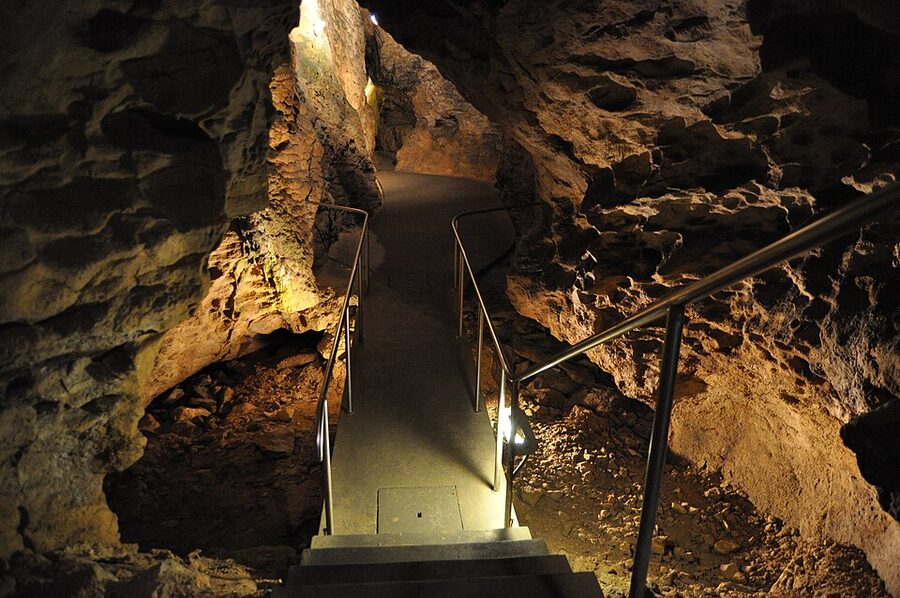

Pick the walking tour if any of these apply: you’re with kids under 12, you have any back/knee issues, you don’t enjoy tight spaces, you don’t want to ruin clothes, you have any plans afterwards that require looking presentable.
Pick the adventure tour if: you’re reasonably fit (you can climb four flights of stairs without stopping), you’re fine on a ladder, and you don’t have a hard time in confined spaces. The minimum age is 12 with a parent, 14 unaccompanied. Top end is “as fit as you are.” I went on a tour with a 67-year-old retired surgeon who finished in better shape than two thirty-somethings.
One blunt note. If you have a serious claustrophobia trigger, the adventure tour will set it off. There’s a section roughly two hours in where you can’t see daylight in any direction and you’re in a tube about chest-high. The guides are calm and they will help you back out, but it’s better to know going in.
Getting To the Cave Entrance
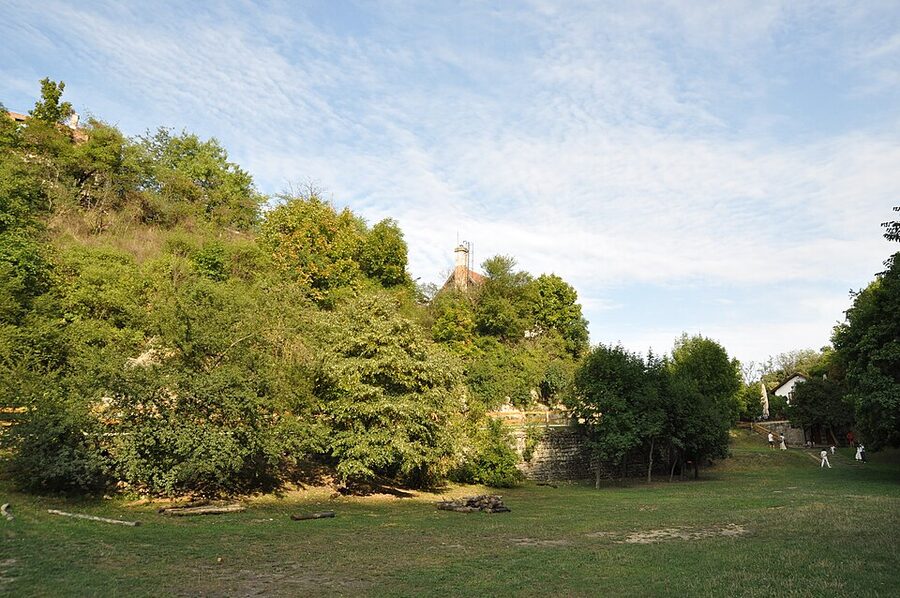
The meeting point is in District II, in a small park called Kolosy-Pál-völgyi area near Szépvölgyi út 162. It’s a 20-25 minute trip from central Pest by transit and about 15 minutes by taxi or Bolt.
- By tram + bus: Tram 17 or 19 to Kolosy tér, then bus 65 or 65A six stops to Pál-völgyi-cseppkőbarlang. The bus runs every 12-15 minutes during the day. Total fare under €1.50 with a single transfer ticket.
- By taxi/Bolt: Around 4,000-5,000 HUF (roughly €10-13) from Deák Ferenc tér. Faster than transit, especially if you’re a group splitting the fare.
- By car: There’s free street parking nearby but it fills up by 9am on weekends.
Aim to arrive 15 minutes before your slot. The hut is small and if you turn up exactly on time you’ll feel rushed during gear-up. If you’re already in the area and have time before the tour, the Gödöllő Sissi Palace day-trip pickups also leave from this side of the river, but most central attractions like Buda Castle are 20 minutes back across the Margaret Bridge.

What to Wear (Read This Before You Go)
Coveralls are provided, so it doesn’t matter much what’s underneath in terms of style. It matters a lot in terms of comfort. The cave temperature is a constant 10-11°C / 50-52°F year round, so August feels cool and February feels warmer than expected.
Layer-wise: long-sleeve top and full-length leggings or thin trousers under the coverall. Avoid jeans, the squeeze sections will lock the denim against your knees. A thin fleece is good if you tend to run cold.
The big one is footwear. The tour does not provide shoes. You wear your own. They will get filthy. They will probably scuff. The guides will tell you not to wear white sneakers and they’re not joking. Old hiking boots, old running shoes, old anything closed-toe with grip. Bring a plastic bag to take them home in.
Other practical bits:
- Hair tied back, especially if it’s long. There’s mud, drips, and helmet straps to deal with.
- Glasses are fine, but they fog when you climb hard. Contacts are easier.
- Leave your watch and rings in a locker. The lockers are at the hut.
- No phones in the cave. Your guide carries one. They’ll take a couple of group shots and email them to you, which is genuinely better than fumbling with your own.
- Skip the heavy breakfast. Mid-morning tours are easier on your stomach than you’d think, but a giant goulash is not the move.
The Geology, Briefly
Budapest sits where it does because of caves. That sounds dramatic but it’s not. The same hot mineral water that hollowed out the Pál-völgyi-Mátyás-hegyi system over millions of years still surfaces today as the springs that feed the city’s thermal baths. There’s an unbroken loop running between the cave you’re in and the Gellért, Mandala and Király bath complexes. Same water, different pressures.
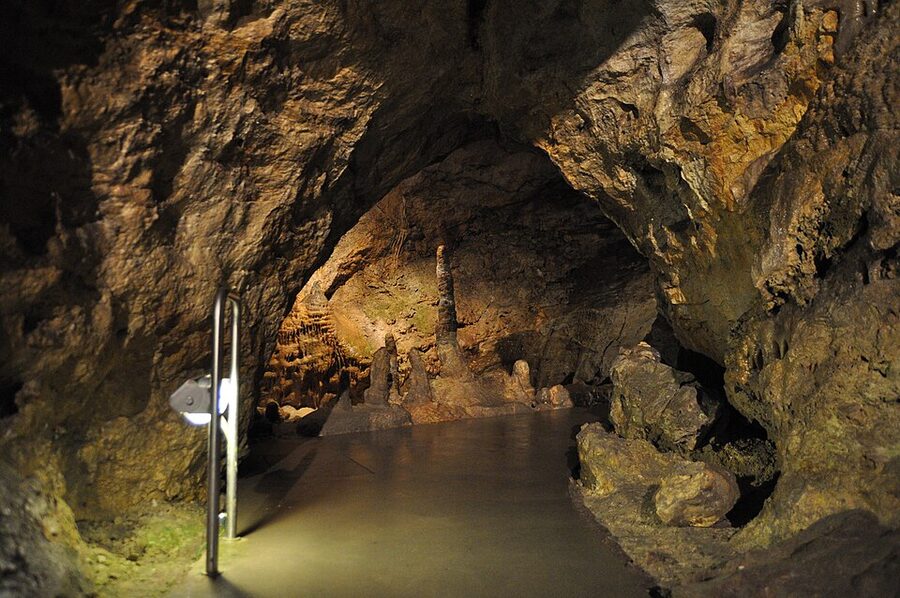
What makes the Buda caves rare globally is that they were carved upward, not downward. Most cave systems form from rainwater seeping through the surface and dissolving rock as it descends. Budapest’s caves were dissolved by hot, mineral-rich water rising from below. Geologists call this hydrothermal speleogenesis, and it produces shapes that do not look like other caves. Bubble-shaped chambers. Spherical pockets. Ceilings that look like inverted egg cartons.

The system was first noticed in 1904 when a local quarry blast accidentally opened a passage. Locals named the cave after the valley above it. Mapping started seriously in the 1930s and has been ongoing since. As of the most recent surveys, Pál-völgyi-Mátyás-hegyi clocks in at over 30km of explored corridor, making it Hungary’s longest. There are still sections being mapped today by club cavers from caving.hu, which is part of why you’re walking with people who care so much.

Difficulty: An Honest Assessment
The marketing copy on most platforms says “moderate fitness required, no experience needed”. That’s true but vague. Here’s a more useful breakdown.
Compared to a steep day-hike: easier in cardio terms, harder on the joints and shoulders. You’re not going to be out of breath for long, but you will use muscles you forgot about. The morning after, my forearms and inner thighs hurt more than my legs did.
Compared to a yoga class: similar in flexibility demand. If you can do a low lunge and a gentle backbend, you can fit through the squeeze sections.
Compared to a gym workout: the closest analogue is “scrambling around an obstacle course in a fixed crawl, with rest stops to listen to your guide”. Three hours of this will tire you out, but at no point are you red-lining.
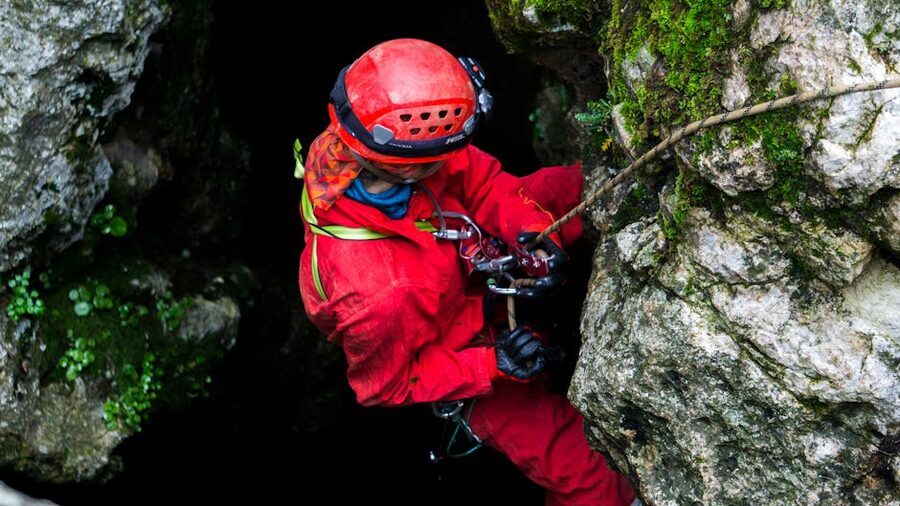
What ends tours early, when they end early, is rarely fitness. It’s usually claustrophobia surfacing in someone who didn’t expect it. If you’ve never been in a tight space (under a low table, a maintenance crawl space) and you don’t know how you respond, do the walking tour first and book the adventure for a second visit.
Best Time of Year
Cave temperature is a flat 10-11°C every day of the year, so the inside experience doesn’t change. What changes is how you feel about the gear-up, the bus ride, and the post-tour beer.
Spring (March-May) is my pick. The Buda Hills are green, the bus from Kolosy tér isn’t packed, and walking out into a 16°C afternoon after three hours underground feels right. Book one to two weeks ahead.
Summer (June-August) is the most popular and the only time slots fill four or five days out. Coverall + heat outside = you sweat through everything before you’ve even gone in. Bring a change of t-shirt.
Autumn (September-October) is the second best season. Cool surface air, golden hills, smaller groups.
Winter (November-February) is underrated. The cave is the warmest thing you’ll do all day in February, and slots are wide open. The walk from bus to hut is cold, but inside you’re at 11°C, which is t-shirt weather. Just budget for warm layers for the gear-up portion.

Safety, in Plain Terms
The guides are members of the Hungarian Caving Association. That’s a club founded in 1910 with a strong rescue arm and a clean safety record on commercial tours. Every guide has a first-aid certification and a multi-year apprenticeship in the cave system before they’re allowed to lead.
The route you take is fixed and well-known to the operator. You’re not exploring the unknown; you’re following a path that the guides have done hundreds of times. They know which sections are tight enough to skip if a group is anxious, and which “Postojna corridor” stalactites a careless headlamp could chip.
What can go wrong is small stuff: scraped knuckle, bruised shin from a corner you didn’t see, helmet thwacking your forehead because the strap loosened. The guide carries a small kit, plasters, water, headache tablets, and that’s enough for 99% of incidents. There’s no phone signal in the cave, but the rescue protocol involves a runner going to the entrance hut where there’s a landline. Total time-to-extraction in the worst case the guides plan for is around 90 minutes.
The Walking-Tour Version If You Just Want To See a Cave
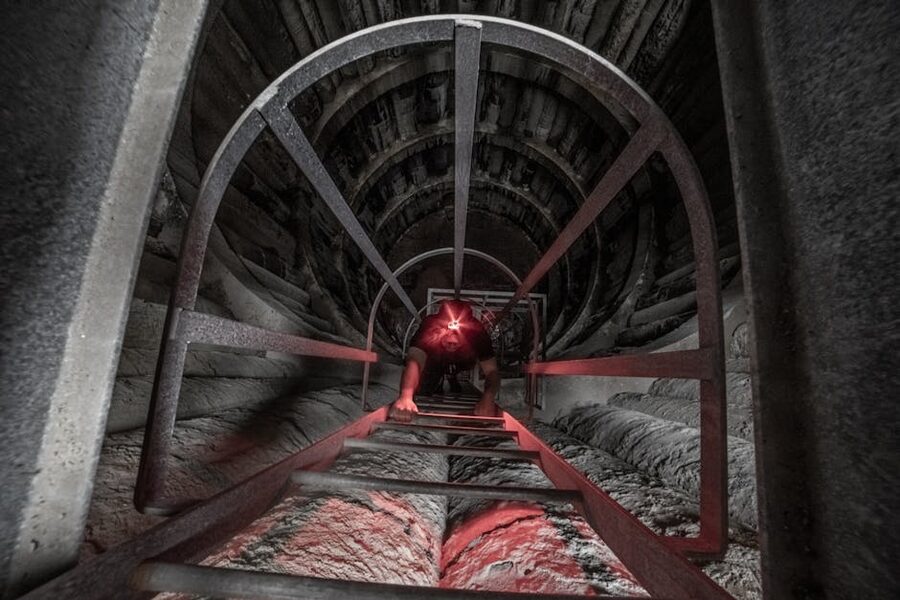
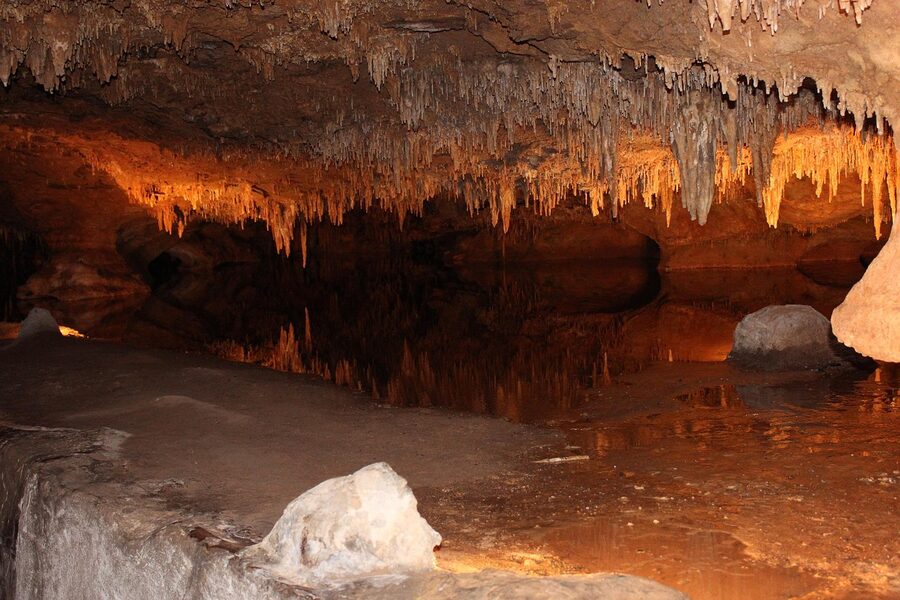
If you’ve read this far and decided the squeezing isn’t for you, the walking-cave option is genuinely worth doing. It runs in the same Pál-völgyi system but uses the cemented, lit pathway laid down for tourism in the 1920s. You climb roughly 400 steps total over the route and there’s one 7m fixed ladder. No crawling. You also visit Szemlő-hegyi cave, which has the famous “underground flower garden” of crystal formations.
Tickets are around $52, the tour runs about 2.5 hours, and groups are usually 12-15 people. Same operator. Same Hungarian Caving Association guides. They just dial down the difficulty without losing the geology lesson.
Worth pairing with a walking tour of central Budapest on the same day if you want a contrasting experience: a couple of hours underground, then a couple above ground in the Castle district.
What to Do Afterwards
The single best post-cave move is a thermal bath. You’ll be tired, slightly bruised, and covered in cave dust, and the same water that was dripping past you in the cave is now waiting for you in a 38°C pool. Rudas is the closest mood-match (Ottoman-era, atmospheric, dim lighting that won’t punish your headlamp-tired eyes). Mandala Day Spa is a calmer, more private alternative if you want a massage to fix the back you didn’t know you’d used.
If you went on a morning tour and need food first, there’s a small bistro on the way back into central Buda where the bus 65 stops, “Kolosy Bistro” near the tram interchange. Goulash, beer, decent for around €10. Don’t bother with a fancy dinner the same night, you’ll fall asleep in your soup.

Common Mistakes (and How to Skip Them)
Booking the wrong cave tour. The most common mistake. Travellers see “Buda Castle Cave” and “Adventure Caving” and assume they’re variants of the same thing. They’re not. The Buda Castle Cave Tour is a paved walking tour through the Castle Hill labyrinth and a WWII-era hospital bunker. Educational, civilised, suitable for everyone. The Pál-völgyi adventure tour is on the other side of the river and is genuinely physical.
Wearing the wrong shoes. Already mentioned but worth repeating. Closed-toe with grip. Leave the white Stan Smiths at the hotel.
Booking too late. In summer, four to five days ahead is the minimum. In winter, day-of is fine. Don’t try to walk up to the hut without a reservation; you’ll be turned away.
Big breakfast. A giant pastry or full Hungarian breakfast right before will sit heavy when you’re upside down. Light but real. A coffee, a yoghurt, a fruit. Save the goulash for after.
Bringing valuables. The hut has small lockers but they’re tight. Travel with the bare minimum: ID, a card, your tour confirmation. Leave the day-bag at the hotel.
Underestimating the post-tour clean-up. You will need a shower. There isn’t one at the hut. Plan accordingly: book accommodation with a decent shower and a tub if your knees feel tired.
Photography
You can’t bring your phone in. Some people see this as a downside; I’ve come to see it as the best part. Three hours of being entirely present in a place you cannot photograph is a rare thing now. The guide takes a few group shots on a sealed action camera and emails them within a couple of days. They are not Instagram material; they are honest, slightly blurry photos of you smiling under mud.
If you want polished cave photographs of the Pál-völgyi system, the walking tour permits hand-held cameras (no flash). You won’t get the squeeze-section shots that way, but you’ll get the formations.
Who Shouldn’t Book This
Direct list. Skip the adventure tour if any of these are true:
- Recent back, knee, or shoulder injury (within 6 months)
- Severe claustrophobia (mild “I prefer windows” is fine; “I avoid lifts” is not)
- Pregnancy after the first trimester
- Heart conditions or high blood pressure that’s not well managed
- Recent surgery, even minor
- Children under 12, no exceptions
- BMI considerations on the squeeze sections; if you’re over roughly 6’2″ / 110kg the tightest sections may simply not fit you and the guides will route around them, which means a slightly shorter tour
For everyone else, including most reasonably healthy adults of average fitness, this is one of the most genuinely memorable things you can do in Budapest. The city has plenty of tuk-tuk tours, Danube cruises, and hop-on bus loops. Adventure caving is the one experience nobody else’s photos can prepare you for.

Tipping and the Small Hungarian Customs
Tip the guide. Around €5-10 per person at the end of the tour is standard if they were good (and they will be). It goes a long way given that guides at caving.hu split a small fixed wage and rely on tips for income. Cash is much preferred over card.
If your guide is part of the original Hungarian Caving Association club, ask them about the most recent expedition into the unmapped parts of the system. The answer is usually a long, animated explanation involving rope, sandwiches, and someone called Béla. Worth it.

Frequently Asked, Briefly Answered
Is English available? Yes on most slots. Mornings tend to be English, late afternoons sometimes German.
Can I bring a child under 12? Not on the adventure tour. The walking tour is fine from age 6 with a parent.
Can I cancel? GetYourGuide allows free cancellation up to 24 hours before. Viator’s policy is similar.
Will I get dusty? Yes, but it’s clay dust and brushes off when dry. Don’t wash it off until you’re home.
Is there a toilet inside? No. Use the hut toilet before you go in.
Is food included? No. Eat light before, big after.
If You Liked This, Try These Next
Most travellers who book the adventure caving tour are looking for things outside the usual postcard Budapest. Worth knowing the city has a few more like it. The Vampires & Myths night tour goes into the dark side of the Castle District after closing hours and pairs well with caving as a “things-most-tourists-don’t-do” double-header. The ruin bar pub crawl is the night-time evening-out version, very different mood, same “off the postcard route” energy.
If you want to stay in the active outdoor lane, the cycling tour covers ground above the cave system you just crawled through, and the tuk-tuk option is the lazy-fun alternative for tired legs the day after. For a complete shift, an evening at Sir Lancelot medieval dinner or seats at a State Opera House performance bookend the muddy adventure with something silk-cushioned.
The most natural next-day pairing, in my opinion, is the Széchenyi bath. You’ll have spent three hours in the rock that the spring water spent thousands of years carving. Sitting in 38°C water that came up from the same source, the day after, makes a quiet kind of sense.
Final Take
You won’t find this experience by accident. Walking around central Pest, you could spend a week without realising the city you’re standing on is mostly hollow. Booking an adventure caving tour with caving.hu (via GetYourGuide for the simplest path, or Viator for the cheaper one) is a decision that turns Budapest from a beautiful city into a beautiful city with a story underneath it. Three hours, around $76, an old coverall, and you become one of the few visitors who actually knows what’s down there.
Affiliate disclosure: some of the booking links above are partner links. If you book through them, we may earn a small commission, at no additional cost to you. We only recommend operators we’ve actually used.