
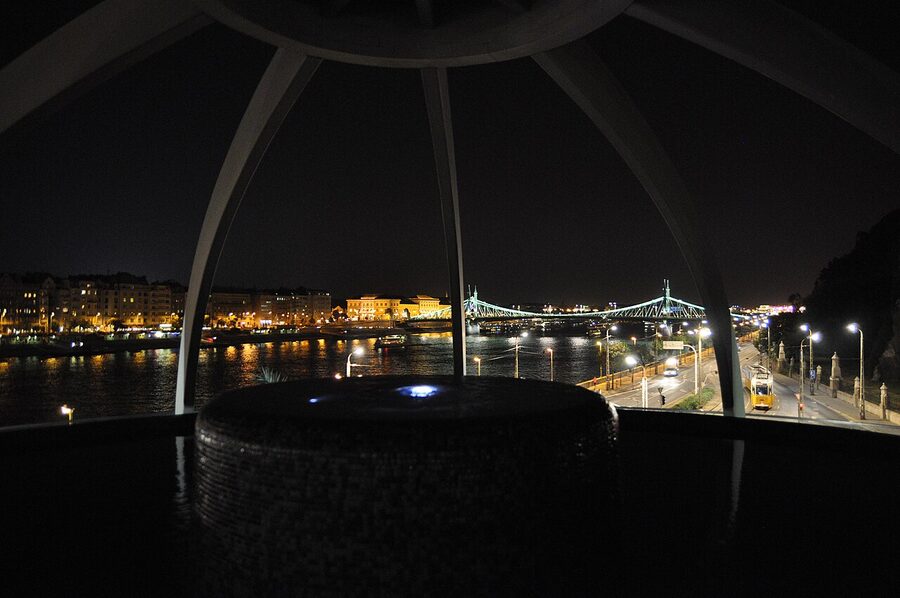
Inside the Turkish bath, you’re floating under a 16th-century Ottoman dome with sunlight punching through pinhole windows in the ceiling. Climb the stairs to the rooftop, and you’re soaking in a glass-walled pool with the Danube curving past your left shoulder. Same building. Five hundred years between the two pools.
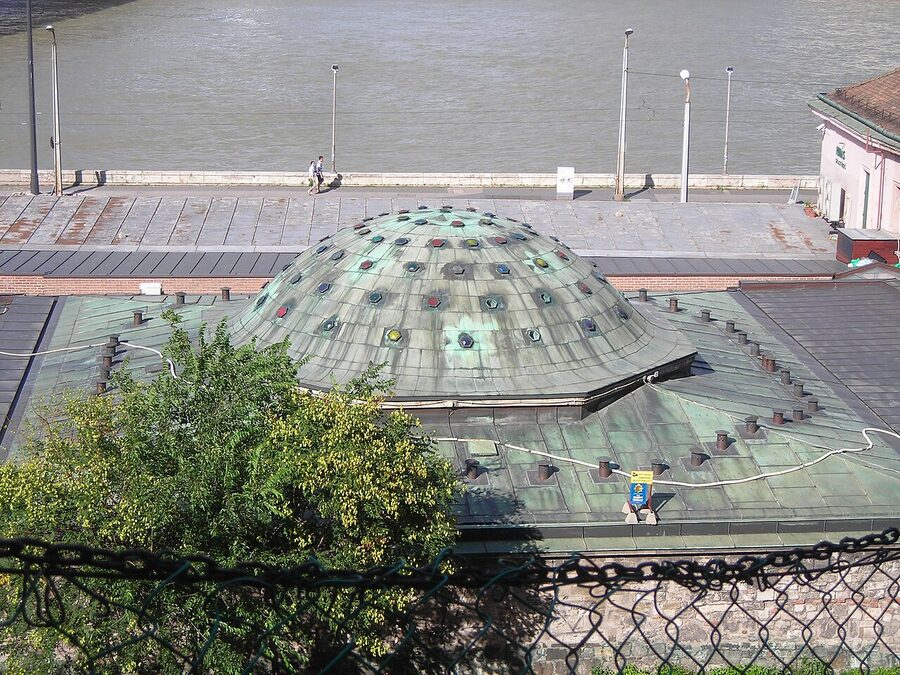

Rudas is the bath I send people to when they want the actual Ottoman experience and not a postcard. It opened around 1550, when the Turks were running Buda. The original octagonal pool, eight stone pillars, copper-tiled dome with star-shaped openings: still all there. The rooftop hot tub bolted on the building in 2014 is the loud modern addition, and somehow the two halves work together rather than against each other.
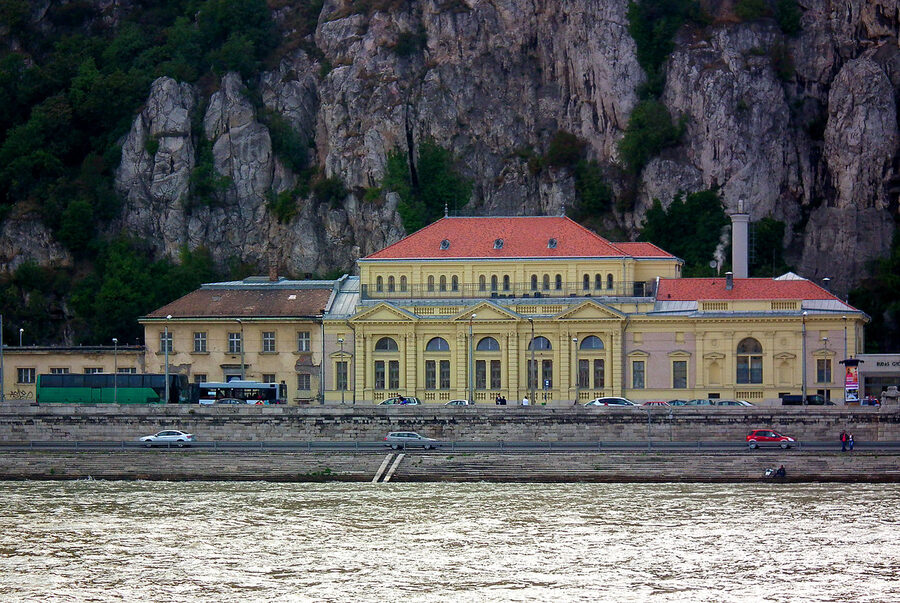

This is the fourth piece in our Budapest spa series, after the grand Habsburg Széchenyi, the art nouveau Gellért, and the boutique Mandala day spa. Rudas is the smallest of the four and the most polarising. People either love the historic dome and barely notice the rooftop, or they bee-line for the rooftop and treat the Ottoman section as a bonus. Both groups are right.

- Best if you want the meal too: Rudas Spa Entry with 3-Course Meal. Full-day pass plus a Hungarian three-course at the Bistro on the same building.
- Pick this for the rooftop: the same combo on a weekday afternoon. Lighter crowds, daylight on the rooftop, and you can swing into the dome before sunset.
- If you also want a cruise: the GetYourGuide listings include a Rudas + Danube combo. Book the spa first, do the cruise after dark, makes a smooth half-day.
- What you actually get with a Rudas ticket
- Tour we’d actually book
- 1. Rudas Spa Entry with 3-Course Meal
- Is Rudas the right Budapest spa for you?
- The 16th-century octagonal pool
- Gender days, and how not to mess this up
- The night bath sessions
- How to actually get there
- Best time to go
- What to bring (and what to leave)
- The Bistro and food
- Combining Rudas with other Budapest stops
- Things people complain about
- Booking the ticket: what’s actually worth it
- How long to plan for
- Other Budapest experiences worth booking around your spa day
What you actually get with a Rudas ticket
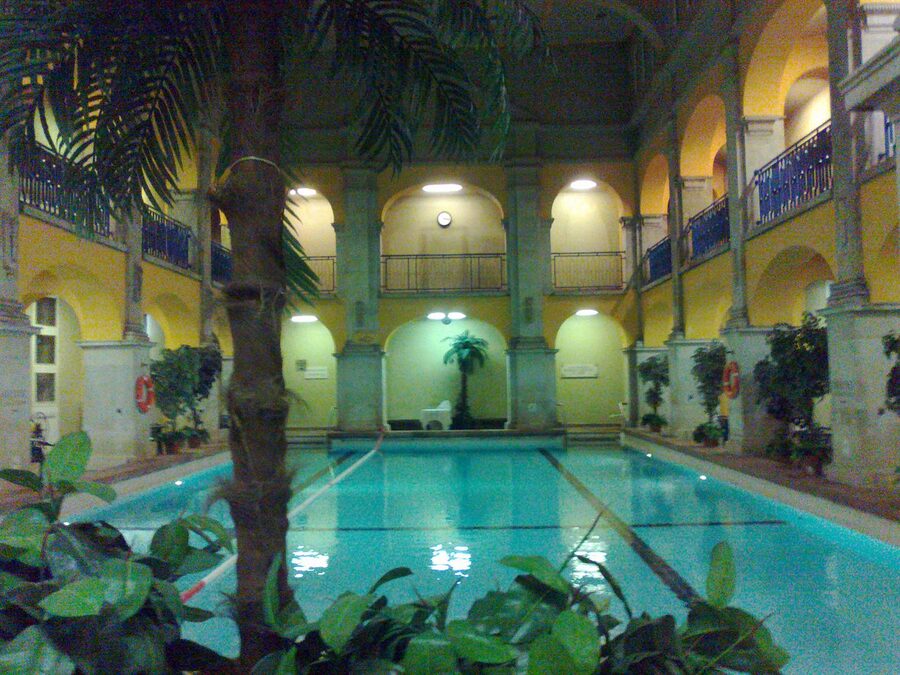

A standard Rudas ticket gives you all-day access to four areas: the Turkish bath (the historic Ottoman dome), the wellness section (modern saunas, steam rooms, infusion sauna), the swimming pool, and the rooftop panorama pool. There’s no quick “just the rooftop” ticket. You either buy the all-in-one or you don’t go.
That sounds simple until you realise the Turkish bath has gender-segregated days. Most weekdays it’s men only or women only on rotation, with full coed access on weekends and certain weekday afternoons. The wellness section, lap pool, and rooftop are coed every day, all hours. So if you turn up on the wrong day with mixed company, you’ll lose the dome experience.

Weekday tickets come with a locker. Weekend tickets come with a private changing cabin (still a tiny room, but with a door that locks). The cabin upgrade is worth it if you’re carrying a phone, wallet, and dry clothes you actually care about. The lockers work fine but you’ll be queuing with everyone else to access them.
Towels, slippers, robes, and swim caps are rentals, roughly 2,500 to 3,500 HUF each. Bring your own swimsuit. If you forget yours, the spa shop sells them at a markup that hurts. The swim cap is mandatory in the lap pool only. You don’t need one in the thermal pools or rooftop, despite what the rental staff sometimes imply.
Tour we’d actually book

1. Rudas Spa Entry with 3-Course Meal

This is the only Rudas product worth booking through a third party, and it solves a real problem. The Bistro is good but always full at lunch, so showing up wet and hopeful is a bad plan. With this combo, your full-day spa pass and a three-course Hungarian meal at the Bistro are both locked in, you walk in, eat, and walk back to the pools. Our full review covers exactly what’s on the set menu and what to skip, plus how to time the meal so you’re not waterlogged when the food arrives.
Is Rudas the right Budapest spa for you?

I’ve been to all four of Budapest’s main public bathhouses and they each suit a different mood. Pick the wrong one and you’ll have a perfectly nice afternoon while completely missing what the city does best.
Rudas is for people who want the Ottoman bath experience plus the Instagram rooftop, in one ticket. The dome is the smallest of any historic bath in the city, which means the experience is intense and intimate rather than grand. You can hear water dripping. You can hear people whispering. The rooftop is the modern counterweight: open sky, glass walls, a city view that looks fake.
Széchenyi is the opposite trip. Eighteen pools, neoclassical yellow facade, chess players on the steaming outdoor terrace. It’s a day out for a group. Rudas is a date or a solo afternoon.
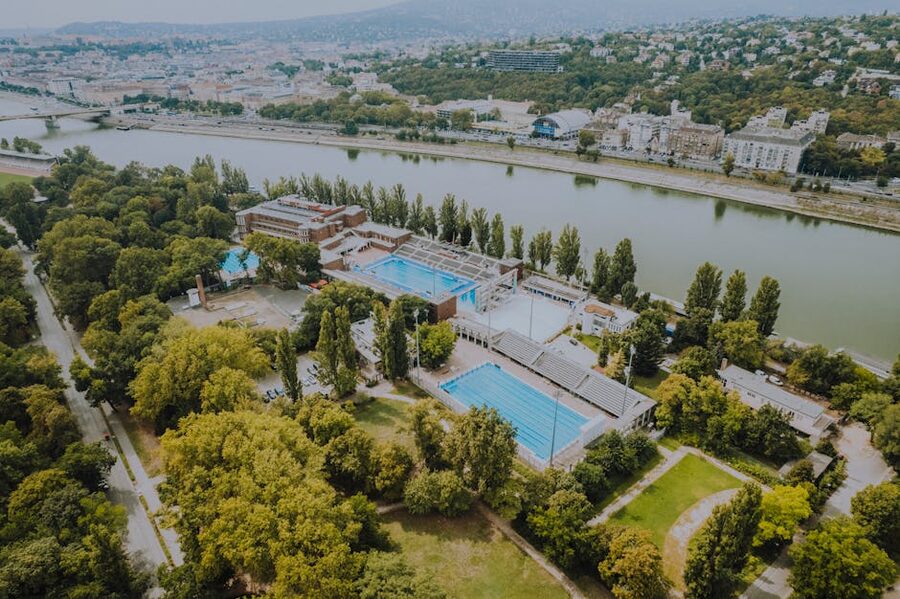
Gellért is the photogenic art nouveau pick, with mosaic tiles, a glass-roofed great hall, and exterior wave pool. Bigger than Rudas, smaller than Széchenyi, and architecturally the prettiest. Sits right next door to Rudas, so you can walk between them in 10 minutes.
Mandala is the boutique modern day spa near the Buda Castle district. It’s tiny, calm, and feels more like a hotel spa than a public bath. If the noise of Széchenyi or the crowds of Gellért aren’t what you’re after, Mandala is your place.
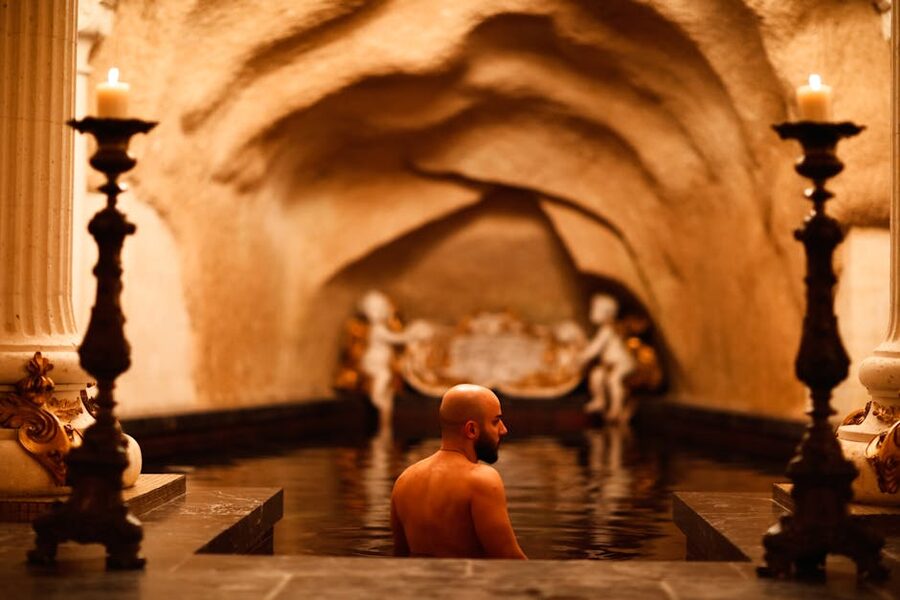
The shorthand I give friends: Rudas is the most Ottoman, Gellért is the prettiest, Széchenyi is the most fun, Mandala is the calmest. If you want the rooftop view, Rudas is the only one with a rooftop pool. The other three are all ground level.
The 16th-century octagonal pool
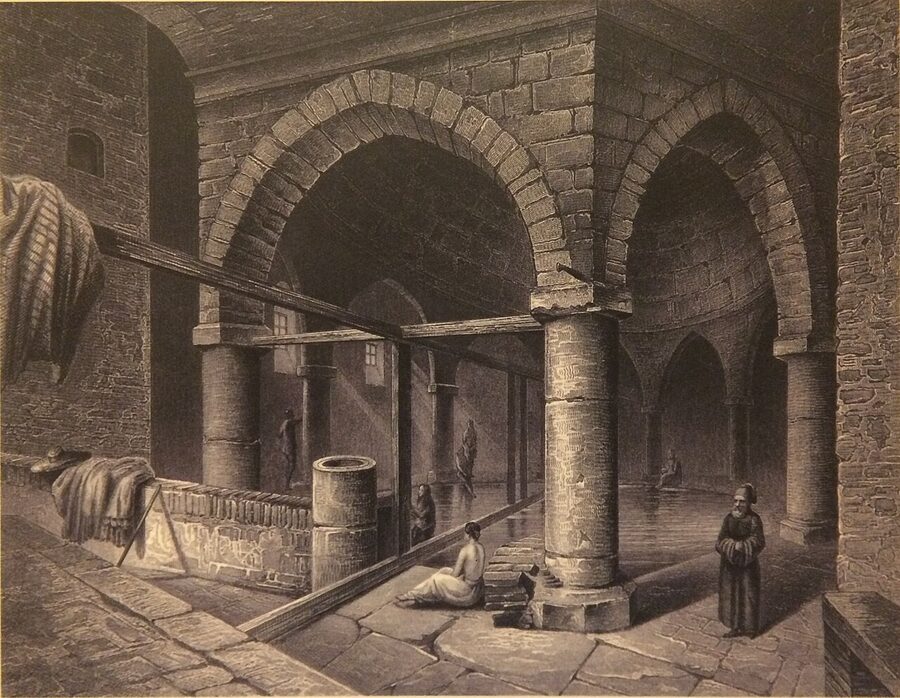

The Turkish bath at the heart of Rudas was built around 1550, during the Ottoman occupation of Buda. The architect was Sokollu Mustafa Pasha, the Ottoman governor of Buda for 12 years, who is credited with building most of the city’s surviving Turkish baths. Rudas is the best-preserved of them.
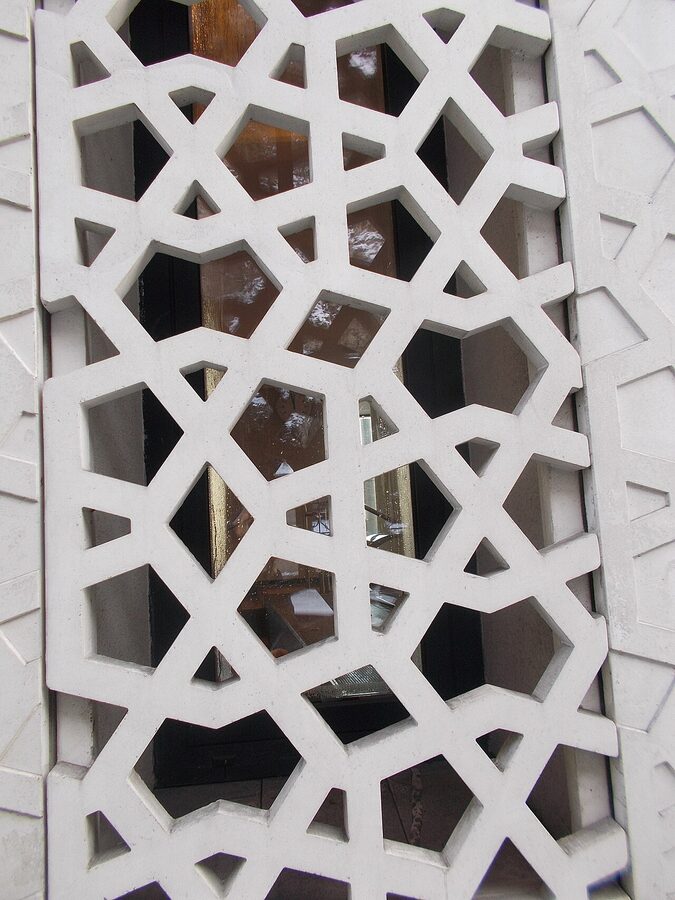
The structure is brutally simple. An octagonal pool sits in the centre, around two metres deep. Eight stone columns hold up a hemispherical dome roughly 10 metres above the water. The dome is studded with star-shaped and hexagonal openings filled with coloured glass. When sunlight hits at the right angle, you get individual beams of light cutting down into the pool like spotlights. The mineral water steams. The beams light up the steam. It is one of the strangest 20-minute experiences you can have in Europe.

Around the central pool sit four smaller corner pools at different temperatures: 16°C, 28°C, 36°C, and 42°C. The traditional Ottoman cycle was hot, hotter, hottest, then a plunge into the cold. The pools are arranged so you can do that loop in five minutes. Most people do it three or four times.
The pools are fed by springs that have been flowing under this exact spot for at least 800 years (the Knights of St John used them in the 12th century, before the Turks turned up). The water is rich in calcium, magnesium, sodium, sulphates, and a small amount of fluoride. Locals will tell you it’s good for joint pain. The science says the warm water is good for joint pain. Either way, the effect is real.

Gender days, and how not to mess this up
This is the single thing tourists get wrong about Rudas. The Turkish bath section (the dome and the four corner pools) operates on rotating gender days. The wellness, lap pool, and rooftop are coed every day.
The schedule has shifted over the years and the official site is the only source you should trust on the actual day you visit, but the rough pattern looks something like this:
- Monday: men only in the Turkish bath
- Tuesday: women only
- Wednesday: men only
- Thursday: women only
- Friday: men only
- Saturday: coed
- Sunday: coed
- Friday and Saturday late nights (10pm to 4am): coed
Coed days require swimwear in all sections. Single-gender days have looser rules in the dome (most people wear an apron-style cloth the spa hands out, called a kötö, which they wash in industrial machines and reuse, so manage your expectations on whiteness). The system feels archaic until you’ve experienced both versions, at which point you’ll have an opinion about which is better.
If you’re a couple visiting on a single-gender day, you’ll be split up for the dome but together for everything else. Some couples like this (each gets the dome experience separately, then meets at the rooftop). Others find it confusing. Saturday and Sunday make this a non-issue.
The night bath sessions
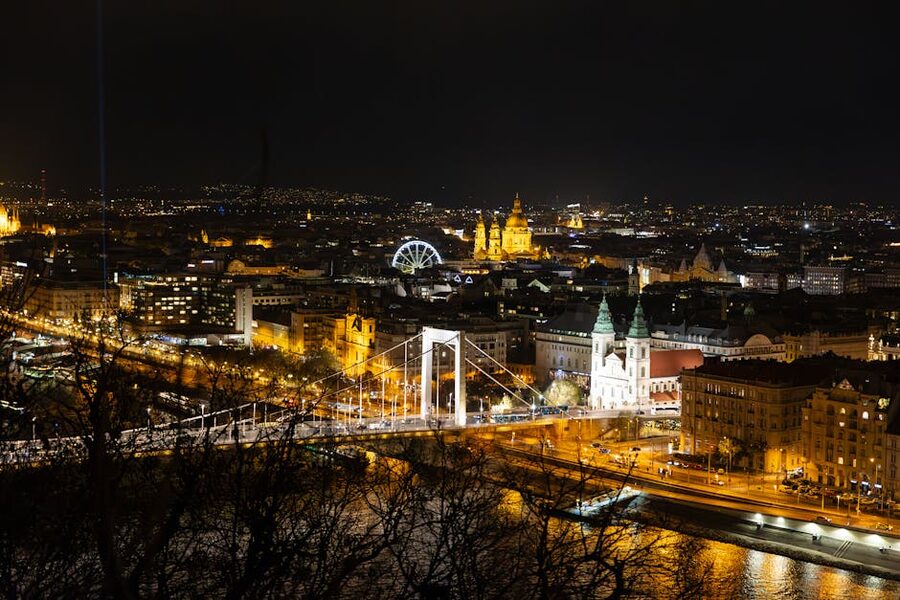
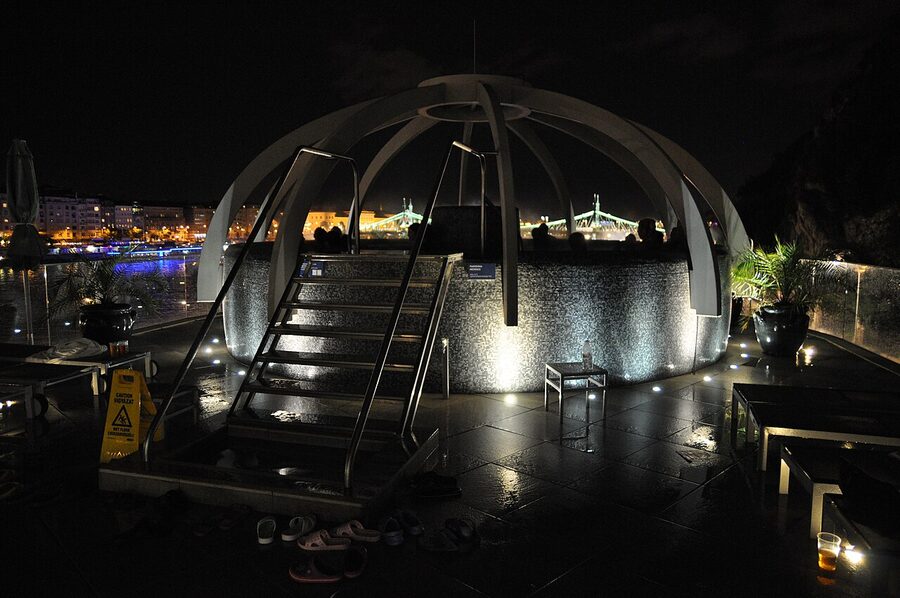
Rudas runs late-night sessions on Friday and Saturday from 10pm to 4am. These are coed, with separate ticketing from the daytime pass, and they have a different feel entirely. There’s bar service from a temporary bar setup, music in the wellness wing (not the dome itself, the dome stays quiet), and a younger crowd than the daytime midweek.
The rooftop is the highlight at night. The Danube reflections on the water, the bridge lights bouncing off the steam: it lands. Locals call this “fürdőzés party” or just the night bath. It is not the same vibe as Sparty, which is the all-out spa rave at Széchenyi with thousands of people, DJs, and laser lights. Rudas at night is calmer, smaller, more genuinely relaxing. Sparty is a club night that happens to be in a bath.
If you have one Friday or Saturday and want a unique Budapest night, the Rudas late session is a strong choice. Show up before 11pm to get a locker (they run out). The crowd builds steadily until 1am.
How to actually get there
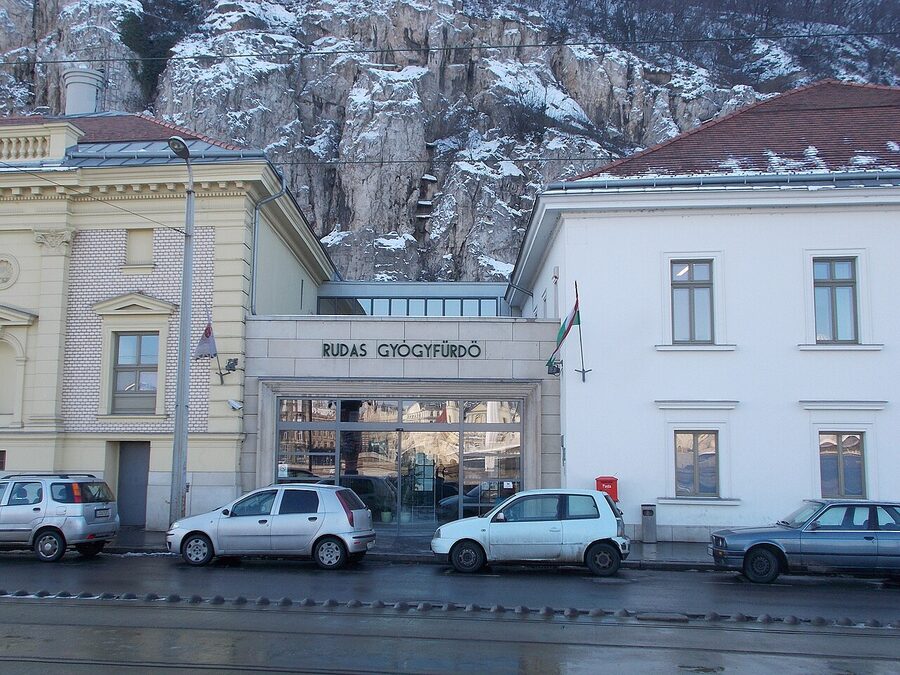

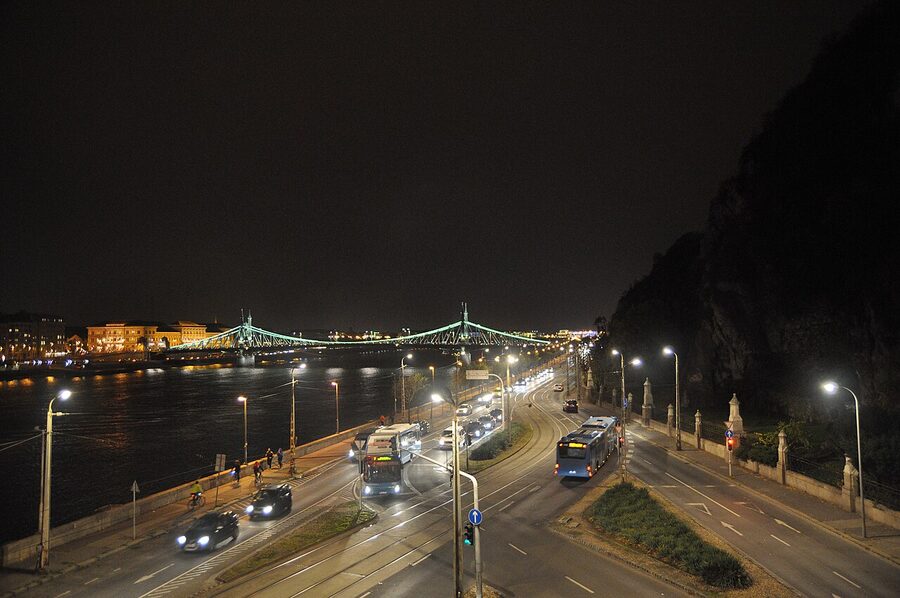
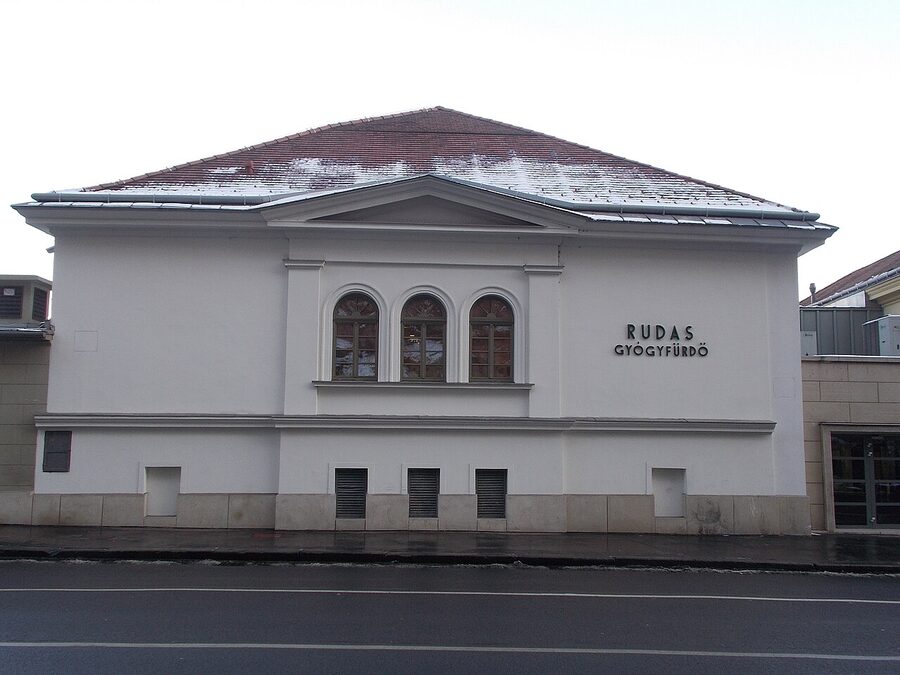
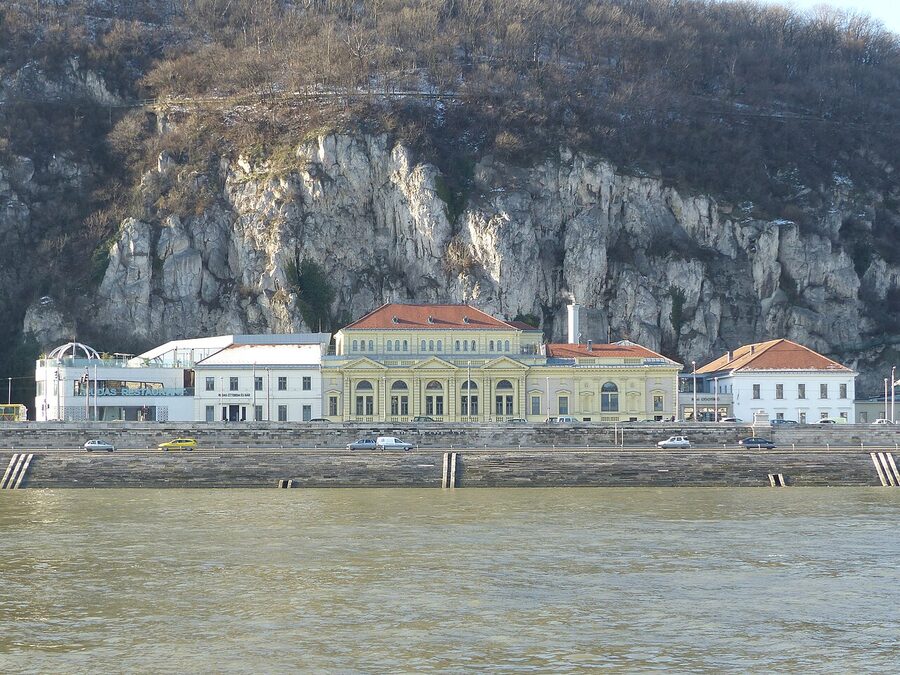
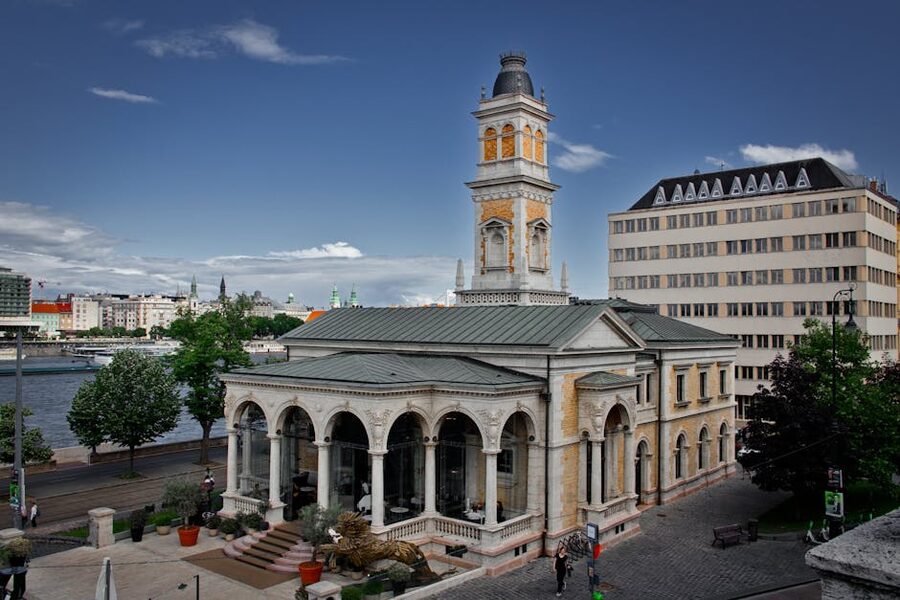
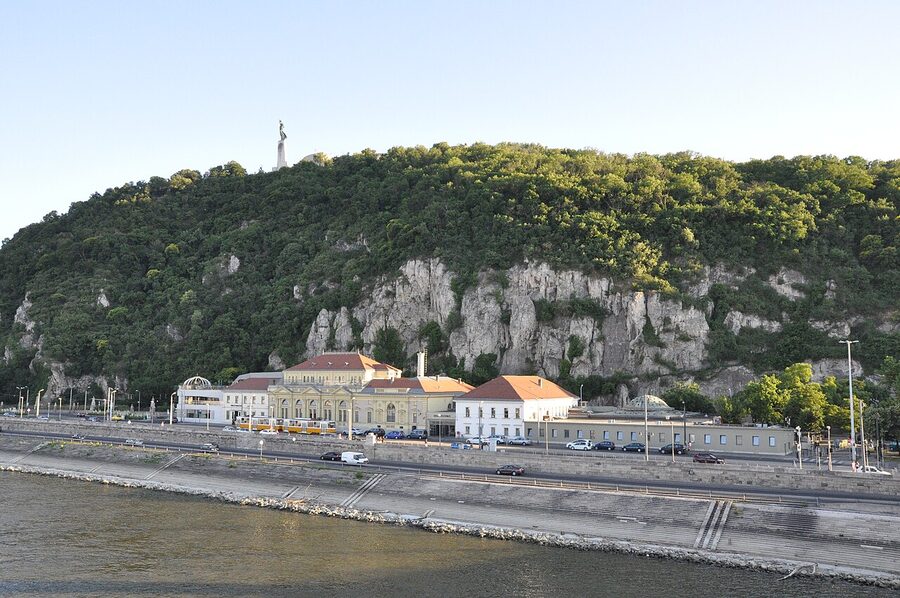
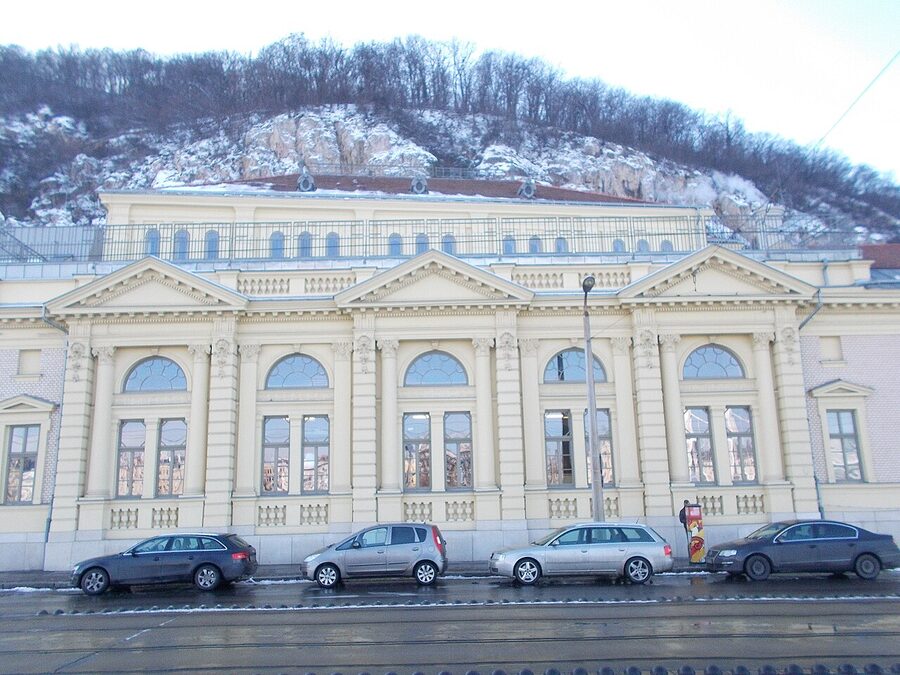
Address: Döbrentei tér 9, 1013 Budapest. The bath is at the foot of Elizabeth Bridge on the Buda side, sandwiched between Gellért Hill and the river. The entrance faces the river, not the road, so on your first visit you’ll walk past the building and then double back.
By tram, take line 19 or 41 (both run along the Buda riverside) and get off at Rudas Gyógyfürdő. The stop is 75 metres from the door. By bus, lines 5, 7, 8E, 86, 110, 112, 178 all stop nearby. From Pest, the easiest cross is to walk over Elizabeth Bridge from Március 15. tér: 8 minutes on foot, with the bath waiting at the bottom of the stairs on the far side.
If you’re staying in Pest and don’t fancy walking, a taxi from anywhere central runs about 2,500 HUF and takes 10-15 minutes depending on traffic. Bolt and the local app FőTaxi both work fine. Don’t bother with the metro. Rudas isn’t on a metro line and the closest stop (Ferenciek tere on M3) is a longer walk than just taking the tram.
Driving is a bad idea unless you’ve already locked in parking. The lot at Döbrentei tér is small and fills by 9am most days. The Várkert Bazár parking 10 minutes north is the next best bet.
Best time to go

The bath opens at 6am. If you want the dome to yourself with sunlight beams cutting down through the ceiling, get there at 6:15. By 9am there’ll be 30 to 50 people in the Turkish section. By noon you’ll be queuing for a corner pool.
The rooftop pool, by contrast, is at its best around 40 minutes before sunset. The light over Pest goes warm, then orange, then deep blue. In summer that’s around 8pm. In winter it’s 4pm. Either way, time your full-day pass so you’re up there as the sun goes down.
Coldest months (January, February) are actually the best time to visit. The contrast between the freezing air outside and the steaming pool is the whole point of a thermal bath. Soaking on the rooftop in 0°C with snow on the rail and steam everywhere is more memorable than the same pool in July. Plus the bath is half-empty in January because no one is on holiday.
Avoid mid-afternoon weekends if you can. The 1pm to 5pm window on Saturday is the one period when every wing is genuinely uncomfortable. Locker queues, full pools, and a 20-minute wait for a wellness section lounger.
What to bring (and what to leave)
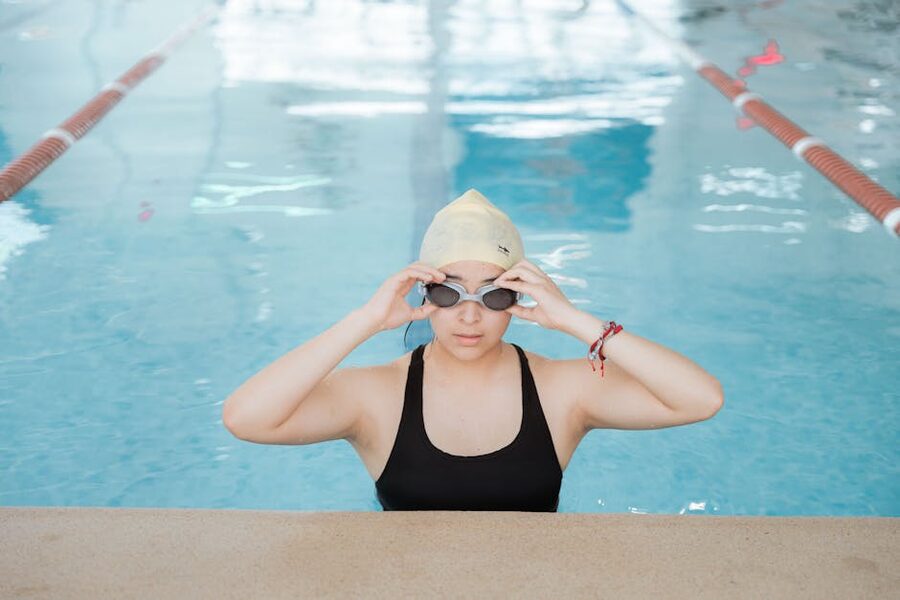
Bring a swimsuit (mandatory in the wellness, lap pool, and rooftop), flip-flops or pool shoes (the stone floors are slippery and cold first thing in the morning), a towel if you don’t want to rent, and ideally a swim cap for the lap pool.
Skip valuables you can’t replace. The lockers are sturdy but the changing rooms are crowded and the cabin keys are wristbands you’ll lose track of in a hot pool. Leave the watch and the second pair of glasses at the hotel. Bring one bank card and leave the rest.
The phone question is awkward. Phones are technically not banned in any area except the dome, but you will be glared at if you take photos near other guests, especially in the gender-segregated section. The rooftop is fine for photos as long as you don’t aim at people. Most regulars leave the phone in the locker.
The Bistro and food
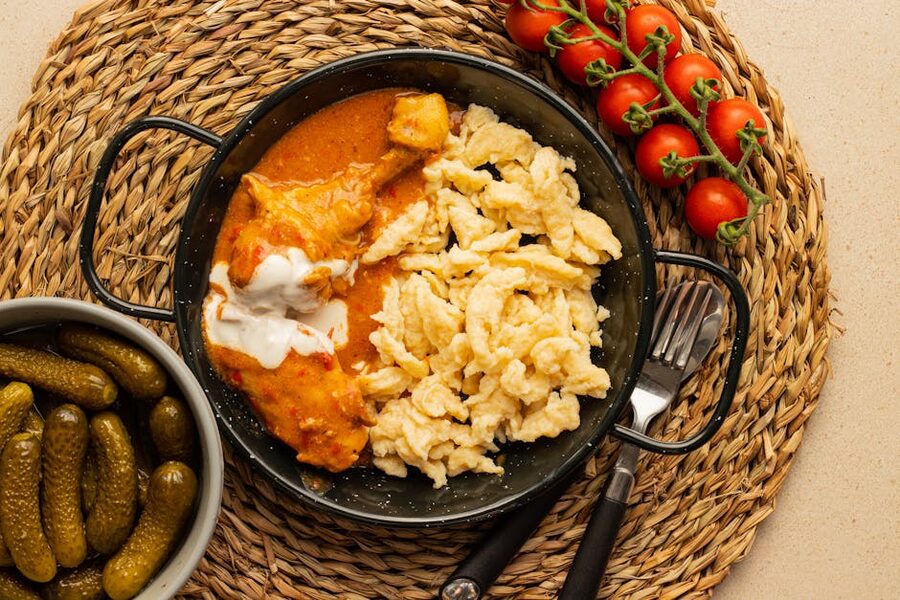
The Rudas Bistro is the on-site restaurant on the riverside ground floor. It does Hungarian classics with a modern angle: gulyás soup, csirkepaprikás, mangalica pork, plus a couple of fish options. Prices are double what you’d pay at a basic Budapest étterem and quality is roughly tourist-friendly rather than exceptional. The reason to eat here is convenience: you don’t have to dry off, dress up, and walk somewhere else.
The 3-course meal combo (the GetYourGuide product I’d actually book) gives you a Hungarian set menu with one starter, one main, and one dessert from a fixed list. You order at the counter, sit at a long shared table, and the food arrives in 15 to 25 minutes. Reasonable. Not life-changing.
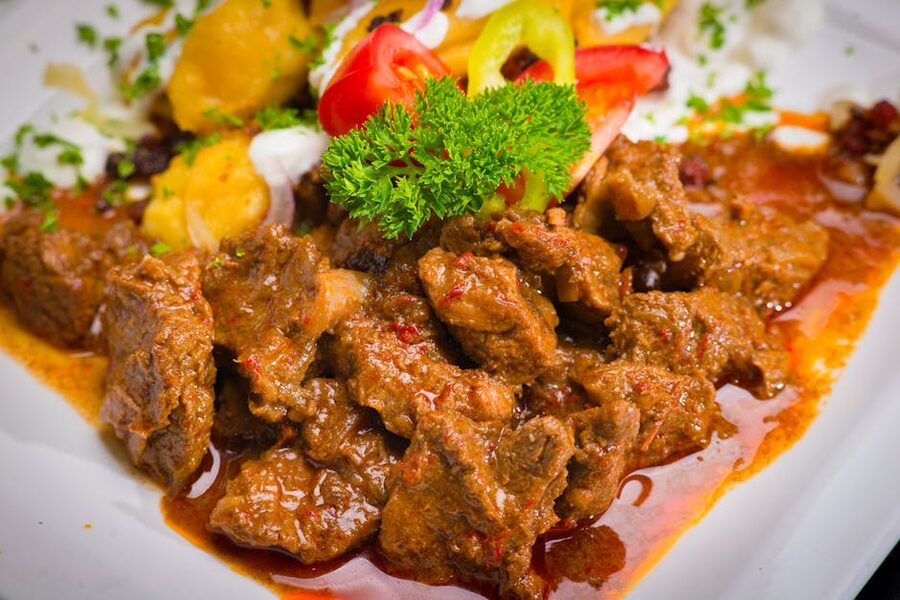
If you’re skipping the Bistro, the area around Rudas has surprisingly few good lunch options. Most of Tabán is residential. Walk 8 minutes north to Hadik Kávéház on Bartók Béla út for a proper Hungarian café meal, or 12 minutes east across Elizabeth Bridge into Pest for the full restaurant scene.
Combining Rudas with other Budapest stops
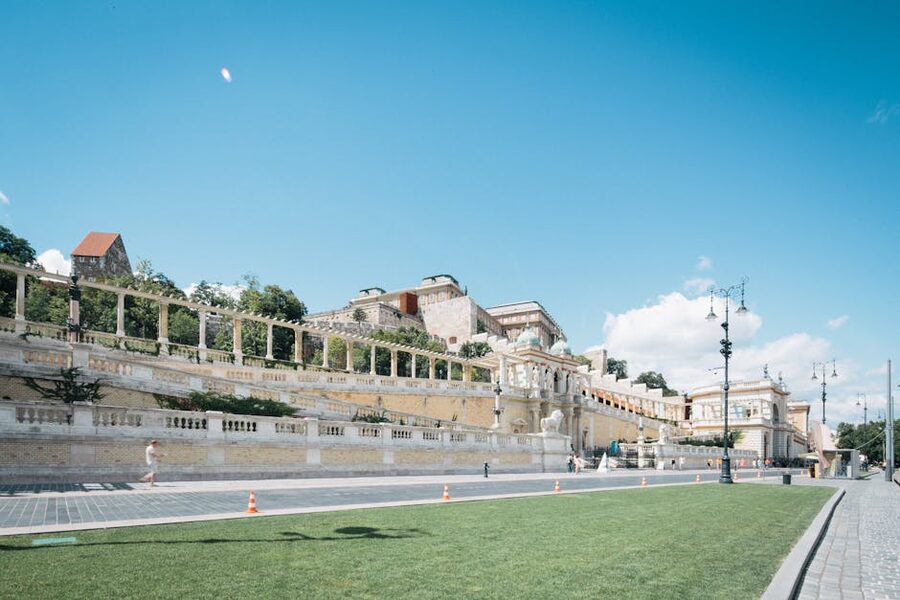
Rudas eats half a day at minimum. Three hours if you’re efficient, six if you go all in on the wellness wing. Plan around that.
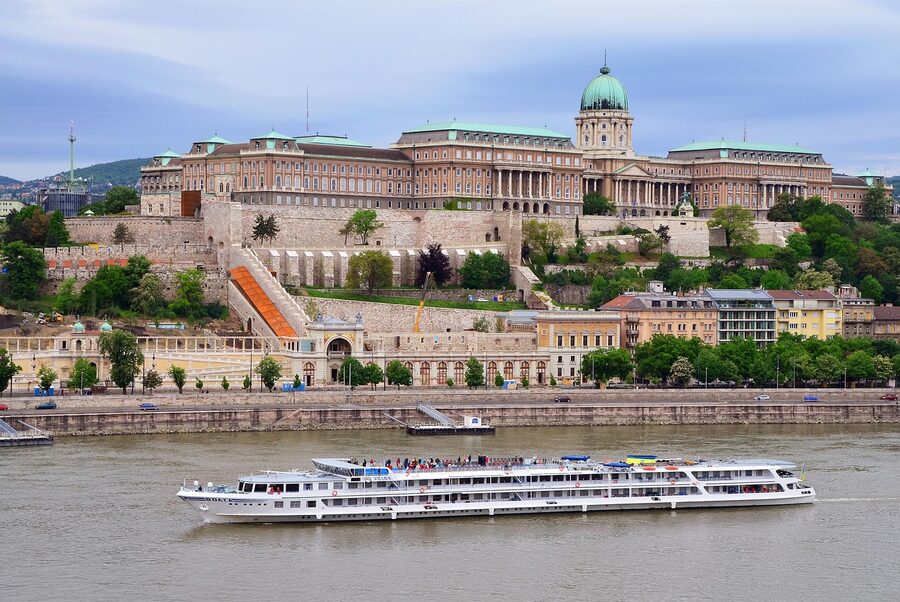
The natural pairing is anything else on the Buda side. Gellért Hill is a 25-minute uphill hike directly behind the bath, with the Citadella and Liberty Statue at the top. Buda Castle is a 25-minute walk north along the riverside. Both are good before-the-bath rather than after, because you’ll have hair that smells of sulphur for the rest of the day.
If you’re doing this as part of a wider Buda day, our Buda Castle walking tour guide covers the route from the Castle district down to the river. The Buda Castle tickets guide handles the museum side. The Castle cave tour is the underground tunnel system from WWII, completely different to the Buda Hills adventure caving tour if that’s also on your radar.
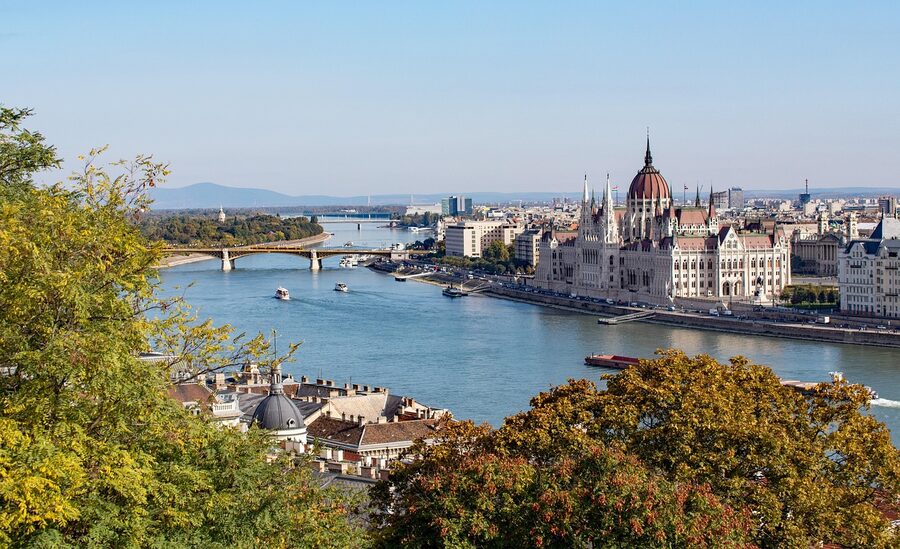
Cross-river, a Danube cruise pairs well with Rudas if you want a “tour and bath” half-day. Do the bath first, change, then catch a sunset cruise from one of the Pest piers. Our Danube cruise booking guide covers which operator runs the best window for sunset.
For a fuller day, you can combine Rudas with our walking tour or hop-on hop-off bus in the morning, then the bath in the afternoon. The bath is genuinely the best way to recover from a tour-heavy day, and getting in the water around 4pm in winter or 6pm in summer is when the rooftop lights up.
Things people complain about

I’ve sent dozens of friends here and the complaints are remarkably consistent.
The smell. Some of the thermal pools have a faint sulphur smell. Locals call this normal and don’t notice it. First-timers occasionally find it unpleasant. After 20 minutes you stop registering it. Bring a hair conditioner that’s stronger than what the bath provides if you have long hair, because the smell does cling.
The locker queues. On weekend afternoons you can wait 15 minutes to access your own locker. The wristband system means everyone is queuing at the same scanner. Go on a weekday or buy the cabin ticket if this is going to bother you.
The rooftop is small. It’s about 12 metres long and accommodates 30 people comfortably, 50 less so. On a summer Saturday at 6pm you might be packed in tight. Off-season weekdays you’ll have it almost to yourself.
The signage is bad. The bath hasn’t fully figured out non-Hungarian-speaking tourists. Some signs are translated, some aren’t. Ask staff if you’re lost. They speak enough English to point.
Closed for refurbishment days. The Turkish bath occasionally closes for maintenance, and the rooftop is closed on certain weekday mornings for cleaning. Check the official site the morning of your visit.
Booking the ticket: what’s actually worth it
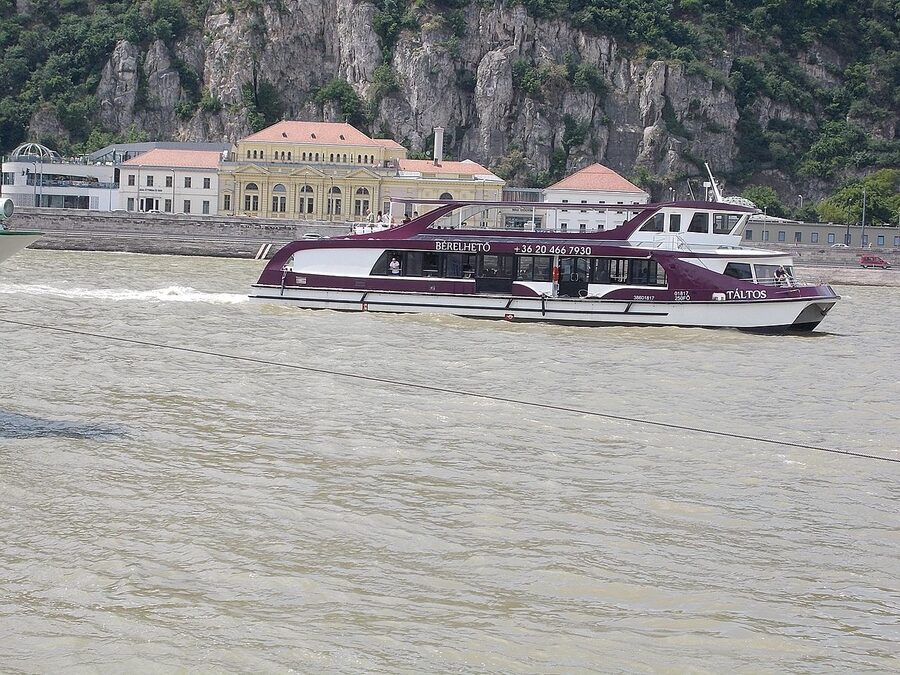
_and_Rudas_Baths_from_Jane_Haining_quay,_2016_Budapest.jpg)
You have three realistic ways to buy a Rudas ticket.
1. Walk up to the door. Pay at the cashier with cash or card. Cheapest option. Works fine on weekday mornings. Risky on weekend afternoons (might be sold out, might be a 20-minute queue at the cash desk).
2. Buy direct from the official tickets.rudasfurdo.hu site. Slightly more expensive than the door, but you skip the queue with a QR code. Same product as the cashier sells.
3. Book through GetYourGuide as part of a combo. The 3-course meal combo, the Danube cruise combo, or the Parliament audio tour combo. These bundle a separately useful thing with your spa entry. The price premium covers the bundle and the booking convenience.
If you’re spa-only and going on a Tuesday morning in February, just turn up. The cashier will be empty. If you’re spa + meal on a weekend, book the GYG combo so you don’t lose a Bistro table to walk-ins. If you’re spa + cruise as a couple, the GYG combo is by far the easiest.
Skip the official site fast-track tickets unless you’re arriving at peak time on a Saturday. The “fast track” is an extra 10 to 15 euros to skip a queue that’s usually only 5 to 10 minutes long.
How long to plan for
Three hours is the rushed version: 30 minutes to change and locker, 60 minutes in the dome, 30 minutes wellness, 30 minutes rooftop, 30 minutes change-out and lunch. You’ll feel like you sped through.
Five hours is the realistic version: 30 minutes change, 90 minutes in the dome with a couple of laps through the corner pools, 60 minutes wellness, 60 minutes rooftop split across two visits, 30 minutes Bistro lunch, 30 minutes change-out and a coffee on the way out.
The whole-day version is genuinely seven to eight hours and is what locals do. They go in at 8am, do the dome and a wellness round, eat lunch at the Bistro, sleep on a wellness lounger for an hour, do another wellness round, watch the sunset on the rooftop, and leave around 7pm. This is unambiguously the best way to experience Rudas if you have the time.
Other Budapest experiences worth booking around your spa day
Rudas is the kind of place that anchors a day rather than fills it. If you’re putting together a Budapest trip and Rudas is one stop, the spas-and-evening combo works particularly well. Pair the bath with a Danube cruise after dark and you’ve got a clean afternoon-into-evening plan: thermal pool, sunset on the rooftop, change, dinner across the bridge, cruise to round it off.
If you’re staying multiple days and curious about the wider city, our bike tour covers the Pest side at a pace that complements a slow Buda day. The tuk-tuk tour is a faster option that reaches both Buda and Pest landmarks in two hours. The Hungarian Parliament tour fills a useful 90-minute morning slot before a 1pm bath visit. And the St Stephen’s Basilica is the natural Pest stop on the cross-river walk after a morning at Rudas.
For nights, the ruin bar pub crawl in District VII is the loud counterpart to the quiet of Rudas: same city, completely opposite mood. The vampires and myths night tour is the third option for after dark, more atmospheric than party.
Day trips out of the city, like the Danube Bend or Gödöllő Sissi Palace, are the natural spa-day rest day. Spa one day, day trip the next, you’ve used your Budapest week well.
Affiliate disclosure: this article includes affiliate links to GetYourGuide. If you book through them we earn a small commission at no extra cost to you. We only recommend tours and tickets we’d genuinely use ourselves.