
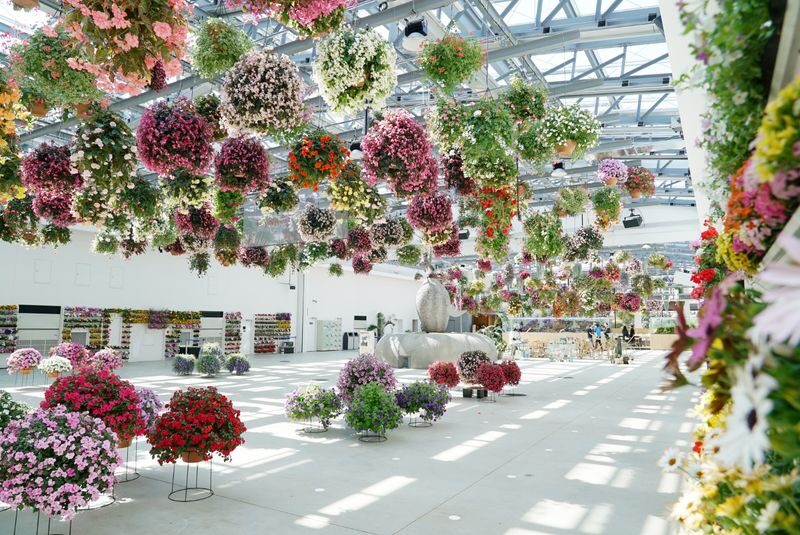
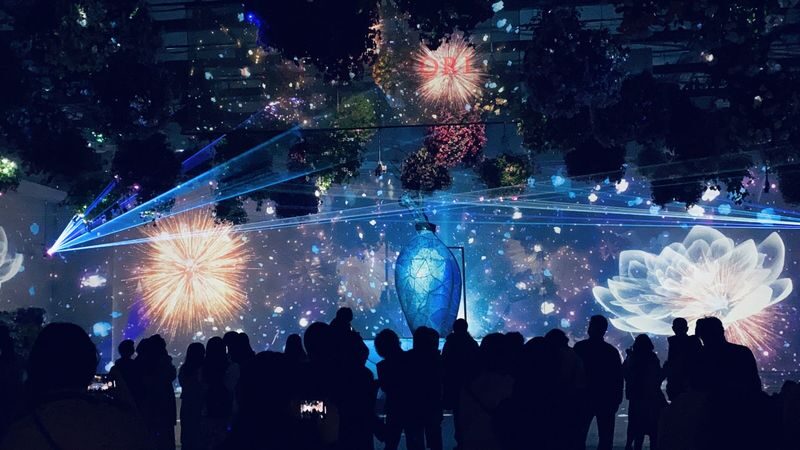
HANA-BIYORI’s main draw is the way it joins a flower park to a digital show of light, sound, and projection mapping. It’s not just a stroll among plants: the indoor floral chandelier, built with more than 300 pots, gives you a reason to look up as well as around.
I like the mix of flowers and digital art, which gives a short visit more variety than a garden walk alone. I also like that the otters and aquarium add something for children and anyone who wants a change of pace. One point to plan around: admission is date-specific and non-refundable, and transport is not included.
- Key points to know before you go
- A flower park with a different rhythm
- The floral chandelier and the digital show
- Otters, fish, and a change of pace
- How much time to set aside
- Getting there from Shinjuku
- What the ticket covers, and what it doesn’t
- Opening hours and useful rules
- Who will enjoy HANA-BIYORI most?
- Should you book HANA-BIYORI?
- FAQ
- Where is HANA-BIYORI?
- How long should I plan to spend there?
- What are the opening hours?
- How do I get to HANA-BIYORI from Shinjuku?
- What is included with admission?
- Are young children admitted free?
- Is parking available?
- Can I leave and re-enter the venue?
- The Best Of Kawasaki!
- More Tours in Kawasaki
- More Tour Reviews in Kawasaki
Key points to know before you go
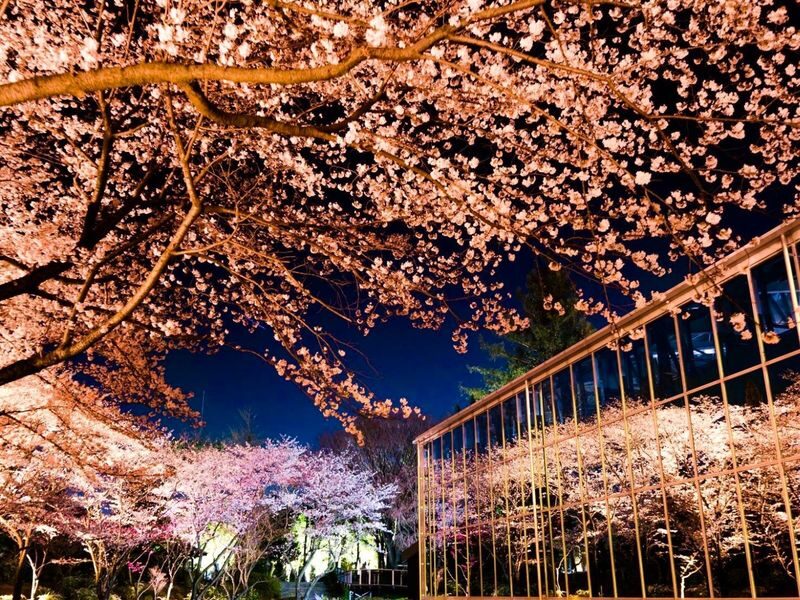

- The floral chandelier uses more than 300 flower pots and is one of the park’s signature sights.
- The digital show combines flowers, lights, sound, and projection mapping, with multiple possible endings.
- Otters and fish bring a small wildlife element to the Aquarium and Flower area.
- Allow one to two hours for a visit, though your pace and interest in the displays will shape the timing.
- The lowest listed price is $3.79, but the ticket covers admission only, not transport, meals, or feeding experiences.
- Use the Keio route for the simplest walk from Shinjuku: Keio Yomiuri Land Station is about 10 minutes away on foot, and a free shuttle is also available.

👉 See our pick of the Our Picks For The 15 Best Tours In Kawasaki
A flower park with a different rhythm
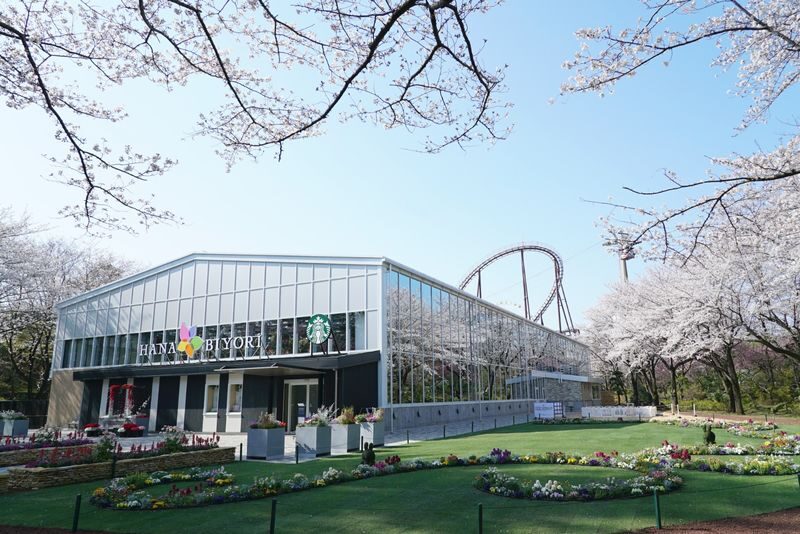
HANA-BIYORI is in Inagi, Tokyo, near Yomiuriland. The provided location details also describe the area as Kawasaki, Kanagawa, so check the address carefully when planning your route: 4015-1 Yanokuchi, Inagi-shi, Tokyo 206-8566.
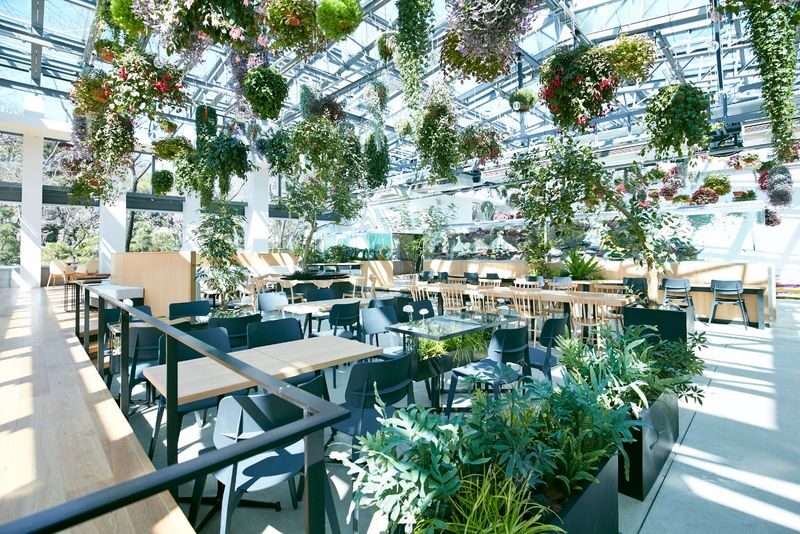
The attraction is designed for people who want a gentler outing than a full amusement-park day. You can move among flowers, stop for the digital presentation, and spend time watching the animals and fish. That mix makes the visit feel less like a single exhibit and more like a compact indoor-and-garden outing.
The mood is part of the appeal. One visitor described expecting a small site, then finding more to see than first appeared. That’s useful advice: don’t judge the visit from the first area you enter. Take time to explore, especially if you enjoy looking closely at floral details or pausing for photos.
At the same time, this is not a large botanical garden with hours of walking trails. The suggested visit is one to two hours, which makes HANA-BIYORI a practical add-on to a day nearby rather than a full-day destination on its own.
You can also read our reviews of more tours and experiences in Kawasaki.



The floral chandelier and the digital show
The floral chandelier is the most distinctive feature to seek out. With over 300 pots of flowers, it gives the indoor space a striking overhead focal point. Look up as you move through the area: the installation’s scale is easy to miss if you focus only on what’s at eye level.
The digital show takes a different approach to flowers. Projection mapping, sound, and lighting turn floral imagery into a performance, and the show is described as having multiple endings. That means the presentation is not simply a static display, though specific show times and the details of each ending are not provided. Check the official site before your visit for current operating information.
I like this pairing because it gives you two ways to enjoy the same subject. The chandelier offers a close, physical view of planted flowers; the show uses digital effects to make flowers part of a larger visual scene. If you’re visiting with someone who has little patience for a traditional garden, the presentation may help keep the outing engaging.
There is a trade-off. Digital effects and lighting are a different experience from seeing flowers outdoors in natural light. If your main goal is a quiet garden walk, treat the show as an extra rather than the reason to choose HANA-BIYORI.
Otters, fish, and a change of pace
The Aquarium and Flower area adds live animals to the visit. You can see Asian small-clawed otters and watch more than 1,200 colorful fish in the tanks. The information provided doesn’t give details about feeding times or animal talks, so plan on viewing them rather than expecting a scheduled interaction.
Feeding experiences are not included with admission. If you’re interested in feeding, ask at the venue about availability and cost rather than assuming it comes with your ticket. It’s a small but useful distinction, particularly for families budgeting for an outing.
The animal area helps balance the flower displays. You might spend time taking in the plants, then shift to watching the otters or fish before moving on. That variety is valuable for families and mixed-interest groups, although the attraction’s overall scale remains modest compared with a full aquarium or zoo.
How much time to set aside
Plan on one to two hours. An hour may work if you move steadily through the main displays; closer to two gives you more room to enjoy the chandelier, wait for or watch the digital show, and linger by the aquariums.
Your pace matters more than a strict route. There is no detailed sequence of stops provided, so think of the visit as a set of areas to explore rather than a timed tour. If photography is important to you, allow extra time for the picturesque corners and floral details. The venue’s calm, well-kept feel is part of its draw, so rushing through would miss the point.
HANA-BIYORI can also be a good choice when you want a lower-key activity in the Tokyo area. The atmosphere is described as serene and elegant, and the displays are arranged to invite a slower look. That makes it a comfortable contrast to a packed schedule, though the attraction may feel too brief if you need a full day’s entertainment.
Getting there from Shinjuku
You have two public-transport options in the information provided. The simpler one to follow is the Keio Line from Shinjuku to Keio Yomiuri Land Station. From there, HANA-BIYORI is about a 10-minute walk, and a free shuttle bus is also available.
The other route uses the Odakyu Odawara Line from Shinjuku to Yomiuri-land Station. From that station, take an Odakyu bus to the Yomiuri Land stop, a ride of about 10 minutes. From the bus stop, walk about eight minutes to HANA-BIYORI.
Transport is not included in the ticket, so budget for your train or bus fare separately. Since shuttle and operating details may change, check the official site before setting out. The address is 4015-1 Yanokuchi, Inagi-shi, Tokyo 206-8566; using the full address can help avoid confusion with the nearby Yomiuriland attraction.
If you’re driving a standard-sized car, parking is free for the first two hours for HANA-BIYORI visitors. After that, it costs ¥300 per 30 minutes, up to a daily maximum of ¥1,500. Bicycle parking is free, but spaces are limited.



What the ticket covers, and what it doesn’t
Admission starts at $3.79, making the visit a modestly priced option if you want a short activity with several different sights. The ticket includes admission to HANA-BIYORI and its attractions. The value depends on what you enjoy: flower displays, a digital presentation, and animal viewing are all part of the mix, but you should not expect a long guided visit or a full-day park experience.
Meals and drinks are not included. Feeding experiences, personal expenses, transport, and a Yomiuriland one-day pass are also separate. If you’re planning to visit both HANA-BIYORI and Yomiuriland, check the ticket options carefully so you don’t assume one admission covers the other.
Children aged 0 to 5 are listed as free from March 6, 2024. The information also notes that children aged 0 to 2 are free, so the broader 0-to-5 age range is the more useful guidance. Confirm the current child policy when booking, particularly if your child is near the age cutoff.
Opening hours and useful rules
The listed opening hours are 10:00 a.m. to 5:00 p.m. daily, but hours and closed dates can change without notice. Check the official site on the day you plan to go. One closure date is listed as October 16, but the year is not specified, so don’t rely on that date as a permanent closure rule.
At the venue, show your voucher at the HANA-BIYORI counter and exchange it for a physical ticket. The voucher is valid only on the selected date, and on the selected time if a time applies. The ticket is non-refundable, so choose your date with care.
There is no re-entry after you leave. Storage areas are available, with rates confirmed by staff on site. Glass bottles, cans, and alcoholic beverages are not allowed inside. These rules are easy to plan around: bring only what you need for the visit, and don’t leave the venue expecting to come back in on the same ticket.
Who will enjoy HANA-BIYORI most?
I’d recommend it to you if you like flowers but want more than a standard garden visit. The chandelier and digital show give the plants a theatrical setting, while the otters and tanks offer a welcome change of scene. The calm pace also suits couples, friends, and families looking for a quieter outing.
It’s especially practical if you have one or two hours to fill near Yomiuriland, or if you want a visually appealing stop without committing to a full day. The atmosphere is gentle rather than high-energy, and the range of things to see helps make the visit work for people with different interests.
You may want to skip it if your priority is a large outdoor garden, a full aquarium, or a full day of attractions. HANA-BIYORI’s strength is variety in a compact visit, not sheer size. And if your schedule is uncertain, remember that the ticket is date-specific and non-refundable.
Should you book HANA-BIYORI?
Book if you want an easygoing visit built around flowers, a digital show, and a few animal exhibits. I’d give it a place in your plans when the low starting price and one-to-two-hour length suit your day, especially if you’re already going to the Yomiuriland area.
Skip it if you need a long, all-day activity or would rather spend your time in a traditional outdoor garden. Before paying, confirm the opening hours, transport details, and child policy, then choose a date you can keep. That simple check matters more here than elaborate planning.
“HANA-BIYORI” A New Sensation Flower Park in Tokyo
“Chill and relaxing place! I thought the place was small but the area covered appeared to be big. There's so much more to see besides the beautiful…”
FAQ
Where is HANA-BIYORI?
HANA-BIYORI is at 4015-1 Yanokuchi, Inagi-shi, Tokyo 206-8566, Japan. The location information also identifies the area as Kawasaki, so use the full address when planning your route.
How long should I plan to spend there?
Plan for one to two hours. You can move through the main attractions in less time, but a longer visit leaves room to enjoy the digital show, floral chandelier, otters, and fish at a relaxed pace.
What are the opening hours?
The listed hours are Monday through Sunday, 10:00 a.m. to 5:00 p.m. Hours and closed dates may change, so check the official site before visiting.
How do I get to HANA-BIYORI from Shinjuku?
Take the Keio Line to Keio Yomiuri Land Station, then walk about 10 minutes or use the free shuttle bus. Alternatively, take the Odakyu Odawara Line to Yomiuri-land Station, then take an Odakyu bus to the Yomiuri Land stop and walk about eight minutes.
What is included with admission?
The ticket includes admission to HANA-BIYORI and its attractions. Transport, meals and beverages, feeding experiences, personal expenses, and a Yomiuriland one-day pass are not included.
Are young children admitted free?
Children aged 0 to 5 are listed as free from March 6, 2024. Check the current ticket details when booking if you need to confirm the policy for a child near the age limit.
Is parking available?
For standard-sized cars, parking is free for the first two hours for HANA-BIYORI visitors. It costs ¥300 per 30 minutes after that, with a daily maximum of ¥1,500. Bicycle parking is free, but spaces are limited.
Can I leave and re-enter the venue?
No. Re-entry is not allowed after you leave HANA-BIYORI.


