Izu’s appeal is its mix of volcanic scenery, ocean views, hot springs, and small towns, but getting there from Tokyo takes time. This 10-hour private car trip lets you choose a few stops rather than follow a fixed group schedule.
I like the freedom to shape the day around a crater-top walk, a coastal viewpoint, or a garden in bloom. I also like having a driver for the winding regional roads and the long return to Tokyo, especially if you are traveling with children or a small group.
The main caution is distance: the drive can take about three hours each way, and traffic can shrink your sightseeing time. Pick two or three priorities, not a wish list of every attraction on the peninsula.
- At a glance
- The real shape of a Tokyo to Izu day
- Mount Omuro, the day’s natural centerpiece
- The zoo, gardens, and seasonal choices
- Jogasaki Coast or Shuzenji: choose the mood
- What the private car changes
- Price, vehicle size, and extra charges
- Who will get the most from this trip
- A few practical details before you go
- Should you book it?
- FAQ
- How long is the private car charter?
- Is a tour guide included?
- Which stops can I choose?
- Are attraction tickets included in the price?
- Can I bring children and luggage?
- What happens if the weather is extreme or I need to cancel?
- The Best Of Ito!
- More Tours in Ito
- More Tour Reviews in Ito
At a glance
 1 / 10
 2 / 10
 3 / 10
 4 / 10
 5 / 10
 6 / 10
 7 / 10
 8 / 10
 9 / 10
 10 / 10
- A long day out of Tokyo: The charter runs for 10 hours, with pickup and drop-off at hotels or guesthouses in Tokyo’s 23 wards.
- Mount Omuro is a strong anchor stop: Ride the crater cable car, then take in views of Fuji, Suruga Bay, and Izu’s mountains when the weather is clear.
- Choose your own route: Pair the mountain with the zoo, Jogasaki Coast, Izu Panorama Park, Shuzenji, or seasonal gardens.
- The driver is not a tour guide: Japanese or Chinese support is offered. English is not standard, though you can request an English-speaking driver for an extra fee.
- Leave room for delays: Traffic, weather, and stop times can force you to drop a planned attraction, and overtime costs extra.

👉 See our pick of the Our Picks For The 6 Best Tours In Ito
The real shape of a Tokyo to Izu day
The advertised format is simple: leave Tokyo at 7:00 and return around 17:00. In practice, this is a full day with a substantial amount of driving. One trip can involve roughly three hours on the road each way, before you count traffic, local roads, parking, or time spent at stops.
That travel time is the key to deciding if this trip fits your plans. A private car makes the journey easier and gives you control over stops, but it cannot make Izu closer to Tokyo. The value is in avoiding the need to coordinate several transport links and in being able to go directly between places that suit your group.
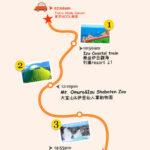
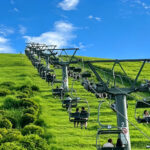
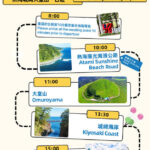
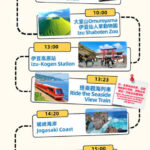
I would treat the proposed schedule as a guide, not a promise that every stop will fit. The day may begin at Mount Omuro around 9:30, with a visit to the zoo around 11:00, then a choice of a coastal stop or Shuzenji at about 13:30. Those timings leave little slack if the drive runs long.
You can also read our reviews of more tours and experiences in Ito.
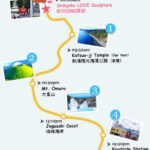
Mount Omuro, the day’s natural centerpiece
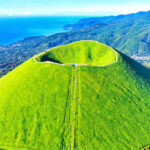
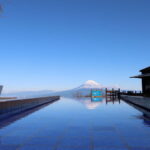
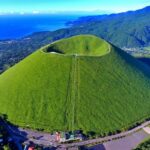
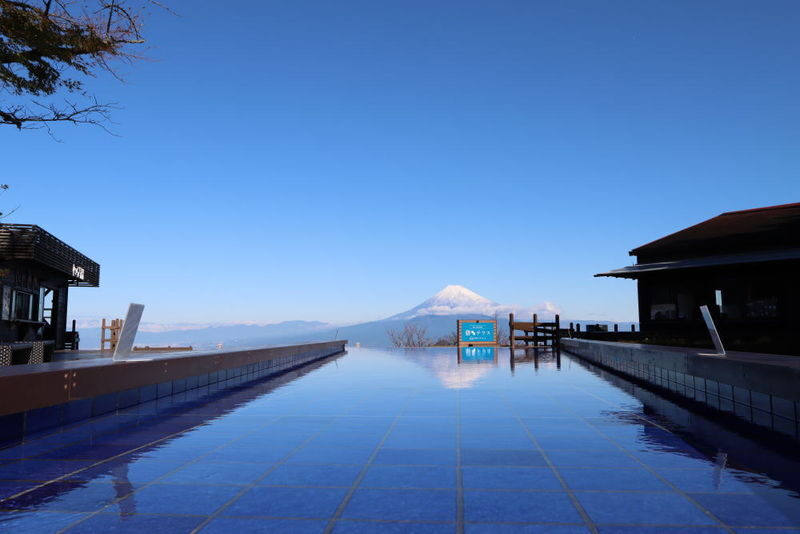
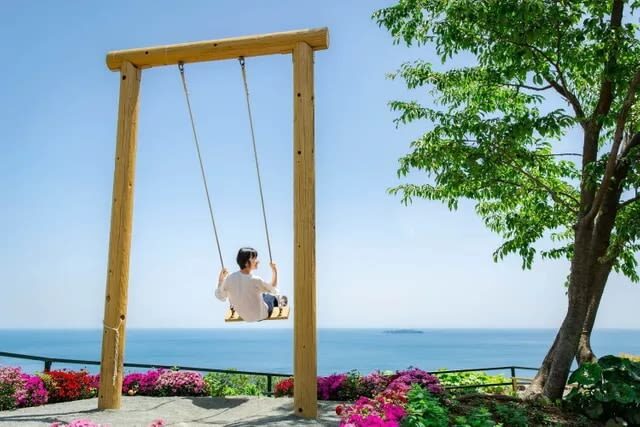
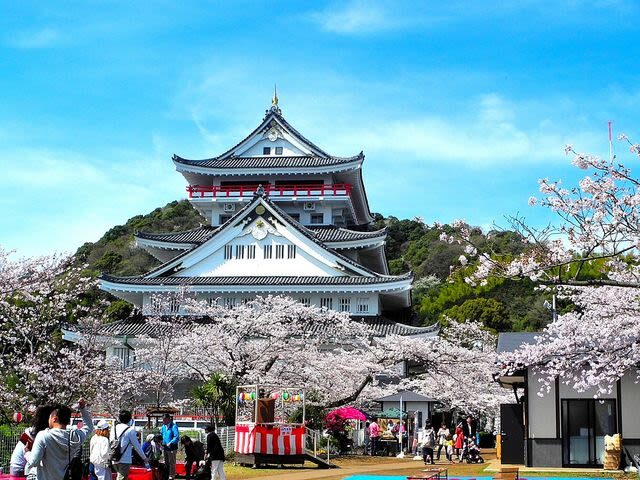
Mount Omuro is a volcanic cone with a crater cable car that takes you to the top. On a clear day, the view reaches Mount Fuji, Suruga Bay, and the mountain ridges of the Izu Peninsula. The open summit and its walking route offer a welcome change from sitting in the car.
Weather matters here. If conditions are poor, the cable car may not run, and low cloud can hide the view. Build in an alternative rather than making the summit the only reason for the trip. One useful fallback is to adjust the route with your driver, though the final choice depends on the day’s conditions and available time.
Some travelers pair Mount Omuro with the Izu Shaboten Zoo, which is nearby. Another suggested route includes Izu Panorama Park before Mount Omuro and Jogasaki Coast. That is an appealing mix of high views, animal encounters, and sea cliffs, but it is also a lot to squeeze into a single day from Tokyo.
Mount Omuro is also described as Matcha Mountain and linked to the anime Your Name. If that reference matters to you, it adds a bit of pop-culture interest to the visit. Even without it, the crater and broad views are the reason I would put this stop near the top of the list.
The zoo, gardens, and seasonal choices
Izu Shaboten Zoo is known for its cactus garden, and it can make a good stop if you are traveling with children or want a less strenuous break from viewpoints. A two-hour visit is possible in a tightly planned day, and feeding capybaras and giraffes has been a highlight for some groups. Do check the time with your driver before settling in: a long zoo visit leaves less room for the coast or a town stop.
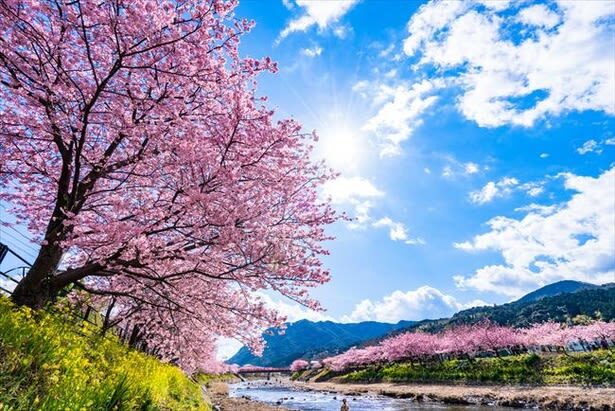
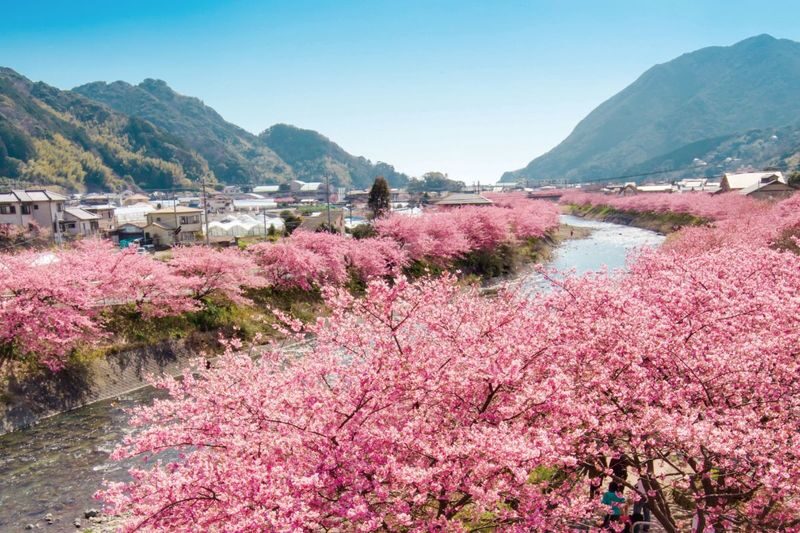
For a trip focused on flowers, the season changes the best route. Kawazu cherry blossoms usually bloom from early February to early March, with trees lining both sides of the river. A February-limited package is offered for this season, at a higher starting price than the standard Izu and Atami options.
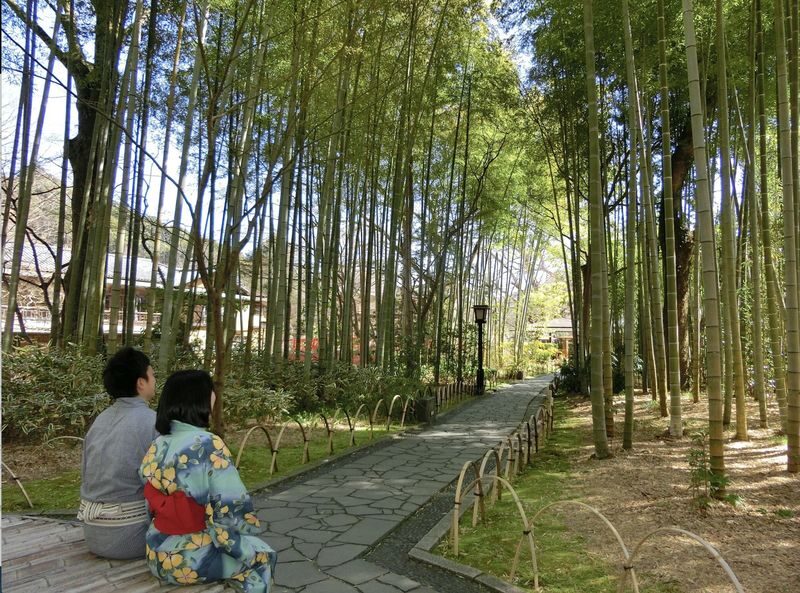
Atami Baien Plum Garden is another seasonal possibility. Its autumn foliage period is given as late November to mid-December, making it a late-season choice for autumn color. Shuzenji, often called the Little Kyoto of Izu, is known for its temple and red maple foliage. These are not interchangeable stops: choose based on the season and what you most want to see, rather than trying to add every garden to one route.
The listed route also names Izu Panorama Park. It is a possible alternative to the zoo, but including it alongside Mount Omuro and Jogasaki Coast makes the day more ambitious. I would ask the operator to confirm the realistic drive and stop plan before you settle on a three-stop combination.
Jogasaki Coast or Shuzenji: choose the mood
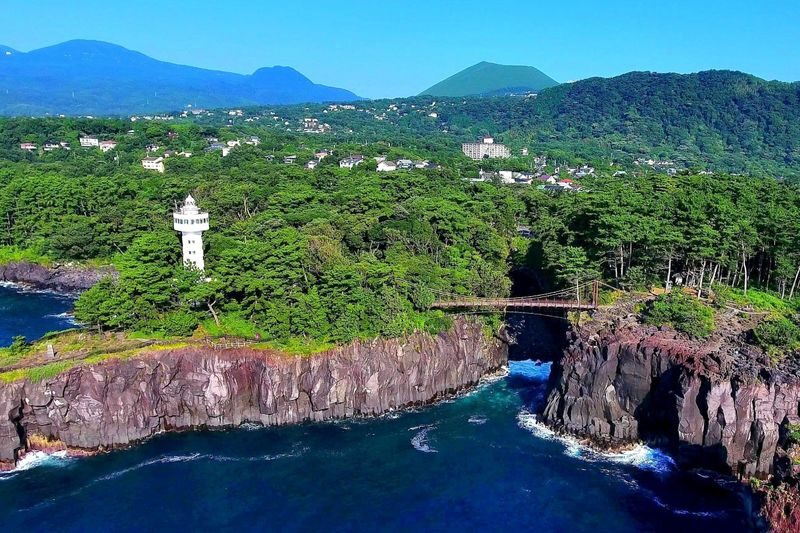
Jogasaki Coast is a rugged stretch shaped by lava, with dramatic coastal views. It is the natural choice if cliffs and sea air appeal more than temple grounds and town streets. The itinerary also refers to Kinosaki Coast, while the suggested route names Jogasaki Coast, so confirm the exact coastal stop when you discuss your plan.
Shuzenji offers a different pace. Its temple and old-town character make it a good choice if you want a cultural stop after the mountain or zoo. In autumn, the maple color is a draw. The trade-off is that it is not simply another quick viewpoint: allow enough time to walk around, and accept that you may need to omit another attraction.
You may be asked to choose between the coast and Shuzenji for the afternoon. That is a sensible choice. The peninsula is not a compact theme park where you can hop between every sight in minutes. Select one stop that matches your interests and let the driver know what matters most.
What the private car changes
The main benefit is control. You can set a departure time within the service window of 7:00 to 22:00, choose a route, and travel as a private party rather than share a vehicle with other groups. Hotel or guesthouse pickup and drop-off are available within Tokyo’s 23 wards.
The driver handles the driving, but this is not a guided tour with a guide narrating each place. Drivers can provide Japanese or Chinese support, and some have offered practical suggestions on where to go. English is not guaranteed; the driver may use translation software. If you need an English-speaking driver, request one in advance and expect a JPY 5,000 designation fee.
Drivers assigned to this service vary. Past trips have named Master Yin, Yamamuro-san, Mr. Zhang, Meng, and Jeff, but you cannot assume you will get a particular person. The recurring practical strengths have been careful driving, patience, punctual pickup, and help adjusting the route. Those qualities matter on a long drive, even without a formal guide.
Price, vehicle size, and extra charges
The standard Izu and Atami trips start at US$433.55; the February Kawazu cherry blossom option starts at US$488.75. That is a starting price for a private charter, so compare it against your group size and the cost of arranging transport separately. For a family or a group splitting the fare, the convenience can make sense. For one or two people, it is a substantial outlay for a day with several hours in the car.
Vehicle choice affects comfort and luggage space. A five-seat car is listed for up to three passengers and two pieces of luggage. A seven-seat vehicle fits up to six passengers and four bags, while the 10-seat van allows up to nine passengers and ten bags. Larger 14- and 18-seat options are also available, subject to their stated passenger and luggage limits. Exact models cannot be selected, and the vehicle may be changed to another in the same class.
For six adults, especially if several are larger in build, a 10-seat vehicle is recommended over a seven-seater for comfort. Child seats must be requested ahead of time; one can be provided free, but each takes up about the space of one and a half passengers. Infants and children count toward the passenger total. Oversized bags and strollers count as two pieces, so be precise when booking. If your party or luggage exceeds the vehicle’s capacity, you may be refused boarding without a refund.
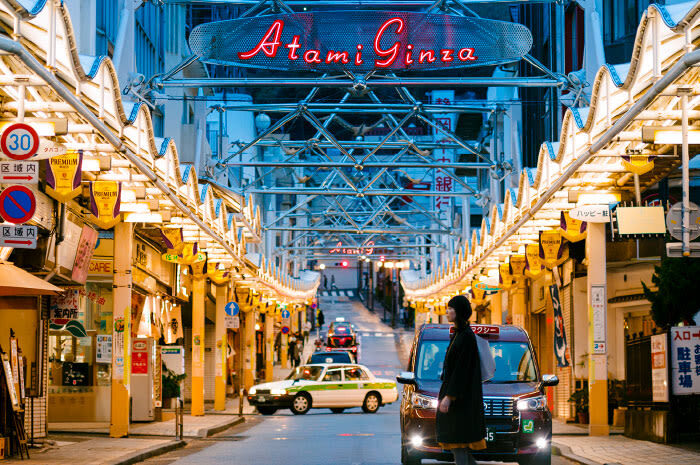
The price includes round-trip transfers, insurance, expressway fees, and fuel surcharge. It does not include attraction admission, parking, tips, personal costs, or overtime. The over-mileage charge and cross-region fee are also extra. Combining Izu and Atami can trigger a cross-region service fee, so do not assume you can visit both areas for the base price.
Overtime is JPY 5,000 per hour for vehicles with 10 seats or fewer, and JPY 10,000 per hour for 14-seat vehicles or larger. More than 15 minutes over the limit counts as an hour. Traffic, waiting, or other delays can lead to extra charges, so keep your route realistic and confirm how the 10-hour service is calculated for your pickup and drop-off points.
Who will get the most from this trip
I would consider this charter for families, friends, or multigenerational groups who want to see a specific part of Izu without managing multiple connections. It is especially useful if your chosen stops are spread out or you need the flexibility to change plans when weather affects the mountain or coast.
It is less suited to anyone who wants a slow, unhurried day with many stops. The drive from Tokyo makes that hard, and a traffic jam can turn a three-stop plan into two. If your priority is a single seasonal event, such as Kawazu cherry blossoms, build the day around it and leave the rest as optional.
The service area also has limits. Pickup and drop-off are for hotels or guesthouses in Tokyo’s 23 wards. A location outside that area can incur a deadhead fee of JPY 5,000 to JPY 20,000, while Haneda Airport or the Disneyland area can add a one-way fee of JPY 5,000 to JPY 10,000. The vehicle is limited to travel within a 300-kilometer radius of the departure hotel.
A few practical details before you go
Arrive at pickup 10 minutes early. The driver’s contact information is provided before departure, at the latest three hours before the car is used. WhatsApp, WeChat, or email may be easier than LINE for arranging contact, since some LINE IDs cannot be added directly.
The voucher is valid only for the booked date and time, and confirmation is normally issued within minutes. You can cancel for a full refund up to 72 hours before the activity, based on local time. In extreme weather or other unforeseen events, the operator may cancel and offer a reschedule or full refund.
Should you book it?
Book this if a private ride, flexible stops, and a day in Izu matter more to you than maximizing time at each attraction. I would choose Mount Omuro plus either Jogasaki Coast, the zoo, or Shuzenji, then treat any extra stop as a bonus. If the long drive and possible overtime make the price feel poor value, plan a closer destination or spend a night in the region instead.
Tokyo Departure: Izu/Atami Customized Private Car Day Tour
“A big thank you to driver Master Yin! Our itinerary today was perfectly arranged, and he arrived at the hotel on time for pickup. He was patient an…”
FAQ
How long is the private car charter?
Standard service time is 10 hours. The stated Tokyo schedule is around 7:00 to 17:00, though traffic and the selected pickup or drop-off location can affect the actual timing.
Is a tour guide included?
No. The driver is not a tour guide. Japanese or Chinese support is available, and the driver may use translation software. An English-speaking driver can be requested in advance for an additional JPY 5,000 designation fee.
Which stops can I choose?
Possible stops include Mount Omuro, Izu Shaboten Zoo, Jogasaki Coast, Izu Panorama Park, Shuzenji Temple, Atami Baien Plum Garden, and Kawazu for cherry blossoms. The route is customizable, but time, weather, traffic, and seasonal availability may limit the number of stops.
Are attraction tickets included in the price?
No. Attraction admission, parking, tips, personal expenses, overtime, over-mileage, and any cross-region service fee are not included.
Can I bring children and luggage?
Yes, but infants and children count toward the passenger headcount. Vehicle capacity varies by type, and one child seat can be provided free if requested in advance. Oversized luggage and strollers count as two pieces.
What happens if the weather is extreme or I need to cancel?
You can receive a full refund if you cancel at least 72 hours before the activity date, using local time. If extreme weather or another unforeseen event leads the operator to cancel, you can reschedule or request a full refund.